

Camponotus compressiscapus
- Scientific Name
- Camponotus compressiscapus
- Subgenus
- Myrmotrema
- Tribe
- Camponotini
- Subfamily
- Formicinae
- Author
- André, 1889
- Distribution
- Found in 8 countries
Camponotus compressiscapus Overview
Camponotus compressiscapus is an ant species of the genus Camponotus. It is primarily documented in 8 countries , including Burkina Faso, Côte d'Ivoire, Cameroon. Detailed taxonomic data and occurrence records can be further explored via authoritative databases such as AntWeb or the Global Biodiversity Information Facility (GBIF).
Camponotus compressiscapus
Camponotus compressiscapus is a larger ant species native to West Africa, found in countries including Senegal, Sierra Leone, Ghana, Guinea, and Nigeria. Workers are robust with a distinctive compressed scape (the basal segment of the antenna), which gives the species its name. This ant belongs to the Formicinae subfamily and was originally described by André in 1889 from Sierra Leone specimens. The species shows a preference for dense shrub savanna habitats and has been observed foraging on plants like Vernonia guineensis. A notable aspect of this species is its interaction with the parasitic liver fluke Dicrocoelium hospes, which manipulates infected ants to climb to elevated exposed positions, likely to complete the parasite's life cycle.
Quick Summary
- Difficulty: Medium
- Origin & Habitat: West Africa (Senegal, Sierra Leone, Ghana, Guinea, Nigeria), found in dense arbustive savanna and forest-savanna mosaic areas [1][2]
- Colony Type: Likely monogyne (single queen) based on typical Camponotus patterns. Colony structure is inferred from genus patterns as species-specific data is limited.
- Colony: Monogyne
- Founding: Claustral
- Size & Growth:
- Queen: Estimated 12-18mm based on typical Camponotus queen size range
- Worker: Estimated 6-12mm based on genus patterns and note as larger ant species [3]
- Colony: Estimated several thousand workers at maturity based on genus patterns
- Growth: Moderate, typical Camponotus growth rate
- Development: Estimated 6-10 weeks at optimal temperature based on typical Camponotus development (Development time is inferred from related Camponotus species, actual timing may vary)
- Antkeeping:
- Temperature: Keep at 24-28°C, this West African species prefers warm conditions. A heating cable on one side of the nest creates a temperature gradient
- Humidity: Moderate to high humidity (60-80%). Keep substrate consistently moist but not waterlogged. Mist occasionally and provide a water tube.
- Diapause: Unknown for this species, West African ants may not require true hibernation but may slow down during cooler periods
- Nesting: Arboreal tendencies suggest they prefer elevated nests. In captivity, a Y-tong (AAC) nest or plaster formicarium with good ventilation works well. Provide climbing structures and vertical space.
- Behavior: Generally calm and non-aggressive compared to some Camponotus species. Workers are foragers that search for food both on the ground and on vegetation. As larger ants, they have a moderate sting though it's rarely severe for humans. Escape risk is moderate, standard barrier methods like Fluon work well for their size. The species shows arboreal foraging behavior, climbing plants to access honeydew and prey.
- Common Issues: parasite infection from wild-caught colonies, Dicrocoelium hospes can be present and affect ant behavior, humidity control is important, too dry causes desiccation, too wet promotes mold, slow founding phase, claustral queens may take months to raise first workers, arboreal nature means they need vertical space and climbing structures, temperature drops below 20°C can slow or stop colony development
Housing and Nest Setup
Camponotus compressiscapus shows arboreal tendencies, meaning they prefer to nest in elevated locations. In captivity, a Y-tong (AAC) nest works well because it provides the dark, secure environment ants need while allowing you to observe colony activity. Alternatively, a plaster or acrylic formicarium with narrow chambers scaled to their size is suitable. Because they are larger ants, they need appropriately sized tunnels and chambers, too small and workers cannot move freely, too large and they may feel exposed and stressed. Provide a water tube connected to a cotton reservoir for humidity. Place the nest in a area away from direct sunlight and vibrations. The outworld should include climbing structures like twigs or cork bark since this species naturally forages on vegetation. [3][1]
Feeding and Diet
Like most Camponotus species, C. compressiscapus is omnivorous. Workers consume honeydew and nectar from plants in the wild, and they also hunt small insects and arthropods. In captivity, offer a constant source of sugar water or diluted honey. For protein, provide small insects like fruit flies, small crickets, or mealworms. Since this species has been found foraging on Vernonia guineensis plants, they likely access plant-based foods in nature. Feed protein prey 2-3 times per week, and keep sugar water available at all times. Remove uneaten prey after 24-48 hours to prevent mold. Workers will typically forage during the day, so observe when they are most active to time feedings accordingly. [1]
Temperature and Seasonal Care
As a West African species, Camponotus compressiscapus thrives in warm conditions. Keep the nest area at 24-28°C for optimal brood development. A small heating cable placed on one side of the nest creates a temperature gradient, allowing ants to self-regulate by moving between warmer and cooler areas. Place the heating cable on TOP of the nest, not underneath, to prevent excessive drying of the substrate. Room temperature around 22-24°C is acceptable if your home runs warm, but below 20°C will slow colony development significantly. This species likely does not require a true hibernation period given its tropical origin, but colony activity may naturally decrease during cooler months. Monitor your colony's behavior, if workers become less active and cluster together, they may be indicating preference for warmer conditions.
Colony Founding and Growth
Queen founding behavior follows typical Camponotus patterns, the queen seals herself in a chamber and survives entirely on stored fat reserves (claustral founding). She does not leave to forage during the founding phase. Expect the first nanitic (first-generation) workers to emerge in 6-10 weeks under optimal conditions, though this is estimated based on related species. Nanitics are typically smaller than normal workers but will begin foraging to support the colony. Growth is moderate, a healthy colony will reach several hundred workers within the first year or two. The key to successful founding is patience and minimal disturbance. Check the test tube or founding chamber only by observation, without opening it, for the first several weeks. Once workers emerge, you can begin offering food.
Health and Parasites
A significant concern for this species is infection by the parasitic liver fluke Dicrocoelium hospes. This parasite manipulates infected ants to climb to elevated exposed positions on plants, where they are more likely to be eaten by grazing herbivores (the next host in the parasite's life cycle). Infected ants show reduced responses to environmental changes like light, temperature, and humidity. If you collect colonies from the wild, watch for unusual behavior where ants repeatedly climb to high exposed positions and remain there. There is no known treatment for this parasite in captive ant colonies, so prevention is key, source your colony from reputable breeders rather than collecting from the wild if possible. Healthy colonies should show normal foraging and brood-care behaviors.
Behavior and Temperament
Camponotus compressiscapus is generally a calm species compared to some other ants in the genus. Workers are not particularly aggressive and rarely bite unless directly threatened. Their moderate size means they can defend themselves if needed, but they are not chronic biters. Workers are active foragers that search for food both on the ground and by climbing, this arboreal behavior reflects their natural habitat in savanna and forest edges. They communicate using chemical trails and can recruit nestmates to food sources. The species is primarily diurnal, with peak foraging activity during daylight hours. Escape prevention is straightforward for their size, standard barrier methods like Fluon on container edges work well. They do not form supercolonies and each colony maintains its own territory. [3]
Frequently Asked Questions
How long does it take for Camponotus compressiscapus to raise first workers?
Based on typical Camponotus development, expect 6-10 weeks from egg to first worker at optimal temperature (24-28°C). This is an estimate since species-specific development data is not available.
What do Camponotus compressiscapus ants eat?
They are omnivorous. Offer sugar water or honey constantly for energy, and protein sources like small insects (fruit flies, small crickets, mealworms) 2-3 times per week.
What temperature do Camponotus compressiscapus need?
Keep them warm at 24-28°C. This West African species prefers tropical conditions. A heating cable on one side of the nest creates a gradient for self-regulation.
Is Camponotus compressiscapus good for beginners?
This species is rated as Medium difficulty. While not the most challenging, it requires attention to temperature and humidity. Beginners should have some antkeeping experience before attempting this species.
How big do Camponotus compressiscapus colonies get?
Based on typical Camponotus patterns, mature colonies can reach several thousand workers. Growth is moderate, taking perhaps 1-2 years to reach several hundred workers.
Do Camponotus compressiscapus need hibernation?
True hibernation is likely not required given their West African tropical origin. However, they may naturally slow activity during cooler periods. Monitor colony behavior rather than forcing a hibernation cycle.
What nest type is best for Camponotus compressiscapus?
A Y-tong (AAC) nest or plaster formicarium works well. They show arboreal tendencies, so providing some vertical space and climbing structures is beneficial. Ensure good ventilation while maintaining humidity.
Can I keep multiple Camponotus compressiscapus queens together?
This species is likely monogyne (single queen) based on typical Camponotus patterns. Combining unrelated queens is not recommended as they would likely fight. Only keep one queen per colony.
Why is my Camponotus compressiscapus colony dying?
Common causes include: temperature too cold (below 20°C), humidity too dry or too wet, parasite infection (watch for ants climbing to exposed positions), or poor nutrition. Check environmental conditions first. Wild-caught colonies may arrive with parasites.
References

This caresheet is licensed under CC BY-SA 4.0 .
CASENT0906871
View on AntWeb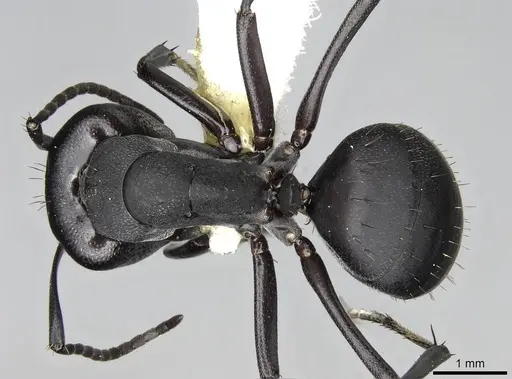
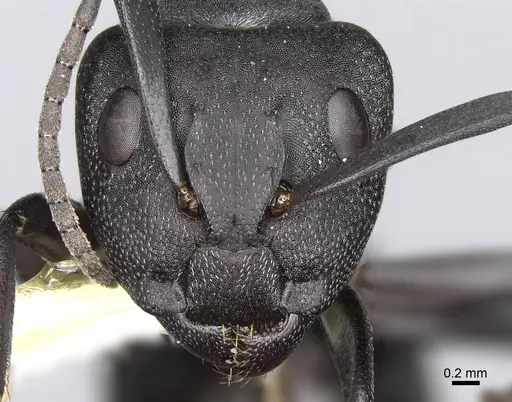
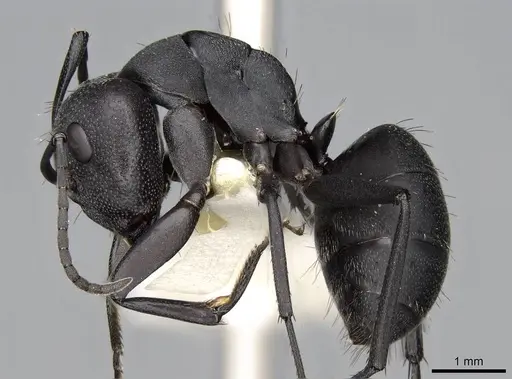
CASENT0906872
View on AntWeb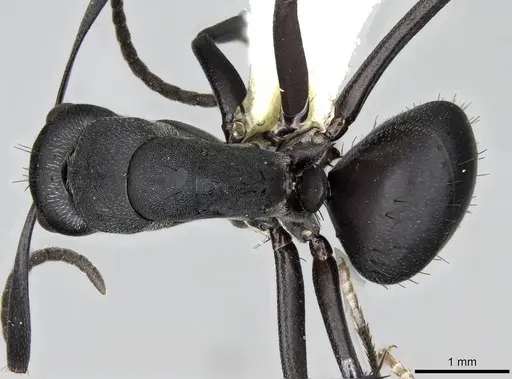
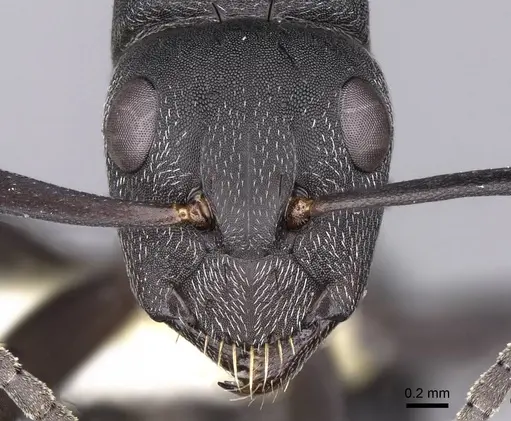
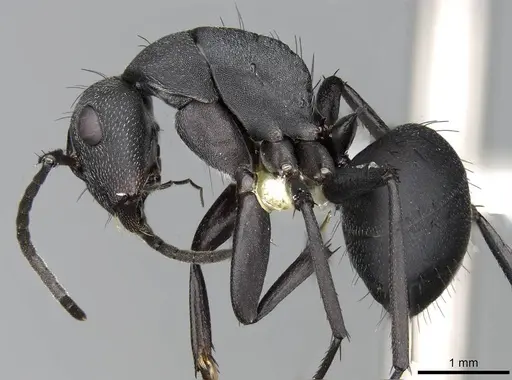
CASENT0910468
View on AntWeb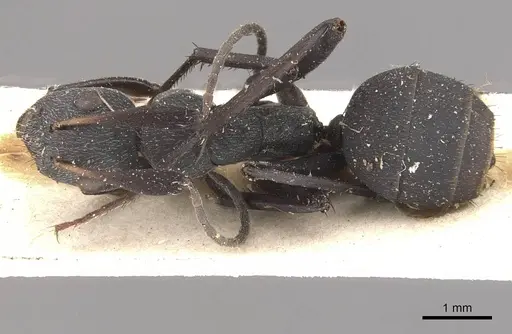
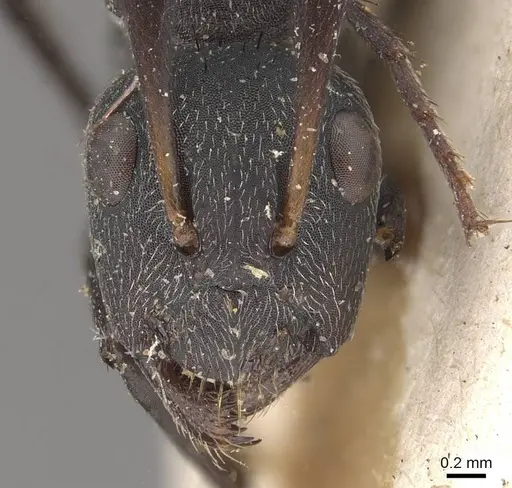
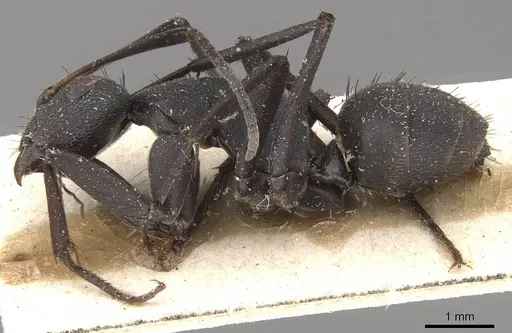
CASENT0913706
View on AntWeb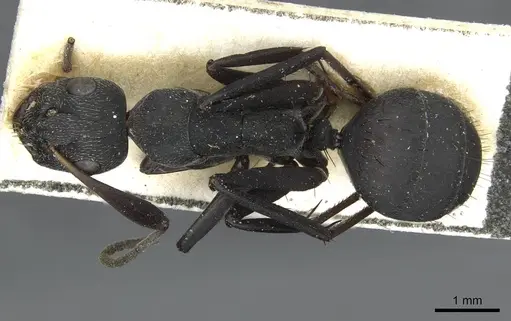
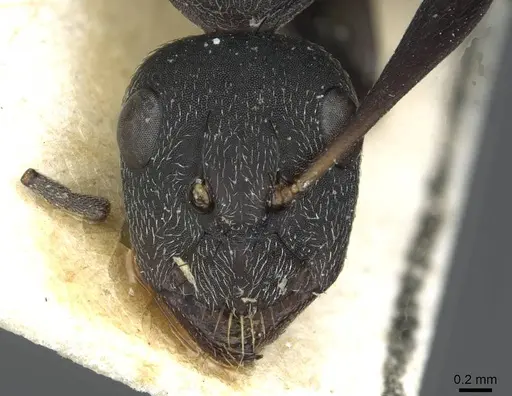
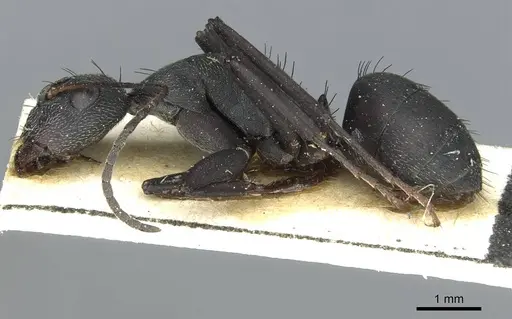
Literature
Loading...Loading products...