

Camponotus compositor
- Scientific Name
- Camponotus compositor
- Subgenus
- Myrmaphaenus
- Tribe
- Camponotini
- Subfamily
- Formicinae
- Author
- Santschi, 1922
- Distribution
- Found in 2 countries
Camponotus compositor Overview
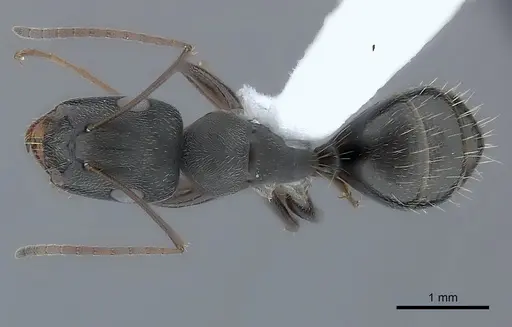
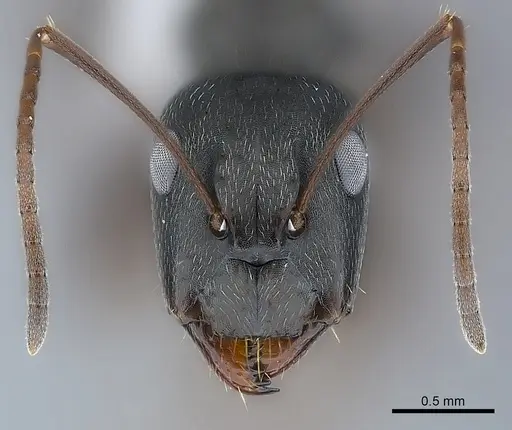
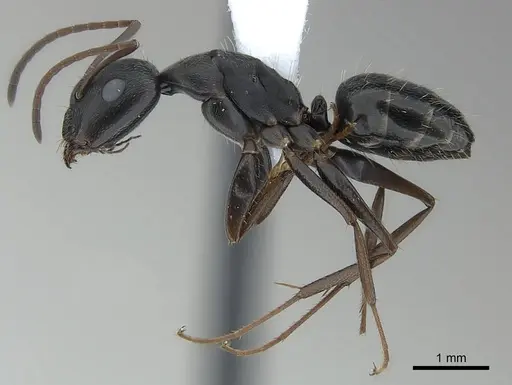
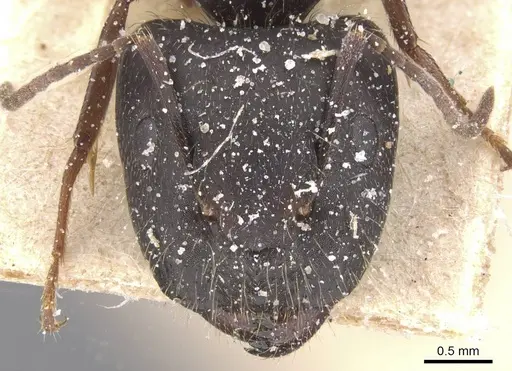
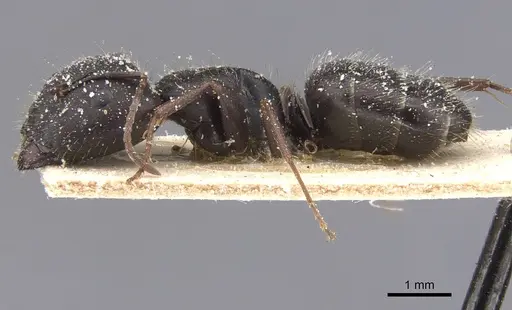
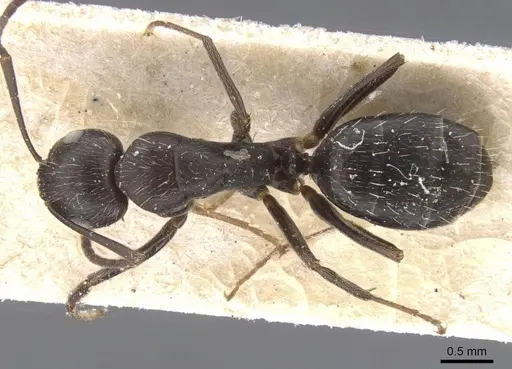
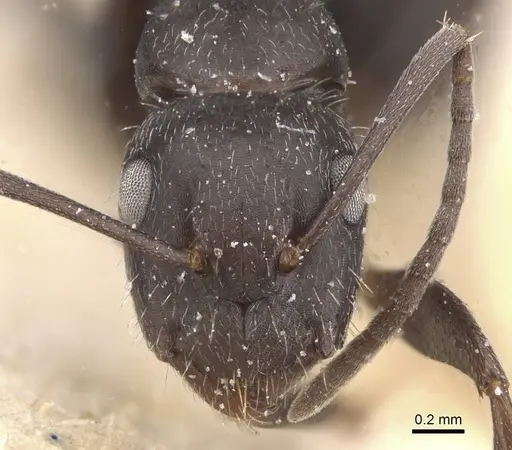
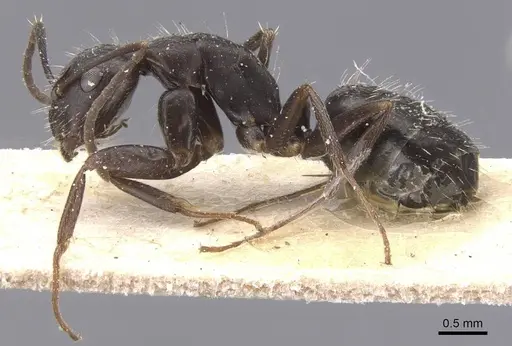
Camponotus compositor is an ant species of the genus Camponotus. It is primarily documented in 2 countries , including Bolivia, Plurinational State of, Brazil. Detailed taxonomic data and occurrence records can be further explored via authoritative databases such as AntWeb or the Global Biodiversity Information Facility (GBIF).
Camponotus compositor
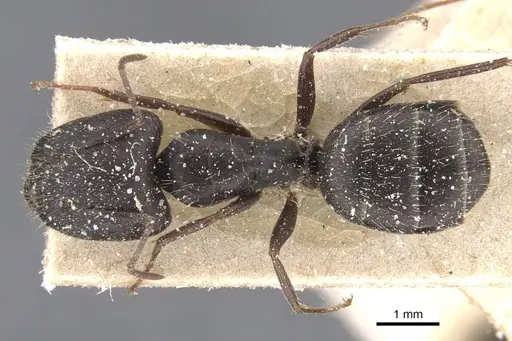
Camponotus compositor is a Neotropical carpenter ant species native to southeastern Brazil, specifically known from the Alcatrazes Islands off the São Paulo coast [1]. Workers come in two sizes: major workers with larger heads and minor workers, both typical of the Camponotus genus with the characteristic bent antennae and single waist segment [2]. This species nests in natural cavities, one colony was found under a stone while another occupied a trunk of Fourcroya gigantea (a type of agave-like plant) [1]. As a carpenter ant, they excavate wood but don't eat it, they tunnel to create nesting chambers while feeding on honeydew and insects.
Quick Summary
- Difficulty: Medium
- Origin & Habitat: Southeastern Brazil, specifically the Alcatrazes Islands off São Paulo. They nest under stones and in decaying tree trunks in coastal island habitats [1].
- Colony Type: Colony structure is unconfirmed. Based on typical Camponotus patterns, likely single-queen colonies, but this has not been directly documented for this species.
- Founding: Claustral
- Size & Growth:
- Queen: Estimated 12-16mm based on typical Camponotus queen size range, no direct measurements available for this species
- Worker: Major workers approximately 8-12mm, minor workers approximately 5-7mm, estimated from genus patterns
- Colony: Likely several hundred to a few thousand workers based on typical Camponotus colony development
- Growth: Moderate, Camponotus species typically grow at a moderate pace, with first workers (nanitics) appearing in 6-10 weeks under optimal conditions
- Development: Estimated 6-10 weeks at 24-27°C based on typical Camponotus development patterns [3] (Development time is inferred from related Camponotus species, direct measurements for C. compositor are unavailable)
- Antkeeping:
- Temperature: Keep at 24-27°C. Being from tropical Brazil, they prefer warm conditions. A heating cable on one side of the nest creates a suitable temperature gradient [3].
- Humidity: Maintain moderate to high humidity, aim for 60-80%. The coastal island habitat suggests they tolerate some moisture. Keep the nest substrate moist but not waterlogged, with some drier areas available.
- Diapause: Not required. Being from tropical Brazil, they don't experience true hibernation. However, they may show reduced activity during cooler periods, you can simulate this with a slight temperature drop to around 20-22°C for a few months if the colony shows signs of slowing down.
- Nesting: Provide a nest with chambers scaled to colony size. Y-tong (AAC) nests, plaster nests, or naturalistic setups with wood pieces work well. They naturally nest in decaying wood and under stones, so include some wood material or stone-like surfaces [1].
- Behavior: These ants are typical carpenter ants, generally calm and not overly aggressive. Workers are active foragers that search for honeydew, sugar sources, and protein. They have the typical Camponotus defensive response, they may bite but are not known for painful stings. Escape prevention should be moderate, they're medium-sized ants but can squeeze through gaps if motivated. Watch for chewing behavior if you provide wood nests.
- Common Issues: mold from overwatering, keep substrate moist but ensure ventilation prevents stagnant moisture, colonies may stall if temperatures drop below 22°C for extended periods, test tube setups work for founding but colonies need more space as they grow, transfer before workers crowd the water reservoir, wild-caught colonies may harbor parasites that can decimate captive colonies, queen loss during founding is common, ensure founding chamber is dark and undisturbed
Nest Preferences
In the wild, Camponotus compositor nests under stones and in decaying tree trunks [1]. For captive care, provide a nest that mimics these conditions. Y-tong (AAC) nests work well because they provide dark, enclosed chambers with adjustable humidity. Plaster nests are another excellent option, they hold moisture well and allow you to create a humidity gradient. If using a naturalistic setup, include pieces of soft wood (like pine or balsa) that the ants can excavate. The nest should have chambers large enough for the colony to spread out but not so large that the queen feels exposed. For founding colonies, a test tube setup with a dark cover works perfectly, the queen will seal herself into a humid chamber and raise her first workers there.
Feeding and Diet
Like most Camponotus species, C. compositor is omnivorous with a preference for sugar sources and protein. Offer a constant supply of sugar water (1:1 ratio with water) or honey diluted with water. For protein, provide small insects like fruit flies, small crickets, or mealworms. You can also offer small pieces of cooked chicken or hard-boiled egg. Feed protein 2-3 times per week, removing any uneaten prey after 24 hours. Sugar water should always be available, replace it every few days to prevent mold. As the colony grows, you can increase portion sizes. These ants are foragers, so place food near the nest entrance where foragers can easily discover it. [3]
Temperature and Heating
Being from tropical Brazil, this species thrives at warm temperatures. Keep the nest area at 24-27°C for optimal brood development [3]. Temperatures below 22°C can slow colony growth significantly, and prolonged cold may cause problems. Use a heating cable or heating mat placed on top of the nest (not underneath, which can cause excessive drying) to maintain warmth. Create a temperature gradient by heating only one side of the nest, this allows ants to regulate their own temperature by moving between warmer and cooler areas. During the cooler months, a slight reduction to around 20-22°C is acceptable if the colony naturally slows down, but don't allow temperatures to drop below 18°C.
Colony Founding
The founding process follows typical Camponotus patterns. After mating, the queen lands, sheds her wings, and finds a suitable cavity, in nature this might be under a stone or in decaying wood [1]. She seals herself inside and lays eggs. The queen survives entirely on her stored fat reserves (this is called claustral founding), she does not leave to forage during this time. The first brood develops through egg, larva, and pupa stages over approximately 6-10 weeks, depending on temperature. The first workers (called nanitics) are smaller than normal workers but immediately begin caring for the next brood and foraging for food. Once nanitics emerge, the queen can stop caring for larvae directly and focus on egg-laying. This is the most critical time for the colony, disturbances can cause the queen to abandon or eat her brood.
Growth and Development
Colony growth is moderate, don't expect the explosive growth seen in some faster species. A healthy founding colony should produce nanitics within 6-10 weeks under optimal conditions. After that, growth depends on how well the colony is fed. A well-fed colony will grow steadily, producing new workers every few weeks. Major workers (soldiers) typically appear once the colony reaches several hundred workers. The maximum colony size for this species is not documented, but related Camponotus species typically reach several thousand workers. Growth is temperature-dependent, warmer temperatures (within the 24-27°C range) speed development, while cooler temperatures slow it down. Overfeeding can actually be harmful during founding, a few small insects and constant sugar water is sufficient. [3]
Behavior and Temperament
Camponotus compositor has a typical carpenter ant temperament, generally docile and not prone to aggression. Workers are active foragers that will search throughout the outworld for food. When threatened, they may bite with their mandibles but this species is not known for painful stings. They communicate through chemical trails, so you'll often see foragers following the same paths to food sources. Workers vary in size (polymorphism), majors defend the nest and process hard food, while minors handle most foraging and brood care. This species is primarily nocturnal or crepuscular in the wild, but in captivity they'll adjust their activity to when food is available. They're not particularly escape-prone compared to smaller ants, but still use barrier tape or fluon on edges to be safe. [3]
Frequently Asked Questions
How long does it take for Camponotus compositor to produce first workers?
First workers (nanitics) typically appear in 6-10 weeks after the queen lays eggs, assuming temperatures are kept at 24-27°C. This is based on typical Camponotus development patterns since specific timing for C. compositor has not been documented.
What temperature do Camponotus compositor ants need?
Keep them at 24-27°C. Being from tropical Brazil, they prefer warm conditions. A heating cable on part of the nest can help maintain these temperatures, especially in cooler climates.
Do Camponotus compositor ants need hibernation?
No, they don't require true hibernation. Being from tropical Brazil, they experience year-round warm conditions. However, you may notice reduced activity during cooler months, a slight temperature drop to around 20-22°C for 2-3 months is acceptable if the colony naturally slows down.
What do Camponotus compositor ants eat?
They need a balanced diet of sugar and protein. Offer sugar water or diluted honey constantly. For protein, provide small insects like fruit flies, small crickets, or mealworms 2-3 times per week. They will also accept small pieces of cooked chicken or hard-boiled egg.
Are Camponotus compositor ants good for beginners?
They are moderate difficulty, easier than some tropical species but requiring more attention to temperature than temperate species. They're forgiving of minor husbandry mistakes and have relatively straightforward care requirements. The main challenges are maintaining warm temperatures and providing proper nutrition.
How big do Camponotus compositor colonies get?
Based on related species, colonies likely reach several hundred to a few thousand workers. Growth is moderate, expect several months to reach 50 workers, then steady growth after that with proper feeding.
Can I keep multiple Camponotus compositor queens together?
This has not been documented for this specific species. Camponotus species are typically single-queen (monogyne), and combining unrelated queens usually results in fighting. It's not recommended to house multiple queens together unless you have specific documentation showing this species accepts multiple queens.
When should I move my Camponotus compositor colony to a formicarium?
Keep founding colonies in a test tube setup until they have 20-30 workers. Moving too early can stress the queen and cause colony failure. Once the test tube becomes crowded or the water reservoir runs low, transfer to a proper formicarium like a Y-tong nest or plaster setup.
Why is my Camponotus compositor colony not growing?
Check three things: temperature (should be 24-27°C), feeding (protein 2-3 times weekly plus constant sugar), and humidity (should be moderate, not dry). Also ensure the queen is still alive and laying eggs. Cold temperatures or insufficient protein are the most common causes of stunted growth.
References

This caresheet is licensed under CC BY-SA 4.0 .
Literature
Loading...Loading products...