

Camponotus coloratus
- Scientific Name
- Camponotus coloratus
- Subgenus
- Tanaemyrmex
- Tribe
- Camponotini
- Subfamily
- Formicinae
- Author
- Forel, 1904
- Distribution
- Found in 7 countries
Camponotus coloratus Overview
Camponotus coloratus is an ant species of the genus Camponotus. It is primarily documented in 7 countries , including Brazil, Colombia, Costa Rica. Detailed taxonomic data and occurrence records can be further explored via authoritative databases such as AntWeb or the Global Biodiversity Information Facility (GBIF).
Camponotus coloratus
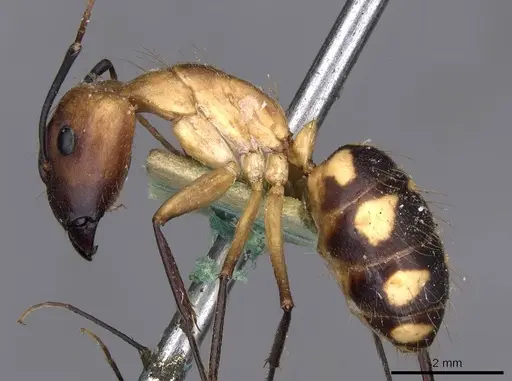
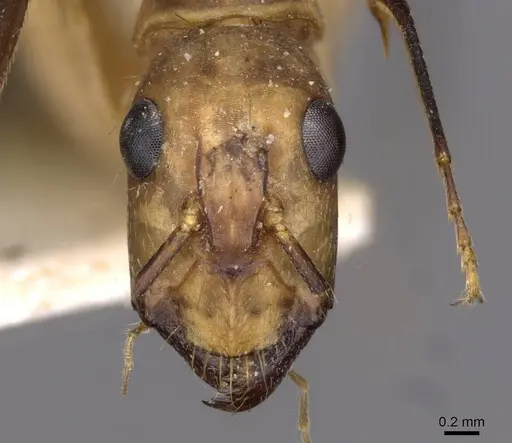
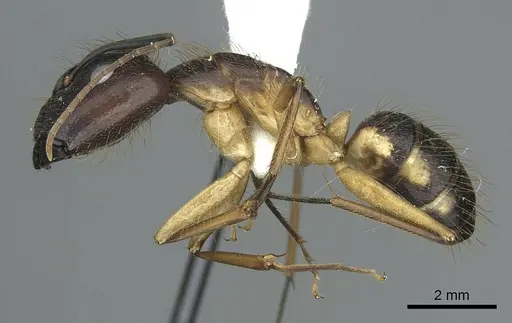
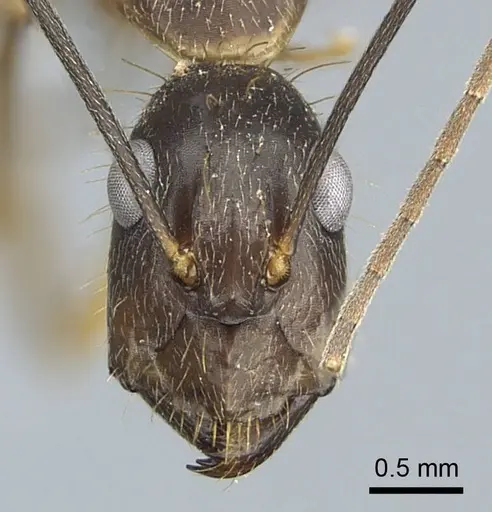
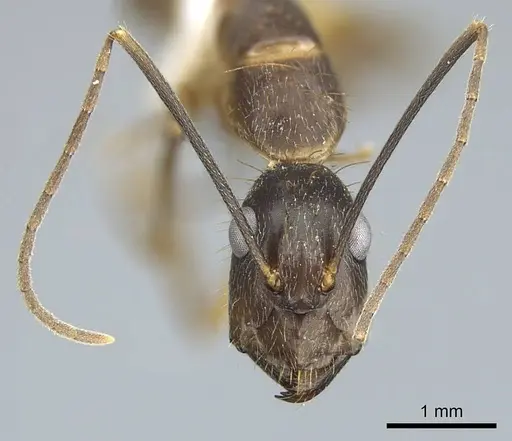
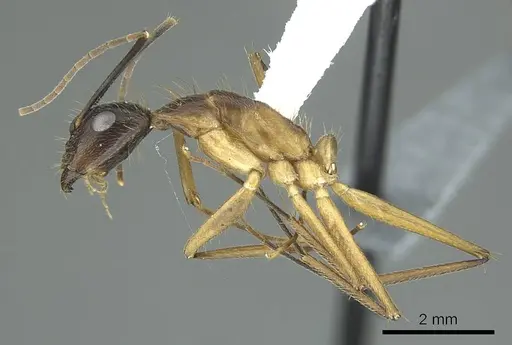
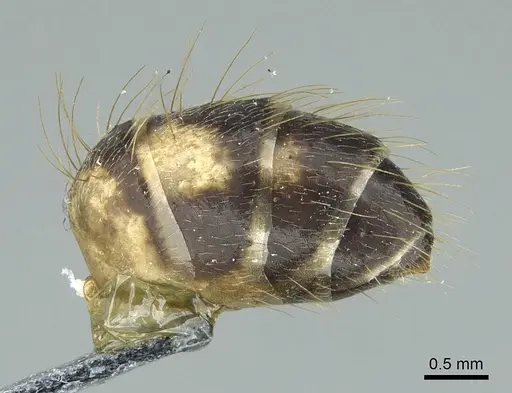
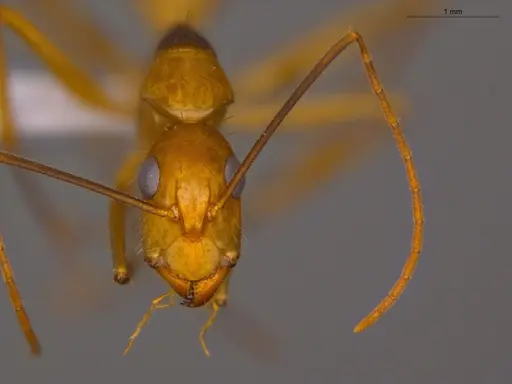
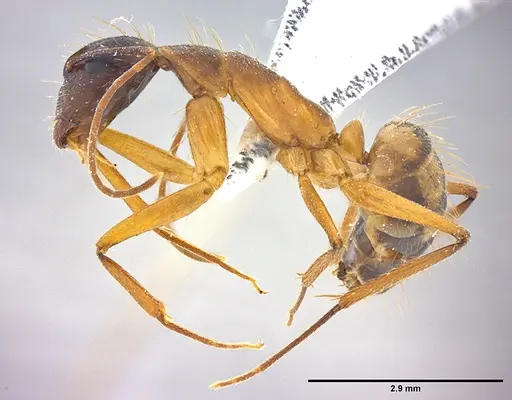
Camponotus coloratus is a large carpenter ant species found throughout the Neotropics, from Mexico down to Argentina. Workers are polymorphic with major workers reaching about 8mm in total length, featuring a distinctive dark gaster with yellow lateral spots on each tergum. The head is elongated and partially triangular, and they have notably long legs compared to other Camponotus species. This species belongs to the subgenus Tanaemyrmex and is a member of the maculatus species complex, which can make identification tricky, they are easily confused with C. guatemalensis and C. substitutus, though C. coloratus has smooth and shiny mandibles while the others have striated or opaque mandibles [1].
This is a common species throughout its range and demonstrates remarkable adaptability, normally nesting under stones or in soil but capable of thriving in highly disturbed habitats. In fact, they sometimes become domestic pests, nesting in walls and structures. They prefer humid tropical forest environments at elevations between 600-1200 meters, though they can be found from sea level up to higher elevations in various habitats including forest litter, rotting logs, and soil [2][1].
Quick Summary
- Difficulty: Easy
- Origin & Habitat: Neotropical species found from Mexico to Argentina, including Colombia, Costa Rica, Panama, Paraguay, Peru, Venezuela, Bolivia, and Brazil. They inhabit humid tropical forests and forest edges at elevations of 600-1200m, nesting in soil, under stones, and in rotting wood [2][1].
- Colony Type: Single-queen colonies (monogyne). As with most Camponotus, the queen seals herself in a chamber during founding and raises the first workers alone using stored fat reserves (claustral founding).
- Colony: Monogyne
- Founding: Claustral
- Size & Growth:
- Queen: Estimated 12-15mm based on genus patterns for large Camponotus species
- Worker: Major workers 8mm total length, minor workers smaller [1]
- Colony: Likely reaches several thousand workers over time based on typical Camponotus colony development
- Growth: Moderate, typical for larger carpenter ants
- Development: Estimated 8-12 weeks based on typical Camponotus development at optimal temperature (Development time is temperature-dependent, warmer temperatures within range accelerate development. First workers (nanitics) are smaller than normal majors.)
- Antkeeping:
- Temperature: Keep at 24-28°C as a starting point. Being a tropical species, they prefer warm conditions. A slight temperature gradient allows workers to regulate their own exposure. Room temperature in most homes (20-24°C) is acceptable, but colony activity will be higher in the warmer end of this range.
- Humidity: Moderate to high humidity (60-80%). They naturally inhabit humid tropical forests, so keep the nest substrate consistently moist but not waterlogged. Provide a water source for drinking.
- Diapause: No true hibernation required. As a tropical species, they do not need a cold diapause period. However, activity may slow slightly during cooler months in captivity if room temperatures drop.
- Nesting: They naturally nest in soil and under stones. In captivity, standard formicariums work well, acrylic nests, Y-tong nests, or plaster nests all suitable. Provide moist substrate for brood chambers. Avoid completely dry nests.
- Behavior: Temperament is typical for Camponotus, generally non-aggressive toward keepers but will defend the nest if threatened. Workers are active foragers, primarily nocturnal but can show activity during the day. They are not particularly aggressive and rarely sting. Escape risk is moderate, being large ants, standard barriers like fluon work well, but ensure connections between outworld and nest are secure.
- Common Issues: colonies may fail if kept too dry, monitor substrate moisture regularly, wild-caught colonies can harbor parasites that cause problems in captivity, slow initial growth during founding phase can worry beginners, patience is key, domestic pest status in range countries means they may try to nest in wooden structures if given access
Housing and Nest Setup
Camponotus coloratus adapts well to various captive setups. Standard formicariums including acrylic nests, Y-tong (AAC) nests, and plaster nests all work well for this species. The key requirement is maintaining appropriate moisture in the nest substrate, they naturally nest in soil and prefer humid conditions. Provide a water test tube as a hydration source alongside the nest. Because they are a larger Camponotus species, ensure chambers are appropriately sized. They do well with a connected outworld for foraging. Escape prevention is straightforward, being large ants, they cannot pass through standard fluon barriers or narrow connections that smaller species might squeeze through. However, ensure all connections are secure and lids fit tightly. [1][2]
Feeding and Diet
Like most carpenter ants, Camponotus coloratus is an omnivore with a preference for protein. In captivity, offer protein sources such as mealworms, crickets, small insects, and other appropriate-sized prey items. They will also accept sugar sources including honey water, sugar water, and occasional fruit. Feed protein 2-3 times per week, with sugar water always available. Remove uneaten prey after 24-48 hours to prevent mold. Workers will forage actively, so provide the outworld with a feeding station. Young colonies (with just a queen and first workers) should be fed small prey items they can handle.
Temperature and Seasonal Care
As a tropical species from the Neotropics, Camponotus coloratus prefers warm conditions. Maintain temperatures between 24-28°C for optimal colony growth and development. They can tolerate slightly cooler temperatures (down to around 20°C) but will be less active. A heating cable or mat on one side of the nest can create a beneficial temperature gradient, allowing workers to move between warmer and cooler areas as needed. Unlike temperate species, they do not require a true hibernation or diapause period. However, if your room temperature drops significantly during winter, you may notice reduced activity, this is normal and they should recover when temperatures warm. Avoid temperatures above 32°C as this can stress the colony. [2][1]
Colony Development and Growth
Colony founding is claustral, the queen seals herself in a chamber and does not leave to forage during the founding phase. She relies entirely on her stored fat reserves to survive and raise the first brood. This means you should not disturb a founding queen or offer food until the first workers (nanitics) emerge, typically after 4-8 weeks depending on temperature. The first workers are smaller than normal workers and their sole job is to expand the colony. After the nanitics emerge, the queen stops foraging and the workers take over all colony maintenance and food collection. Growth rate is moderate, larger Camponotus species tend to grow more slowly than smaller ants, but colonies can eventually reach several thousand workers. Patience is essential during the first few months as the colony establishes itself.
Behavior and Temperament
Camponotus coloratus displays typical carpenter ant behavior. Workers are generalist foragers, active both during the day and night. They are not particularly aggressive and will typically flee rather than attack when threatened. However, they will vigorously defend the nest if it is disturbed or attacked. The sting is present but rarely used and is not medically significant for humans. Major workers, with their larger size, often serve as guards and defenders while minor workers handle brood care and foraging. This species is known for its adaptability, while preferring natural forest habitats, it readily colonizes disturbed areas and even domestic structures, which is why it sometimes becomes a pest in its native range. In captivity, they are generally calm and fascinating to observe. [1]
Identification and Similar Species
Camponotus coloratus is a member of the maculatus species complex, which means it can be confused with several related species. The most reliable distinguishing features are the mandibles: C. coloratus has smooth and shiny mandibles, while C. guatemalensis has fine striae (tiny grooves) and C. zonatus has opaque, leathery-looking mandibles. Additionally, the sides of C. coloratus head are almost erect (not rounded like C. substitutus). The characteristic yellow lateral spots on the dark gaster are a good field mark, along with the notably long legs compared to other Camponotus. Major workers reach about 8mm total length. If you obtain a wild-caught colony or queen, use these features to confirm identification. [1]
Frequently Asked Questions
How long does it take for Camponotus coloratus to produce first workers?
First workers (nanitics) typically emerge in 6-10 weeks after the queen lays eggs, assuming temperatures around 24-28°C. This is typical for larger Camponotus species. The queen seals herself in during founding and raises the first brood alone, so do not disturb the founding chamber until workers appear.
What do Camponotus coloratus ants eat?
They are omnivores that prefer protein. Offer small insects like mealworms, fruit flies, and crickets 2-3 times per week. Sugar sources like honey water or sugar water should be available constantly. Remove uneaten prey after 24-48 hours to prevent mold.
Do Camponotus coloratus ants need hibernation?
No, they do not require hibernation or diapause. Being a tropical species from the Neotropics, they remain active year-round in captivity as long as temperatures stay above about 18-20°C. You may see reduced activity during cooler winter months, but this is normal.
Are Camponotus coloratus good for beginners?
Yes, they are considered a good species for beginners. They are relatively hardy, adaptable, and not overly aggressive. Their claustral founding and moderate growth rate make them manageable for new antkeepers. The main requirements are maintaining warmth and humidity, which are straightforward to provide.
How big do Camponotus coloratus colonies get?
Based on typical Camponotus patterns, colonies can eventually reach several thousand workers over several years. The major workers reach about 8mm, making them a relatively large ant species. Growth is moderate, patience is required as the colony establishes itself.
What temperature is best for Camponotus coloratus?
Keep them at 24-28°C for optimal colony development. They can tolerate temperatures down to about 20°C but will be less active. A heating cable on one side of the nest creates a gradient that allows workers to regulate their own temperature. Avoid temperatures above 32°C.
Can I keep multiple Camponotus coloratus queens together?
This species is monogyne, meaning colonies normally have a single queen. Combining unrelated queens (pleometrosis) has not been documented for this species and is not recommended. If you catch a founding queen, house her alone until she establishes her colony.
Why is my Camponotus coloratus colony not growing?
Common reasons for slow growth include temperatures that are too low (below 20°C), too dry conditions, or insufficient protein in the diet. Also ensure the queen is still alive and laying eggs. Remember that Camponotus growth is naturally slower than smaller ant species, patience is key during the founding phase.
References

This caresheet is licensed under CC BY-SA 4.0 .
CASENT0173405
View on AntWeb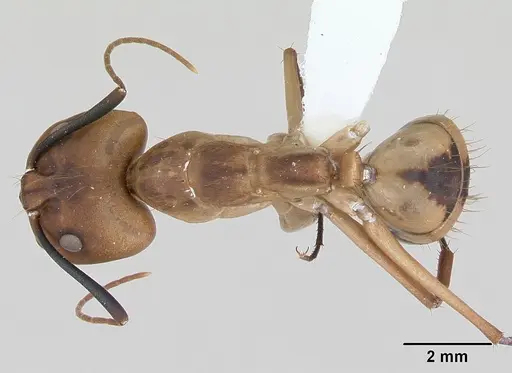
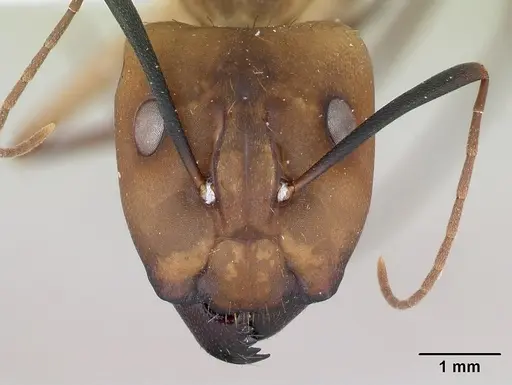
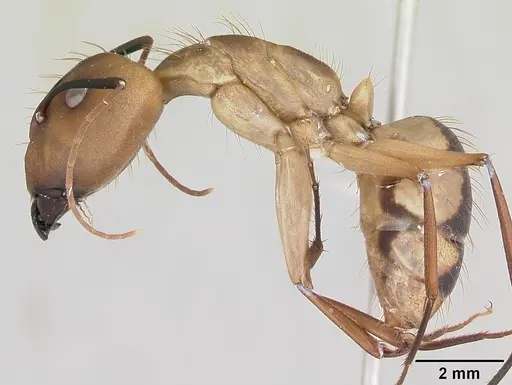
CASENT0249612
View on AntWeb
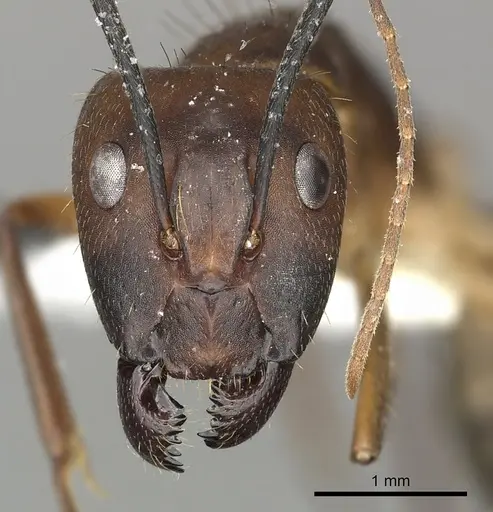

CASENT0910024
View on AntWeb

CASENT0910025
View on AntWeb

CASENT0914435
View on AntWeb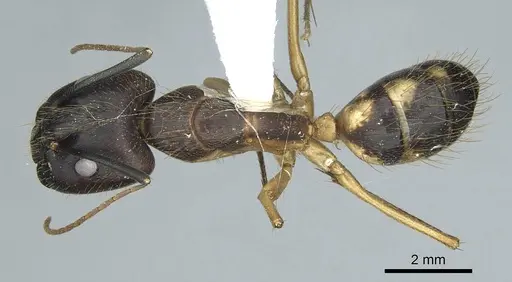

CASENT0914436
View on AntWeb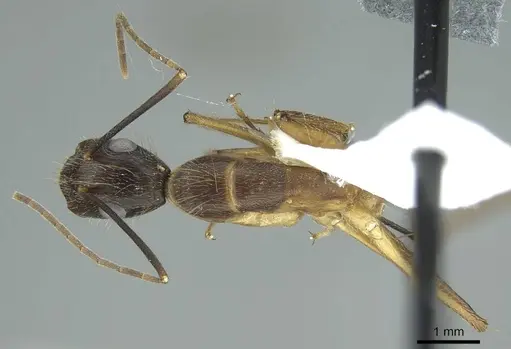

ECOFOG-KR17-0001-02
View on AntWeb


ECOFOG-KR18-0079-11-S
View on AntWeb


ECOFOG-KR18-0079-11
View on AntWeb


ECOFOG-OI17-0211-04
View on AntWeb

INBIOCRI002281149
View on AntWeb


JTLC000001709
View on AntWeb


LABSEI
View on AntWeb

Literature
Loading...Loading products...