

Camponotus cocosensis
- Scientific Name
- Camponotus cocosensis
- Subgenus
- Myrmaphaenus
- Tribe
- Camponotini
- Subfamily
- Formicinae
- Author
- Wheeler, 1919
- Distribution
- Found in 1 countries
Camponotus cocosensis Overview
Camponotus cocosensis is an ant species of the genus Camponotus. It is primarily documented in 1 countries , including Costa Rica. Detailed taxonomic data and occurrence records can be further explored via authoritative databases such as AntWeb or the Global Biodiversity Information Facility (GBIF).
Camponotus cocosensis
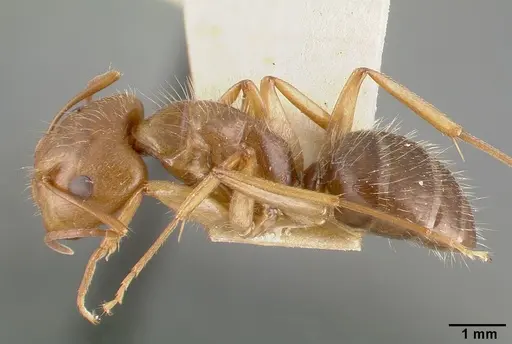
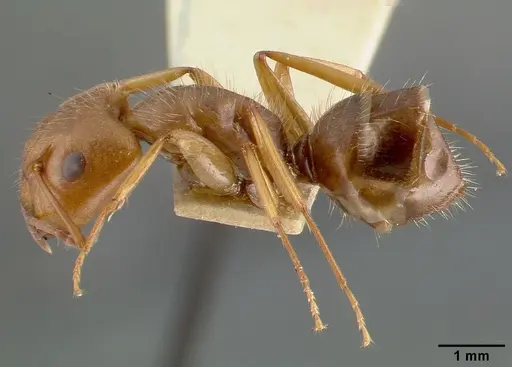
Camponotus cocosensis is a medium-sized carpenter ant native to Cocos Island off the coast of Costa Rica. Workers come in two sizes: major workers with larger heads and minor workers, both with the typical carpenter ant body plan. Queens are substantial at 11-12mm, with males smaller at 6.5-7mm. The species was first described by Wheeler in 1919 from specimens collected on the island. These ants are part of the Formicinae subfamily, characterized by their ability to raise their abdomens to spray formic acid when threatened. In the wild, they likely nest in decaying wood or under bark, typical of Camponotus species.
Quick Summary
- Difficulty: Medium
- Origin & Habitat: Cocos Island, Costa Rica, a small uninhabited island in the Pacific Ocean. This is a tropical island habitat with warm, humid conditions year-round [1][2].
- Colony Type: Presumably single-queen colonies based on typical Camponotus patterns. Colony structure has not been directly documented for this species.
- Colony: Monogyne
- Founding: Claustral
- Size & Growth:
- Queen: 11-12mm [2]
- Worker: Major and minor workers (exact measurements not specified) [2]
- Colony: Unknown, typical Camponotus colonies can reach several thousand workers
- Growth: Moderate, typical for Camponotus genus
- Development: Estimated 6-8 weeks based on typical Camponotus development at warm temperatures (Development time is inferred from genus-level data since species-specific research is unavailable)
- Antkeeping:
- Temperature: Keep at 24-28°C, this is a tropical species from a warm island environment. Use a heating cable on one side of the nest to create a gentle gradient
- Humidity: Moderate to high, Cocos Island is humid tropical. Keep nest substrate lightly moist but not waterlogged. Provide a water tube for drinking water
- Diapause: No, being from a tropical island with no winter, they do not require hibernation. Keep them active year-round
- Nesting: In captivity, they do well in Y-tong (AAC) nests, plaster nests, or naturalistic setups with wood/decaying wood. They prefer dark, secure nesting areas. Avoid overly wet or mold-prone setups
- Behavior: Typical Camponotus temperament, generally calm and not overly aggressive. Workers are moderately active and forage for carbohydrates and protein. They may spray formic acid as a defense. Escape prevention should be moderate as they are not extremely small, but they are strong climbers. Watch for chewing through silicone seals over time.
- Common Issues: limited species-specific information means care is based on genus-level inference, tropical species requires consistent warmth year-round, avoid cold drafts, larger ants need appropriately sized test tubes or formicarium chambers, carpenter ants can chew through soft sealants, use strong barriers, wild-caught colonies may carry parasites or diseases that can cause colony failure in captivity
Origin and Natural Habitat
Camponotus cocosensis is endemic to Cocos Island, a small volcanic island located about 550 kilometers off the Pacific coast of Costa Rica. This isolated island has a tropical climate with consistent warm temperatures and high humidity year-round. The species was first described in 1919 from specimens collected by F.X. Williams during the California Academy of Sciences expedition. Cocos Island is known for its unique biodiversity, and this ant is one of the species restricted to this specific location. In their natural habitat, these ants likely nest in decaying wood, under loose bark, or in hollow plant stems, typical nesting sites for Camponotus species in tropical environments. [1][2]
Appearance and Identification
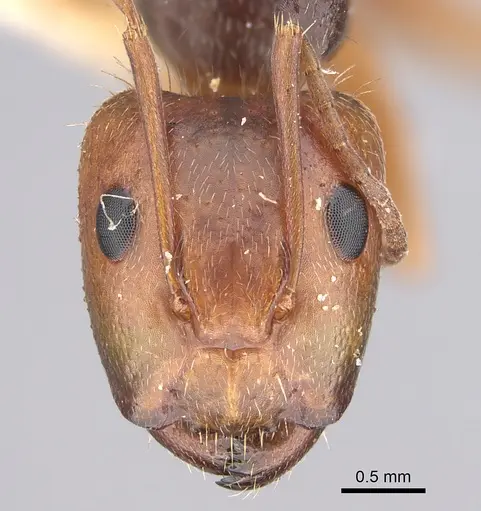
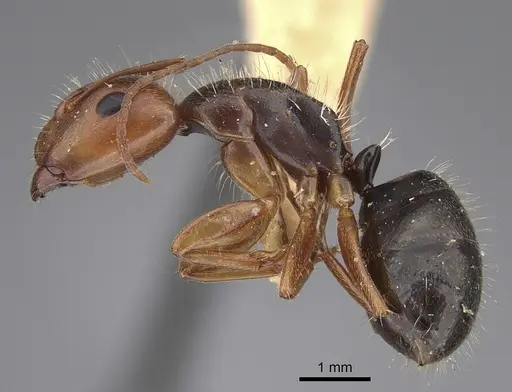
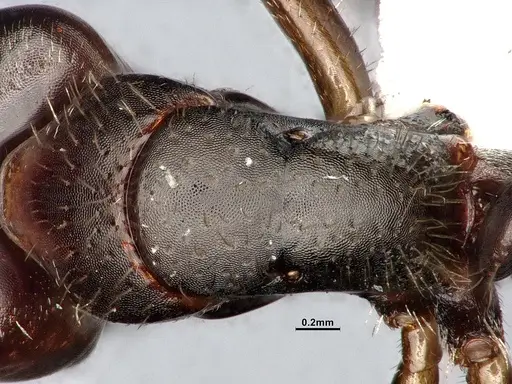
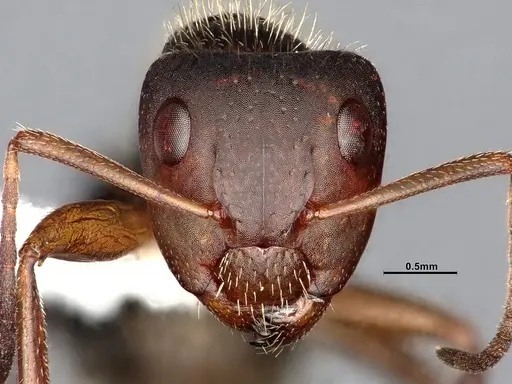
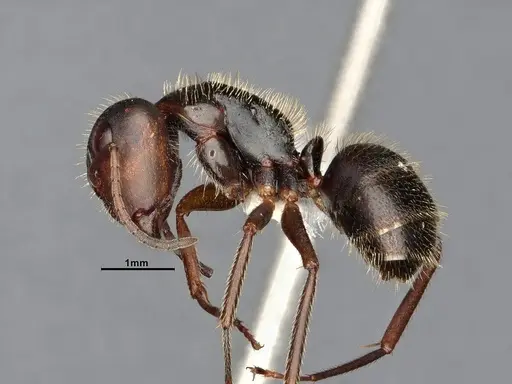
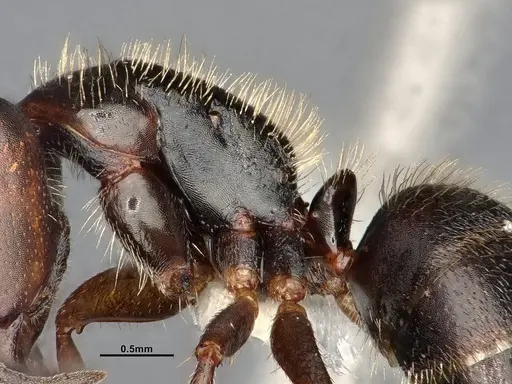
This species shows the typical size polymorphism common in Camponotus ants. Major workers have larger, more developed heads, while minor workers have smaller, more slender builds. Queens are substantial at 11-12mm, making them among the larger carpenter ant queens. Males are noticeably smaller at 6.5-7mm. The original description notes that the queen resembles the major worker but has a less narrowed head anteriorly and longer antennal scapes. Queens have yellow wings measuring about 12mm. The body coloration includes reddish tones on the head and appendages, with deeper red on the thorax and petiole. Workers likely show similar coloration patterns typical of the genus. [2]
Temperature and Heating Requirements
As a tropical species from Cocos Island, Camponotus cocosensis requires warm conditions to thrive. Maintain nest temperatures between 24-28°C for optimal brood development. Unlike temperate species, they do not require any cooling period or hibernation. In fact, cold temperatures can slow development and weaken the colony. Use a heating cable or heating mat placed on one side of the nest to create a temperature gradient, allowing workers to regulate their exposure to warmth. Room temperature alone may be sufficient if your home stays in the low-to-mid 20s°C range, but monitor colony activity, if workers seem sluggish, provide gentle heating. Avoid placing the nest near air conditioning vents or drafty windows.
Feeding and Nutrition
Like other Camponotus species, these ants are omnivorous with a preference for carbohydrate sources. Offer sugar water, honey, or diluted maple syrup as a constant carbohydrate source. For protein, provide small insects such as fruit flies, small crickets, mealworms, or other appropriately sized prey. Feed protein sources 1-2 times per week, removing any uneaten prey after 24-48 hours to prevent mold. Fresh water should always be available, a test tube water reservoir with a cotton plug works well. In the wild, they likely forage for honeydew from aphids and scale insects, plus small arthropods. Observe your colony's preferences and adjust feeding schedules accordingly.
Nesting in Captivity
Camponotus cocosensis does well in standard ant keeping setups. Y-tong (AAC) nests work excellently, the dark, enclosed chambers mimic their natural preference for hidden nesting sites. Plaster nests with built-in water chambers maintain appropriate humidity. Naturalistic setups with cork bark or decaying wood also suit this species well. For founding colonies, a standard test tube setup with a water reservoir works fine, the queen will seal herself in a chamber and raise her first brood alone. When the colony reaches 20-30 workers, consider moving to a larger formicarium. Ensure the nest has enough vertical space for the colony to expand and storage chambers for food.
Colony Development
Based on typical Camponotus patterns, expect the following development timeline: eggs hatch in about 1-2 weeks, larvae develop over 2-3 weeks, and pupae emerge as nanitic (first) workers after another 1-2 weeks. Total time from egg to first worker is approximately 6-8 weeks under warm conditions (around 26°C). The first workers will be smaller than normal workers but will grow in size as the colony expands. A healthy colony should reach 100 workers within the first year under good conditions. Growth rate is moderate, faster than some slow-growing Camponotus but not as rapid as smaller species. The queen can live for many years, with colonies potentially surviving for a decade or more.
Frequently Asked Questions
How long does it take for Camponotus cocosensis to produce first workers?
Based on typical Camponotus development, expect first workers (nanitics) in approximately 6-8 weeks at optimal temperatures of 24-28°C. This timeline is inferred from genus-level data since species-specific development research is unavailable.
Do Camponotus cocosensis ants need hibernation?
No, they do not require hibernation. Being from tropical Cocos Island, Costa Rica, they are adapted to year-round warm conditions. Keep them active throughout the year at their normal temperature range of 24-28°C.
What do Camponotus cocosensis eat?
They are omnivorous like most Camponotus species. Offer sugar water, honey, or maple syrup as a constant carbohydrate source. For protein, provide small insects like fruit flies, small crickets, or mealworms 1-2 times per week. Always provide fresh water.
How big do Camponotus cocosensis colonies get?
Colony size has not been documented for this specific species, but typical Camponotus colonies reach several thousand workers at maturity. Expect moderate growth rate over several years.
Is Camponotus cocosensis good for beginners?
This species is rated as Medium difficulty. While not the easiest species, it is manageable for intermediate ant keepers. The main challenges are providing consistent warmth (tropical requirements) and having patience through the slower development period. The lack of species-specific care information means you may need to rely on typical Camponotus husbandry.
Can I keep multiple Camponotus cocosensis queens together?
This has not been documented for this species. Based on typical Camponotus behavior, they are likely single-queen colonies. It is not recommended to house multiple unrelated queens together as they may fight.
What temperature is best for Camponotus cocosensis?
Keep nest temperatures between 24-28°C. This tropical species requires warmth year-round. Use a heating cable on one side of the nest to create a gradient if your room temperature falls below this range.
When should I move Camponotus cocosensis to a formicarium?
Move from a test tube setup to a formicarium when the colony reaches around 20-30 workers and the test tube setup becomes crowded. Ensure the new setup has appropriate chamber sizes and humidity control.
Where is Camponotus cocosensis found in the wild?
This species is endemic to Cocos Island, Costa Rica, a small volcanic island in the Pacific Ocean about 550km off the Costa Rican coast. It was first described from specimens collected there in 1905-1906.
References

This caresheet is licensed under CC BY-SA 4.0 .
CASENT0923528
View on AntWeb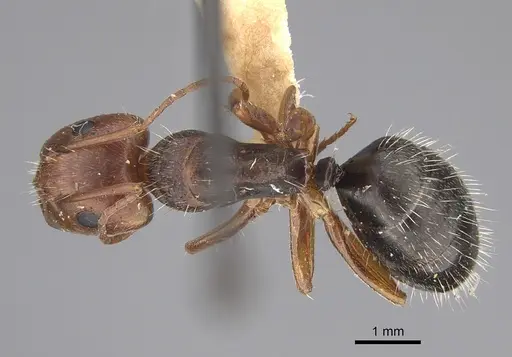
CASENT4031338
View on AntWeb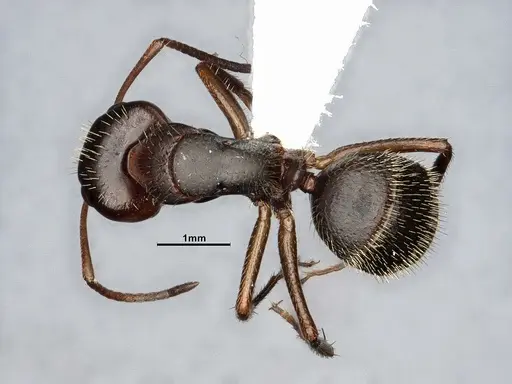
CASTYPE00461-01
View on AntWeb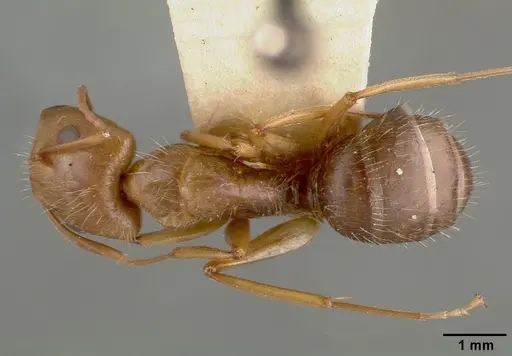

CASTYPE00461-02
View on AntWeb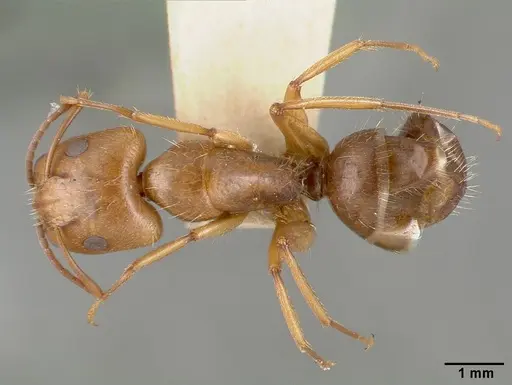

Literature
Loading...Loading products...