

Camponotus clarithorax
- Scientific Name
- Camponotus clarithorax
- Tribe
- Camponotini
- Subfamily
- Formicinae
- Author
- Creighton, 1950
- Distribution
- Found in 2 countries
Camponotus clarithorax Overview
Camponotus clarithorax is an ant species of the genus Camponotus. It is primarily documented in 2 countries , including Mexico, United States of America. Detailed taxonomic data and occurrence records can be further explored via authoritative databases such as AntWeb or the Global Biodiversity Information Facility (GBIF).
Camponotus clarithorax
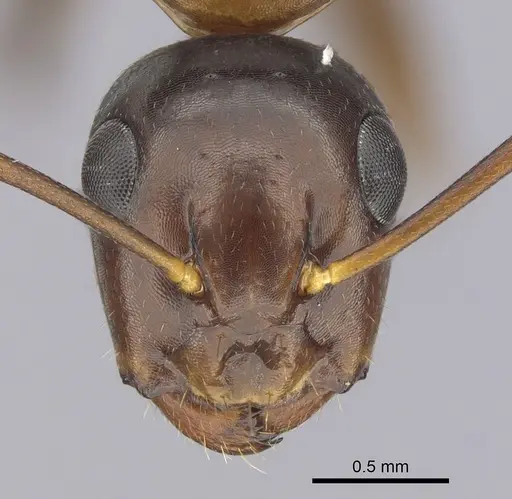
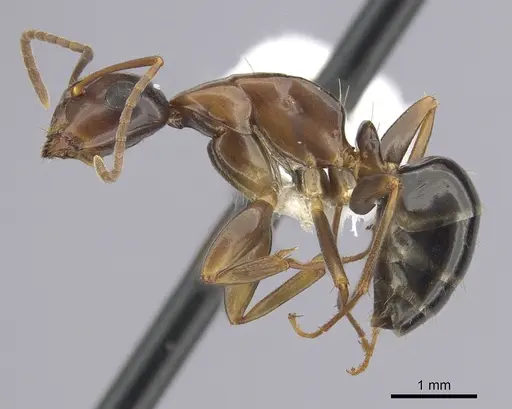
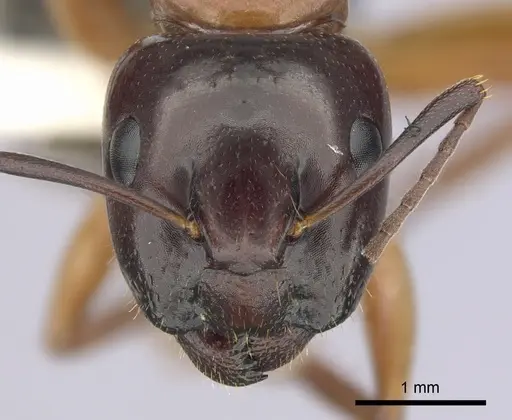
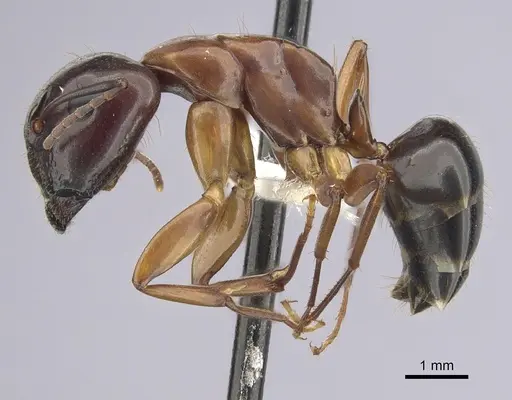
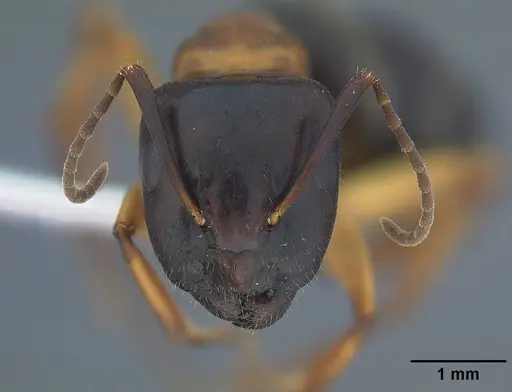
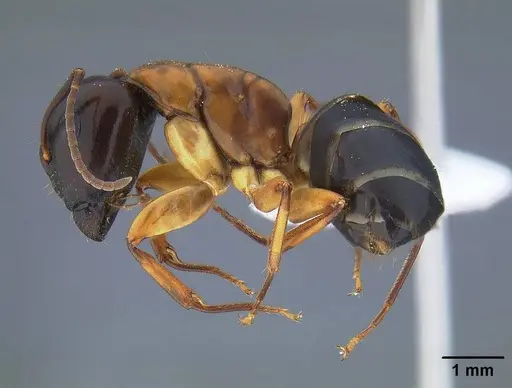
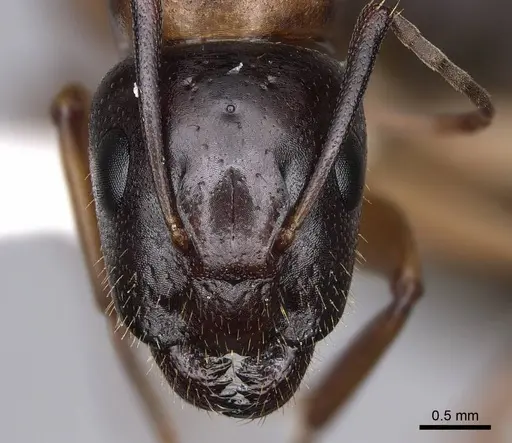
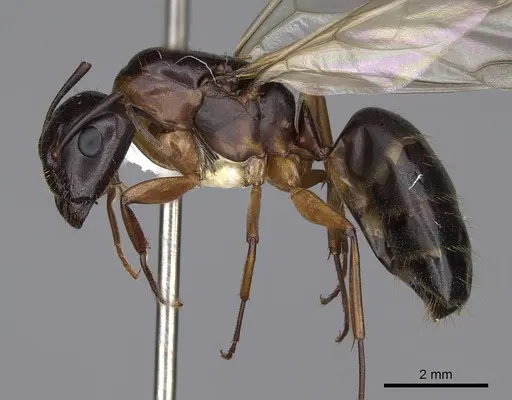
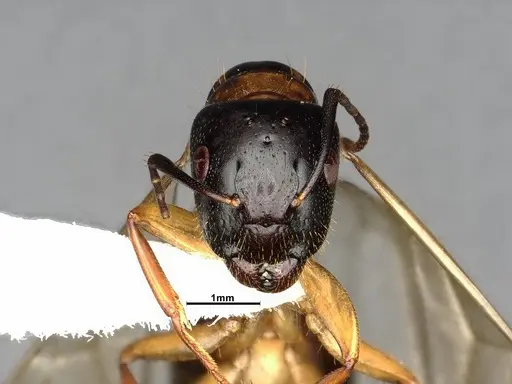
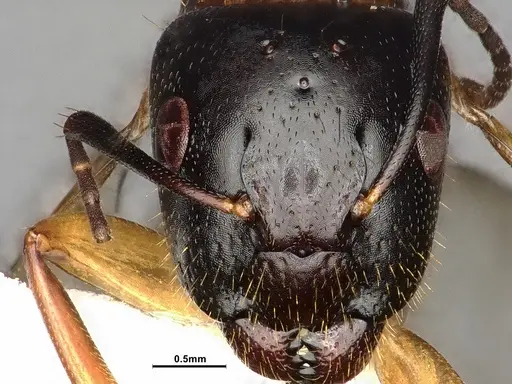
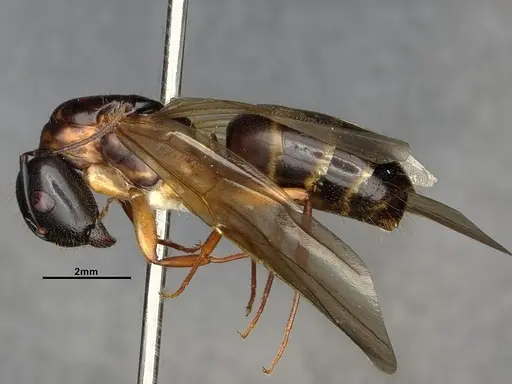
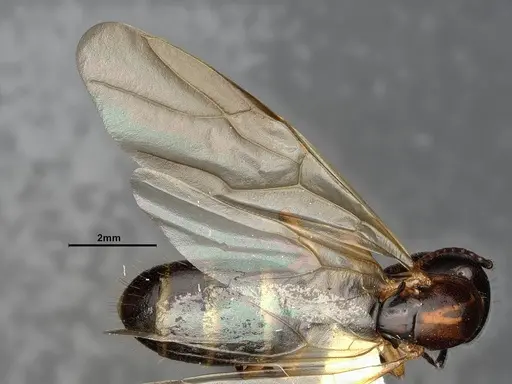
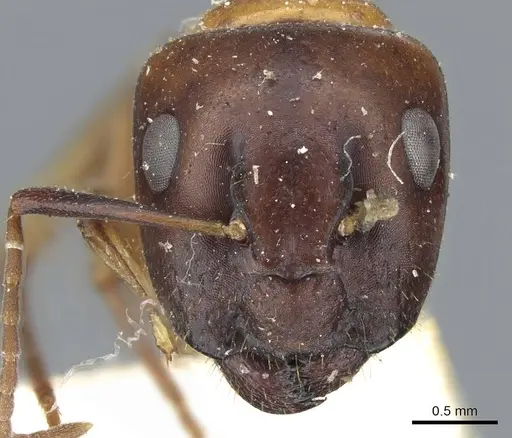
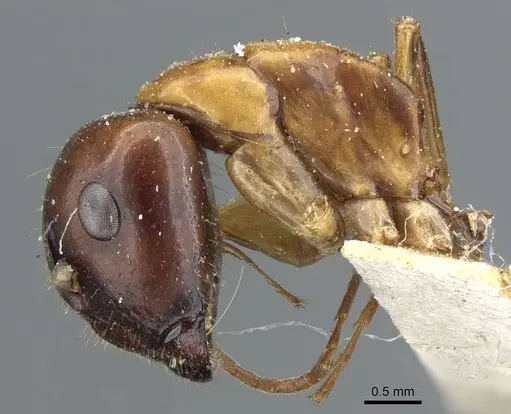
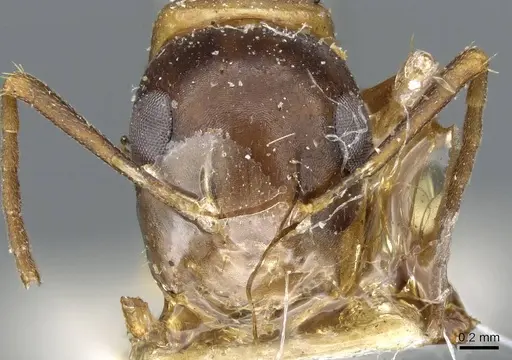
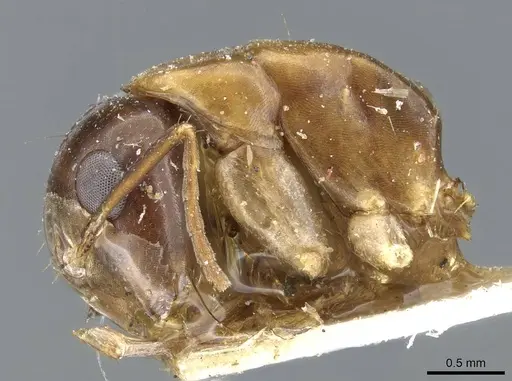
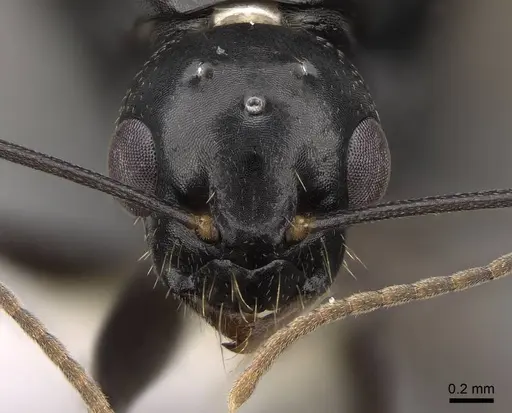
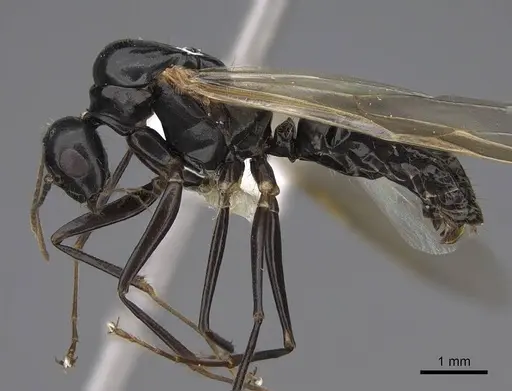
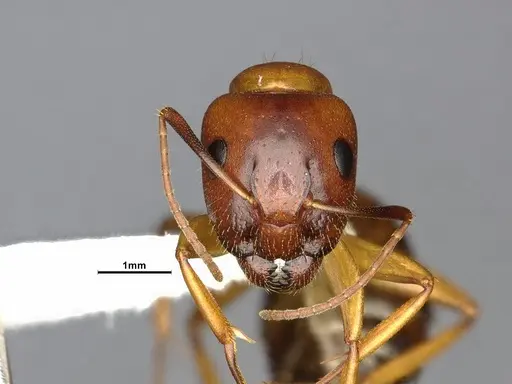
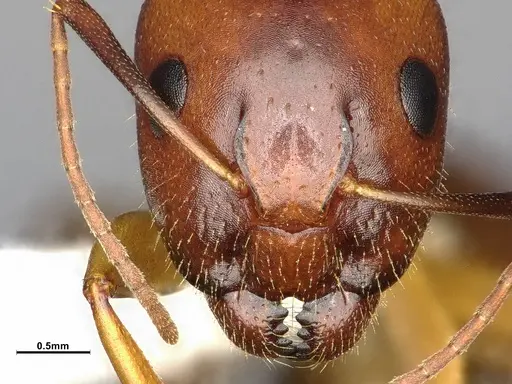
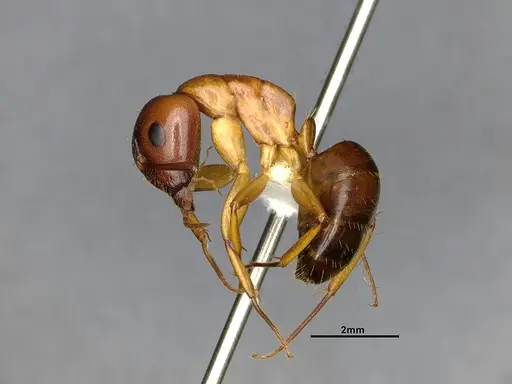
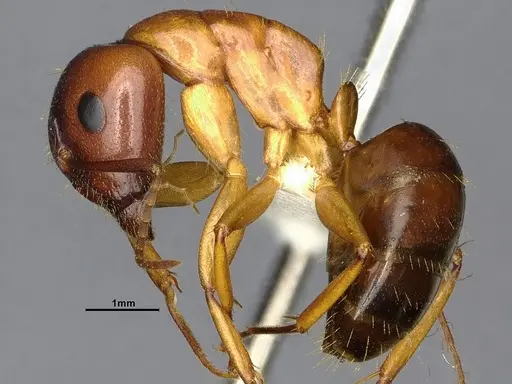
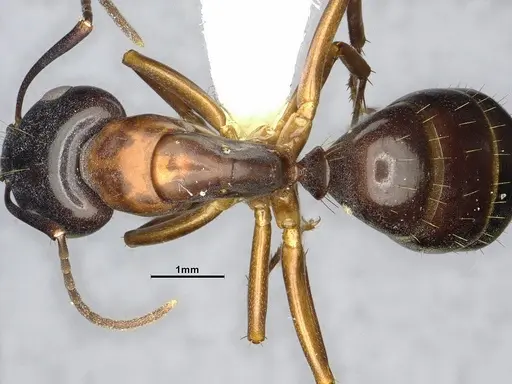
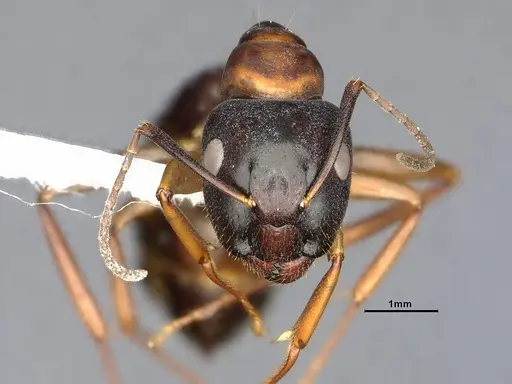
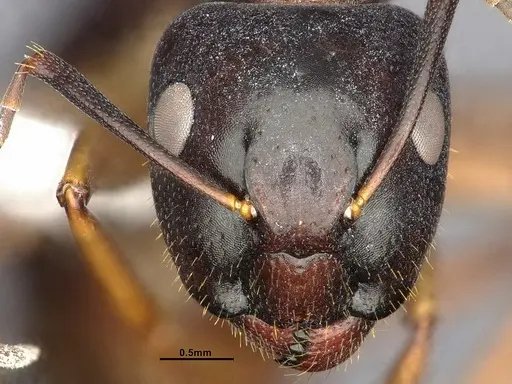
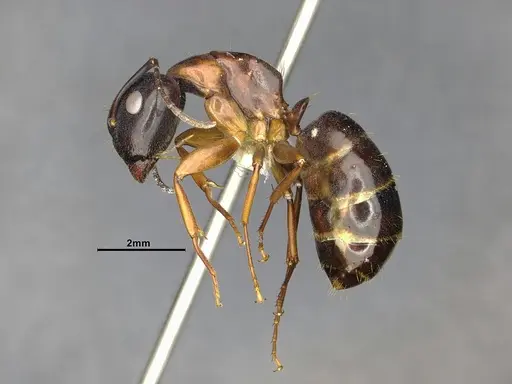
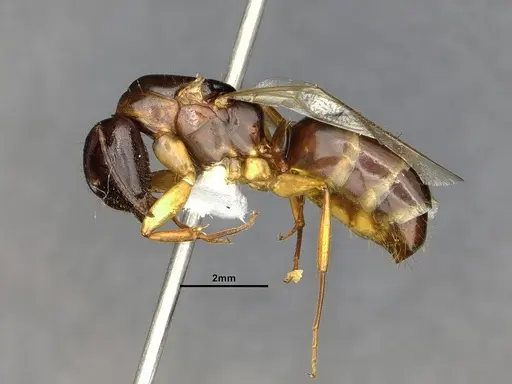
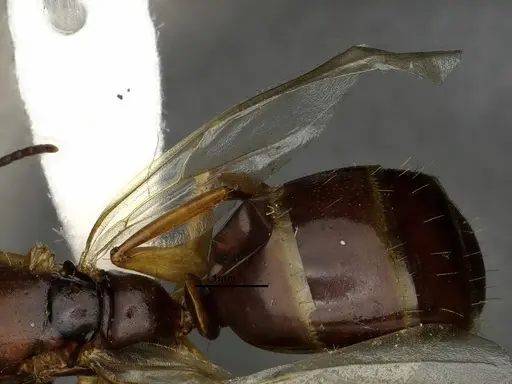
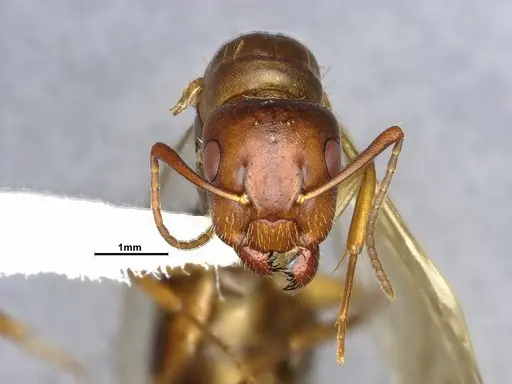
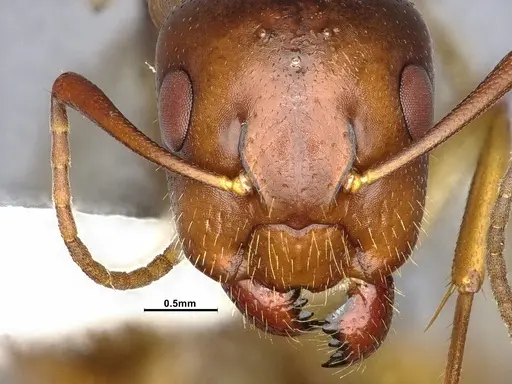
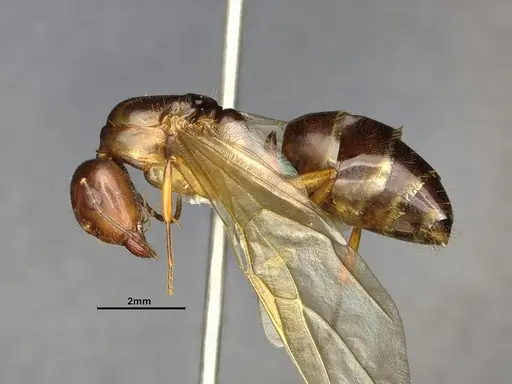
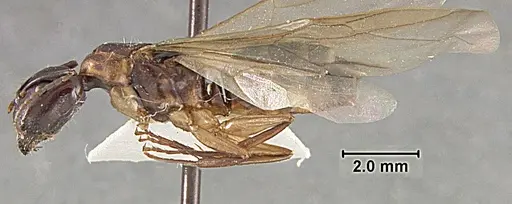
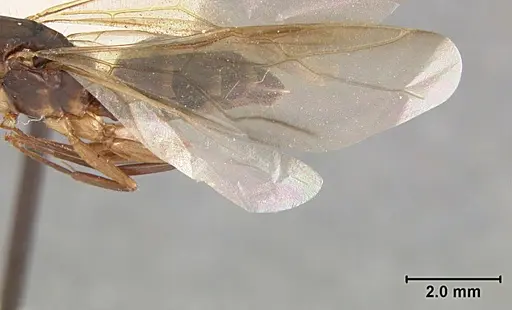
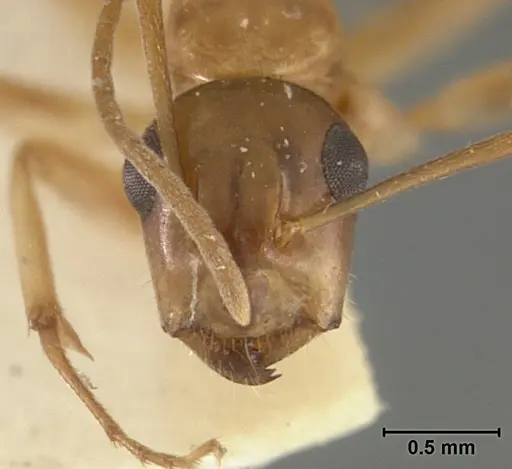
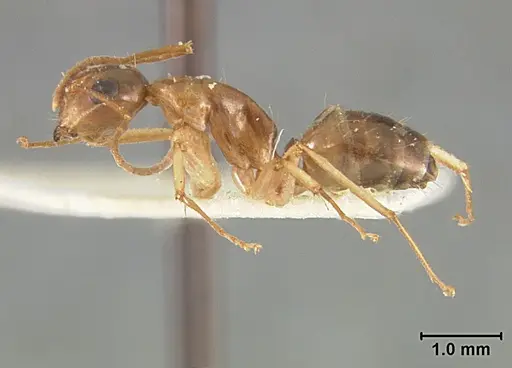
Camponotus clarithorax is a smaller carpenter ant species native to the southwestern United States and northern Mexico. Workers measure 3-8mm with a distinctive yellow to black coloration, and queens are larger at 12-15mm. This species belongs to the subgenus Camponotus (Camponotus) and is closely related to the Ca. yogi species group, being distinguished by longer antennae and legs. In the wild, they nest in decaying wood, soil under stones, and occasionally in wall voids of buildings, typical carpenter ant behavior. They are one of only 13 species found across all four biodiversity surveys of Santa Cruz Island, California, indicating stable populations in their range [1]. The species has a nutritional symbiosis with Blochmannia bacteria, which helps them process nutrients from honeydew and plant secretions [2].
Quick Summary
- Difficulty: Easy
- Origin & Habitat: Native to the southwestern United States and northern Mexico, specifically found in California, Baja California, and Baja California Sur. They inhabit the California Floristic Province and are commonly found in coastal and mountainous areas of southern California. Natural habitats include decaying wood, soil under stones, and occasionally structural voids in buildings [3][1].
- Colony Type: Monogyne, single queen colonies. Like other Camponotus species, colonies start with a claustral queen who seals herself in and raises the first brood alone on stored fat reserves.
- Colony: Monogyne
- Founding: Claustral
- Size & Growth:
- Queen: 12-15mm
- Worker: 3-8mm (major and minor castes) [3]
- Colony: Likely up to several thousand workers based on typical Camponotus colony sizes
- Growth: Moderate, typical Camponorus growth pattern, first workers (nanitics) appear in 6-8 weeks
- Development: 6-8 weeks at room temperature (20-24°C) (Development is temperature-dependent, warmer conditions within safe range speed up development. Nanitics (first workers) are smaller than mature workers.)
- Antkeeping:
- Temperature: Keep at room temperature, ideally 20-24°C. They tolerate a range from 18-28°C. A heating cable on one side of the nest can create a gradient for the colony to self-regulate
- Humidity: Moderate humidity needs. Keep nest substrate slightly moist but not waterlogged. They do well with a humidity gradient, damp areas for brood, drier areas for foraging. Mist occasionally and provide a water tube
- Diapause: Yes, they require a winter rest period (diapause). Keep them at 10-15°C for 2-3 months during winter, typically November through February in the Northern Hemisphere. Reduce feeding and keep them dark and quiet during this period
- Nesting: Y-tong (acrylic) nests work well, as do plaster nests and naturalistic setups with wood or cork. They prefer tight-fitting chambers. Test tubes are suitable for founding colonies. Avoid overly wet substrates that could cause mold
- Behavior: Generally docile and non-aggressive compared to some other carpenter ants. They are primarily nocturnal foragers but will forage during the day if needed. Workers are moderate in size and can defend the colony if threatened. They have a moderate escape risk due to their size, standard barrier methods like fluon on test tube rims work well. They are not known for being particularly aggressive toward keepers. As with most Camponotus, they may spray formic acid as a defense mechanism when disturbed.
- Common Issues: mold in the nest from overwatering, keep substrate only slightly damp, queen rejection during founding, provide quiet, dark location and avoid disturbing founding chambers, escape during feeding, use proper barriers and observe during feeding times, winter die-off if not given proper diapause, they need 2-3 months at cool temperatures, colonies slow to establish, first year growth is modest, patience required
Housing and Nest Setup
Camponotus clarithorax does well in a variety of nest types. For founding colonies, a standard test tube setup works perfectly, fill it one-third with water, plug with a cotton ball, and place the queen in the open end. Cover the tube with something dark to reduce stress. For established colonies, Y-tong (acrylic) nests with narrow chambers suit their preference for tight spaces. Plaster nests and naturalistic setups with cork or soft wood also work well since they like to excavate. Avoid nests that are too wet or humid, this causes mold problems. Place the nest in a quiet area away from direct sunlight and vibrations. An outworld (foraging area) connected to the nest allows you to feed and observe the colony. Use fluon or other barrier methods on the outworld rim to prevent escapes, especially since they can climb smooth surfaces. [3][1]
Feeding and Diet
Like other carpenter ants, C. clarithorax is omnivorous with a preference for protein and sugar. Feed them protein sources like mealworms, small crickets, dead insects, and boiled egg white. Sugar sources are essential, offer sugar water, honey, or diluted maple syrup. They particularly enjoy honeydew and will tend aphids if given access. Feed protein 2-3 times per week, and keep a constant sugar source available. Remove uneaten food after 24-48 hours to prevent mold and fruit flies. In founding colonies, the queen does not need food, she survives on stored fat until her first workers emerge. Once workers arrive, you can offer tiny amounts of protein and sugar. Adjust feeding frequency based on colony size and consumption rates
Temperature and Seasonal Care
Keep your colony at room temperature, ideally 20-24°C. They tolerate a broader range from 18-28°C but grow best in the middle of this range. A heating cable placed on one side of the nest creates a temperature gradient that lets the ants choose their preferred zone. During summer months, room temperature is usually sufficient. In winter, they require a diapause (winter rest) period of 2-3 months at 10-15°C. This mimics their natural seasonal cycle in California and helps maintain colony health. Place them in a cool basement, garage, or refrigerator (not freezer) during this time. Reduce feeding during diapause and keep them in complete darkness. Do not skip diapause, it is important for the colony's long-term health and reproductive cycle
Behavior and Colony Dynamics
C. clarithorax is one of the more docile carpenter ant species, making them good for antkeepers who want a hands-off species. Workers are primarily nocturnal but will forage during the day if food is available. They communicate through chemical trails and will recruit nestmates to good food sources. The colony has distinct major and minor worker castes, majors have larger heads and are better at defense and processing tough food, while minors handle most foraging and brood care. Queens can live 15-20 years, and colonies grow steadily over time. When disturbed, they may spray formic acid as a defense, this is harmless to humans but can be irritating to other ants. They are not aggressive toward keepers and rarely bite unless handled roughly [1]
Growth and Development
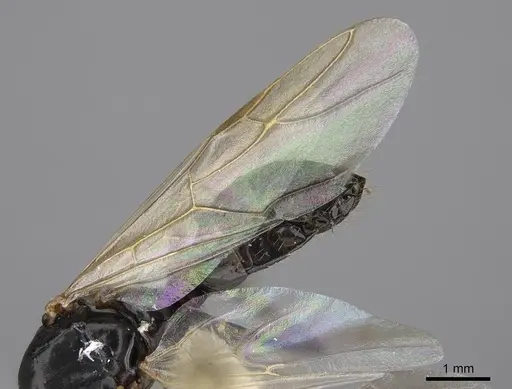
After mating during nuptial flights, the queen finds a suitable nesting site and seals herself in a chamber (claustral founding). She lays eggs and tends the larvae without leaving to forage, she survives entirely on stored fat reserves and wing muscles. The first eggs hatch into larvae, then pupate, and emerge as nanitics (first workers) after 6-8 weeks at optimal temperature. These first workers are smaller than mature workers but immediately begin foraging to feed the colony. The queen's role shifts to purely egg-laying. Subsequent broods develop faster as more workers are available to care for them. Colony growth is moderate, expect slow progress in the first year, then steady expansion. A mature colony can have several thousand workers and may produce reproductive alates (new queens and males) in summer
Frequently Asked Questions
Is Camponotus clarithorax a good beginner ant?
Yes, this species is considered easy to care for and is suitable for beginners. They are docile, tolerate a range of conditions, and do not require specialized equipment. Their moderate size and straightforward care requirements make them a good choice for new antkeepers.
How long does it take for the first workers to appear?
First workers (nanitics) typically appear 6-8 weeks after the queen lays eggs, at room temperature (20-24°C). This timeline varies based on temperature, warmer conditions within safe range speed development, while cooler temperatures slow it down.
What do I feed Camponotus clarithorax?
Feed them a balanced diet of protein and sugar. Good protein sources include mealworms, small crickets, dead insects, and boiled egg white. For sugar, offer sugar water, honey, or diluted maple syrup. They also enjoy honeydew if you keep aphids. Feed protein 2-3 times per week with a constant sugar source available.
Do they need hibernation?
Yes, they require a winter rest period (diapause) of 2-3 months at 10-15°C. This is important for colony health and typically occurs from November through February in the Northern Hemisphere. Reduce feeding and keep them in darkness during this time.
How big do colonies get?
Mature colonies can reach several thousand workers over several years. Growth is moderate, expect slow progress in the first year, then steady expansion as the colony establishes.
Can I keep multiple queens together?
No, Camponotus clarithorax is monogyne (single-queen). Unlike some ant species, they do not form multi-queen colonies. If you introduce multiple unrelated queens, they will fight until only one remains.
When should I move them to a formicarium?
Keep founding colonies in a test tube until you have 20-30 workers. At this point, you can connect the test tube to an outworld or move them to a formicarium. They do well in Y-tong nests, plaster nests, or naturalistic setups with wood or cork.
Why is my colony declining?
Common causes include: poor founding (queen rejected), mold from overwet conditions, stress from disturbance or vibrations, temperatures outside their tolerance range, or lack of proper winter diapause. Check each of these factors and adjust accordingly. A declining colony after diapause may indicate the queen died.
References

This caresheet is licensed under CC BY-SA 4.0 .
CASENT0005341
View on AntWeb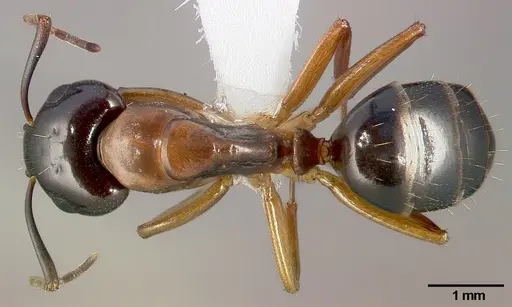
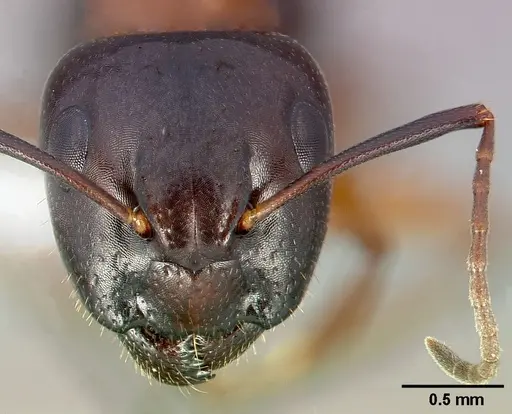
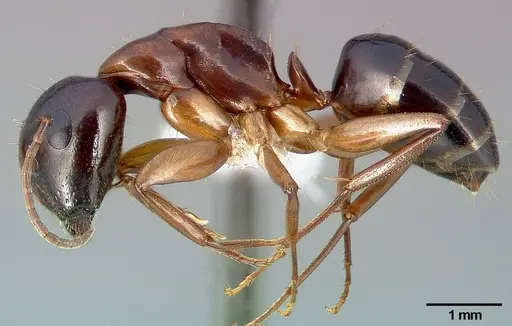
CASENT0249365
View on AntWeb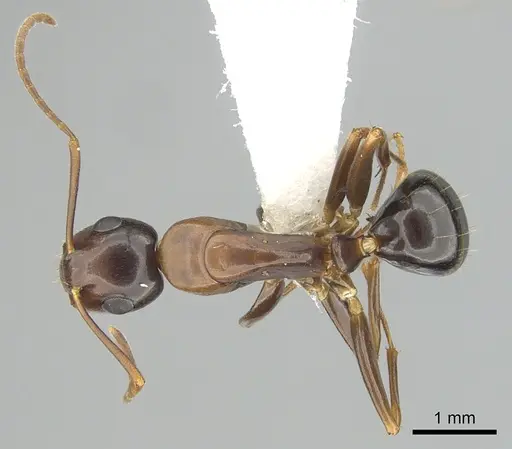
CASENT0249366
View on AntWeb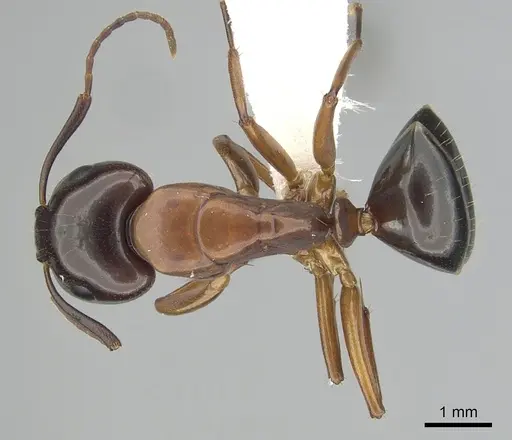
CASENT0732627
View on AntWeb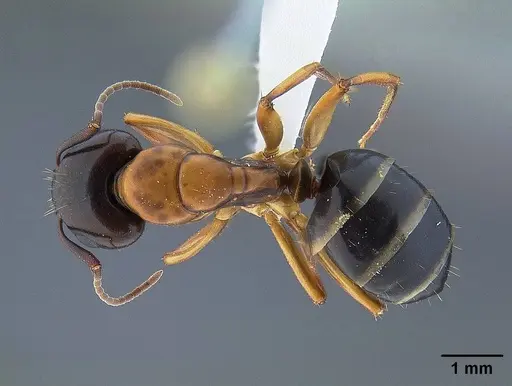
CASENT0844058
View on AntWeb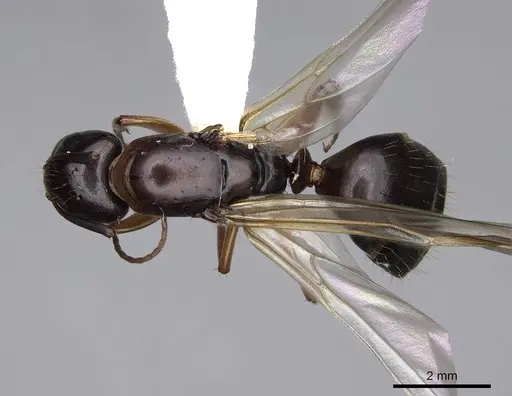
CASENT0882117
View on AntWeb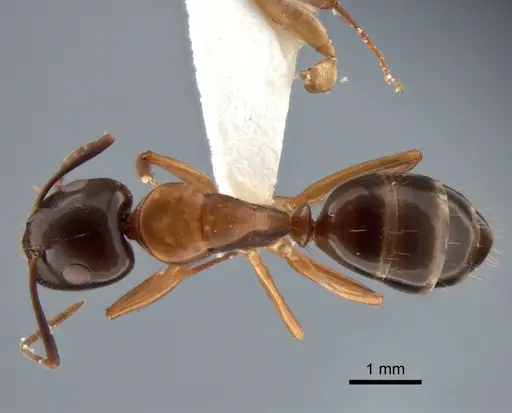
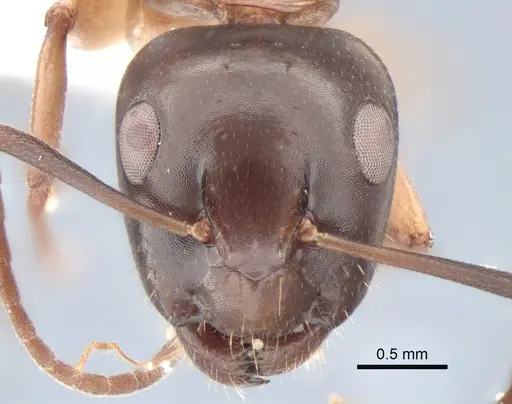
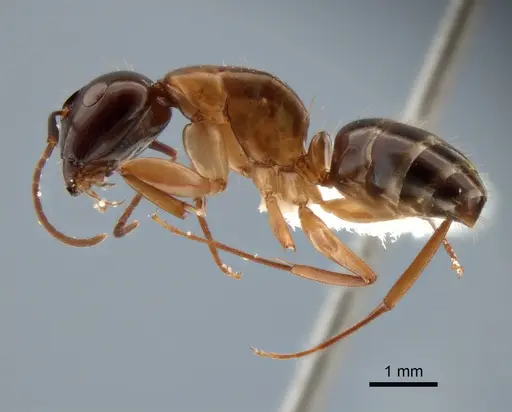
CASENT0882801
View on AntWeb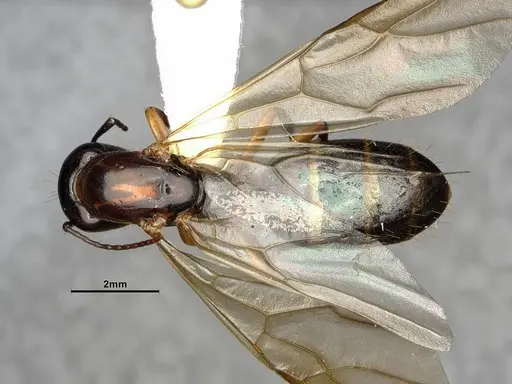
CASENT0905406
View on AntWeb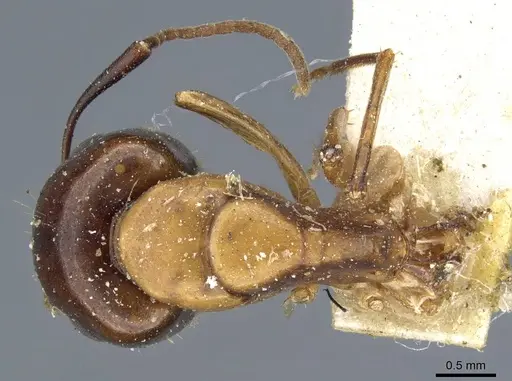
CASENT0905407
View on AntWeb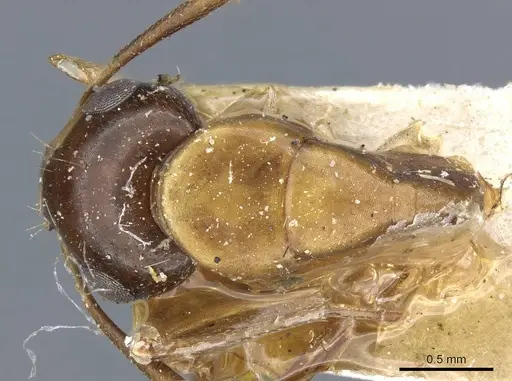
CASENT0923095
View on AntWeb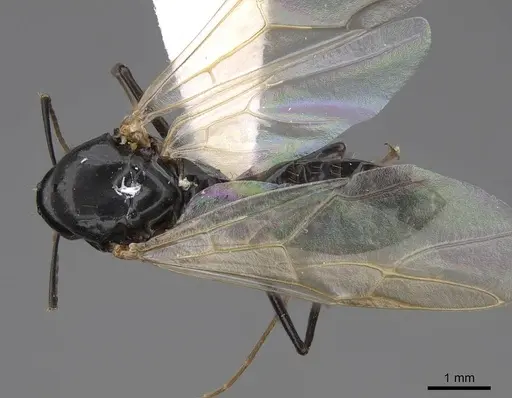
CASENT4031399
View on AntWeb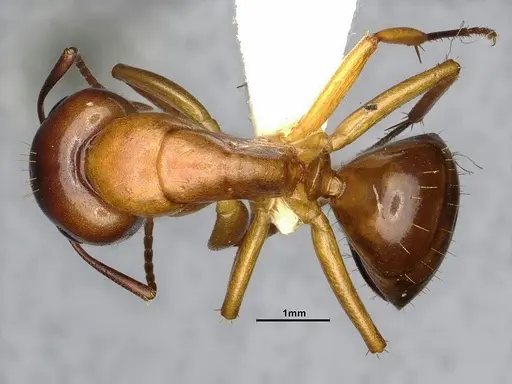
CASENT4031400
View on AntWeb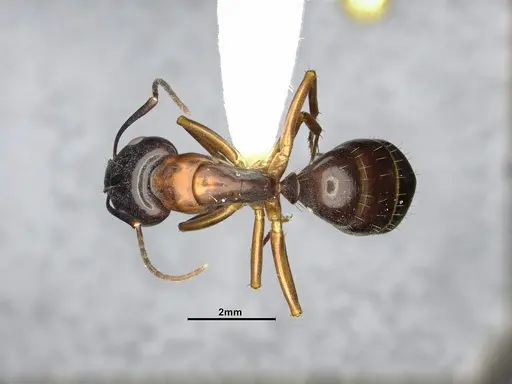
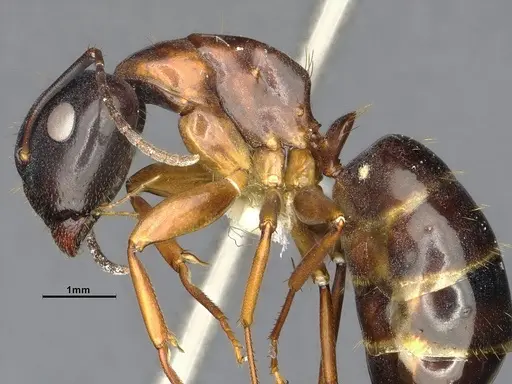
CASENT4031401
View on AntWeb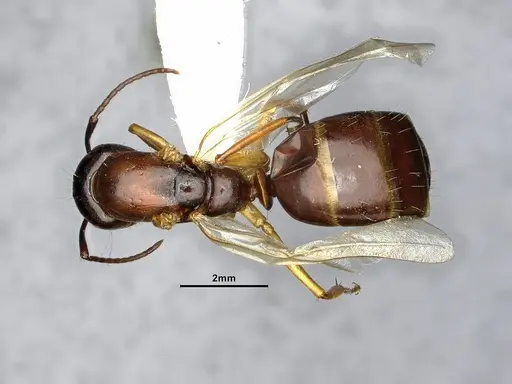
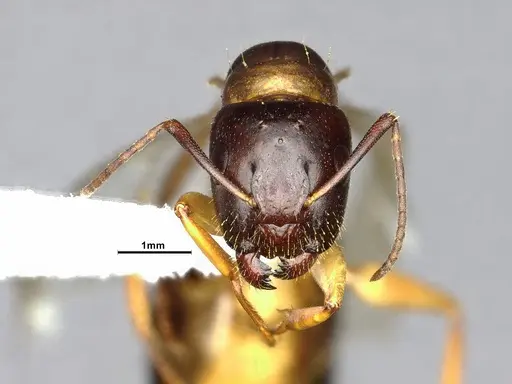
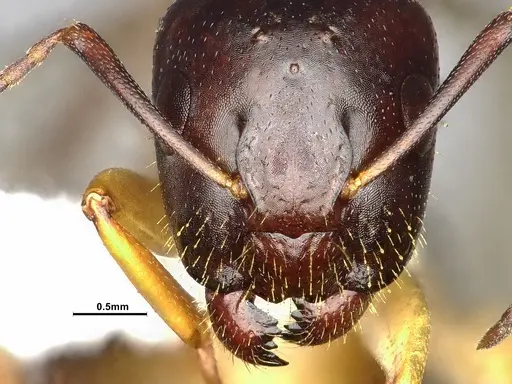
CASENT4031402
View on AntWeb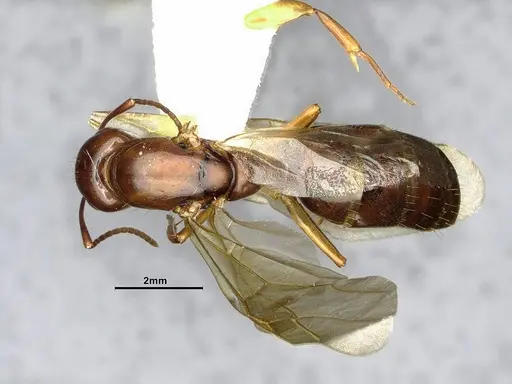
FMNHINS0000045726
View on AntWeb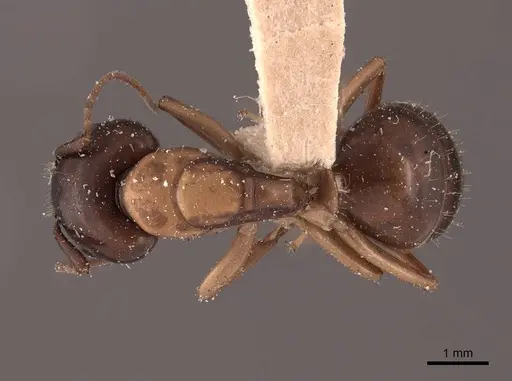
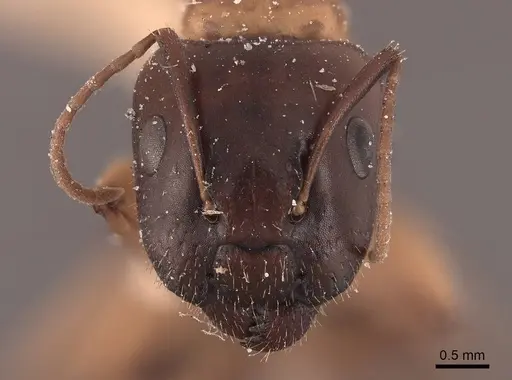
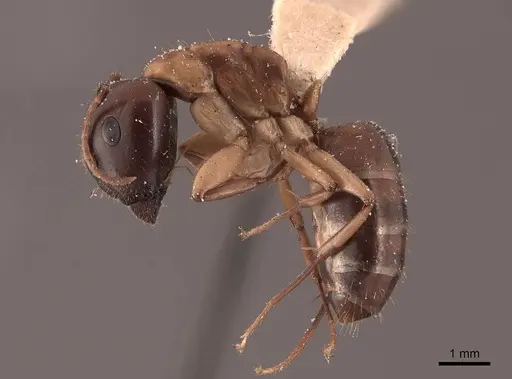
USNMENT01129590
View on AntWeb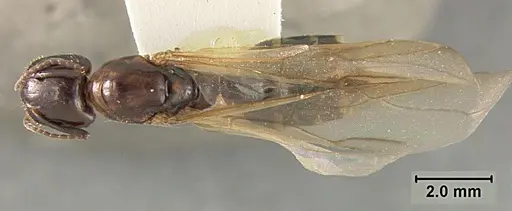
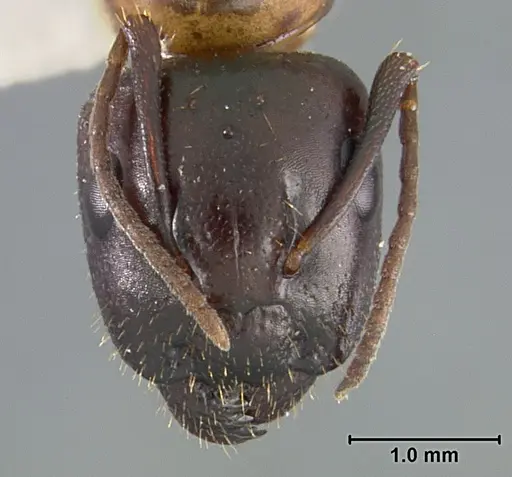
USNMENT01129591
View on AntWeb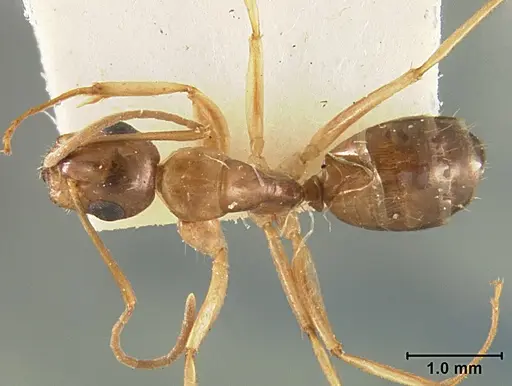
Literature
Loading...Loading products...