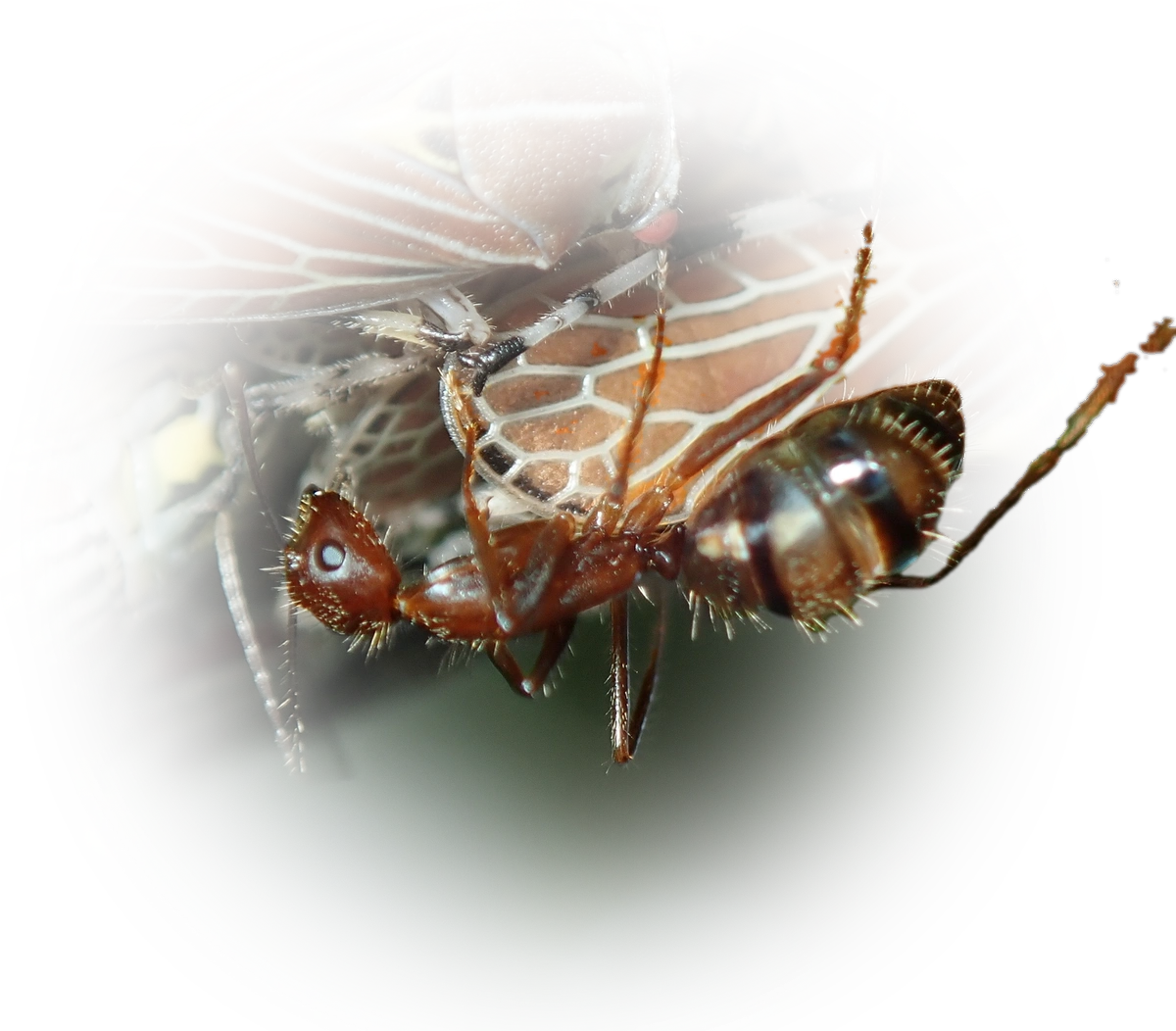

Camponotus cingulatus
- Scientific Name
- Camponotus cingulatus
- Subgenus
- Myrmothrix
- Tribe
- Camponotini
- Subfamily
- Formicinae
- Author
- Mayr, 1862
- Distribution
- Found in 3 countries
Camponotus cingulatus Overview
Camponotus cingulatus is an ant species of the genus Camponotus. It is primarily documented in 3 countries , including Argentina, Brazil, Paraguay. Detailed taxonomic data and occurrence records can be further explored via authoritative databases such as AntWeb or the Global Biodiversity Information Facility (GBIF).
Camponotus cingulatus
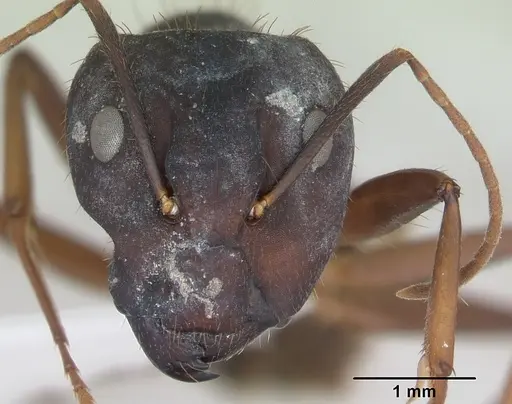
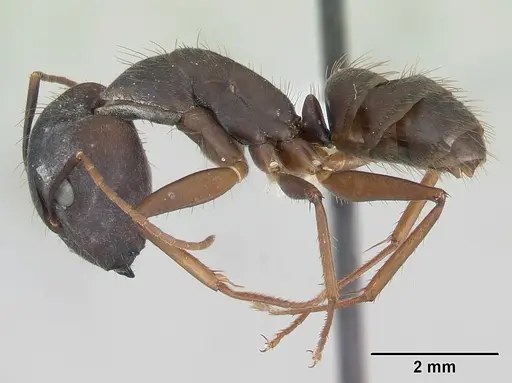
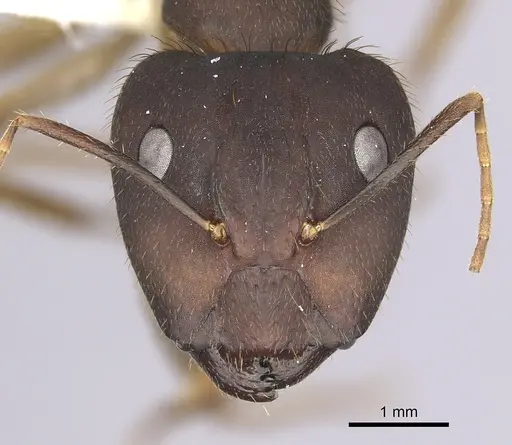
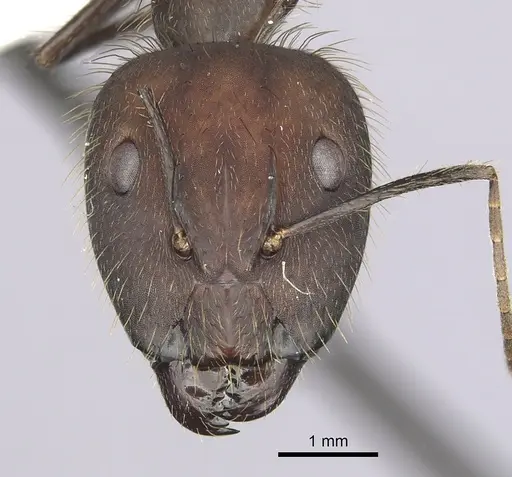
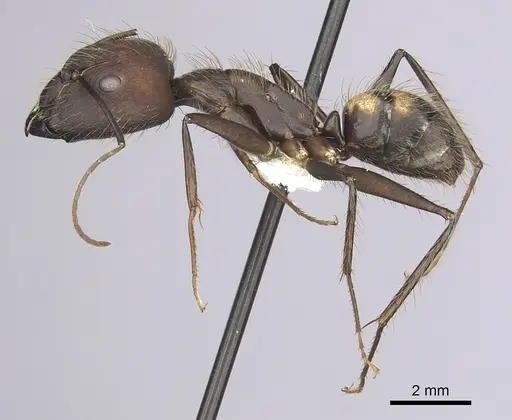
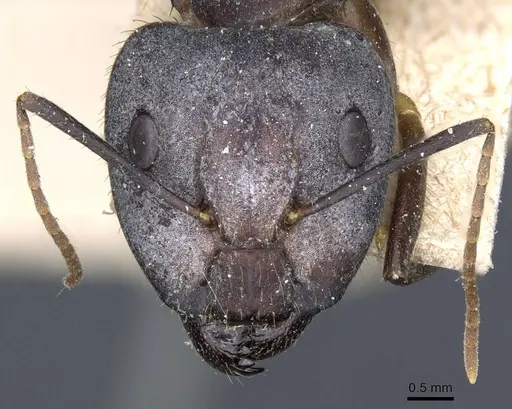
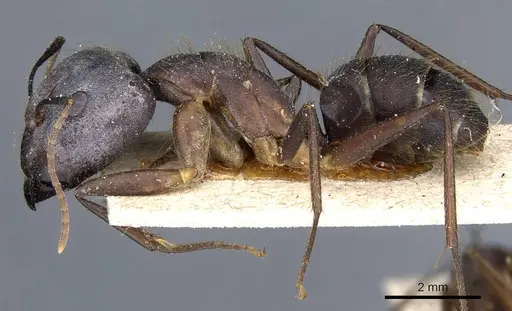
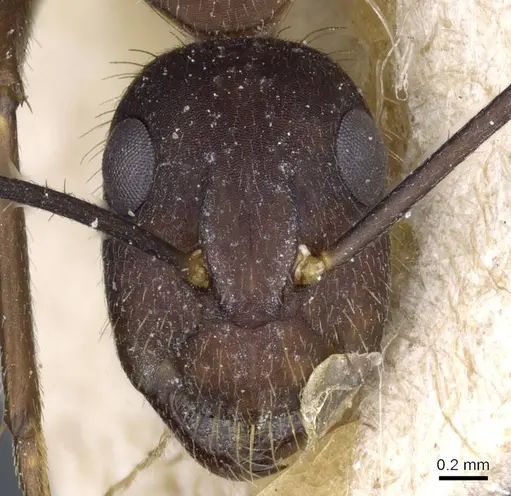
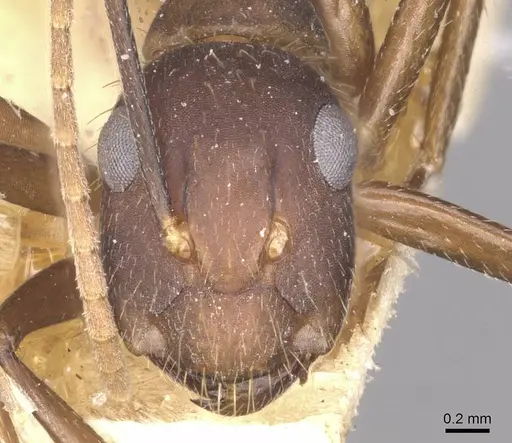
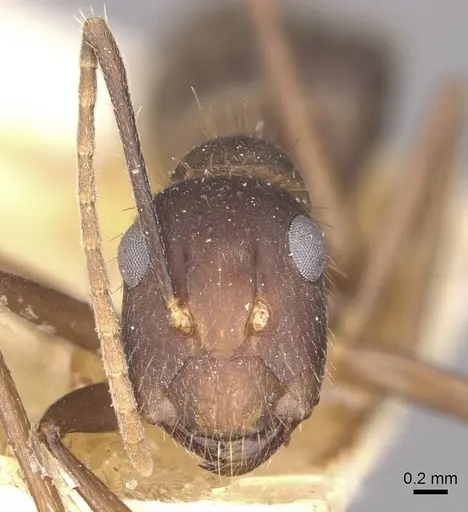
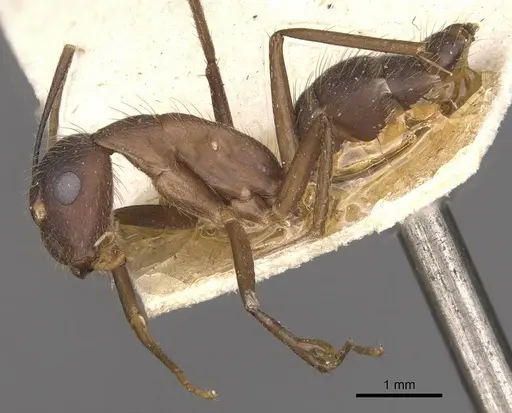
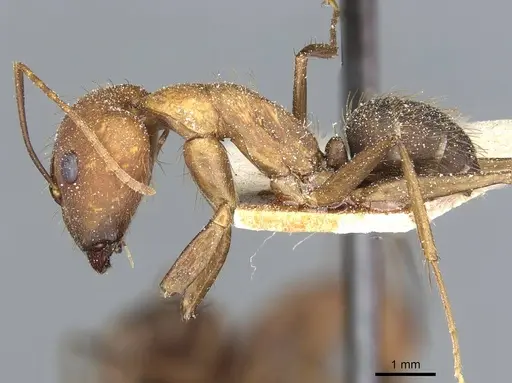
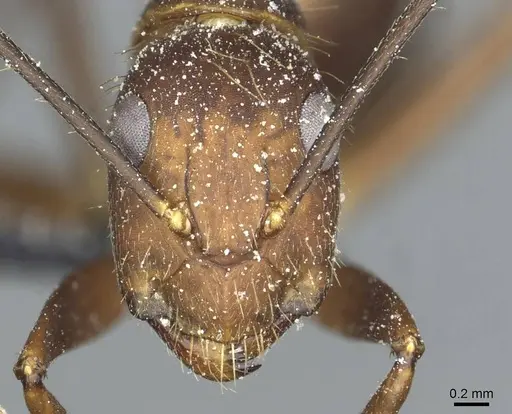
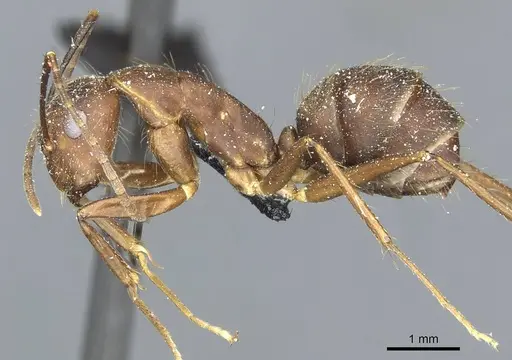
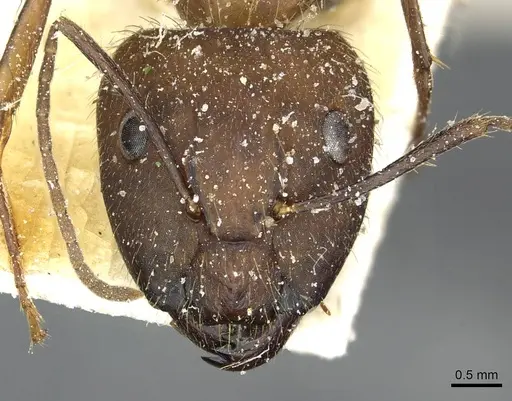
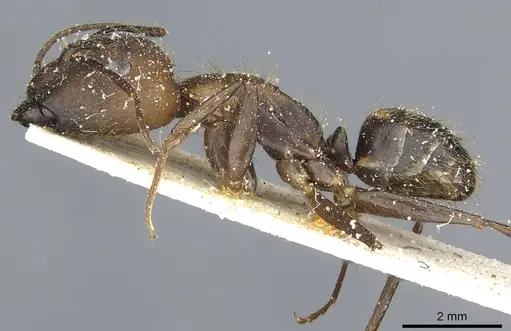
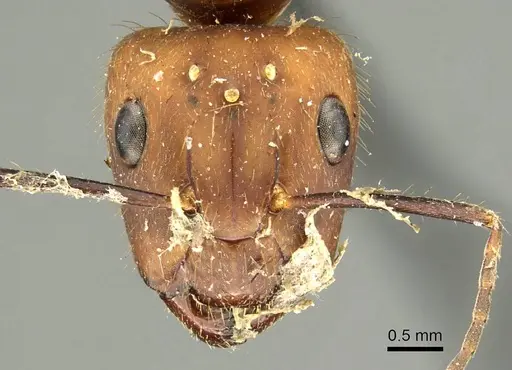
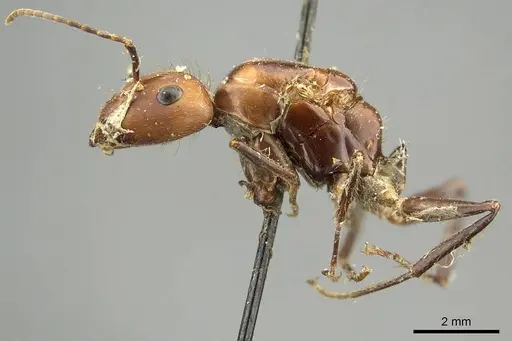
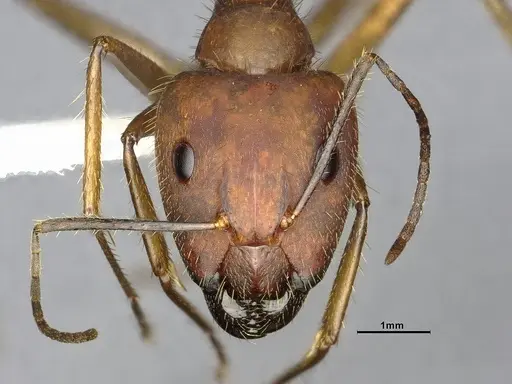
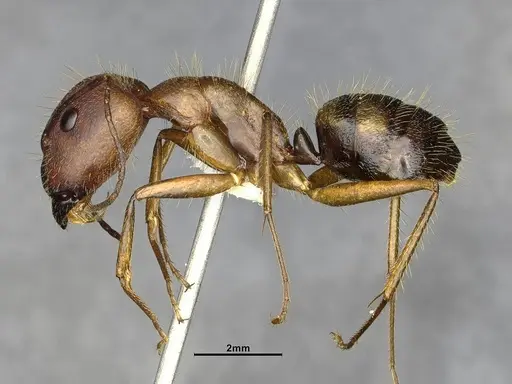
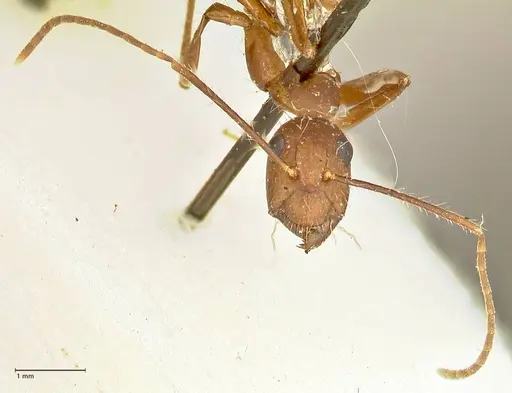
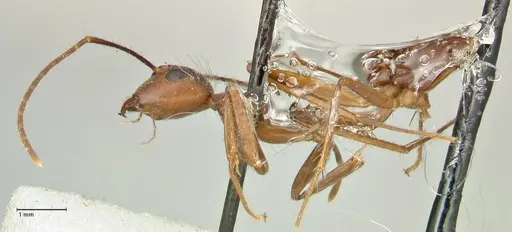
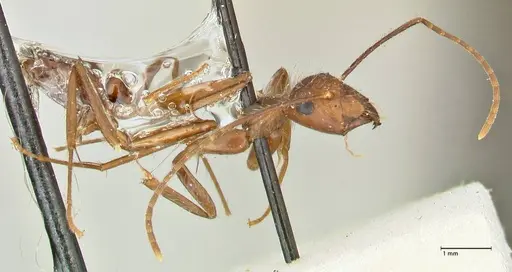
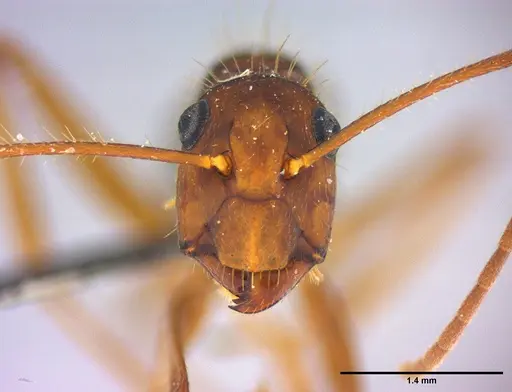
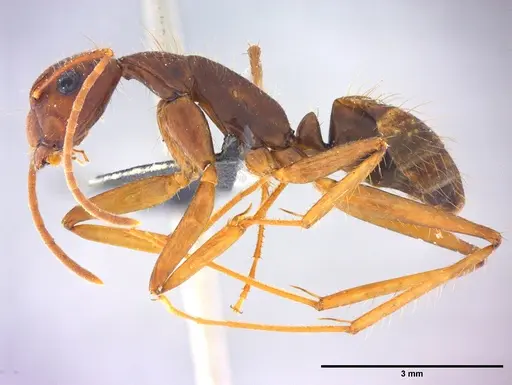
Camponotus cingulatus is a large Neotropical ant species found across Argentina, Bolivia, Brazil, French Guiana, Paraguay, and Uruguay. Workers are polymorphic, meaning they come in different sizes, minor workers are smaller and majors are larger with bigger heads. This species has a distinctive dark body with lighter banding on the abdomen. They are highly adaptable ants that nest in various locations including Cecropia trees, bamboo internodes, dead wood stumps, tree roots, and even buildings. Colonies are polydomous, meaning they maintain multiple connected nests spread across their territory, one study found about 100 nests in a single colony. They are aggressive defenders that bite when threatened and are known for their incredible speed.
Quick Summary
- Difficulty: Medium
- Origin & Habitat: Neotropical region, found across Argentina, Bolivia, Brazil, French Guiana, Paraguay, and Uruguay. In Brazil, they inhabit diverse biomes including Atlantic Forest, Cerrado, Caatinga, and Pantanal. They nest opportunistically in Cecropia trees, bamboo, dead wood, and urban structures [1][2].
- Colony Type: Polydomous colonies with a single queen (monogyne). Colonies maintain multiple connected nests, one study documented approximately 100 nests in a single colony [3].
- Colony: Monogyne
- Founding: Claustral
- Size & Growth:
- Queen: Estimated 12-15mm based on genus Camponotus patterns, specific measurements not documented
- Worker: Polymorphic: minor workers 6-8mm, major workers 9-12mm estimated based on genus [1]
- Colony: Large colonies, polydomous colonies can have many thousands of workers across multiple nests
- Growth: Moderate, typical Camponotus growth pattern
- Development: Estimated 6-8 weeks at optimal tropical temperatures (25-28°C) based on typical Camponotus development [1] (Development time is estimated from genus-level data as species-specific measurements are not available)
- Antkeeping:
- Temperature: Keep at 24-28°C. As a Neotropical species from warm climates, they need consistent warmth without temperature drops. A heating cable on one side of the nest creates a gradient they can regulate themselves.
- Humidity: Moderate humidity around 50-70%. They nest in varied locations from tree cavities to soil, so they adapt to different moisture levels. Provide a water tube for drinking access.
- Diapause: No, being a tropical/subtropical species, they do not require hibernation. Activity may slow slightly during cooler months but they remain active year-round.
- Nesting: Accepts various nest types. Y-tong (AAC) nests work well due to their size. They also do well in plaster nests or naturalistic setups with wood pieces. Provide chambers scaled to their large size.
- Behavior: Highly aggressive when their nest is disturbed, they bite and can cause skin irritation with itching but without pustule formation [2]. They are fast-moving and known for great speed and aggressiveness. Nocturnal foragers that emerge at night to tend homopterans (aphids and psyllids) for honeydew and hunt small arthropods. They recruit massively when they find abundant food sources. When threatened, they rapidly flee while transporting larvae, a predator avoidance strategy. Escape prevention is important due to their speed and ability to squeeze through small gaps.
- Common Issues: colonies can be aggressive and may bite handlers, work carefully during nest inspections, polydomous nature means they may establish satellite nests, contain them properly, nocturnal activity can surprise keepers who check nests during the day, being tropical, they may struggle in cool rooms without heating, urban infestations show they can adapt to buildings, ensure secure containment
Housing and Nest Setup
Camponotus cingulatus is a large, polymorphic ant that needs appropriately sized housing. Y-tong (AAC) nests work excellently because they provide dark, enclosed chambers that these ants prefer. The chambers should be sized to the worker caste, major workers need larger passages. Plaster nests are also suitable and help maintain moderate humidity. Because they are polydomous in the wild (maintaining multiple nests), you can connect multiple formicaria with tubing to simulate this natural structure. Use a test tube setup for the founding queen, then transfer to a larger nest once the colony reaches 20-30 workers. Always use excellent escape prevention, these fast ants can slip through small gaps. Apply fluon or similar barrier to any openings. [3][2]
Feeding and Diet
These ants are omnivorous with a strong preference for honeydew from homopterans. In captivity, offer sugar water (1:4 ratio) or honey as a constant energy source. For protein, provide insects like mealworms, crickets, and other small arthropods. They will also accept protein-based foods like boiled egg or cat food. In the wild, they feed heavily on extrafloral nectaries and predate on small arthropods [2]. Feed protein 2-3 times per week and keep sugar sources available at all times. Remove uneaten prey after 24 hours to prevent mold. Their nocturnal nature means they may ignore food offered during the day but will readily accept it at night.
Temperature and Seasonal Care
As a Neotropical species from Brazil and surrounding countries, Camponotus cingulatus needs warm conditions. Maintain temperatures between 24-28°C for optimal brood development. They do not require hibernation (diapause) since they come from tropical and subtropical regions where temperatures remain warm year-round. During cooler months, activity may naturally decrease but they remain active. If your room temperature falls below 24°C, use a heating cable on one side of the nest to create a warm zone. Place the heating on top of the nest, not underneath, to avoid evaporating moisture too quickly. Monitor that the nest doesn't dry out, these ants prefer stable moderate humidity. [1]
Behavior and Temperament
This species is not for beginners who want a hands-off colony. Camponotus cingulatus is aggressive when threatened, they bite and cause skin irritation and itching [2]. They are incredibly fast movers and known for their speed. When their nest is disturbed, they rapidly evacuate while carrying larvae and pupae, a predator avoidance behavior. They are nocturnal, so most foraging and activity happens at night. They are generalist foragers that recruit nestmates massively when they discover abundant food. They maintain mutualistic relationships with aphids and psyllids, farming these insects for honeydew. This species is best suited for keepers comfortable working with defensive ant species.
Colony Structure and Growth
Camponotus cingulatus forms monogyne colonies with a single queen, but the colony is polydomous, meaning it maintains multiple connected nests across its territory. One study in a cocoa plantation documented approximately 100 nests in a single colony [3]. This polydomous structure helps them exploit food resources over a large area and provides defense against predators like army ants. In captivity, you can simulate this by connecting multiple formicaria. Growth is moderate, typical for Camponotus species. The colony will produce major workers (soldiers) once it reaches a moderate size, and these larger workers have distinctively larger heads for defense and seed processing.
Pest Potential and Legal Considerations
This species has demonstrated pest potential in urban environments. One study documented a severe infestation in a flower shop in Rio Grande do Sul, Brazil, where the ants were associated with aphids and psyllids and became a nuisance to the owner [2]. They can be transported accidentally in plant pots, which may explain their spread into new areas. If you keep this species, ensure secure containment to prevent escapes. Do not release this ant in non-native regions, they are established in multiple South American countries and could become invasive. Always check your local regulations regarding ant keeping.
References

This caresheet is licensed under CC BY-SA 4.0 .
CASENT0173402
View on AntWeb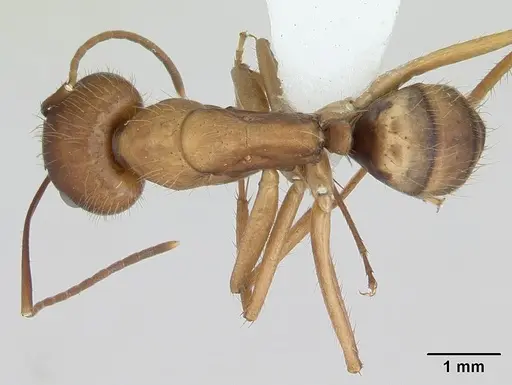
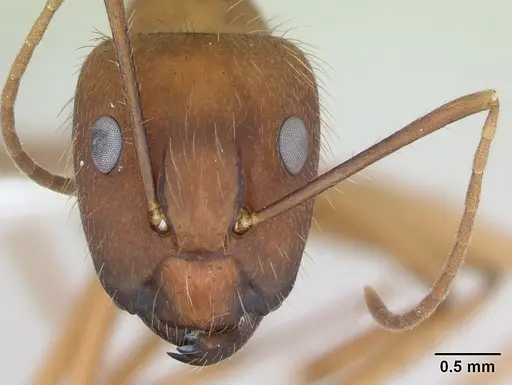
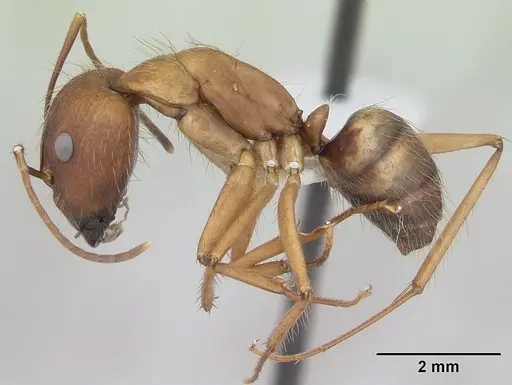
CASENT0173403
View on AntWeb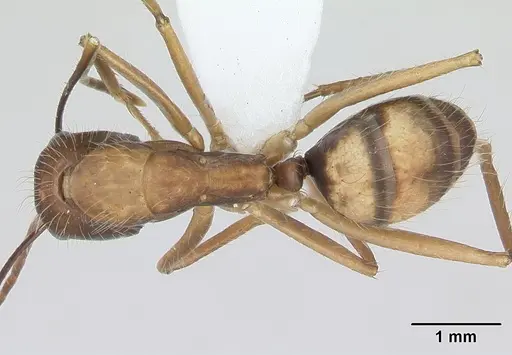
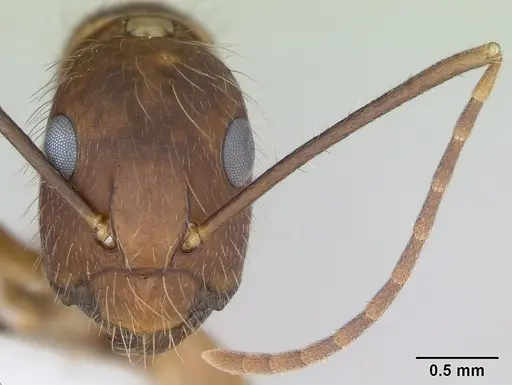
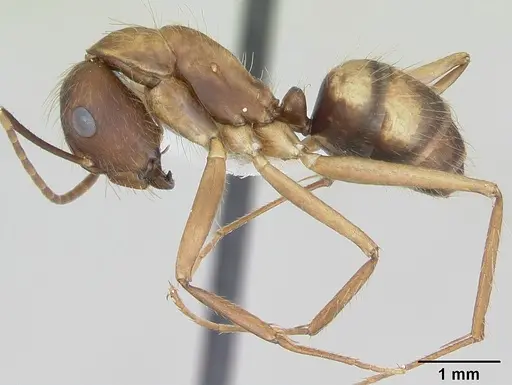
CASENT0173404
View on AntWeb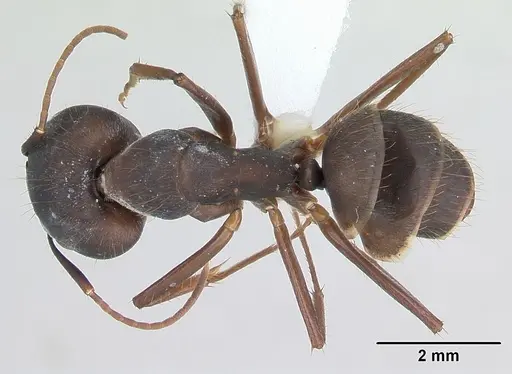
CASENT0249353
View on AntWeb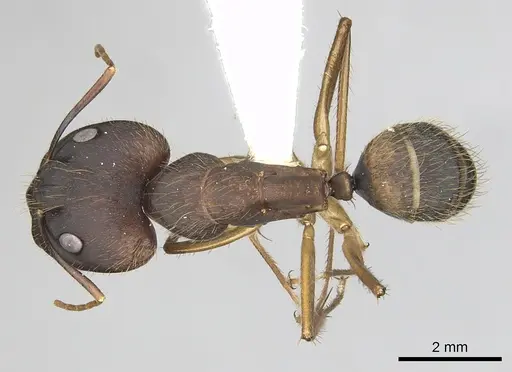
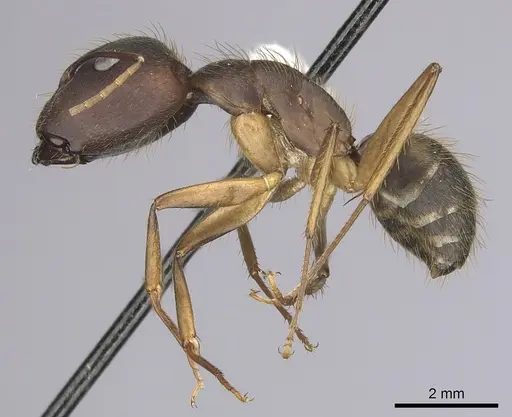
CASENT0249356
View on AntWeb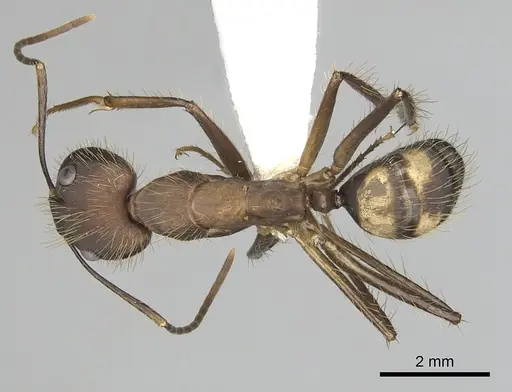
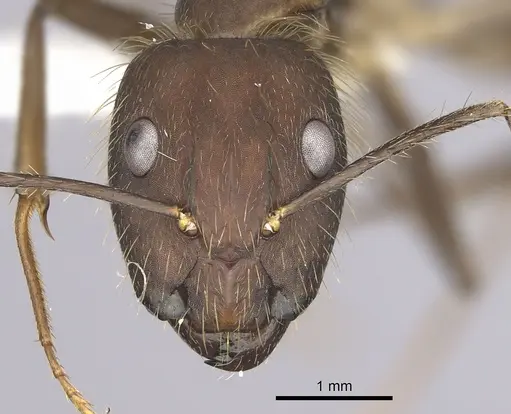
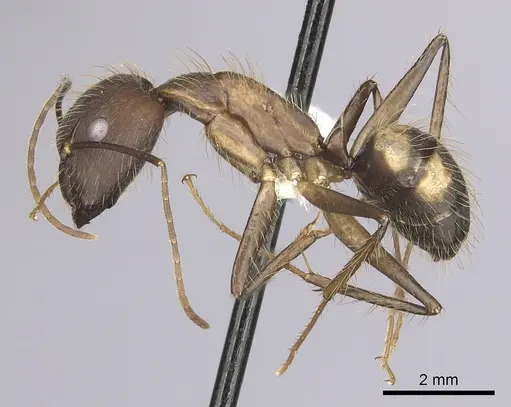
CASENT0249357
View on AntWeb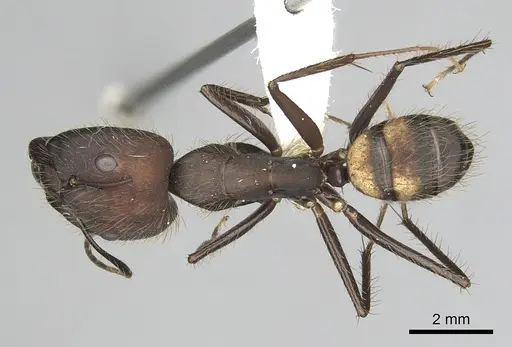
CASENT0905368
View on AntWeb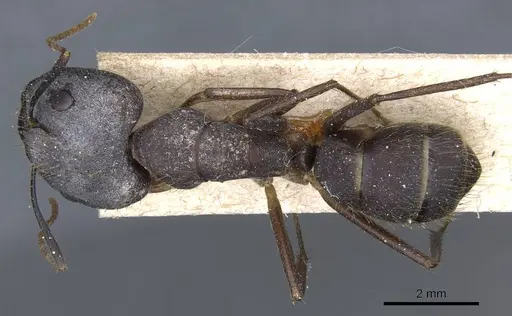
CASENT0905369
View on AntWeb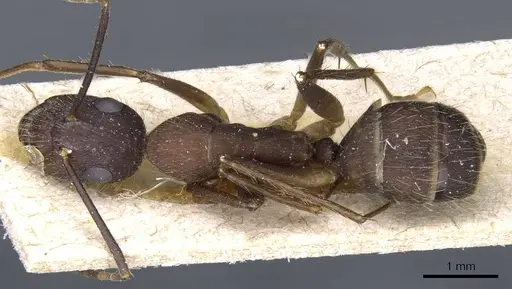
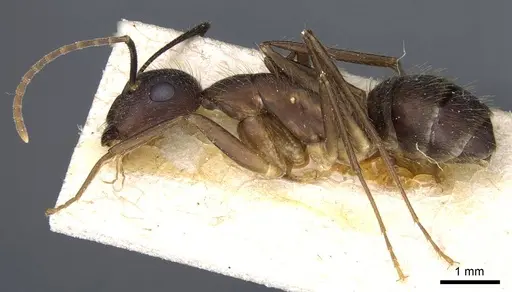
CASENT0910349
View on AntWeb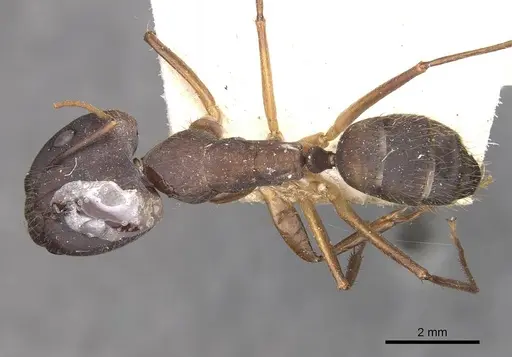
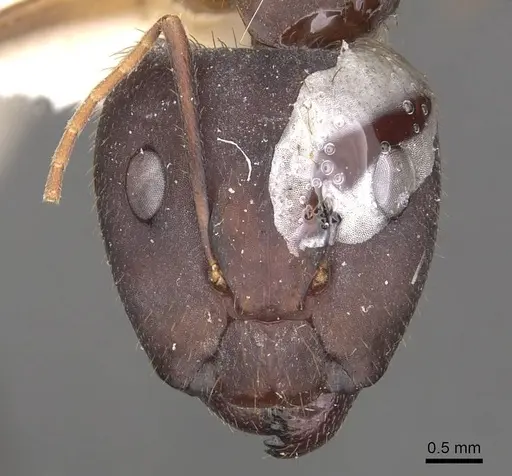
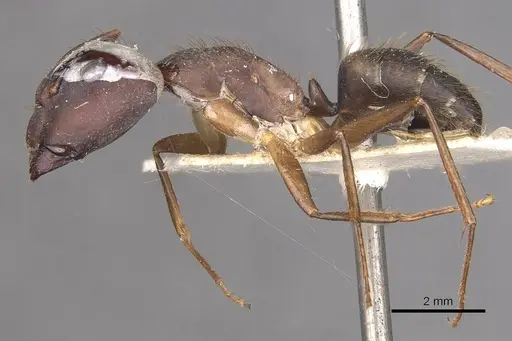
CASENT0910350
View on AntWeb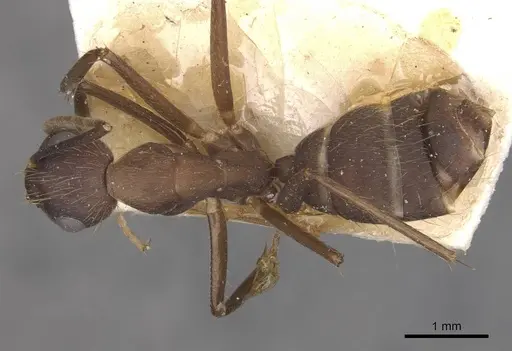
CASENT0910351
View on AntWeb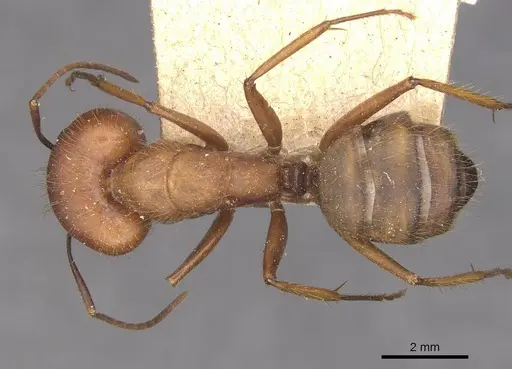
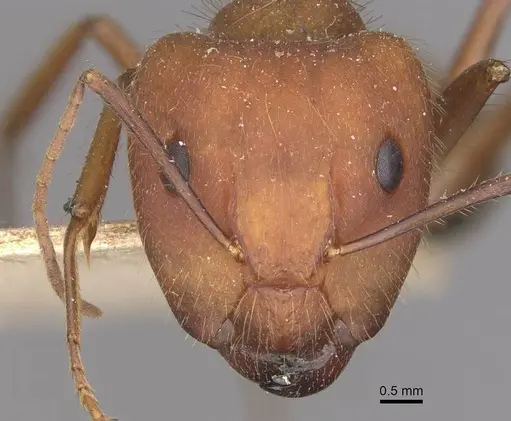
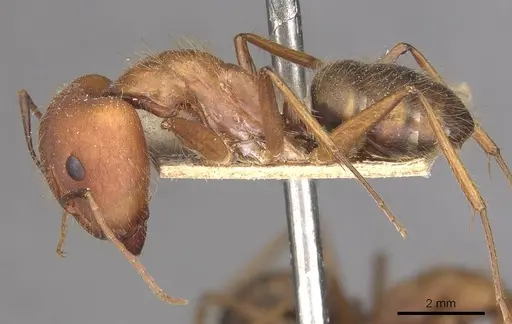
CASENT0910352
View on AntWeb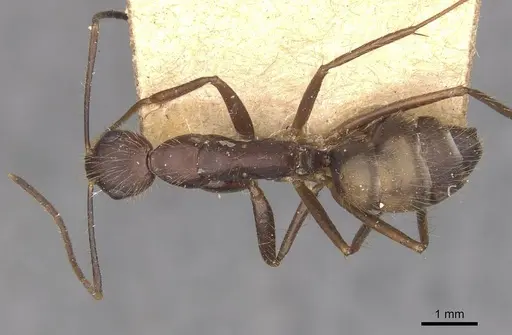
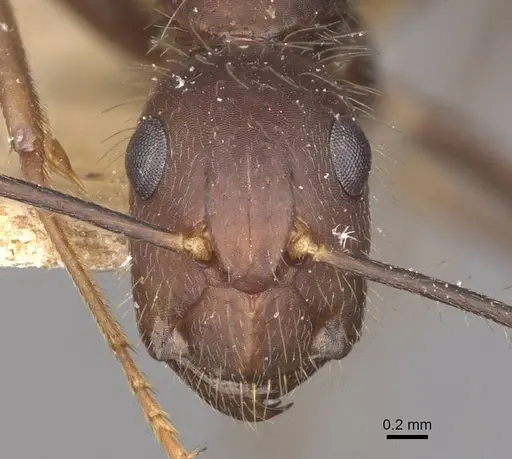
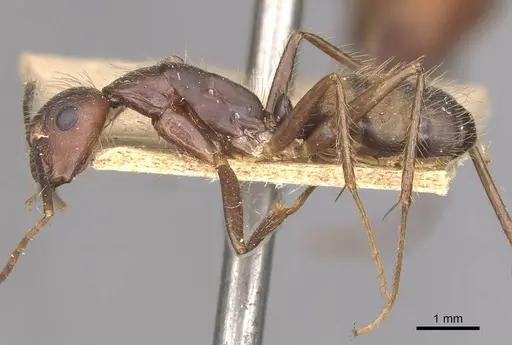
CASENT0911806
View on AntWeb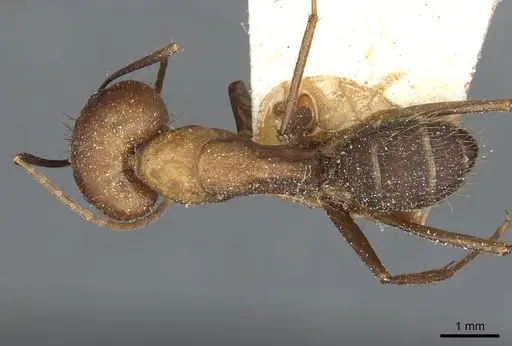
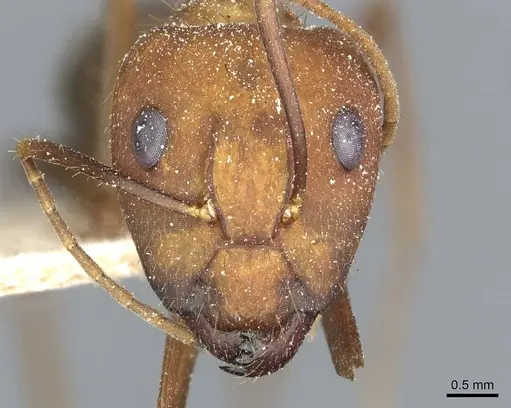
CASENT0911807
View on AntWeb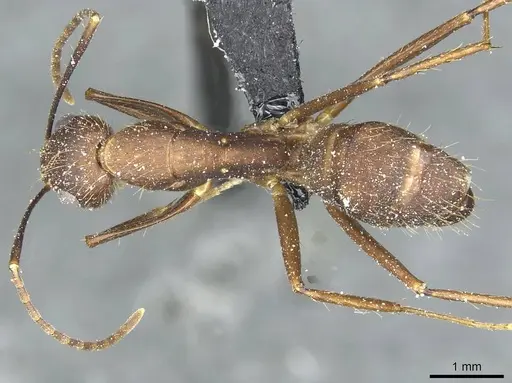
CASENT0911808
View on AntWeb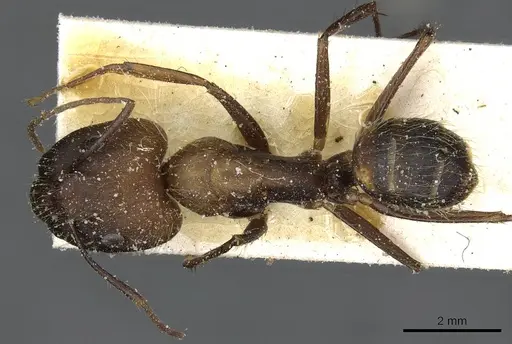
CASENT0911809
View on AntWeb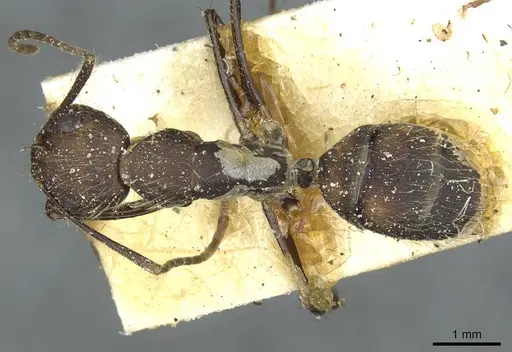
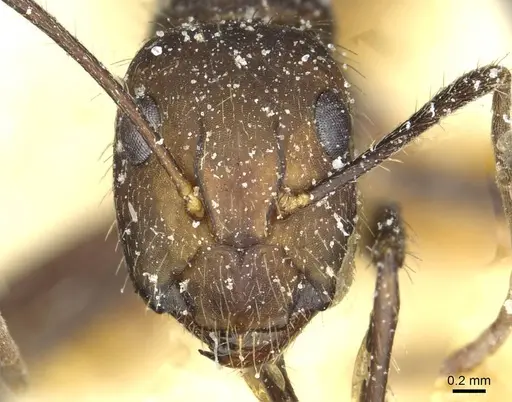
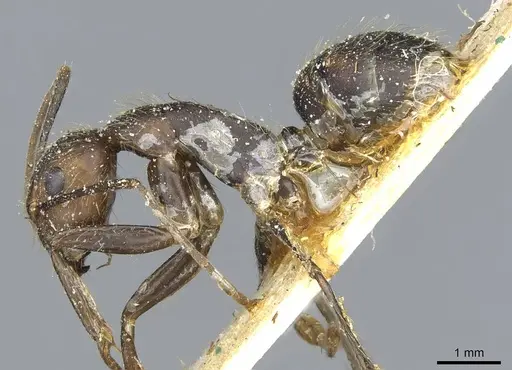
CASENT0911810
View on AntWeb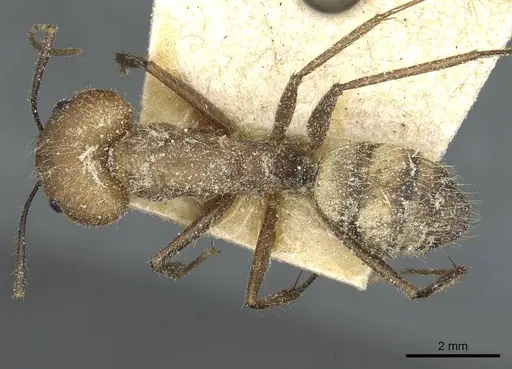
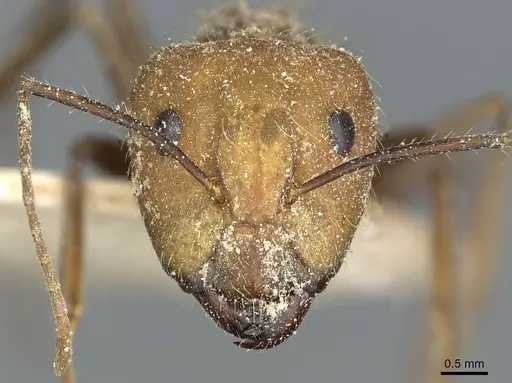
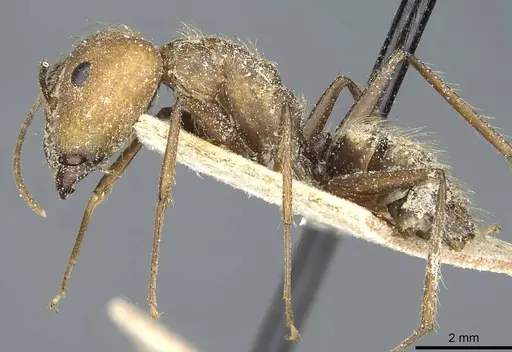
CASENT0911811
View on AntWeb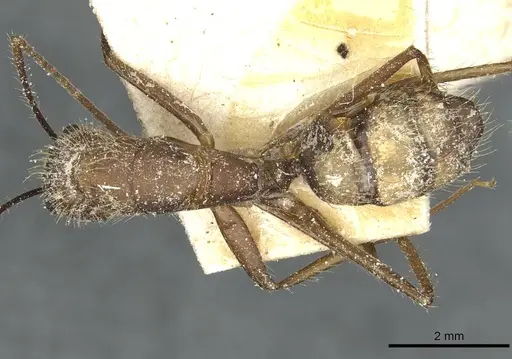
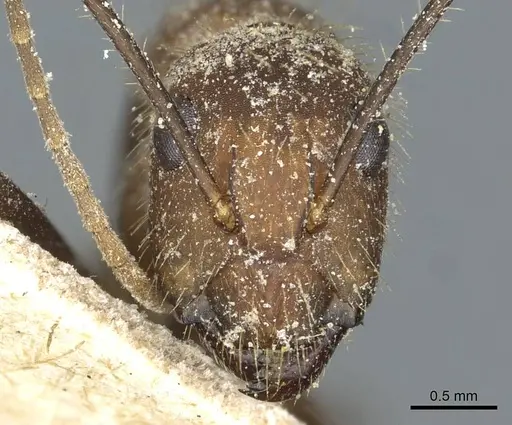
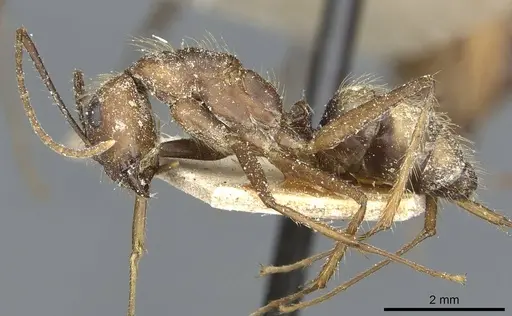
CASENT0915786
View on AntWeb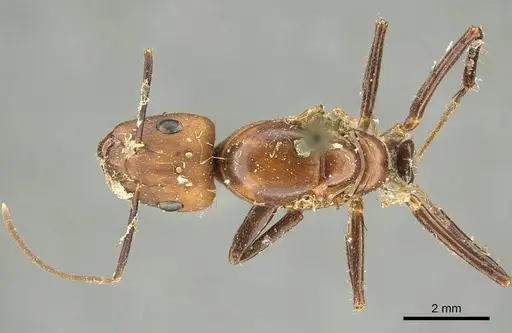
CASENT0915787
View on AntWeb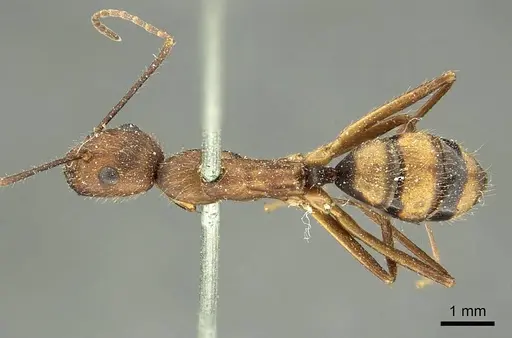
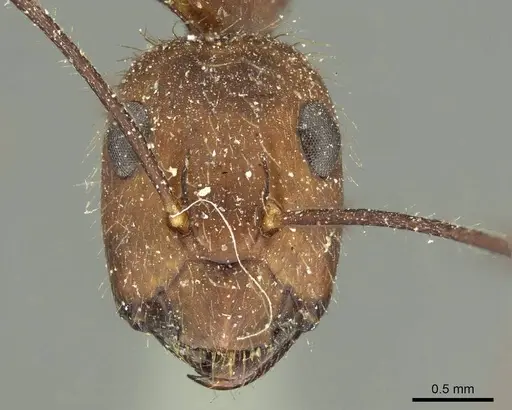
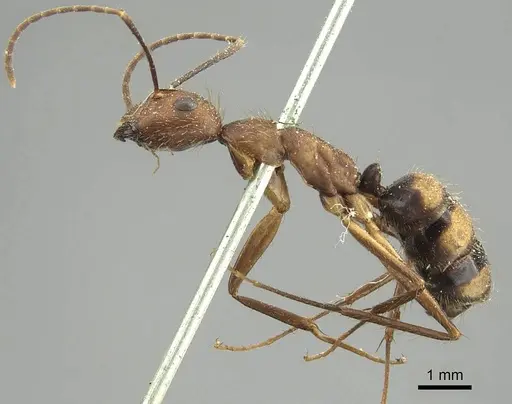
CASENT0917859
View on AntWeb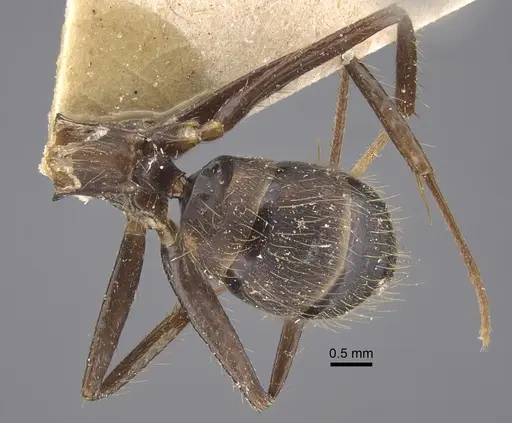
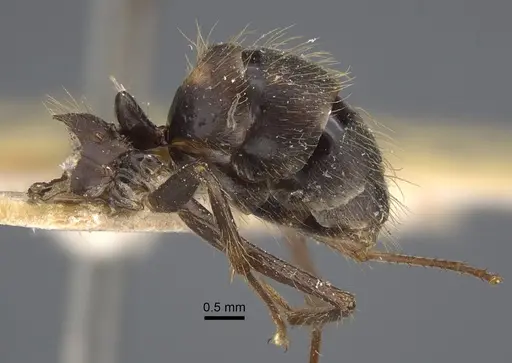
CASENT0923527
View on AntWeb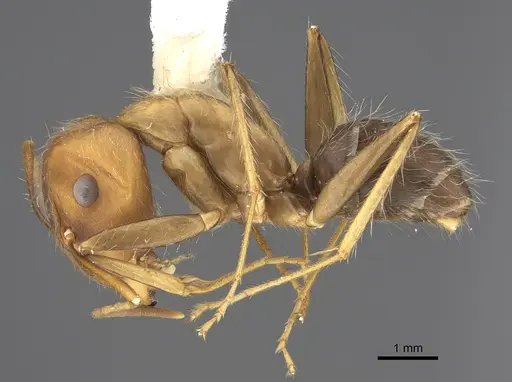
CASENT4032226
View on AntWeb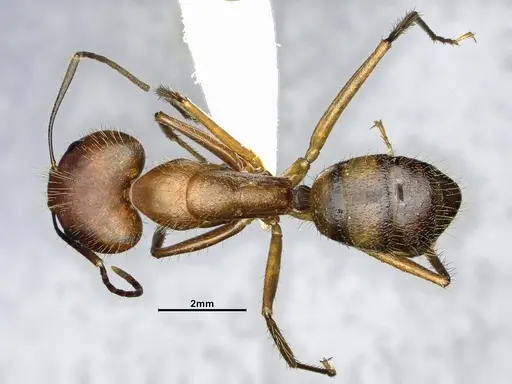
FOCOL2453
View on AntWeb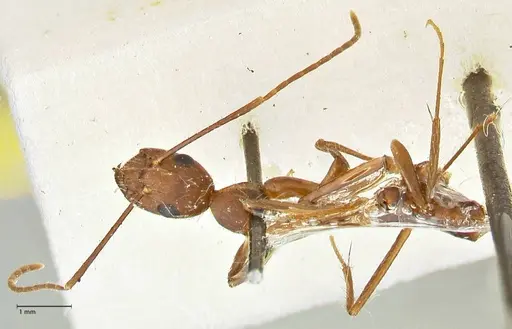
LABSEI
View on AntWeb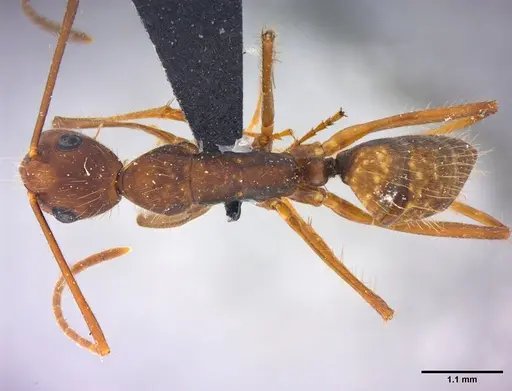
Literature
Loading...Loading products...