

Camponotus cinereus
- Scientific Name
- Camponotus cinereus
- Subgenus
- Myrmophyma
- Tribe
- Camponotini
- Subfamily
- Formicinae
- Author
- Mayr, 1876
- Distribution
- Found in 1 countries
Camponotus cinereus Overview
Camponotus cinereus is an ant species of the genus Camponotus. It is primarily documented in 1 countries , including Australia. Detailed taxonomic data and occurrence records can be further explored via authoritative databases such as AntWeb or the Global Biodiversity Information Facility (GBIF).
Camponotus cinereus
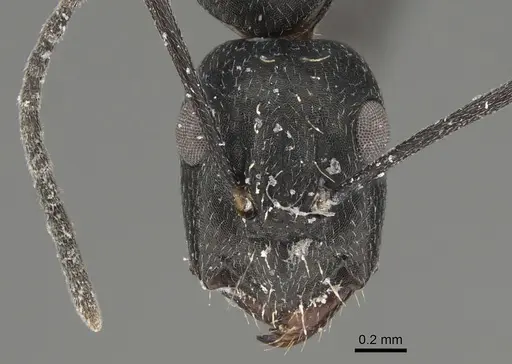
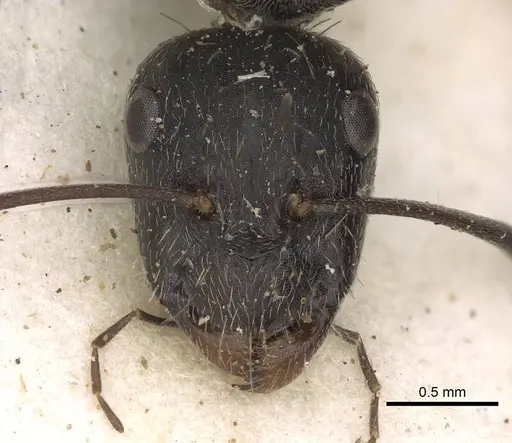
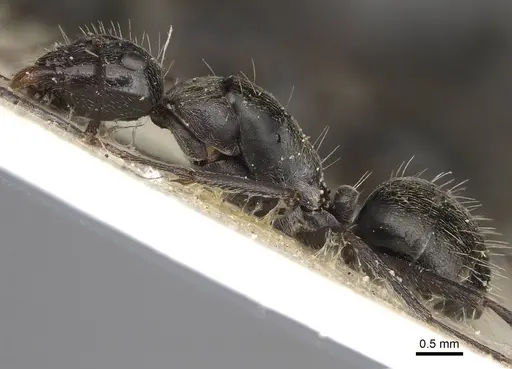
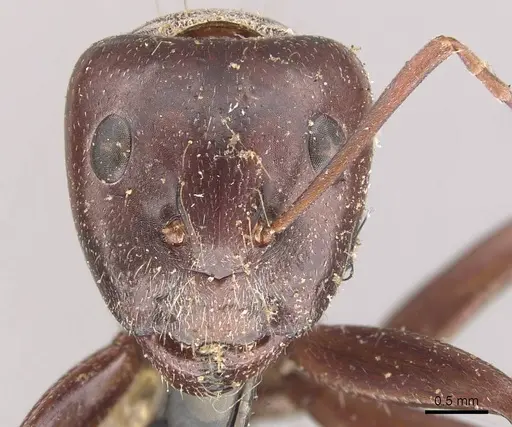
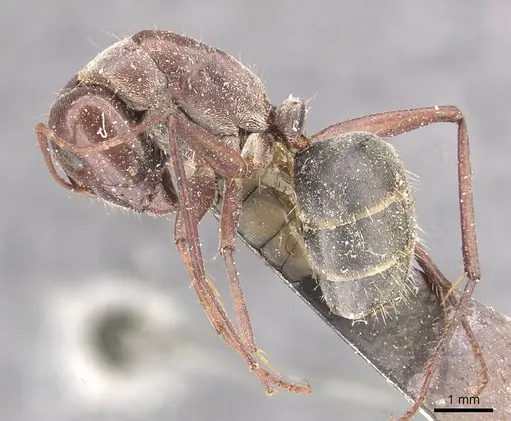
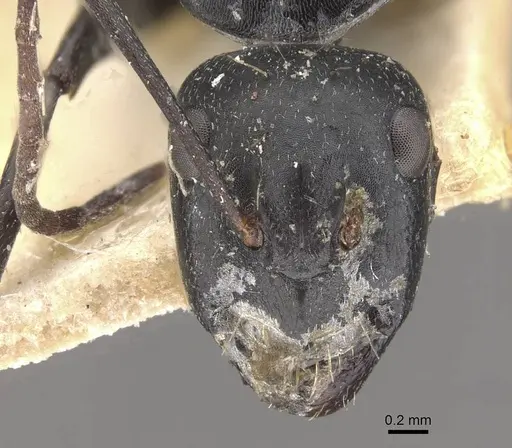
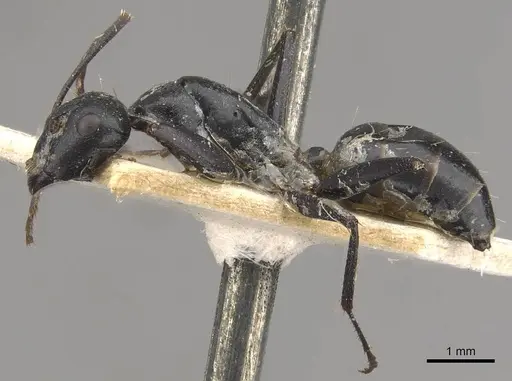
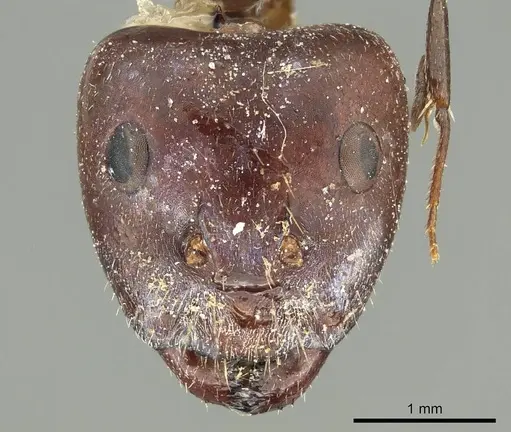
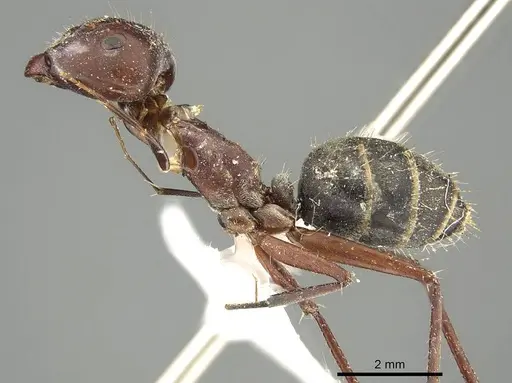
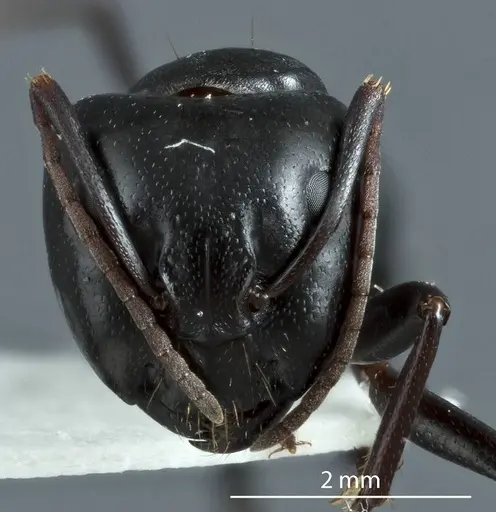
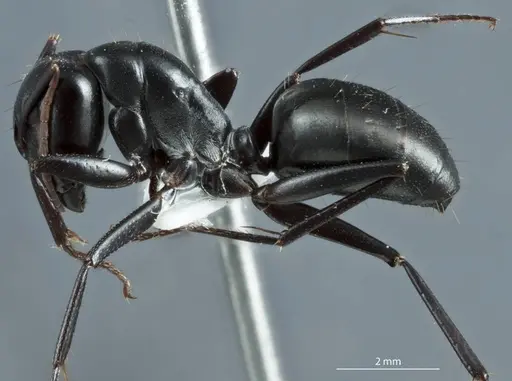
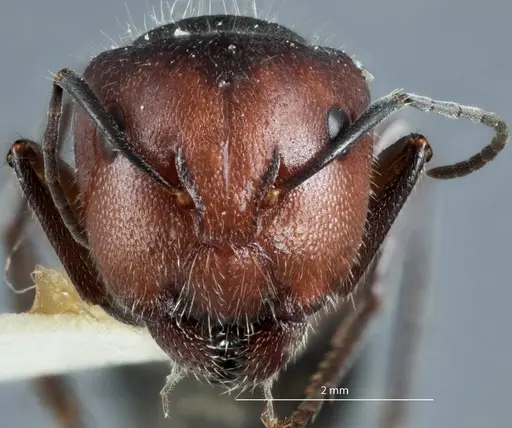
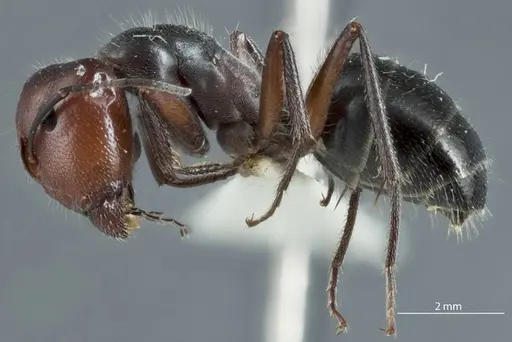
Camponotus cinereus is a medium-sized ant native to southern Australia, with workers measuring 7.5-9mm [1]. The workers display a distinctive appearance, their color ranges from the most common black to a striking rich red, and they can be identified by their habit of scurrying swiftly across the ground with their gasters held vertically raised in the air [2]. This species was originally described from Victoria and is commonly found in arid and semi-arid woodlands throughout southern Australia, particularly in the Darling Range near Perth and extending east to the Kalgoorlie region [2]. Two subspecies are recognized: C. cinereus amperei and C. cinereus notterae [1].
Quick Summary
- Difficulty: Medium
- Origin & Habitat: Arid and semi-arid woodlands in southern Australia, particularly the Darling Range near Perth and adjacent areas in the south-west wheatbelt, extending east to Kalgoorlie [2].
- Colony Type: Single-queen (monogyne) colonies typical of the Camponotus genus. Queens are claustral, they seal themselves in a chamber and raise their first workers using stored fat reserves.
- Colony: Monogyne
- Founding: Claustral
- Size & Growth:
- Queen: Estimated 12-15mm based on typical Camponotus queen size, not directly measured for this species
- Worker: 7.5-9mm [1]
- Colony: Moderate, typical Camponotus colonies reach several thousand workers at maturity
- Growth: Moderate, Camponotus species typically take 6-10 weeks from egg to first worker at optimal temperature
- Development: 6-10 weeks at optimal temperature (estimated based on typical Camponotus development) (Development time depends on temperature, warmer conditions within safe range accelerate development, while cooler temperatures slow it down)
- Antkeeping:
- Temperature: Keep at 22-26°C during active season. Southern Australia experiences warm summers and mild winters, so they can tolerate a range but prefer warmer conditions. A heating cable on one side of the nest creates a temperature gradient
- Humidity: Low to moderate, arid to semi-arid habitat means they prefer drier conditions than many tropical ants. Keep nest substrate moderately moist but allow it to dry partially between waterings. Provide a water tube for drinking but avoid excessive moisture
- Diapause: Yes, southern Australia has distinct seasons with cooler winters. Reduce temperature to 10-15°C for 2-3 months during winter. Reduce feeding and stop offering protein during this period
- Nesting: In nature they nest in soil and under stones in arid woodlands. In captivity, a Y-tong (AAC) nest or plaster nest works well. Provide a mix of chambers and narrow passages scaled to worker size. A test tube setup works for founding colonies
- Behavior: Workers are fast-moving foragers that actively search for food on the ground. They are not particularly aggressive but will defend the nest if threatened. Their distinctive gaster-raising behavior when moving is a useful identification trait. They are moderate escape artists, use standard barrier methods but they are not as prone to escaping as tiny species. Camponotus ants have formic acid spray as a defense mechanism but rarely use it against keepers.
- Common Issues: colonies may struggle if kept too humid, avoid damp, mold-prone setups, hibernation failure is common, ensure proper winter rest period with reduced temperature, slow founding phase can worry beginners, claustral queens sealed in chambers may go months without activity, test tube flooding can drown founding queens, use appropriate water reservoir size, escape prevention needed though not as critical as for tiny species
Nest Preferences
Camponotus cinereus naturally nests in soil and under stones in arid Australian woodlands. For captive colonies, a Y-tong (AAC) nest or plaster formicarium works well, these materials allow you to control humidity more easily than soil-based setups. The nest should have chambers and narrow passages scaled to their 7.5-9mm worker size. During the founding stage, a simple test tube setup with a water reservoir and cotton plug is sufficient, the queen will seal herself into a chamber and remain there until her first workers emerge. Once the colony reaches 20-30 workers, you can consider moving them to a larger formicarium. Avoid overly humid setups, this species comes from arid regions and excess moisture can cause mold problems and stress the colony. [2]
Feeding and Diet
Like most Camponotus species, C. cinereus is omnivorous with a preference for protein-rich foods. Workers forage for honeydew, nectar, and small insects in the wild. In captivity, offer a varied diet: sugar water or honey should be available constantly, and protein sources like mealworms, small crickets, or other insects should be offered 2-3 times per week. During the founding stage, the queen does not eat, she relies entirely on her stored fat reserves. Once workers emerge, they will begin foraging and can be fed immediately. Remove uneaten prey after 24-48 hours to prevent mold. This species is not a specialized predator, so standard ant feeding schedules work well.
Temperature and Care
Maintain temperatures between 22-26°C during the active season for optimal brood development. A heating cable placed on one side of the nest creates a temperature gradient that allows ants to regulate their own body temperature by moving between warmer and cooler areas. During winter (roughly November-February in the southern hemisphere), the colony should undergo a diapause period. Reduce temperature to 10-15°C, reduce feeding to once every 2-3 weeks offering only sugar water, and minimize disturbance. This winter rest period is essential for colony health and triggers reproductive behavior in spring. Do not cool below 5°C or overheat above 30°C.
Behavior and Temperament
Camponotus cinereus workers are distinctive in their movement, they scurry quickly across surfaces with their gasters held vertically raised, a behavior that helps distinguish them from other Australian ants [2]. They are not aggressive toward keepers and rarely bite, though they can spray formic acid if handled roughly or their nest is threatened. Workers are active foragers that will quickly discover and exploit food sources. The colony becomes more active and visible during warmer months. Major workers (larger individuals) may develop in mature colonies, these have proportionally larger heads and can help with tasks like breaking apart larger prey. This species is moderately easy to keep and adapts well to captive conditions.
Frequently Asked Questions
Can I keep Camponotus cinereus in a test tube?
Yes, test tubes work well for founding colonies. Use a standard test tube setup with a water reservoir sealed with cotton, the queen will seal herself into the chamber and remain there during claustral founding. Once the colony reaches 20-30 workers, consider moving to a larger formicarium.
How long until first workers with Camponotus cinereus?
Expect 6-10 weeks from egg to first worker at optimal temperature (22-26°C). The exact timing depends on temperature, warmer conditions within this range speed development, while cooler temperatures slow it down. Be patient during founding, the queen may appear inactive but she is raising brood in sealed chambers.
Are Camponotus cinereus good for beginners?
This species is rated as medium difficulty. They are more forgiving than some tropical species but require proper winter diapause and should not be kept too humid. Beginners should be prepared for the slow founding phase and the need to provide hibernation conditions.
What do Camponotus cinereus eat?
They are omnivorous. Offer sugar water or honey constantly, and protein sources like mealworms, small crickets, or other insects 2-3 times per week. Remove uneaten prey after 24-48 hours to prevent mold.
Do Camponotus cinereus need hibernation?
Yes, they require a winter diapause period. Reduce temperature to 10-15°C for 2-3 months during winter (roughly November-February in the southern hemisphere). Reduce feeding to once every 2-3 weeks offering only sugar water, and minimize disturbance during this period.
How big do Camponotus cinereus colonies get?
Mature colonies typically reach several thousand workers. Growth is moderate, expect 6-10 weeks to first worker, then several months to reach 50 workers, and 1-2 years to reach several hundred workers under good conditions.
Can I keep multiple Camponotus cinereus queens together?
No, this species is monogyne, colonies have a single queen. Unlike some ant species, multiple unrelated queens will fight. Only keep one queen per colony.
When should I move Camponotus cinereus to a formicarium?
Move from test tube to formicarium once the colony reaches 20-30 workers and the test tube is becoming crowded. Make sure the formicarium has appropriately sized chambers and passages for their 7.5-9mm workers.
Why is my Camponotus cinereus colony dying?
Common causes include: excessive humidity (keep them drier), improper hibernation (they need winter rest), stress during founding (leave the queen alone), or poor nutrition (ensure varied diet). Check that temperature is in the 22-26°C range and humidity is moderate, not high.
References

This caresheet is licensed under CC BY-SA 4.0 .
CASENT0217628
View on AntWeb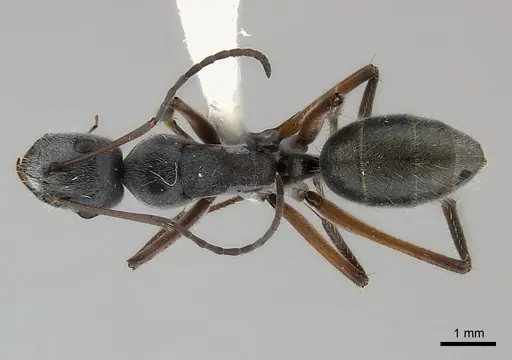
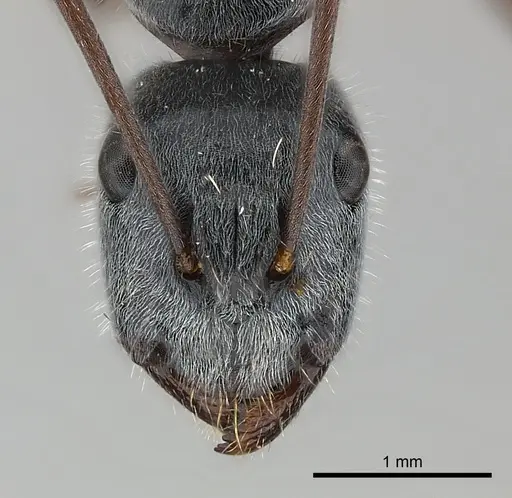
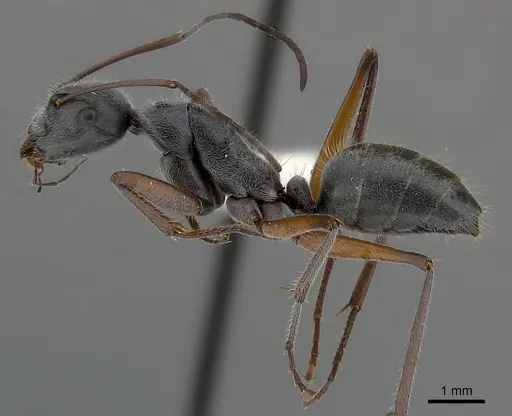
CASENT0887651
View on AntWeb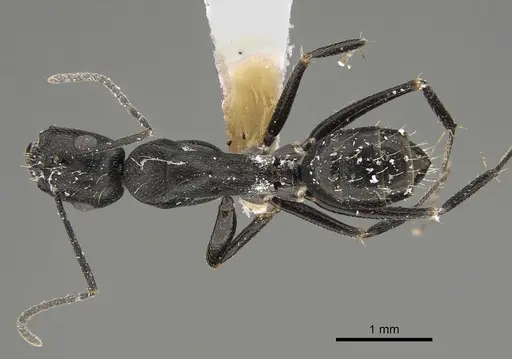
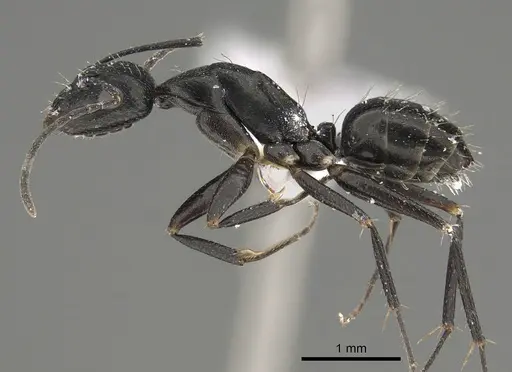
CASENT0887652
View on AntWeb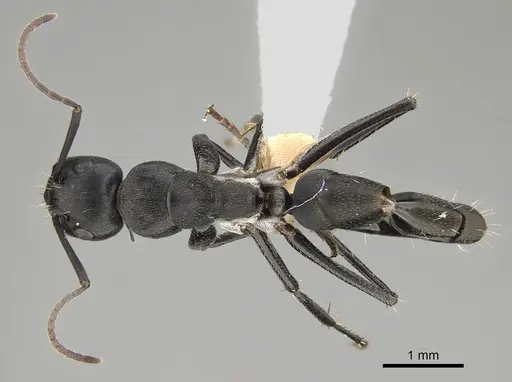
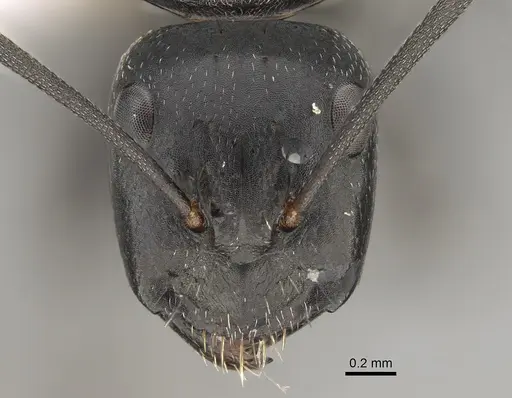
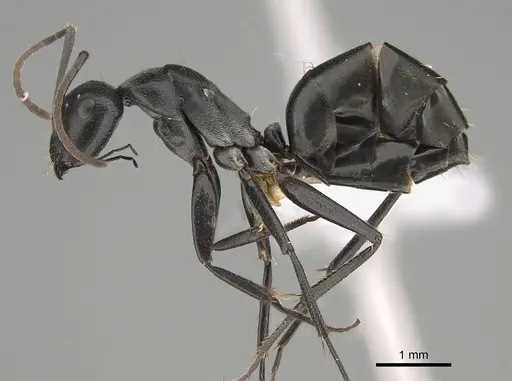
CASENT0906936
View on AntWeb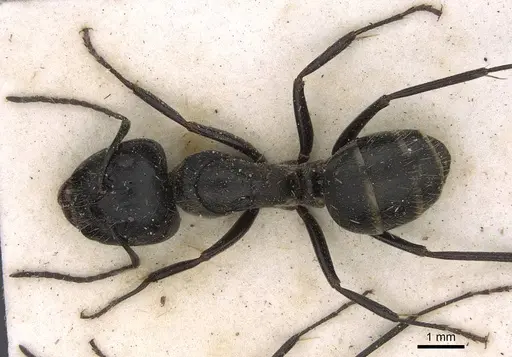
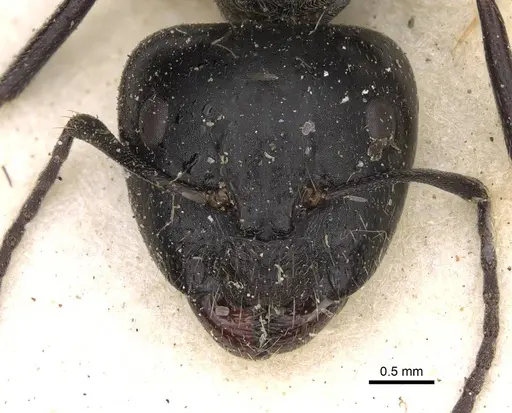
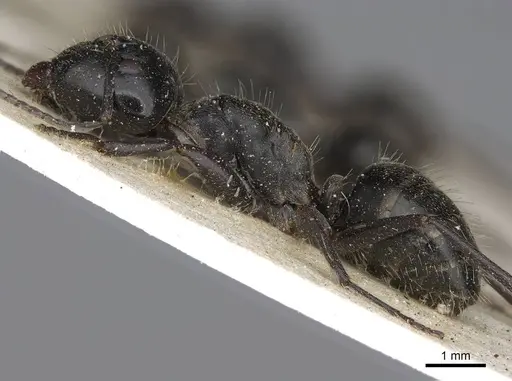
CASENT0906937
View on AntWeb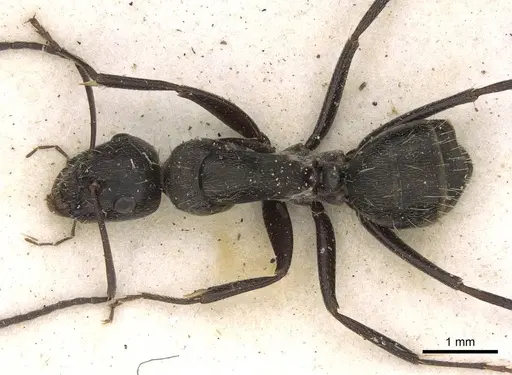
CASENT0910365
View on AntWeb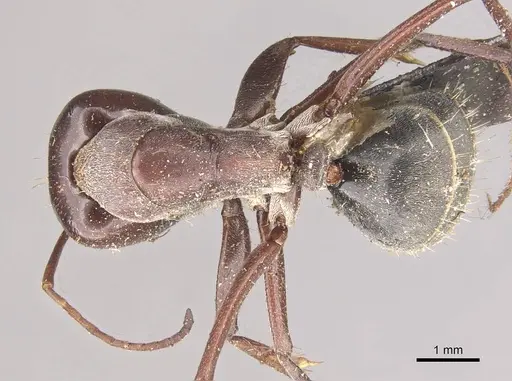
CASENT0910367
View on AntWeb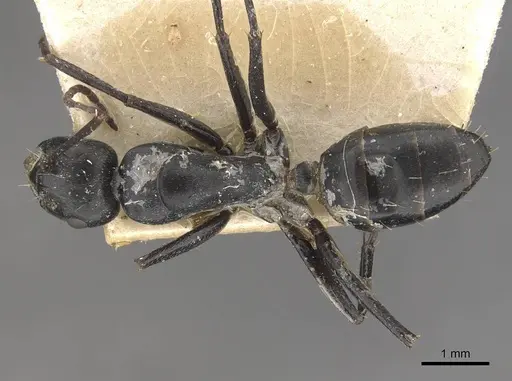
CASENT0915752
View on AntWeb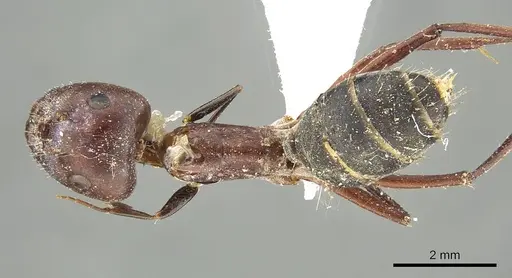
JDM32-000973
View on AntWeb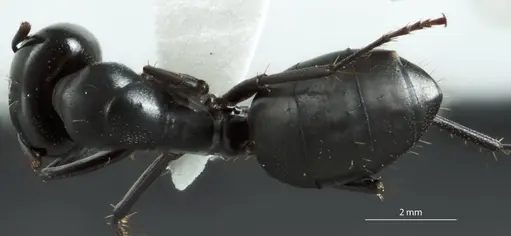
JDM32-000990
View on AntWeb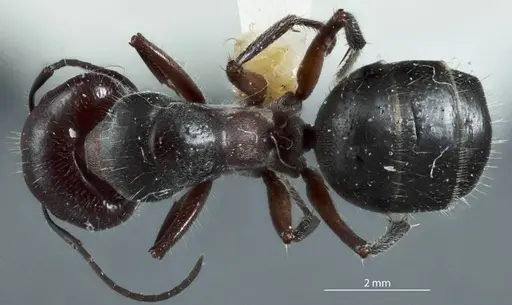
Literature
Loading...Loading products...