

Camponotus chrysurus
- Scientific Name
- Camponotus chrysurus
- Subgenus
- Myrmopelta
- Tribe
- Camponotini
- Subfamily
- Formicinae
- Author
- Gerstäcker, 1871
- Distribution
- Found in 14 countries
Camponotus chrysurus Overview
Camponotus chrysurus is an ant species of the genus Camponotus. It is primarily documented in 14 countries , including Congo, Democratic Republic of the, Central African Republic. Detailed taxonomic data and occurrence records can be further explored via authoritative databases such as AntWeb or the Global Biodiversity Information Facility (GBIF).
Camponotus chrysurus
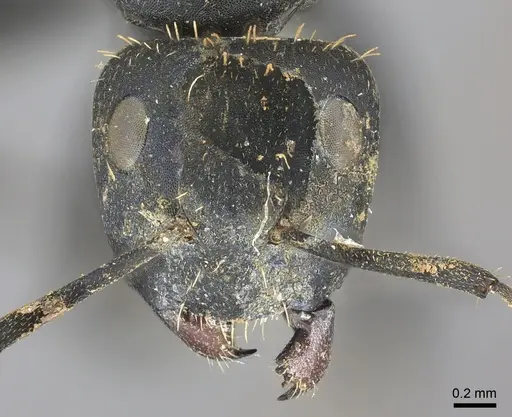
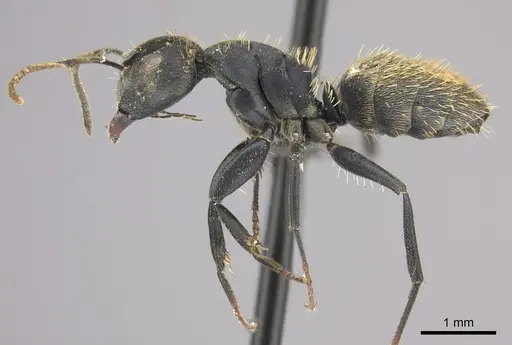
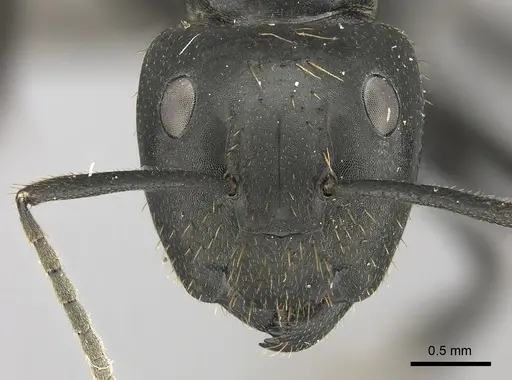
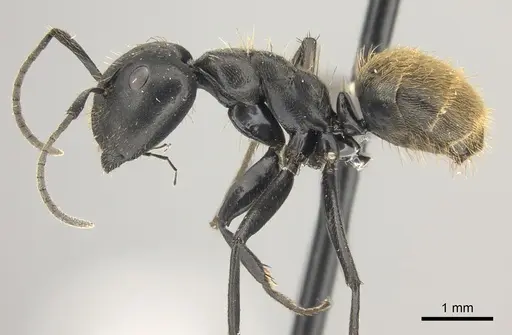
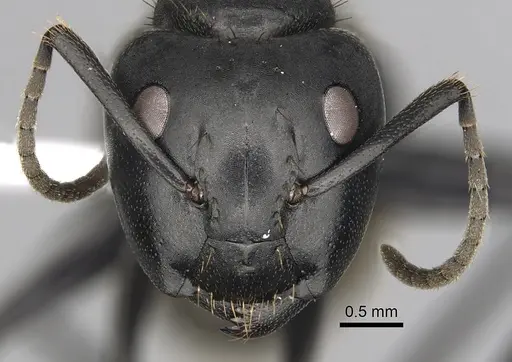
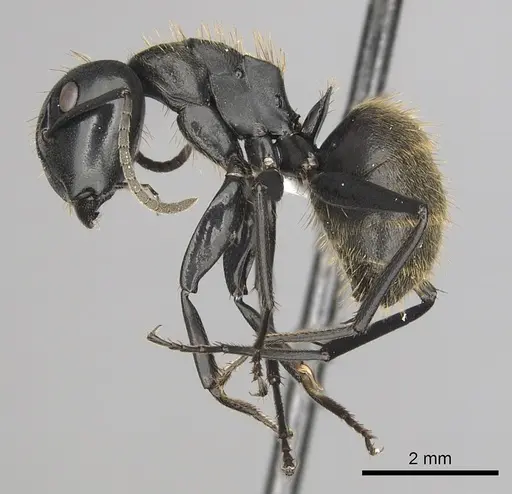
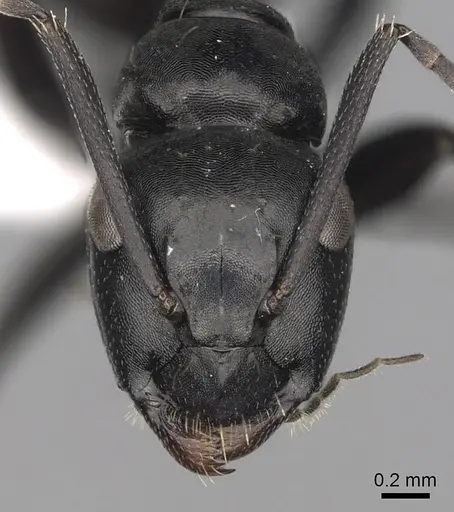
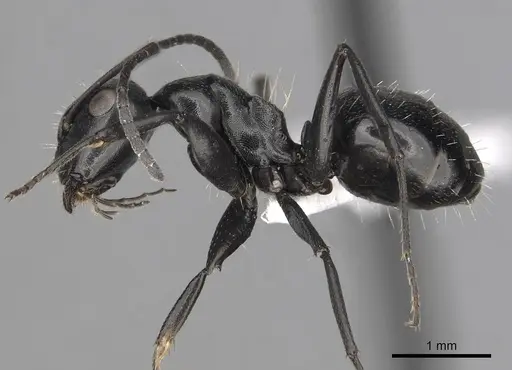
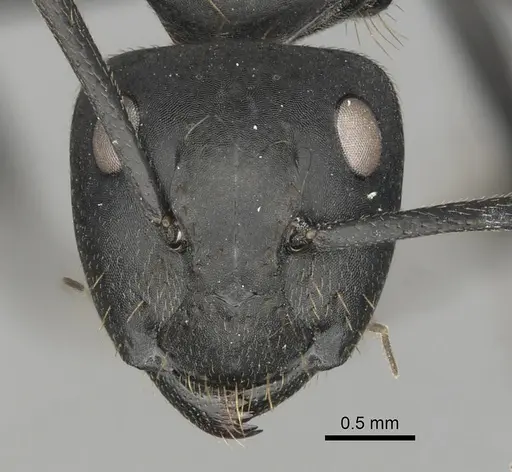
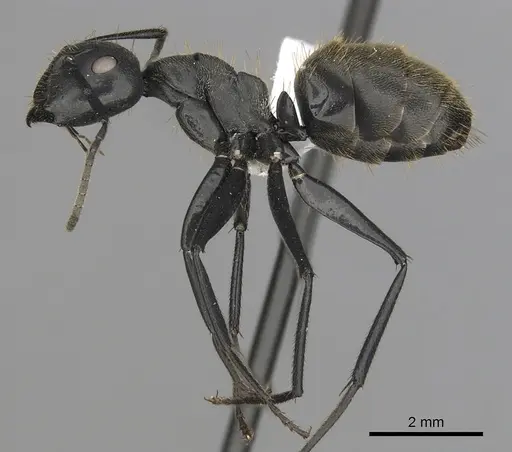
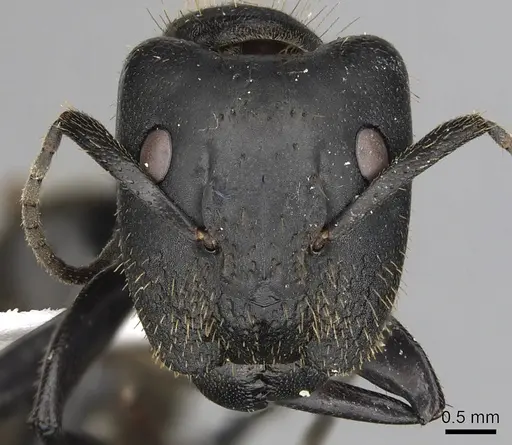
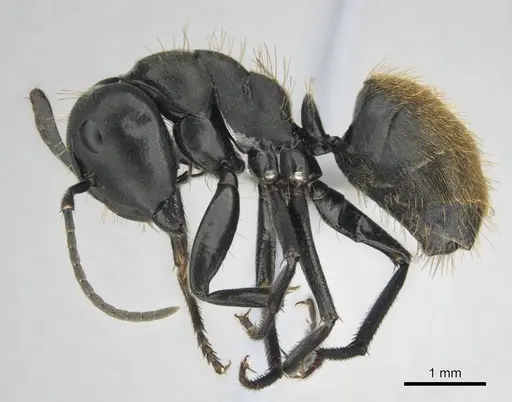
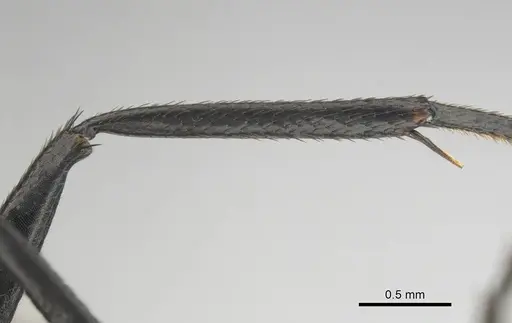
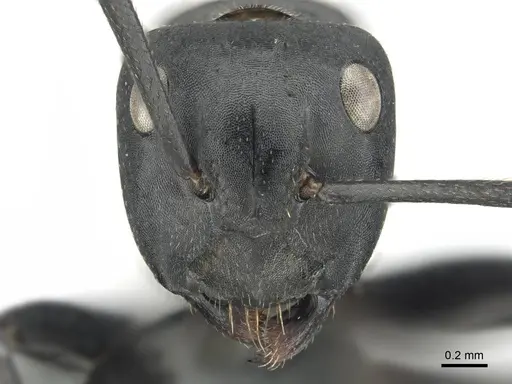
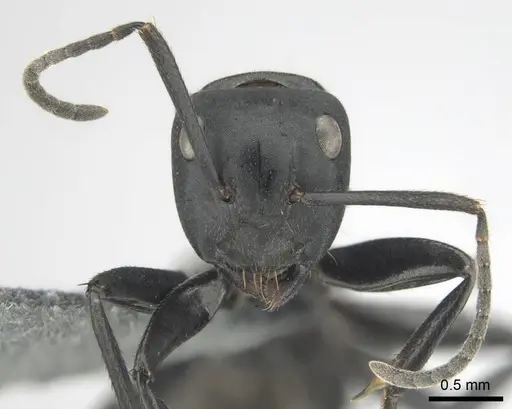
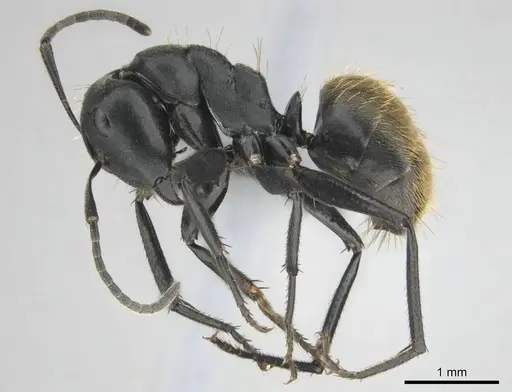
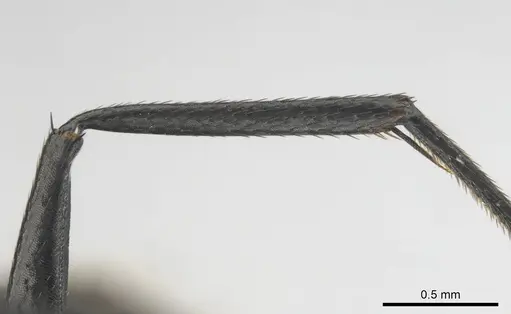
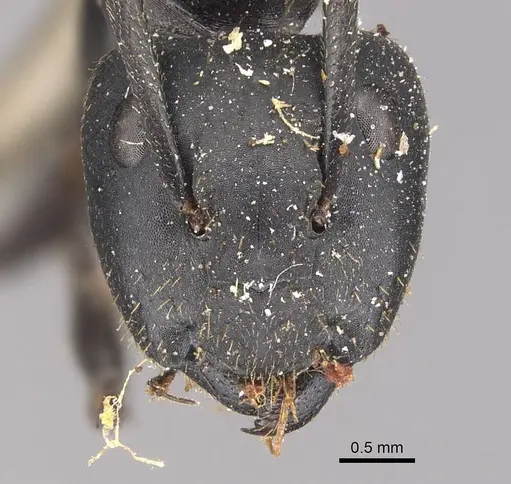
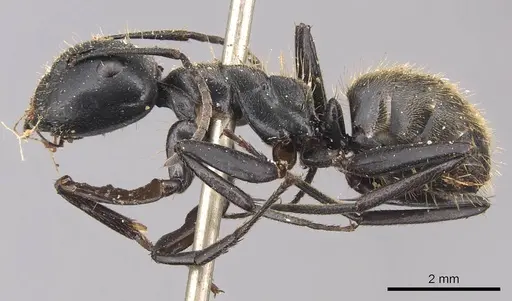
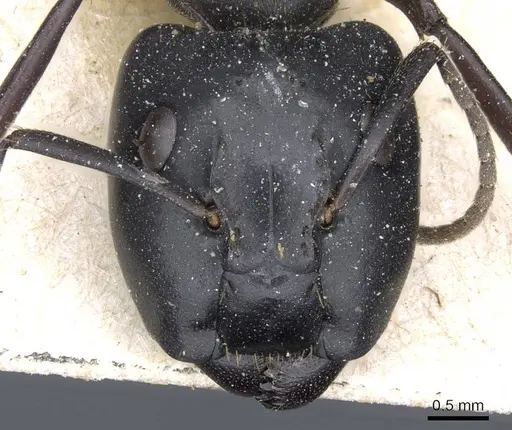
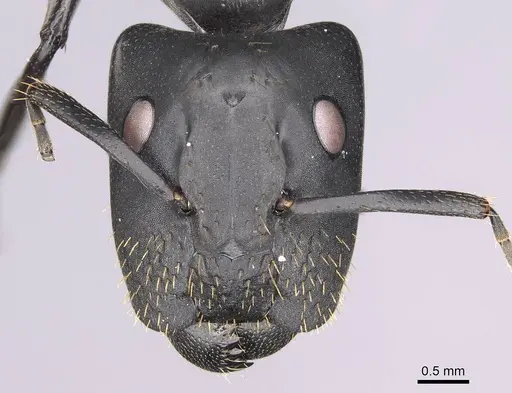
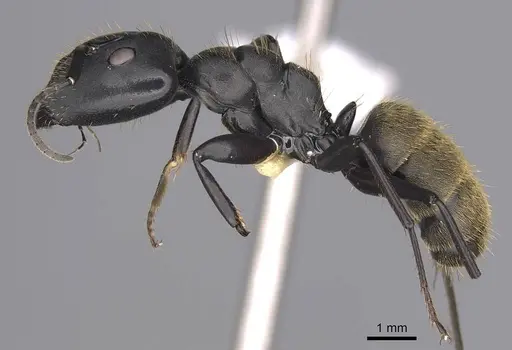
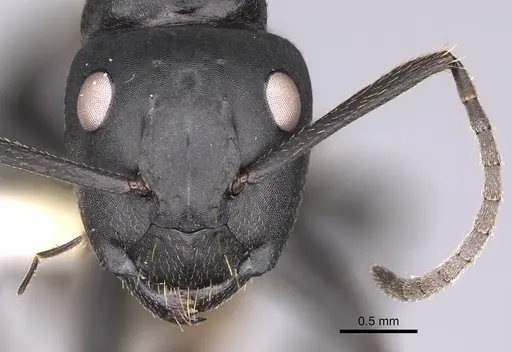
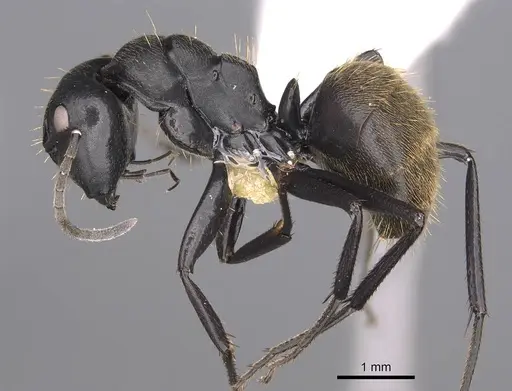
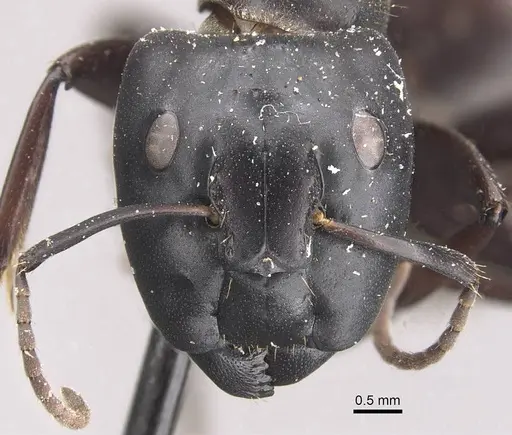
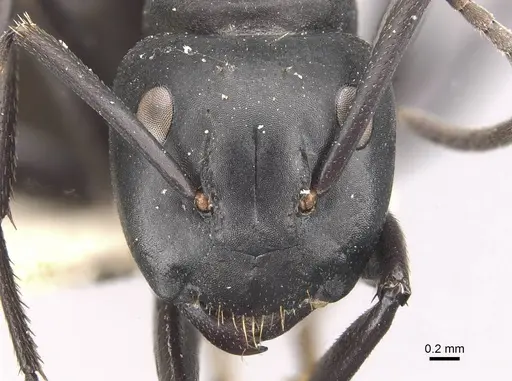
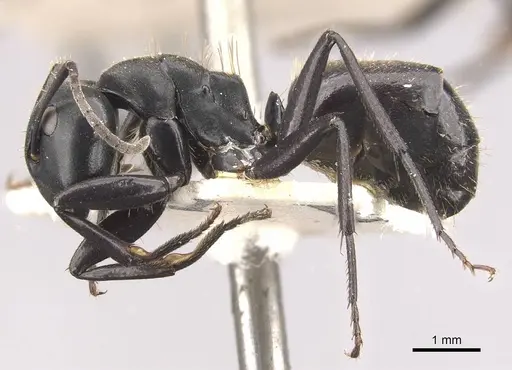
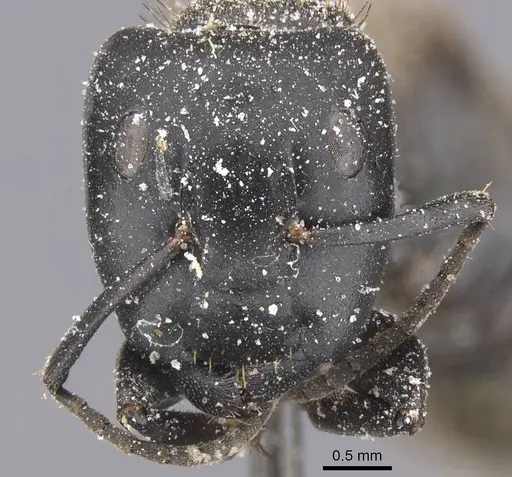
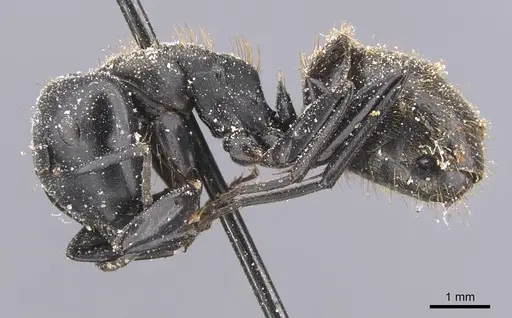
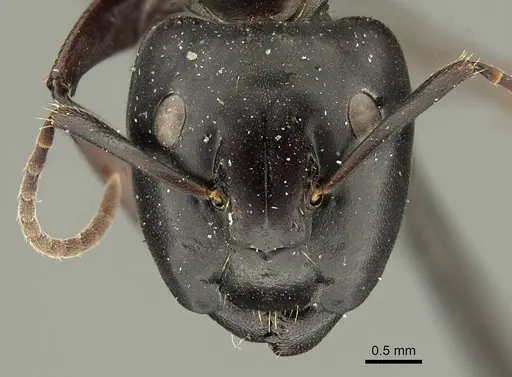
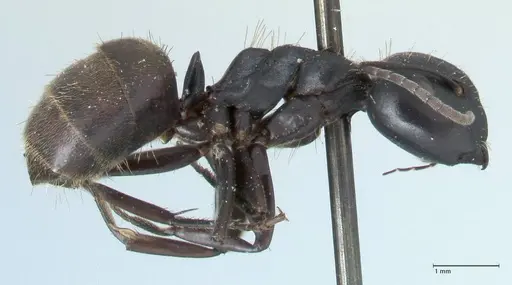
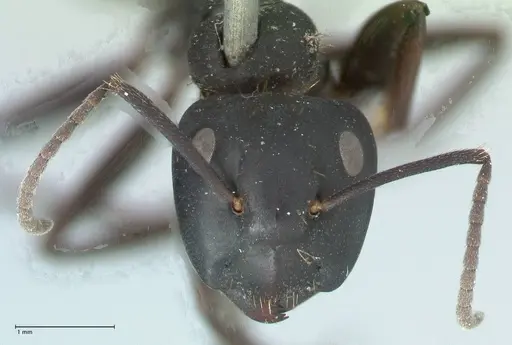
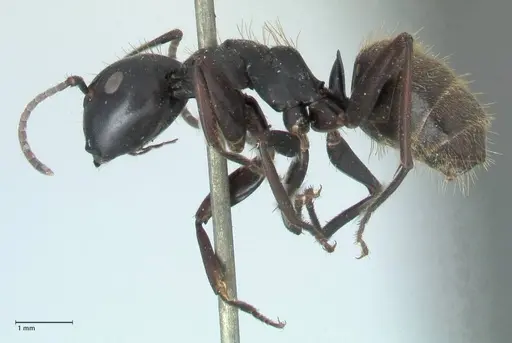
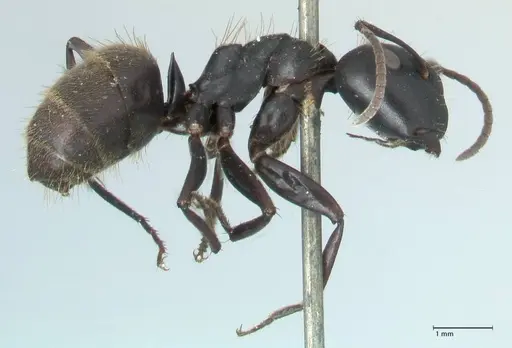
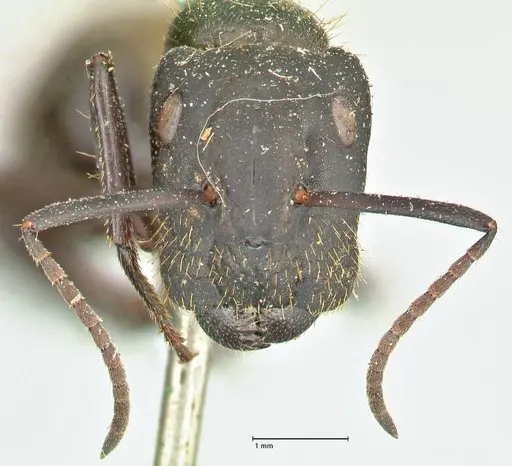
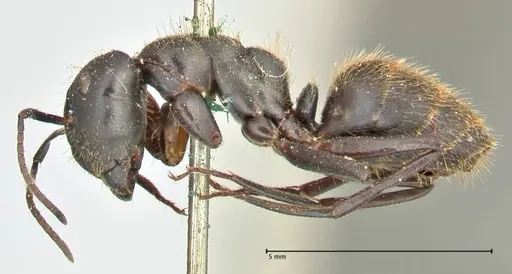
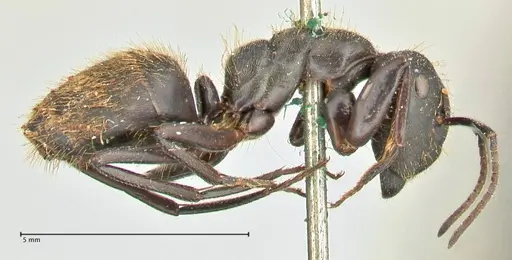
Camponotus chrysurus is a medium-to-large African ant species belonging to the subgenus Myrmopelta. Workers measure 8-9.5mm and have a distinctive appearance, they are black and opaque with sparse golden hairs on the head and thorax, while the abdomen has dense fulvous (reddish-yellow) setae giving a golden-silk sheen. The head is oblong-quadrate with a notched vertex, and the antennae and legs are relatively short. This species is found across East and Central Africa, including Kenya, Democratic Republic of Congo, Tanzania, Rwanda, and Angola.
This is a relatively understudied species in the Camponotus genus, but being in the Myrmopelta subgenus, it likely shares typical carpenter ant behaviors, they form mutualistic relationships with aphids for honeydew and are generalist foragers. They nest in rotting wood or under stones in their natural habitat.
Quick Summary
- Difficulty: Medium
- Origin & Habitat: East and Central Africa, Kenya, Democratic Republic of Congo, Tanzania, Rwanda, Angola. Found in tropical habitats including agricultural areas, with specimens collected in Akagera National Park in Rwanda [1]. In Ghana, they were specifically found in tap water irrigated agricultural fields and form mutualistic relationships with aphids [2]. Likely nests in rotting wood or under stones based on subgenus Myrmopelta typical behavior.
- Colony Type: Likely monogyne (single queen colonies) based on typical Camponotus patterns. Colony size is unconfirmed but likely reaches several thousand workers given the worker size.
- Colony: Monogyne
- Founding: Claustral
- Size & Growth:
- Queen: Unconfirmed, estimated 12-15mm based on typical Camponotus queen size relative to workers
- Worker: 8-9.5mm [3]
- Colony: Unconfirmed, estimated several thousand workers based on worker size and typical Camponotus colony development
- Growth: Moderate, based on typical Camponotus development patterns
- Development: Estimated 6-10 weeks from egg to first worker at optimal temperature, based on typical Camponotus development (Development time depends on temperature, warmer conditions (24-28°C) accelerate development while cooler temperatures slow it down)
- Antkeeping:
- Temperature: Keep around 24-28°C for optimal brood development. A heating cable on one side of the nest creates a temperature gradient allowing ants to self-regulate. Room temperature (22-25°C) is acceptable if within this range
- Humidity: Moderate humidity around 50-60%. Keep the nest substrate slightly moist but allow some drying between waterings. These ants are from tropical regions but likely tolerate drier conditions than rainforest specialists
- Diapause: Likely reduced activity during dry/cool seasons but true hibernation is uncertain for this tropical species. Some reduction in feeding and activity during winter months may occur if kept in cooler conditions
- Nesting: In captivity, Y-tong (AAC) nests or plaster nests work well. Provide a dark nesting area with narrow chambers scaled to their size. They may accept test tube setups for founding colonies. Natural nesting sites in rotting wood or under stones suggest they prefer enclosed spaces with some moisture retention
- Behavior: Generally calm and not aggressive compared to some other Camponotus species. Workers are moderate foragers, likely collecting honeydew from aphids and hunting small insects. They have the typical Camponotent defensive spray but are not particularly aggressive toward keepers. Escape risk is moderate, at 8-9.5mm workers, they cannot squeeze through standard test tube barriers but ensure lid security. They are primarily nocturnal or crepuscular foragers in nature.
- Common Issues: queen mortality during founding is common, ensure founding setup is stable and undisturbed, colonies may fail if humidity is too low, monitor substrate moisture regularly, slow initial growth can lead to overfeeding, offer appropriate portion sizes, wild-caught colonies may carry parasites, quarantine and observe new colonies, tropical species may struggle in cool/dry environments, maintain consistent warmth
Housing and Nest Setup
For founding colonies, a standard test tube setup works well. Use a test tube filled with water reservoir cotton, providing a dark enclosed space for the queen. The queen will seal herself into a chamber and remain there until her first workers emerge. Once the colony reaches 15-30 workers, you can consider moving them to a more permanent formicarium. Y-tong (acrylic) nests or plaster nests are ideal for established colonies. Provide narrow chambers scaled to their 8-9.5mm worker size, too large chambers can stress the colony. Include a water foraging area connected to the nest. Escape prevention is straightforward at their size, standard test tube cotton barriers and formicarium lids are sufficient.
Feeding and Diet
Camponotus chrysurus is a generalist feeder like most carpenter ants. They primarily need sugar sources (honey water, sugar water, or pure honey) constantly available. For protein, offer small insects like fruit flies, mealworms, or crickets appropriate to colony size. In their natural habitat, they form mutualistic relationships with aphids [2], so they likely consume honeydew, you can simulate this by providing sugar water. Feed protein 2-3 times per week for growing colonies, reducing to once weekly for established colonies. Remove uneaten prey after 24-48 hours to prevent mold. Fresh water should always be available.
Temperature and Seasonal Care
As an African species, Camponotus chrysurus prefers warmer conditions. Maintain nest temperatures between 24-28°C for optimal brood development. A heating cable placed on one side of the nest creates a gradient, workers will move to warmer areas when they need to speed up brood development and cooler areas when they need to slow down. During winter months or if room temperature drops below 20°C, colony activity may decrease naturally. Unlike temperate species, they do not require true hibernation but may benefit from a slight cooling period (around 18-20°C) for 2-3 months to simulate seasonal patterns. Avoid temperatures below 15°C or above 35°C.
Colony Development and Growth
Colony growth follows typical Camponotus patterns. After the claustral founding phase (queen sealed in, living off fat reserves), eggs appear within 1-2 weeks at warm temperatures. Eggs develop through larval and pupal stages, with first workers (nanitics) typically emerging 6-10 weeks after egg-laying. These first workers are smaller than normal workers but will immediately begin caring for the queen and subsequent brood. Growth is moderate, a well-fed colony may reach 100 workers within 6-12 months. Maximum colony size likely reaches several thousand workers over several years. The queen can live for 15-20 years, producing workers continuously.
Behavior and Temperament
This species is generally calm and manageable for antkeepers. Workers are not particularly aggressive and will typically retreat rather than attack when threatened. However, they can deliver a mild defensive spray typical of Formicinae ants. They are primarily nocturnal foragers in the wild but may adjust to your light cycle in captivity. Workers communicate using chemical trails to food sources, you may observe them establishing foraging paths. They are not known for being escape artists at their size, but always ensure enclosures are properly sealed. The colony will establish a clean brood area and typically deposit waste in specific corners or foraging areas.
Frequently Asked Questions
How long does it take for Camponotus chrysurus to produce first workers?
First workers (nanitics) typically emerge 6-10 weeks after eggs are laid, assuming optimal temperatures around 24-28°C. This timeline varies based on temperature, cooler conditions slow development significantly.
What do Camponotus chrysurus ants eat?
They need a constant sugar source (honey water, sugar water, or pure honey) and regular protein in the form of small insects like fruit flies, mealworms, or crickets. They also form mutualistic relationships with aphids in the wild, so sugar sources are important.
What temperature is best for Camponotus chrysurus?
Keep nest temperatures between 24-28°C. A heating cable on one side of the nest creates a gradient allowing self-regulation. Room temperature of 22-25°C is acceptable if within this range.
Are Camponotus chrysurus good for beginners?
They are rated as medium difficulty. They are more forgiving than some species but require warm temperatures and proper humidity. Their moderate size makes them easier to handle than tiny ants.
How big do Camponotus chrysurus colonies get?
Colony size is unconfirmed but likely reaches several thousand workers over several years, typical for medium-to-large Camponotus species.
Do Camponotus chrysurus need hibernation?
As a tropical African species, true hibernation is not required. However, they may benefit from a slight cooling period (around 18-20°C) for 2-3 months during winter to simulate natural seasonal patterns.
Can I keep multiple Camponotus chrysurus queens together?
This species is likely monogyne (single queen). Combining unrelated queens is not recommended as they likely will fight. Only keep one queen per colony.
When should I move Camponotus chrysurus to a formicarium?
Move from test tube to formicarium once the colony reaches 15-30 workers. Earlier moves can stress the queen, so wait until you see at least a dozen workers actively foraging.
Why is my Camponotus chrysurus colony not growing?
Common causes include: temperatures below 24°C slowing development, insufficient feeding (especially protein), humidity too low, or the queen has died. Check all parameters and ensure the queen is still alive and producing brood.
References

This caresheet is licensed under CC BY-SA 4.0 .
CASENT0066907
View on AntWeb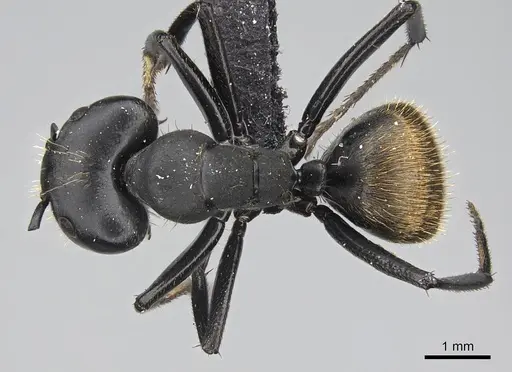
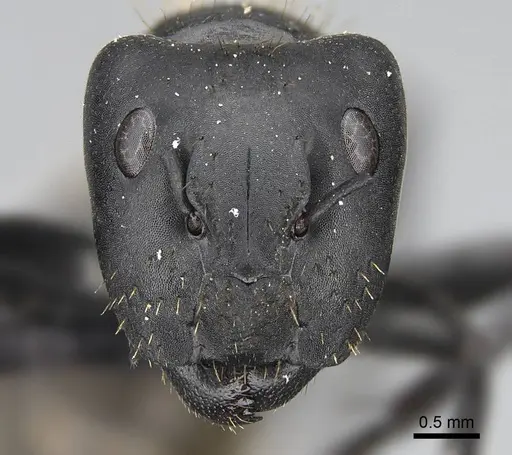
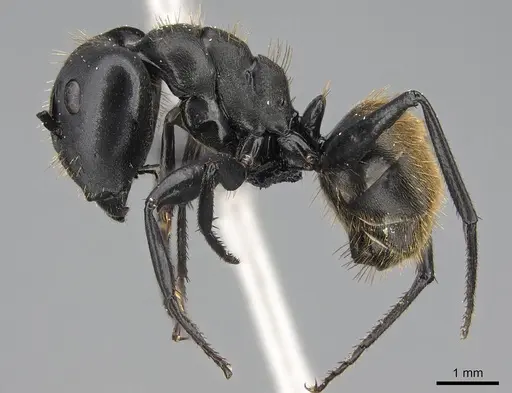
CASENT0235412
View on AntWeb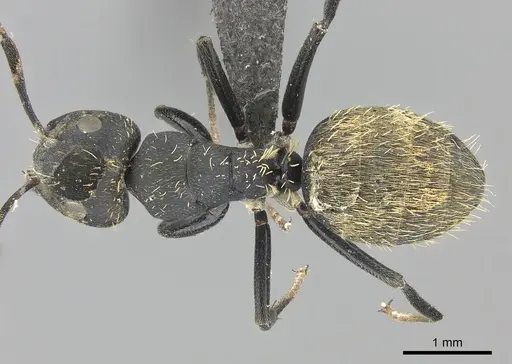
CASENT0235417
View on AntWeb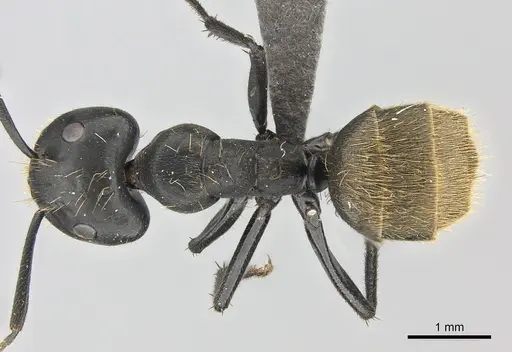
CASENT0316939
View on AntWeb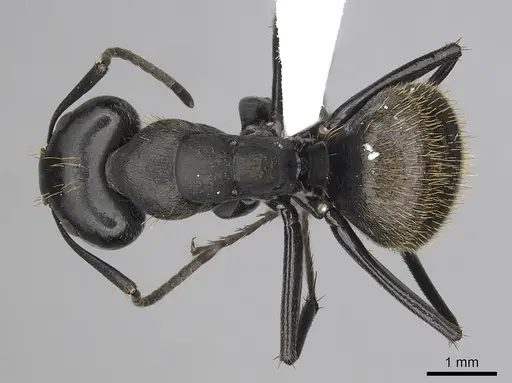
CASENT0316940
View on AntWeb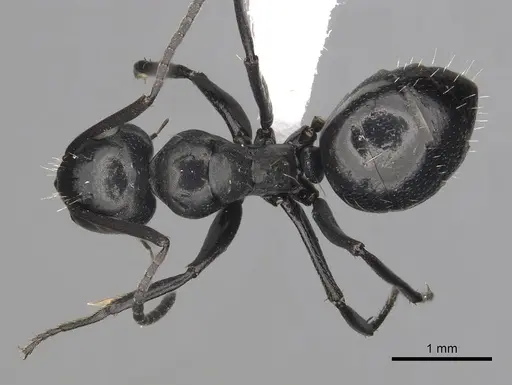
CASENT0408436
View on AntWeb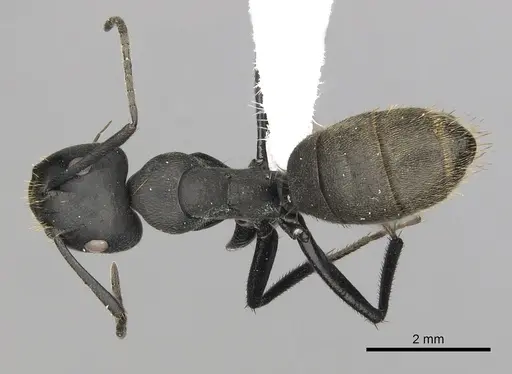
CASENT0415769
View on AntWeb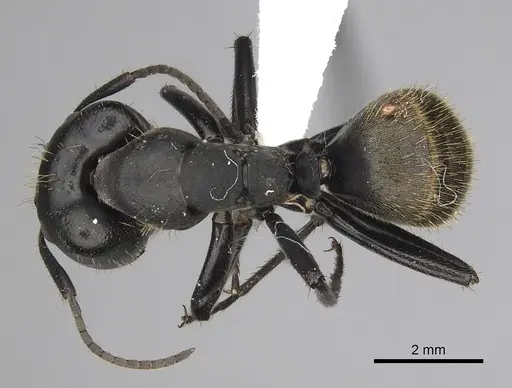
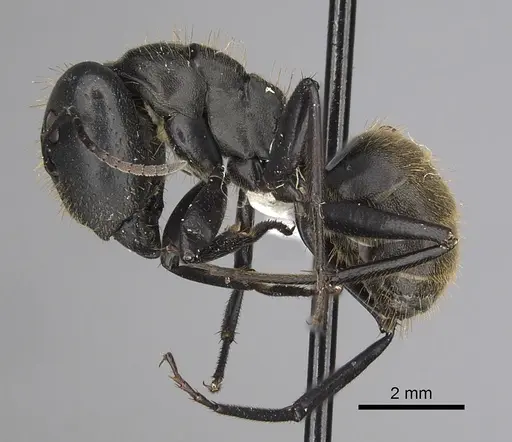
CASENT0814678
View on AntWeb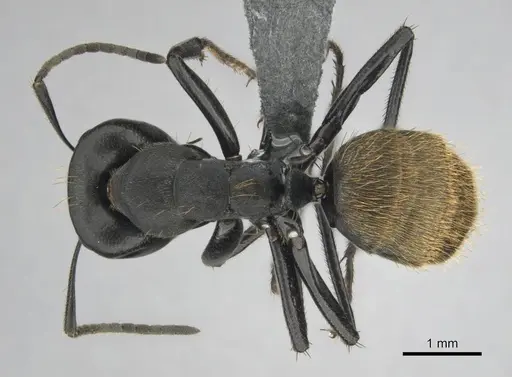
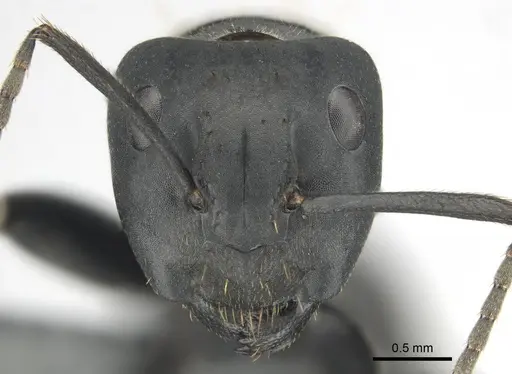
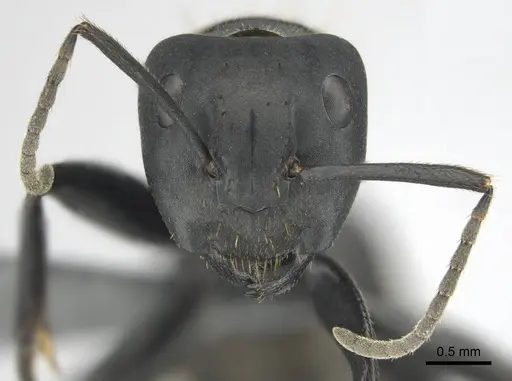
CASENT0814679
View on AntWeb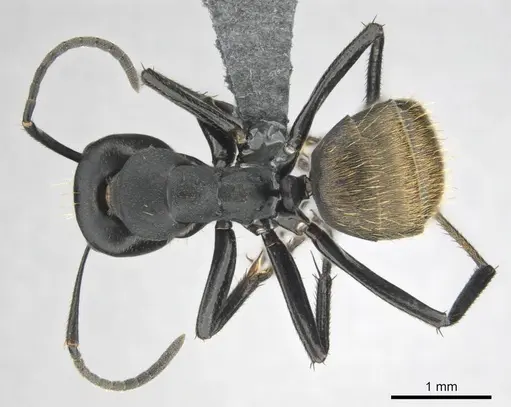
CASENT0905421
View on AntWeb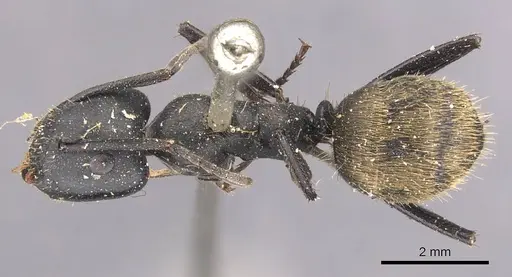
CASENT0905446
View on AntWeb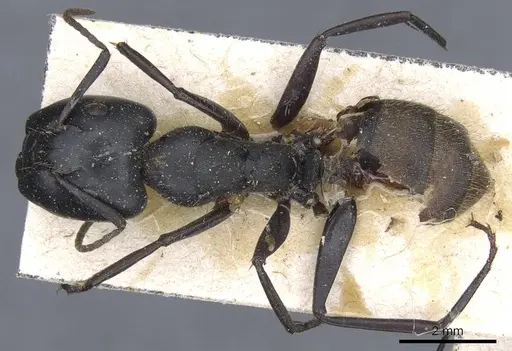
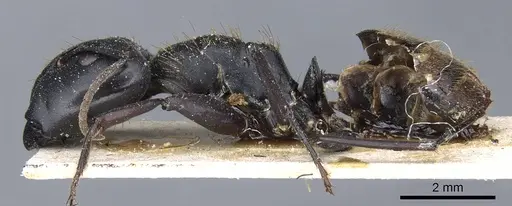
CASENT0905447
View on AntWeb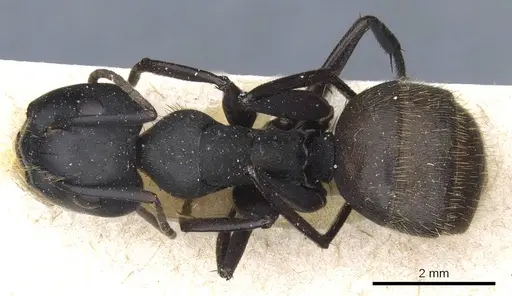
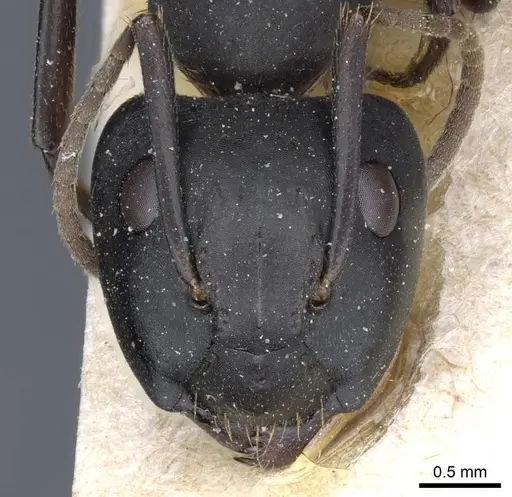
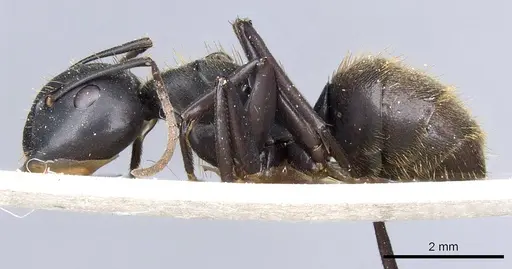
CASENT0906863
View on AntWeb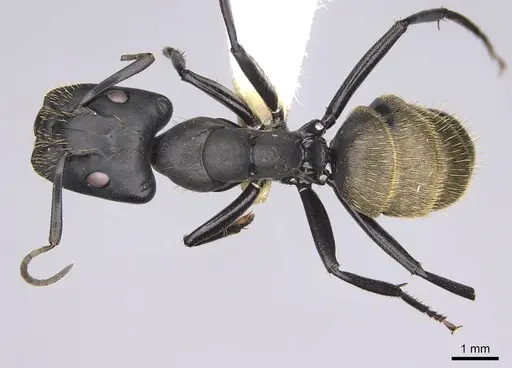
CASENT0906864
View on AntWeb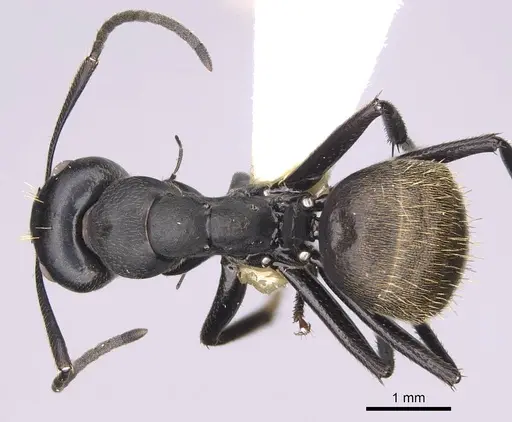
CASENT0910458
View on AntWeb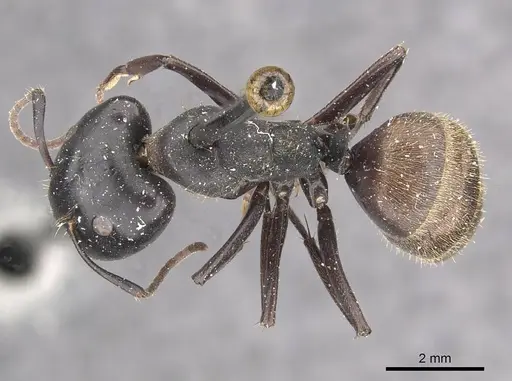
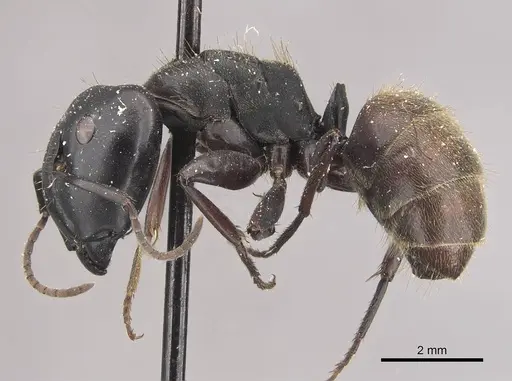
CASENT0910459
View on AntWeb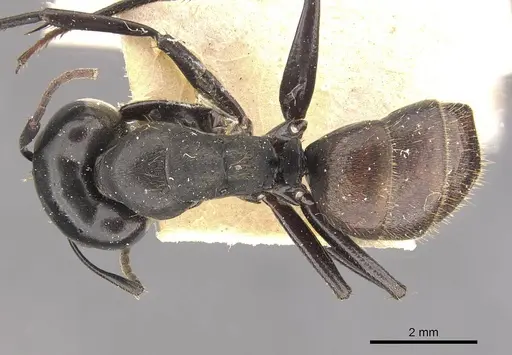
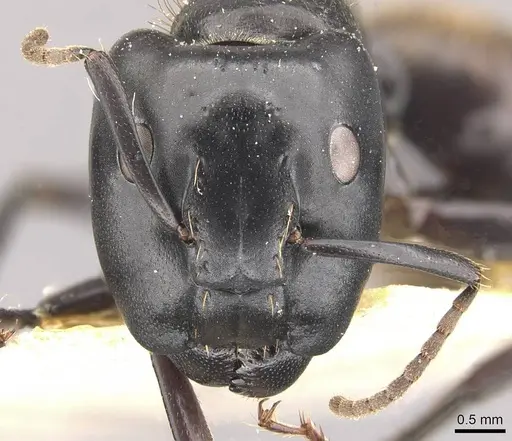
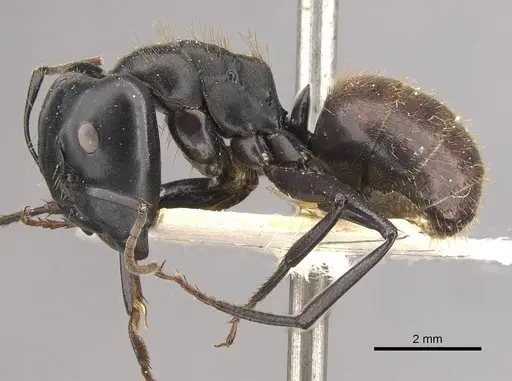
CASENT0910460
View on AntWeb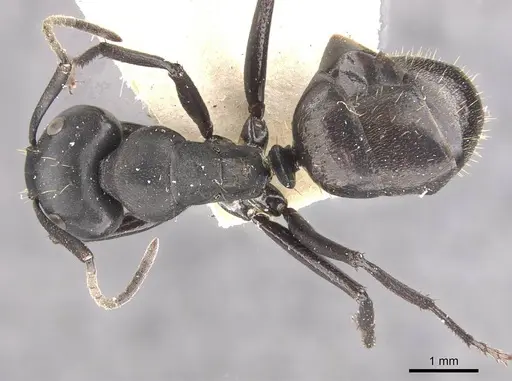
CASENT0911749
View on AntWeb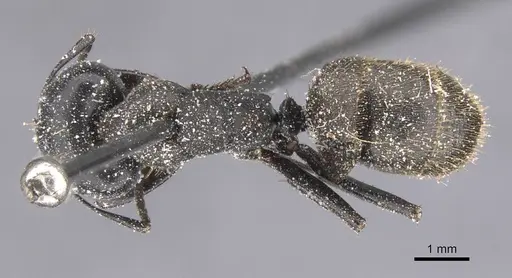
CASENT0915683
View on AntWeb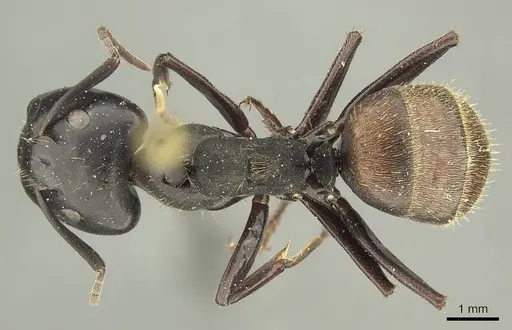
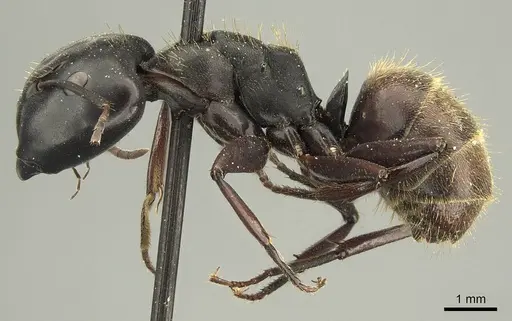
FOCOL1783
View on AntWeb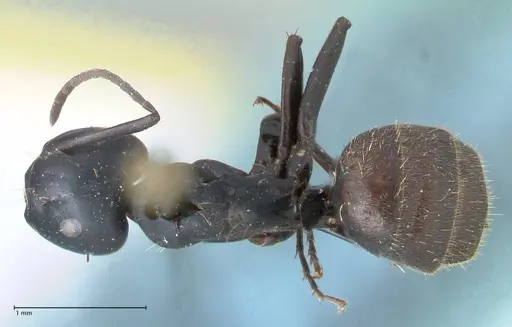
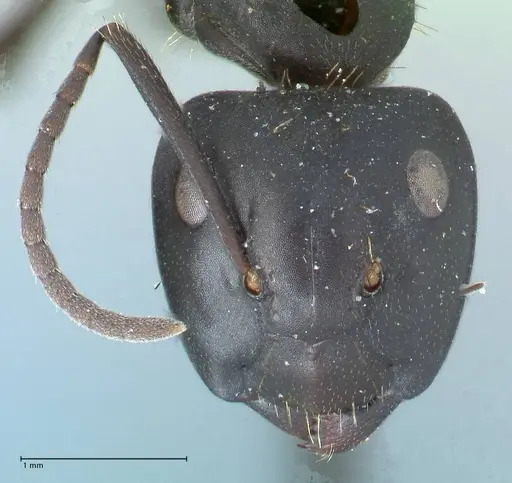
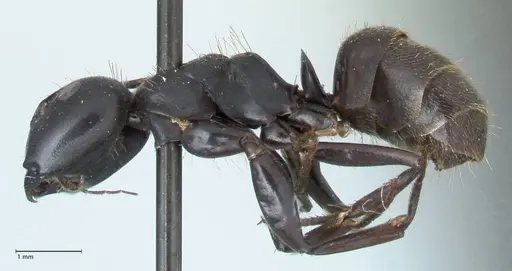
FOCOL1786
View on AntWeb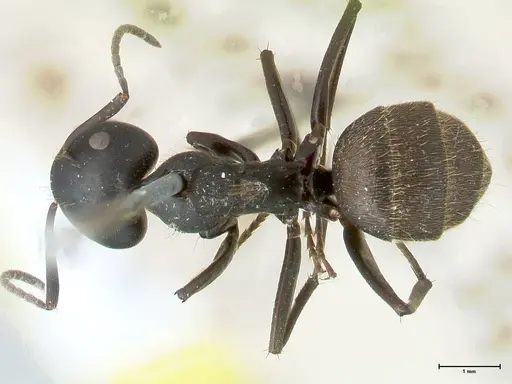
FOCOL2467
View on AntWeb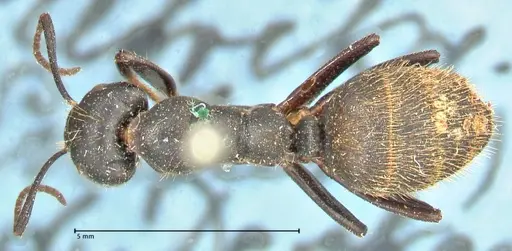
Literature
Loading...Loading products...