

Camponotus cheesmanae
- Scientific Name
- Camponotus cheesmanae
- Subgenus
- Myrmobrachys
- Tribe
- Camponotini
- Subfamily
- Formicinae
- Author
- Donisthorpe, 1932
- Distribution
- Found in 1 countries
Camponotus cheesmanae Overview
Camponotus cheesmanae is an ant species of the genus Camponotus. It is primarily documented in 1 countries , including Colombia. Detailed taxonomic data and occurrence records can be further explored via authoritative databases such as AntWeb or the Global Biodiversity Information Facility (GBIF).
Camponotus cheesmanae
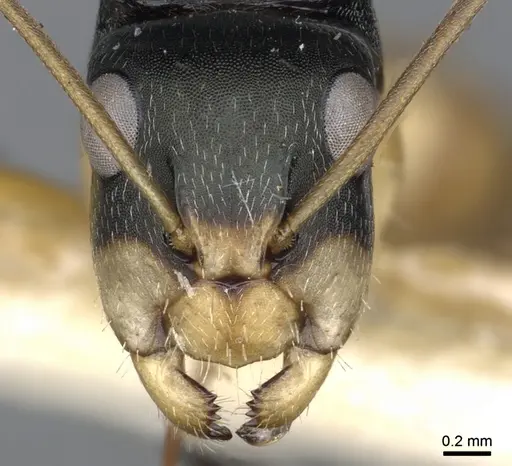
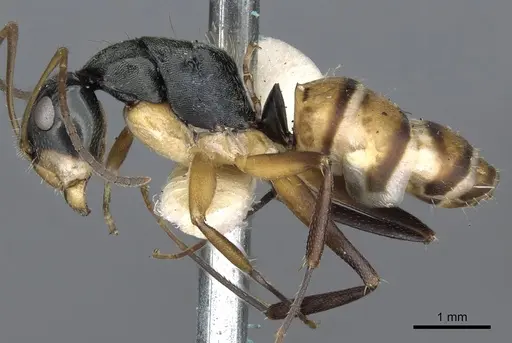
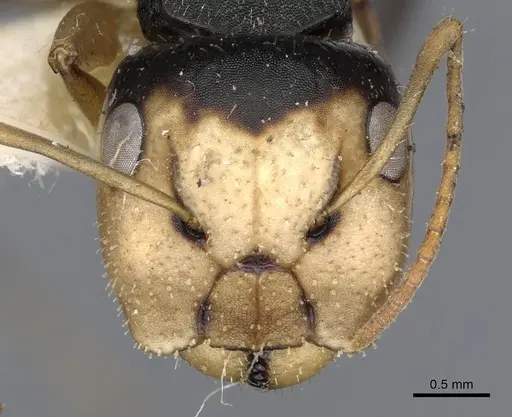
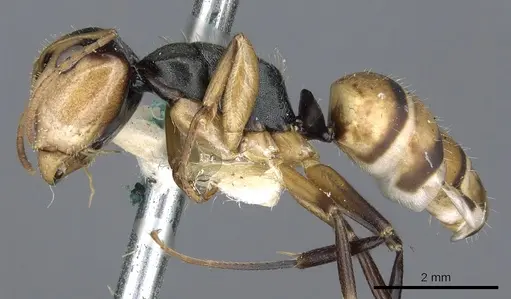
Camponotus cheesmanae is a distinctive yellow and black ant species from the subgenus Myrmobrachys, found only on Gorgona Island in Colombia. Workers are easily recognized by their striking coloration: the head and legs are mostly yellow, while the mesosoma and petiole are black, and the gaster is yellow with brown transverse bands [1]. The head has an oblique truncation and is covered with distinctive flattened hairs. This is a relatively small Camponotus species, with major and minor workers present. The species was described in 1932 and has a very limited geographic range, being known only from the type locality on Gorgona Island in the Cauca region of Colombia [2][1].
Quick Summary
- Difficulty: Medium
- Origin & Habitat: Gorgona Island, Colombia, a tropical island off the Pacific coast. The only known specimens were collected next to a stream, suggesting they prefer humid, shaded areas near water sources [1].
- Colony Type: Single-queen colonies (monogyne) are typical for Camponotus species. Colony structure has not been specifically documented for this species.
- Colony: Monogyne
- Founding: Claustral
- Size & Growth:
- Queen: Unknown, not described in available literature. Estimated 12-15mm based on typical Camponotus queen size.
- Worker: Major workers: approximately 7-9mm. Minor workers: approximately 5-6mm. Based on type specimen measurements.
- Colony: Unknown, no colony size data available. Likely several hundred workers based on typical Camponotus patterns.
- Growth: Moderate, typical for Camponotus genus. Expect 6-10 weeks from egg to first worker at optimal temperature.
- Development: 6-10 weeks at 24-26°C. This is an estimate based on typical Camponotus development patterns, as specific timing has not been documented for this species. (Development time is inferred from genus-level data. Actual timing may vary based on temperature and conditions.)
- Antkeeping:
- Temperature: Keep nest area at 24-26°C. A gentle temperature gradient allows workers to self-regulate. This species is from a tropical island, so they prefer warmth. Avoid temperatures below 20°C or above 30°C.
- Humidity: Moderate to high humidity (60-80%). Their stream-side collection suggests they tolerate and likely prefer humid conditions. Keep the nest substrate consistently moist but not waterlogged.
- Diapause: No, this is a tropical species from an island near the equator. They do not require a hibernation period. Maintain consistent temperatures year-round.
- Nesting: In captivity, they do well in Y-tong (AAC) nests, plaster nests, or naturalistic setups. Provide a nest with chambers scaled to their size. Since they're from a tropical island, they likely prefer somewhat humid conditions inside the nest. Avoid very dry environments.
- Behavior: Camponotus ants are generally calm and not aggressive. Workers are moderately active foragers. They are not known to be escape artists, but use standard escape prevention (Fluon on test tube rims) as you would for any Camponotus. Major workers can defend the colony with their mandibles if threatened. They are primarily nocturnal or crepuscular foragers in nature.
- Common Issues: very limited distribution means wild colonies are rarely available, this species is not commonly kept, lack of documented care information means keepers must rely on genus-level guidance, tropical humidity requirements can lead to mold issues if ventilation is poor, slow founding phase, claustral queens need patience during the months before first workers, test tube flooding can drown founding queens if water reservoir is too large
Nest Preferences
In the wild, Camponotus cheesmanae has been found near streams on Gorgona Island, suggesting they prefer humid microhabitats. They likely nest in rotting wood or under stones in shaded areas, common behaviors for the Myrmobrachys subgenus. For captivity, Y-tong (AAC) nests work well because they allow you to control humidity easily. Plaster nests are another good option, they hold moisture well and help maintain the humid conditions this species seems to prefer. If using a naturalistic setup, provide plenty of hiding spots and keep the substrate moist. The nest should have chambers sized appropriately for their worker size, major workers are around 7-9mm, so chambers should be at least 10-15mm wide to allow free movement. [1]
Feeding and Diet
Like other Camponotus species, C. cheesmanae is an omnivore. They accept sugar sources (honey, sugar water) and protein foods (insects, mealworms, crickets). In the wild, they likely forage for honeydew from aphids and scale insects, plus hunt small invertebrates. For captivity, offer a mix of sugar water or honey as a constant energy source, plus protein prey 2-3 times per week. Remove uneaten prey after 24-48 hours to prevent mold. Major workers can tackle larger prey items than minors. Since they're from a tropical island, they may have higher humidity requirements but their dietary needs are typical for the genus.
Temperature and Care
As a tropical species from Gorgona Island near the equator, Camponotus cheesmanae prefers warm, stable temperatures. Keep the nest area at 24-26°C, which is ideal for brood development. You can create a gentle gradient by placing a heating cable on one side of the nest, this allows workers to move to warmer or cooler areas as needed. Avoid temperature drops below 20°C, as this species is not adapted to cool conditions. Room temperature in most homes (20-24°C) is acceptable, but growth may be slower at the lower end of this range. No hibernation or winter rest is needed since they're tropical. Maintain humidity around 60-80% in the nest area. [1]
Behavior and Temperament
Camponotus species are generally known for their calm demeanor, and C. cheesmanae follows this pattern. Workers are moderately active and will forage for food during evening and nighttime hours. They are not particularly aggressive and rarely bite, though major workers can defend the colony if threatened. The species is not known for being escape artists, but standard escape prevention practices should still be followed, apply Fluon to test tube rims and ensure any formicarium connections are secure. Workers communicate through chemical trails and may use tandem running to recruit nestmates to food sources, typical Camponotus behavior. Major workers are significantly larger than minors and may serve as defenders or seed processors.
Frequently Asked Questions
How long does it take for Camponotus cheesmanae to raise first workers?
Expect 6-10 weeks from egg to first worker at optimal temperature (24-26°C). This is an estimate based on typical Camponotus development, as specific timing hasn't been documented for this species. The claustral queen will seal herself in and not forage during founding, be patient and avoid disturbing the founding chamber.
What temperature do Camponotus cheesmanae ants need?
Keep them at 24-26°C in the nest area. This tropical island species prefers warmth and does not tolerate cool temperatures well. Avoid dropping below 20°C. A heating cable on part of the nest can create a beneficial gradient.
Is Camponotus cheesmanae a good species for beginners?
This species is rated as Medium difficulty. While Camponotus in general are beginner-friendly, this particular species has very limited documented care information since it's rarely kept. You'll be relying on genus-level guidance rather than species-specific care sheets. If you're experienced with Camponotus, it's manageable, if you're new to ant keeping, consider a more common species first.
What do Camponotus cheesmanae ants eat?
They eat typical ant fare: sugar sources (honey, sugar water) and protein (insects like mealworms, fruit flies, small crickets). Offer sugar water constantly and protein prey 2-3 times per week. Remove uneaten food after a day to prevent mold.
Do Camponotus cheesmanae ants need hibernation?
No. This is a tropical species from Gorgona Island near the equator, where temperatures remain warm year-round. They do not require a diapause or hibernation period. Maintain consistent warm temperatures throughout the year.
How big do Camponotus cheesmanae colonies get?
Colony size is not documented, but based on typical Camponotus patterns, expect several hundred workers at maturity. Major workers are 7-9mm, minor workers are 5-6mm. Growth is moderate, colonies develop over several years.
Can I keep multiple Camponotus cheesmanae queens together?
Not recommended. Camponotus species are typically monogyne (single queen). While some Camponotus can be facultatively polygyne, there's no data suggesting this applies to C. cheesmanae. It's best to start with one queen per colony.
What humidity do Camponotus cheesmanae ants need?
Keep humidity at 60-80%. Their collection next to a stream on Gorgona Island suggests they prefer humid conditions. Use a moist substrate in the nest, it should feel damp but not be waterlogged. Avoid very dry environments.
Where is Camponotus cheesmanae found in the wild?
Only on Gorgona Island in Colombia, off the Pacific coast. This is a very restricted distribution, the species is only known from this single location. It's part of the Myrmobrachys subgenus.
When will my Camponotus cheesmanae colony be ready to move to a formicarium?
Wait until the colony has at least 20-30 workers before moving from a test tube setup to a formicarium. This typically takes 6-12 months after founding. The colony should be actively foraging and showing consistent growth. Make sure the formicarium offers appropriate humidity and chamber sizes.
Why is my Camponotus cheesmanae colony growing slowly?
Slow growth is usually due to low temperatures (below 24°C), insufficient protein, or low humidity. Check that your nest is at 24-26°C and the substrate is moist. Ensure you're feeding enough protein (insects) 2-3 times weekly. If the queen is claustral and sealed in, she's still raising brood, be patient.
References

This caresheet is licensed under CC BY-SA 4.0 .
CASENT0903638
View on AntWeb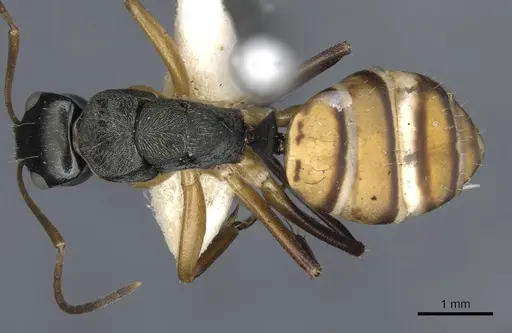
CASENT0903639
View on AntWeb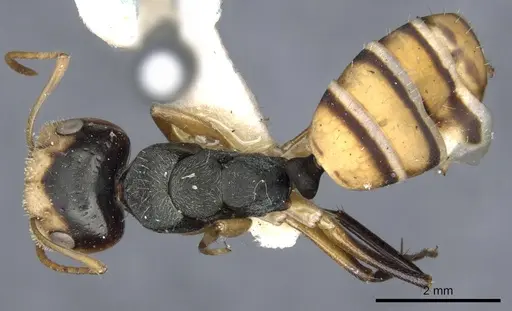
Literature
Loading...Loading products...