

Camponotus chapini
- Scientific Name
- Camponotus chapini
- Subgenus
- Myrmamblys
- Tribe
- Camponotini
- Subfamily
- Formicinae
- Author
- Wheeler, 1922
- Distribution
- Found in 2 countries
Camponotus chapini Overview
Camponotus chapini is an ant species of the genus Camponotus. It is primarily documented in 2 countries , including Côte d'Ivoire, South Sudan. Detailed taxonomic data and occurrence records can be further explored via authoritative databases such as AntWeb or the Global Biodiversity Information Facility (GBIF).
Camponotus chapini
Camponotus chapini is an African carpenter ant species native to the Democratic Republic of Congo and South Sudan. Workers are polymorphic, with major workers being significantly larger than minors. This species belongs to the Myrmamblys subgenus, which typically includes tree-nesting or wood-dwelling ants. In the wild, they are found exclusively in savannah habitats, avoiding the dense gallery forests common in central African regions [1]. The species was first described by Wheeler in 1922 from specimens collected in the Garamba region of Congo [2].
Quick Summary
- Difficulty: Medium
- Origin & Habitat: Democratic Republic of Congo and South Sudan, savannah habitats [1][2]
- Colony Type: Colony structure is unconfirmed. Based on typical Camponotus patterns, likely single-queen colonies.
- Founding: Claustral
- Size & Growth:
- Queen: Estimated 12-16mm based on genus Camponotus patterns
- Worker: Major workers 8-12mm, minor workers 5-7mm based on genus description
- Colony: Unknown for this species. Typical savannah Camponotus colonies reach several hundred workers
- Growth: Moderate, estimated based on genus patterns
- Development: Estimated 6-8 weeks at optimal temperature based on typical Camponotus development (Development time is estimated from genus-level data since species-specific research is unavailable)
- Antkeeping:
- Temperature: Keep at 24-28°C. As an African savannah species, they prefer warm conditions with a gentle gradient
- Humidity: Moderate humidity,50-60%. Provide a moisture gradient with a damp section and drier areas
- Diapause: Unknown for this species. African ants from savannah may have reduced activity during dry seasons rather than true hibernation
- Nesting: Y-tong or acrylic nests work well. Provide moderate chamber sizes with some narrow passages. Based on Myrmamblys subgenus, they may prefer wood-based or close-to-natural setups
- Behavior: Behavior is not directly documented for this species. Based on genus patterns, they are typically moderate in aggression, with major workers serving as defenders. They are likely nocturnal or crepuscular foragers. Escape risk is moderate due to their size, standard barriers should suffice but fine mesh is recommended.
- Common Issues: very limited species-specific care information means keepers must adapt from related Camponotus species, colony growth may be slow due to limited documented information on their specific needs, wild-caught colonies may have parasites given their tropical origin, humidity control is important, too wet or too dry can cause colony decline, temperature stability matters, avoid cold spots that could slow or stop brood development
Natural History and Distribution
Camponotus chapini is found in central Africa, specifically the Democratic Republic of Congo and South Sudan. The species was originally described from the Garamba area in Congo by Wheeler in 1922. A subspecies, Camponotus chapini ganzii, was later described by Weber in 1943. Notably, this species shows a strong habitat preference for savannah environments and is absent from gallery forests in regions like Gabon where it has been studied [1]. This suggests they prefer open, drier habitats with less canopy cover rather than dense forest areas.
Nest Preferences and Housing
As a member of the Myrmamblys subgenus, this species likely nests in rotting wood, under bark, or in dead tree branches in the wild. For captive care, Y-tong nests or acrylic formicariums with wood sections work well. Provide a nest area with chambers sized appropriately for their polymorphic workers, major workers need wider passages. Include a moisture gradient by having one section damp and another drier. A small outworld with a foraging area allows them to hunt and explore.
Feeding and Diet
Like other Camponotus species, they are likely omnivorous. Offer protein sources such as mealworms, crickets, or other small insects. Sugar water or honey should be available at all times, especially for workers. Major workers may tackle larger prey items than minors. Based on their African savannah origin, they likely have access to diverse insects and may accept a wide variety of foods. Remove uneaten prey after 24-48 hours to prevent mold.
Temperature and Seasonal Care
As an African species from Congo and South Sudan, they require warm temperatures. Keep the nest at 24-28°C with a gentle gradient so ants can self-regulate. Room temperature in most homes should be adequate, but a heating cable on one side of the nest can help maintain optimal conditions. Unlike temperate species, they likely do not require true hibernation. Instead, they may have reduced activity during dry seasons in the wild. Monitor colony behavior, if they become less active, ensure temperatures remain stable and food is still offered in smaller amounts.
Colony Development
Camponotus chapini is polymorphic, meaning colonies have different worker sizes, major workers (soldiers) and minor workers. This polymorphism typically develops as the colony grows, with majors appearing once the colony reaches several dozen workers. The claustral founding stage likely takes 4-8 weeks before the first workers (nanitics) emerge. After that, growth is moderate, with the colony potentially reaching several hundred workers over several years. Major workers appear as the colony matures and serve as defenders and food processors.
Frequently Asked Questions
How long does it take for Camponotus chapini to raise first workers?
Based on typical Camponotus development, expect 6-8 weeks from egg to first worker at optimal temperature (24-28°C). The queen is claustral, she seals herself in and raises the first brood alone without foraging.
What do Camponotus chapini ants eat?
They are omnivorous like most Camponotus. Offer small insects (mealworms, crickets, fruit flies) as protein and sugar water or honey as a carbohydrate source. Remove uneaten food after 24-48 hours.
What temperature do Camponotus chapini need?
Keep them warm at 24-28°C. As an African savannah species, they prefer stable warm conditions. A heating cable on part of the nest can help maintain optimal temperature.
Is Camponotus chapini good for beginners?
This species is rated as Medium difficulty. While Camponotus in general are hardy and rewarding, this specific species has very limited documented care information, which may make it challenging for complete beginners. Starting with a more common Camponotus species is recommended.
How big do Camponotus chapini colonies get?
Colony size is not documented for this species, but based on similar savannah Camponotus, they likely reach several hundred workers over several years. They are polymorphic with major and minor workers.
Do Camponotus chapini need hibernation?
True hibernation is unlikely. As an African species from tropical regions, they probably experience reduced activity during dry seasons rather than cold-induced dormancy. Maintain stable temperatures year-round.
What humidity level do Camponotus chapini need?
Aim for moderate humidity around 50-60%. Provide a moisture gradient with a damp section and drier areas so ants can self-regulate. Avoid both overly wet and overly dry conditions.
When should I move Camponotus chapini to a formicarium?
Keep them in a test tube setup for the founding stage. Once the colony reaches 30-50 workers and you see consistent activity, you can move them to a proper nest. Ensure the formicarium has appropriately sized chambers.
Can I keep multiple Camponotus chapini queens together?
Colony structure is unconfirmed for this species. Based on typical Camponotus patterns, they likely have single-queen colonies. Combining unrelated queens is not recommended without documented evidence of pleometrosis.
References

This caresheet is licensed under CC BY-SA 4.0 .
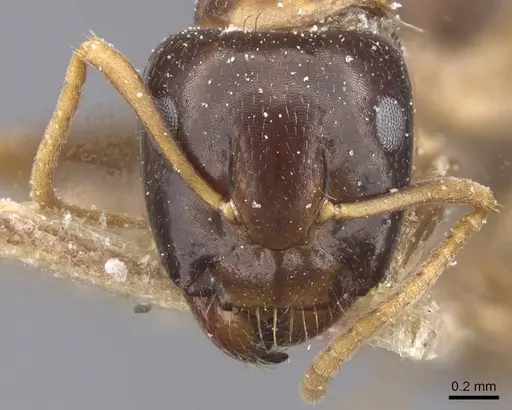
CASENT0911658
View on AntWeb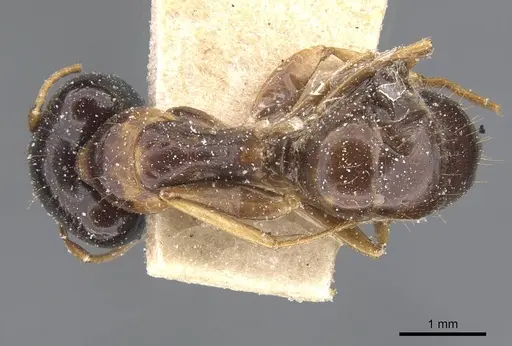
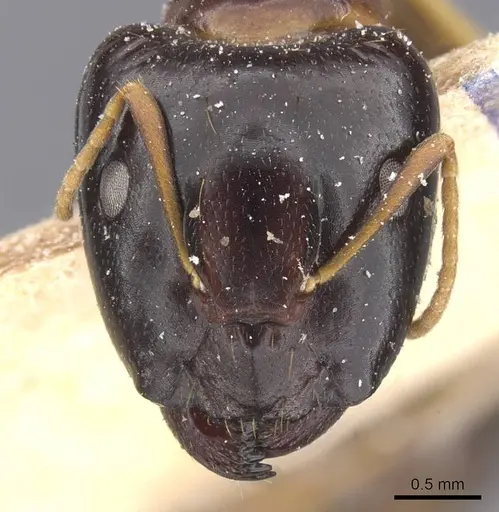
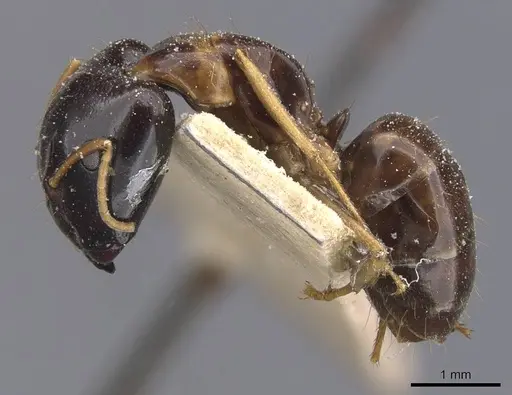
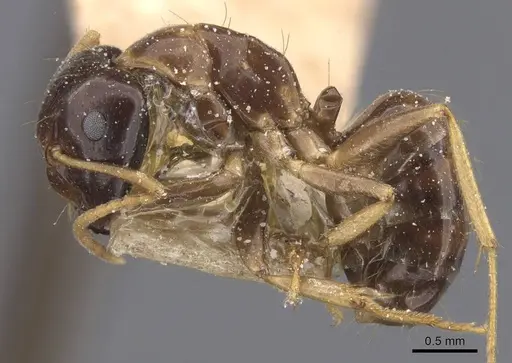
CASENT0911659
View on AntWeb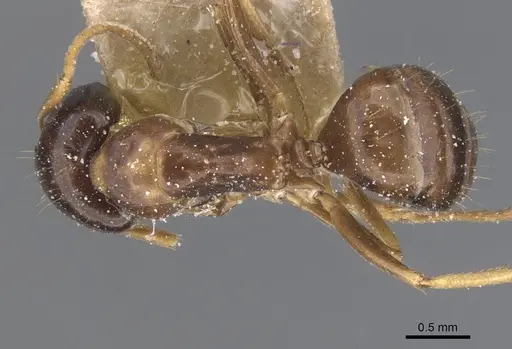
Literature
Loading...Loading products...