

Camponotus cervicalis
- Scientific Name
- Camponotus cervicalis
- Subgenus
- Myrmosaga
- Tribe
- Camponotini
- Subfamily
- Formicinae
- Author
- Roger, 1863
- Distribution
- Found in 2 countries
Camponotus cervicalis Overview
Camponotus cervicalis is an ant species of the genus Camponotus. It is primarily documented in 2 countries , including Madagascar, Mayotte. Detailed taxonomic data and occurrence records can be further explored via authoritative databases such as AntWeb or the Global Biodiversity Information Facility (GBIF).
Camponotus cervicalis
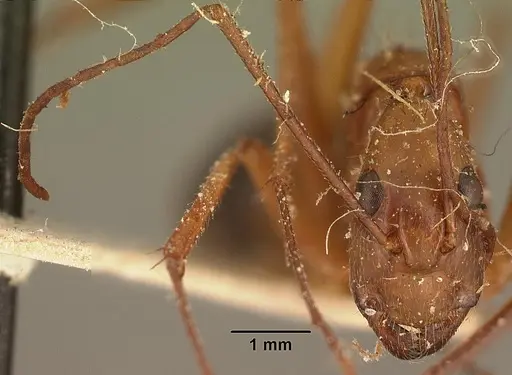
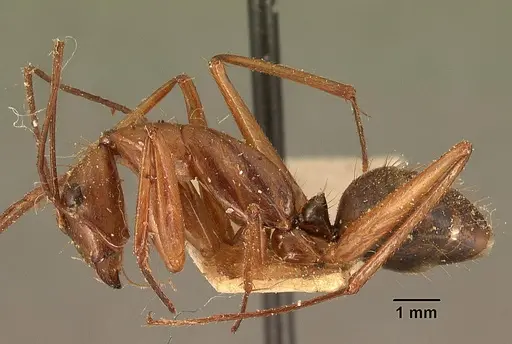
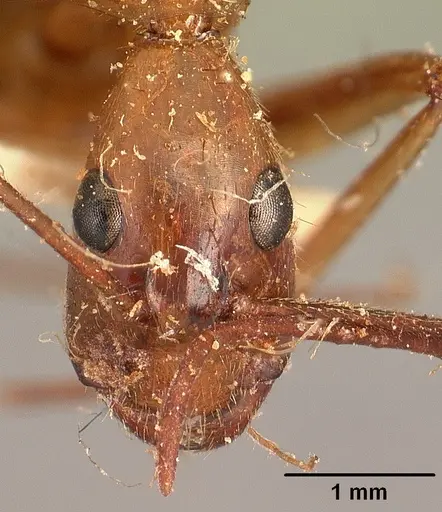
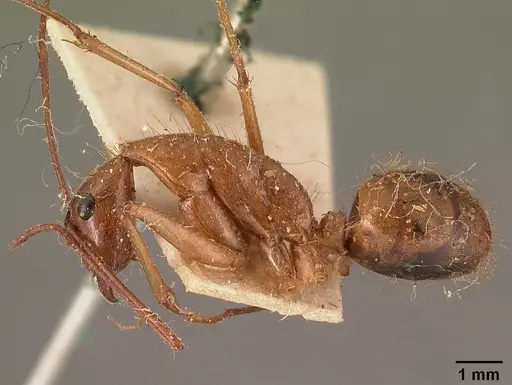
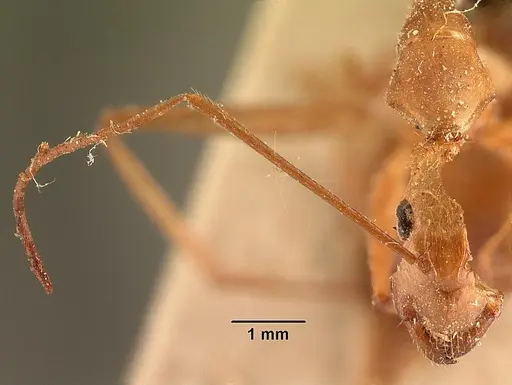
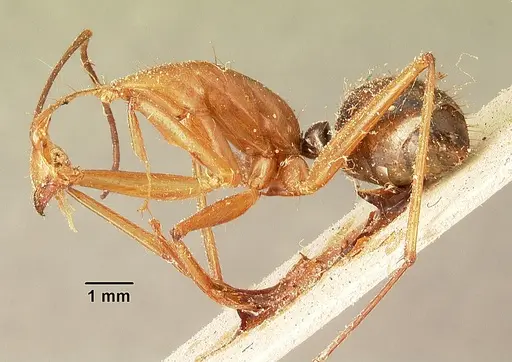
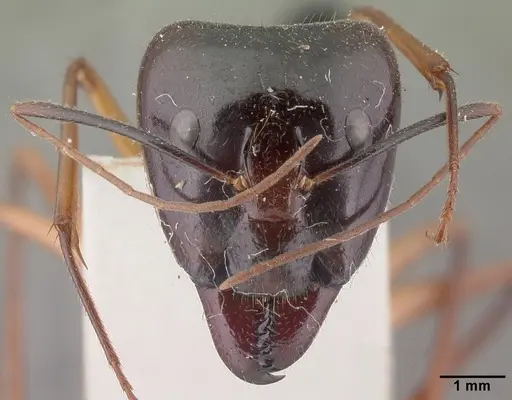
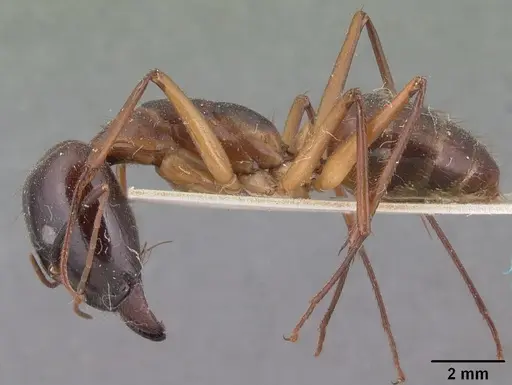
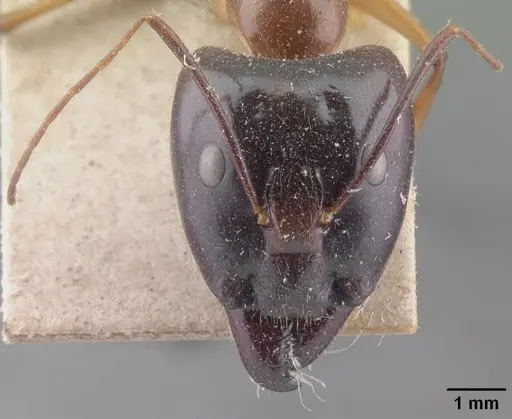
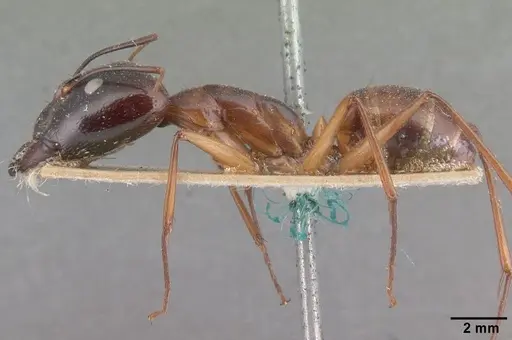
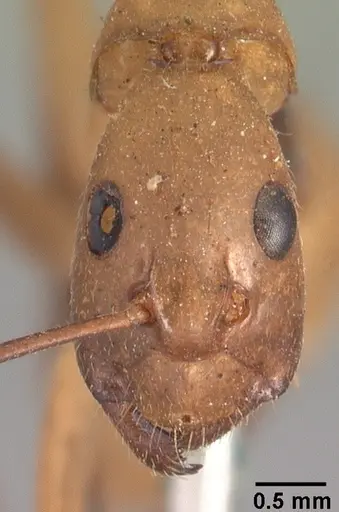
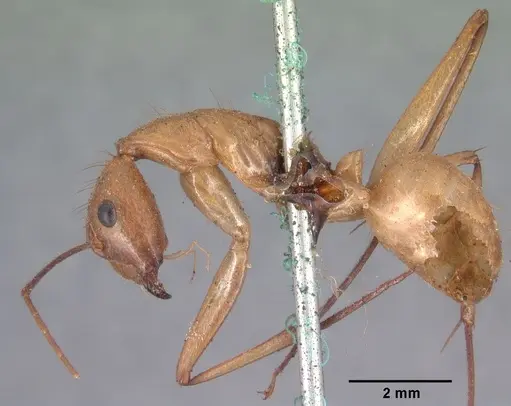
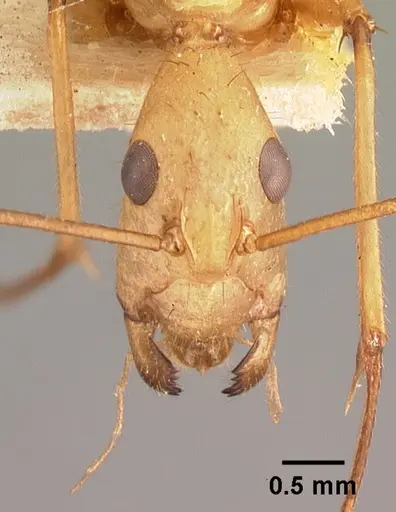
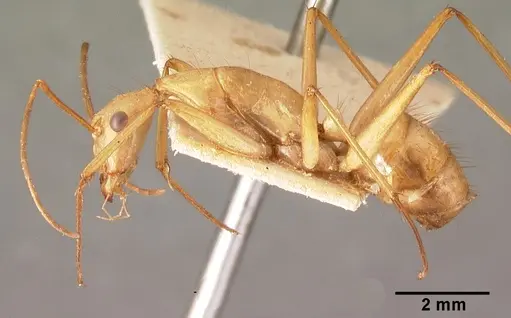
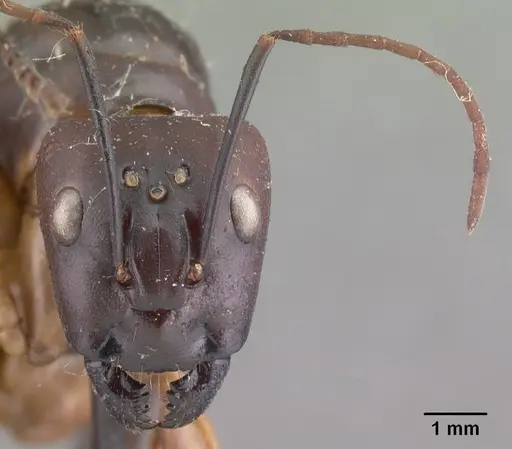
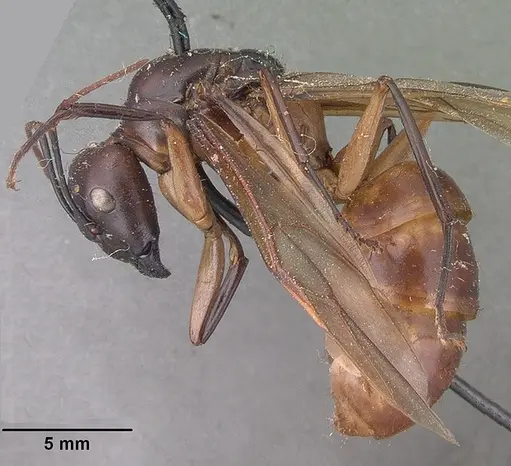
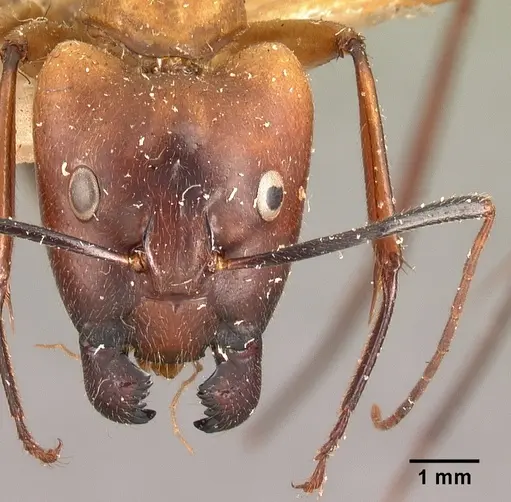
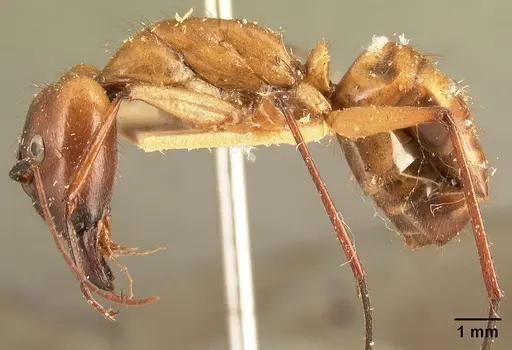
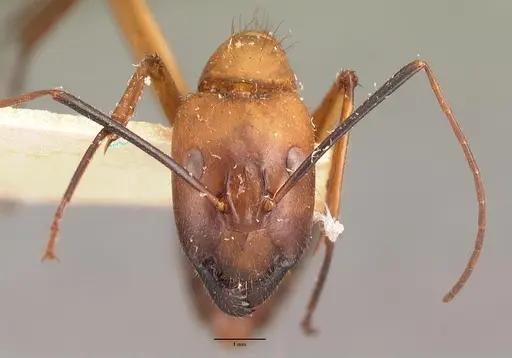
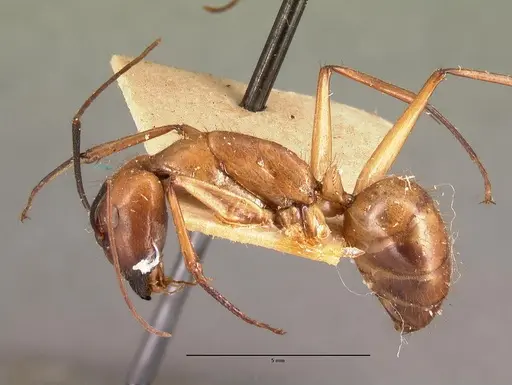
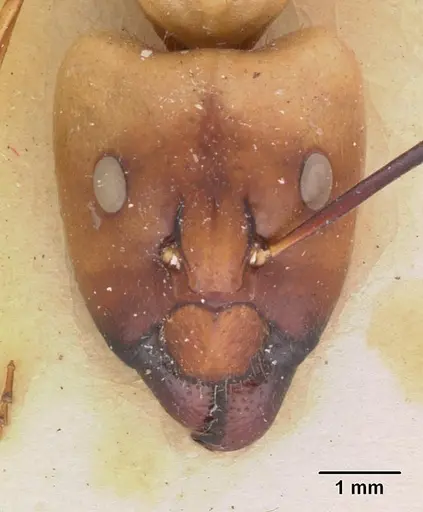
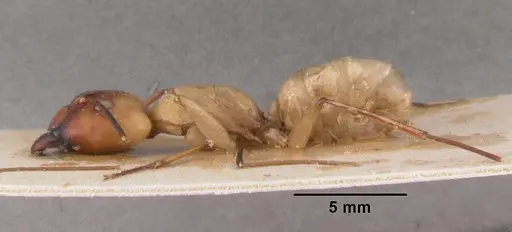
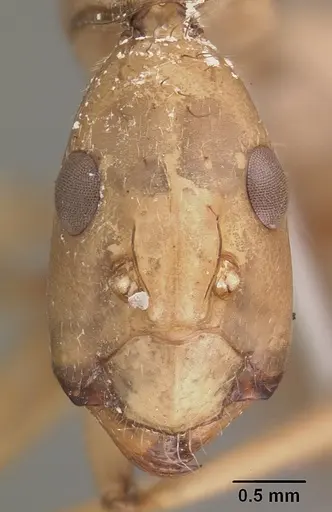
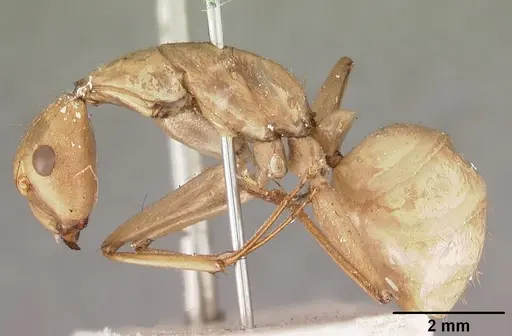
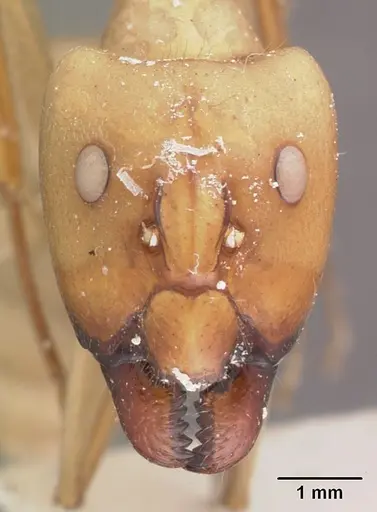
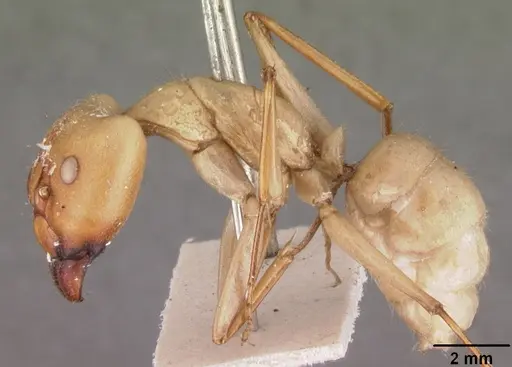
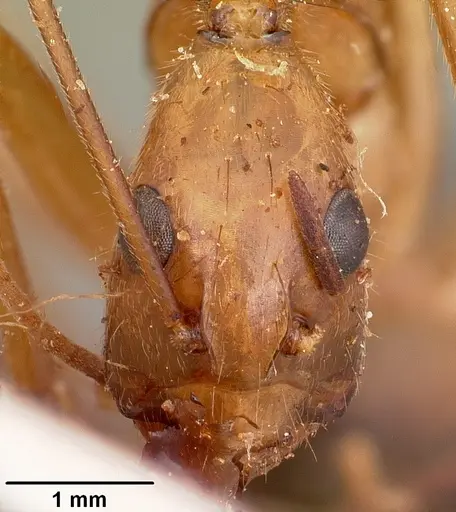
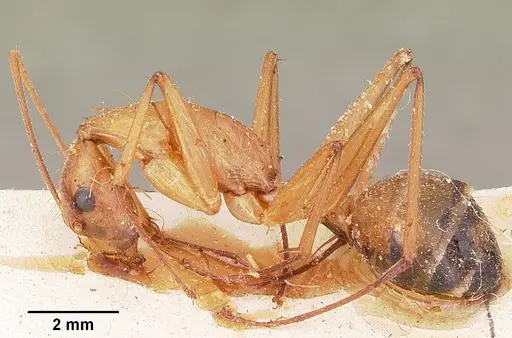
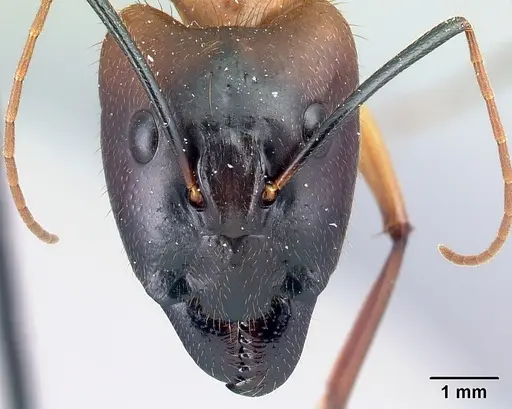
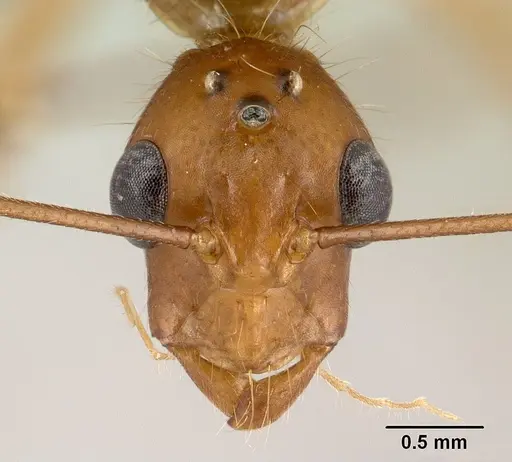
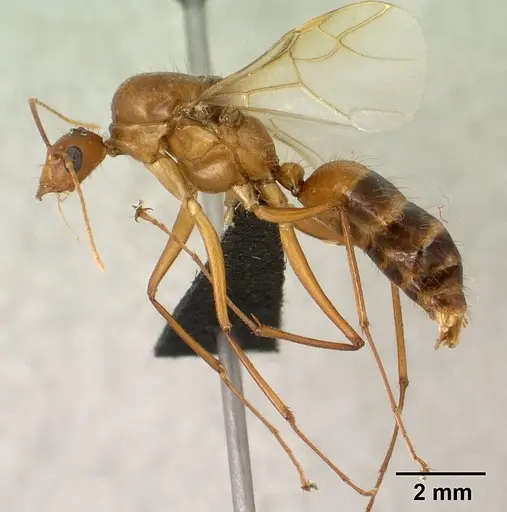
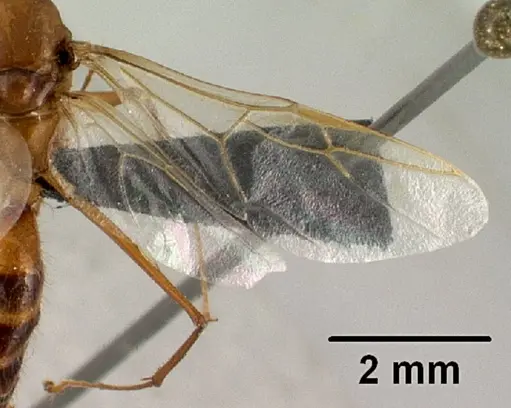
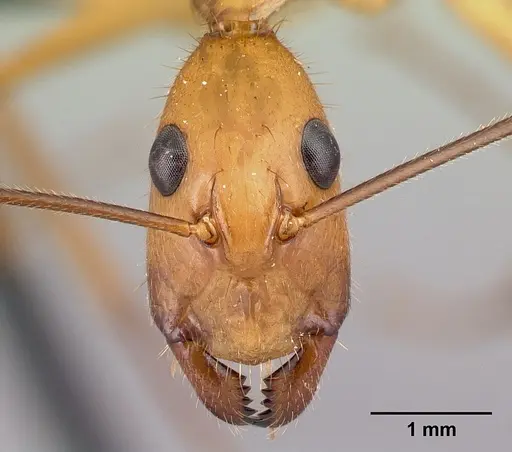
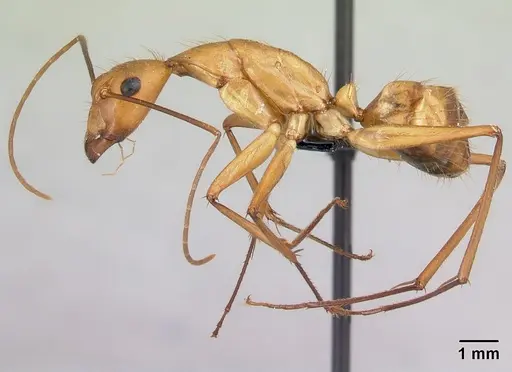
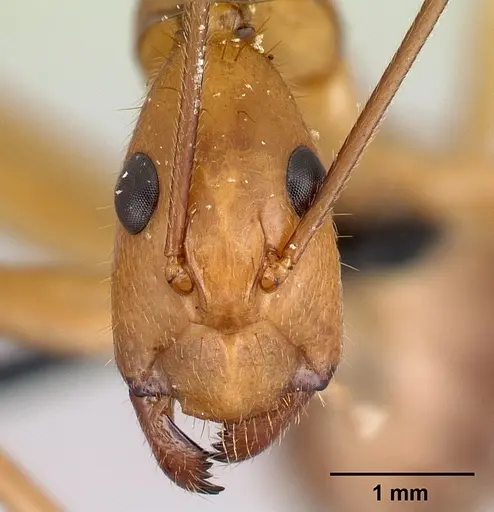
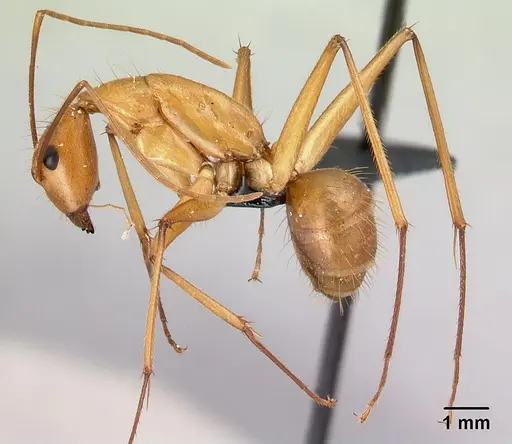
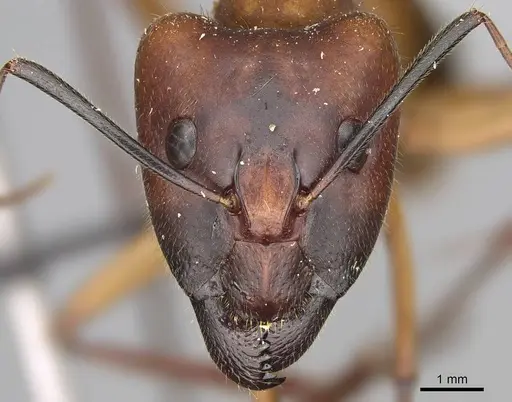
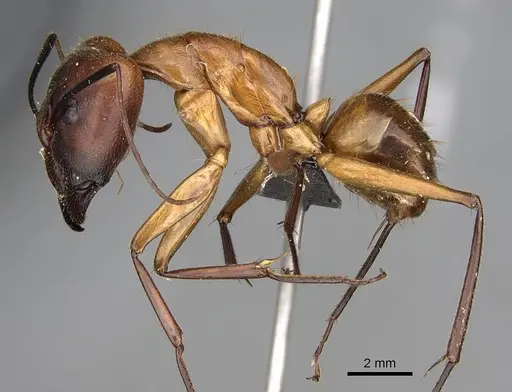
Camponotus cervicalis is a medium-sized carpenter ant endemic to Madagascar. Workers come in two sizes: minor workers are slender with a distinctive head shape that narrows toward the back, covered in erect hairs, while major workers have enlarged heads typical of Camponotus. The species is found only in the eastern rainforests and littoral forests of Madagascar, from Ambanitaza forest in the north to Betampona in the south. These ants nest in rotting wood, tree stumps, under bark, and in leaf litter on the forest floor. Unlike some ants that specialize in one nesting spot, C. cervicalis is flexible, they use rotten logs, live trees, moss, and leaf litter depending on what's available. This adaptability helps them thrive in the humid rainforest environment.
Quick Summary
- Difficulty: Medium
- Origin & Habitat: Eastern Madagascar, littoral forests and lower elevation rainforests between Ambanitaza forest (north) and RNI Betampona (south). Workers forage on the ground and through leaf litter. Nests found in rotten logs, rotting tree stumps, rot pockets above ground, live trees, under tree bark, and in moss and leaf litter [1][2].
- Colony Type: Likely single-queen colonies (monogyne), which is typical for Camponotus species. Queens establish nests in enclosed chambers within rotting wood or soil.
- Colony: Monogyne
- Founding: Claustral
- Size & Growth:
- Queen: Estimated 12-16mm based on Camponotus genus patterns, no direct measurement found for this species
- Worker: Minor workers approximately 5-8mm, major workers 8-12mm based on genus typical measurements [1]
- Colony: Estimated several thousand workers based on typical Camponotus colony growth patterns
- Growth: Moderate, Camponotus species typically grow steadily once established
- Development: Estimated 8-12 weeks at optimal temperature based on typical Camponotus development (Development time depends heavily on temperature, warmer conditions speed development, cooler slow it down)
- Antkeeping:
- Temperature: Keep at 24-28°C (warm tropical conditions). A heating cable on one side of the nest creates a temperature gradient so ants can choose their preferred warmth.
- Humidity: High humidity is essential, these are rainforest ants. Keep nest substrate consistently moist but not waterlogged. Mist occasionally and provide a water tube. The substrate should feel damp to the touch.
- Diapause: No true diapause expected, Madagascar has a warm climate year-round. However, colonies may slow slightly during cooler periods. Keep temperatures stable.
- Nesting: Rotten wood and Y-tong/plaster nests work well. These ants naturally nest in rotting logs and tree stumps, so provide nest materials that mimic decomposing wood. Acrylic nests with closeable chambers also work for founding colonies.
- Behavior: Workers are active foragers that search through leaf litter and along ground surfaces. They are not particularly aggressive toward keepers but will defend their nest. Major workers can deliver a mild sting if handled roughly, though Camponotus stings are typically not severe. Escape risk is moderate, use standard barrier techniques (Fluon on test tube rims).
- Common Issues: high humidity requirements mean mold can be a problem if ventilation is poor, rotting wood nests can dry out quickly, monitor moisture levels regularly, wild-caught colonies may have parasites that cause problems in captivity, slow founding phase means colonies can fail if queen is disturbed during claustral period, temperature drops below 20°C can slow or stop brood development
Housing and Nest Setup
Camponotus cervicalis does well in test tube setups for founding colonies. Use a clean test tube filled one-third with water, sealed with a cotton plug, and wrap the tube in aluminum foil to block light. Place it in a dark drawer or cabinet, queens prefer dark, quiet spaces during the claustral founding period. Once workers emerge (after 8-12 weeks), you can move them to a formicarium. Y-tong (AAC) nests or plaster nests work well for established colonies. The nest material should be able to hold moisture since these rainforest ants need humid conditions. Avoid overly wet or mold-prone setups, good ventilation is important while maintaining humidity. [1]
Feeding and Diet
Like most Camponotus species, C. cervicalis is omnivorous. Workers collect honeydew from aphids and other homopterans in the wild, plus they hunt small insects and scavenge. In captivity, offer sugar water (1:3 sugar to water ratio) or honey water as a constant energy source. For protein, provide small insects like fruit flies, mealworms, or small crickets. Feed protein 2-3 times per week, and remove any uneaten prey within 24 hours to prevent mold. These ants are not specialized predators, they will accept most standard ant foods. Minor workers may struggle with larger prey items, so cut food into small pieces. [1]
Temperature and Seasonal Care
Maintain temperatures between 24-28°C for optimal brood development. These ants come from tropical Madagascar where temperatures are warm year-round. A heating cable placed on part of the nest creates a temperature gradient, workers will move to warmer or cooler areas as needed. Room temperature (around 22-24°C) is acceptable, but below 20°C can slow or stop development entirely. No true hibernation is required since Madagascar lacks cold winters. However, avoid temperature fluctuations and keep the colony away from air conditioning vents or cold windows. Stable warmth is key to healthy colony development. [1]
Growth and Development Timeline
After the queen lays her first eggs, expect 8-12 weeks until nanitic (first) workers emerge. This timeline assumes temperatures around 26°C, cooler conditions extend development time significantly. The queen will remain sealed in her chamber during this time, living off her fat reserves. Once workers arrive, they are smaller (nanitics) and will gradually expand the nest and forage for food. Colony growth is steady but not explosive, expect several months to reach 50 workers, and a year or more to reach several hundred. Major workers (soldiers) typically appear once the colony reaches several hundred workers. Patience is essential with Camponotus, they are long-lived and build lasting colonies.
Handling and Temperament
Camponotus cervicalis workers are not particularly aggressive but will defend their nest if threatened. Major workers have the ability to bite and deliver a mild sting, though most Camponotus stings are not dangerous to healthy humans. These ants are not fast-moving escape artists, but they are strong and can squeeze through small gaps if determined. Use standard escape prevention: Fluon on test tube rims, tight-fitting lids on formicariums, and moat barriers if needed. When observing your colony, avoid shaking or disturbing the nest, queens are sensitive during the founding phase and may eat their eggs if stressed. [1]
Frequently Asked Questions
How long does it take for Camponotus cervicalis to have first workers?
Expect 8-12 weeks from egg to first worker at optimal temperature (around 26°C). Cooler temperatures will extend this timeline significantly. The queen seals herself in during founding and does not forage, she relies on stored fat reserves until workers emerge.
What do Camponotus cervicalis ants eat?
They are omnivorous. Offer sugar water or honey as a constant energy source, plus small insects like fruit flies, mealworms, or small crickets for protein. Remove uneaten prey within 24 hours to prevent mold.
What temperature do Camponotus cervicalis need?
Keep them warm at 24-28°C. A heating cable on part of the nest creates a gradient. Room temperature (22-24°C) is acceptable, but below 20°C can stop brood development.
Are Camponotus cervicalis good for beginners?
They are moderate difficulty. The main challenges are maintaining high humidity and being patient through the slow founding phase. They are not as demanding as some tropical species, but require more attention than common temperate ants.
What humidity level do Camponotus cervicalis need?
High humidity, these are rainforest ants. Keep nest substrate consistently moist but not waterlogged. The substrate should feel damp to the touch. Mist occasionally and provide a water tube.
How big do Camponotus cervicalis colonies get?
Mature colonies likely reach several thousand workers over several years. Camponotus colonies are long-lived and can persist for many years once established.
Can I keep multiple Camponotus cervicalis queens together?
This species is likely monogyne (single queen). Combining unrelated queens is not recommended as they will likely fight. In nature, each colony has one founding queen.
Do Camponotus cervicalis need hibernation?
No. These ants come from tropical Madagascar which lacks cold winters. No diapause or hibernation period is required. Keep temperatures stable year-round.
Where is Camponotus cervicalis found in the wild?
They are endemic to eastern Madagascar, found only in littoral forests and lower elevation rainforests between Ambanitaza forest in the north and RNI Betampona in the south.
Why is my Camponotus cervicalis colony dying?
Common causes include: temperatures below 20°C, humidity too low (dry nest), mold from excessive moisture, disturbing the queen during founding, or parasites from wild-caught colonies. Check temperature, humidity, and ensure the queen has been left undisturbed.
References

This caresheet is licensed under CC BY-SA 4.0 .
CASENT0065556
View on AntWeb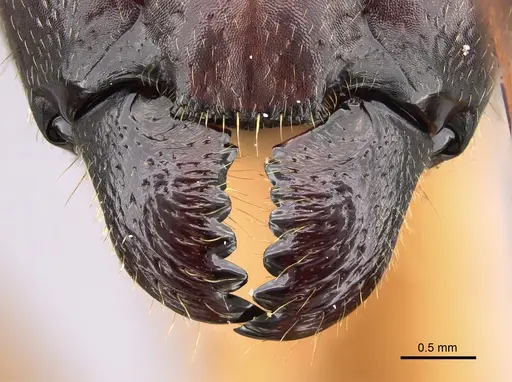
CASENT0101178
View on AntWeb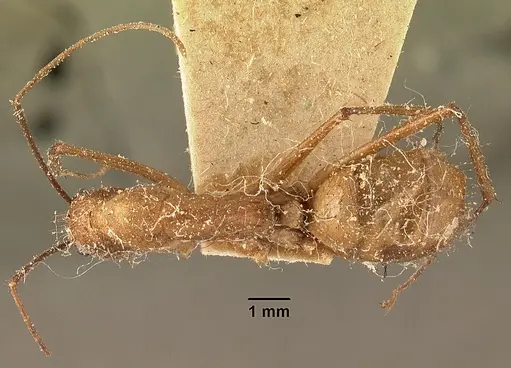
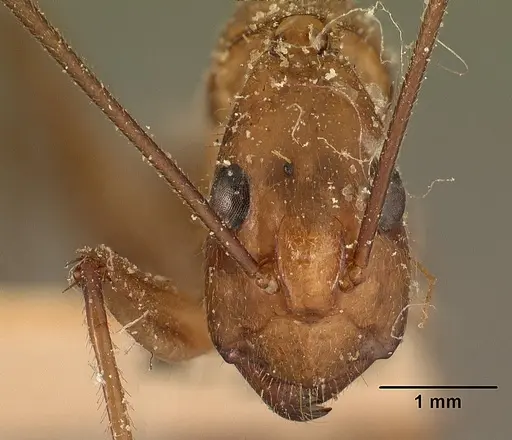
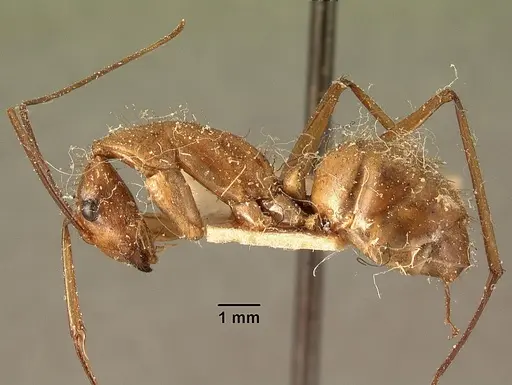
CASENT0101179
View on AntWeb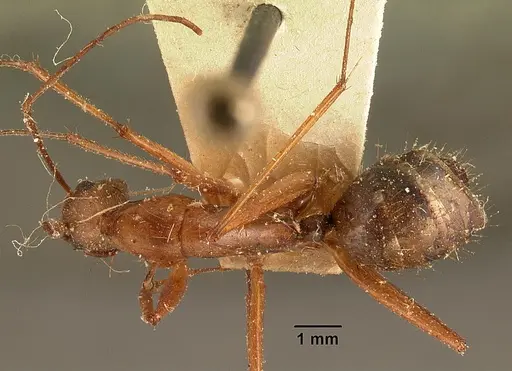
CASENT0101180
View on AntWeb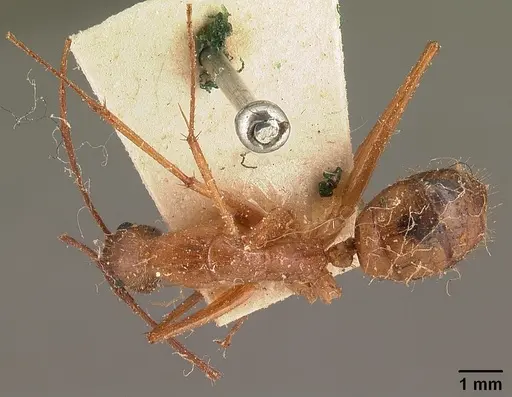
CASENT0101181
View on AntWeb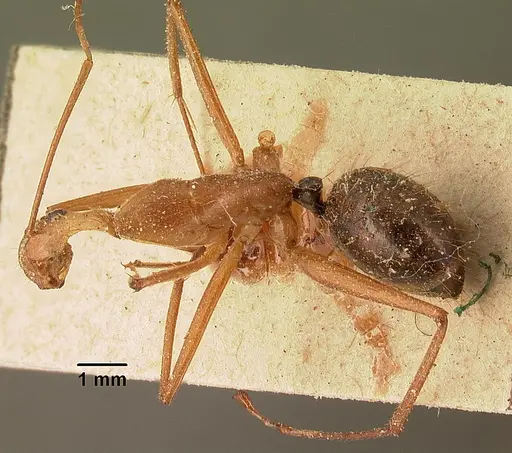
CASENT0101350
View on AntWeb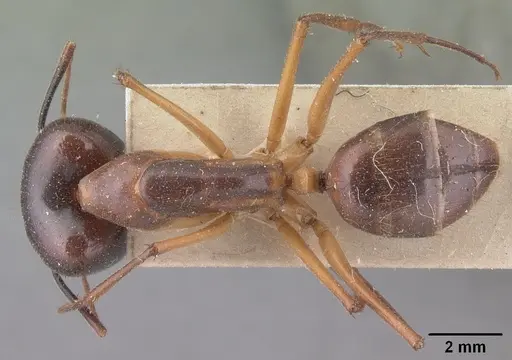
CASENT0101351
View on AntWeb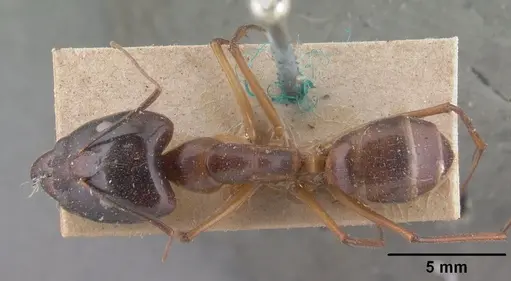
CASENT0101551
View on AntWeb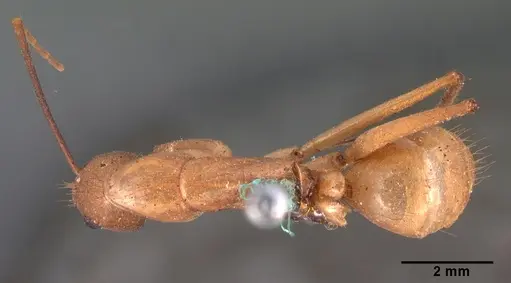
CASENT0101552
View on AntWeb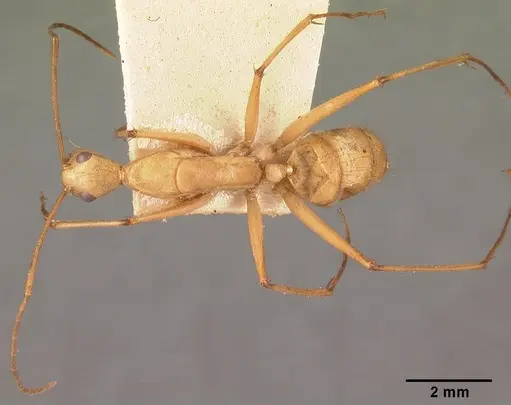
CASENT0101561
View on AntWeb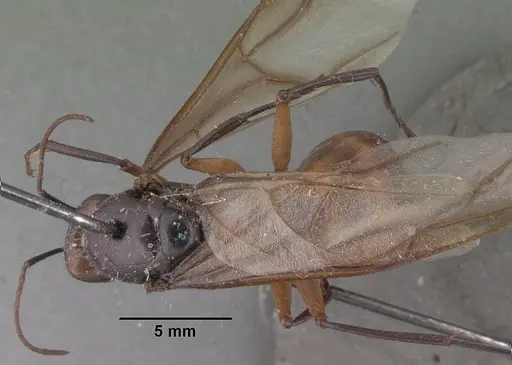
CASENT0101704
View on AntWeb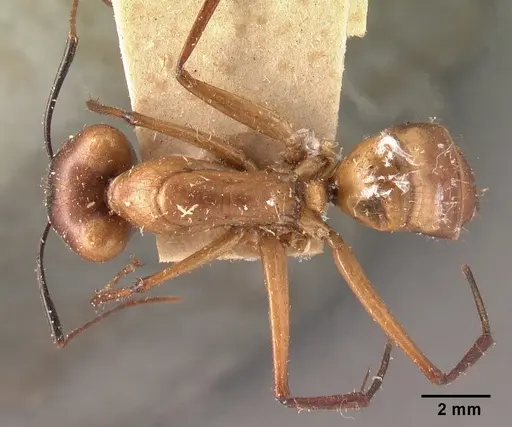
CASENT0101779
View on AntWeb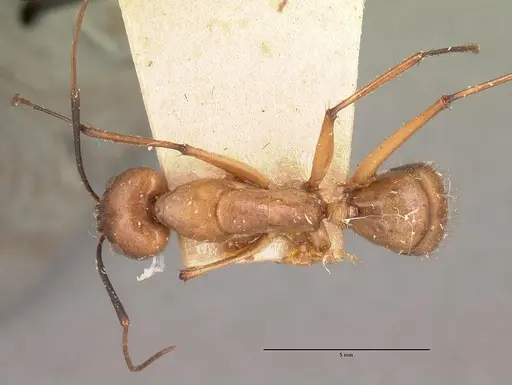
CASENT0102309
View on AntWeb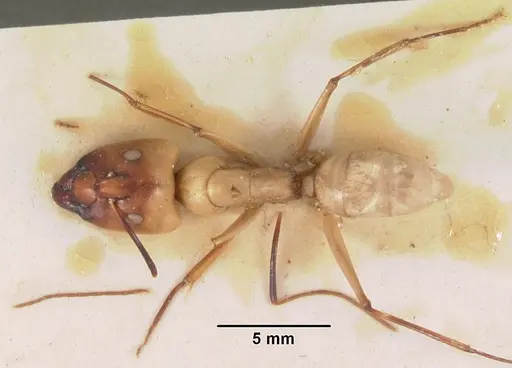
CASENT0102310
View on AntWeb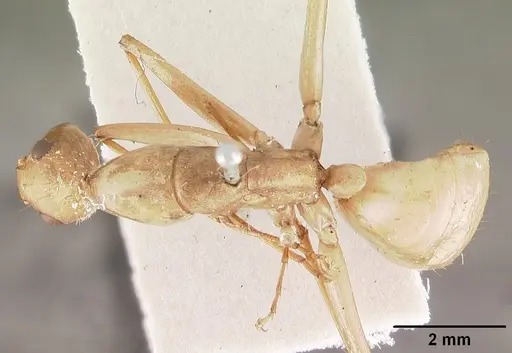
CASENT0102311
View on AntWeb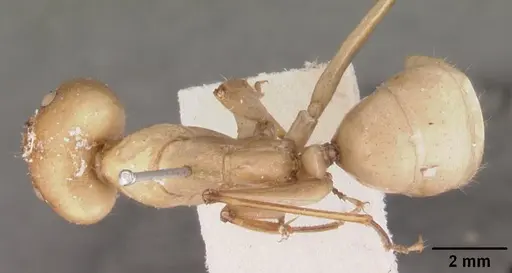
CASENT0104634
View on AntWeb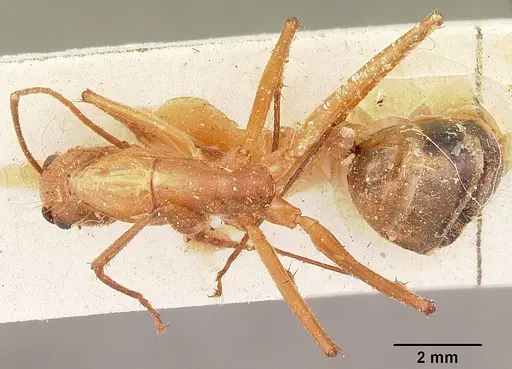
CASENT0109977
View on AntWeb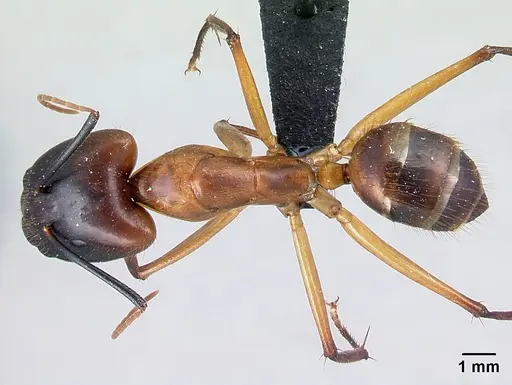
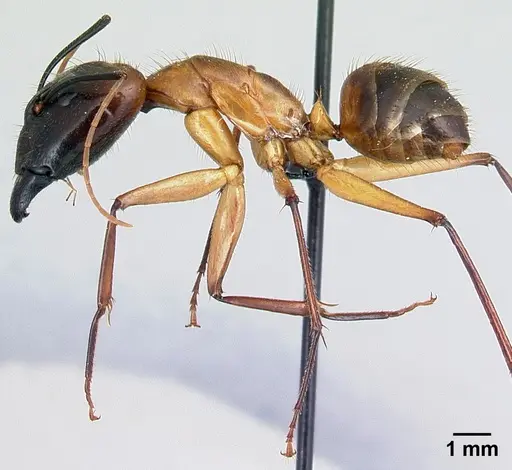
CASENT0129800
View on AntWeb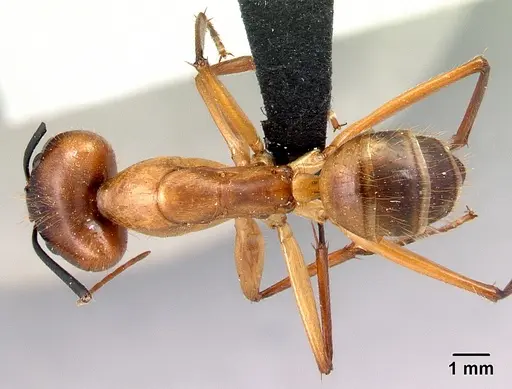
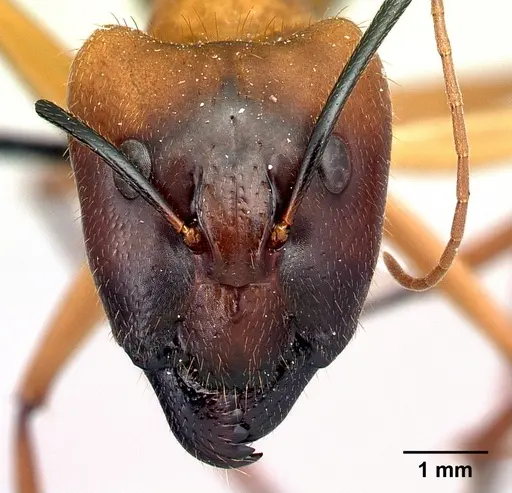
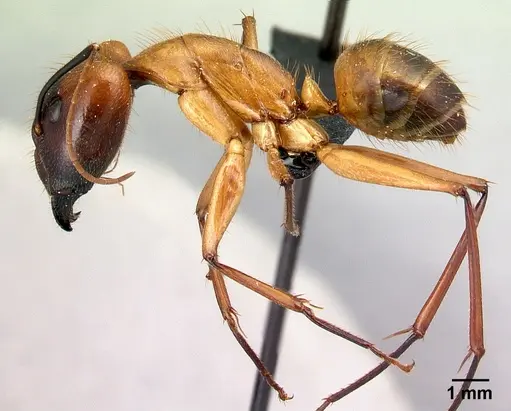
CASENT0135815
View on AntWeb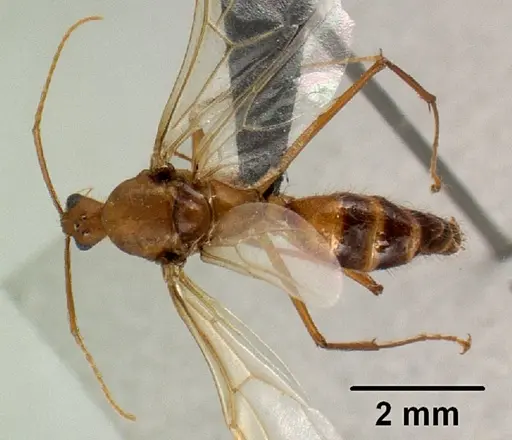
CASENT0217303
View on AntWeb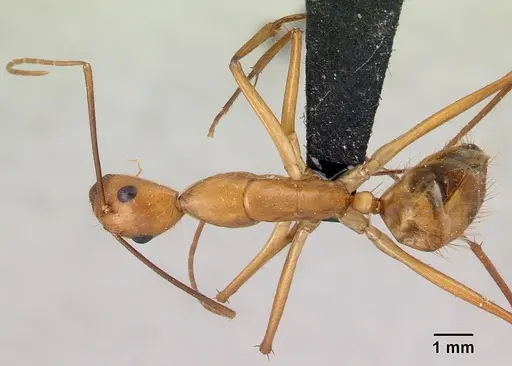
CASENT0217313
View on AntWeb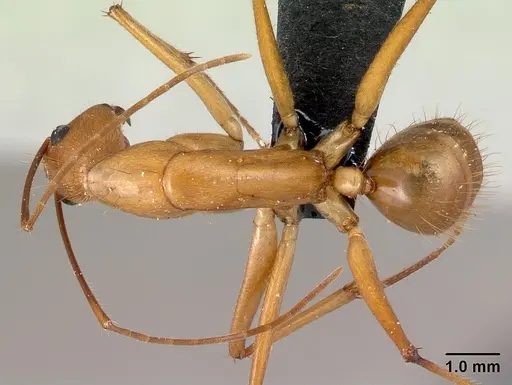
CASENT0922551
View on AntWeb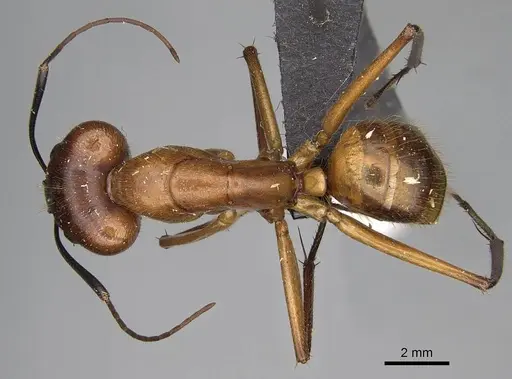
Literature
Loading...Loading products...