

Camponotus ceriseipes
- Scientific Name
- Camponotus ceriseipes
- Subgenus
- Myrmophyma
- Tribe
- Camponotini
- Subfamily
- Formicinae
- Author
- Clark, 1938
- Distribution
- Found in 1 countries
Camponotus ceriseipes Overview
Camponotus ceriseipes is an ant species of the genus Camponotus. It is primarily documented in 1 countries , including Australia. Detailed taxonomic data and occurrence records can be further explored via authoritative databases such as AntWeb or the Global Biodiversity Information Facility (GBIF).
Camponotus ceriseipes
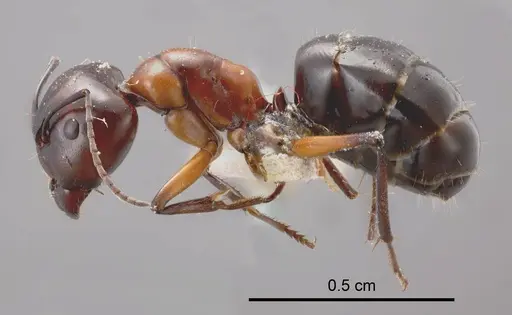
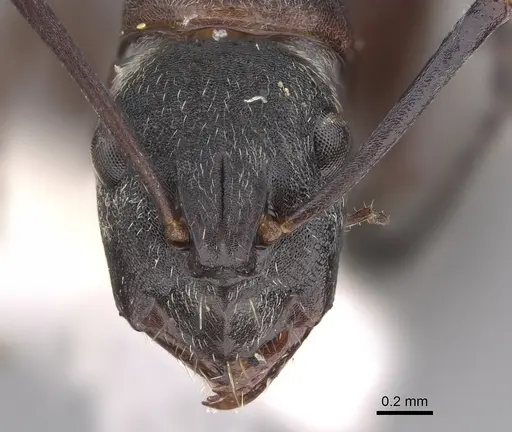
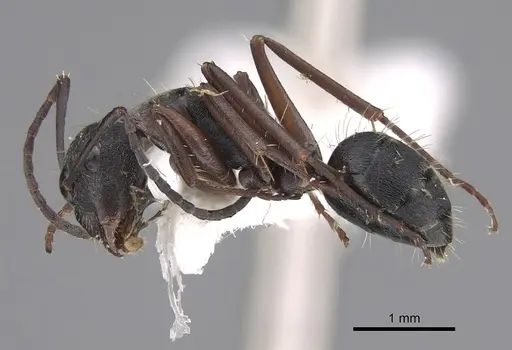
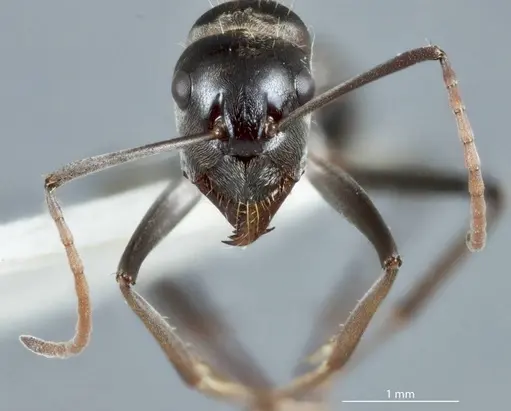
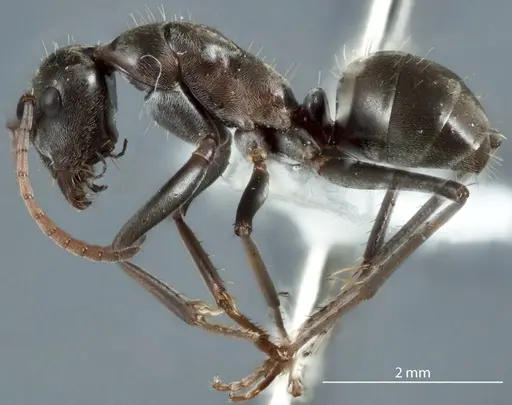
Camponotus ceriseipes is an Australian carpenter ant species known for its striking color variation. Workers range from 7-12mm, with majors being the largest and minors the smallest. The head and mesosoma can be entirely red, entirely black, or any shade between these extremes depending on the population, Western Australian specimens tend toward darker colors while Northern Territory populations are lighter [1]. This species nests in coastal sandplain heath, limestone mallee, and vegetated coastal sand dunes, typically building nests under rocks or in open sand [1]. They are a relatively large Camponotus species with long legs and distinctive long hairs (setae) on the body, though these hairs are sparse on the legs and antennae [1].
Quick Summary
- Difficulty: Medium
- Origin & Habitat: Native to Australia, specifically found in South Australia, Western Australia, and the Northern Territory. They inhabit coastal sandplain heath, coastal scrub, limestone mallee, low scrub on dry ridges, and vegetated coastal sand dunes [1]. The species occurs primarily in the southern semi-arid zone [2].
- Colony Type: Colony structure is unconfirmed for this specific species. Based on typical Camponotus patterns, they likely form single-queen colonies (monogyne), though some Australian Camponotus species can be polygynous. Nests are typically founded in soil under rocks or in open sand [1].
- Founding: Claustral
- Size & Growth:
- Queen: Estimated 12-15mm based on genus patterns, no direct measurement available
- Worker: 7-12mm: minors 7-7.5mm, media 9.5-10mm, majors up to 12mm [1]
- Colony: Estimated moderate to large colony size based on typical Camponotus development, likely several hundred workers at maturity
- Growth: Moderate, typical Camponotus growth pattern
- Development: 6-10 weeks at optimal temperature based on genus-level data for Camponotus species (Development time is inferred from related Camponotus species as no direct study exists for C. ceriseipes. Major workers take longer to develop than minor workers.)
- Antkeeping:
- Temperature: Keep at 22-26°C. Australian species from temperate to semi-arid regions can tolerate a range, but warmth aids development. A heating cable on one side of the nest creates a useful gradient.
- Humidity: Moderate humidity around 50-60%. These ants come from relatively dry coastal and mallee habitats, so avoid overly damp conditions. Provide a water tube but ensure the nest isn't saturated.
- Diapause: Likely required, Australian temperate ants typically need a winter rest period. Reduce temperature to 10-15°C for 2-3 months during winter.
- Nesting: Y-tong (AAC) nests work well for their size. They prefer tight-fitting chambers. Natural setups with soil and flat stones mimic their natural nesting under rocks. Test tubes are suitable for founding colonies.
- Behavior: Workers are moderately active and typically nocturnal or crepuscular in nature. They are not particularly aggressive but will defend the nest if threatened. As with most Camponotus, they may spray formic acid as a defense. Escape risk is moderate, their size makes them visible but they can squeeze through small gaps if determined. Use standard barrier methods like fluon on test tube rims.
- Common Issues: colonies may fail if kept too humid, these dry-habitat ants are prone to mold in overly damp nests, hibernation is often mishandled, too-warm winter conditions prevent proper dormancy and weaken colonies, slow founding phase causes keepers to over-interact with the queen, claustral Camponotus need complete darkness and minimal disturbance until workers emerge, wild-caught colonies may harbor parasites that can devastate captive populations, large workers can be intimidating to new keepers who over-feed, leading to spoilage and mold in the nest
Housing and Nest Setup
Camponotus ceriseipes adapts well to common ant-keeping setups. For founding colonies, a simple test tube setup with a water reservoir works excellently, the queen will seal herself into a chamber and remain there until her first workers emerge. Once the colony reaches 15-20 workers, you can transition to a Y-tong (AAC) nest or a naturalistic setup with soil and a hiding spot. These ants prefer darker conditions and will often nest in the shadiest part of the setup. Avoid overly moist substrates, their natural habitat includes dry coastal dunes and mallee, so aim for substrate that dries out between waterings rather than staying constantly damp. A small water tube for drinking is essential, but don't saturate the nesting area.
Feeding and Diet
As with most Camponotus species, C. ceriseipes is omnivorous. They accept sugar sources readily, a drop of honey or sugar water should be offered constantly once workers are present. For protein, offer insects like fruit flies, small crickets, mealworms, or waxworms. Feed protein 2-3 times per week, removing any uneaten prey after 24 hours to prevent mold. In the wild, these ants forage for honeydew and small invertebrates, so their diet in captivity should mirror this. Major workers can tackle larger prey items than minors. Avoid overfeeding, excess food mold is one of the most common causes of colony failure in captive Camponotus.
Temperature and Seasonal Care
Maintain temperatures between 22-26°C for optimal brood development. A slight temperature gradient allows the ants to regulate their own conditions, place a heating cable on one side of the nest, never directly on the nesting chamber. During the Australian winter (roughly June-August in the southern hemisphere), these ants enter a dormant period. Reduce temperatures to 10-15°C and reduce feeding to once every two weeks. Do not feed during deep dormancy. After hibernation, gradually warm the colony back to room temperature over 1-2 weeks before resuming normal feeding. This rest period is crucial for long-term colony health.
Behavior and Colony Dynamics
Camponotus ceriseipes shows typical Camponotus behavior, workers are moderately shy and spend much of their time foraging. Majors (larger workers) often remain in or near the nest and may help process food, while minors do most of the foraging. The colony will establish defined foraging trails once established. When threatened, workers may raise their abdomen and spray formic acid, this is rarely a concern for keepers but wash hands after handling. The species is not known for being particularly aggressive or territorial beyond normal nest defense. Growth is steady but not rapid, expect the first 10 workers to take 2-3 months, with faster growth once the colony passes 30-50 workers.
Frequently Asked Questions
How long does it take for Camponotus ceriseipes to produce first workers?
First workers (nanitics) typically emerge after 6-10 weeks at room temperature (22-26°C). This is inferred from related Camponotus species as no specific study exists for C. ceriseipes. The queen will remain sealed in her chamber until workers emerge, do not disturb her during this time.
What temperature range is best for Camponotus ceriseipes?
Keep them between 22-26°C. A slight gradient is ideal, around 24°C in the foraging area and slightly warmer near the brood chambers. They can tolerate temperatures down to 15°C and up to 30°C for short periods, but prolonged exposure outside this range stresses the colony.
Can I keep multiple Camponotus ceriseipes queens together?
The colony structure is not confirmed for this species. Most Camponotus are monogyne (single queen), but some Australian species can be polygynous. It is not recommended to combine unrelated foundress queens as they typically fight. If you obtain a colony with multiple queens, leave them together only if they are already established, do not force combination.
Do Camponotus ceriseipes need hibernation?
Yes, a winter dormancy period is likely required. These ants come from the southern semi-arid zone of Australia where winters are cool but not freezing. Reduce temperatures to 10-15°C for 2-3 months, reduce feeding frequency, and keep the colony dark and undisturbed. This rest period helps trigger reproductive cycles in spring.
What do Camponotus ceriseipes eat?
They are omnivorous. Offer a constant source of sugar (honey or sugar water) and protein 2-3 times weekly (insects like fruit flies, small crickets, mealworms). Remove uneaten prey after 24 hours to prevent mold.
How big do Camponotus ceriseipes colonies get?
Based on typical Camponotus patterns, colonies likely reach several hundred workers at maturity. Major workers can reach 12mm, making them one of the larger Australian Camponotus species.
Is Camponotus ceriseipes good for beginners?
This species is rated as medium difficulty. They are sturdier than many tropical species and tolerate some variation in care, but their founding phase requires patience and their hibernation needs must be met. They are a good second or third species for someone moving beyond beginner-level ants like Lasius.
When should I move my colony to a formicarium?
Wait until the colony has at least 20-30 workers and is actively using the foraging area. For Camponotus, this typically means 6-12 months after founding. Moving too early can stress the queen. Make sure the new setup offers appropriate humidity and darkness options.
Why is my Camponotus ceriseipes colony declining?
Common causes include: over-humid conditions causing mold, insufficient protein leading to starvation despite sugar availability, disturbance during the claustral founding phase, improper hibernation, or parasites from wild-caught colonies. Review your humidity levels, feeding schedule, and whether the queen was disturbed during founding.
References

This caresheet is licensed under CC BY-SA 4.0 .
ANTWEB1008143
View on AntWeb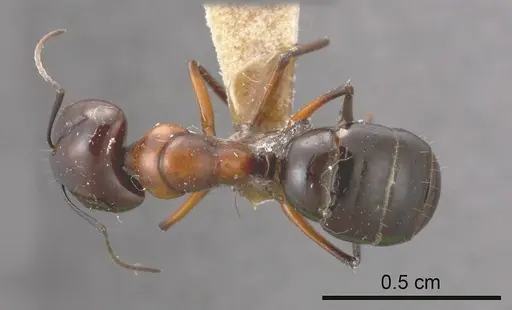
CASENT0923525
View on AntWeb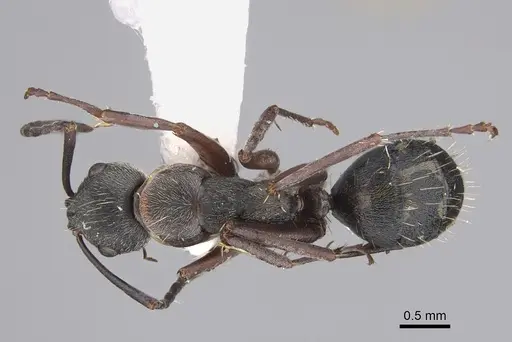
JDM32-000950
View on AntWeb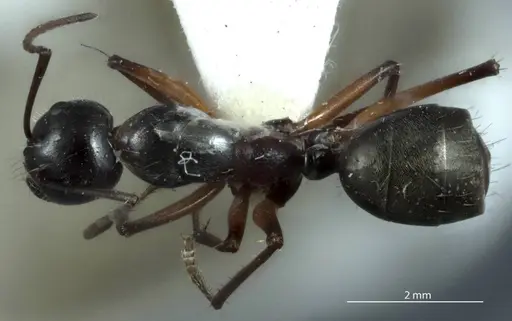
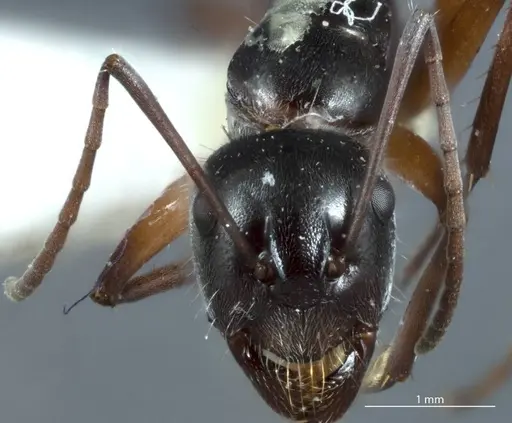
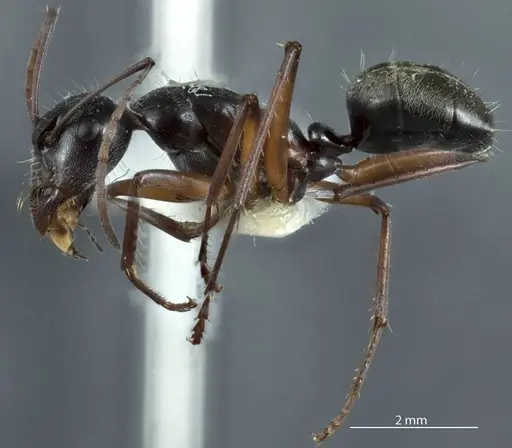
JDM32-000954
View on AntWeb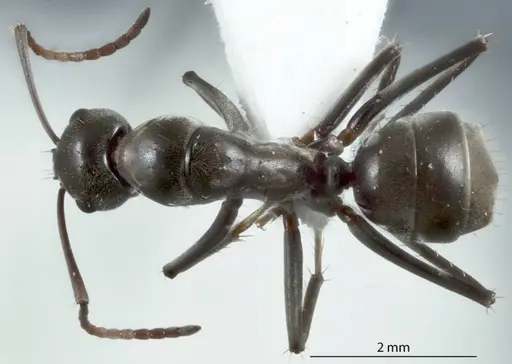
Literature
Loading...Loading products...