

Camponotus cemeryi
- Scientific Name
- Camponotus cemeryi
- Subgenus
- Myrmosaga
- Tribe
- Camponotini
- Subfamily
- Formicinae
- Author
- Özdikmen, 2010
- Distribution
- Found in 1 countries
Camponotus cemeryi Overview
Camponotus cemeryi is an ant species of the genus Camponotus. It is primarily documented in 1 countries , including Madagascar. Detailed taxonomic data and occurrence records can be further explored via authoritative databases such as AntWeb or the Global Biodiversity Information Facility (GBIF).
Camponotus cemeryi
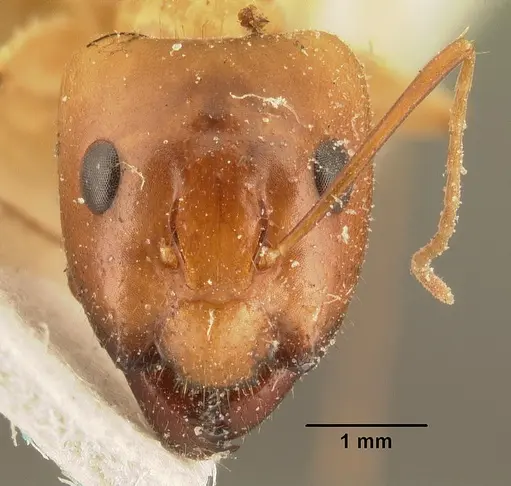
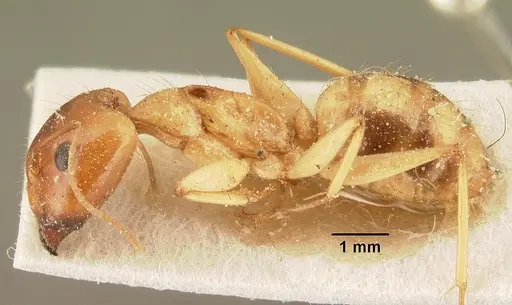
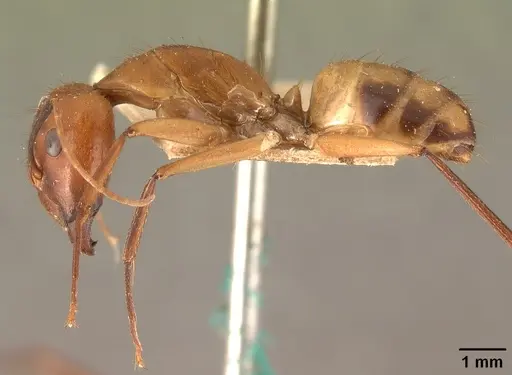
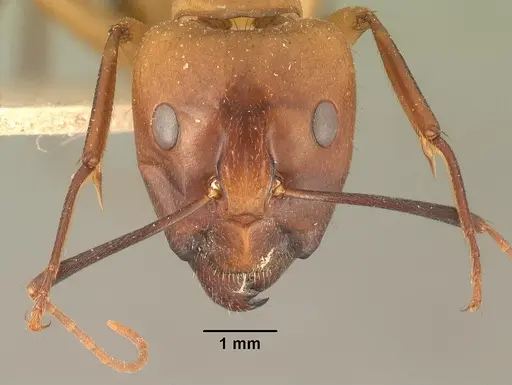
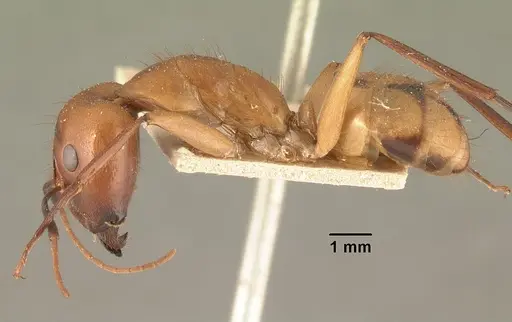
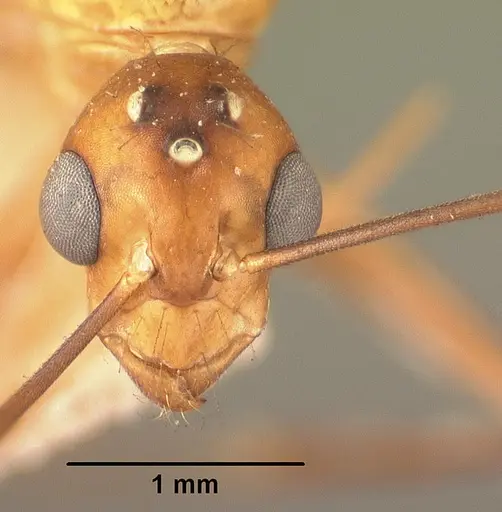
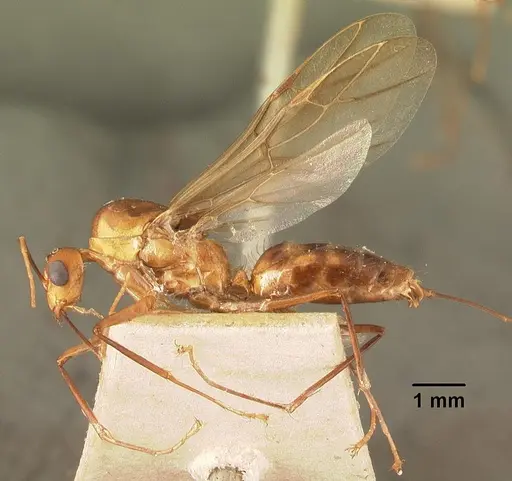
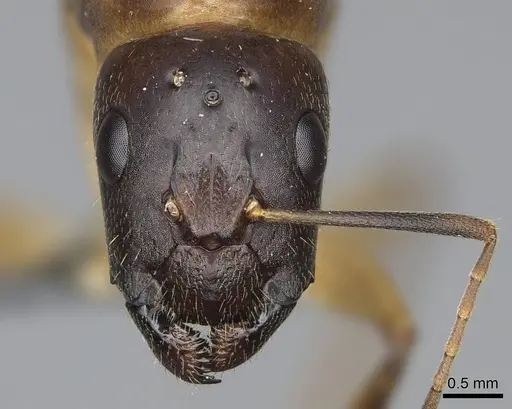
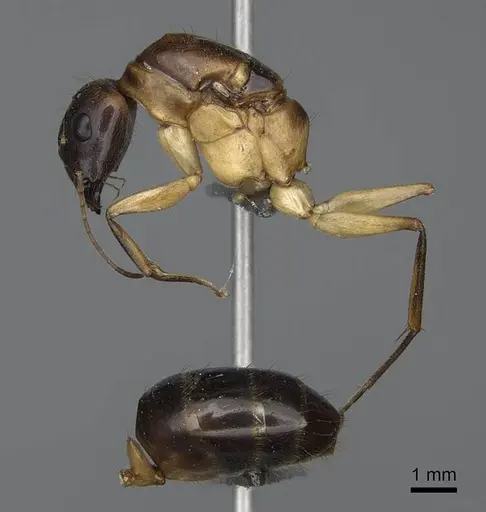
Camponotus cemeryi is a medium-sized carpenter ant native to Madagascar. Workers are yellowish to brown with a distinctive short and high mesosoma (the middle body section). Minor workers are smaller with parallel head sides, while major workers have enlarged heads typical of Camponotus. The antennal scape has erect hairs, and the mesosoma has a strongly convex dorsal outline that helps distinguish this species from similar Malagasy Camponotus. This ant inhabits the dry forests and spiny forests of western Madagascar, as well as savannah shrubland on the central plateau. It forages primarily on the forest floor and nests in rotten logs, under stones, in the ground, and in rotting tree stumps.
Quick Summary
- Difficulty: Medium
- Origin & Habitat: Madagascar, dry forest, spiny forest, savannah shrubland, and woodland of the central plateau. Also found in gallery forest and transitional forest between dry and humid forests. May colonize human-modified habitats on the high plateau [1].
- Colony Type: Likely monogyne (single queen) based on typical Camponotus patterns. Colony founding is claustral, the queen seals herself in and lives off stored fat reserves until her first workers hatch.
- Colony: Monogyne
- Founding: Claustral
- Size & Growth:
- Queen: Estimated 12-16mm based on Camponotus genus
- Worker: Minor: 4-7mm, Major: 8-12mm [1]
- Colony: Estimated several hundred workers based on typical Camponotus colony sizes
- Growth: Moderate, typical for Camponotus genus
- Development: Estimated 6-10 weeks based on typical Camponotus development at warm temperatures (Development time depends on temperature, warmer conditions within acceptable range speeds development)
- Antkeeping:
- Temperature: Keep at 24-28°C. This species comes from warm Madagascar habitats, so provide a gentle temperature gradient. A heating cable on one side of the nest creates a preferred temperature zone.
- Humidity: Moderate, they inhabit dry forests but also transitional forests. Keep nest substrate slightly moist but allow some drying between waterings. Provide a water tube for drinking water.
- Diapause: Unknown for this specific species. Many Madagascar ants do not require true hibernation but may slow down during cooler periods. Monitor colony activity and reduce feeding if they become less active.
- Nesting: Provide a naturalistic setup with rotten wood, or use a Y-tong (AAC) nest with chambers scaled to their size. They accept test tube setups but prefer wood-based nests since they naturally nest in rotting logs and stumps [1].
- Behavior: These ants are relatively docile and not particularly aggressive. Workers forage on the forest floor, so they will search for food in the outworld. Major workers can crack larger prey items. Escape prevention should be good since they are moderate-sized ants, but always use barriers as a precaution. They are primarily nocturnal or crepuscular foragers based on their forest floor foraging behavior [1].
- Common Issues: colonies may fail if kept too cold, maintain warm temperatures, wild-caught colonies may have parasites that need treatment, overfeeding can lead to mold in nest setups, queen loss during founding stage is common, ensure minimal disturbance, dry conditions can cause brood death, monitor substrate moisture
Housing and Nest Setup
Camponotus cemeryi naturally nests in rotting logs, tree stumps, and under stones. In captivity, they do well in Y-tong (AAC) nests or naturalistic setups with wood pieces. Test tube setups work for founding colonies but may need transitioning to larger setups as the colony grows. Provide a water tube or moist cotton as a water source. Since they forager on the forest floor, ensure the outworld has enough space for them to search for food. Use a substrate like soil or sand in the outworld to encourage natural foraging behavior. [1]
Feeding and Diet
Like other Camponotus species, C. cemeryi is omnivorous. Workers collect honeydew from aphids and other homopterans in the wild, so offer sugar water or honey as a carbohydrate source. For protein, provide insects like fruit flies, small crickets, mealworms, and other arthropods. Major workers can handle larger prey items. Feed protein 2-3 times per week and keep sugar water available at all times. Remove uneaten prey after 24-48 hours to prevent mold. [1]
Temperature and Seasonal Care
This species comes from warm Madagascar habitats, so keep the nest area at 24-28°C. A heating cable on one side of the nest creates a temperature gradient that lets the ants choose their preferred zone. Place the heating on top of the nest, not underneath, to avoid excessive drying. While their exact diapause requirements are unknown, reduce feeding and slightly lower temperatures (by 2-4°C) during winter months if the colony shows reduced activity. Do not let temperatures drop below 18°C for extended periods. [1]
Colony Development
A claustral queen will seal herself into a founding chamber and not leave until her first workers (nanitics) emerge. The founding process typically takes 6-10 weeks depending on temperature. Nanitics are smaller than normal workers but the colony will grow quickly once workers are established. Major workers develop as the colony matures and can be expected once the colony reaches 50+ workers. Colonies can eventually reach several hundred workers. Be patient during the founding stage, minimal disturbance is critical.
Behavior and Temperament
Camponotus cemeryi is relatively docile compared to some other carpenter ants. Workers are primarily ground foragers, searching for honeydew and small invertebrates on the forest floor. They are not aggressive defenders but will spray formic acid if threatened. Major workers have stronger mandibles and can handle larger prey. The colony will establish clear foraging trails once established. They are moderately active and will explore their outworld regularly. [1]
Frequently Asked Questions
How long does it take for Camponotus cemeryi to have first workers?
Expect first workers (nanitics) to emerge in 6-10 weeks after the queen lays eggs, depending on temperature. Warmer temperatures within their range (24-28°C) speed up development.
What do Camponotus cemeryi ants eat?
They are omnivorous. Offer sugar water or honey constantly for carbohydrates, and protein sources like fruit flies, small crickets, or mealworms 2-3 times per week.
What temperature do Camponotus cemeryi need?
Keep them at 24-28°C. A heating cable on part of the nest creates a gradient they can choose from.
Are Camponotus cemeryi good for beginners?
They are medium difficulty. They are more forgiving than some species but need warm temperatures and proper humidity. They are a good intermediate species.
Do Camponotus cemeryi need hibernation?
Their exact diapause requirements are unknown. Many Madagascar ants do not require true hibernation but may slow down in cooler weather. Monitor your colony and adjust care accordingly.
What size colony do Camponotus cemeryi reach?
They likely reach several hundred workers based on typical Camponotus colony sizes.
Can I keep multiple Camponotus cemeryi queens together?
This species is likely single-queen (monogyne). Combining unrelated queens is not recommended as they likely will fight.
Why is my Camponotus cemeryi colony dying?
Common causes include temperatures too cold (below 18°C), too dry conditions, overfeeding causing mold, or parasites from wild-caught colonies. Ensure proper warmth, humidity, and clean feeding practices.
References

This caresheet is licensed under CC BY-SA 4.0 .
CASENT0101104
View on AntWeb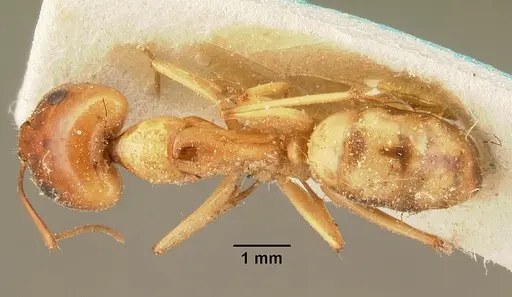
CASENT0101848
View on AntWeb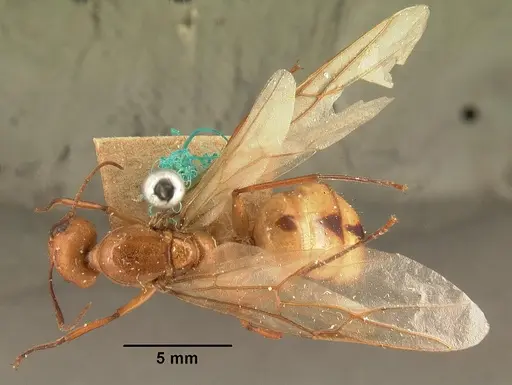
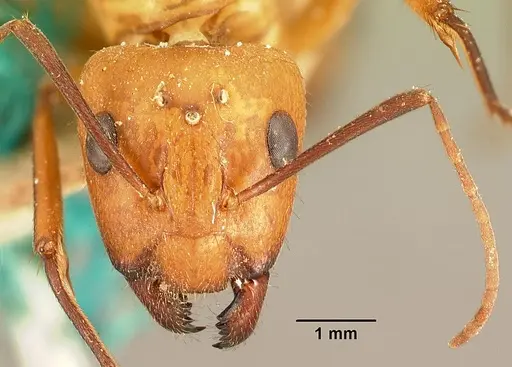
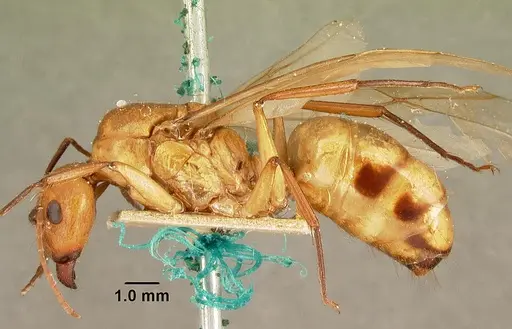
CASENT0101868
View on AntWeb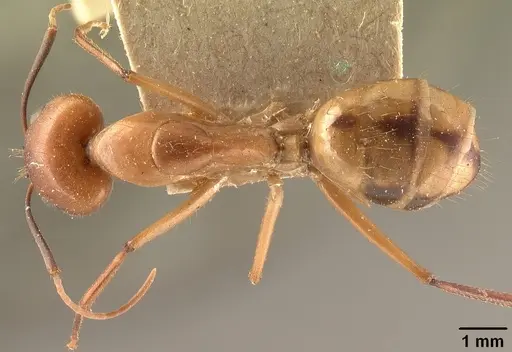
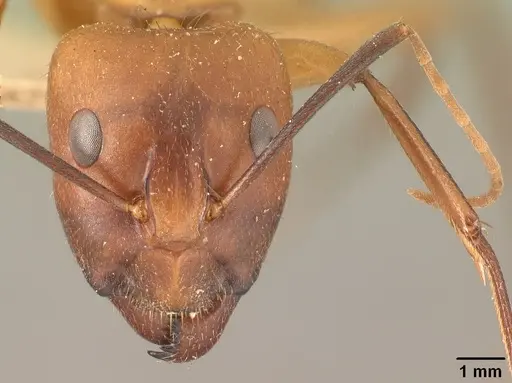
CASENT0101894
View on AntWeb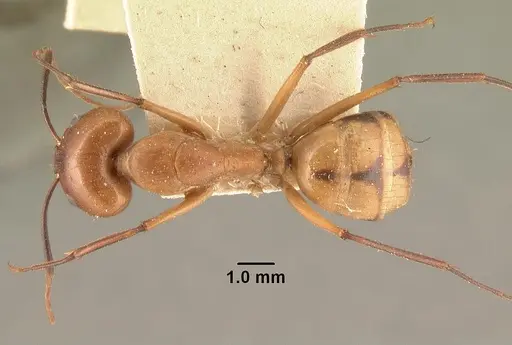
CASENT0101911
View on AntWeb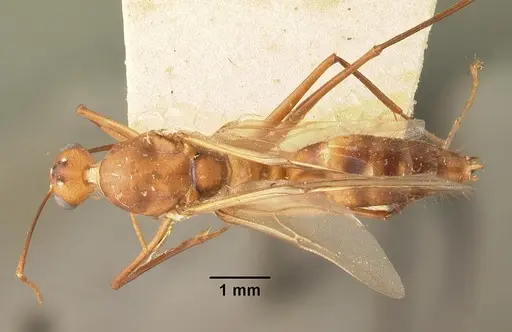
CASENT0209233
View on AntWeb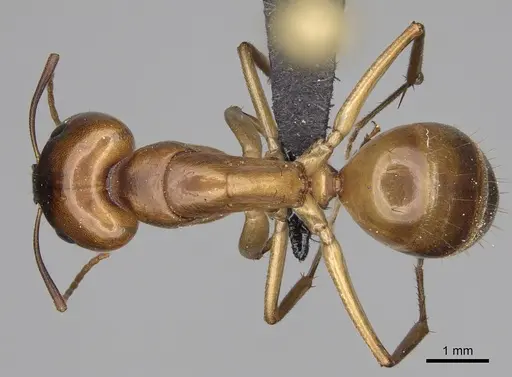
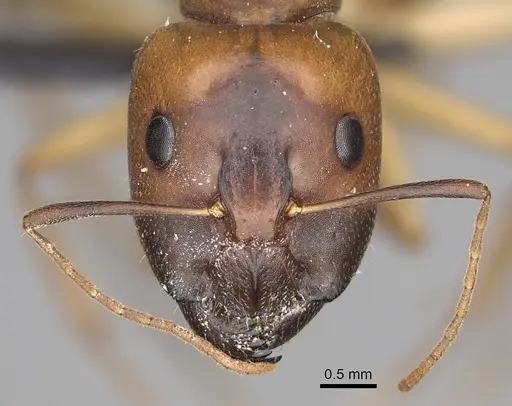
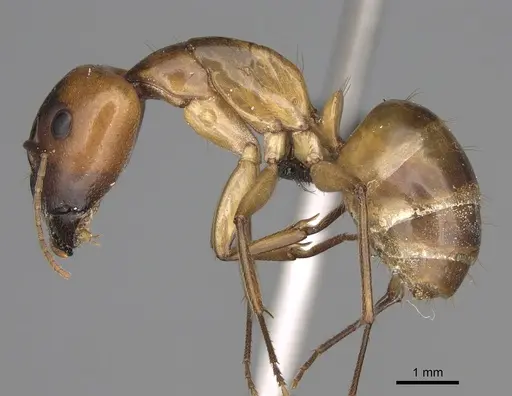
CASENT0217306
View on AntWeb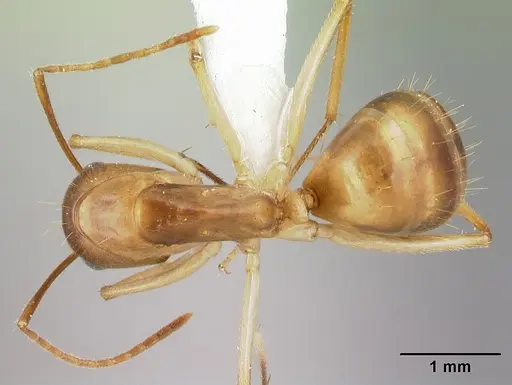
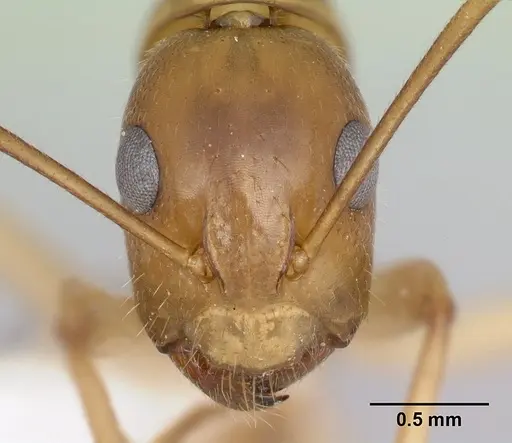
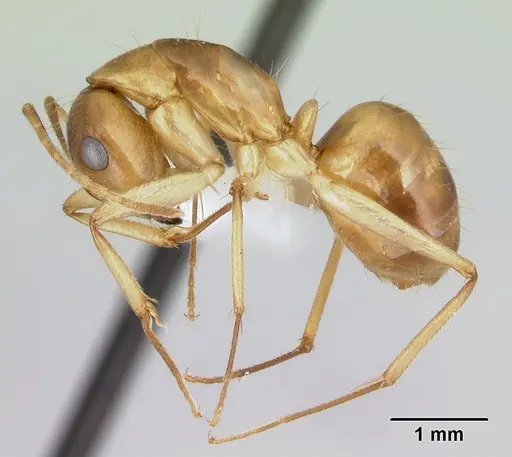
CASENT0723368
View on AntWeb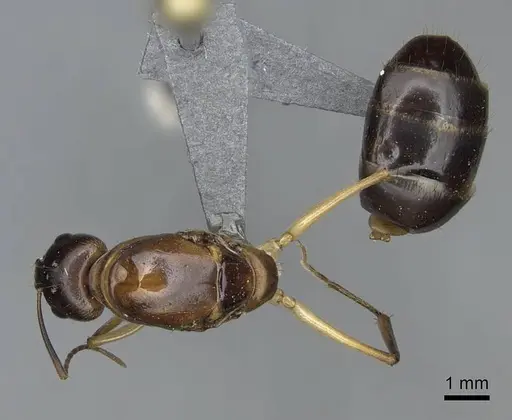
Literature
Loading...Loading products...