

Camponotus capperi
- Scientific Name
- Camponotus capperi
- Subgenus
- Myrmeurynota
- Tribe
- Camponotini
- Subfamily
- Formicinae
- Author
- Forel, 1899
- Distribution
- Found in 1 countries
Camponotus capperi Overview
Camponotus capperi is an ant species of the genus Camponotus. It is primarily documented in 1 countries , including Jamaica. Detailed taxonomic data and occurrence records can be further explored via authoritative databases such as AntWeb or the Global Biodiversity Information Facility (GBIF).
Camponotus capperi
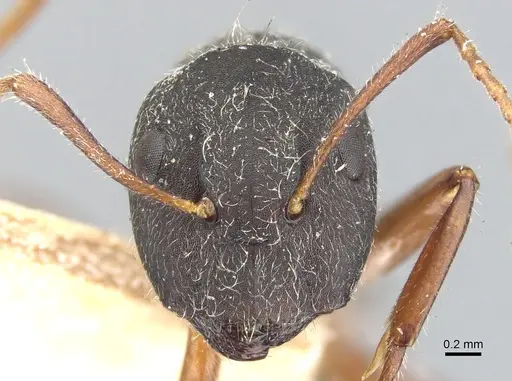
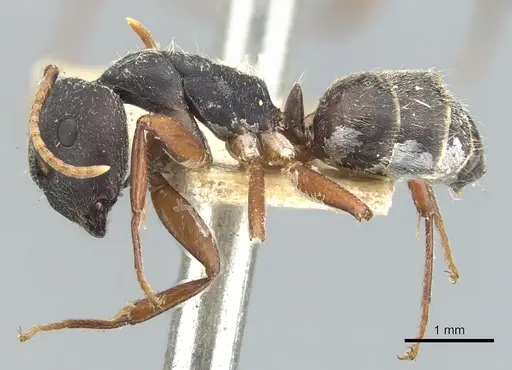
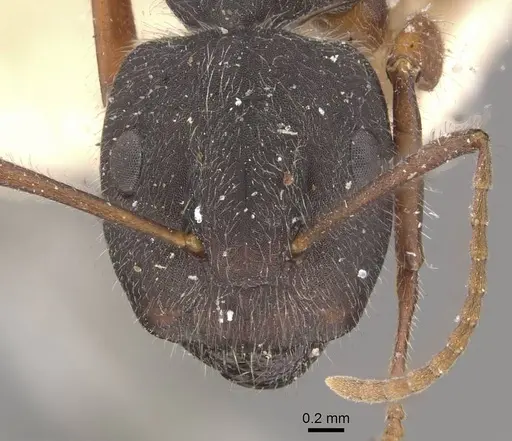
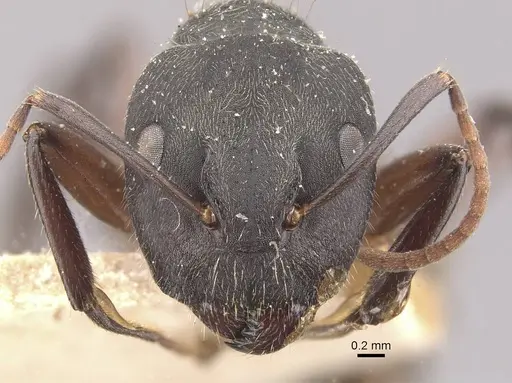
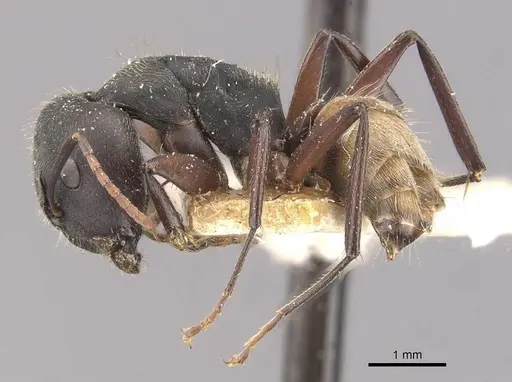
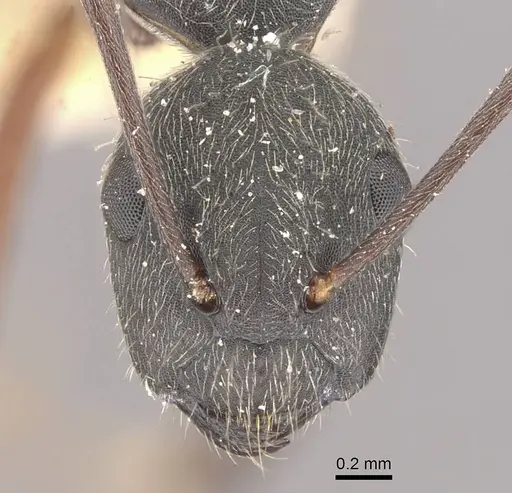
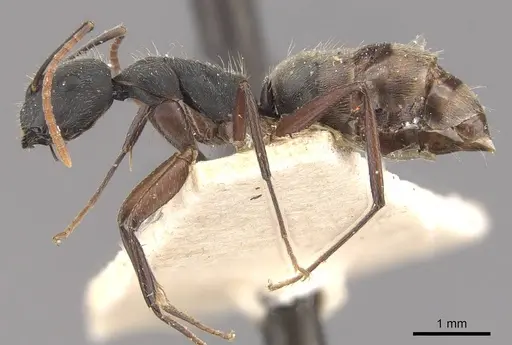
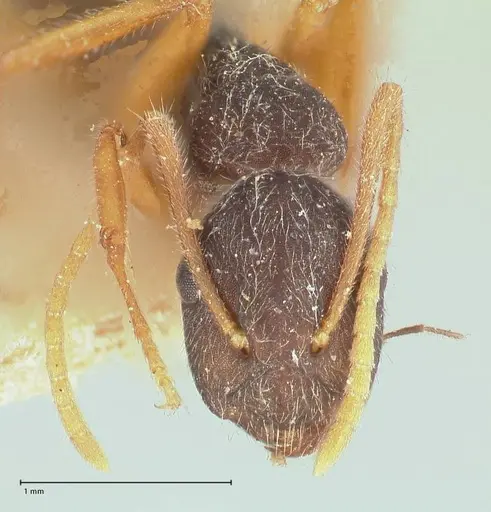
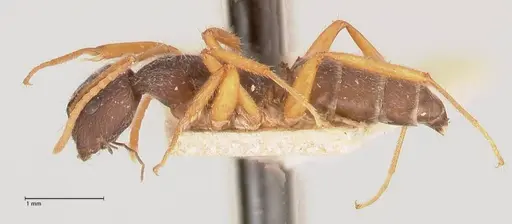
Camponotus capperi is a small Caribbean carpenter ant native to Jamaica. Workers measure 4.6-5.5mm and have a distinctive appearance, they're mostly black with reddish-brown abdomens, thighs, and funicles, plus each abdominal segment has a yellowish band near the tip [1]. This species belongs to the subgenus Myrmaphaenus and shows the typical polymorphism of Camponotus, with larger major workers and smaller minor workers. As a tropical ant from Jamaica, they prefer warm, humid conditions year-round and do not require hibernation. Their small size and attractive coloration make them an interesting species for antkeepers seeking something different from the common temperate carpenter ants.
Quick Summary
- Difficulty: Medium
- Origin & Habitat: Jamaica, Greater Antilles, a Caribbean island tropical environment [1][2]
- Colony Type: Colony structure is unconfirmed for this species. Based on typical Camponotus patterns, likely single-queen (monogyne) colonies with polymorphic workers.
- Founding: Claustral
- Size & Growth:
- Queen: Unknown, not described in available literature
- Worker: 4.6-5.5mm [1]
- Colony: Unknown, no colony size data available
- Growth: Moderate, typical for small Camponotus species
- Development: Estimated 6-8 weeks at optimal temperature based on genus patterns for small Camponotus species (Development time is inferred from related Camponotus species, specific data for C. capperi is not available)
- Antkeeping:
- Temperature: Keep at 24-28°C, they are tropical ants from Jamaica and need warmth year-round. A heating cable on one side of the nest creates a gradient allowing workers to regulate their temperature.
- Humidity: Maintain moderate to high humidity, around 60-80%. These are tropical forest ants that prefer damp conditions. Keep the nest substrate consistently moist but not waterlogged.
- Diapause: No, as a tropical species from Jamaica, they do not require hibernation. Keep them at warm temperatures year-round.
- Nesting: In captivity, standard formicarium setups work well, acrylic nests, Y-tong nests, or plaster nests. They prefer tight chambers scaled to their small size. A water tube for humidity is recommended.
- Behavior: Workers are active foragers that search for sugar sources and protein. Like most Camponotus, they are generally non-aggressive toward keepers but will defend their nest if threatened. They have the typical carpenter ant ability to chew through soft materials but won't damage hard plastic or glass. Escape risk is moderate, their small size means they can fit through small gaps, so ensure escape prevention is adequate.
- Common Issues: tropical species need constant warmth, cold temperatures below 20°C can slow or stop brood development, small size means escapes are possible through tiny gaps, check all connections and use proper barriers, humidity must be maintained, drying out can kill developing brood, limited availability in the antkeeping hobby since they're only found in Jamaica, colony growth may be slow initially, patience is needed during the founding phase
Housing and Nest Setup
Camponotus capperi does well in standard formicarium setups. Acrylic nests, Y-tong nests, or plaster nests all work well for this species. The key is providing appropriately scaled chambers, these are small ants at 4.6-5.5mm, so tighter passages and smaller chambers are better than large open spaces. Include a water tube or hydration system to maintain humidity, as tropical ants need consistent moisture. A test tube setup works for founding colonies, then transition to a proper formicarium once the colony reaches 20-30 workers. Outworld space should be simple but allow for foraging, a small container connected to the nest works fine. [1][2]
Feeding and Diet
Like other Camponotus species, C. capperi accepts a varied diet. Offer sugar water, honey, or diluted maple syrup as a constant carbohydrate source. For protein, provide small insects like fruit flies, small mealworms, or cricket pieces. They are not specialized predators, so standard ant feeding protocols apply. Feed protein 2-3 times per week, and keep sugar water available at all times. Remove uneaten protein after 24-48 hours to prevent mold. Fresh water should always be available. [2]
Temperature and Seasonal Care
As a Jamaican tropical species, Camponotus capperi needs warm temperatures year-round. Keep the nest area between 24-28°C for optimal brood development. Temperatures below 20°C can significantly slow or stop brood development, and prolonged cold can be fatal. A small heating cable placed on one end of the nest creates a temperature gradient that lets workers choose their preferred zone. No hibernation or diapause is needed, maintain warm conditions throughout the year. Room temperature in most homes (20-24°C) may be slightly cool, so consider supplemental heating. [1][2]
Colony Development and Growth
The founding phase follows typical Camponotus patterns. A claustral queen seals herself in a small chamber and lays eggs without leaving to forage. She relies on stored fat reserves to survive and feed the first brood. This phase typically lasts 4-6 weeks before the first workers (nanitics) emerge. Nanitics are usually smaller than normal workers but will help the colony grow. After the nanitics arrive, the colony enters a growth phase where it gradually expands. The development time from egg to worker is estimated at 6-8 weeks at optimal temperature based on related Camponotus species. Growth rate is moderate, faster than large carpenter ants but slower than some tropical species. [1]
Frequently Asked Questions
How long does it take for Camponotus capperi to have first workers?
The founding phase typically takes 4-6 weeks before nanitics (first workers) emerge. Total egg-to-worker development is estimated at 6-8 weeks at optimal temperature, based on genus patterns for small Camponotus species.
Do Camponotus capperi ants need hibernation?
No. As a tropical species from Jamaica, they do not require hibernation. Keep them warm year-round at 24-28°C.
What do Camponotus capperi ants eat?
They eat standard ant fare: sugar water, honey, or maple syrup for carbohydrates, and small insects like fruit flies or mealworms for protein. Keep sugar available at all times and offer protein 2-3 times weekly.
How big do Camponotus capperi colonies get?
Colony size data is not available for this species. Based on their small worker size (4.6-5.5mm), colonies likely reach several hundred workers rather than the thousands seen in larger Camponotus species.
Are Camponotus capperi good for beginners?
They are rated as Medium difficulty. The main challenges are maintaining proper tropical warmth year-round and their limited availability since they're only found in Jamaica. If you can provide consistent heat and humidity, they're a manageable species.
When should I move my Camponotus capperi colony to a formicarium?
Keep them in a test tube setup during the founding phase. Once the colony reaches 20-30 workers and the test tube becomes crowded, you can transition them to a proper formicarium with multiple chambers.
Can I keep multiple Camponotus capperi queens together?
Colony structure is unconfirmed for this species. Based on typical Camponotus patterns, they likely form single-queen colonies. Combining unrelated queens is not recommended without evidence they accept multiple queens.
References

This caresheet is licensed under CC BY-SA 4.0 .
CASENT0217622
View on AntWeb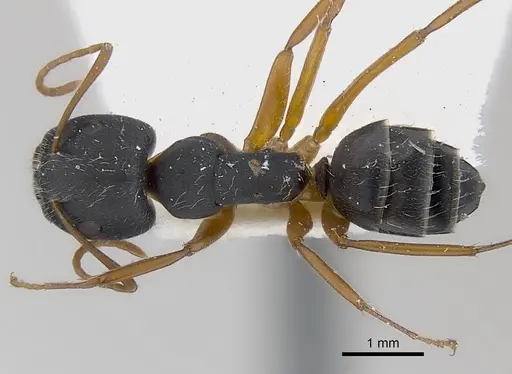
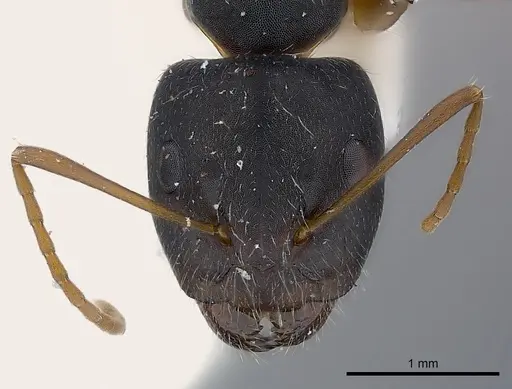
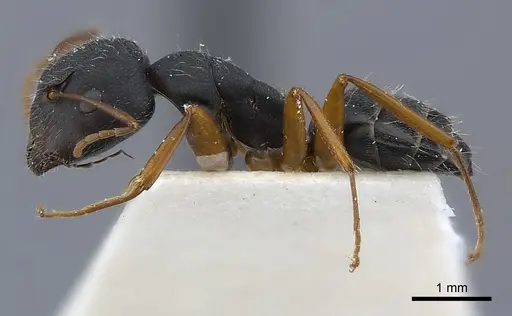
CASENT0903613
View on AntWeb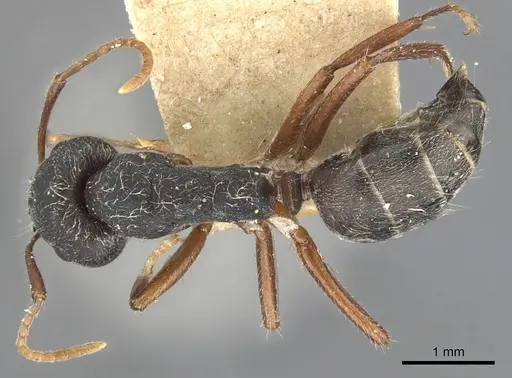
CASENT0910650
View on AntWeb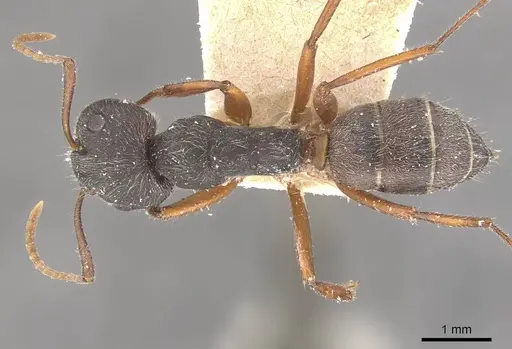
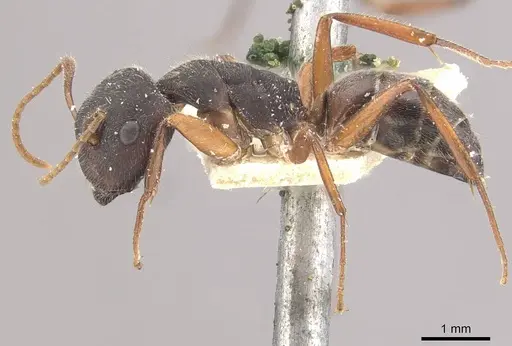
CASENT0910651
View on AntWeb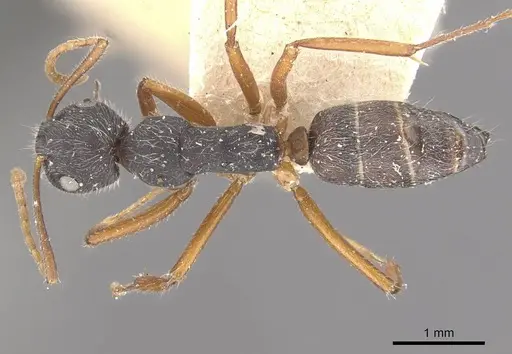
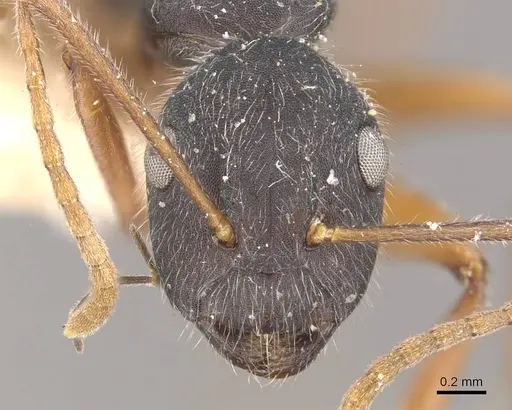
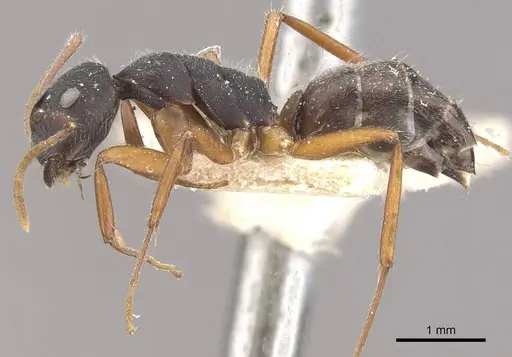
CASENT0910652
View on AntWeb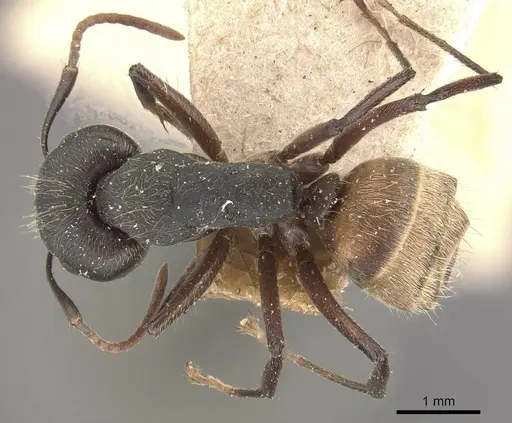
CASENT0910653
View on AntWeb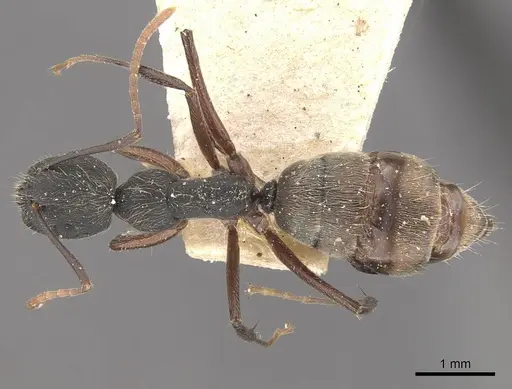
FOCOL0720
View on AntWeb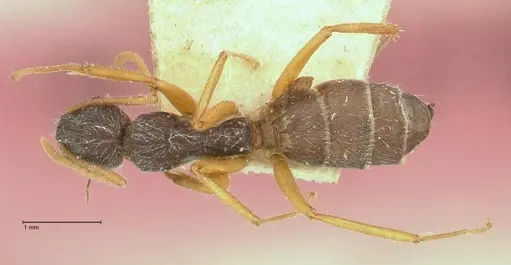
Literature
Loading...Loading products...