

Camponotus caesar
- Scientific Name
- Camponotus caesar
- Subgenus
- Myrmoxygenys
- Tribe
- Camponotini
- Subfamily
- Formicinae
- Author
- Forel, 1886
- Distribution
- Found in 4 countries
Camponotus caesar Overview
Camponotus caesar is an ant species of the genus Camponotus. It is primarily documented in 4 countries , including Angola, Congo, Democratic Republic of the. Detailed taxonomic data and occurrence records can be further explored via authoritative databases such as AntWeb or the Global Biodiversity Information Facility (GBIF).
Camponotus caesar
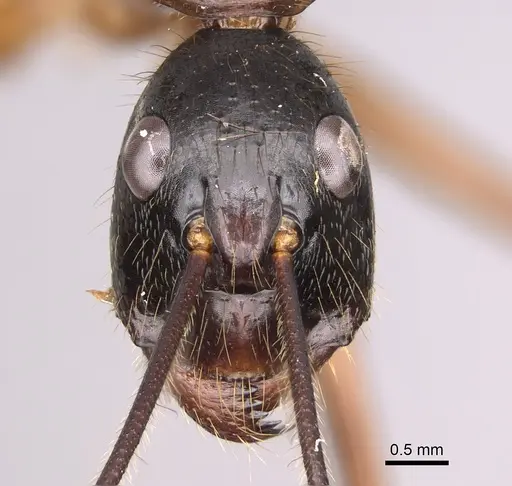
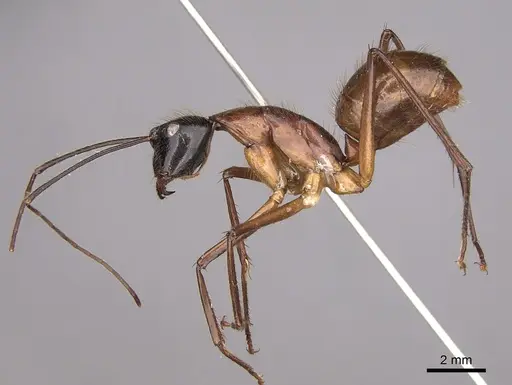
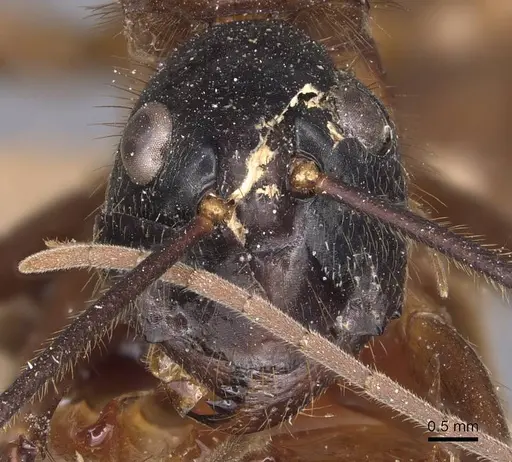
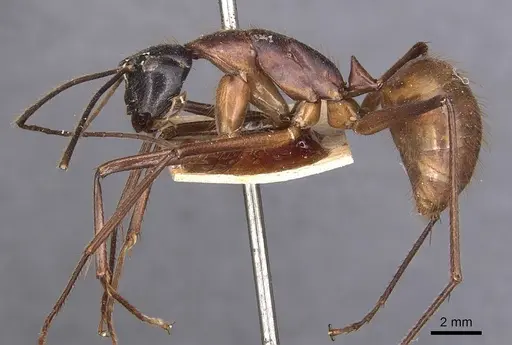
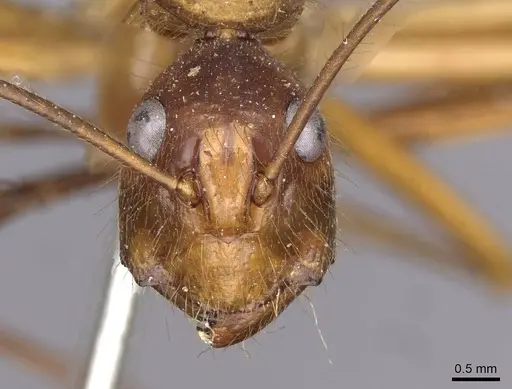
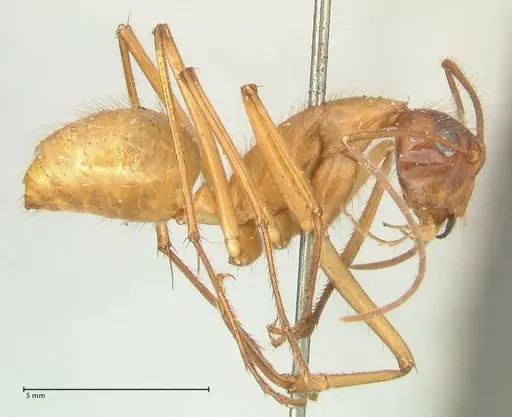
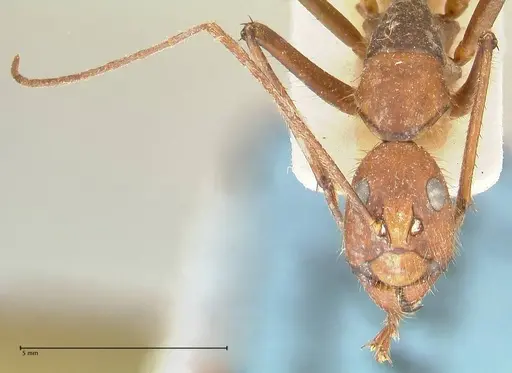
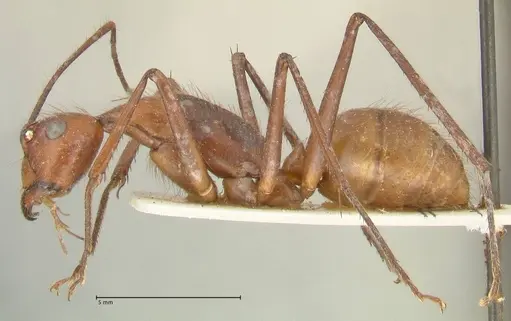
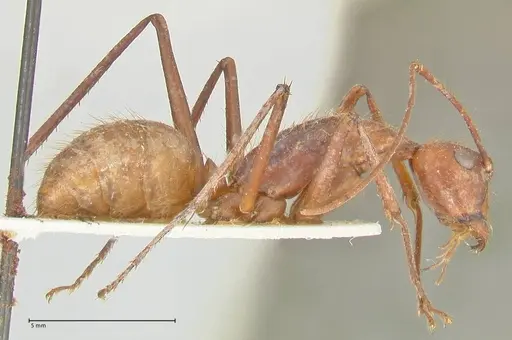
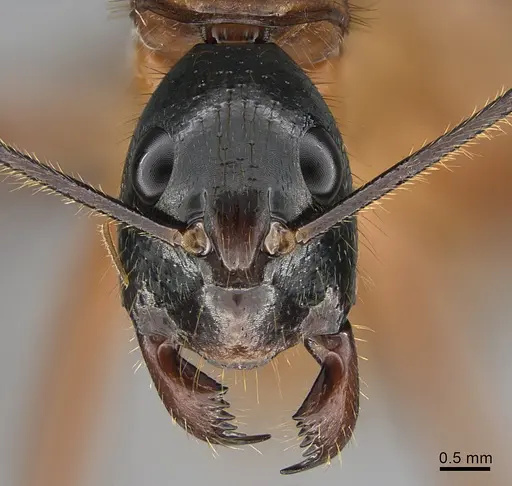
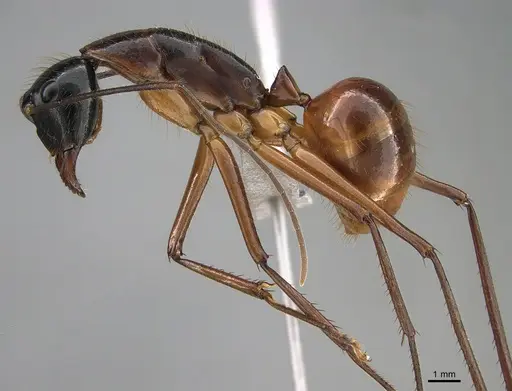
Camponotus caesar is a medium-sized African carpenter ant species described by Forel in 1886. Workers are characterized by having a black head, with the thorax only slightly darker than the abdomen, and antennae scapes and funicles matching the thorax coloration [1]. This species belongs to the subgenus Myrmoxygenys and is found across central Africa, including Angola, the Democratic Republic of Congo, Guinea, and Rwanda [2][3]. The species reaches at least 1737m elevation in Rwanda, suggesting adaptability to varied altitudes within tropical regions [4]. Camponotus caesar represents a relatively understudied African species in the antkeeping hobby, with limited documented research on its specific biology and behavior.
Quick Summary
- Difficulty: Medium
- Origin & Habitat: Central Africa (Angola, Democratic Republic of Congo, Guinea, Rwanda). Found in tropical forest habitats at elevations up to 1737m [4]. The species has been collected from lowland and mid-highland areas in West and Central African regions [1].
- Colony Type: Likely monogyne (single queen colonies) based on typical Camponotus patterns. Colony structure has not been directly documented for this species.
- Colony: Monogyne
- Founding: Claustral
- Size & Growth:
- Queen: Estimated 12-16mm based on typical Camponotus queen size ranges
- Worker: Estimated 5-12mm (minor to major workers) based on genus patterns
- Colony: Unknown, likely several hundred workers based on typical Camponotus colony development
- Growth: Moderate, typical for tropical Camponotus species
- Development: Estimated 6-8 weeks at optimal tropical temperatures (25-28°C), based on typical Camponotus development (Development time is estimated from related Camponotus species, direct measurements for C. caesar are not available)
- Antkeeping:
- Temperature: Keep at 24-28°C. Based on African tropical distribution, they prefer warm conditions. A heating cable on one side of the nest creates a suitable gradient
- Humidity: Moderate humidity (50-70%). Provide a water tube for moisture access. Keep the nest substrate slightly moist but not waterlogged
- Diapause: Not required. As a tropical African species, they do not need hibernation. However, a slight cooling period (18-20°C) during winter months may be beneficial if room temperature drops significantly
- Nesting: Y-tong (AAC) nests or plaster nests work well. In nature, they likely nest in rotting wood or under stones, typical of Camponotus. Provide a dark nesting area with compact chambers
- Behavior: Camponotus caesar is expected to show typical carpenter ant behavior, generally calm temperament with moderate aggression when defending the nest. Workers are likely nocturnal or crepuscular foragers. As with most Camponotus, they are not aggressive stingers but may bite if threatened. Their moderate size makes escape prevention important but not as critical as with tiny ants. They likely forage for honeydew and small insects.
- Common Issues: limited documented care information makes specific guidance uncertain, tropical species may struggle in cool or dry environments, slow founding phase, queens may take months to raise first workers, wild-caught colonies may have parasites or diseases, moderate size means standard escape prevention measures are sufficient
Housing and Nest Setup
Camponotus caesar can be housed in standard ant keeping setups. Y-tong (AAC) nests work excellently for this species, providing the dark, compact chambers that carpenter ants prefer. Plaster nests with water channels for humidity control are also suitable. For the outworld, a simple foraging area with a sugar water feeder and protein food dish is sufficient. Use a test tube setup for the founding queen, a small test tube with a cotton ball creating a water reservoir works well for claustral queens. Once the colony reaches 20-30 workers, you can consider moving to a formicarium, though many keepers successfully keep founding colonies in test tube setups for extended periods. Ensure the nesting area remains dark and undisturbed during the founding phase.
Feeding and Diet
Like most Camponotus species, Camponotus caesar is omnivorous and will accept a variety of foods. Offer sugar water or honey as a constant energy source, they readily consume carbohydrates for worker activity and colony growth. For protein, offer small insects such as fruit flies, small crickets, or mealworms. In nature, they likely forage for honeydew from aphids and scale insects, plus small arthropods. Feed the colony 2-3 times per week with protein, and keep sugar water available at all times. Remove uneaten protein after 24-48 hours to prevent mold. Workers will typically forage primarily at night or during dim lighting conditions.
Temperature and Seasonal Care
As a tropical African species, Camponotus caesar prefers warm temperatures in the range of 24-28°C. This can be achieved using a heating cable placed on one side of the nest, creating a temperature gradient that allows ants to self-regulate. Place the heating element on top of the nest to avoid excessive drying. Room temperature within this range is acceptable without additional heating. Unlike temperate species, they do not require a true hibernation period. However, if your room temperature drops significantly below 20°C during winter, a brief cool period at 18-20°C may help simulate natural seasonal changes. Avoid temperatures below 15°C for extended periods. Maintain moderate humidity of 50-70% by providing a water tube and occasional misting of the outworld.
Colony Development and Growth
Camponotus caesar follows typical claustral founding behavior, the queen seals herself in a chamber and raises the first brood alone using stored fat reserves. Expect the first nanitic (first-generation) workers to emerge in approximately 6-8 weeks at optimal temperatures. These initial workers will be smaller than mature workers. Colony growth is initially slow but accelerates once the first workers begin foraging. A healthy colony may reach several hundred workers over 1-2 years under good conditions. Major workers (larger workers with enlarged heads) typically appear once the colony reaches 50+ workers. Be patient during the founding phase, disturbing the queen or moving the nest during this period often leads to colony failure.
Behavior and Temperament
Camponotus caesar displays typical carpenter ant behavior, they are generally calm and not overly aggressive. Workers will defend the nest if threatened but are not prone to aggressive swarming. They are likely nocturnal or crepuscular foragers, becoming more active during evening and night hours. Workers communicate using chemical trails and may form foraging columns to food sources. Unlike some ant species, they do not possess a painful sting, though larger workers may bite if handled roughly. Their moderate size makes them relatively easy to contain with standard ant keeping barriers. They are not known for being particularly escape-prone compared to smaller species.
Frequently Asked Questions
How long does it take for Camponotus caesar to raise first workers?
Expect first workers (nanitics) to emerge in approximately 6-8 weeks at optimal temperatures of 25-28°C. This is typical for Camponotus species. The founding phase requires patience, do not disturb the queen during this period.
What temperature do Camponotus caesar ants need?
Keep them at 24-28°C. As a tropical African species, they prefer warm conditions. A heating cable on the nest can help maintain optimal temperatures, especially in cooler rooms.
Do Camponotus caesar ants need hibernation?
No, they do not require hibernation. As a tropical species from central Africa, they are active year-round. A slight temperature reduction to 18-20°C during winter is acceptable if your room gets cool, but is not necessary.
What do Camponotus caesar ants eat?
They are omnivorous. Offer sugar water or honey constantly for carbohydrates, and protein sources like small insects (fruit flies, small crickets, mealworms) 2-3 times per week.
Are Camponotus caesar good for beginners?
They are moderate difficulty. While sturdier than many tropical species, the limited documented care information makes them slightly more challenging than well-studied species. They require warm temperatures and proper humidity but are otherwise forgiving of minor mistakes.
How big do Camponotus caesar colonies get?
Based on typical Camponotus patterns, colonies likely reach several hundred workers over 1-2 years. Maximum colony size is not documented but probably ranges from 300-800 workers.
Can I keep multiple Camponotus caesar queens together?
This is not recommended. Camponotus caesar is likely monogyne (single queen colonies). Combining unrelated queens has not been documented and typically leads to fighting.
When should I move Camponotus caesar to a formicarium?
Wait until the colony has 20-30 workers and the founding test tube setup becomes crowded. Moving too early can stress the colony. Ensure the formicarium has appropriately sized chambers.
Why is my Camponotus caesar colony not growing?
Common causes include temperatures that are too low (below 24°C), insufficient protein feeding, disturbance during founding, or low humidity. Check that the queen is still laying eggs and that workers are actively foraging.
References

This caresheet is licensed under CC BY-SA 4.0 .
CASENT0175521
View on AntWeb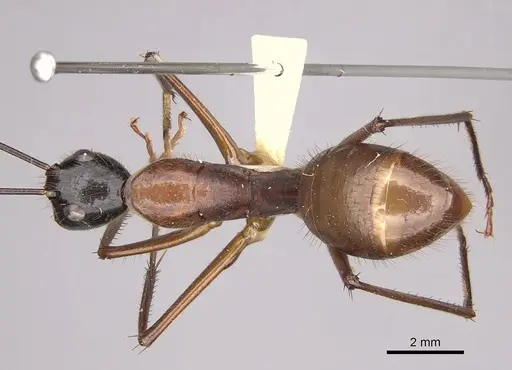
CASENT0905187
View on AntWeb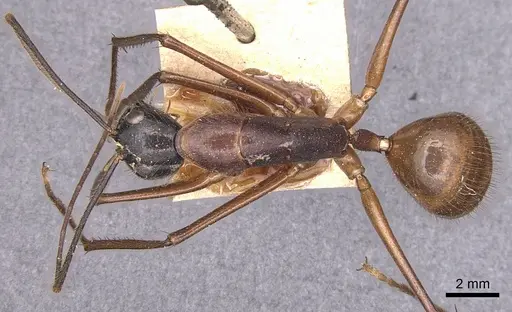
CASENT0909948
View on AntWeb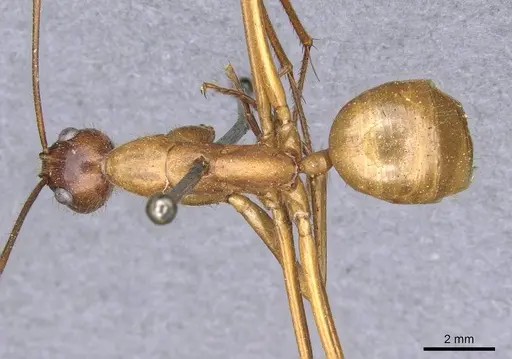
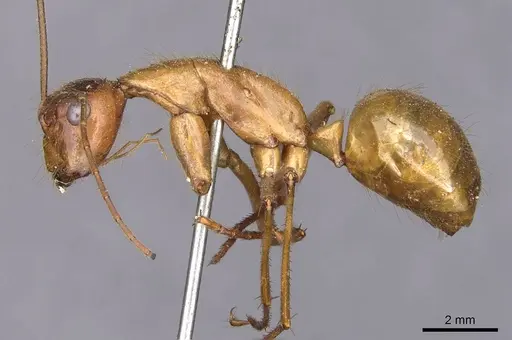
FOCOL2346
View on AntWeb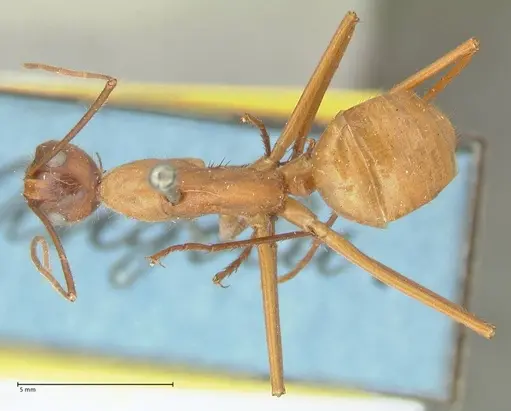
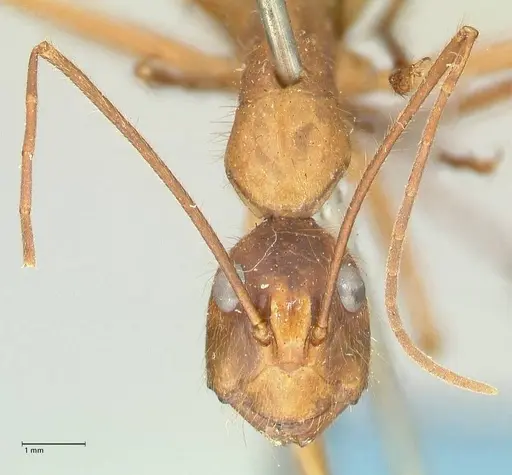
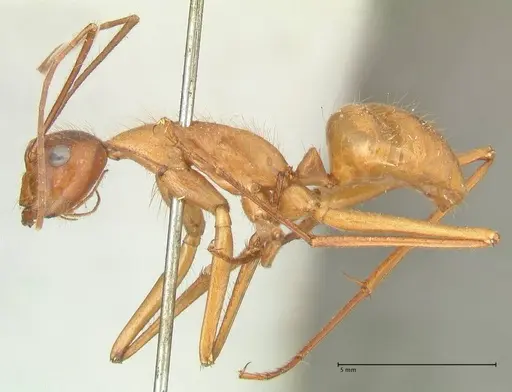
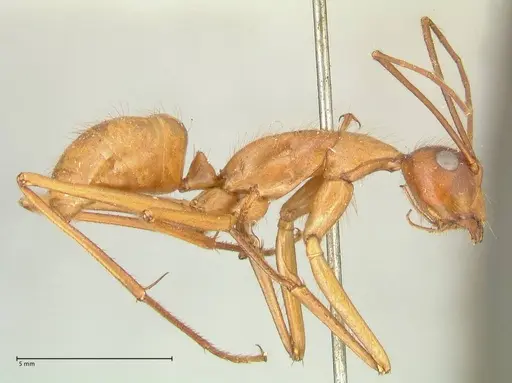
FOCOL2347
View on AntWeb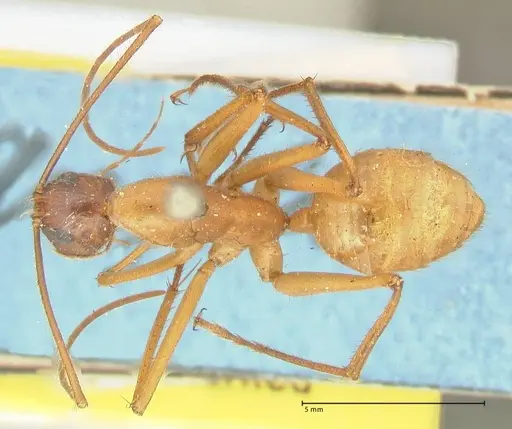
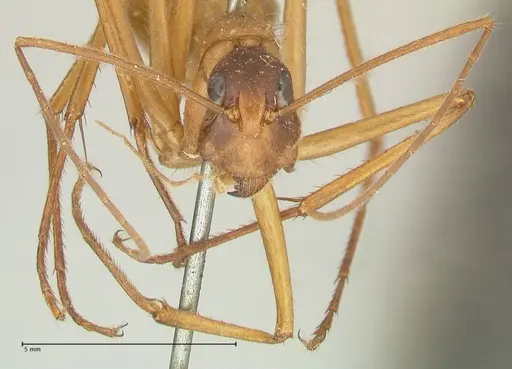
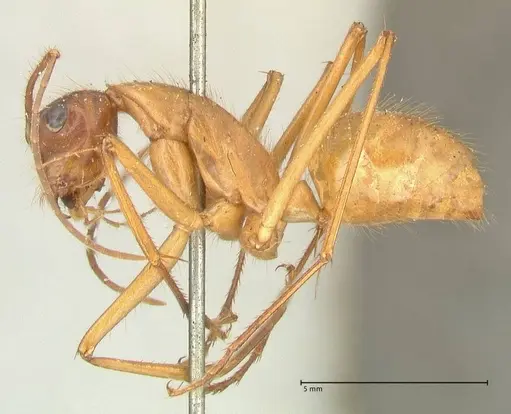
FOCOL2349
View on AntWeb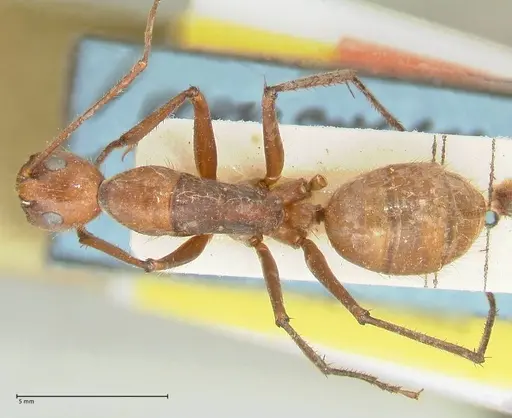
RBINS-ET00220
View on AntWeb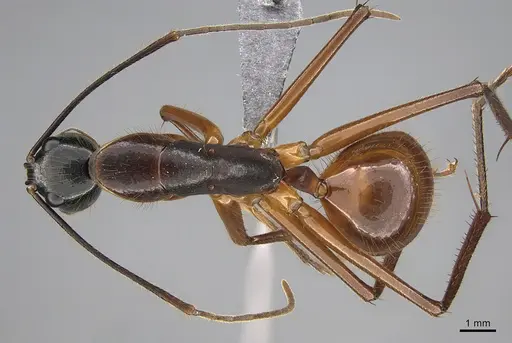
Literature
Loading...Loading products...