

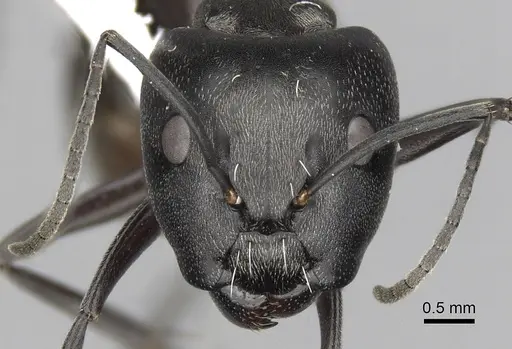
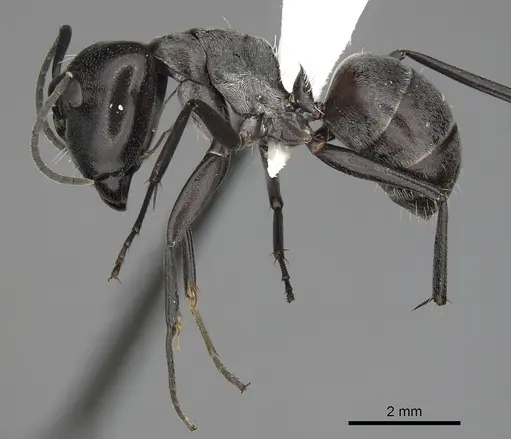
Camponotus burgeoni
- Scientific Name
- Camponotus burgeoni
- Subgenus
- Myrmacrhaphe
- Tribe
- Camponotini
- Subfamily
- Formicinae
- Author
- Santschi, 1926
- Distribution
- Found in 1 countries
Camponotus burgeoni Overview
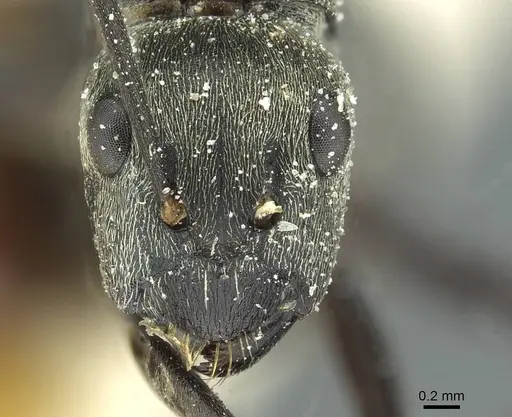
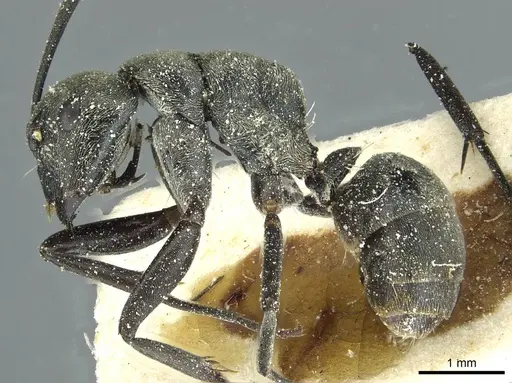
Camponotus burgeoni is an ant species of the genus Camponotus. It is primarily documented in 1 countries , including Gabon. Detailed taxonomic data and occurrence records can be further explored via authoritative databases such as AntWeb or the Global Biodiversity Information Facility (GBIF).
Camponotusargeoni
Camponotusargeoni is a carpenter ant species endemic to the Democratic Republic of Congo, specifically found in the Haut-Uelé and Kasai regions [1]. Like other Camponotus species, these are large ants with the characteristic elbowed antennae and constricted waist typical of the genus. Workers are polymorphic, meaning they come in different sizes, major workers are larger and handle heavier tasks while minor workers are more numerous and handle foraging and brood care. Queens are significantly larger than workers, as is typical for claustral-founding Camponotus species. This is a tropical African species from a region with warm, humid conditions year-round.
Quick Summary
- Difficulty: Medium
- Origin & Habitat: Endemic to the Democratic Republic of Congo, found in Haut-Uelé and Kasai provinces [1]. The region features tropical forest and woodland habitats with warm temperatures and seasonal rainfall patterns.
- Colony Type: Likely single-queen colonies based on typical Camponotus patterns. Camponotus species typically establish monogyne colonies where one founding queen establishes a territory and raises her first workers alone.
- Colony: Monogyne
- Founding: Claustral
- Size & Growth:
- Queen: Estimated 12-16mm based on typical Camponotus morphology
- Worker: 5-12mm (polymorphic, major and minor workers)
- Colony: Likely several hundred to a few thousand workers at maturity based on genus patterns
- Growth: Moderate, typical for Camponotus
- Development: Estimated 6-10 weeks based on typical Camponotus development at warm temperatures (Development time depends on temperature, warmer conditions (24-28°C) accelerate growth while cooler temperatures slow it down)
- Antkeeping:
- Temperature: Keep at 24-28°C, this is a tropical species that prefers warm conditions. A heating cable on one side of the nest creates a gradient allowing ants to self-regulate.
- Humidity: Maintain moderate to high humidity (60-80%). This species comes from a tropical region with humid conditions. Keep the nest substrate consistently moist but not waterlogged.
- Diapause: No, as a tropical species from equatorial Africa, they do not require hibernation. Keep them at warm temperatures year-round.
- Nesting: In nature, Camponotus typically nest in rotting wood, under bark, or in soil cavities. In captivity, Y-tong (AAC) nests, plaster nests, or naturalistic setups with wood pieces work well. Provide damp substrate for brood chambers.
- Behavior: Camponotus are generally docile carpenter ants. They are not aggressive toward keepers and rarely sting. Workers are active foragers that search for sugar sources and protein. Major workers can deliver a mild bite if threatened, but this species is considered non-aggressive. Escape prevention should be moderate, while not the smallest ants, they can still escape through gaps. They are primarily nocturnal or crepuscular in activity patterns.
- Common Issues: humidity control is critical, too dry and brood dies, too wet and mold becomes a problem, colonies grow slowly during the first few months which can frustrate beginners, test tube setups must have proper water reservoir size, too much water floods the colony, wild-caught queens may have parasites that cause colony failure, queen isolation during founding is critical, disturbance can cause abandonment
Nest Preferences
In the wild, Camponotusargeoni nests in rotting wood, under loose bark, or in soil cavities in tropical forest areas. For captive care, provide a nest that maintains humidity while allowing some ventilation. Y-tong (AAC) nests work well because they provide dark chambers and allow you to control moisture levels. Plaster nests are another excellent option, they hold humidity naturally and can be moistened periodically. If using a naturalistic setup, include damp soil or coco peat substrate and pieces of rotting wood or bark for the ants to nest in. The nest should have chambers large enough for the colony to expand but not so large that the queen feels exposed. Keep the nest in a quiet area with minimal disturbance, especially during the founding stage.
Feeding and Diet
Camponotus are omnivorous and will accept a variety of foods. Provide a constant sugar source, sugar water (1:3 ratio sugar to water), honey diluted with water, or commercial ant nectar. For protein, offer small insects like fruit flies, small crickets, mealworms, or waxworms. Feed protein 2-3 times per week, removing any uneaten prey after 24 hours. Fresh killed insects are better than live for most captive setups as they can't escape. Some Camponotus species accept seeds or plant matter, but protein and sugar should form the core diet. Always ensure fresh water is available, a small water tube with a cotton wick works well.
Temperature and Care
As a tropical species from the Democratic Republic of Congo, Camponotusargeoni requires warm temperatures year-round. Keep the nest area at 24-28°C for optimal brood development. Use a heating cable or small heat mat on one side of the nest to create a temperature gradient, this allows ants to move to warmer or cooler areas as needed. Never let temperatures drop below 20°C for extended periods. Room temperature (22-24°C) is acceptable but may slow growth slightly. Monitor colony behavior, if workers cluster near the heat source, increase temperature slightly, if they avoid it and stay in cooler areas, reduce heat. Avoid placing the nest in direct sunlight as this can cause dangerous temperature spikes and drying.
Behavior and Temperament
Camponotusargeoni is a docile species that poses no real threat to keepers. Workers are not aggressive and will only bite if directly handled or threatened. The bite is mild and not medically significant. These ants are primarily nocturnal or crepuscular, they become most active in the evening and night hours. Workers forage individually rather than in groups, searching for sugar sources and protein. Major workers (the larger ants) handle nest defense and cutting tasks while minor workers handle brood care and foraging. The colony will establish a territory within the nest and expand as the population grows. They are not known for being escape artists, but always use secure barriers as a precaution.
Frequently Asked Questions
How long does it take for Camponotusargeoni to have first workers?
Expect first workers (nanitics) to emerge around 6-10 weeks after the queen lays eggs, assuming temperatures of 24-28°C. Cooler temperatures will slow this significantly. The queen will remain sealed in her chamber until the first workers emerge, living entirely on her stored fat reserves.
Can I keep Camponotusargeoni in a test tube?
Yes, test tubes work well for founding colonies. Use a standard test tube setup with a water reservoir sealed with cotton. The queen will seal herself in one end and you can connect a second tube with food once workers emerge. Transfer to a proper nest (Y-tong or plaster) when the colony reaches 20-30 workers.
What temperature do Camponotusargeoni need?
Keep them at 24-28°C. This is a tropical species that requires warm conditions year-round. A small heating cable on part of the nest creates a gradient for self-regulation.
Are Camponotusargeoni good for beginners?
They are moderate difficulty, easier than some exotic species but requiring more attention than common temperate ants. Their slow initial growth and specific temperature needs make them better suited for keepers with some experience, but dedicated beginners can succeed.
How big do Camponotusargeoni colonies get?
Based on typical Camponotus patterns, colonies likely reach several hundred to a few thousand workers at maturity. Growth is moderate and depends on proper feeding and temperature.
Do Camponotusargeoni need hibernation?
No. As a tropical species from equatorial Africa, they do not require hibernation. Keep them warm year-round at 24-28°C.
What do Camponotusargeoni eat?
They are omnivorous. Provide constant sugar (sugar water or honey water) and protein sources (small insects like fruit flies, mealworms, or crickets) 2-3 times per week.
When should I move Camponotusargeoni to a formicarium?
Move them when the colony reaches 20-30 workers in a test tube setup. Earlier transfer may stress the queen, later transfer risks overcrowding. Ensure the new nest has appropriately sized chambers.
Why is my Camponotusargeoni colony dying?
Common causes include: too low temperature (below 20°C), improper humidity (too dry or too wet), disturbance during founding, parasites from wild-caught queens, or mold from poor ventilation. Check each parameter and make adjustments gradually.
References

This caresheet is licensed under CC BY-SA 4.0 .
CASENT0316935
View on AntWeb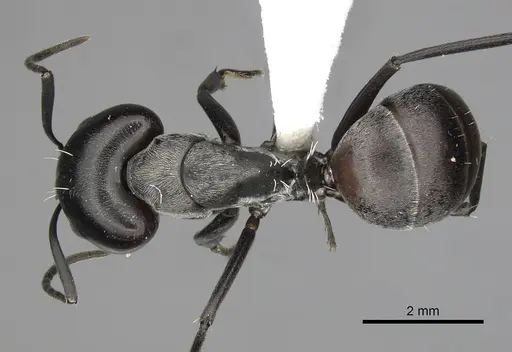
CASENT0316936
View on AntWeb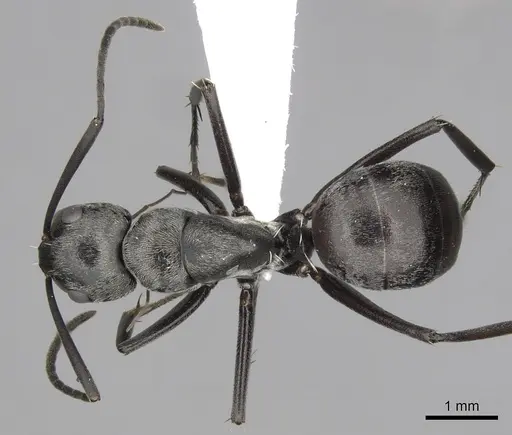
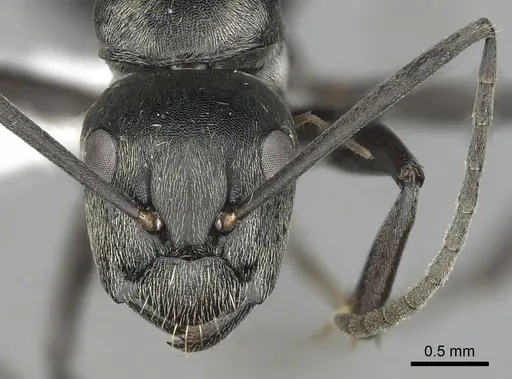
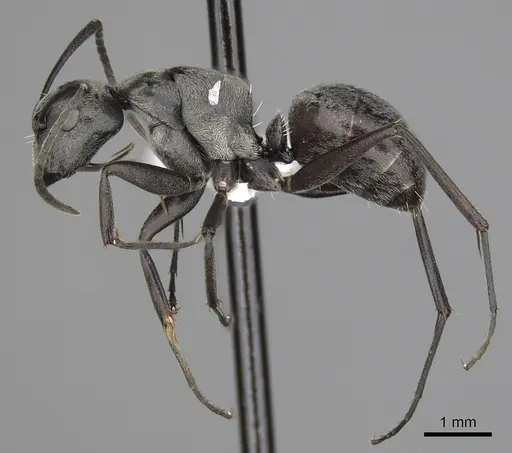
CASENT0316937
View on AntWeb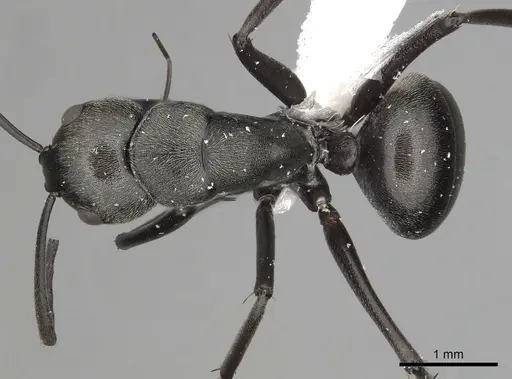
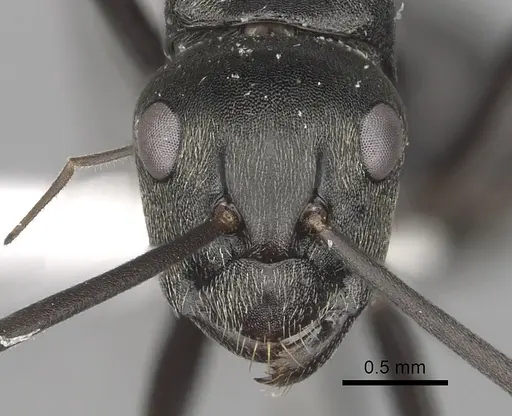
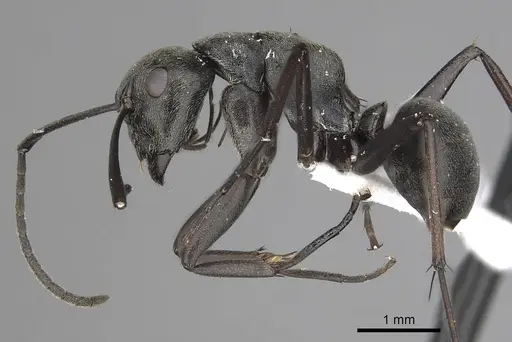
CASENT0316949
View on AntWeb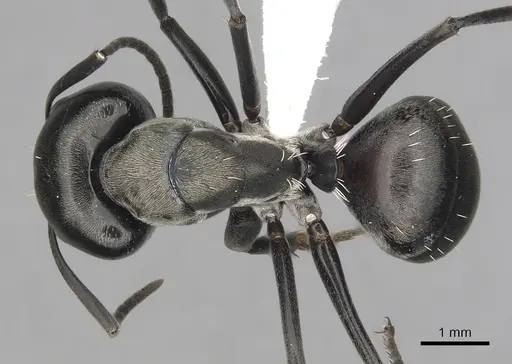
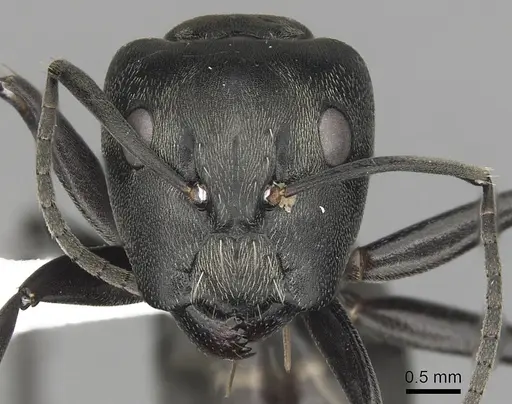
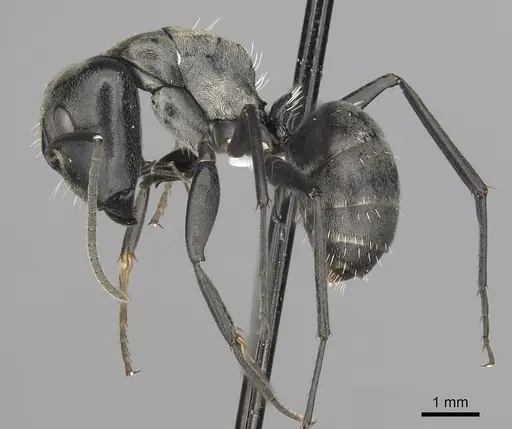
CASENT0911650
View on AntWeb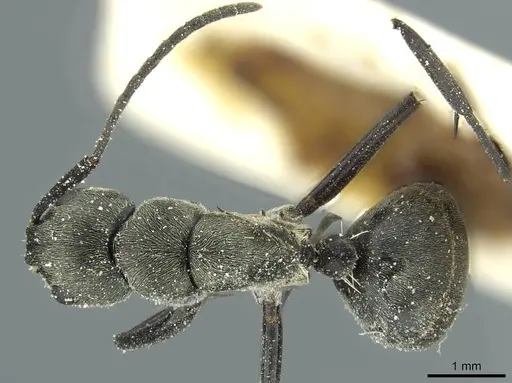
Literature
Loading...Loading products...