

Camponotus bugnioni
- Scientific Name
- Camponotus bugnioni
- Subgenus
- Myrmothrix
- Tribe
- Camponotini
- Subfamily
- Formicinae
- Author
- Forel, 1899
- Distribution
- Found in 2 countries
Camponotus bugnioni Overview
Camponotus bugnioni is an ant species of the genus Camponotus. It is primarily documented in 2 countries , including Colombia, Panama. Detailed taxonomic data and occurrence records can be further explored via authoritative databases such as AntWeb or the Global Biodiversity Information Facility (GBIF).
Camponotus bugnioni
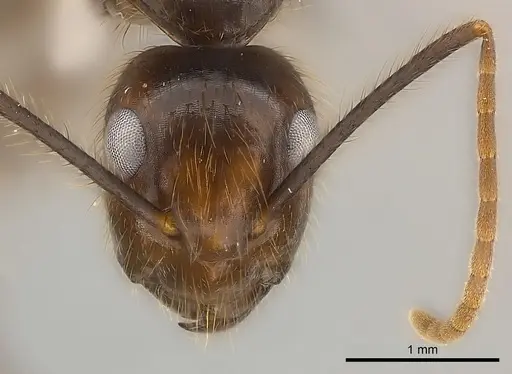
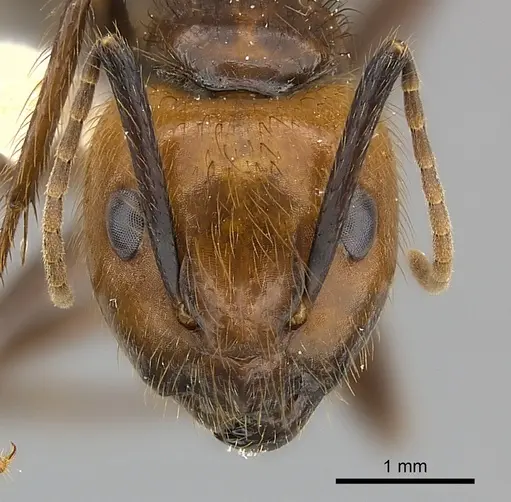
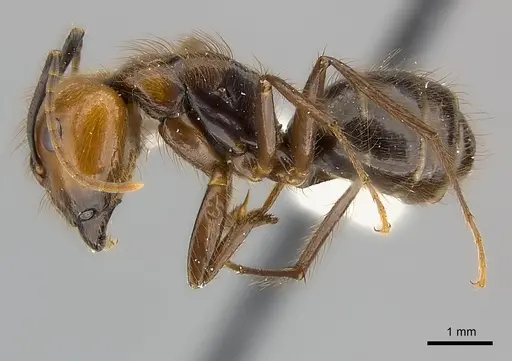
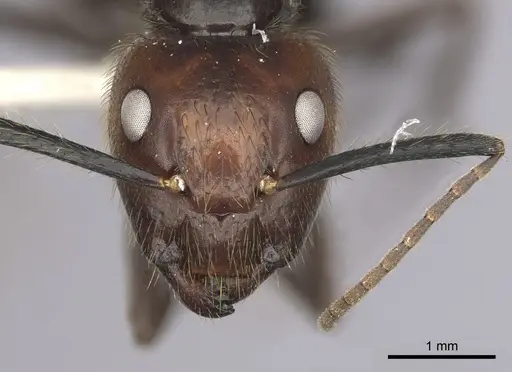
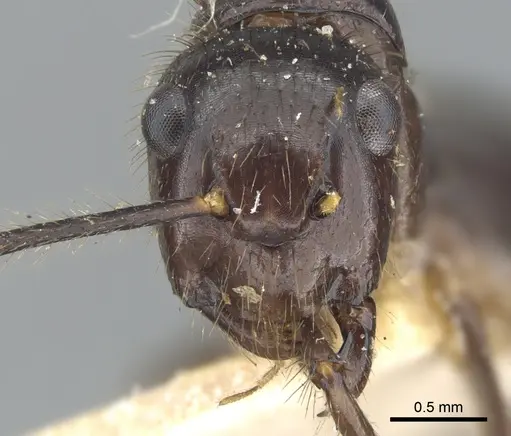
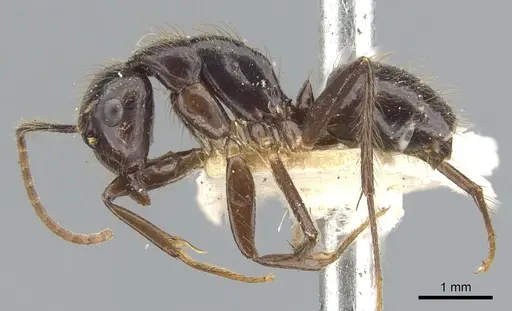
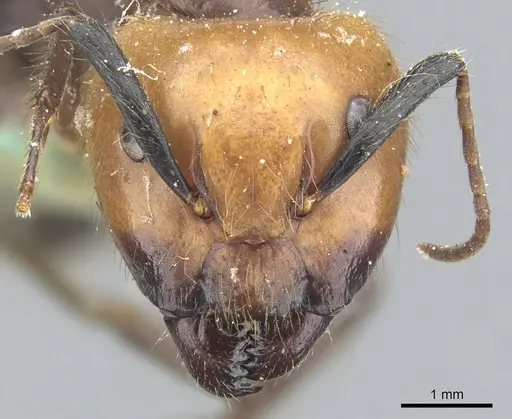
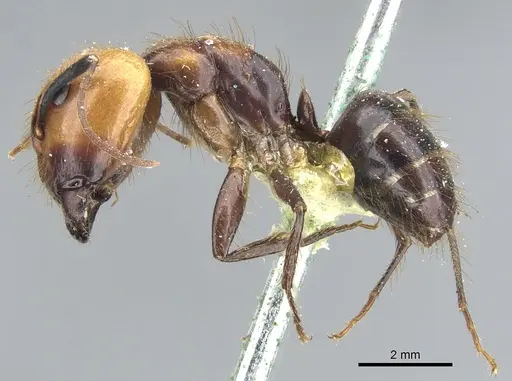
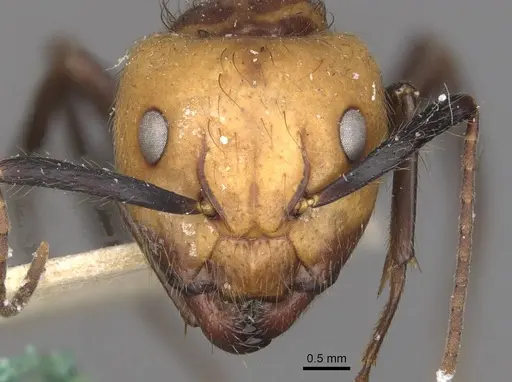
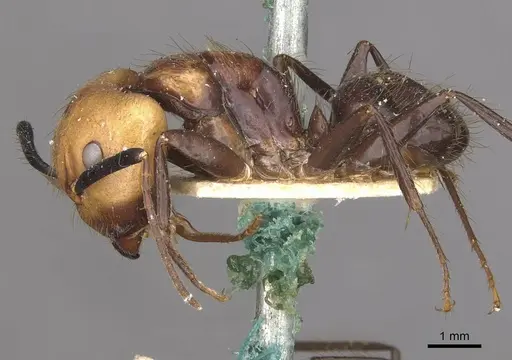
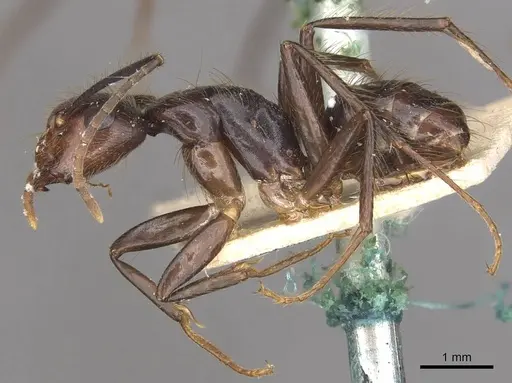
Camponotus bugnioni is a large Neotropical ant species found in Colombia and Panama. Workers are distinctive with a black body and bright red head, making them stand out in the ant-keeping hobby. Major workers have notably enlarged heads, while minors are more slender. The scape (antenna segment) and tibiae (leg segments) are covered in abundant erect hairs, which helps distinguish them from the similar-looking C. atriceps. This species nests in rotting wood in its natural habitat, occasionally found under stones, and is more common in northern parts of Colombia.
Quick Summary
- Difficulty: Medium
- Origin & Habitat: Native to Colombia and Panama, found in the foothills of the Sierra Nevada de Santa Marta and across multiple Colombian departments including Antioquia, Bolívar, Huila, La Guajira, Magdalena, and Santander. They nest in rotting wood and tree cavities, often in softer wood following tree growth ring patterns, at elevations ranging from near sea level to over 1500m [1][2][3][4].
- Colony Type: Monogyne (single-queen colonies). Based on typical Camponotus patterns, queens found colonies alone after nuptial flights.
- Colony: Monogyne
- Founding: Claustral
- Size & Growth:
- Queen: Estimated 14-18mm based on Camponotus genus size range
- Worker: Major workers 10-14mm, minor workers 6-9mm
- Colony: Likely several thousand workers at maturity based on genus typical patterns
- Growth: Moderate, typical for larger Camponotus species
- Development: 6-10 weeks at optimal temperature based on Camponotus genus patterns (Larger Camponotus species typically take longer than smaller ants. First workers (nanitics) are smaller than normal workers.)
- Antkeeping:
- Temperature: Keep at 24-28°C. Being a tropical species, they need warm conditions. A heating cable on one side of the nest creates a gradient allowing ants to regulate their temperature [4].
- Humidity: Moderate to high. They naturally nest in rotting wood which holds moisture. Keep the nest substrate slightly moist but not waterlogged. Provide a water tube for drinking.
- Diapause: No, as a tropical species from low latitudes, they do not require hibernation. Maintain consistent warm temperatures year-round [4].
- Nesting: Y-tong (AAC) nests work well for this species. They also do well in plaster or acrylic nests with chambers sized appropriately for their large workers. Naturalistic setups with rotting wood pieces mimic their natural nesting sites. Avoid dry, overly hard materials, they prefer wood they can excavate [4].
- Behavior: These ants are generally calm and not aggressive toward keepers. Like most Camponotus, they are primarily nocturnal foragers. Workers are moderately active and will search for sugar sources and protein. Major workers can deliver a bite if threatened, though they are not particularly aggressive. Their large size makes escape prevention easier than tiny ants, but ensure enclosures are secure.
- Common Issues: tropical species needs consistent warmth, cold temperatures can slow or stop brood development, nesting in rotting wood means they need humid but not wet conditions, avoid oversaturating the nest, large colony sizes require spacious setups as they mature, wild-caught colonies may harbor parasites, quarantine and monitor new colonies, confusion with C. atriceps is common, verify species identification if purchasing
Housing and Nest Setup
Camponotus bugnioni does well in Y-tong (acrylic) nests, plaster nests, or naturalistic setups. Since they naturally nest in rotting wood, providing some wood material in the nest helps them feel at home. Chamber sizes should accommodate their large workers, tight spaces can stress them, but overly large chambers may make them feel unsafe. A test tube setup works for founding colonies, but be prepared to move them to a larger formicarium as the colony grows. These ants are not escape artists due to their size, but standard escape prevention (fluon on rim edges) is still recommended. [4][1]
Feeding and Diet
Like other Camponotus species, C. bugnioni needs a balanced diet of sugar and protein. Offer sugar water, honey, or diluted maple syrup as a constant sugar source. For protein, provide insects like mealworms, crickets, or other small arthropods. Feed protein 2-3 times per week, and ensure sugar is always available. Remove uneaten prey after 24-48 hours to prevent mold. Larger colonies will consume more food, adjust feeding frequency based on colony size and activity.
Temperature and Humidity
Being a tropical species from Colombia and Panama, these ants need warm conditions. Maintain temperatures between 24-28°C for optimal brood development. A heating cable placed on one side of the nest creates a temperature gradient, allowing ants to move to warmer or cooler areas as needed. For humidity, aim for moderate levels, the nest material should feel slightly moist but never waterlogged. A water tube connected to the nest provides drinking water. Avoid temperatures below 20°C, as this can slow development and weaken the colony. [4]
Colony Development
A newly mated queen will seal herself in a chamber and lay eggs while living on her stored fat reserves, this is called claustral founding. After 4-8 weeks (longer in cooler conditions), the first workers called nanitics will emerge. These initial workers are smaller than normal workers but will immediately begin foraging to feed the colony. Growth is moderate, expect the colony to reach a few hundred workers within the first year under good conditions. Larger colonies of several thousand workers develop over 2-3 years. The queen can live for many years, with Camponotus queens known to live 15+ years in some cases.
Seasonal Care
Unlike temperate species, C. bugnioni does not require hibernation or diapause. They are active year-round when kept warm. Maintain consistent temperatures throughout the year. If your room temperature drops below 24°C in winter, consider using a small heater or heating mat. These ants are from a tropical climate and do not tolerate cold well. Keep them away from air conditioning vents, drafty windows, or any area where temperatures might fluctuate dramatically. [4]
Identification Tips
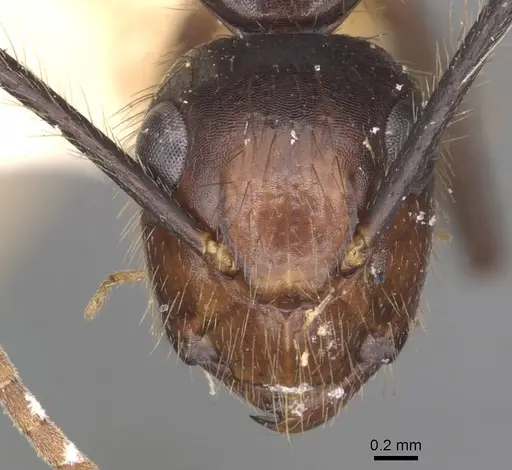
Camponotus bugnioni is often confused with the similar-looking C. atriceps. The key distinguishing feature is color: C. bugnioni has a distinctly red head while C. atriceps typically has a darker, more brownish-black head. Both species have abundant erect hairs on the scape and tibiae, which is a characteristic of the subgenus Myrmothrix. When identifying your ants, examine the head color of major workers carefully. If purchasing from a seller, ask for specific identification to ensure you have the correct species. [4]
Frequently Asked Questions
How long does it take for Camponotus bugnioni to produce first workers?
Expect 6-10 weeks from egg to first worker at optimal temperatures (24-28°C). This is typical for larger Camponotus species. Cooler temperatures will slow development significantly.
Do Camponotus bugnioni ants need hibernation?
No. As a tropical species from Colombia and Panama, they do not require hibernation. Keep them warm year-round at 24-28°C.
What do Camponotus bugnioni eat?
They need a mix of sugar and protein. Offer sugar water, honey, or maple syrup constantly. Feed protein (insects like mealworms, crickets) 2-3 times per week. Remove uneaten food after 24-48 hours.
Are Camponotus bugnioni good for beginners?
They are moderate difficulty, easier than some exotic species but require warm temperatures year-round. If you can maintain consistent warmth, they are a rewarding species to keep.
How big do Camponotus bugnioni colonies get?
Mature colonies likely reach several thousand workers over 2-3 years. They are a large Camponotus species with significant growth potential.
What type of nest is best for Camponotus bugnioni?
Y-tong (AAC) nests, plaster nests, or naturalistic setups with rotting wood work well. They naturally nest in rotting wood, so providing wood material helps them settle in.
Can I keep multiple Camponotus bugnioni queens together?
No. This species is monogyne, meaning colonies have a single queen. Combining unrelated queens is not recommended and typically results in fighting.
Why is my Camponotus bugnioni colony not growing?
Check temperature first, they need 24-28°C for proper development. Also ensure they have enough protein and sugar. Poor nutrition or cold temperatures are the most common causes of slow growth.
How do I identify Camponotus bugnioni?
Look for the distinctive red head on major workers combined with a black body. Check for abundant erect hairs on the scape and tibiae. They are very similar to C. atriceps, which has a darker head.
What temperature is too cold for Camponotus bugnioni?
Avoid temperatures below 20°C. Below this, brood development slows or stops, and the colony may become sluggish or unhealthy. Keep them consistently warm.
When should I move my colony to a formicarium?
Move from a test tube setup to a formicarium when the colony reaches around 50-100 workers or when the test tube becomes crowded. Having a second tube connected as a foraging area can also help before a full move.
References

This caresheet is licensed under CC BY-SA 4.0 .
CASENT0217616
View on AntWeb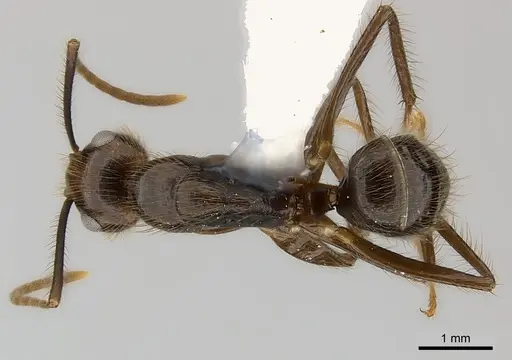
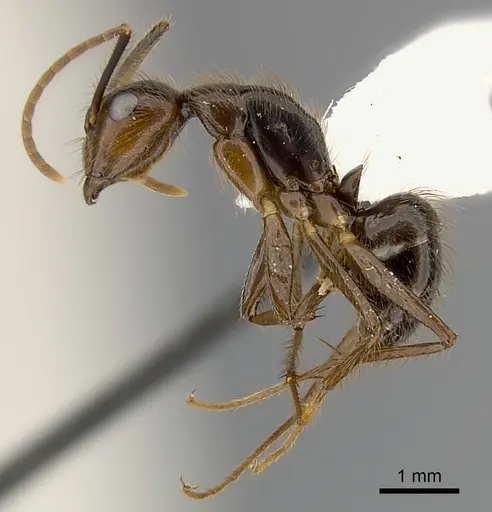
CASENT0217617
View on AntWeb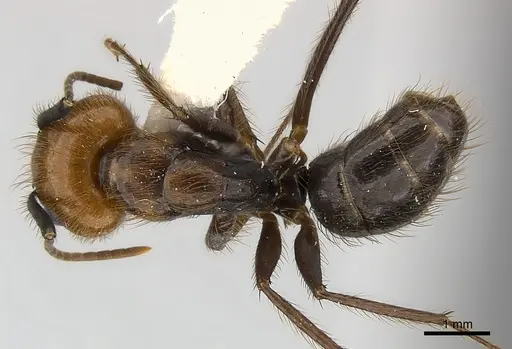
CASENT0249358
View on AntWeb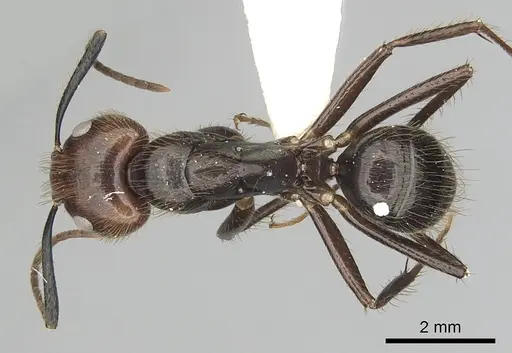
CASENT0903610
View on AntWeb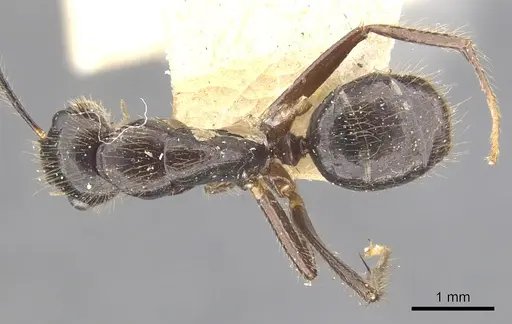
CASENT0903611
View on AntWeb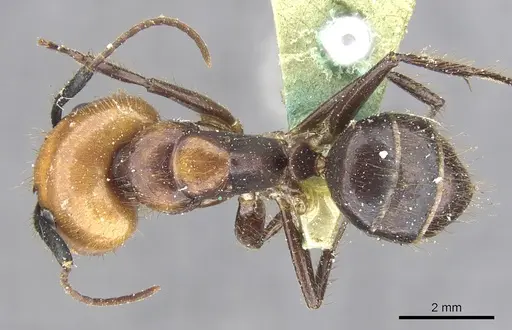
CASENT0910347
View on AntWeb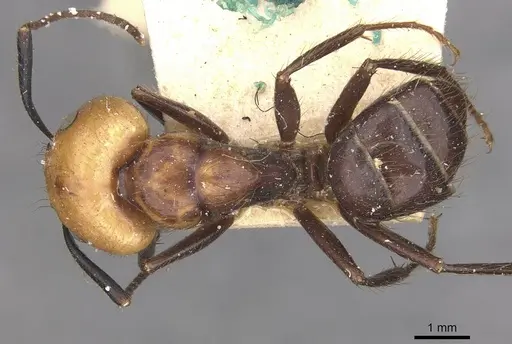
CASENT0910348
View on AntWeb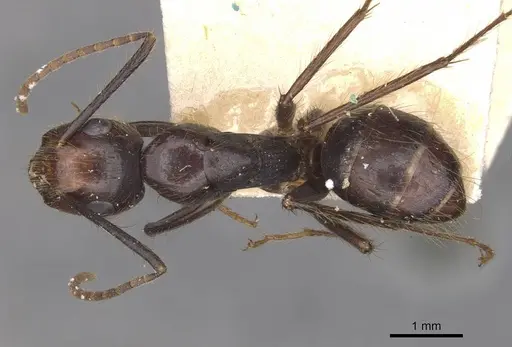
Literature
Loading...Loading products...