

Camponotus buddhae
- Scientific Name
- Camponotus buddhae
- Subgenus
- Tanaemyrmex
- Tribe
- Camponotini
- Subfamily
- Formicinae
- Author
- Forel, 1892
- Distribution
- Found in 1 countries
Camponotus buddhae Overview
Camponotus buddhae is an ant species of the genus Camponotus. It is primarily documented in 1 countries , including India. Detailed taxonomic data and occurrence records can be further explored via authoritative databases such as AntWeb or the Global Biodiversity Information Facility (GBIF).
Camponotus buddhae
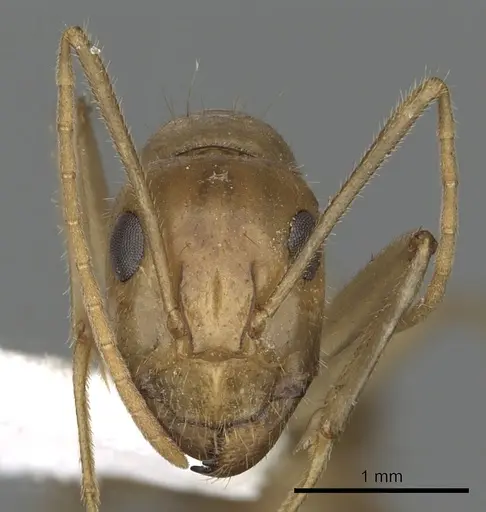
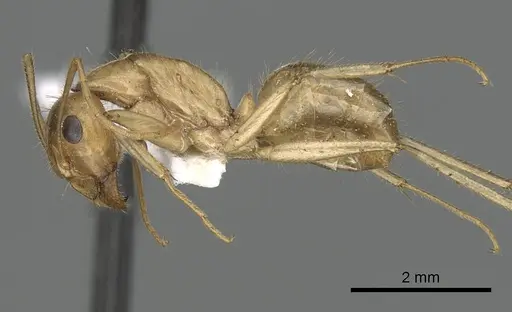
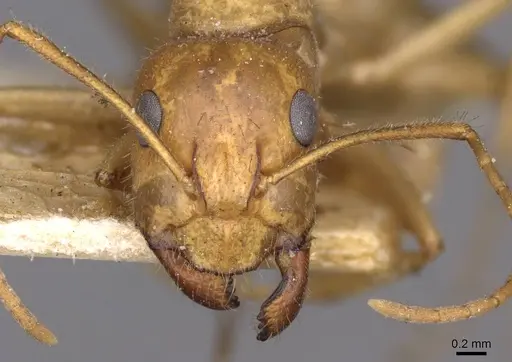
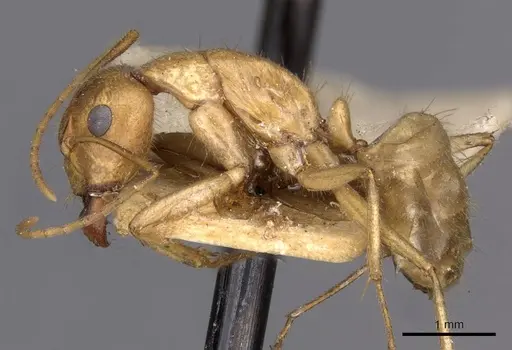
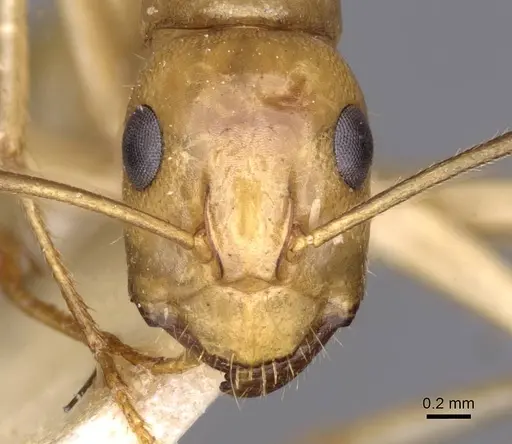
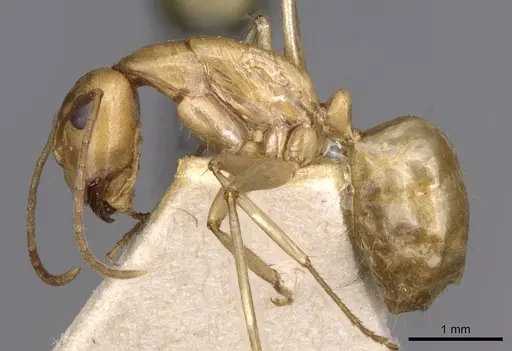
Camponotus buddhae is a medium-sized carpenter ant found across the Himalayan region and surrounding areas. Workers measure around 6-12mm, with the typical Camponotus body shape featuring a distinct metathorax and a single node between the thorax and abdomen. The species shows the characteristic coloration pattern of many high-altitude Himalayan Camponotus, generally dark brown to black with lighter reddish-brown tones on the head and thorax. This ant is a member of the subgenus Tanaemyrmex, which includes many desert and temperate species. In the wild, colonies are typically found nesting in soil under stones or in rotting wood at high elevations, ranging from the Indian Himalayas through Pakistan, Iran, and into Central Asia. The species was first described by Forel in 1892 from specimens collected in Lahoul, Himachal Pradesh, at the Tibetan frontier [1][2].
Quick Summary
- Difficulty: Medium
- Origin & Habitat: Himalayan region at high altitude (3100-3400m), found in India (Himachal Pradesh, Jammu & Kashmir, Sikkim, West Bengal), Pakistan, Iran, Kyrgyzstan, Turkey, and Turkmenistan [3][4][2]. Nests in soil under stones or rotting wood in cool, mountainous habitats.
- Colony Type: Likely monogyne (single queen colonies) based on typical Camponotus patterns. No specific research on colony structure for this species.
- Colony: Monogyne
- Founding: Claustral
- Size & Growth:
- Queen: Estimated 12-15mm based on Camponotus genus patterns for Tanaemyrmex subgenus
- Worker: 6-12mm (minor workers 6-8mm, major workers 10-12mm)
- Colony: Estimated 500-2000 workers based on similar Himalayan Camponotus species
- Growth: Moderate, typical for Camponotus with claustral founding
- Development: 6-10 weeks at optimal temperature (estimated based on Camponotus genus patterns) (Development time varies with temperature, cooler high-altitude conditions may extend development. First workers (nanitics) typically smaller than normal workers.)
- Antkeeping:
- Temperature: Keep nest area at 20-24°C with a slight gradient. Based on high-altitude Himalayan origin (3100-3400m), they prefer cooler conditions than most tropical carpenter ants. Avoid overheating, room temperature is often suitable. A heating cable on one side can create a gentle gradient if needed.
- Humidity: Moderate humidity around 50-60%. Their natural habitat has variable moisture, think damp soil under stones in mountain areas. Keep nest substrate lightly moist but allow some drying between waterings. Provide a water test tube as a drinking source.
- Diapause: Yes, required. Based on high-altitude Himalayan origin, colonies need a winter rest period. Reduce temperature to 10-15°C for 2-3 months (roughly November-February in the Northern Hemisphere). Stop feeding during deep diapause.
- Nesting: Y-tong (AAC), plaster, or naturalistic setups work well. They prefer tight chambers with some open space for foragers. Use nest materials that hold moisture moderately, not too wet, not too dry. A formicarium with multiple chambers connected by tunnels mimics their natural soil/rotting wood nests.
- Behavior: Generally calm and non-aggressive for a Camponotus species. Workers are moderately active foragers, primarily hunting for honeydew and small insects. Unlike some carpenter ants, they are not destructive to wood in captivity, they nest in existing cavities rather than excavating. They have the typical Camponotus ability to squirt formic acid when threatened, though this is mild. Escape risk is moderate, use standard barriers but they are not particularly adept at climbing smooth surfaces. Workers are primarily nocturnal or crepuscular in the wild but adjust to colony schedules in captivity.
- Common Issues: colonies often fail if kept too warm, their high-altitude origin means they prefer cooler conditions than typical carpenter ants, diapause failure is common, skipping winter rest can weaken colonies and prevent proper seasonal cycling, overfeeding leads to mold problems in enclosed nests, remove uneaten protein promptly, wild-caught colonies may have parasites that kill them in captivity, quarantine and monitor new colonies, queens may take longer to establish than tropical species due to slower metabolism at cooler temperatures
Nest Preferences and Housing
Camponotus buddhae adapts well to various captive nest types. Y-tong (acrylic) nests work excellently, the smooth walls prevent escape and the material holds humidity well. Plaster nests are also suitable, providing natural moisture regulation. Naturalistic setups with soil and stones can work but require more maintenance. For founding colonies, a simple test tube setup with a water reservoir works perfectly, the queen seals herself in and needs minimal disturbance. Once workers establish (after 3-6 months), you can transition to a formicarium if desired. The key is providing appropriately sized chambers, these are medium-large ants that need room to move but not vast spaces. A nest with 3-5 connected chambers of roughly 5-10cm each works well for established colonies. Ensure proper escape prevention, while not exceptional climbers, standard barriers like fluon on container rims are recommended.
Feeding and Diet
Like most Camponotus species, C. buddhae is omnivorous with a preference for sugar sources and protein. For sugar, offer honey water (diluted 1:3 with water), pure honey, or sugar water in a test tube with a cotton wick. Change sugar sources every 2-3 days to prevent fermentation. For protein, they accept most small insects: fruit flies, small crickets, mealworms, waxworms, and frozen-thawed pinky mice for larger colonies. Feed protein 2-3 times per week for established colonies, more frequently for growing colonies with brood. Remove uneaten prey within 24 hours to prevent mold. They are not particularly aggressive hunters but will readily scavenge dead insects. Some colonies accept seeds or plant matter, though this is not required. Always ensure fresh water is available, a test tube water feeder with a cotton plug works perfectly.
Temperature and Seasonal Care
Temperature management is crucial for this species due to their high-altitude Himalayan origin. Keep the nest area at 20-24°C during the active season (spring through fall). They can tolerate brief periods outside this range but prolonged exposure to temperatures above 28°C can be harmful. Room temperature (around 20-22°C) is often ideal without additional heating. If you need to warm the nest, use a heating cable on one side of the enclosure to create a gentle gradient, never apply direct heat to the nest chamber. During winter (roughly November-February), they require a diapause period. Reduce temperature to 10-15°C, a cool basement, unheated room, or refrigerator storage works well. Do not feed during deep diapause but ensure water availability. This winter rest is essential for colony health and typically triggers spring breeding activity. Gradual temperature changes (over 1-2 weeks) are better than sudden shifts. [3]
Behavior and Colony Dynamics
Camponotus buddhae exhibits typical carpenter ant behavior with some adaptations to their mountain habitat. Colonies are monogyne (single queen) in structure, with the queen remaining in the nest after founding. Workers are polymorphic, larger major workers handle brood care and defense while smaller minors forage and tend aphids. They are not particularly aggressive but will defend the nest if threatened, using their mild formic acid spray. Activity patterns in captivity typically follow light cycles, they become more active when lights are on but will forage throughout the day if food is available. They maintain clear foraging trails and can remember food locations. The colony grows moderately, expect 6-12 months from founding to reaching 50 workers, with faster growth thereafter. Major workers appear as the colony reaches around 50-100 workers. They are relatively long-lived for ants, queens can live 15-20+ years, workers several years.
Growth and Development
Understanding the development timeline helps set expectations. After the claustral founding period (queen sealed in, raising first workers alone), expect 6-10 weeks from egg to first worker (nanitic) at optimal temperature (around 22°C). Cooler temperatures extend this significantly, at 18°C it may take 12-16 weeks. Nanitic workers are typically smaller than normal workers and are produced faster. After the first workers emerge, the colony enters a growth phase. The queen continues laying eggs, and worker population increases gradually. A healthy colony should reach 50 workers within 6-12 months of founding,200+ workers by year 2,and potentially 1000+ workers by year 3-4. Growth rate depends heavily on feeding quality and temperature consistency. Brood development slows significantly below 18°C and stops around 15°C. During diapause (winter), brood development pauses entirely, this is normal and not a cause for concern.
Frequently Asked Questions
How long does it take for Camponotus buddhae to produce first workers?
Expect 6-10 weeks from egg to first worker at optimal temperature (around 22°C). This is typical for claustral Camponotus species. Cooler temperatures will extend this timeline significantly.
What temperature do Camponotus buddhae need?
Keep them at 20-24°C during the active season. Their high-altitude Himalayan origin means they prefer cooler conditions than most tropical ants, room temperature is often ideal.
Do Camponotus buddhae need hibernation?
Yes, they require a winter diapause period. Reduce temperature to 10-15°C for 2-3 months during winter (roughly November-February). This rest period is essential for colony health and seasonal cycling.
Are Camponotus buddhae good for beginners?
They are moderate difficulty, harder than some tropical species due to their temperature and diapause requirements, but easier than many high-altitude specialists. Experience with at least one other Camponotus species is helpful.
What do Camponotus buddhae eat?
They are omnivorous. Offer sugar sources (honey water, sugar water) constantly and protein (small insects like fruit flies, mealworms) 2-3 times per week. They also need fresh water always available.
How big do Camponotus buddhae colonies get?
Estimated 500-2000 workers based on similar Himalayan Camponotus species. Colony growth is moderate, expect several years to reach maximum size.
Can I keep multiple Camponotus buddhae queens together?
Not recommended. This species appears to be monogyne (single queen) in the wild. Unlike some ants, they do not found colonies pleometrotically (multiple queens together) and may fight if queens are introduced.
When should I move my colony to a formicarium?
Wait until the colony has 50+ workers and has been established for at least 6 months. The test tube founding setup works well for the first year. Transition to a formicarium when the test tube becomes crowded or you want to observe their behavior more closely.
Why is my Camponotus buddhae colony dying?
Common causes include: temperatures too warm (above 28°C), improper diapause (no winter rest), overfeeding causing mold, parasites from wild-caught colonies, or stress from disturbance during founding. Check temperature first, then review your seasonal care.
Where is Camponotus buddhae found in the wild?
They live across the Himalayan region at high altitudes (3100-3400m), including India (Himachal Pradesh, Jammu & Kashmir, Sikkim), Pakistan, Iran, Kyrgyzstan, Turkey, and Turkmenistan. They nest in soil under stones or rotting wood.
Is Camponotus buddhae a wood-destroying ant?
No, they are not like termites. While they nest in rotting wood in the wild, they use existing cavities rather than excavating. In captivity, they do not damage wooden structures, standard formicarium materials are safe.
References

This caresheet is licensed under CC BY-SA 4.0 .
CASENT0249970
View on AntWeb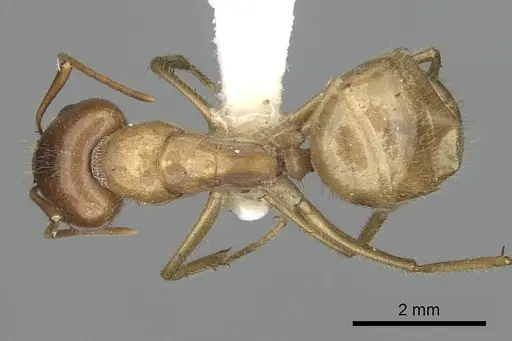
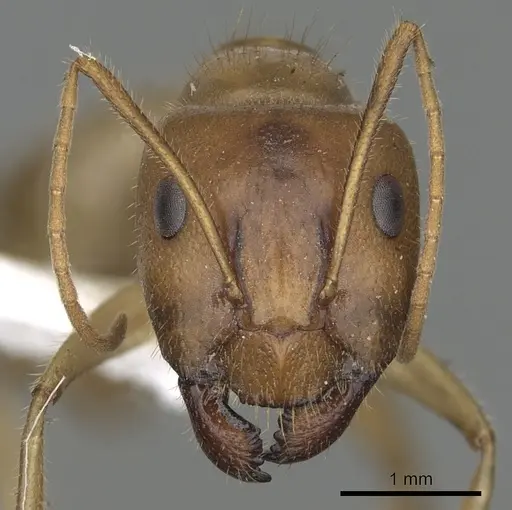
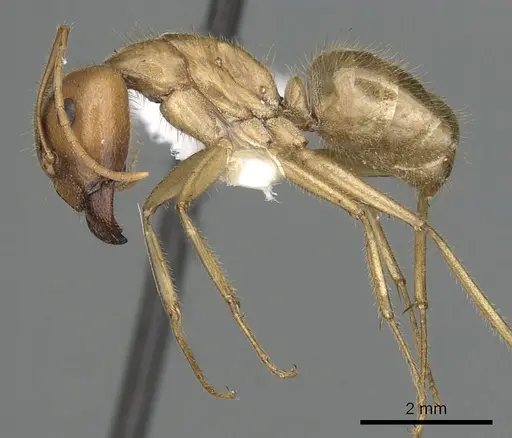
CASENT0249971
View on AntWeb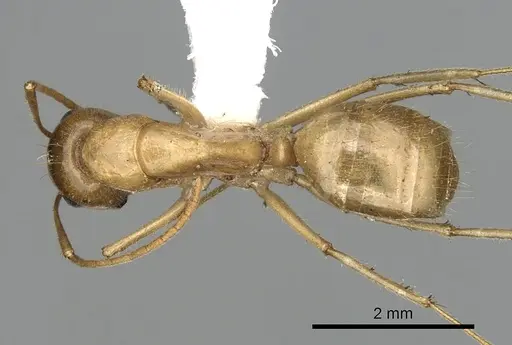
CASENT0910138
View on AntWeb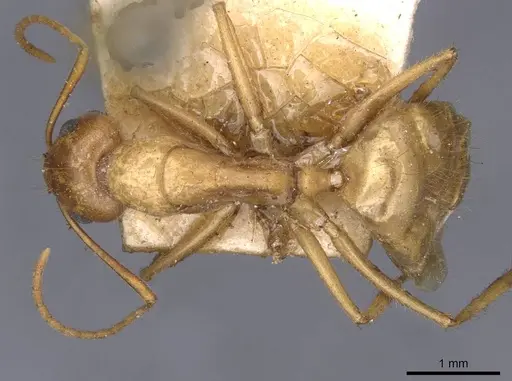
CASENT0910141
View on AntWeb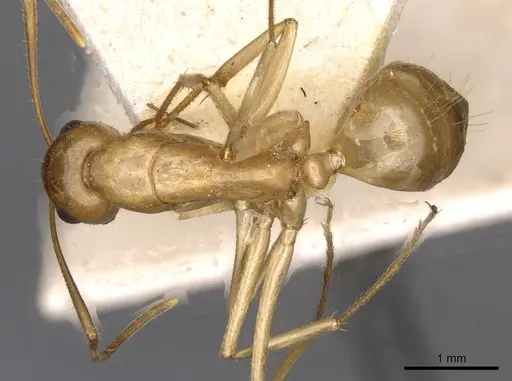
Literature
Loading...Loading products...