

Camponotus brasiliensis
- Scientific Name
- Camponotus brasiliensis
- Subgenus
- Myrmobrachys
- Tribe
- Camponotini
- Subfamily
- Formicinae
- Author
- Mayr, 1862
- Distribution
- Found in 5 countries
Camponotus brasiliensis Overview
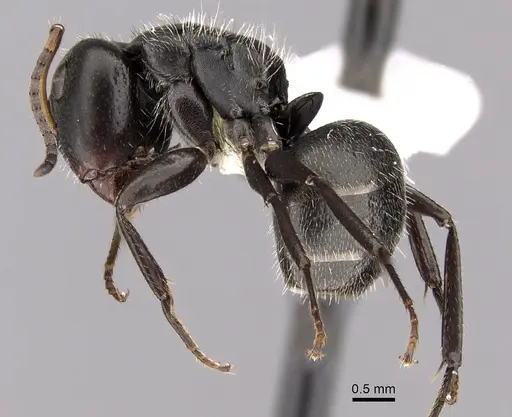
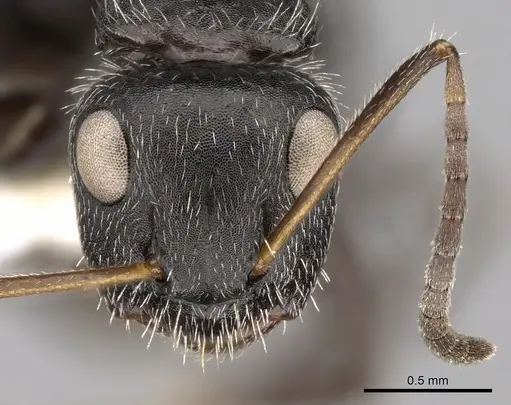
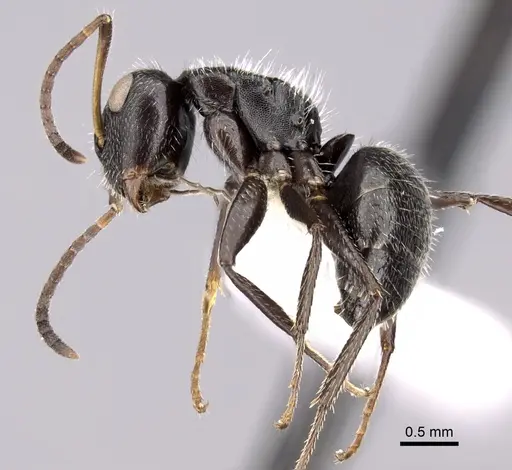
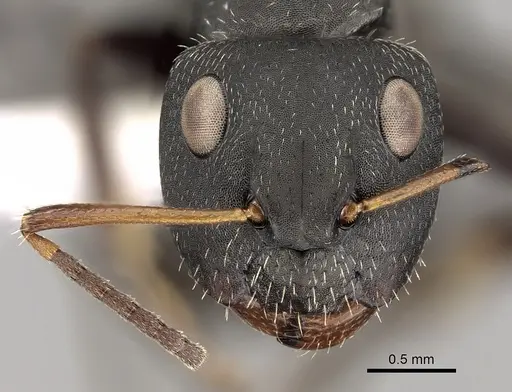
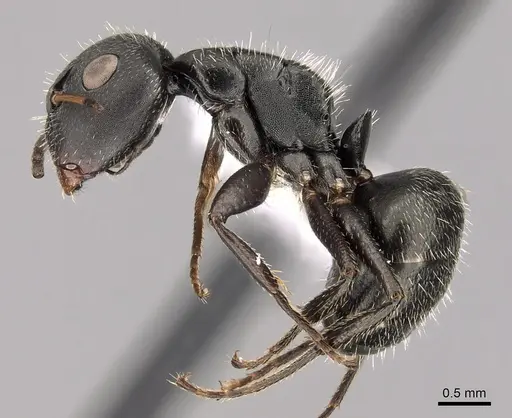
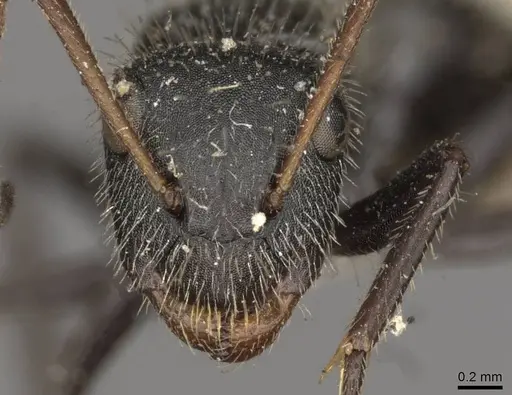
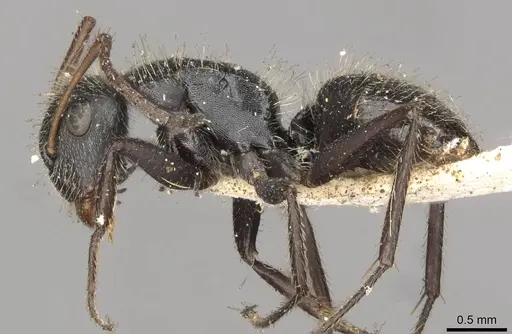
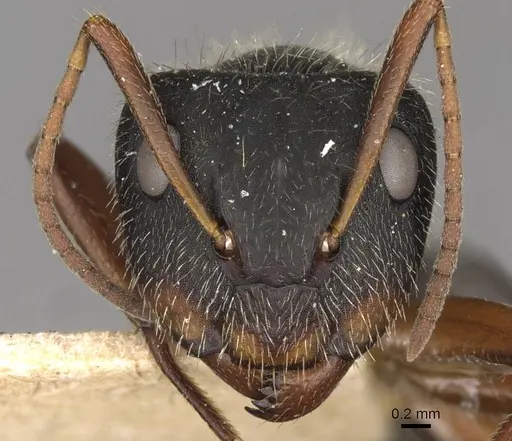
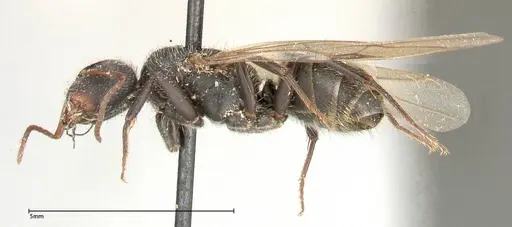
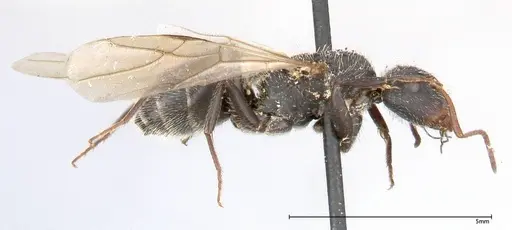
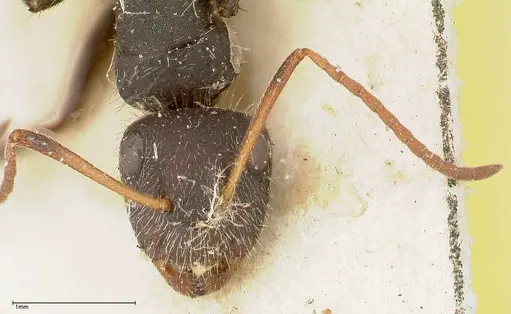
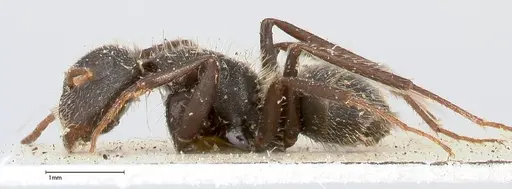
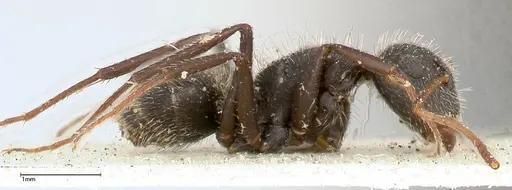
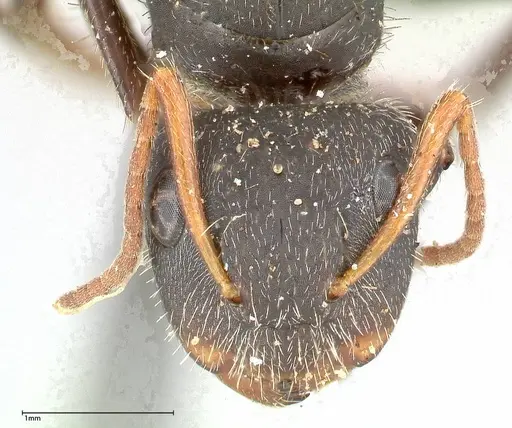
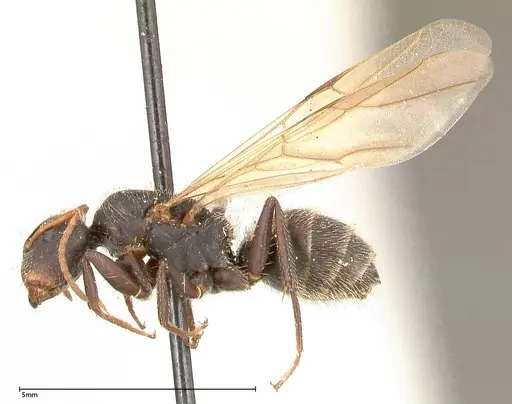
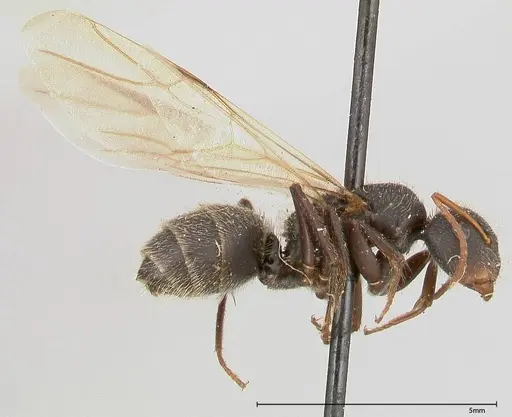
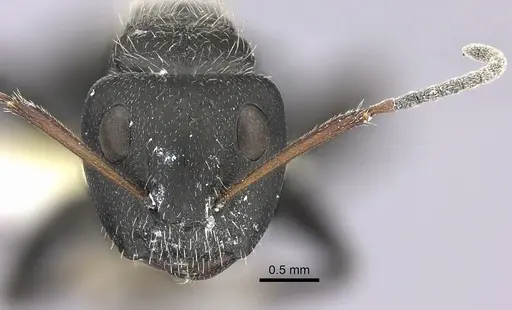
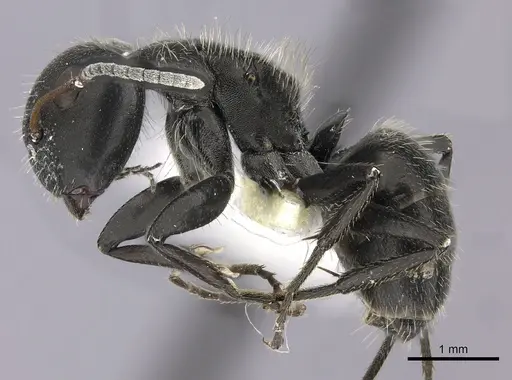
Camponotus brasiliensis is an ant species of the genus Camponotus. It is primarily documented in 5 countries , including Brazil, Costa Rica, French Guiana. Detailed taxonomic data and occurrence records can be further explored via authoritative databases such as AntWeb or the Global Biodiversity Information Facility (GBIF).
Camponotus brasiliensis
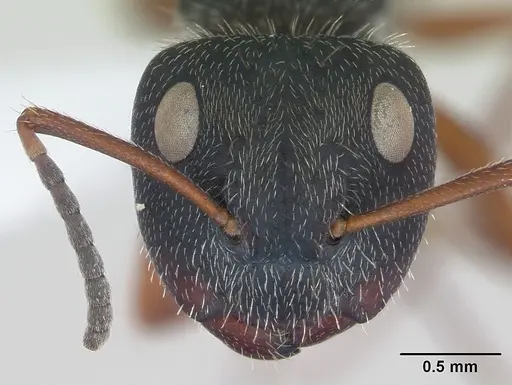
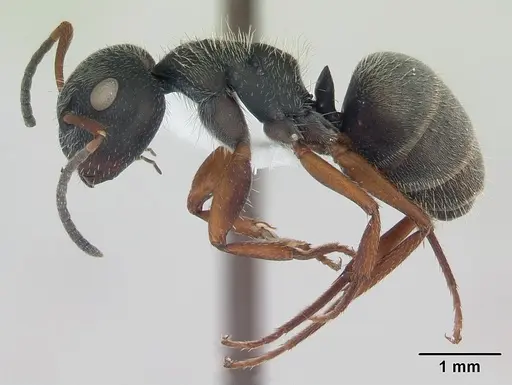
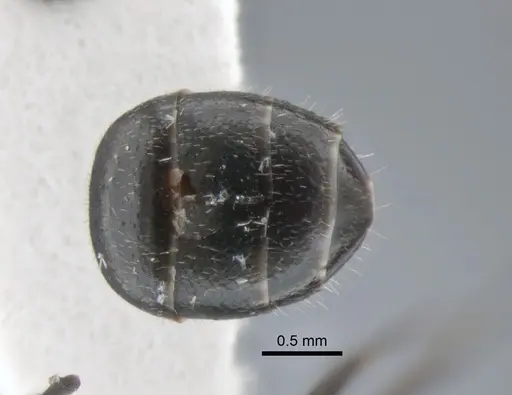
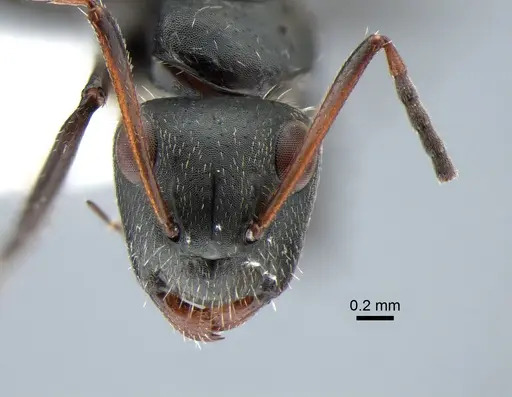
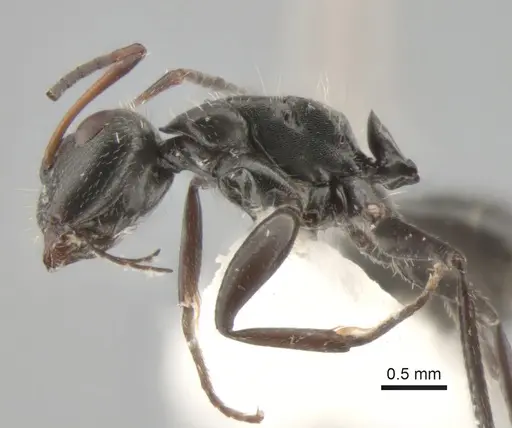
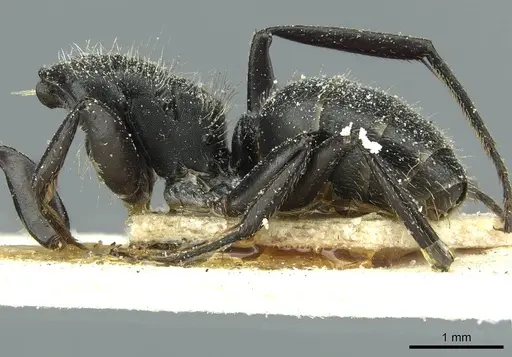
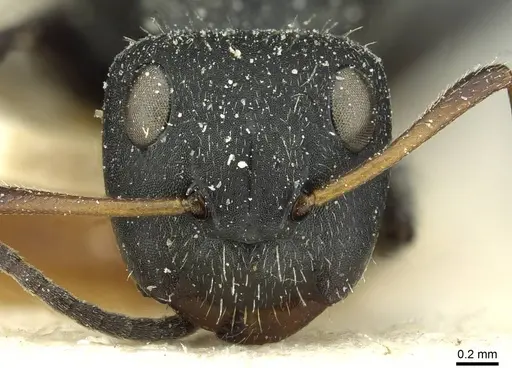
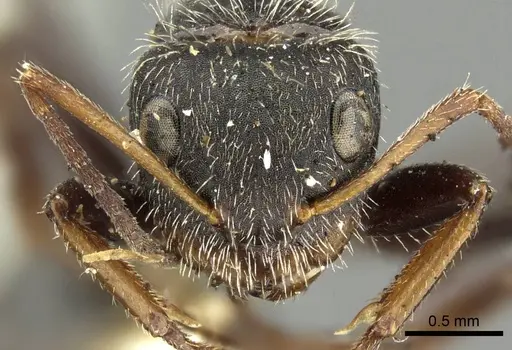
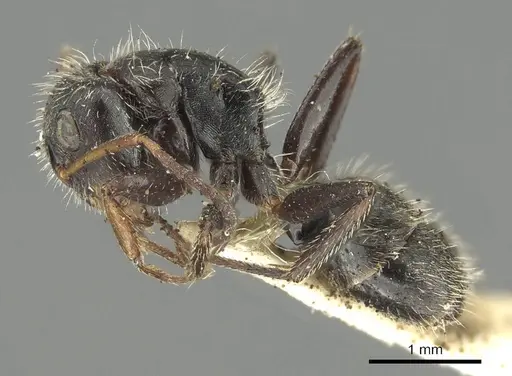
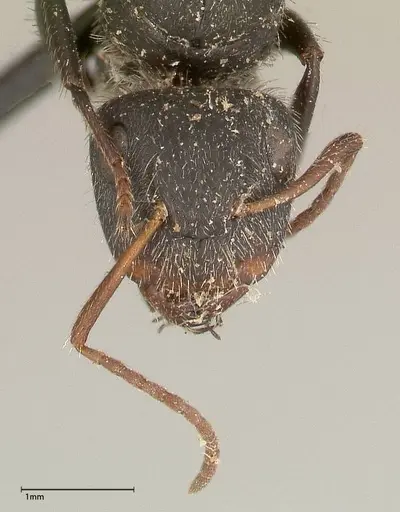
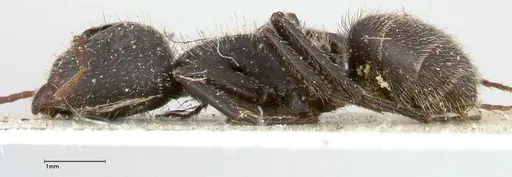
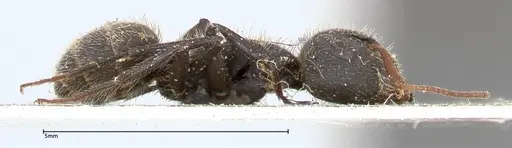
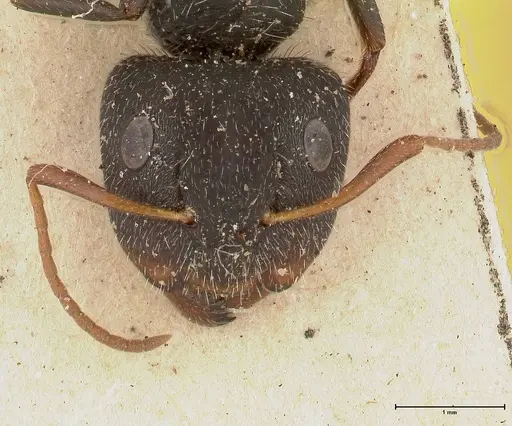
Camponotus brasiliensis is a Neotropical carpenter ant native to Brazil, Paraguay, and French Guiana. Workers are polymorphic, ranging from 5-12mm, with the larger major workers having a robust build typical of Camponotus. The species was originally described from Rio de Janeiro in 1862 and belongs to the subgenus Myrmobrachys. These ants are part of the Subordinate Camponotini functional group, meaning they are generally less aggressive and more tolerant of other ant species in their ecosystem. In the wild, they nest in the top 10cm of soil in grassland habitats and have been found in lowland grassland, high grassland, and Cerrado savanna environments [1][2][3].
Quick Summary
- Difficulty: Easy
- Origin & Habitat: Native to the Neotropical region, Brazil, Paraguay, and French Guiana. Found in grassland habitats including low grassland, high grassland, and Cerrado savanna. Nests in the top 10cm of soil [2][3].
- Colony Type: Likely monogyne (single queen colony) based on typical Camponotus patterns. Single-queen colonies with ergatoid replacement reproductives documented in related species [4].
- Colony: Monogyne
- Founding: Claustral
- Size & Growth:
- Queen: Estimated 12-15mm based on genus patterns for Camponotus species in the Myrmobrachys subgenus [4].
- Worker: Polymorphic: minor workers 4-6mm, major workers 8-12mm [4].
- Colony: Likely reaches several thousand workers based on typical Camponotus colony development [4].
- Growth: Moderate, Camponotus species typically grow steadily but not rapidly [4].
- Development: Estimated 6-8 weeks at optimal temperature based on typical Camponotus development [4]. (Development time varies with temperature, warmer conditions within acceptable range accelerate development)
- Antkeeping:
- Temperature: Keep at 24-28°C. Being from tropical/subtropical South America, they prefer warm conditions. A heating cable on one side of the nest creates a gradient [4].
- Humidity: Moderate humidity around 50-70%. Keep the nest substrate slightly moist but not waterlogged. These ants are found in grassland environments with periodic rainfall [2][3].
- Diapause: No true diapause required. Being from tropical Brazil, they do not need hibernation. However, slight temperature reduction during winter months (down to 20-22°C) may slow activity naturally [4].
- Nesting: Y-tong (AAC) nests or plaster nests work well. In the wild they nest in soil at shallow depths (0-10cm). Provide a nest with chambers scaled to their size and a water tube for humidity [2].
- Behavior: Generally calm and non-aggressive temperament, consistent with their classification as Subordinate Camponotini. Workers are moderately active foragers. They are not known to be particularly defensive and rarely sting. Escape risk is moderate, use standard barrier methods like Fluon on test tube rims [5][4].
- Common Issues: queen loss during founding is common, claustral queens sometimes fail if stressed before first workers emerge, moderate growth rate can test beginner patience, don't overfeed or disturb the colony during founding, escape prevention needed for major workers, their large size can damage inadequate barriers, mold can develop if humidity is too high, ensure ventilation while maintaining moisture, wild-caught colonies may carry parasites that cause decline in captivity
Housing and Nest Setup
Camponotus brasiliensis does well in Y-tong (AAC) nests or plaster formicariums. In the wild, they nest in the top 10cm of soil in grassland habitats, so they prefer nests with multiple chambers where they can organize brood. A test tube setup works well for founding colonies, use a test tube with a water reservoir sealed with a cotton plug, placed in a dark container for the first few months. Once the colony reaches 20-30 workers, you can move them to a proper formicarium. Always provide a water source, either through a test tube or a dedicated water feeder. [2][4]
Feeding and Diet
Like most Camponotus, this species is omnivorous. They readily accept sugar sources (honey water, sugar water, maple syrup) as their primary energy source. For protein, offer insects like mealworms, small crickets, or fruit flies. Feed the colony 2-3 times per week, removing uneaten prey after 24 hours. Major workers will process and distribute food to the rest of the colony. A constant sugar source should be available. Avoid overfeeding as it leads to mold problems. [4]
Temperature and Seasonal Care
Keep your colony at 24-28°C for optimal development. Being from tropical South America (Brazil, Paraguay), they do not require hibernation. During winter, you can allow the temperature to drop slightly to 20-22°C, which will naturally slow their activity without harming them. Avoid temperatures below 18°C for extended periods. Use a heating cable on one side of the nest to create a temperature gradient so workers can choose their preferred zone. [4]
Colony Development
A claustral queen will seal herself in a chamber and not emerge until her first workers (nanitics) emerge, typically after 6-8 weeks at warm temperatures. The first workers will be smaller than normal majors but will quickly begin foraging for food to feed the next brood. Growth is moderate, expect the colony to reach 50 workers within 6 months under good conditions. Colonies can eventually grow to several thousand workers. Be patient during the founding phase and avoid disturbing the queen chamber. [4]
Behavior and Temperament
This species is known for its calm temperament, fitting its classification as a Subordinate Camponotini. Workers are moderately active and will forage for food both on the ground and can occasionally be found in vegetation. They are not particularly defensive and rarely attempt to sting. Major workers can deliver a mild sting if provoked, but this is uncommon. They use chemical communication for colony organization and will readily recruit nestmates to food sources. [5][4]
Frequently Asked Questions
Can I keep Camponotus brasiliensis in a test tube?
Yes, test tubes work perfectly for founding colonies. Use a test tube with a water reservoir and cotton plug, keep it dark and undisturbed for the first 6-8 weeks until first workers emerge. Once the colony has 20-30 workers, consider moving to a formicarium.
How long until first workers with Camponotus brasiliensis?
Expect first workers (nanitics) after 6-8 weeks at optimal temperature (24-28°C). The exact timing depends on temperature, warmer conditions within range speed development, while cooler conditions slow it down.
How big do Camponotus brasiliensis colonies get?
Mature colonies can reach several thousand workers. Growth is moderate, expect 50+ workers within 6 months under good conditions, with continued growth over 2-4 years to reach full size.
What temperature do Camponotus brasiliensis need?
Keep them at 24-28°C. Being from tropical South America, they prefer warm conditions. A slight drop to 20-22°C in winter is acceptable but avoid temperatures below 18°C.
Are Camponotus brasiliensis good for beginners?
Yes, they are considered easy to keep. Their calm temperament, moderate humidity needs, and straightforward feeding requirements make them suitable for new antkeepers.
Do Camponotus brasiliensis need hibernation?
No, they do not require true hibernation. Being from tropical Brazil, they are active year-round. A slight temperature reduction in winter (to 20-22°C) is natural but not required.
What do Camponotus brasiliensis eat?
They are omnivorous. Offer a constant sugar source (honey water, sugar water, or maple syrup) and protein sources like mealworms, small crickets, or fruit flies 2-3 times per week.
When to move Camponotus brasiliensis to a formicarium?
Move them once the colony reaches 20-30 workers. Before that, a simple test tube setup is sufficient. Make sure the formicarium has appropriately sized chambers and a water source.
Why is my Camponotus brasiliensis colony declining?
Common causes include: queen death during founding (stress or disturbance), parasites from wild-caught colonies, mold from overwatering, or temperatures too low. Check that humidity is moderate, temperature is in range, and the colony is not being disturbed.
References

This caresheet is licensed under CC BY-SA 4.0 .
CASENT0173398
View on AntWeb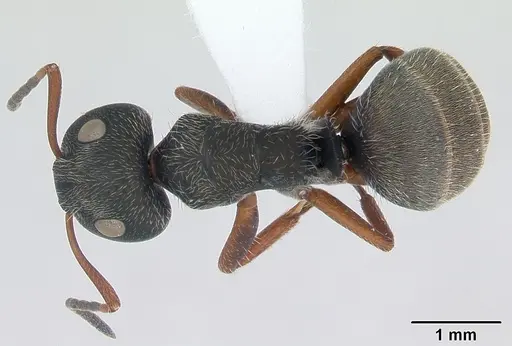
CASENT0217621
View on AntWeb
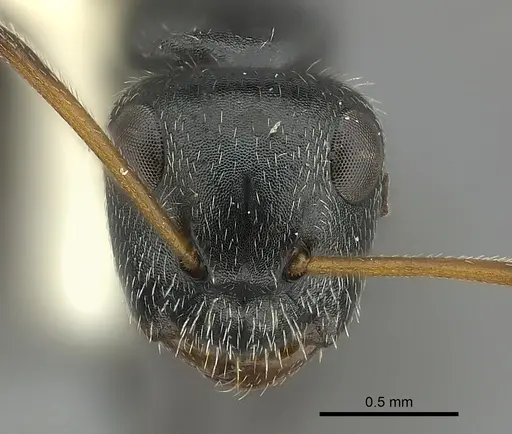
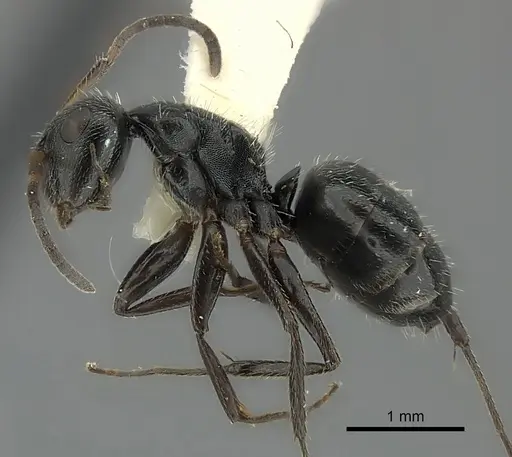
CASENT0280111
View on AntWeb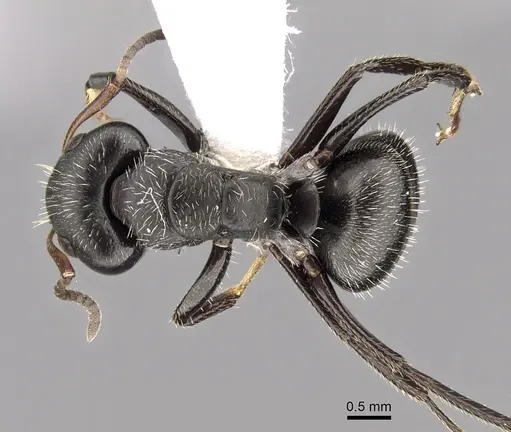
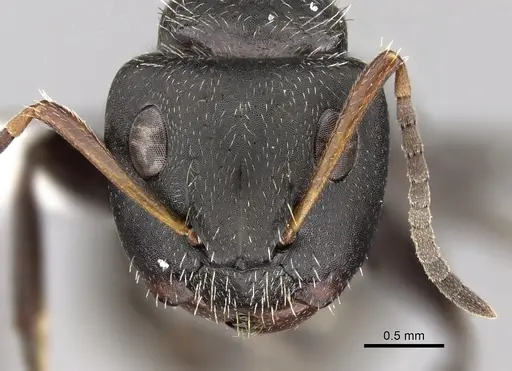
CASENT0280112
View on AntWeb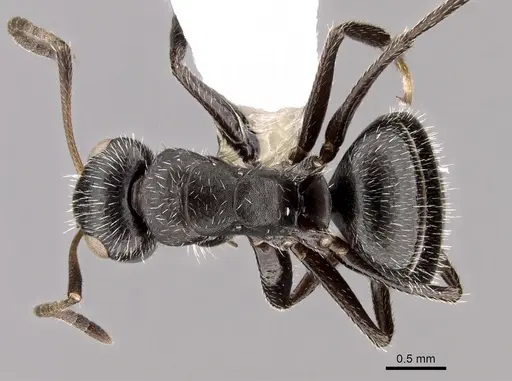
CASENT0280132
View on AntWeb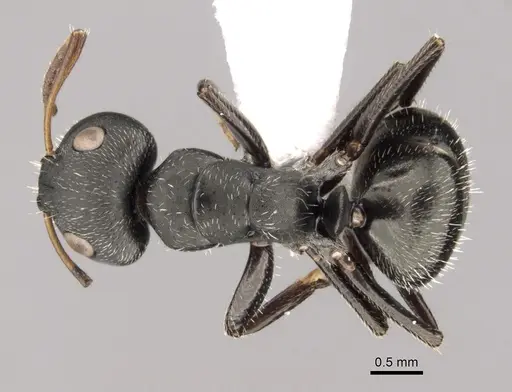
CASENT0882118
View on AntWeb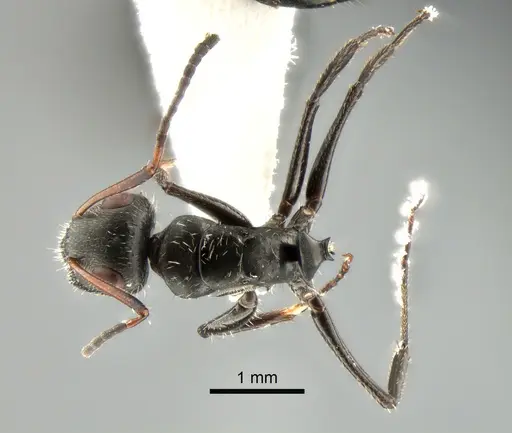
CASENT0910694
View on AntWeb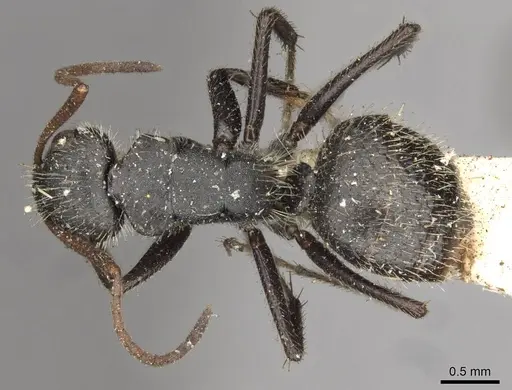
CASENT0910695
View on AntWeb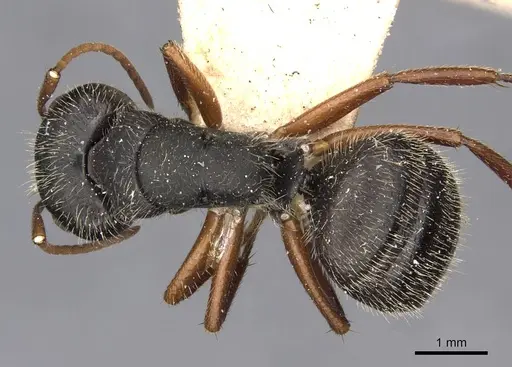
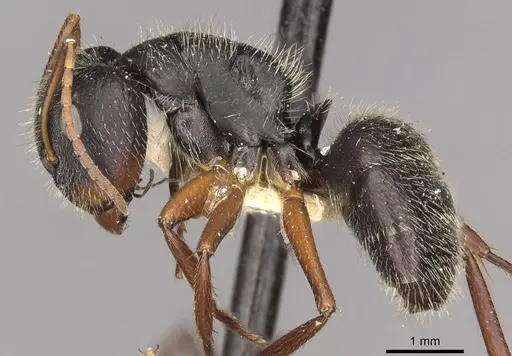
CASENT0910696
View on AntWeb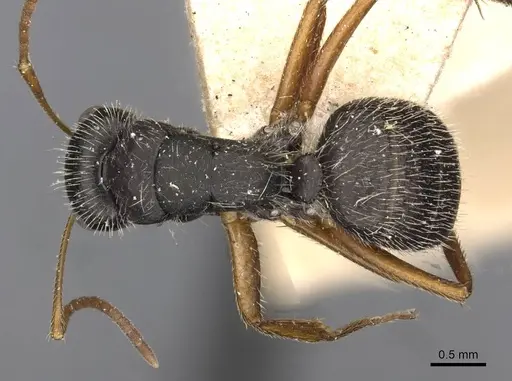
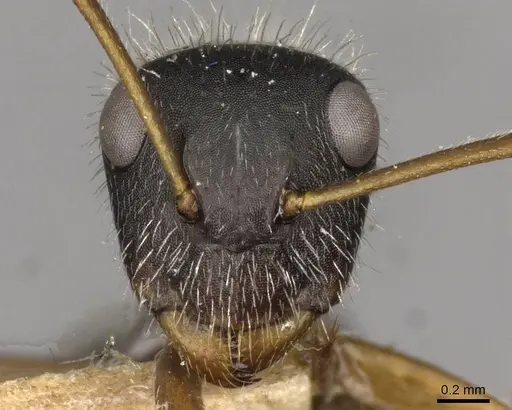
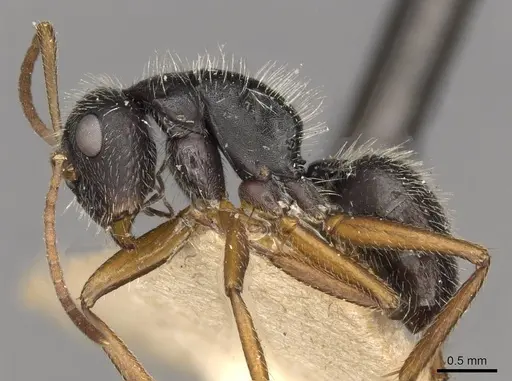
CASENT0911721
View on AntWeb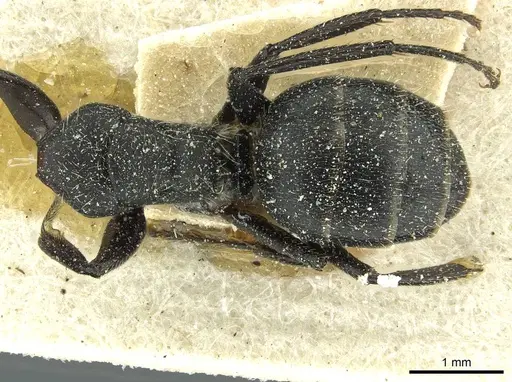
CASENT0911722
View on AntWeb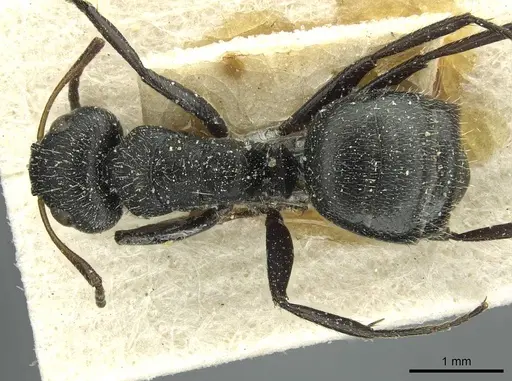
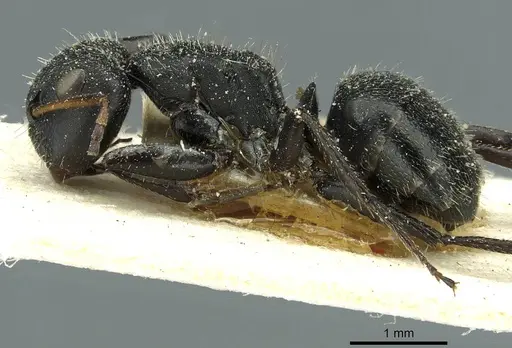
CASENT0911723
View on AntWeb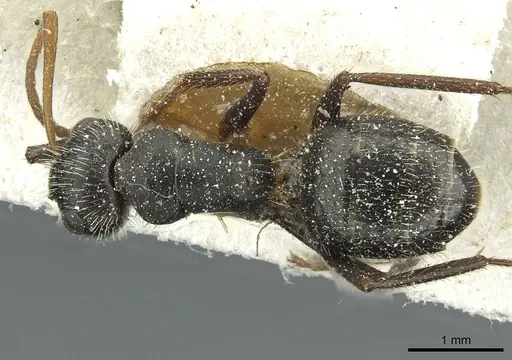
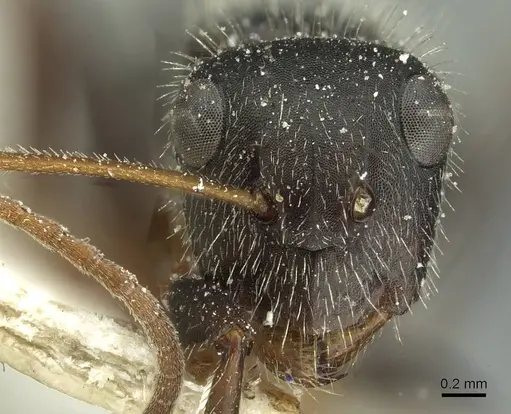
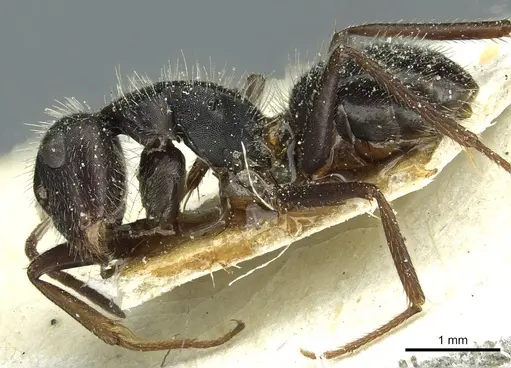
CASENT0915783
View on AntWeb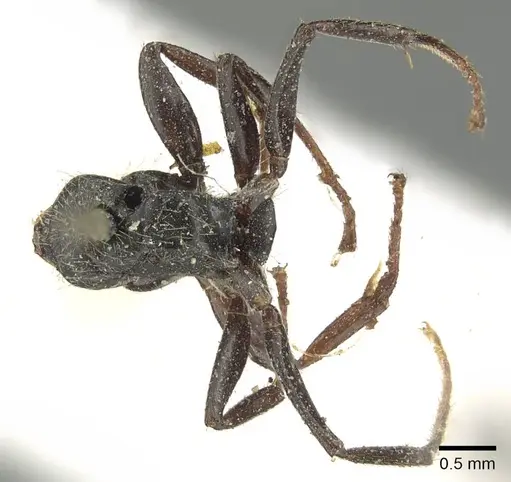
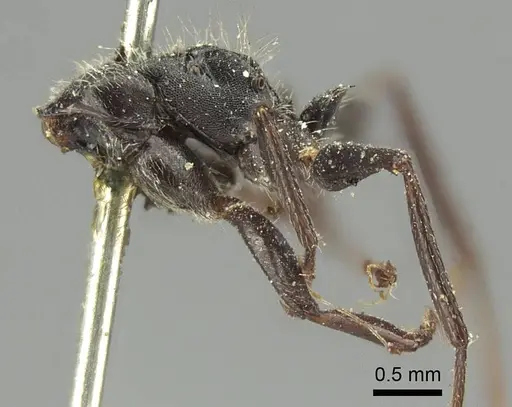
CASENT0915784
View on AntWeb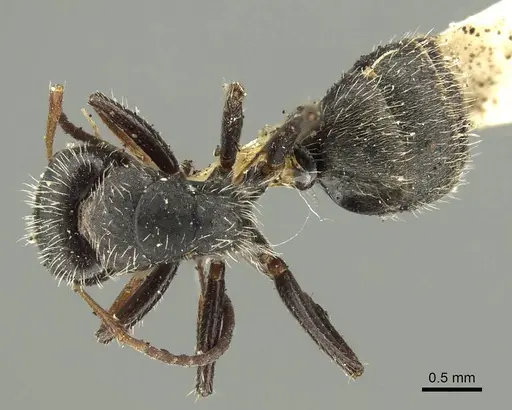
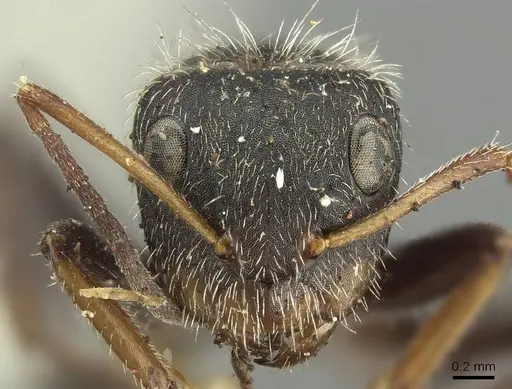
FOCOL0430
View on AntWeb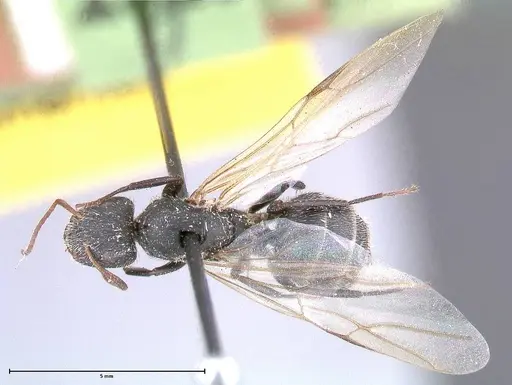
FOCOL0431
View on AntWeb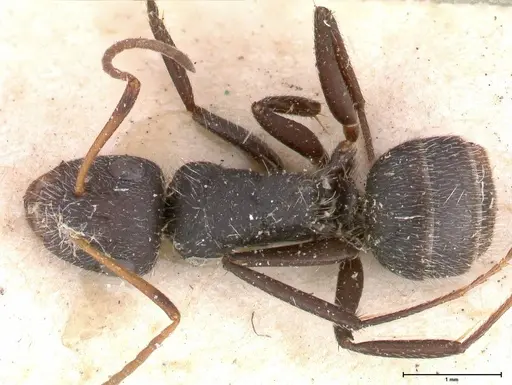
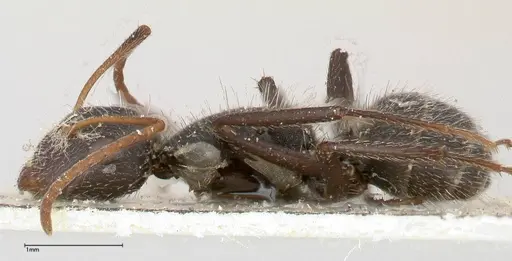
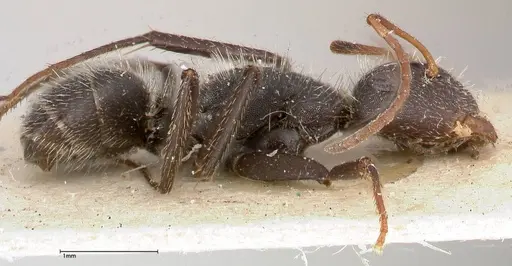
FOCOL0432
View on AntWeb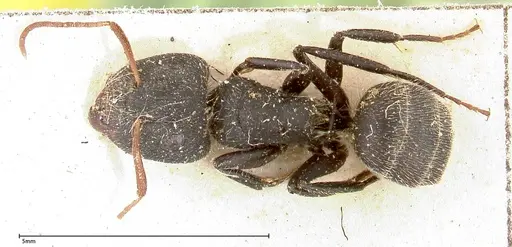
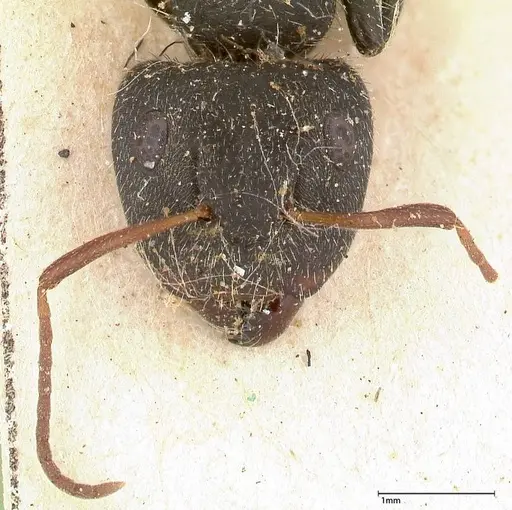
FOCOL0433
View on AntWeb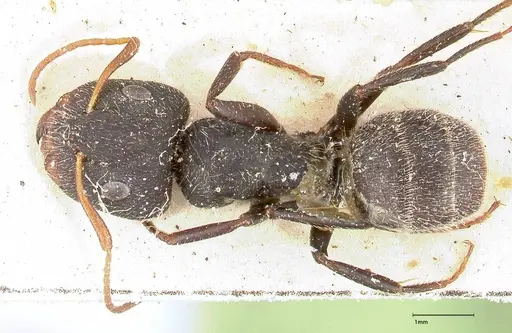
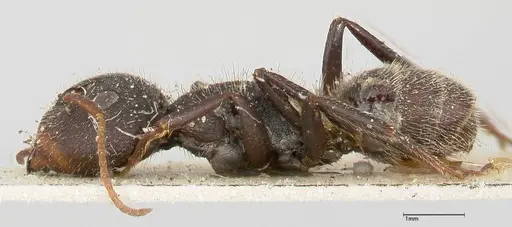
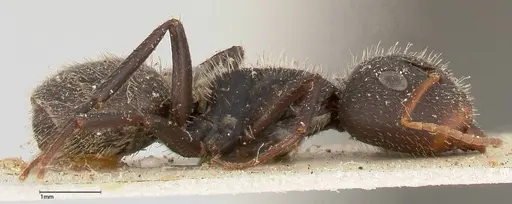
FOCOL0434
View on AntWeb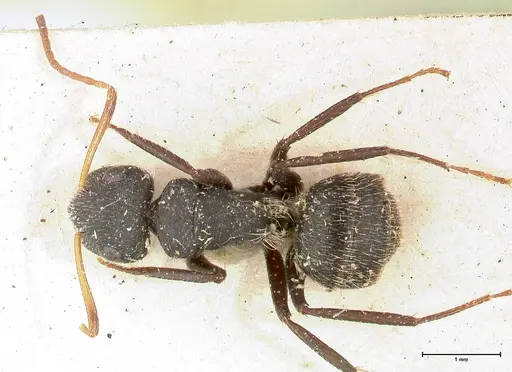
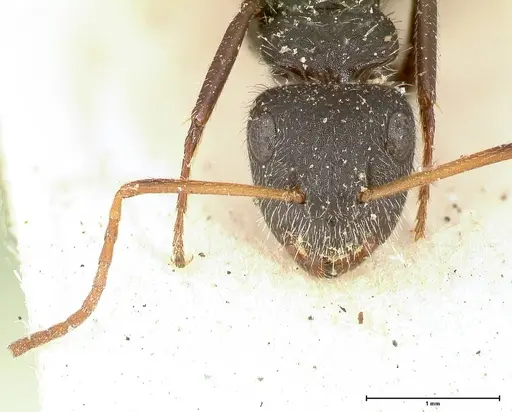
FOCOL0435
View on AntWeb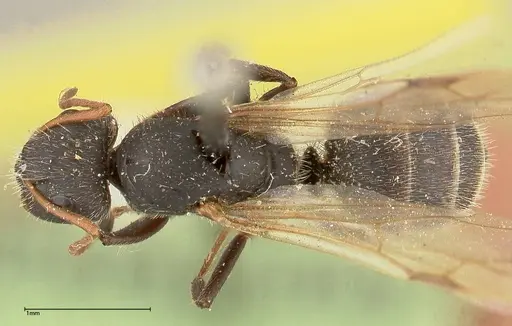
INBIOCRI002280853
View on AntWeb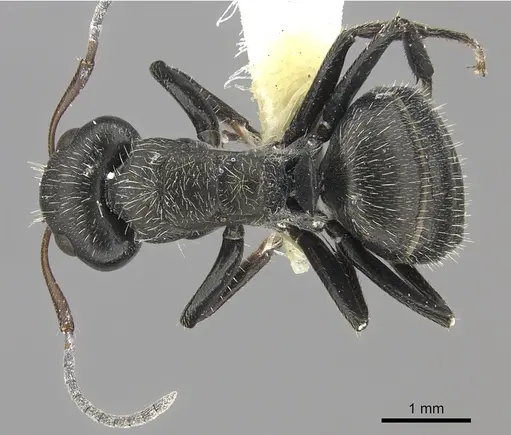
Literature
Loading...Loading products...