

Camponotus bottegoi
- Scientific Name
- Camponotus bottegoi
- Subgenus
- Myrmotrema
- Tribe
- Camponotini
- Subfamily
- Formicinae
- Author
- Emery, 1895
- Distribution
- Found in 3 countries
Camponotus bottegoi Overview
Camponotus bottegoi is an ant species of the genus Camponotus. It is primarily documented in 3 countries , including Kenya, Mozambique, Tanzania. Detailed taxonomic data and occurrence records can be further explored via authoritative databases such as AntWeb or the Global Biodiversity Information Facility (GBIF).
Camponotus bottegoi
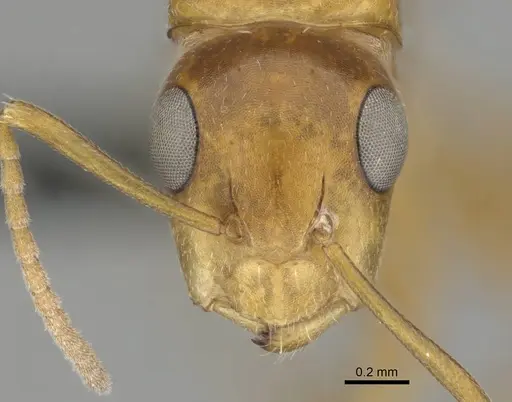
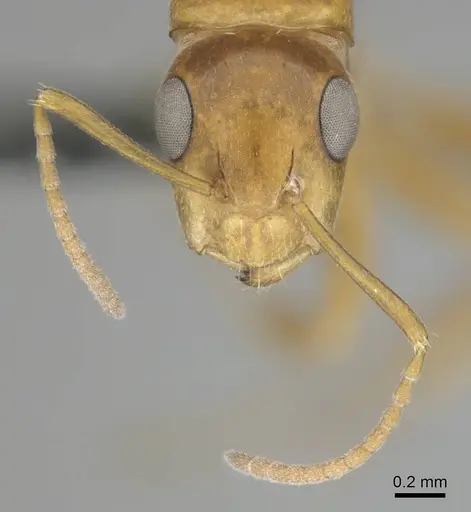
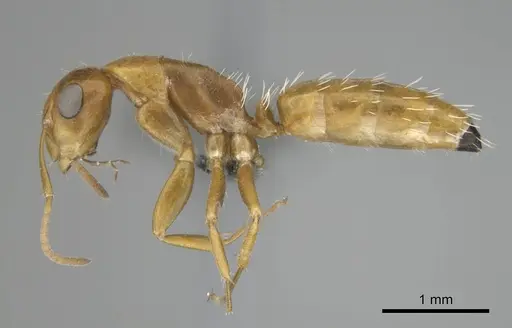
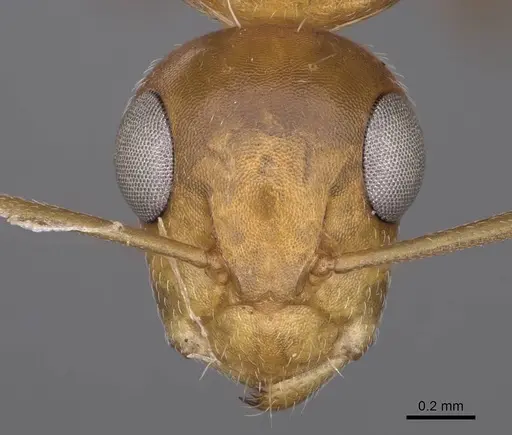
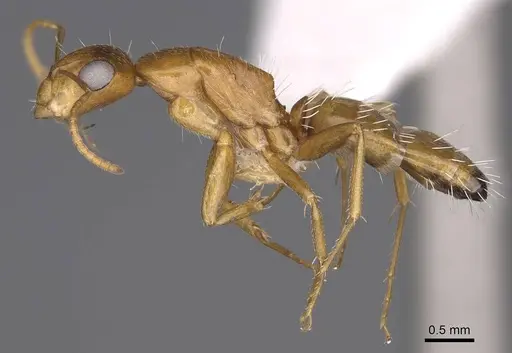
Camponotus bottegoi is a large carpenter ant species native to Somalia in East Africa [1]. Workers are polymorphic, with major workers developing large heads for defense and seed processing, while minor workers handle general colony tasks. As a Camponotus species, they have the classic carpenter ant body plan: a smooth, rounded thorax and a distinct constriction between the thorax and abdomen. The coloration appears dark, typical of many African Camponotus species. This species remains poorly documented in scientific literature, with most information inferred from genus-level patterns rather than direct species-specific research.
Quick Summary
- Difficulty: Medium
- Origin & Habitat: Somali region of East Africa [1]. Inferred to inhabit tropical savanna and woodland habitats based on regional climate patterns.
- Colony Type: Colony structure is unconfirmed. Most Camponotus species are monogyne (single-queen colonies), but polygyny has been documented in some African species. Ergatoid (wingless) replacement reproductives have been observed in related Camponotus species.
- Size & Growth:
- Queen: Estimated 15-18mm based on typical Camponotus queen size range
- Worker: Major workers 10-14mm, minor workers 6-9mm based on genus patterns [2]
- Colony: Estimated 500-2000 workers at maturity based on typical Camponotus colony development
- Growth: Moderate, Camponotus species typically take 2-4 months from egg to first worker
- Development: Estimated 6-10 weeks at optimal temperature (25-28°C), based on typical Camponotus development [2] (Development time varies with temperature, warmer conditions accelerate development but risk desiccation)
- Antkeeping:
- Temperature: Keep nest area at 24-28°C with a slight gradient. Room temperature (22-25°C) is acceptable as a starting point. Provide localized heating on one side of the nest for a temperature gradient [2].
- Humidity: Moderate humidity around 50-60%. Keep nest substrate slightly moist but allow some drying between water additions. Provide a water tube as a constant moisture source.
- Diapause: Likely required, most temperate and subtropical Camponotus species benefit from a winter rest period. Reduce temperature to 15-18°C for 2-3 months. However, since this is a tropical species from Somalia, diapause may be optional or minimal. Monitor colony activity levels.
- Nesting: In captivity, Y-tong (acrylic) nests or plaster nests work well. Provide narrow chambers and tight passages scaled to worker size. Avoid overly humid conditions that can cause mold. Camponotus prefer干燥 nesting chambers with separate foraging areas.
- Behavior: Typical Camponotus temperament, generally calm and not overly aggressive, but major workers will defend the nest vigorously if threatened. Workers are primarily nocturnal or crepuscular, with increased activity during cooler hours. They forage for honeydew, nectar, and insects. Escape risk is moderate due to large worker size, but standard barriers (Fluon, vaseline) are usually sufficient. Major workers can deliver a mild sting if handled roughly.
- Common Issues: limited availability, this species is rarely kept or available in the antkeeping hobby, temperature management is critical, too cold slows development, too hot causes desiccation, slow founding phase, claustral queens seal themselves in and may take months before first workers emerge, colonies are sensitive to disturbance during founding, avoid checking on sealed queen for weeks, wild-caught colonies may harbor parasites that can devastate captive colonies
Nest Preferences and Setup
Camponotus bottegoi will thrive in standard antkeeping setups designed for large carpenter ants. Y-tong (acrylic) nests provide excellent visibility and work well for this genus. Plaster nests are also suitable, providing good humidity regulation. The key is to provide appropriately sized chambers, tight enough that workers feel secure, but with enough space for colony expansion. A separate outworld for foraging is essential, connected by tubing. The nest should be kept dark (cover three sides of a glass formicarium) with only the viewing side exposed. Avoid placing the nest in direct sunlight or near heating vents that could cause temperature fluctuations. [2]
Feeding and Diet
Like most Camponotus species, this ant is omnivorous with a preference for sugar sources. Offer sugar water (1:1 ratio) or honey water as a constant energy source. Protein is essential for brood development, offer insects such as mealworms, crickets, or other appropriately sized prey. Major workers can handle larger prey items while minor workers prefer smaller pieces. Feed protein 2-3 times per week, adjusting based on colony size and brood presence. Remove uneaten prey after 24-48 hours to prevent mold. Some Camponotus species also accept seeds, particularly in drier habitats, but acceptance varies individually. [2]
Temperature and Seasonal Care
Maintain nest temperatures between 24-28°C for optimal brood development. A heating cable or heating mat on one side of the nest creates a beneficial gradient, allowing ants to self-regulate by moving between warmer and cooler areas. Room temperature (22-25°C) is acceptable as a baseline if your home stays in this range. For the winter rest period, reduce temperatures to 15-18°C for 2-3 months. Since this species comes from Somalia (a tropical to subtropical region), the diapause may be shorter or less critical than for temperate species. Monitor your colony, if they remain active throughout winter, you may skip or shorten the rest period. Never allow temperatures to drop below 10°C or rise above 35°C. [2]
Colony Founding and Early Development
Newly mated queens are claustral, they seal themselves in a small chamber and raise the first brood without leaving to forage. This is a critical and delicate phase. Place the founding queen in a test tube setup with a water reservoir and cotton plug, then leave her completely undisturbed for 4-6 weeks. Do not check for eggs or development during this time, disturbance can cause her to abandon or eat the brood. The queen will lay eggs, which develop through larvae and pupae before emerging as nanitic (first) workers. These initial workers are smaller than mature workers but will begin foraging to support the colony. Only after nanitics emerge should you begin regular feeding. Colony growth is slow initially, expect 6-12 months to reach 50 workers. [2]
Frequently Asked Questions
How long does it take for Camponotus bottegoi to produce first workers?
Expect 6-10 weeks from egg to first worker at optimal temperature (25-28°C). The claustral founding phase adds time before eggs appear, typically 1-2 weeks after sealing. Total time from founding to nanitics is usually 2-4 months, but can take longer if temperatures are suboptimal.
What is the best nest type for Camponotus bottegoi?
Y-tong (acrylic) nests or plaster nests work well. Provide narrow chambers scaled to worker size. Avoid naturalistic setups with soil unless you have experience with mold prevention, these ants prefer drier, cleaner nesting conditions.
Are Camponotus bottegoi good for beginners?
This species is rated Medium difficulty. While not as challenging as some exotic species, Camponotus in general require patience during the founding phase and careful attention to temperature and humidity. Beginners should be prepared for slow initial growth and the temptation to disturb the queen during claustral founding.
How often should I feed Camponotus bottegoi?
Provide sugar water (honey water or sugar water 1:1) constantly, check every few days and refresh when empty. Feed protein (insects) 2-3 times per week for colonies with brood. For small colonies without brood, once weekly is sufficient. Remove uneaten prey after 24-48 hours.
Do Camponotus bottegoi need hibernation?
Likely yes, but it may be shorter or optional given their tropical origin. Provide a winter rest period of 2-3 months at 15-18°C. If your colony remains active year-round, you can skip formal hibernation, but reducing feeding during cooler months is still beneficial.
How big do Camponotus bottegoi colonies get?
Estimated 500-2000 workers at maturity based on typical Camponotus growth patterns. Large colonies will have distinct major and minor worker castes. Full maturity takes 2-4 years under good conditions.
Can I keep multiple Camponotus bottegoi queens together?
Not recommended. While some Camponotus can be polygynous, combining unrelated foundresses typically results in fighting. If you obtain a wild colony, it may have multiple queens (polygynous structure), but introducing new queens to an established colony is risky.
Why are my Camponotus bottegoi dying during founding?
Common causes include: disturbance during claustral phase (queen abandons brood), excessive moisture causing mold, temperatures too cold for development, or the queen was already stressed when collected. Ensure the founding setup is stable and leave the queen undisturbed for at least 4 weeks.
What temperature range is ideal for Camponotus bottegoi?
Keep the nest at 24-28°C with a gradient. Room temperature (22-25°C) is acceptable as a baseline. Use a heating cable on one side of the nest to create variation. Avoid temperatures above 35°C or below 15°C.
References

This caresheet is licensed under CC BY-SA 4.0 .
CASENT0770286
View on AntWeb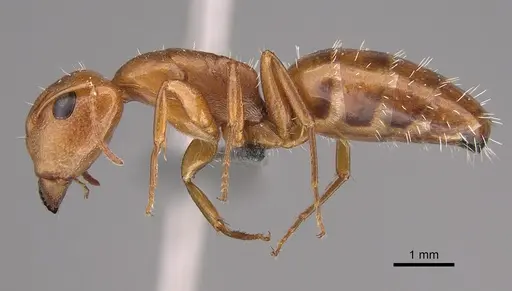
CASENT0774819
View on AntWeb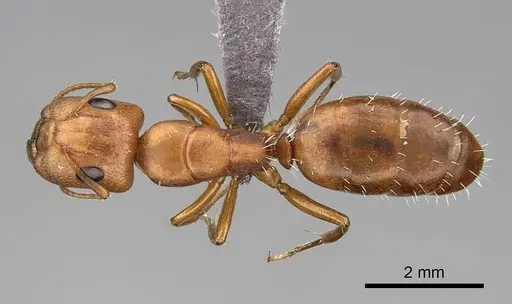
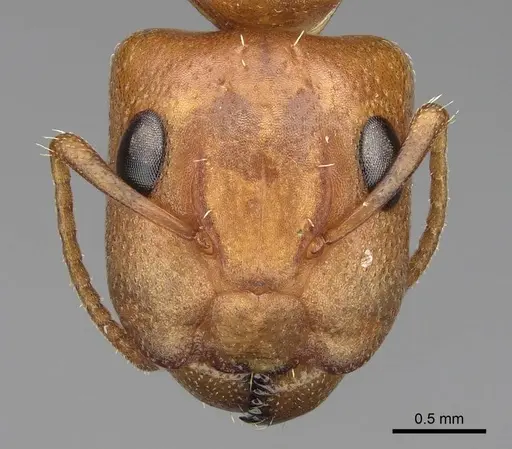
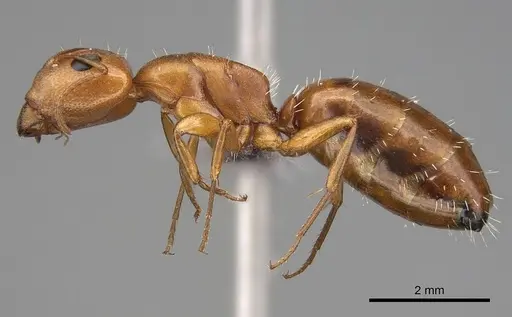
CASENT0777629
View on AntWeb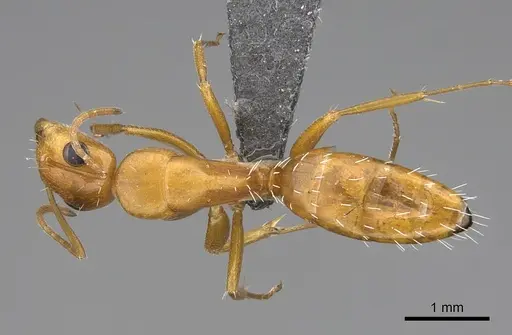
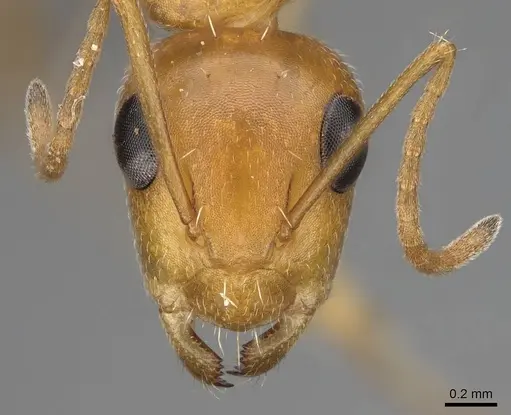
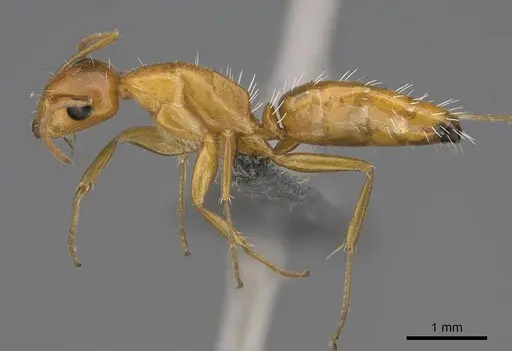
CASENT0814441
View on AntWeb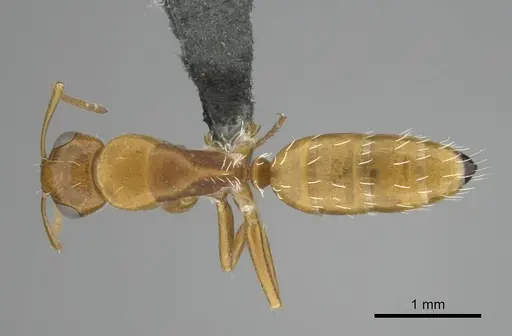
CASENT0905429
View on AntWeb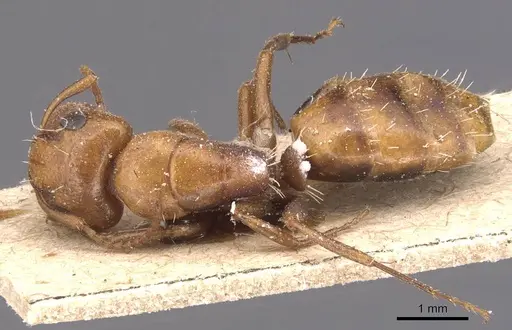
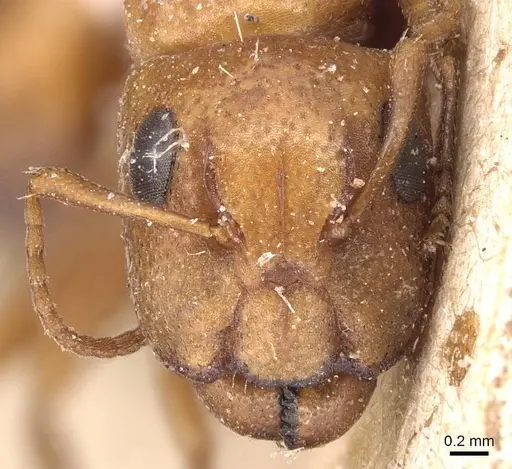
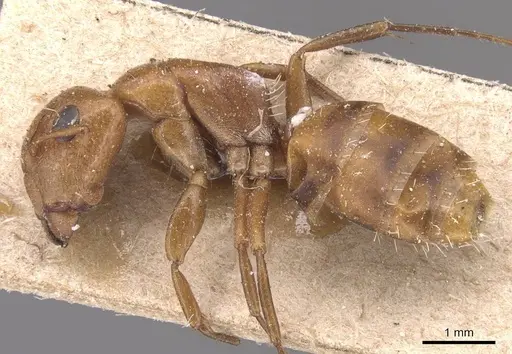
CASENT0905430
View on AntWeb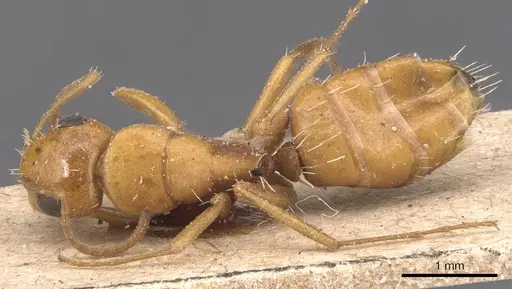
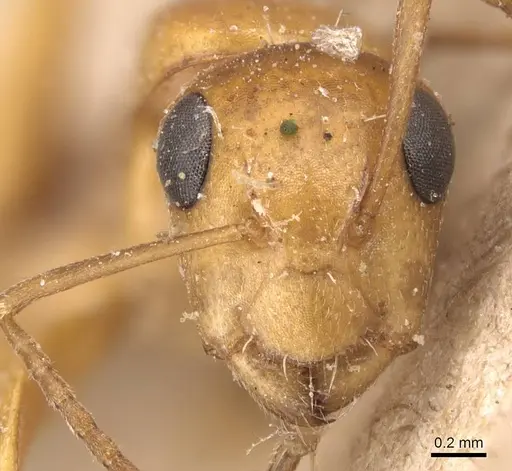
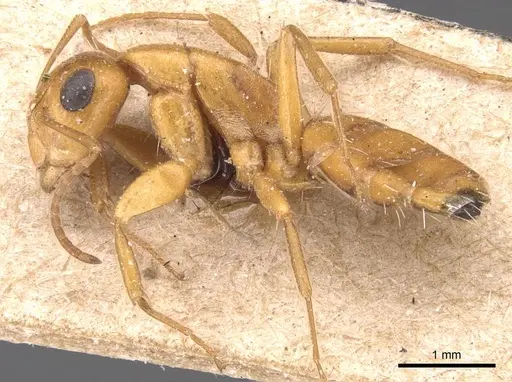
CASENT0906865
View on AntWeb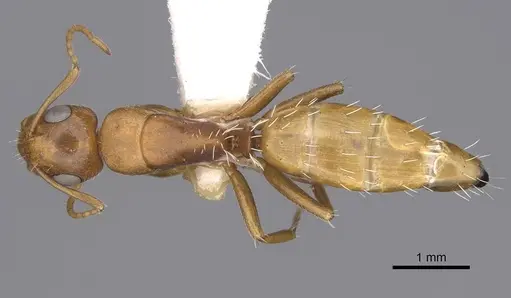
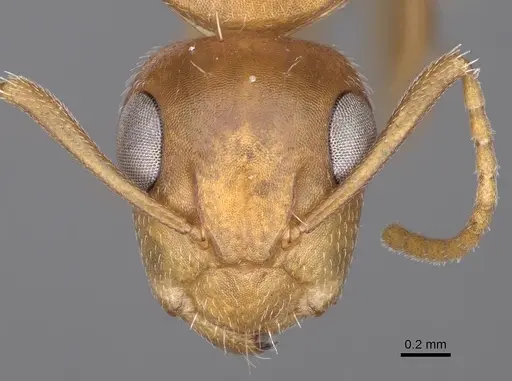
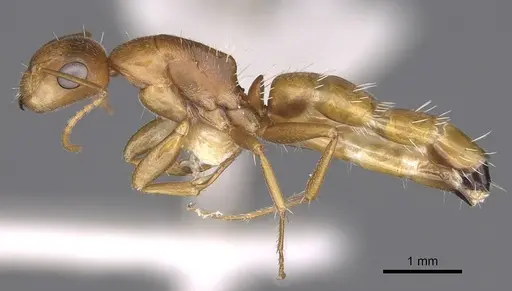
CASENT0906866
View on AntWeb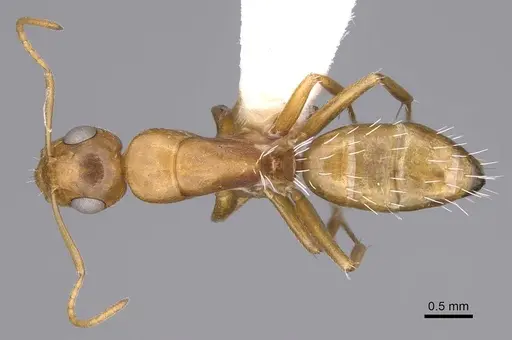
Literature
Loading...Loading products...