

Camponotus bituberculatus
- Scientific Name
- Camponotus bituberculatus
- Subgenus
- Myrmotrema
- Tribe
- Camponotini
- Subfamily
- Formicinae
- Author
- André, 1889
- Distribution
- Found in 1 countries
Camponotus bituberculatus Overview
Camponotus bituberculatus is an ant species of the genus Camponotus. It is primarily documented in 1 countries , including Senegal. Detailed taxonomic data and occurrence records can be further explored via authoritative databases such as AntWeb or the Global Biodiversity Information Facility (GBIF).
Camponotus bituberculatus
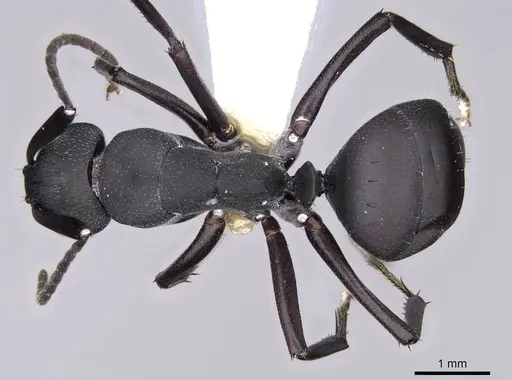
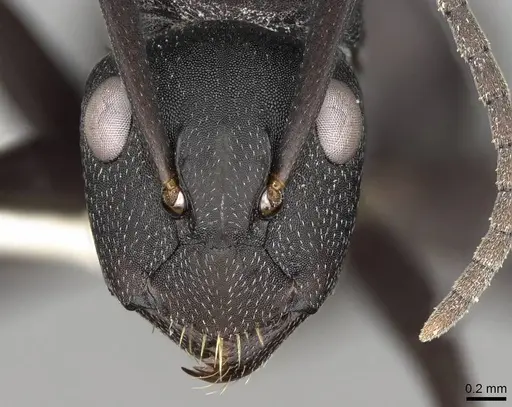
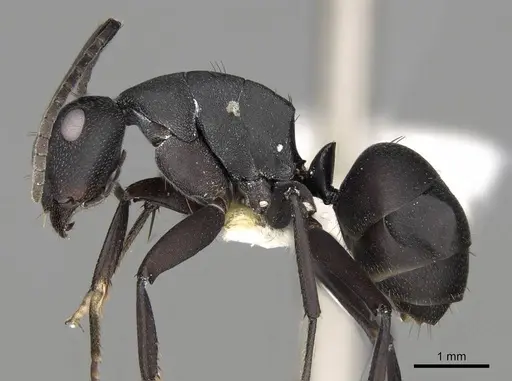
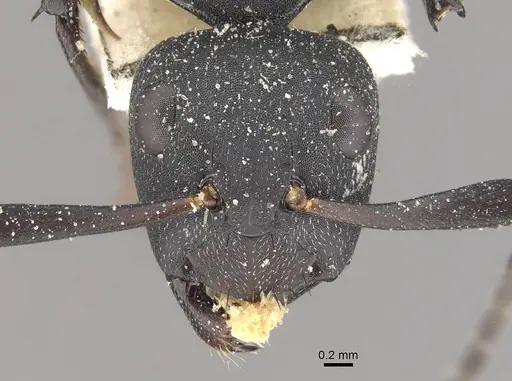
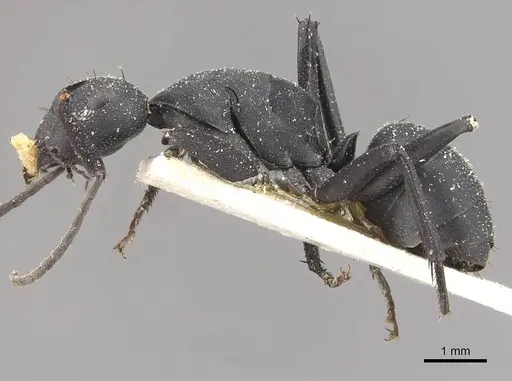
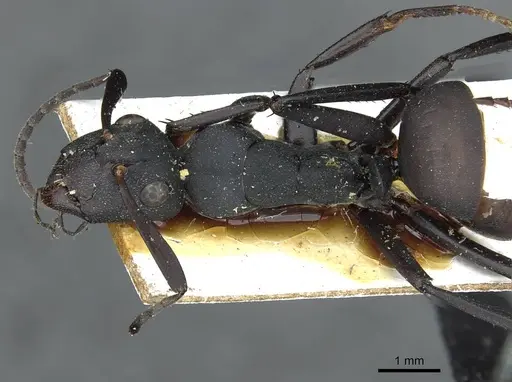
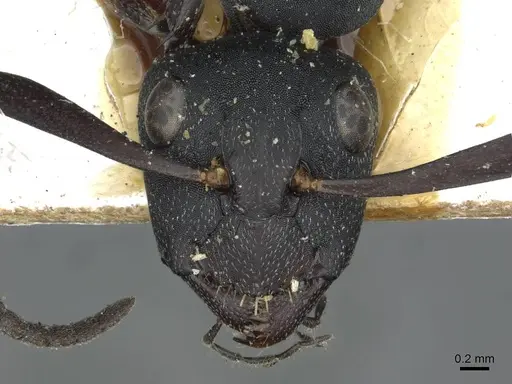
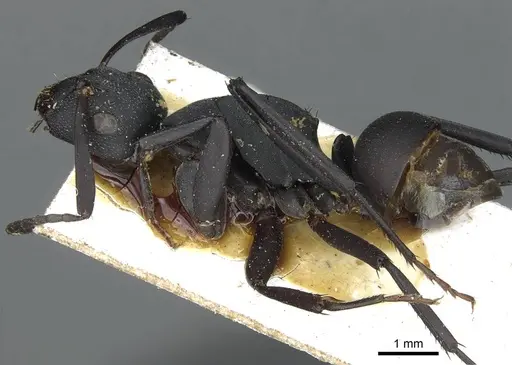
Camponotus bituberculatus is a carpenter ant species native to West Africa, found across Guinea, Senegal, Sierra Leone, Nigeria, and Angola [1][2]. As a member of the subgenus Myrmotrema, these ants have the typical robust Camponotus build with a constricted waist and powerful mandibles. The species name 'bituberculatus' refers to distinctive two-tubercle features on their body. Queens are larger (likely 12-16mm) with workers ranging from 5-12mm, typical of carpenter ants. This species inhabits tropical and subtropical regions of West Africa, where they typically nest in rotting wood or under stones in forest and savanna habitats.
Quick Summary
- Difficulty: Medium
- Origin & Habitat: West Africa, Senegal, Guinea, Sierra Leone, Nigeria, and Angola. Found in tropical and subtropical forest and savanna environments [1][2].
- Colony Type: Colony structure is unconfirmed. Based on typical Camponotus patterns, likely single-queen (monogyne) colonies, though this has not been directly documented.
- Size & Growth:
- Queen: Estimated 12-16mm based on typical Camponotus morphology
- Worker: Estimated 5-12mm (polymorphic, major and minor workers)
- Colony: Unknown for this species, but typical Camponotus colonies reach several thousand workers
- Growth: Moderate, Camponotus species typically grow at moderate speed, with first workers (nanitics) appearing in 6-8 weeks under optimal conditions
- Development: Estimated 6-8 weeks at optimal temperature (25-28°C), based on typical Camponotus development patterns (Development time varies with temperature, warmer conditions speed development, cooler slows it down)
- Antkeeping:
- Temperature: Keep at 24-28°C (warm, stable conditions). A heating cable on one side of the nest creates a temperature gradient allowing ants to self-regulate. West African origin means they prefer consistent warmth.
- Humidity: Maintain moderate to high humidity (60-80%). Keep the nest substrate moist but not waterlogged. Provide a water tube for drinking access.
- Diapause: Likely no true diapause required, being a tropical species, they do not experience harsh winters. However, slight temperature reduction during what would be their 'winter' period (roughly November-February) may be beneficial.
- Nesting: In nature, they nest in rotting wood and under stones. In captivity, Y-tong (AAC) nests, plaster nests, or naturalistic setups with wood pieces work well. They prefer dark, secure nesting areas.
- Behavior: These ants are typically moderate in temperament, not overly aggressive but will defend their nest if threatened. Workers are polymorphic with major workers serving as soldiers and minor workers handling foraging and brood care. They are primarily nocturnal or crepuscular foragers in the wild. Escape risk is moderate, they are large enough that standard barriers work well, but curious workers may explore beyond the nest area. They maintain clean nests and are generally low-maintenance once established.
- Common Issues: colonies can stall if temperatures drop too low, keep warm and stable, wild-caught colonies may have parasites or diseases that cause decline in captivity, overfeeding can lead to mold problems, remove uneaten food promptly, queen loss during founding is common, ensure founding setup is secure and undisturbed, larger colonies need expanding space, transfer to larger nests before they outgrow the original
Housing and Nest Setup
Camponotus bituberculatus does well in various captive setups. Y-tong (acrylic) nests work excellently, they provide darkness, security, and allow you to observe your colony. Plaster nests with built-in water reservoirs maintain humidity well. For founding colonies, a simple test tube setup with a cotton ball providing moisture works perfectly. The queen will seal herself into a chamber and remain there until her first workers emerge. Once the colony reaches 20-30 workers, consider moving to a larger formicarium. Always provide an outworld area for foraging, this can be a simple plastic container connected to the nest. Ensure all connections are secure as these ants can chew through soft materials.
Feeding and Diet
Like most Camponotus species, these ants are omnivorous with a preference for protein-rich foods. Offer sugar water (1:1 ratio) or honey as an energy source, replace every 2-3 days to prevent fermentation. Protein sources include small insects (fruit flies, small crickets, mealworms), with live prey preferred when possible. Feed protein 2-3 times per week for growing colonies, less for established ones. Remove uneaten prey within 24 hours to prevent mold. Some colonies accept fruit or small amounts of seeds, but protein should form the bulk of their diet. Always ensure fresh water is available.
Temperature and Seasonal Care
Being a West African species, C. bituberculatus thrives in warm conditions. Maintain temperatures between 24-28°C for optimal brood development. Temperatures below 20°C can cause brood development to stall and may weaken the colony. Use a heating cable or mat on one side of the nest to create a gradient, this lets ants choose their preferred temperature. Unlike temperate species, they do not require true hibernation. However, some keepers report success with a slight temperature reduction (by 2-4°C) during winter months to simulate natural seasonal cycles. Avoid sudden temperature changes and keep humidity consistent.
Colony Growth and Development
A claustral founding queen will lay eggs after sealing herself in a chamber. She feeds on her stored fat reserves and wing muscles to produce the first brood. Eggs hatch into larvae, then pupate, and emerge as nanitic (first) workers, typically smaller than normal workers due to limited resources. This first brood usually appears within 6-8 weeks under optimal conditions. After nanitics emerge, the queen resumes egg-laying and the colony grows more rapidly. Major workers (soldiers) typically appear once the colony reaches several hundred workers. Full maturity, with colonies of several thousand workers, may take 2-3 years. Growth rate depends heavily on feeding frequency and temperature consistency.
Behavior and Temperament
Camponotus bituberculatus displays typical carpenter ant behavior. Workers are polymorphic, smaller minors handle foraging, brood care, and nest maintenance, while larger majors defend the colony and process larger food items. They are not particularly aggressive toward keepers but will bite if threatened and can spray formic acid as a defense. Workers are primarily active during evening and night hours in the wild, though captive colonies often adjust to daytime activity. They maintain clean nests and typically designate specific areas for waste. The colony will expand their nest chamber if given the space, chewing through soft materials like cotton or plaster.
Frequently Asked Questions
How long does it take for Camponotus bituberculatus to produce first workers?
First workers (nanitics) typically appear in 6-8 weeks after the queen lays eggs, assuming optimal temperature of 25-28°C. Cooler temperatures will significantly slow development.
Can I keep multiple Camponotus bituberculatus queens together?
This has not been documented for this species. Based on typical Camponotus behavior, it is not recommended to combine unrelated foundress queens as they will likely fight. Single-queen colonies are standard for this genus.
What do Camponotus bituberculatus ants eat?
They are omnivorous. Offer sugar water or honey as a constant energy source, and protein (small insects like fruit flies, crickets, mealworms) 2-3 times per week. Remove uneaten food promptly to prevent mold.
Are Camponotus bituberculatus good for beginners?
They are rated as medium difficulty. They are more forgiving than some species but require warm temperatures and proper feeding. They are a good intermediate species for those who have kept simpler ants like Lasius.
What temperature do Camponotus bituberculatus need?
Keep them at 24-28°C. This warm, stable temperature supports optimal brood development. A heating cable on part of the nest creates a gradient they can regulate themselves.
Do Camponotus bituberculatus need hibernation?
No, being a West African tropical species, they do not require true hibernation. Some keepers reduce temperature slightly in winter months, but this is not required.
When should I move Camponotus bituberculatus to a formicarium?
Move them when the colony reaches 20-30 workers and the test tube setup becomes crowded. Ensure the new nest has appropriate humidity and darkness. Let them explore the new area before sealing the old connection.
How big do Camponotus bituberculatus colonies get?
Mature colonies can reach several thousand workers. Growth takes 2-3 years to reach full size under good conditions. They are polymorphic with major and minor workers.
Why is my Camponotus bituberculatus colony declining?
Common causes include: temperature too low (below 20°C), improper humidity (too dry or waterlogged), poor nutrition, parasites from wild-caught colonies, or disturbance during founding. Review all care parameters and ensure the queen is still alive and laying eggs.
References

This caresheet is licensed under CC BY-SA 4.0 .
Literature
Loading...Loading products...