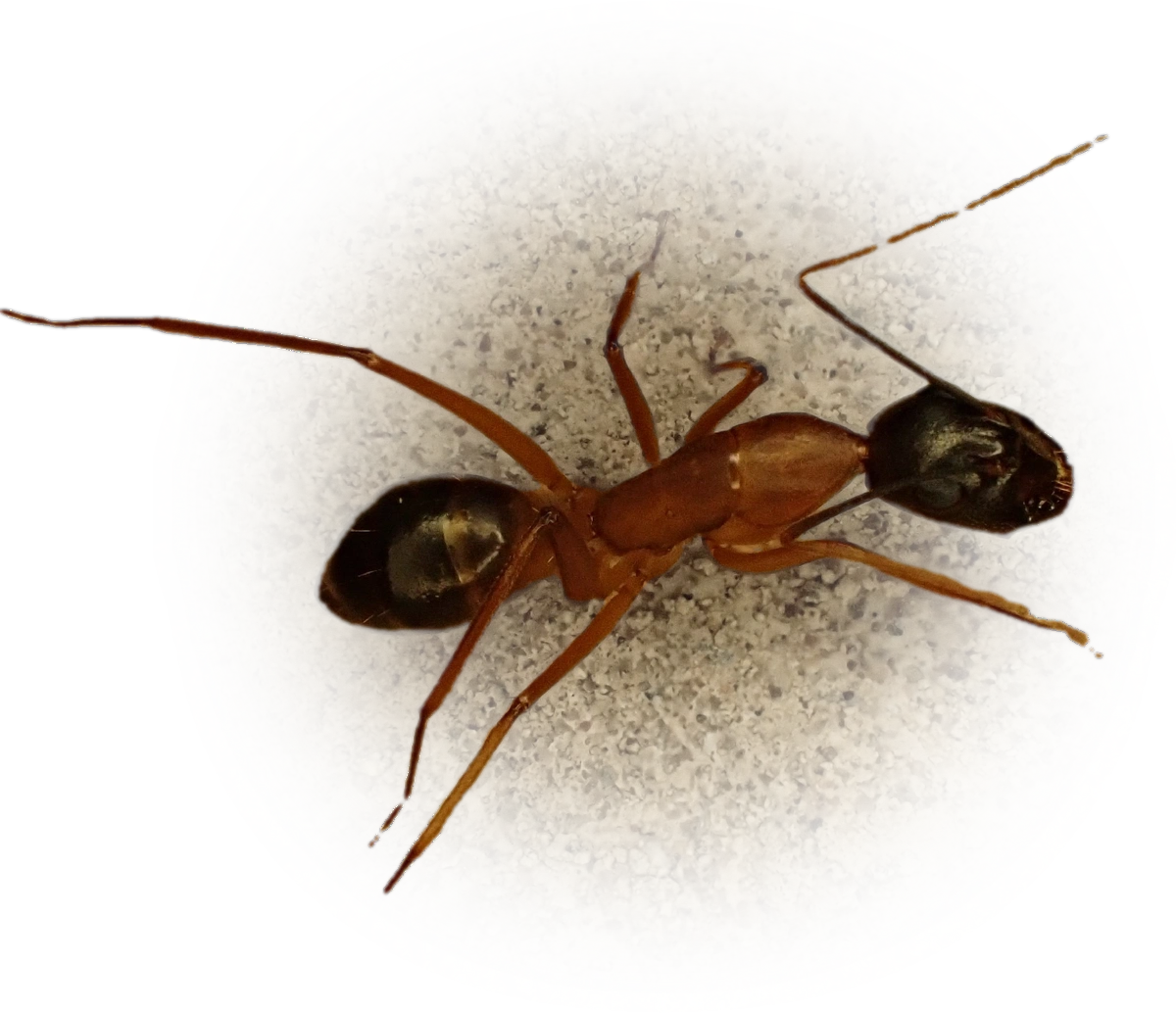

Camponotus barbaricus
- Scientific Name
- Camponotus barbaricus
- Subgenus
- Tanaemyrmex
- Tribe
- Camponotini
- Subfamily
- Formicinae
- Author
- Emery, 1905
- Distribution
- Found in 8 countries
Camponotus barbaricus Overview
Camponotus barbaricus is an ant species of the genus Camponotus. It is primarily documented in 8 countries , including Algeria, Spain, Gibraltar. Detailed taxonomic data and occurrence records can be further explored via authoritative databases such as AntWeb or the Global Biodiversity Information Facility (GBIF).
Camponotus barbaricus
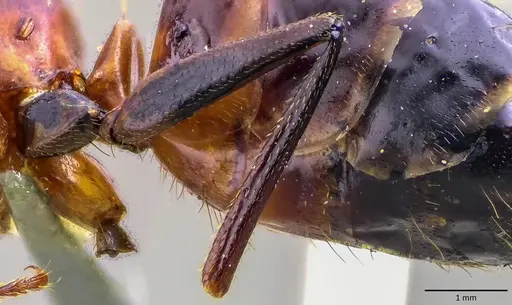
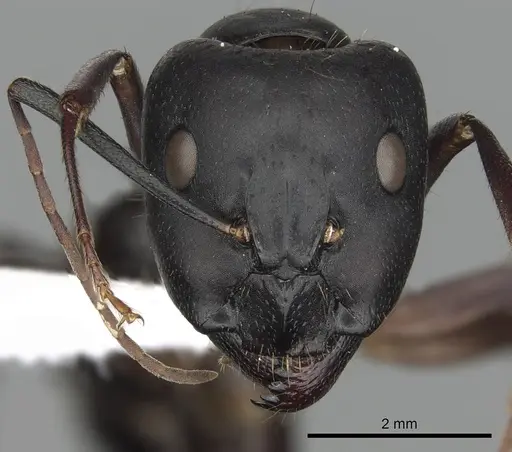
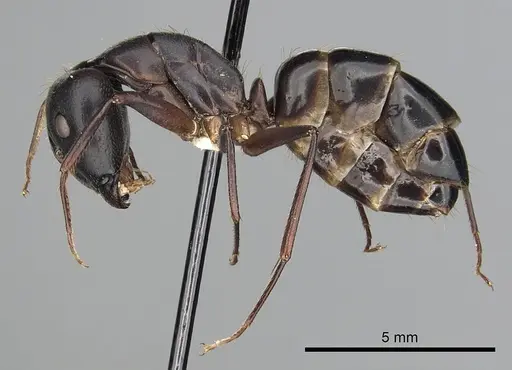
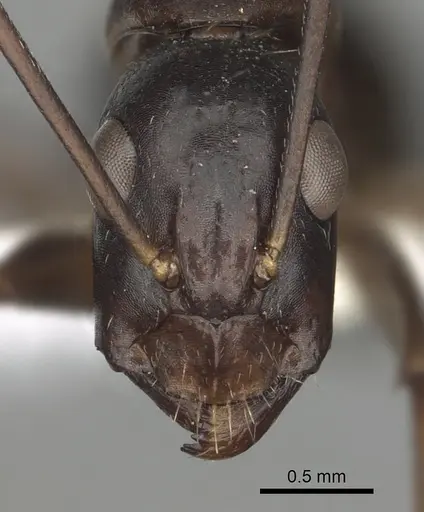
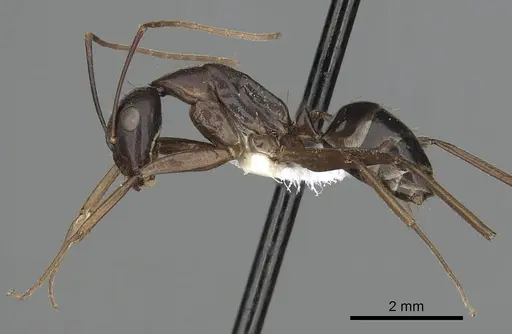
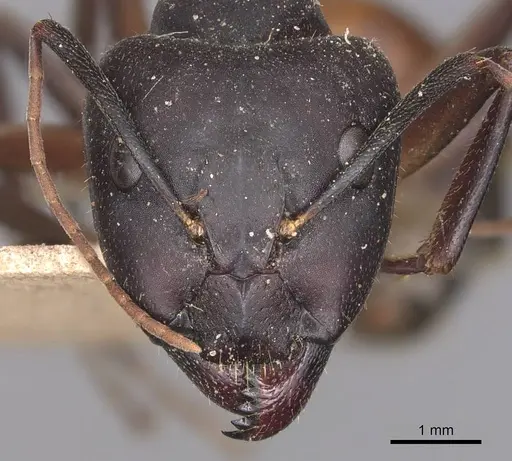
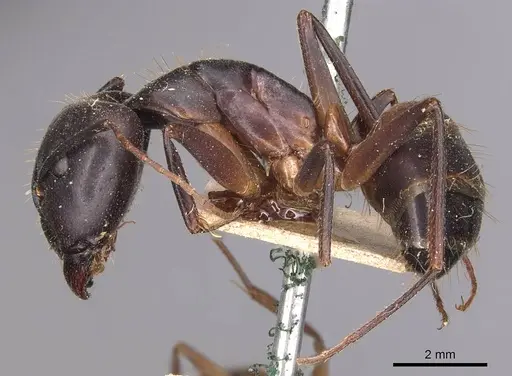
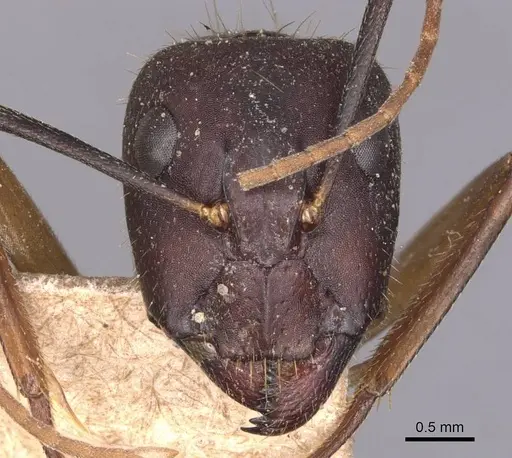
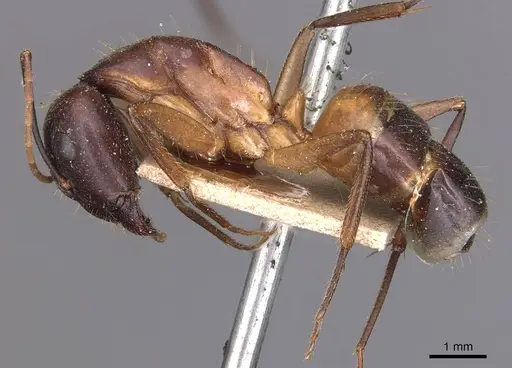
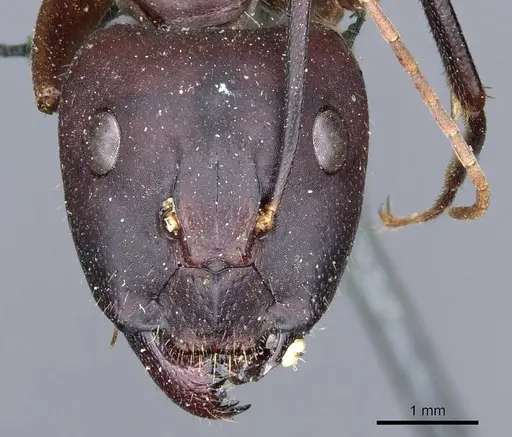
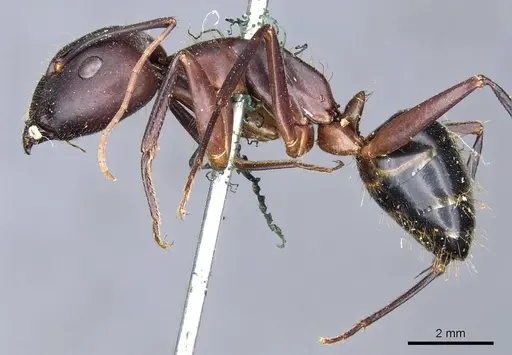
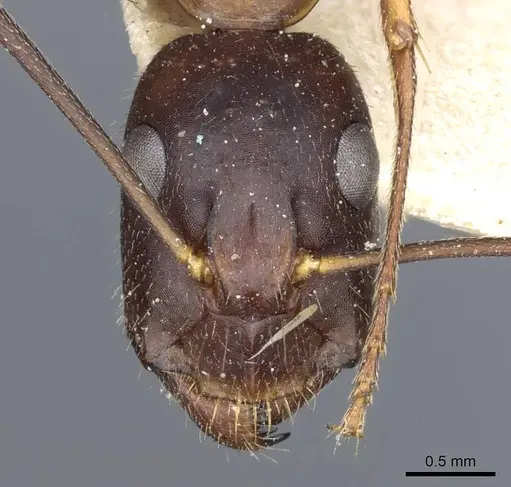
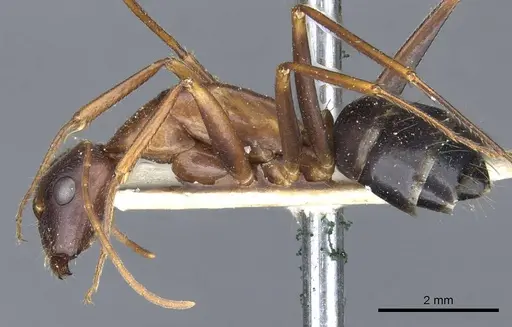
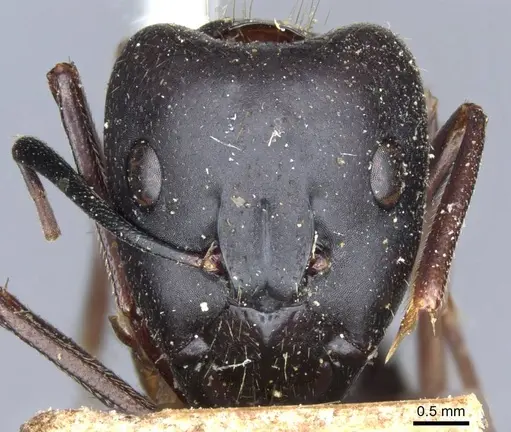
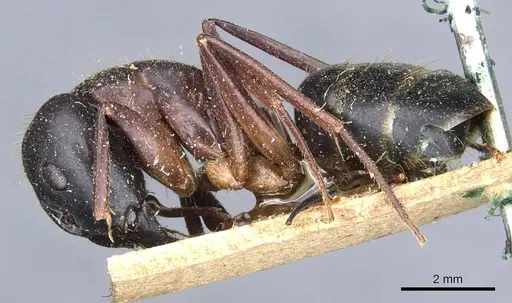
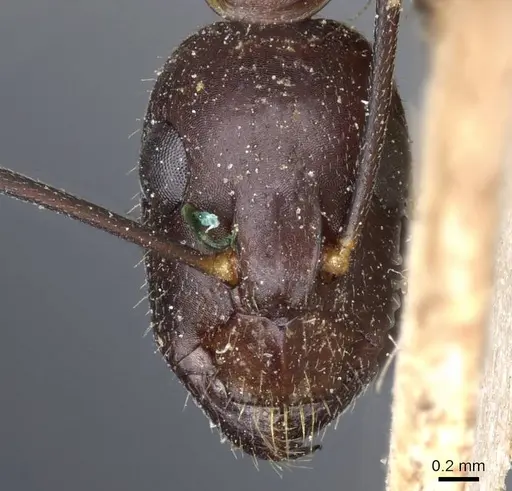
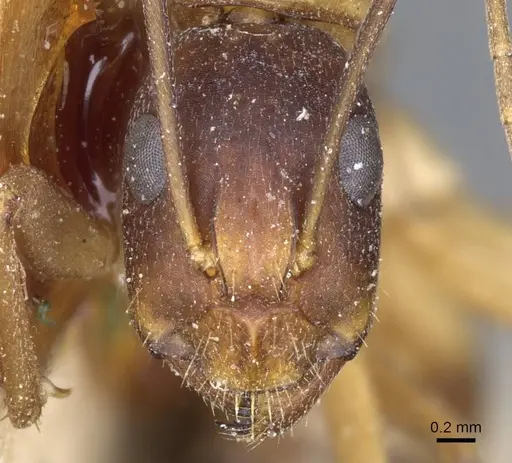
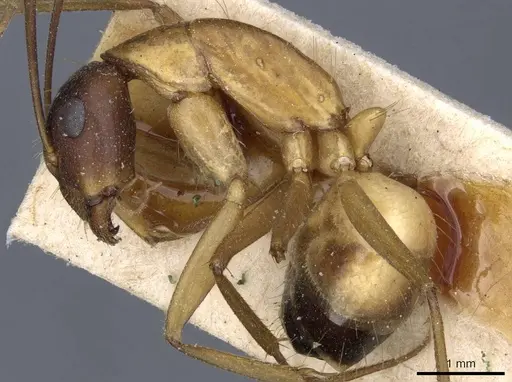
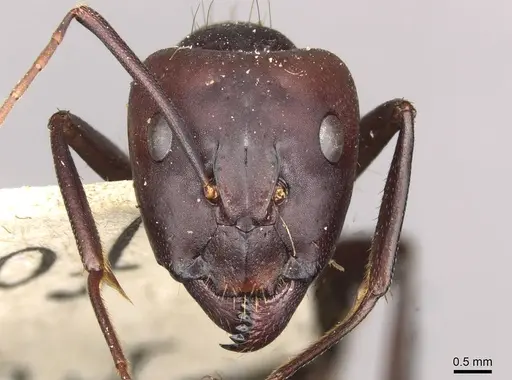
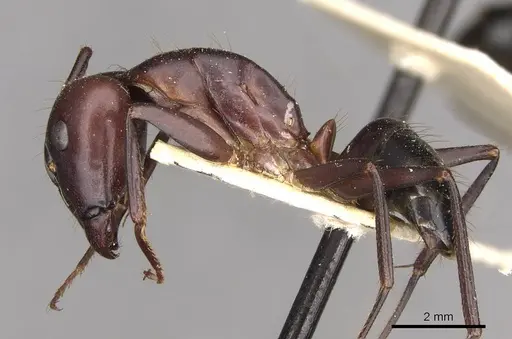
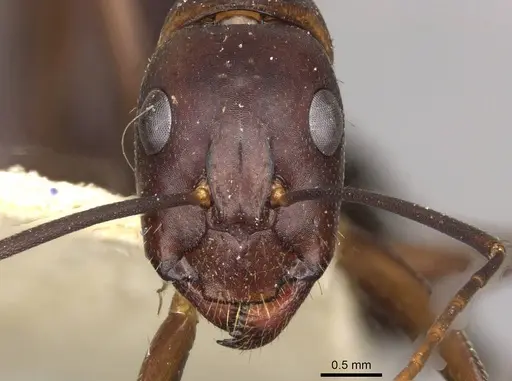
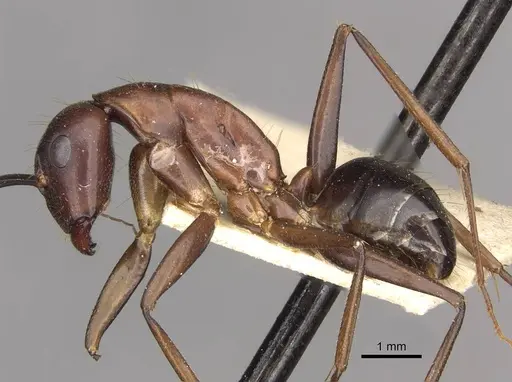
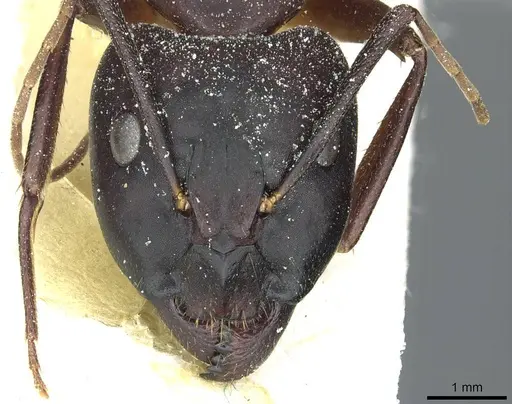
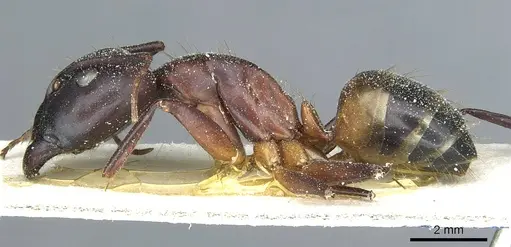
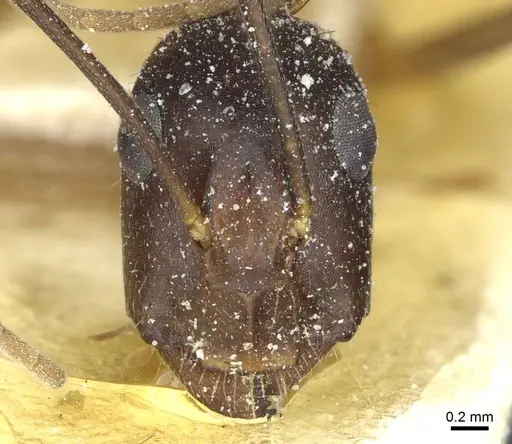
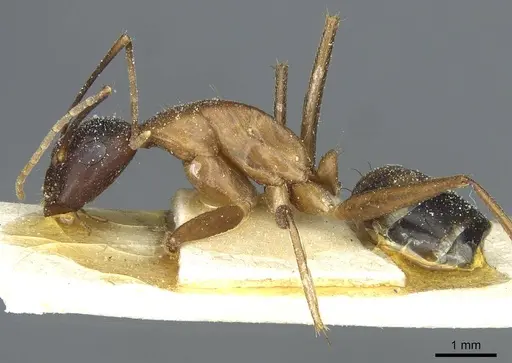
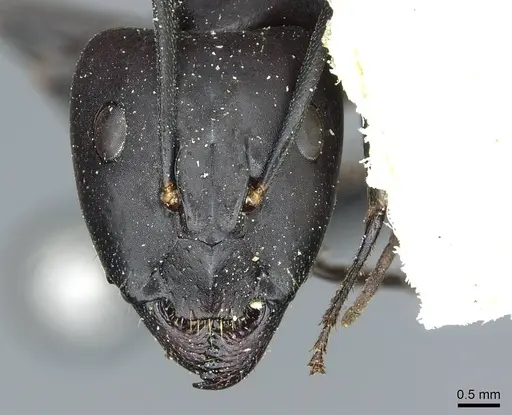
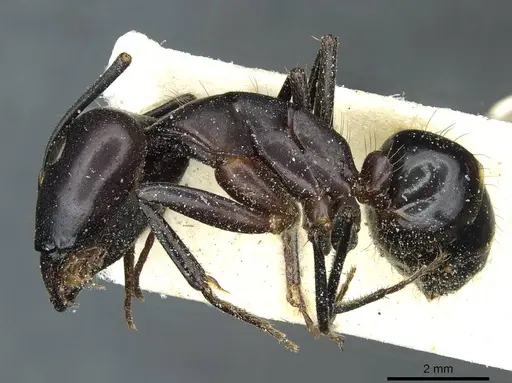
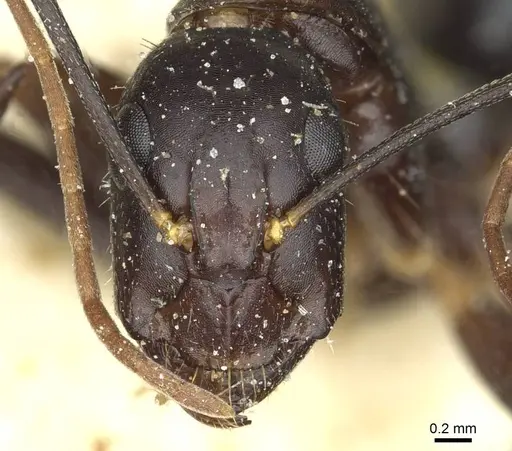
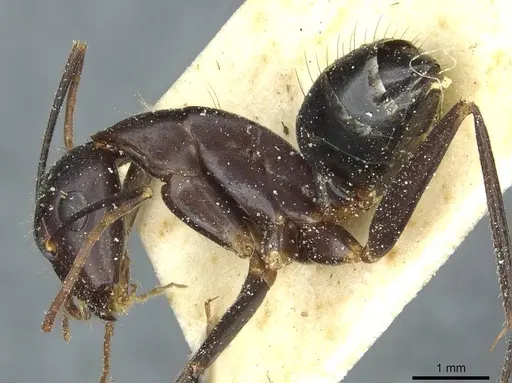
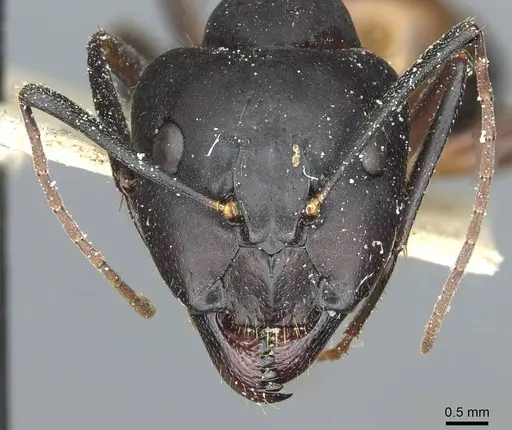
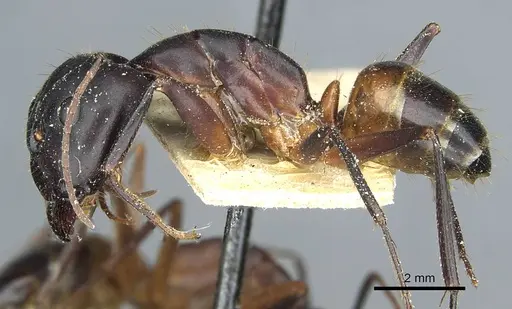
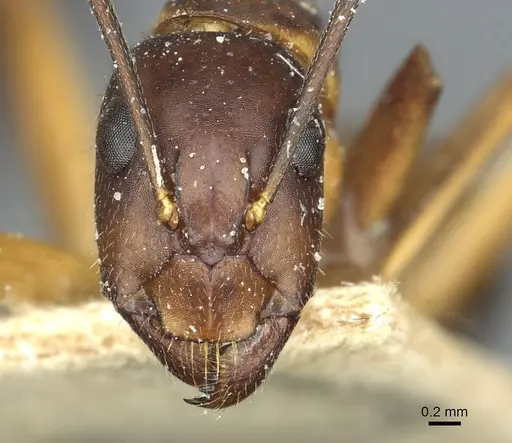
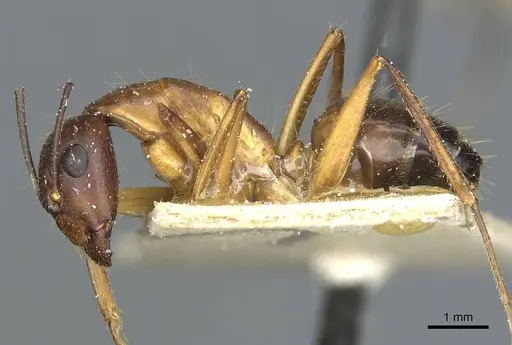
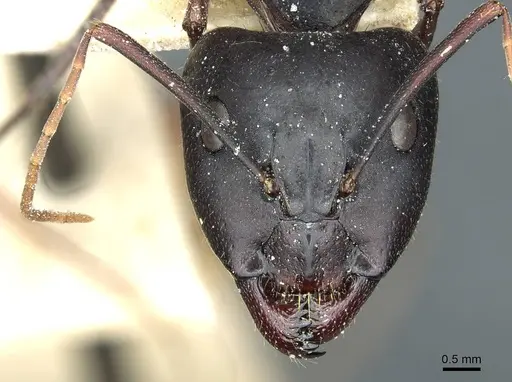
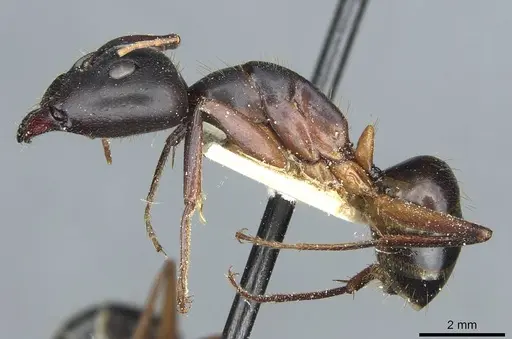
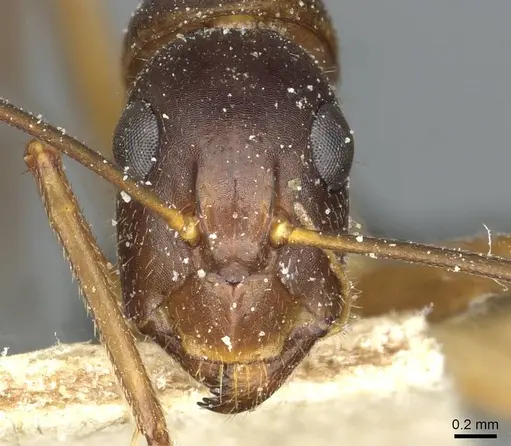
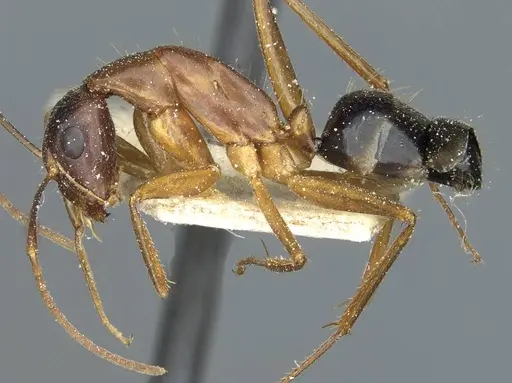
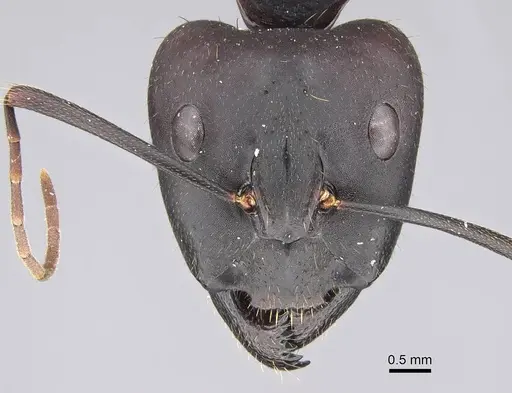
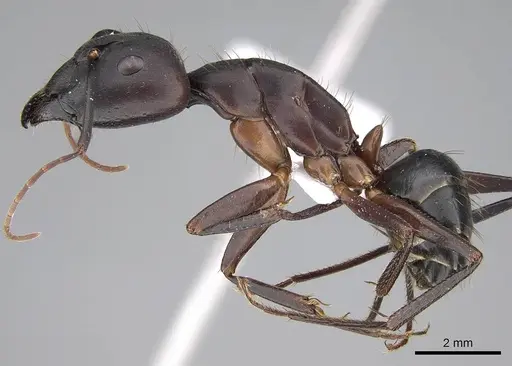
Camponotus barbaricus is a large carpenter ant species native to the Mediterranean region, found across North Africa, the Iberian Peninsula, Italy (Sicily), and Malta [1]. Workers show strong size dimorphism, minor workers are smaller while major workers (soldiers) are significantly larger, both typically ranging 10-15mm in length [2]. They have the classic carpenter ant appearance with a dark body and sometimes reddish tones on the mesosoma. This species is primarily arboreal, nesting in wood and feeding on sugary honeydew from aphids as well as hunting other insects [3]. As a thermophilic species, they thrive in warm, sunny Mediterranean habitats and are classified as Heat/Open specialists in ecological studies [3]. They host several interesting myrmecophiles including the silverfish Neoasterolepisma wasmanni and the pseudoscorpion Hysterochelifer tuberculatus in their nests [4].
Quick Summary
- Difficulty: Easy
- Origin & Habitat: Mediterranean region, Algeria, Gibraltar, Italy (Sicily), Malta, Morocco, Portugal, Spain, Tunisia, Libya [1]. Found in warm, sunny Mediterranean habitats including urban green areas, olive groves, and parklands [3]. Primarily arboreal, nesting in wood and attending aphids on shrubs.
- Colony Type: Monogyne, single queen colonies (typical for Camponotus genus)
- Colony: Monogyne
- Founding: Claustral
- Size & Growth:
- Queen: 15-18mm (estimated based on genus patterns)
- Worker: 10-15mm with strong dimorphism between minor and major workers [2]
- Colony: Several thousand workers (typical for Camponotus)
- Growth: Moderate
- Development: 6-8 weeks at optimal temperature (inferred from typical Camponotus development) (Development is temperature-dependent, warmer conditions speed up development)
- Antkeeping:
- Temperature: 24-28°C, they are thermophilic and prefer warm conditions [3]. A heating cable on one side of the nest creates a gradient.
- Humidity: Moderate, keep nest substrate slightly moist but allow some drying. They tolerate drier conditions than many ants.
- Diapause: Yes, northern populations require winter rest at 10-15°C for 2-3 months. Southern/Maltese populations may have reduced diapause needs.
- Nesting: Y-tong (AAC) nests work well, or plaster/formicarium setups with wood sections. They prefer tight chambers with some open space for majors.
- Behavior: Generally calm and not aggressive toward keepers. They are opportunistic predators that attack and consume other insects [5]. Workers forage for honeydew and hunt prey. Minor workers are more numerous and handle most foraging, while major workers defend the nest and process larger prey. They are moderate escape risks due to their size, standard barriers work well.
- Common Issues: colonies may fail if kept too cold, maintain warm temperatures year-round, major workers can be clumsy and may damage small colonies if handled roughly, overfeeding can lead to mold in the nest, remove uneaten prey, wild-caught colonies may carry parasites that affect captive colonies, they need protein sources regularly, honeydew alone is insufficient
Housing and Nest Setup
Camponotus barbaricus does well in Y-tong (AAC) nests, acrylic formicariums, or plaster nests with channels. They prefer chambers scaled to their size, not too tight, but not overly spacious either. A nested formicarium works better than separate outworlds for smaller colonies. Since they are arboreal in nature, adding a small wooden piece or cork bark to the nest gives them natural shelter options. For the outworld, a simple foraging area with a water test tube as a hydration station is sufficient. Escape prevention is straightforward due to their size, standard fluon barriers on smooth surfaces work well, though you should still use tight-fitting lids. [3][5]
Feeding and Diet
In the wild, these ants are primarily arboreal foragers that collect honeydew from aphids and hunt other insects [3]. In captivity, offer a varied diet: sugar water or honey constantly, protein sources 2-3 times weekly (mealworms, small crickets, dead insects), and occasional fruit. They are large enough to tackle bigger prey than most small ants. Remove uneaten protein within 24 hours to prevent mold. They will attend aphids if you include potted plants in their setup, but this is optional. The major workers will take down larger prey items that minor workers cannot handle alone.
Temperature and Seasonal Care
These are warm-weather ants. Keep the nest at 24-28°C for optimal brood development [3]. A small heating cable on one side of the nest creates a temperature gradient they can choose from. During summer, room temperature in most homes is adequate. In winter, northern populations (Spain, Portugal) benefit from a diapause period of 2-3 months at 10-15°C. Southern populations (Malta, Tunisia, Sicily) may need shorter or no dormancy. Reduce feeding during diapause and keep the colony slightly cooler. Do not diapause colonies that are still in early founding stage or have fewer than 20 workers.
Colony Development
A newly mated queen will seal herself in a claustral chamber and raise her first brood alone, living off stored fat reserves. The first workers (nanitics) are smaller than normal workers but will begin foraging once they emerge. Growth is moderate, expect 6-8 weeks from egg to first worker at optimal temperature. Colonies develop major workers (soldiers) as they grow, which become more prominent in mature colonies. A healthy colony can reach several thousand workers over several years. Major workers appear typically once the colony reaches 50+ workers. Do not disturb the queen during founding, stress can cause her to eat the brood.
Behavior and Temperament
Camponotus barbaricus is relatively calm compared to some more aggressive ant species. They are not particularly defensive and rarely bite unless directly threatened. Workers are primarily active during warmer parts of the day, matching their thermophilic nature. They use chemical trails to recruit nestmates to food sources. Major workers primarily stay near the nest but will respond to large prey items or threats. They are interesting to watch as minor and major workers interact and divide labor. Unlike some carpenter ants, they do not damage wood in homes, in captivity they readily accept artificial nests. [3][5]
Frequently Asked Questions
How long does it take for Camponotus barbaricus to have first workers?
Expect 6-8 weeks from egg to first worker at optimal temperature (24-28°C). This is typical for Camponotus species. The queen seals herself in during founding and raises the first brood alone.
What do Camponotus barbaricus ants eat?
They need a balanced diet of sugar (honey water or sugar water always available) and protein (mealworms, crickets, or other insects offered 2-3 times weekly). In the wild they also collect honeydew from aphids.
Do Camponotus barbaricus ants need hibernation?
Yes, northern populations (Spain, Portugal) need 2-3 months of winter rest at 10-15°C. Southern populations from Malta and North Africa may need shorter or no diapause. Reduce feeding during this period.
Are Camponotus barbaricus good for beginners?
Yes, they are considered easy to keep. They are relatively calm, accept a wide variety of foods, and are not difficult to house. Their large size makes them easy to observe and handle.
How big do Camponotus barbaricus colonies get?
Mature colonies can reach several thousand workers over several years. They develop distinct major workers (soldiers) as the colony grows.
What temperature do Camponotus barbaricus need?
Keep them warm at 24-28°C. They are thermophilic and prefer these temperatures for optimal brood development. A heating cable on part of the nest creates a useful gradient.
When do Camponotus barbaricus have nuptial flights?
Swarming occurs from May to August in their native range [6]. In captivity, ensure the colony is well-established before conditions trigger reproductive development.
Can I keep multiple Camponotus barbaricus queens together?
No, this species is monogyne (single queen). Unlike some ants, they do not tolerate multiple queens. Only keep one queen per colony.
What size nest do I need for Camponotus barbaricus?
Start with a test tube for founding, then move to a small formicarium or Y-tong nest as the colony grows. They do well in acrylic or plaster nests with appropriately sized chambers for their 10-15mm workers.
References

This caresheet is licensed under CC BY-SA 4.0 .
ANTWEB1041856
View on AntWeb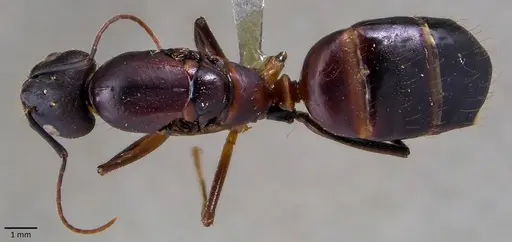
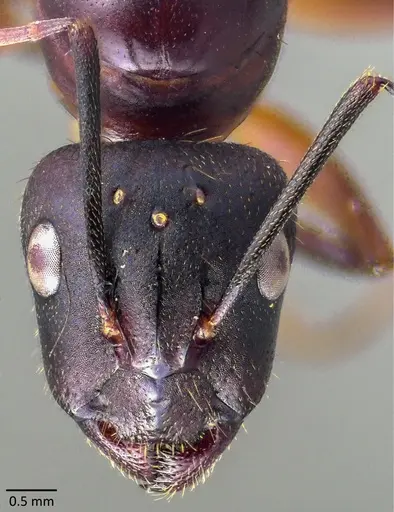
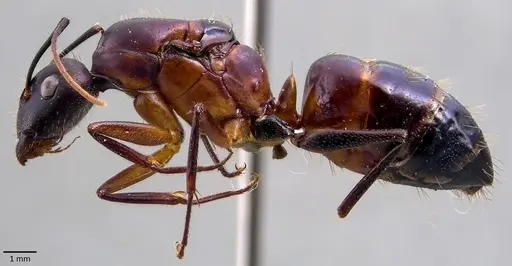
CASENT0249968
View on AntWeb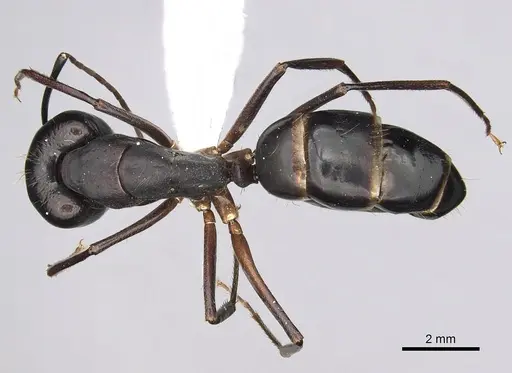
CASENT0249969
View on AntWeb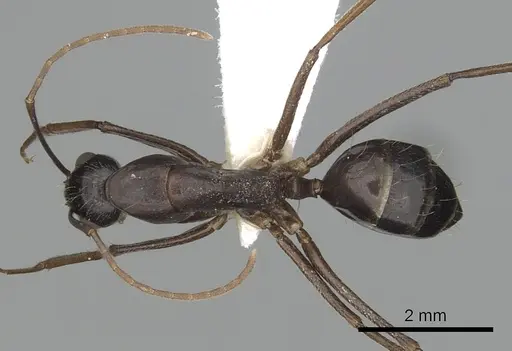
CASENT0905296
View on AntWeb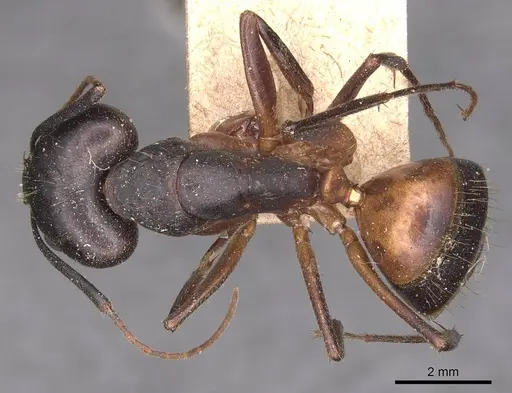
CASENT0905297
View on AntWeb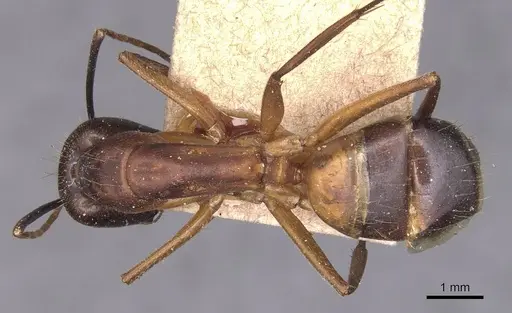
CASENT0905298
View on AntWeb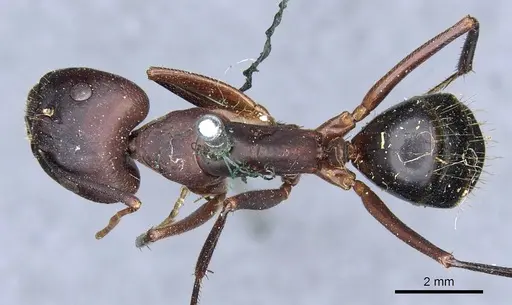
CASENT0905299
View on AntWeb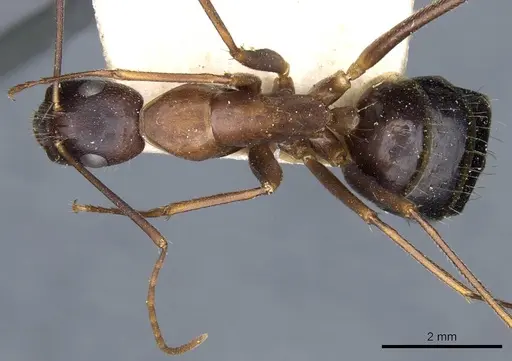
CASENT0905300
View on AntWeb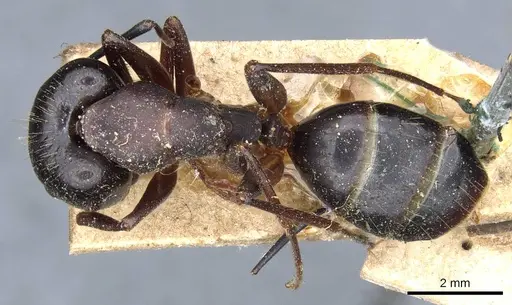
CASENT0905301
View on AntWeb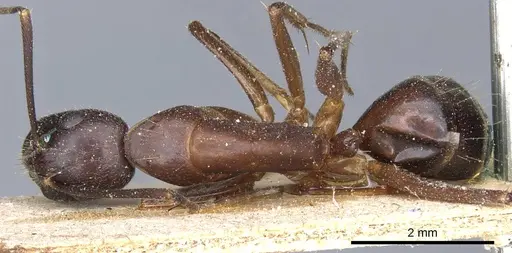
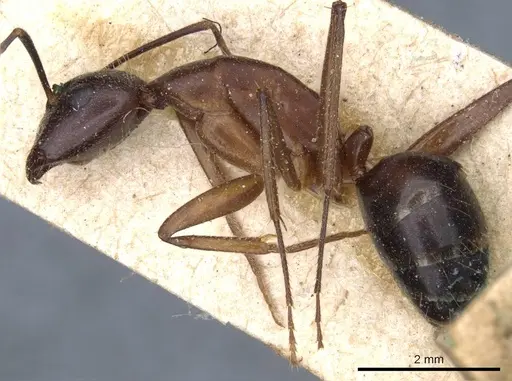
CASENT0905306
View on AntWeb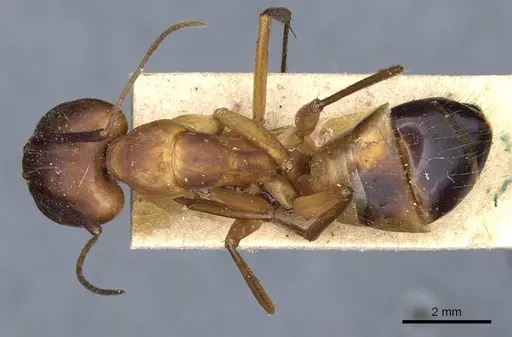
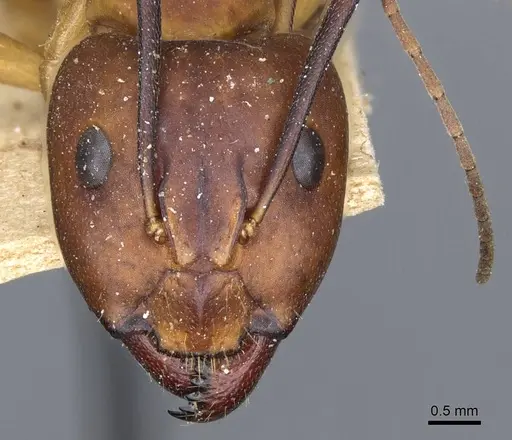
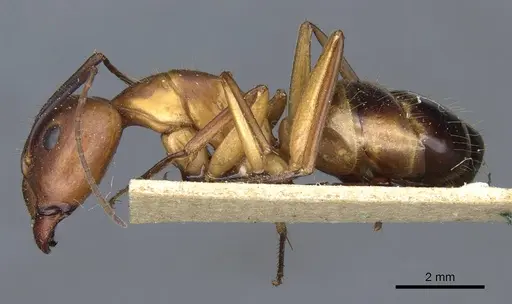
CASENT0905307
View on AntWeb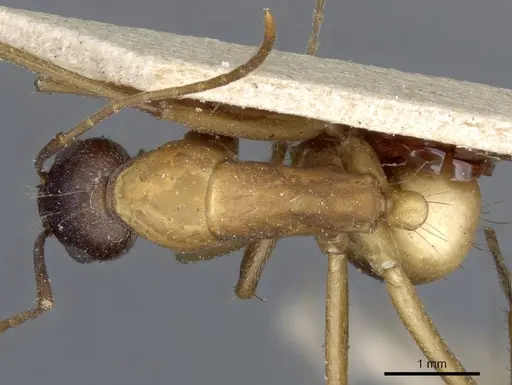
CASENT0910276
View on AntWeb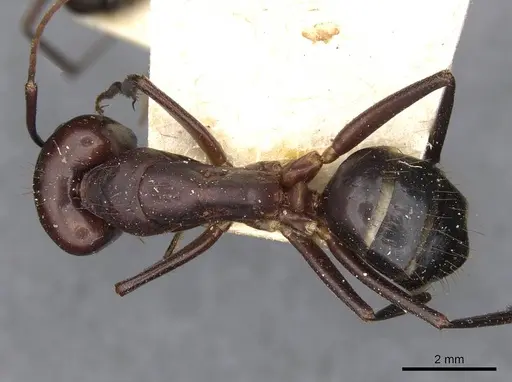
CASENT0910277
View on AntWeb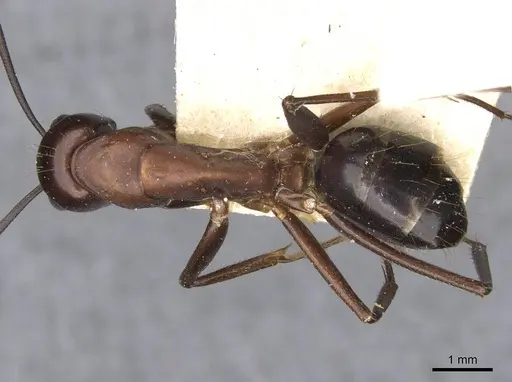
CASENT0912047
View on AntWeb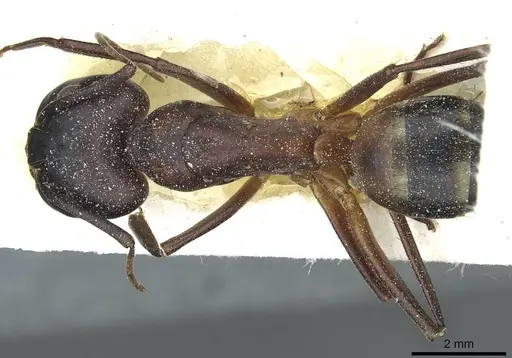
CASENT0912048
View on AntWeb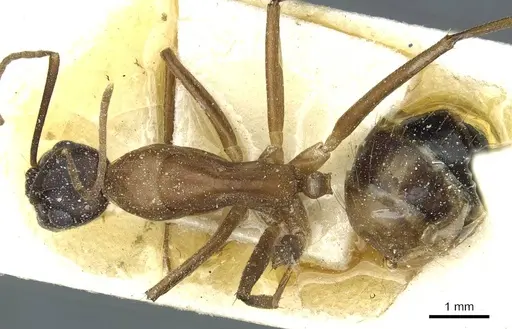
CASENT0912049
View on AntWeb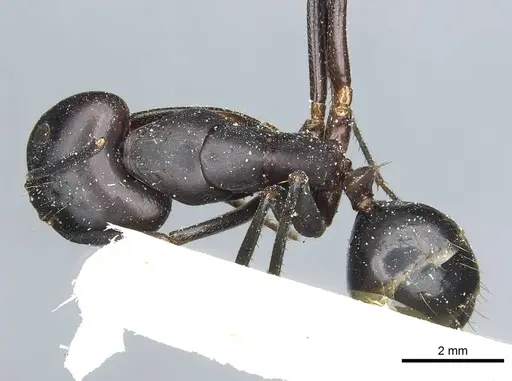
CASENT0912050
View on AntWeb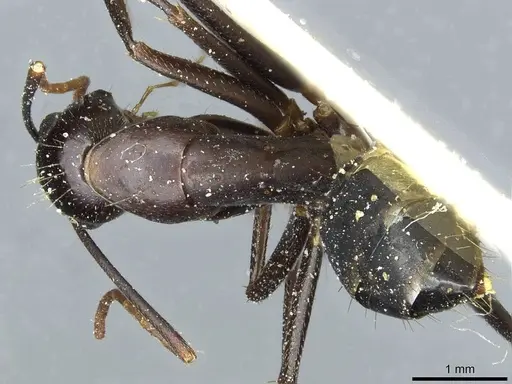
CASENT0912051
View on AntWeb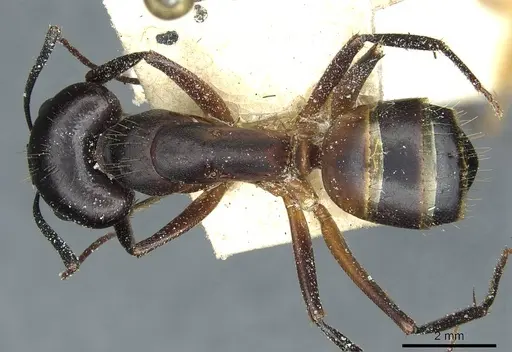
CASENT0912052
View on AntWeb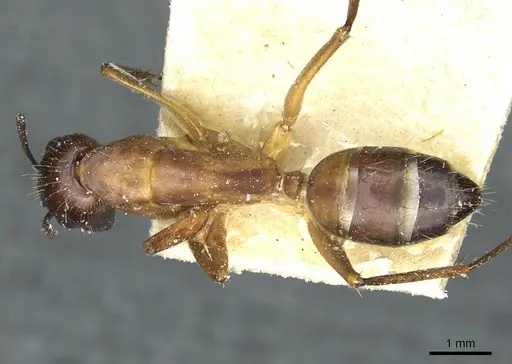
CASENT0912053
View on AntWeb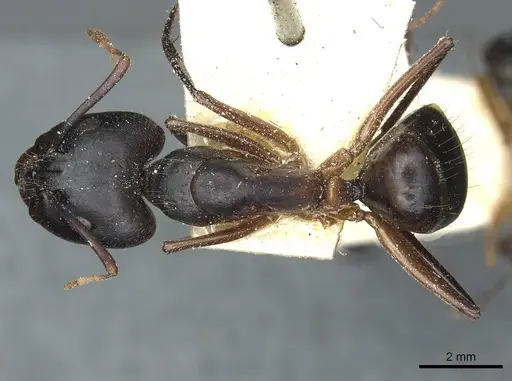
CASENT0912054
View on AntWeb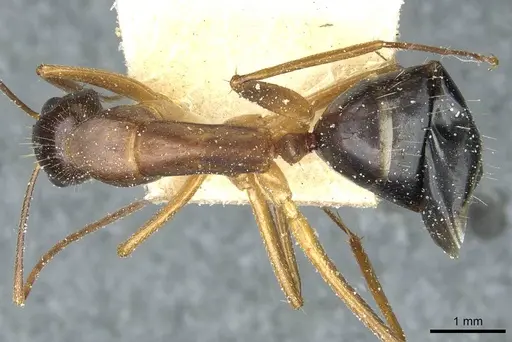
CASENT0922703
View on AntWeb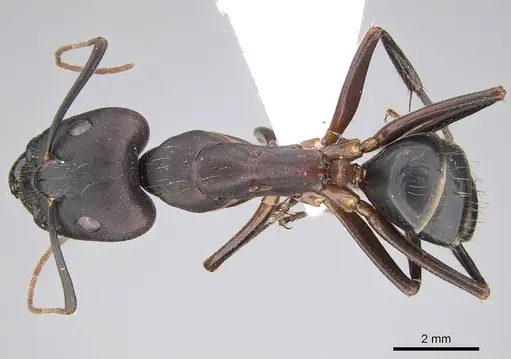
Literature
Loading...Loading products...