

Camponotus balzani
- Scientific Name
- Camponotus balzani
- Subgenus
- Tanaemyrmex
- Tribe
- Camponotini
- Subfamily
- Formicinae
- Author
- Emery, 1894
- Distribution
- Found in 6 countries
Camponotus balzani Overview
Camponotus balzani is an ant species of the genus Camponotus. It is primarily documented in 6 countries , including Brazil, Colombia, Ecuador. Detailed taxonomic data and occurrence records can be further explored via authoritative databases such as AntWeb or the Global Biodiversity Information Facility (GBIF).
Camponotus balzani
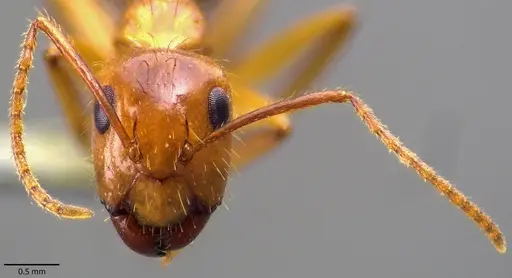
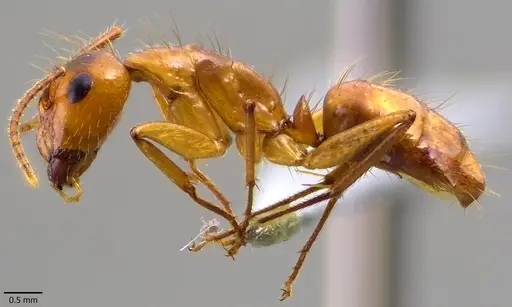
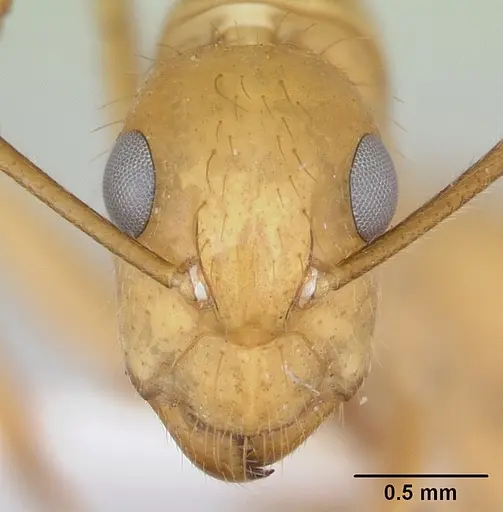
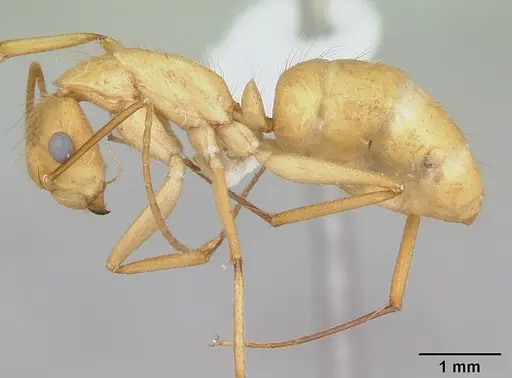
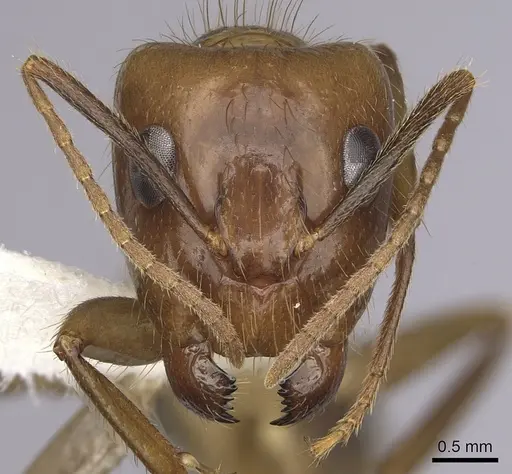
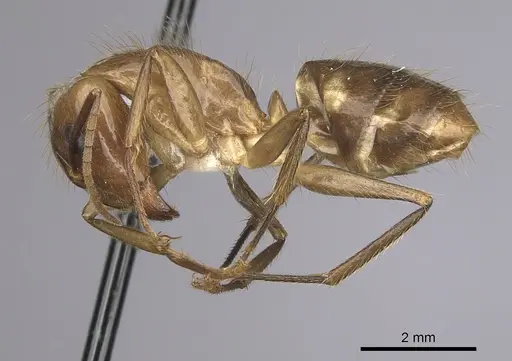
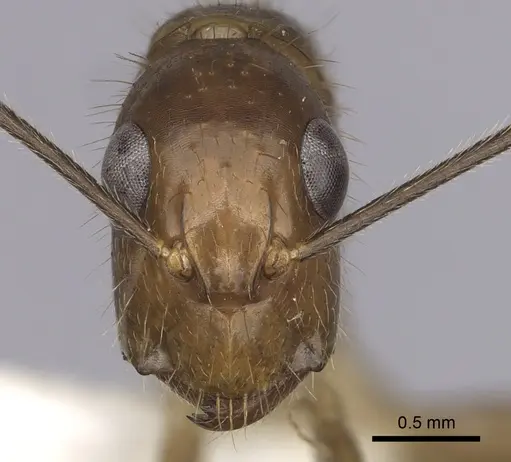
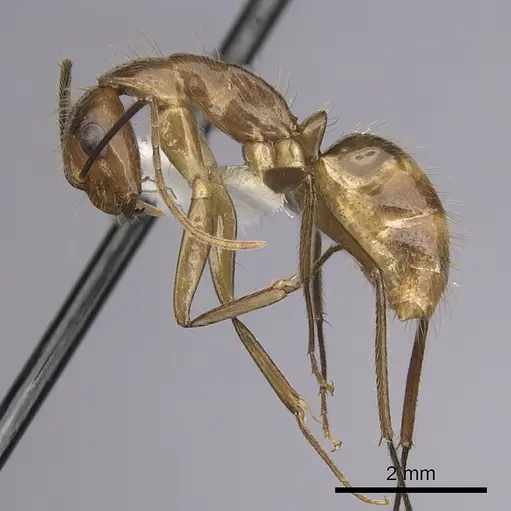
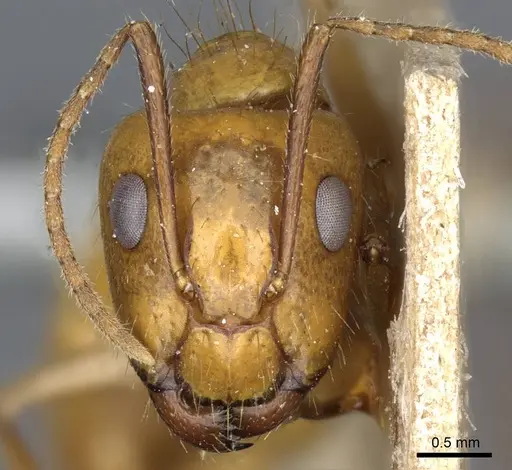
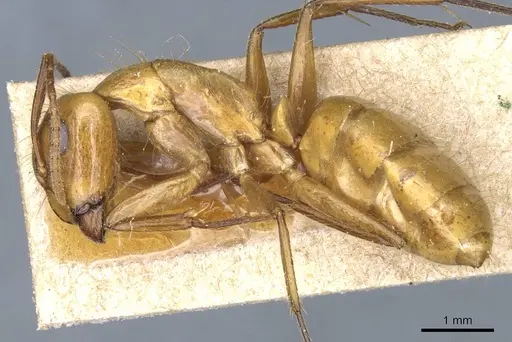
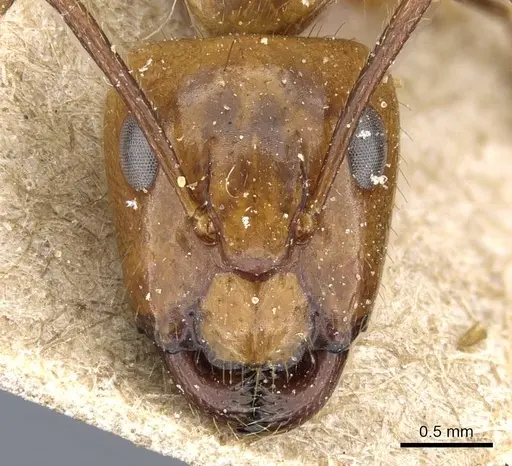
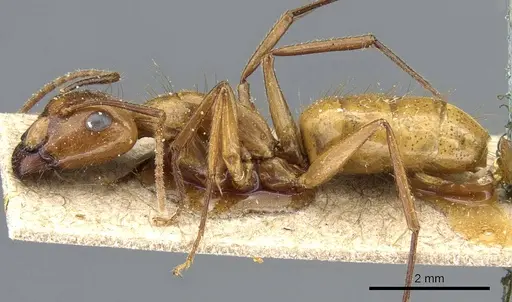
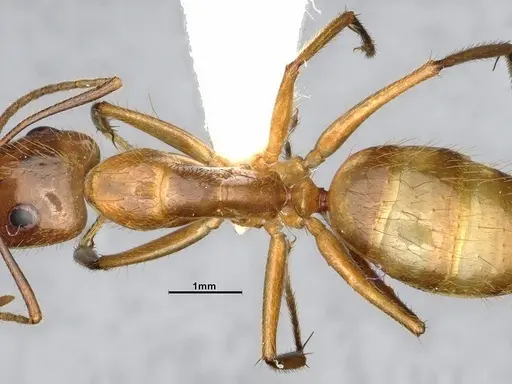
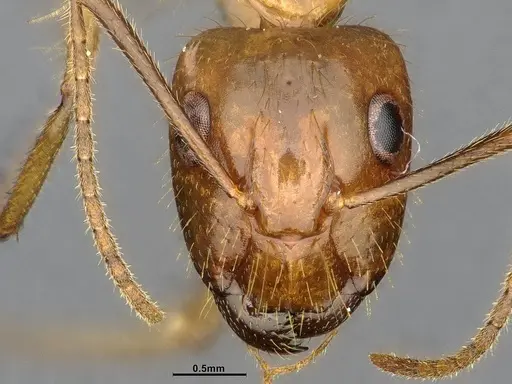
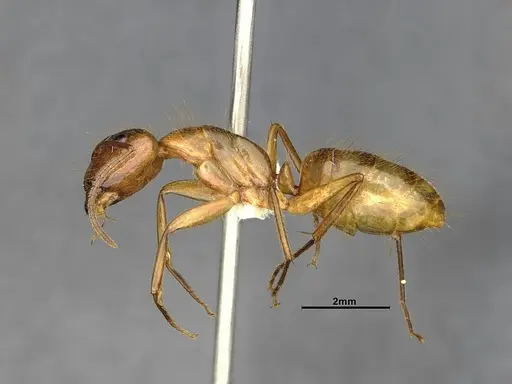
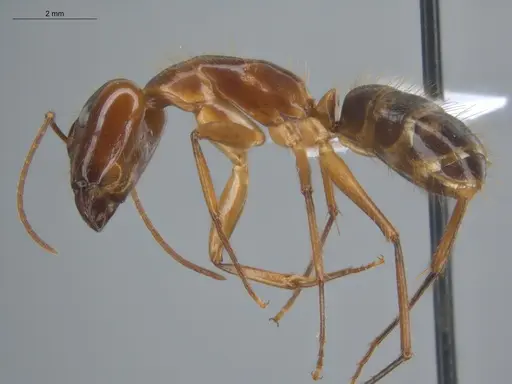
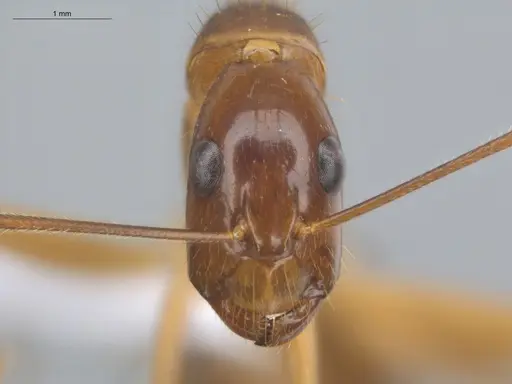
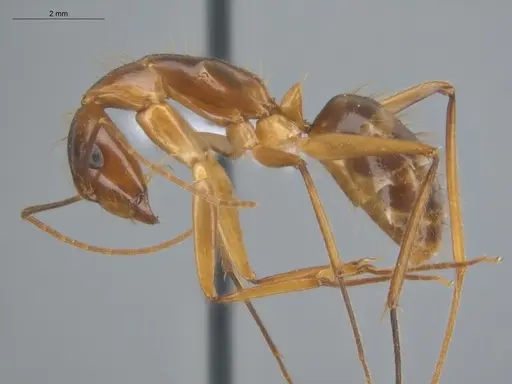
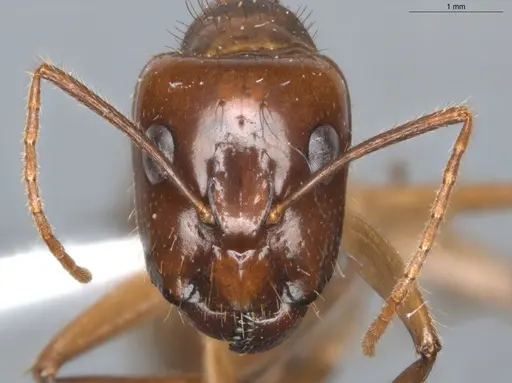
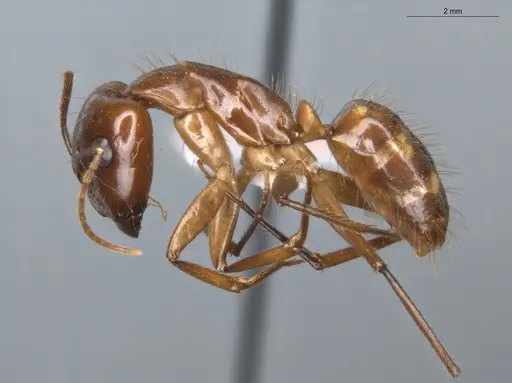
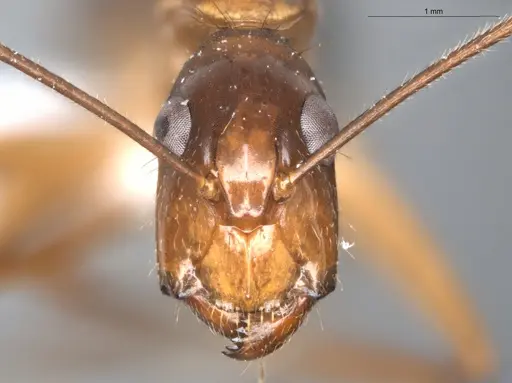
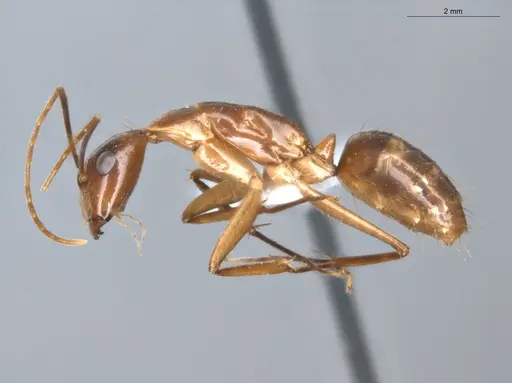
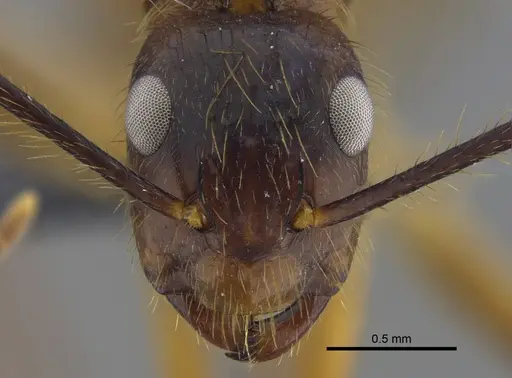
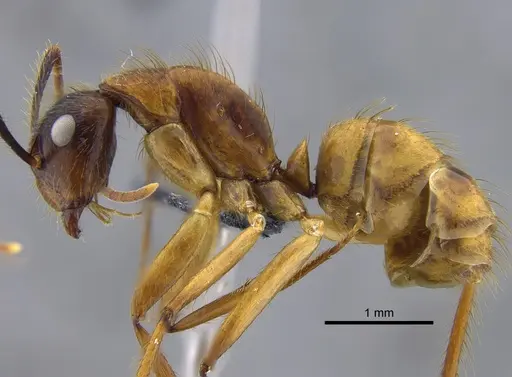
Camponotus balzani is a medium-sized carpenter ant native to the Neotropical region, found across Argentina, Bolivia, Brazil, Ecuador, French Guiana, and Paraguay [1]. Workers are smooth and medium brown with yellow coxae, and some individuals have yellow markings on the sides of their abdomen. The head is elongated with a sharp clypeal ridge and is covered with erect hairs [1]. This species is one of the specialized 'Cecropia ants', it lives exclusively inside Cecropia trees (sacred fig family), nesting in the hollow stems and using the plant's specialized structures for shelter [2]. Unlike many arboreal ants, C. balzani is extremely timid and nocturnal, rarely leaving the safety of the tree to patrol leaves [2]. It is the only Cecropia-specialist ant that will accept standard ant baits like tuna and cheese [2].
Quick Summary
- Difficulty: Medium
- Origin & Habitat: Neotropical region, Argentina, Bolivia, Brazil, Ecuador, French Guiana, Paraguay, and Colombia. Found in tropical and subtropical forests, particularly in Cecropia trees, and occasionally in bromeliads [3][1][4].
- Colony Type: Single-queen (monogyne) colonies. This is a specialized Cecropia ant that lives inside hollow stems of Cecropia trees. Colonies can become large, with workers foraging in the canopy at night [2][5].
- Colony: Monogyne
- Founding: Claustral
- Size & Growth:
- Queen: Queens are large, total length over 1 cm [6]. Estimated 12-15mm based on genus patterns.
- Worker: Polymorphic, minor workers around 6-8mm, major workers larger. Minor workers have abundant erect hairs on the sides of the head [6][1].
- Colony: Large colonies in the canopy, forms foraging trails covering relatively large areas (~10 m²) that persist for long periods [5]. Estimated 500+ workers at maturity.
- Growth: Moderate, typical for larger Camponotus species
- Development: 6-10 weeks at optimal temperature (estimated based on genus patterns for Camponotus) (Development time is typical for tropical Camponotus, faster than temperate species but slower than some smaller ants)
- Antkeeping:
- Temperature: Keep at 24-28°C. Being a tropical species, they prefer warm conditions. A gentle gradient allowing cooler areas is beneficial [5].
- Humidity: Moderate to high humidity, they inhabit tropical forests. Keep nest substrate slightly moist but not waterlogged. Provide a water tube.
- Diapause: No, being a tropical species, they do not require hibernation. Maintain consistent temperatures year-round [4].
- Nesting: Arboreal nesting, in captivity, use a Y-tong (AAC) nest or similar setup with narrow chambers. They prefer dark, enclosed spaces similar to tree hollows. Can also use plaster nests or formicaria with appropriate humidity control [1].
- Behavior: Extremely timid and nocturnal, they stay inside their host tree and rarely venture out [2]. Workers forage mainly at night and can form long-lasting foraging trails in the canopy [5]. They are not aggressive and will flee rather than fight when threatened [6]. This species is one of the least defensive Cecropia ants, they don't make clearings or prune vines like some related species [2]. They are escape artists due to their moderate size, use standard barrier methods. They accept a wide variety of foods including sugar sources, making them easier to feed than many specialized ants [2].
- Common Issues: Tropical species, cannot tolerate temperatures below 20°C for extended periods, Arboreal nature means they need vertical space and proper nesting sites, Nocturnal behavior can make them seem inactive during the day, Wild-caught colonies may carry the zombie-ant fungus Ophiocordyceps, monitor for unusual behavior, Large colony size requires expanding enclosure space over time
Nest Preferences and Housing
Camponotus balzani is an arboreal species that naturally nests inside hollow Cecropia tree stems and rotting wood [1]. In captivity, they do well in Y-tong (AAC) nests or plaster nests that maintain moderate humidity. They prefer dark, enclosed spaces with narrow chambers scaled to their worker size. The nest should be kept humid but not wet, these are tropical forest ants, not desert dwellers. A test tube setup can work for founding colonies, but you'll need to move them to a proper nest as the colony grows. Because they form large colonies with extensive foraging trails, ensure the outworld provides enough space for workers to patrol and forage [5].
Feeding and Diet
This species is unusually flexible for a specialized Cecropia ant, C. balzani is the only Cecropia-specialist that accepts standard ant baits like tuna and cheese [2]. They are opportunistic feeders that will take sugar water, honey, fruit, and protein sources like insects. In the wild, they feed on nectaries, living or dead prey, and Hemiptera and Lepidoptera exudates [7]. Feed them a varied diet: sugar water or honey constantly, protein (mealworms, crickets, fruit flies) 2-3 times per week, and occasional treats. Their nocturnal foraging habits mean they're most active in the evening, time feedings accordingly for best results.
Temperature and Seasonal Care
As a tropical species from the Neotropics, Camponotus balzani requires warm temperatures, aim for 24-28°C. They cannot tolerate cold conditions and do not require hibernation or diapause [4]. Keep them away from drafts, air conditioning vents, and any area where temperatures might drop below 20°C. A small heating cable on one side of the nest can help maintain warmth, but always provide a temperature gradient so ants can move to cooler areas if needed. Consistent year-round temperatures work best, no winter cooling is needed.
Behavior and Temperament
This is one of the most timid carpenter ant species you can keep. Unlike aggressive ants that will bite or spray formic acid when threatened, C. balzani prefers to flee and hide [6]. They are primarily nocturnal, rarely leaving their nest during daylight hours [2]. Workers form foraging trails that can cover relatively large areas and persist over time, this is normal behavior, not a sign of escape attempts [5]. They are not escape artists in the traditional sense, but they are active foragers. Use standard barrier methods (fluon on smooth surfaces) and your colony should stay contained. Their peaceful nature makes them interesting to observe but less exciting than more aggressive species.
Health Concerns
One important concern with this species is its susceptibility to the zombie-ant fungus Ophiocordyceps camponoti-balzani. This specialized parasitic fungus infects C. balzani and related carpenter ants, manipulating their behavior before killing them [8][9]. While this is primarily a concern in the wild, stressed or weakened colonies in captivity may be more vulnerable. Maintain good husbandry practices, avoid overhandling, and monitor for any unusual ant behavior. Healthy colonies in clean setups are generally resistant to opportunistic pathogens.
Colony Growth and Development
Camponotus balzani colonies grow moderately, faster than some larger Camponotus but not as quickly as smaller tropical species. A newly mated queen will found her colony claustrally, sealing herself in a chamber and surviving on stored fat until her first workers (nanitics) emerge. These initial workers are smaller than mature workers but will begin foraging for food to support further growth. Colonies can become quite large over time, with workers foraging in the canopy in the wild [5]. Ensure your setup can accommodate growth, you'll need to expand their space as the colony reaches several hundred workers.
Frequently Asked Questions
Is Camponotus balzani a good beginner ant?
This species is rated as medium difficulty. They're easier than many Cecropia ants because they accept standard foods and aren't overly aggressive. However, being tropical, they need consistent warmth and cannot tolerate cold. They're also nocturnal, which means you won't see much activity during the day. If you can maintain warm temperatures and don't mind their shy nature, they make interesting pets.
What do Camponotus balzani ants eat?
They're opportunistic omnivores. Unlike most Cecropia ants, they accept almost anything, sugar water, honey, fruit, and protein sources like insects. This makes them one of the easier specialized ants to feed. Offer sugar water constantly, protein 2-3 times weekly, and occasional fruit or treats.
How long does it take for first workers to appear?
Based on typical Camponotus development, expect 6-10 weeks from egg to first worker at optimal temperature (around 26°C). The queen will remain sealed in her founding chamber until nanitics emerge, this is normal claustral founding behavior.
Do they need hibernation?
No. Being a tropical Neotropical species, they do not require hibernation or winter cooling. Keep them at warm temperatures (24-28°C) year-round. Cold temperatures can stress or kill them.
What size colony do they reach?
Colonies can become large, in the wild they form extensive foraging trails in the canopy covering ~10 m² [5]. Expect 500-2000+ workers at maturity with proper care.
Can I keep multiple queens together?
Camponotus balzani is monogyne, single-queen colonies. While some Camponotus can found colonies together (pleometrosis), this species typically has one queen per colony. Don't attempt to combine unrelated foundress queens.
Why is my colony inactive during the day?
This is normal, Camponotus balzani is primarily nocturnal. They're most active at night when foraging and patrolling. During the day, workers stay inside the nest or move slowly. This is not a problem, they're just sleeping. Activity increases in the evening hours.
What nest type is best?
Y-tong (AAC) nests or plaster nests work well. They prefer dark, enclosed spaces similar to tree hollows. The nest should maintain moderate humidity, not wet, but not completely dry either. Test tube setups work for founding but need upgrading as the colony grows.
Are they aggressive?
No, they're extremely timid. Among Cecropia ants, C. balzani offers the least effective defense [2]. When threatened, they run and hide rather than fight. This makes them easy to handle but less exciting than more aggressive species.
References

This caresheet is licensed under CC BY-SA 4.0 .
ANTWEB1041869
View on AntWeb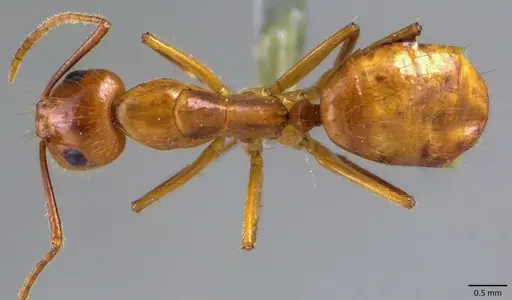
CASENT0173394
View on AntWeb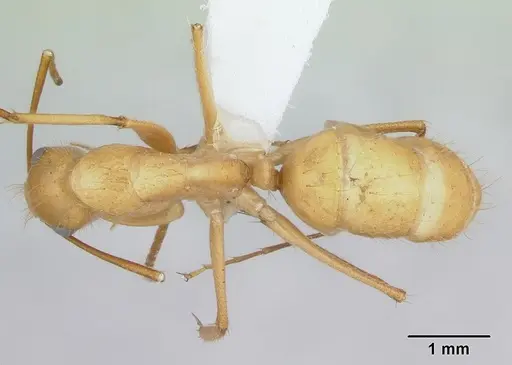
CASENT0280055
View on AntWeb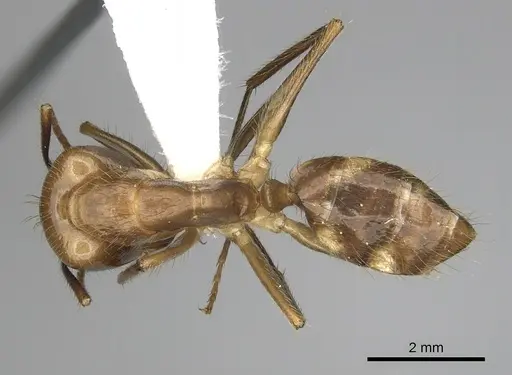
CASENT0280056
View on AntWeb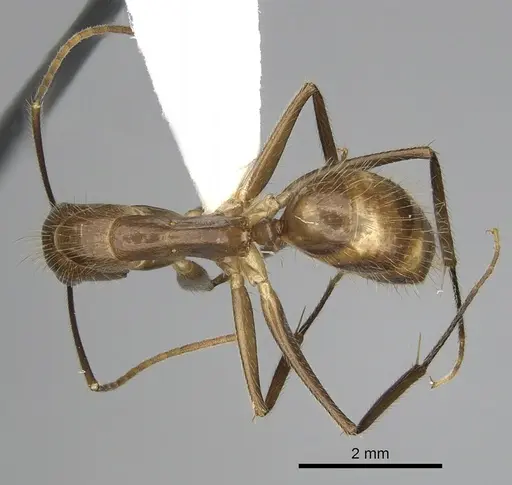
CASENT0905198
View on AntWeb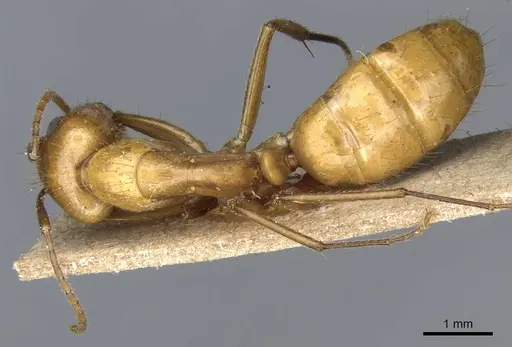
CASENT0905811
View on AntWeb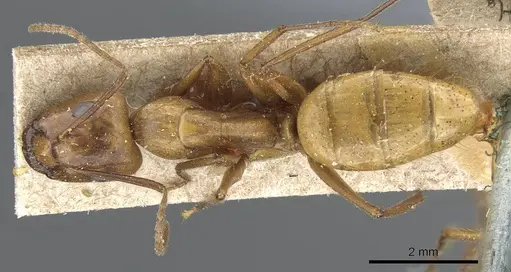
CASENT0923518
View on AntWeb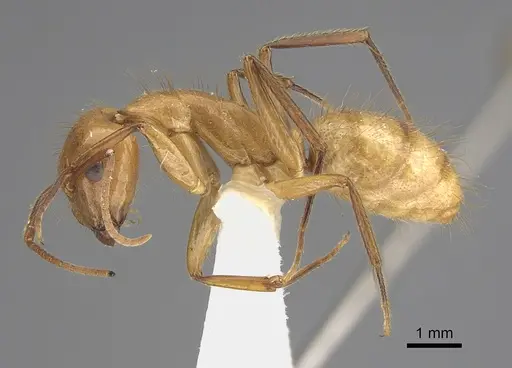
CASENT4032222
View on AntWeb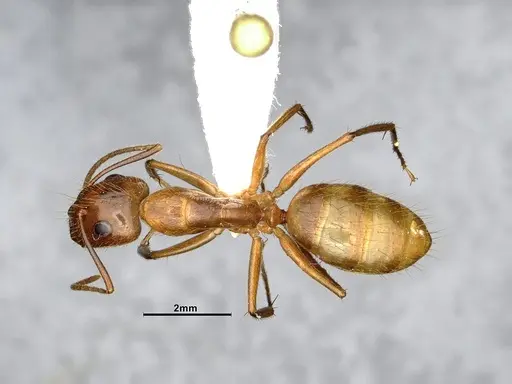
ECOFOG-GAL18-0227-14
View on AntWeb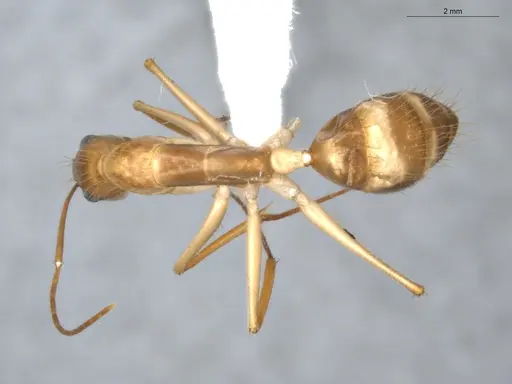
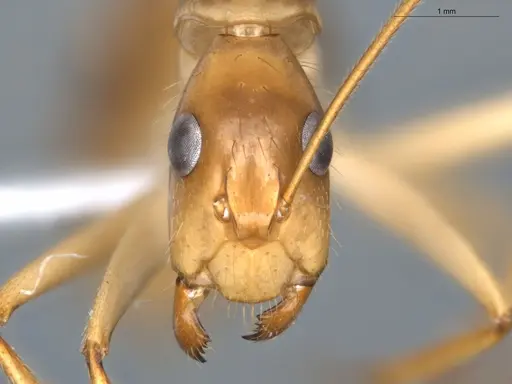
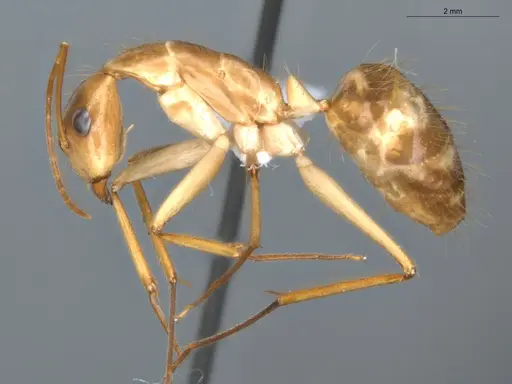
ECOFOG-HC-0029-S
View on AntWeb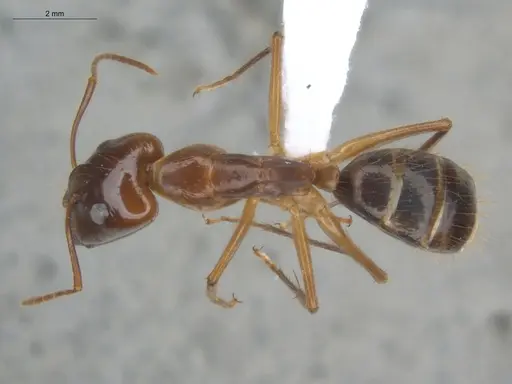
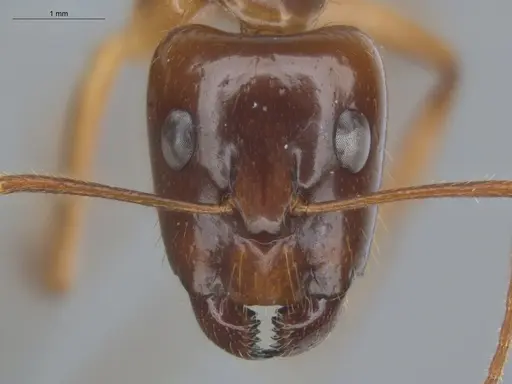
ECOFOG-HC-0029
View on AntWeb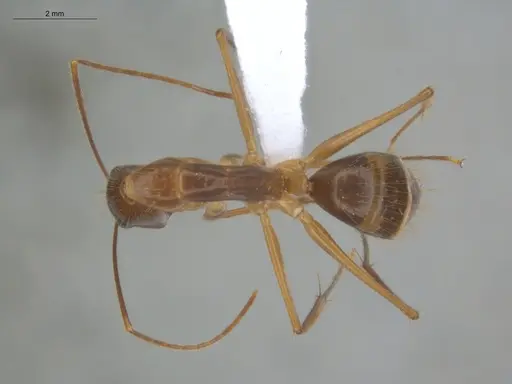
ECOFOG-SGR-FL2W28-06-S
View on AntWeb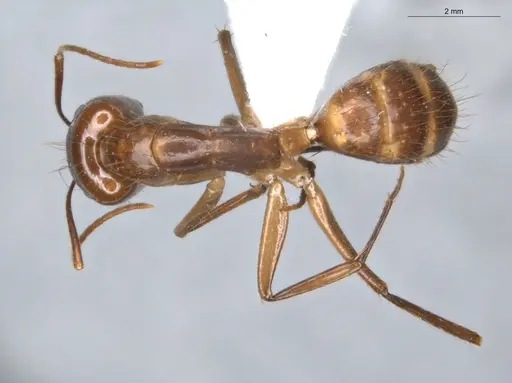
ECOFOG-SGR-FL2W28-06
View on AntWeb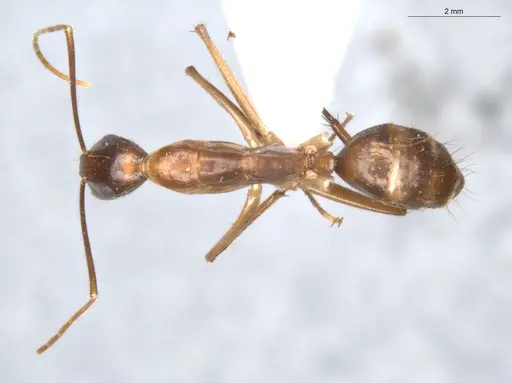
IAVH-E-263438
View on AntWeb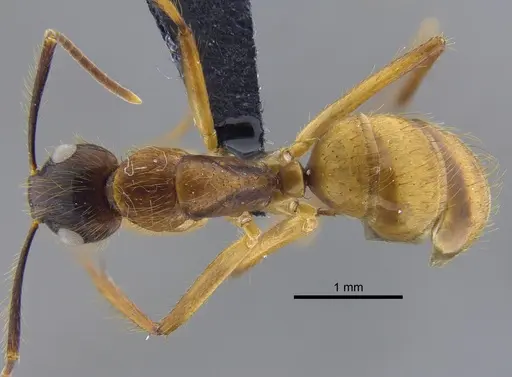
Literature
Loading...Loading products...