

Camponotus baldaccii
- Scientific Name
- Camponotus baldaccii
- Subgenus
- Tanaemyrmex
- Tribe
- Camponotini
- Subfamily
- Formicinae
- Author
- Emery, 1908
- Common Name
- Baldacci's Sugar Ant
- Distribution
- Found in 3 countries
Camponotus baldaccii Overview
Camponotus baldaccii (commonly known as the Baldacci's Sugar Ant) is an ant species of the genus Camponotus. It is primarily documented in 3 countries , including Cyprus, Greece, Türkiye. Detailed taxonomic data and occurrence records can be further explored via authoritative databases such as AntWeb or the Global Biodiversity Information Facility (GBIF).
Camponotus baldaccii - "Baldacci's Sugar Ant"
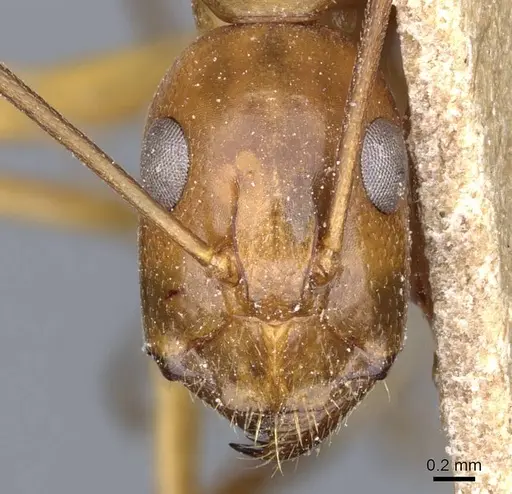
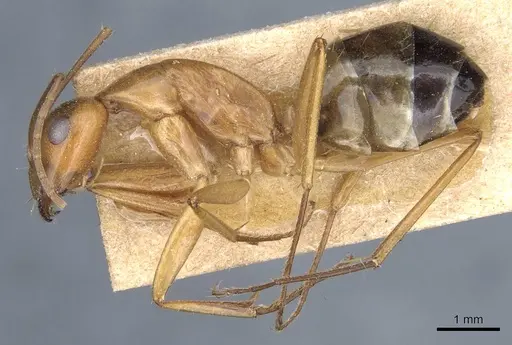
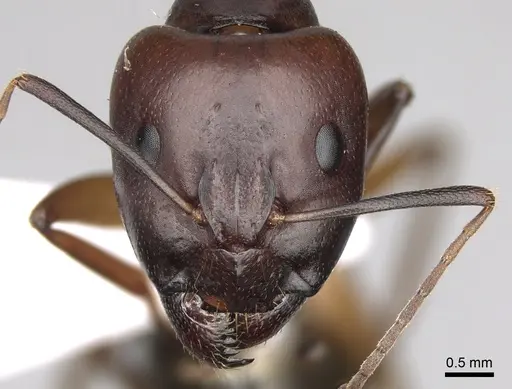
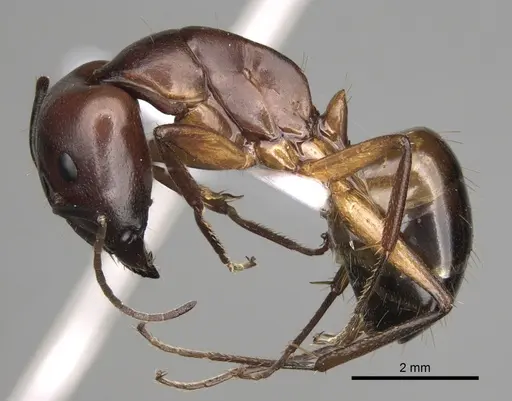
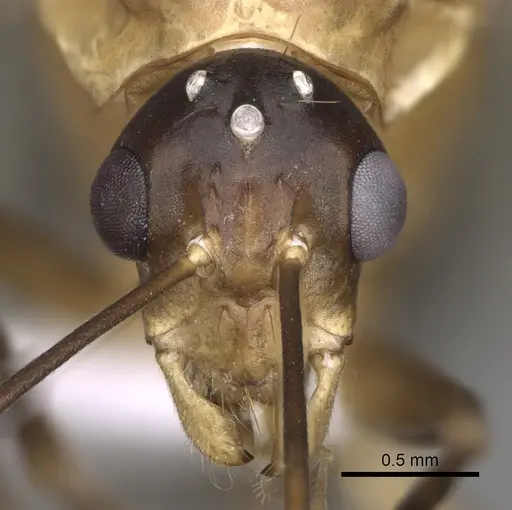
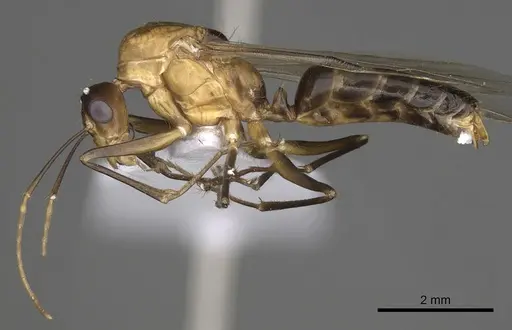
Camponotus baldaccii is a large, polymorphic ant species belonging to the subgenus Tanaemyrmex. Workers range from 8.7-12.5mm in total length, with minor workers being yellowish with bicolored gasters (yellow at the front, brown to black at the back) and major workers having dark rusty brown to black heads and mesosomas [AntWiki]. This species is native to the Mediterranean region, found across Greece (including Crete, the Aegean and Dodecanese islands), Turkey, Cyprus, Iran, Israel, and Saudi Arabia [1][2].
What makes C. baldaccii stand out is its preference for hot, sunny, open habitats and its polygynous colony structure, meaning these ants live with multiple queens in the same nest [3]. They are often found nesting under large sun-exposed stones in dry, stony areas like pastures, hillsides, and roadsides, though they also inhabit pine forests and olive groves. Workers are frequently spotted foraging on fig trees, collecting honeydew from aphids [AntWiki]. This species is also known to host the ant cricket Myrmecophilus orientalis in its nests [4].
Quick Summary
- Difficulty: Medium
- Origin & Habitat: Mediterranean region, Greece, Turkey, Cyprus, Iran, Israel, and Saudi Arabia. This is a warmth-loving species that thrives in open, sunny habitats like pastures with shrubs, stony hillsides, fryganas, and limestone gorges. They nest in soil under large stones, typically at low to mid altitudes below 500m, though they've been recorded up to 1800m in Crete [AntWiki][1][5].
- Colony Type: Polygynous, colonies contain multiple queens that work together [3]. This is unusual among Camponotus species, which are typically single-queen.
- Size & Growth:
- Queen:{.size-link} Approximately 12-14mm, inferred from Camponotus genus patterns (queen measurements not specifically documented in available literature)
- Worker:{.size-link} 8.7-12.5mm total length [AntWiki]
- Colony: Up to several thousand workers (estimated from related large Camponotus species)
- Growth: Moderate, typical for large Camponotus species
- Development: Approximately 6-8 weeks at optimal temperature (inferred from typical Camponotus development patterns) (Large Camponotus species typically take 6-8 weeks from egg to first worker. Development is temperature-dependent, warmer conditions speed it up, cooler conditions slow it down.)
- Antkeeping:
- Temperature: Keep nest area at 24-28°C. These are warmth-loving Mediterranean ants that benefit from a temperature gradient, with one side of the nest warmer around 28°C and cooler areas around 22-24°C for workers to regulate.
- Humidity: Low to moderate, this species naturally inhabits dry, sunny areas. Keep the nest substrate slightly moist but allow it to dry between waterings. Avoid overly damp conditions that can cause mold.
- Diapause: Yes, as a Mediterranean species, they benefit from a mild winter rest period. Reduce temperature to 15-18°C for 8-12 weeks during winter months.
- Nesting: Natural nesting is under stones in soil. In captivity, a Y-tong (AAC) nest or plaster nest works well. They prefer tight-fitting chambers. Avoid overly humid setups, these are dry-country ants.
- Behavior: Workers are active foragers, often climbing vegetation to reach aphids and honeydew. They are not particularly aggressive but will defend their nest if threatened. Major workers have powerful mandibles though the sting is minimal. Escape risk is moderate, use standard Camponotus escape prevention (fluon on test tube rims, fine mesh on outworlds).
- Common Issues: mold from overwatering, keep nesting area drier than you would for forest-dwelling species, colonies may reject additional queens if introduced after establishment, polygynous structure is established at founding, slow first growth typical of large Camponotus, don't panic if founding takes longer than expected, winter die-off if kept too wet during hibernation, ensure dry winter conditions, escape through small gaps, adults are large but can squeeze through surprisingly small openings, known to host Laboulbenia camponoti fungal parasite, monitor for unusual growths on workers [6][7]
Housing and Nest Setup
Camponotus baldaccii does well in Y-tong (AAC) nests or plaster formicariums. Since they're from dry, sunny Mediterranean habitats, keep the nest setup drier than you would for forest-dwelling ants. In the wild, they nest under stones in soil and in garden walls at the foot of trees [5]. Use a test tube setup for founding colonies, a standard 50ml or 100ml test tube with a cotton ball creating a water reservoir works well. Once the colony reaches 20-30 workers, you can move them to a proper formicarium. These ants prefer tight-fitting chambers rather than large open spaces. Provide an outworld for foraging that is easy to clean. Use fluon or petroleum jelly on edges to prevent escapes.
Feeding and Diet
Like most Camponotus, these ants are omnivorous. Workers forage for honeydew and nectar in the wild, often climbing into trees and shrubs to tend aphids [AntWiki]. In captivity, offer sugar water (1:3 ratio honey to water or 1:1 sugar water) constantly via a cotton ball or feeder. For protein, provide insects, mealworms, small crickets, or other small arthropods. Feed protein 2-3 times per week, adjusting based on colony size. Remove uneaten prey after 24-48 hours to prevent mold. Major workers will tackle larger prey items. Since they're large ants, they can handle bigger protein pieces than tiny species can.
Temperature and Seasonal Care
As a thermophilous (warmth-loving) Mediterranean species, C. baldaccii thrives at temperatures between 24-28°C. Provide a temperature gradient so workers can choose their preferred zone, warm end around 28°C, cooler around 22-24°C. During summer, room temperature in most homes is adequate, but you may need a heating cable or mat in cooler climates. In winter, they benefit from a diapause period, reduce temperatures to 15-18°C for 8-12 weeks. This mimics their natural seasonal cycle in the Mediterranean. Keep them slightly drier during hibernation to prevent mold issues. Return to warm conditions gradually in spring.
Colony Dynamics and Polygyny
Unlike most Camponotus species which have single queens, C. baldaccii is polygynous, colonies naturally contain multiple reproductive queens [3]. This means your colony can grow faster initially since multiple queens produce workers simultaneously. However, this also means the colony may be more stable, if one queen dies, others continue laying eggs. When starting a colony from a wild-caught queen, you may catch multiple founding queens together. In captivity, avoid combining unrelated queens after colonies are established, as established colonies may reject newcomers. The polygynous structure is established during the founding phase in the wild.
Behavior and Foraging
Workers are active foragers, primarily hunting for honeydew and nectar from aphids and scale insects [AntWiki]. They're often observed climbing vegetation in search of these sweet secretions. In captivity, they'll readily take sugar water and will send scout workers to investigate new food sources. Major workers have larger mandibles and can tackle bigger prey items. The species is not particularly aggressive toward humans, they may bite if provoked but their sting is minimal. Workers communicate through chemical trails and will recruit nestmates to good food sources. They're most active during warmer months and may reduce activity in winter.
Parasites and Symbionts
This species is known to host the fungal parasite Laboulbenia camponoti, which has been recorded in Turkey [6][7]. The fungus appears as distorted hair-like structures on the ant's body, more abundant on dorsal surfaces and external surfaces of legs. While typically not lethal, heavy parasitic loads can weaken workers. Additionally, the ant cricket Myrmecophilus orientalis has been found living in nests of this species on Kos island, Greece [4]. This is a mutualistic relationship where the cricket benefits from the nest shelter.
Frequently Asked Questions
How long does it take for Camponotus baldaccii to get first workers?
Expect first workers (nanitics) in about 6-8 weeks at optimal temperature (around 26-28°C). Large Camponotus species develop slower than smaller ants, be patient during the founding stage. The queen will stay sealed in her chamber until her first workers emerge.
Is Camponotus baldaccii good for beginners?
This species is medium difficulty, easier than some tropical species but requires more attention to temperature and humidity than common temperate ants. They're a good choice if you have some antkeeping experience and want to try a Mediterranean species. The polygynous colony structure can actually be helpful for beginners since colonies are more resilient.
What temperature do Camponotus baldaccii need?
Keep them at 24-28°C with a temperature gradient. The warm end around 28°C is ideal for brood development. They can tolerate brief temperature drops but prolonged cool conditions will slow or stop growth. A heating cable on one side of the nest creates a good gradient.
Can I keep multiple queens together?
Yes, this species is naturally polygynous, meaning multiple queens can coexist in a single colony [3]. In the wild, colonies have multiple reproductive queens. If you catch multiple founding queens, they can be housed together. However, avoid introducing new queens to an established colony.
How big do Camponotus baldaccii colonies get?
Large colonies can reach several thousand workers given their polygynous structure and the large size of individual workers. Major workers can exceed 12mm in length, making them impressive display ants.
Do they need hibernation?
Yes, as a Mediterranean species, they benefit from a winter rest period. Reduce temperature to 15-18°C for 8-12 weeks during winter. Keep them slightly drier during this period. This diapause helps maintain their natural seasonal rhythm and promotes healthy colony development.
What do Camponotus baldaccii eat?
They need a balanced diet of sugar and protein. Offer sugar water or honey constantly (1:3 honey:water or 1:1 sugar:water). For protein, feed insects like mealworms, small crickets, or fruit flies 2-3 times per week. In the wild, they heavily rely on honeydew from aphids, you can simulate this by offering sugar sources.
Why are my Camponotus baldaccii dying?
Common causes include: overwatering leading to mold (keep them drier), temperatures too low (they need 24-28°C), poor ventilation, or stress from disturbance during founding. Also check for parasites, this species is known to host Laboulbenia fungal parasites [6]. If workers are dying outside the nest, some die-off is normal, but mass deaths indicate a problem.
When should I move my colony to a formicarium?
Move from test tube to a proper nest when the colony reaches 20-30 workers and the test tube is becoming crowded. Y-tong or plaster nests work well for this species. Make sure the new nest has appropriately sized chambers, these are large ants but they prefer tight-fitting spaces.
Are Camponotus baldaccii escape artists?
Moderate escape risk. They're large ants but can squeeze through small gaps. Use standard escape prevention: fluon on test tube rims, petroleum jelly on barrier edges, and fine mesh on outworlds. Check connections between nest and outworld regularly.
Where is Camponotus baldaccii native to?
The Mediterranean region, specifically Greece (including Crete and the Aegean/Dodecanese islands), Turkey, Cyprus, Iran, Israel, and Saudi Arabia [1][2]. They prefer hot, dry, sunny habitats in these areas.
Report an Issue
The current care sheet is based fully on literature. See inconsistencies, or something that's incorrect? Please , it will be resolved after review from an admin. Contributing to the blogs tab also helps providing information, to make us be able to further improve the caresheets. Thank you for your support!
References

This caresheet is licensed under CC BY-SA 4.0 .
CASENT0179862
View on AntWeb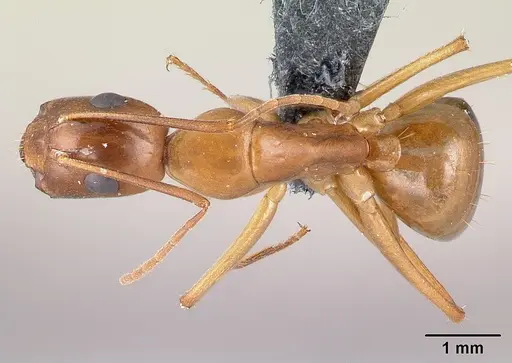
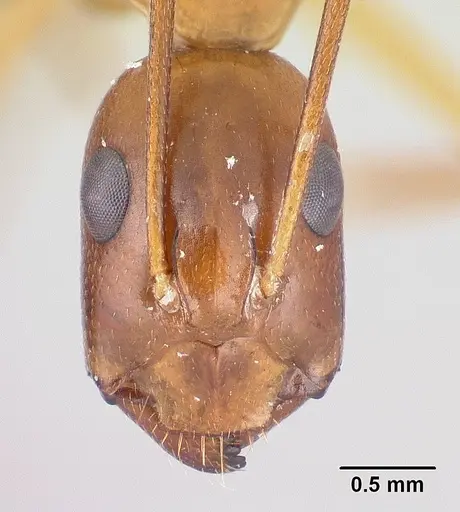
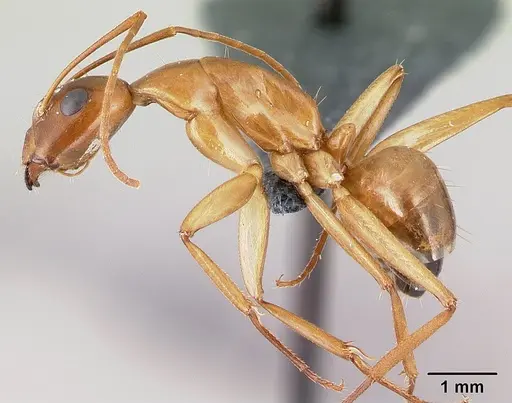
CASENT0179863
View on AntWeb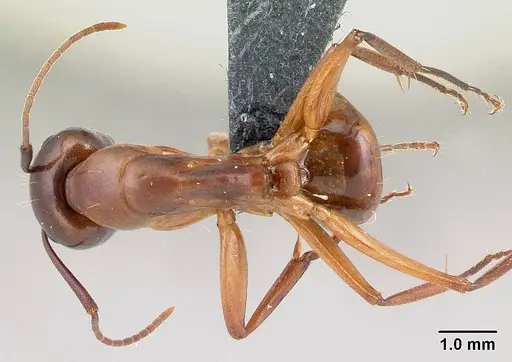
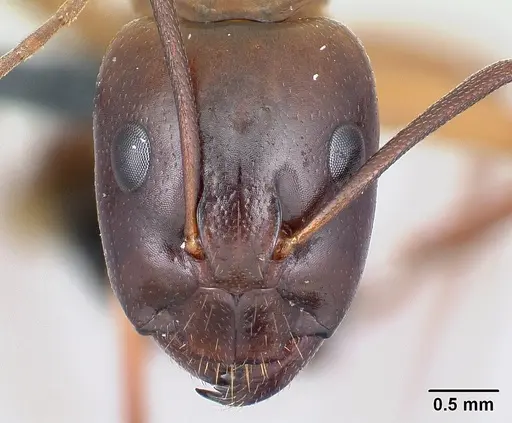
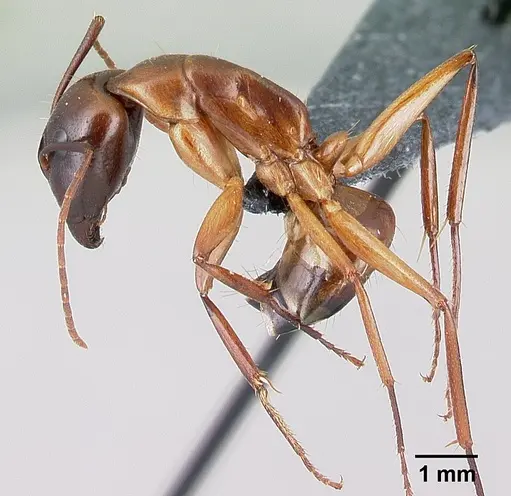
CASENT0882042
View on AntWeb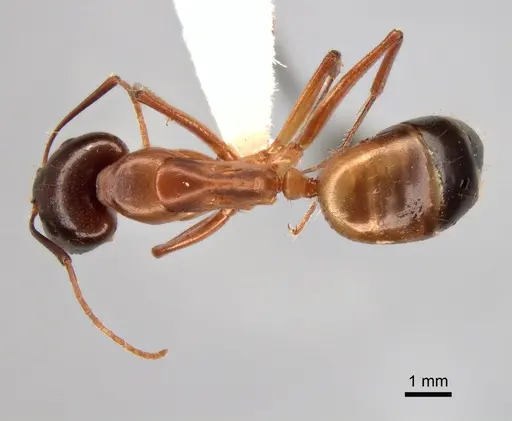
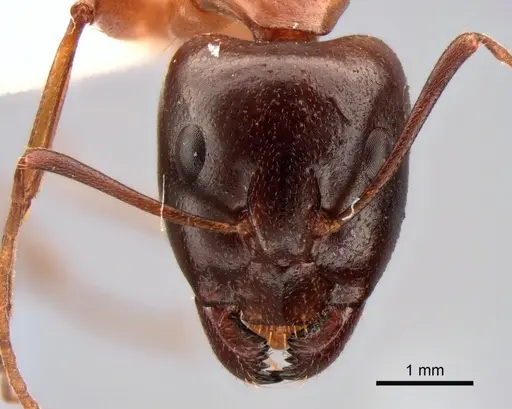
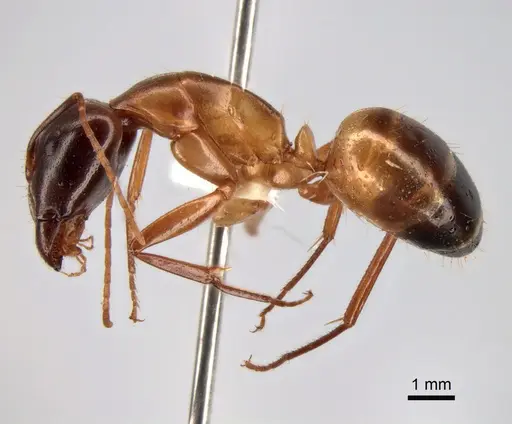
CASENT0905304
View on AntWeb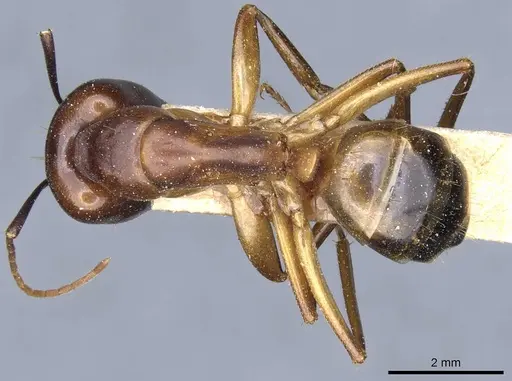
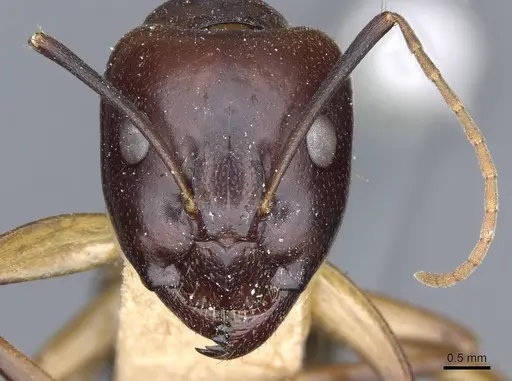
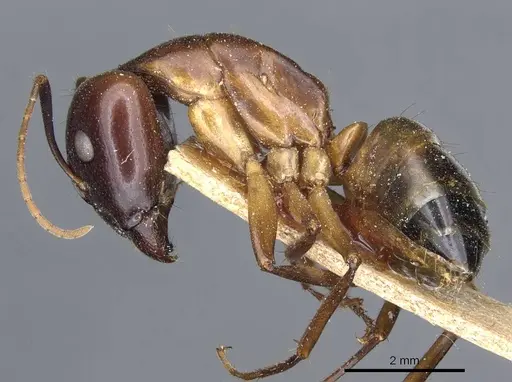
CASENT0905305
View on AntWeb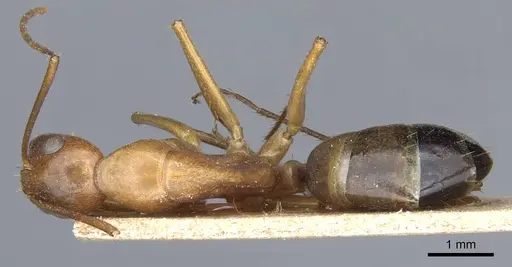
CASENT0906058
View on AntWeb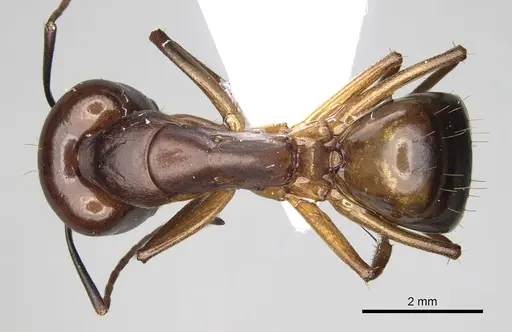
CASENT0906059
View on AntWeb
Literature
Loading...Loading products...