

Camponotus auriventris
- Scientific Name
- Camponotus auriventris
- Subgenus
- Myrmosaulus
- Tribe
- Camponotini
- Subfamily
- Formicinae
- Author
- Emery, 1889
- Distribution
- Found in 3 countries
Camponotus auriventris Overview
Camponotus auriventris is an ant species of the genus Camponotus. It is primarily documented in 3 countries , including Myanmar, Thailand, Viet Nam. Detailed taxonomic data and occurrence records can be further explored via authoritative databases such as AntWeb or the Global Biodiversity Information Facility (GBIF).
Camponotus auriventris
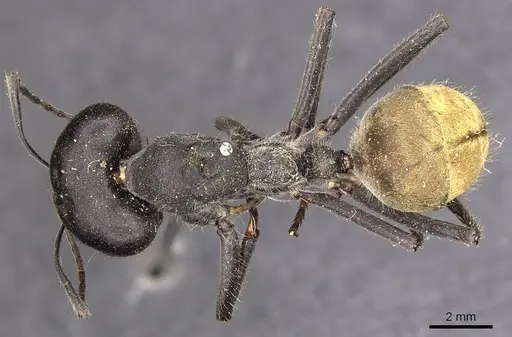
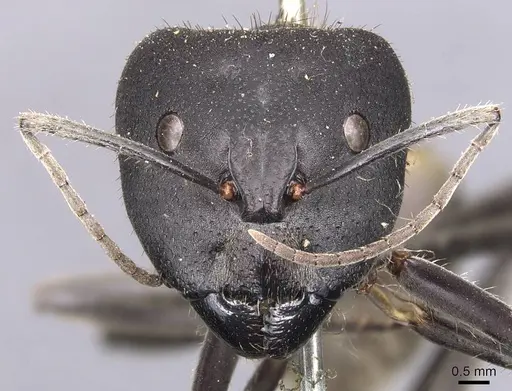
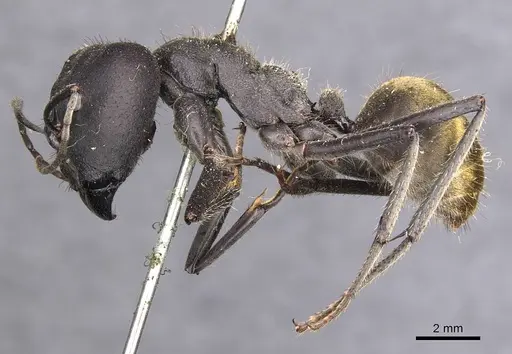
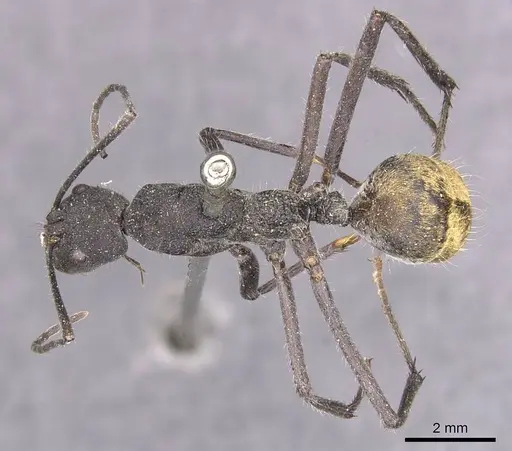
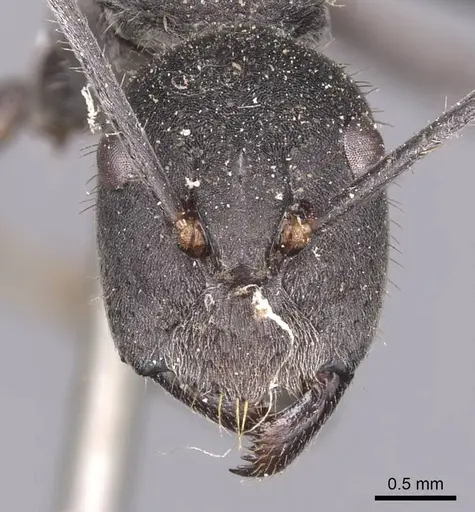
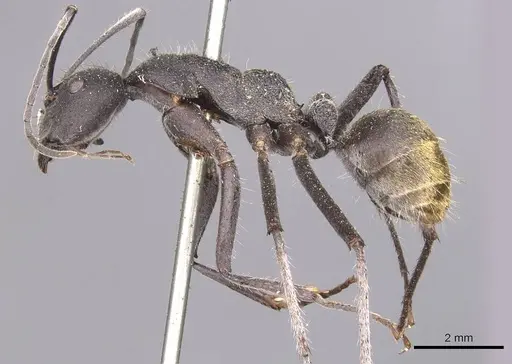
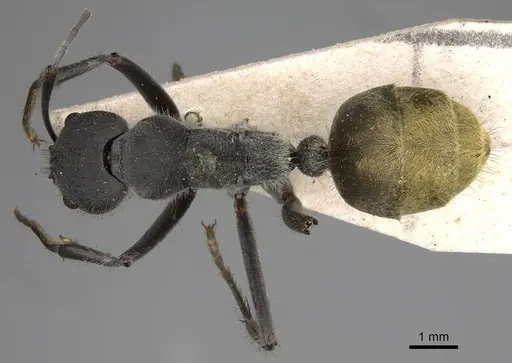
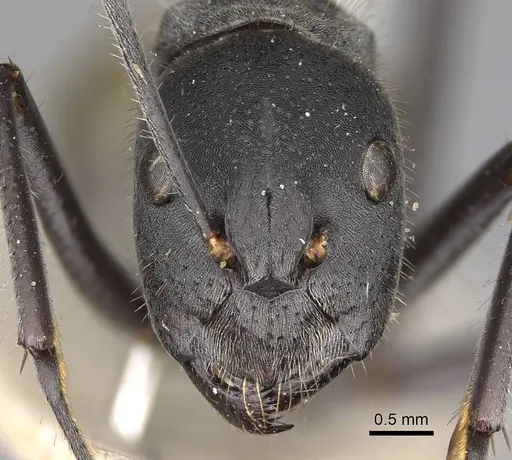
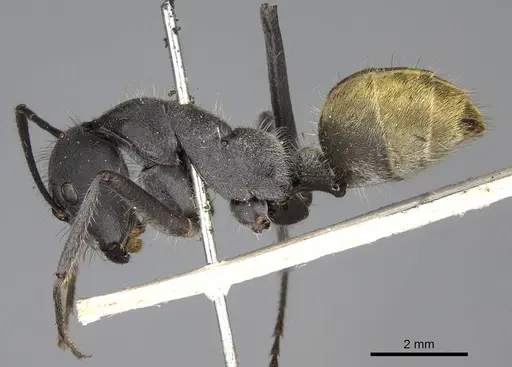
Camponotus auriventris is a medium-sized carpenter ant found across Southeast Asia, from Myanmar through Thailand, Vietnam, Malaysia, and into Borneo and Indonesia [1]. Workers measure 5-12mm with a distinctive golden-yellow to reddish-brown abdomen that gives the species its name (auriventris means 'golden belly'). Queens are larger at 14-18mm and have the robust, chunky build typical of Camponotus species. This species nests in rotting wood in tropical forest habitats, carving out galleries in dead tree stumps, fallen logs, and bamboo [2].
What makes C. auriventris interesting is its tropical distribution, unlike many Camponotus species that tolerate temperate climates, this one comes from consistently warm, humid forests of the Indomalaya region. This means captive colonies need stable warm conditions year-round without the winter dormancy that temperate species require. Their golden abdominal markings make them visually striking compared to the more common all-dark carpenter ants.
Quick Summary
- Difficulty: Medium
- Origin & Habitat: Southeast Asia, Myanmar, Thailand, Vietnam, Malaysia, Borneo, and Indonesia. Found in tropical forest habitats where it nests in rotting wood, dead tree stumps, and bamboo [1][2].
- Colony Type: Likely monogyne (single queen colonies) based on typical Camponotus patterns. Single-queen colonies with ergatoid replacement reproductives are common in the genus, though this specific species hasn't been studied in detail.
- Colony: Monogyne
- Founding: Claustral
- Size & Growth:
- Queen: 14-18mm estimated based on genus patterns
- Worker: 5-12mm (polymorphic, major and minor workers)
- Colony: Likely 2,000-5,000 workers at maturity based on typical Camponotus colony development
- Growth: Moderate, Camponotus species typically grow steadily but not rapidly
- Development: 6-10 weeks at optimal temperature (estimated based on genus patterns for tropical Camponotus) (Development time is temperature-dependent, warmer conditions within range speed development. Nanitics (first workers) are smaller than normal workers.)
- Antkeeping:
- Temperature: Keep at 24-28°C year-round. A heating cable on one side of the nest creates a gradient allowing workers to self-regulate. Avoid temperatures below 22°C for extended periods, this is a tropical species unaccustomed to cool conditions.
- Humidity: Maintain 60-80% humidity. Keep the nest substrate moderately moist but not waterlogged. Provide a water tube for drinking water. Mist the outworld occasionally but avoid constant dampness that promotes mold.
- Diapause: No, this is a tropical species that remains active year-round. Do not attempt to hibernate colonies. Cool temperatures below 20°C for extended periods can stress or kill colonies.
- Nesting: Y-tong (AAC) nests work well, or wooden formicariums that mimic their natural rotting wood habitat. Provide narrow chambers and tunnels scaled to worker size. Avoid overly large, open spaces.
- Behavior: Generally calm and non-aggressive compared to some other Camponotus species. Workers are moderate foragers, actively searching for sugar sources and protein. They have the typical Formicinae defense, they can spray formic acid when threatened. Escape risk is moderate, use standard barrier methods (Fluon on test tube rims, fine mesh on outworlds). They are primarily nocturnal or crepuscular foragers in captivity. Colonies are not particularly fast-growing but become impressive over time.
- Common Issues: temperature drops below 22°C can stress or kill colonies, this tropical species lacks cold tolerance, overfeeding leads to mold problems in the nest, remove uneaten food promptly, colonies grow slowly in the first year which causes some keepers to overfeed or disturb the queen, test tube setups can flood if water reservoirs are too large, use proper founding setup ratios, lack of proper escape prevention leads to escapes, workers are medium-sized but determined
Housing and Nest Setup
Camponotus auriventris does well in Y-tong (AAC) nests or wooden formicariums that mimic their natural rotting wood habitat. The nest should have chambers scaled to colony size, tight enough that workers feel secure, but with room for brood piles. For founding colonies, a standard test tube setup works well: fill a test tube 1/3 with water, plug with cotton, then place the queen in the open end. Cover with a dark cloth for the first few weeks to reduce stress. Once the colony reaches 20-30 workers, you can move them to a formicarium, but many keepers successfully keep mature colonies in test tube setups with an outworld attached. The outworld can be a simple plastic container with Fluon barrier on the rim. Provide a sand/clay substrate for foraging and a water tube for drinking. [2]
Feeding and Diet
Like most Camponotus species, C. auriventris is omnivorous. Offer sugar water or honey as a constant energy source, they readily accept both. For protein, provide small insects like fruit flies, mealworms, or crickets. Feed protein 2-3 times per week, adjusting based on colony size and consumption. Remove uneaten prey after 24-48 hours to prevent mold. Some keepers report that tropical Camponotus also accept ripe fruit, though insects remain the primary protein source. A varied diet promotes healthy brood development. Always ensure fresh water is available, a small water tube in the outworld is essential. [2]
Temperature and Seasonal Care
This is a tropical species requiring warm conditions year-round. Maintain temperatures between 24-28°C in the nest area. A heating cable placed on top of the nest (never under it, as this causes excessive drying) can create a gentle warmth gradient. Room temperature may suffice if your home stays above 24°C, but monitor colony activity, if workers cluster consistently in one area, they may be seeking heat. Unlike temperate Camponotus species, this species does NOT require hibernation or a cool period. Temperatures below 22°C for extended periods can weaken colonies and below 18°C can be fatal. Keep them away from air conditioning vents, cold windows, and drafty areas. [2]
Colony Development and Growth
Camponotus colonies grow steadily but not rapidly. After the claustral founding period (queen sealed in, raising first workers from her fat reserves), the first nanitics (tiny first workers) emerge after 6-10 weeks depending on temperature. These initial workers are smaller than normal workers but immediately begin foraging to support the colony. Growth from this point depends on feeding and temperature, well-fed colonies at optimal temperatures can reach 50-100 workers within 6 months, and several hundred within a year. Colonies may take 2-3 years to reach impressive numbers of 1000+ workers. Patience is key with Camponotus, they are long-lived and build lasting colonies rather than rapid explosions. [2]
Behavior and Temperament
Camponotus auriventris is generally calm and manageable in captivity. Workers are active foragers but not particularly aggressive or territorial. When threatened, they can spray formic acid as a defense, this is a mild irritant to humans but effective against predators. The species is primarily nocturnal or crepuscular, so you'll see most activity in the evening and early morning. Workers vary in size (polymorphic) with major workers serving as defenders and foragers while minors handle brood care. Escape prevention is important, use Fluon on test tube rims and fine mesh on outworlds. They are not particularly difficult to contain but will exploit any gaps. [2]
Frequently Asked Questions
How long does it take for Camponotus auriventris to raise first workers?
Expect 6-10 weeks from egg to first worker at optimal temperature (24-28°C). This is typical for Camponotus species. The queen seals herself in during founding and raises the first brood alone using stored fat reserves. Once nanitics emerge, the colony becomes more active.
What temperature do Camponotus auriventris need?
Keep them warm at 24-28°C year-round. This tropical species does not tolerate cool temperatures, avoid anything below 22°C for extended periods. A heating cable on the nest can help maintain stable warmth.
Can I keep multiple Camponotus auriventris queens together?
This species is likely monogyne (single queen). Combining unrelated queens is not recommended as they will likely fight. In nature, colonies establish with one founding queen who then produces workers to support the colony.
How big do Camponotus auriventris colonies get?
Mature colonies likely reach 2,000-5,000 workers based on typical Camponotus patterns. Growth is moderate, expect 6-12 months to reach 50-100 workers, and several years to reach full size.
Do Camponotus auriventris need hibernation?
No. This is a tropical species from Southeast Asia and does not require hibernation. Keep them warm year-round. Cool temperatures can stress or kill the colony.
What do Camponotus auriventris eat?
They are omnivorous. Offer sugar water or honey constantly for energy, and protein sources like fruit flies, mealworms, or small crickets 2-3 times per week. Remove uneaten food promptly to prevent mold.
Is Camponotus auriventris good for beginners?
This is a medium-difficulty species. They're more forgiving than some exotic ants but require stable warm temperatures year-round. Beginners should be prepared to provide consistent heating. The slow growth and specific temperature needs make them better suited for keepers with some experience.
When should I move Camponotus auriventris to a formicarium?
Wait until the colony has at least 30-50 workers. Moving too early can stress the queen and cause colony failure. Many keepers successfully keep mature colonies in test tube setups with attached outworlds, a formicarium is optional but provides more space for growth.
Why is my Camponotus auriventris colony not growing?
Check temperature first, they need 24-28°C for optimal brood development. Also verify the queen is still laying eggs (look for brood piles). Overfeeding can cause mold that kills colonies. Finally, ensure the queen is healthy, stressed or old queens may slow or stop egg production.
References

This caresheet is licensed under CC BY-SA 4.0 .
Literature
Loading...Loading products...