

Camponotus auricomus
- Scientific Name
- Camponotus auricomus
- Subgenus
- Myrmobrachys
- Tribe
- Camponotini
- Subfamily
- Formicinae
- Author
- Roger, 1862
- Distribution
- Found in 4 countries
Camponotus auricomus Overview
Camponotus auricomus is an ant species of the genus Camponotus. It is primarily documented in 4 countries , including Guadeloupe, Saint Lucia, Mexico. Detailed taxonomic data and occurrence records can be further explored via authoritative databases such as AntWeb or the Global Biodiversity Information Facility (GBIF).
Camponotus auricomus
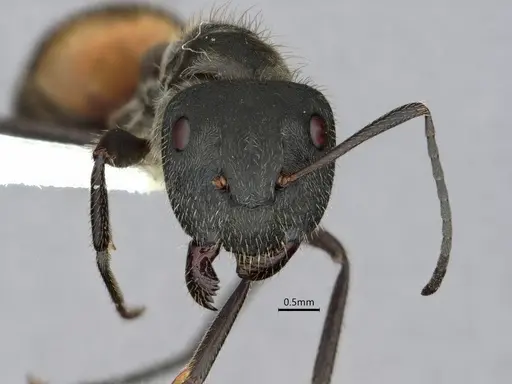
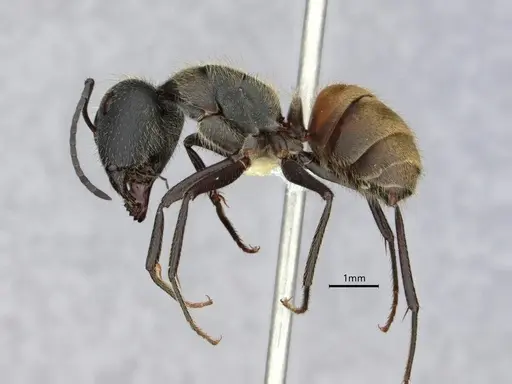
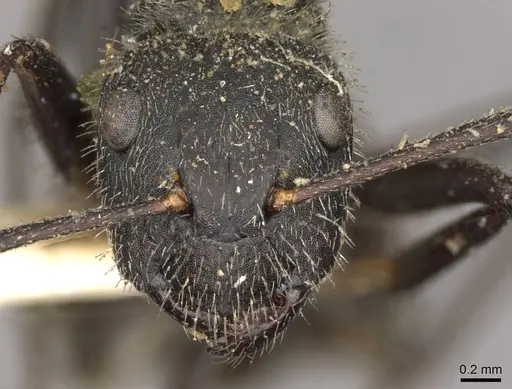
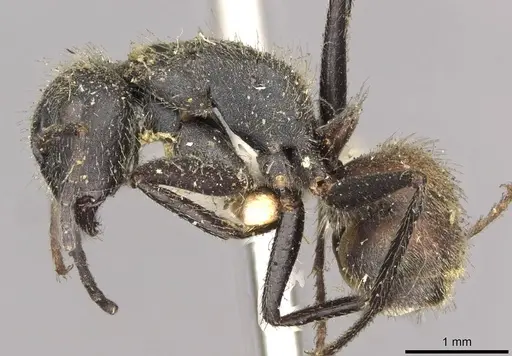
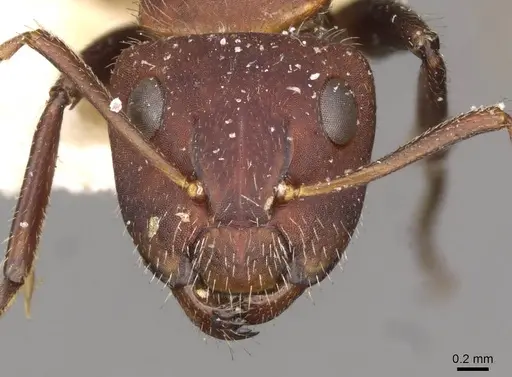
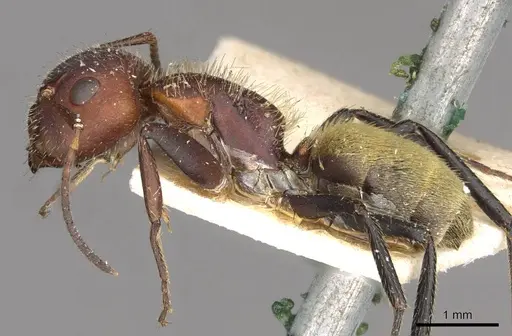
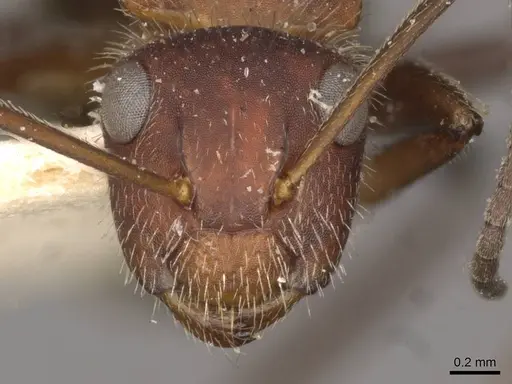
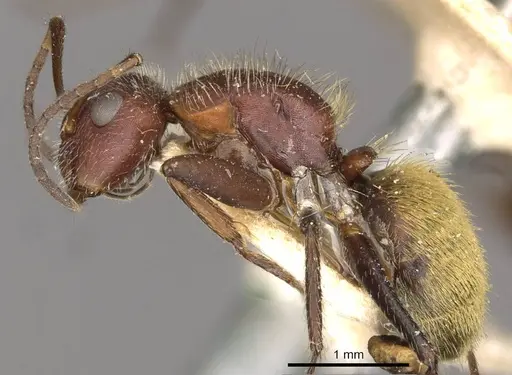
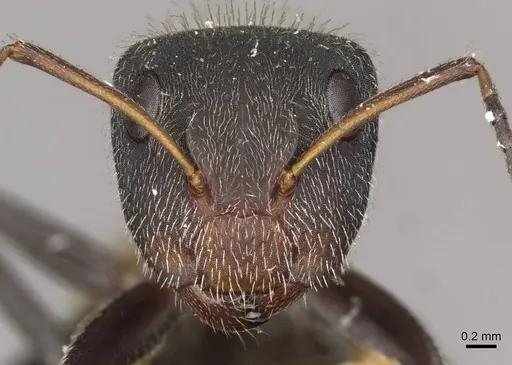
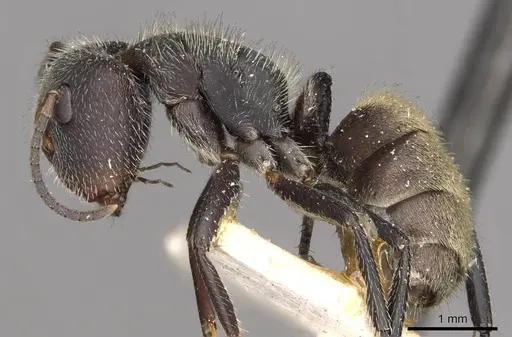
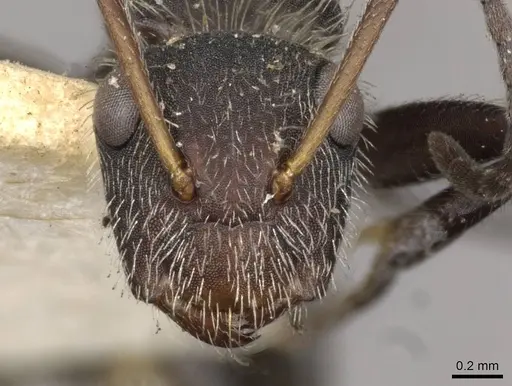
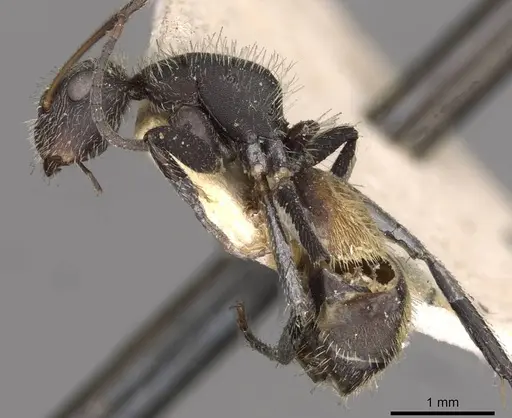
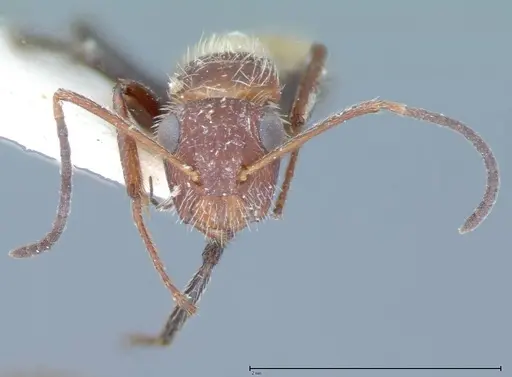
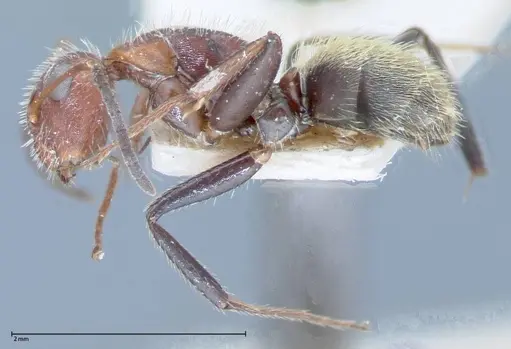
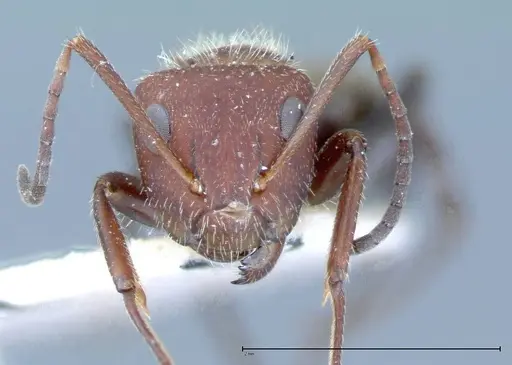
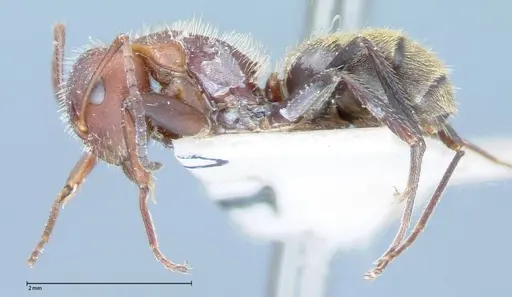
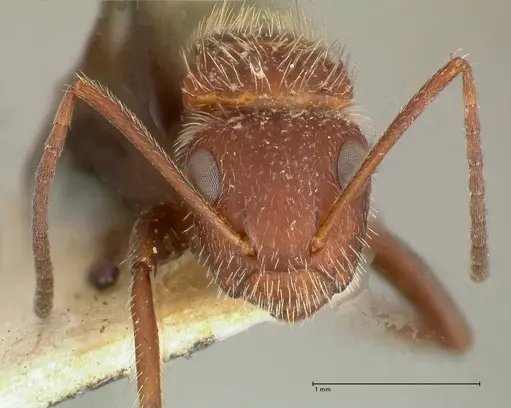
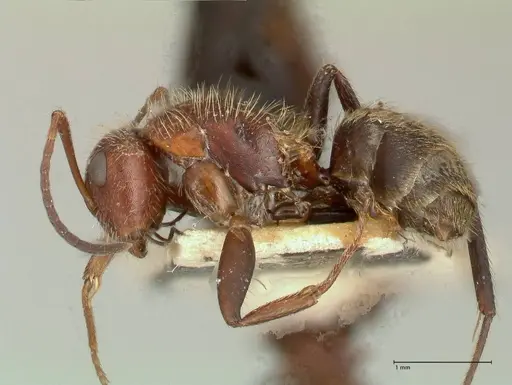
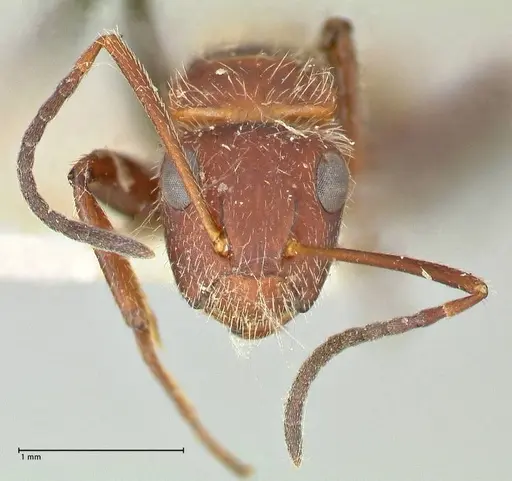
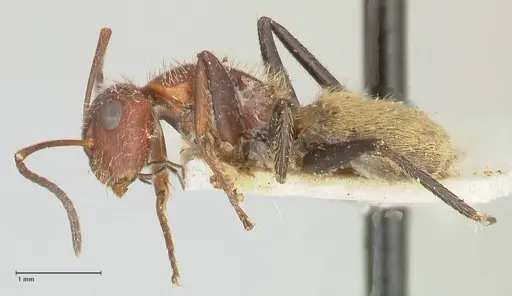
Camponotus auricomus is a Neotropical carpenter ant found across Central America and the Caribbean. Workers are mostly black with distinctive brown-yellow legs and a gaster covered in dense golden pubescence that gives them a slightly fuzzy appearance. They belong to the subgenus Myrmobrachys and are nearly identical to the related species C. mus, though C. auricomus has a narrower head. Queens are significantly larger than workers, and colonies typically contain multiple queens. These ants nest in rotten wood and under stones in humid tropical habitats, with workers actively hunting through leaf litter and on trees.
Quick Summary
- Difficulty: Medium
- Origin & Habitat: Neotropical region, found in Mexico, Guatemala, Colombia, Trinidad, Guyana, French Guiana, and Caribbean islands. In Colombia, they occur in Antioquia at around 980m elevation. Nests are found in rotten wood and under stones in humid tropical habitats [1].
- Colony Type: Multi-queen colonies, research notes several queens in nests [1]. This makes them polygynous (multiple queens working together).
- Colony: Polygyne
- Founding: Claustral
- Size & Growth:
- Queen: Estimated 12-15mm based on Camponotus genus patterns for Myrmobrachys subgenus
- Worker: Estimated 6-10mm based on Camponotus genus patterns
- Colony: Likely several hundred to over 1000 workers based on related species
- Growth: Moderate, typical for Camponotus species
- Development: 6-10 weeks estimated based on typical Camponotus development at optimal temperature (Development time inferred from genus patterns, direct measurements not available for this species)
- Antkeeping:
- Temperature: Keep at 24-28°C, they come from tropical regions and need warmth. A heating cable on one side of the nest creates a gradient for them to regulate their temperature.
- Humidity: Moderate to high, they nest in rotten wood and under stones in humid habitats. Keep the nest substrate slightly moist but not waterlogged. Provide a water tube for drinking.
- Diapause: No, being tropical, they do not require hibernation. Keep temperatures stable year-round.
- Nesting: Rotten wood and stone nests in the wild, in captivity, they do well in Y-tong (AAC) nests, plaster nests, or naturalistic setups with wood pieces. They adapt well to acrylic nests as well.
- Behavior: Workers are aggressive when disturbed but their bite is described as barely noticeable, more of a warning nip than a painful bite. Workers hunt actively through leaf litter and on trees, searching for prey. They are moderate foragers and not particularly shy. Escape prevention should be moderate, they are not tiny ants but can climb smooth surfaces.
- Common Issues: multi-queen colonies can be sensitive to queen loss, if one queen dies, others may continue, humidity control is important, too dry causes brood death, too wet leads to mold, slow founding phase, claustral queens need time alone without disturbance, wild-caught colonies may have parasites that affect captive survival
Housing and Nest Setup
Camponotus auricomus adapts well to various nest types. Y-tong (acrylic) nests work excellently, the dark chambers suit their preference for enclosed spaces. Plaster nests with moisture reservoirs maintain the slight humidity they need. For a naturalistic approach, provide rotten wood pieces or cork bark in an outworld setup. The key is giving them a dark, secure nest chamber with enough space for their colony to grow. Since they have multiple queens, ensure the nest has multiple chambers. A test tube setup works for founding queens, but plan to move them to a larger formicarium within 6-12 months as the colony grows. [1]
Feeding and Diet
Like most Camponotus species, C. auricomus is omnivorous. Workers hunt for small prey in the wild, so offer protein sources like small crickets, mealworms, fruit flies, or other small insects. Sugar sources are readily accepted, a drop of honey or sugar water should be provided 2-3 times per week. They also eat honeydew if you keep aphids. Feed them a few times per week, removing uneaten prey after 24 hours. A constant sugar source (honey tube) works well. Adjust feeding based on colony size, larger colonies need more frequent protein.
Temperature and Seasonal Care
Being a Neotropical species, C. auricomus needs warm conditions year-round. Keep the nest area at 24-28°C. A heating cable placed on top of the nest (never underneath where it could dry out the substrate) creates a gentle warmth gradient. Room temperature may be sufficient if your home stays in the low-mid 20s°C. They do not need hibernation or cooling periods. Avoid temperature drops below 20°C for extended periods. Stable temperatures promote healthy brood development.
Colony Structure and Multi-Queen Care
This species naturally forms polygynous colonies with several queens living together [1]. This is unusual among Camponotus species and affects how you care for them. Multiple queens typically get along, so you don't need to separate them. However, if one queen dies, the colony continues with the others. When starting a colony from a single caught queen, she will found claustrally (seal herself in) and raise her first workers alone. Over time, the colony may attract additional queens or you could carefully introduce additional queens if the colony is established and healthy. The presence of multiple egg-layers can speed up colony growth.
Behavior and Handling
Workers are described as aggressive when their nest is disturbed, but their bite is mild, more of a warning nip than a painful sting [1]. They are active foragers, hunting through leaf litter and up trees in the wild. In captivity, workers will explore the outworld actively, searching for food. They are not particularly shy and will emerge quickly when food is offered. Their moderate size (6-10mm workers) makes them easy to observe. They can climb smooth surfaces but are not exceptional escape artists compared to smaller species. Standard escape prevention (fluon on rim edges) is sufficient.
Frequently Asked Questions
How long does it take for Camponotus auricomus to produce first workers?
Expect 6-10 weeks from egg to worker at optimal temperature (24-28°C). This is typical for Camponotus species. The queen will seal herself in and not leave the founding chamber until her first workers (nanitics) emerge.
Can I keep multiple Camponotus auricomus queens together?
Yes, this species is naturally polygynous, meaning colonies typically have multiple queens. Unlike many Camponotus species that are single-queen, C. auricomus queens can coexist peacefully.
What do Camponotus auricomus eat?
They are omnivorous. Offer protein (small insects like crickets, mealworms, fruit flies) 2-3 times per week, and keep a constant sugar source (honey or sugar water). They will also eat honeydew from aphids if available.
Do Camponotus auricomus need hibernation?
No, as a Neotropical species from tropical regions, they do not require hibernation. Keep them warm year-round at 24-28°C.
What is the best nest type for Camponotus auricomus?
Y-tong (acrylic) nests, plaster nests with moisture, or naturalistic setups with rotten wood all work well. They prefer dark, enclosed spaces. Ensure the nest has multiple chambers to accommodate their polygynous colony structure.
How big do Camponotus auricomus colonies get?
Based on related species, colonies likely reach several hundred to over 1000 workers. Their multi-queen structure supports relatively large colony sizes.
Are Camponotus auricomus good for beginners?
They are rated Medium difficulty. They are more forgiving than some species but require warm, stable temperatures year-round. Their multi-queen structure actually makes them more resilient than single-queen species.
Where is Camponotus auricomus found in the wild?
They range from Mexico through Central America to Colombia and the Caribbean islands (Trinidad, Saint Vincent, Greater and Lesser Antilles). They nest in rotten wood and under stones in humid tropical habitats.
Why is my Camponotus auricomus colony declining?
Common causes include: temperature too cold (below 20°C), humidity too dry or too wet, disturbance during founding phase, parasites from wild-caught colonies, or insufficient protein/sugar. Check all parameters and ensure the queen is still laying eggs.
References

This caresheet is licensed under CC BY-SA 4.0 .
CASENT0882063
View on AntWeb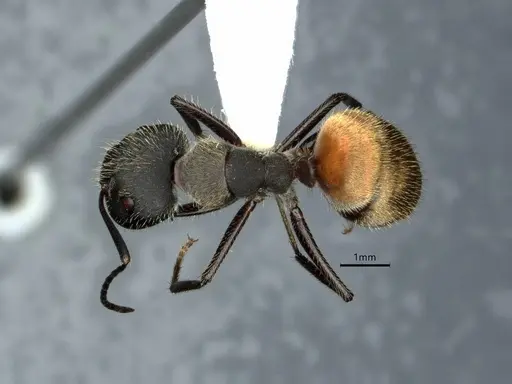
CASENT0910679
View on AntWeb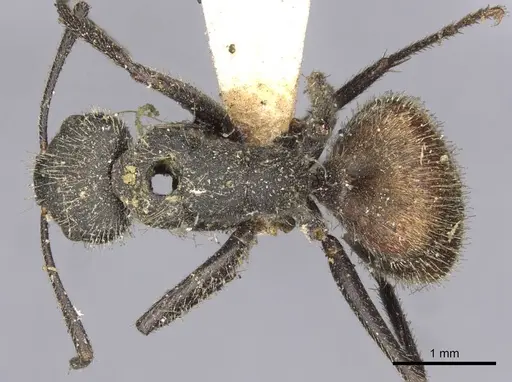
CASENT0910680
View on AntWeb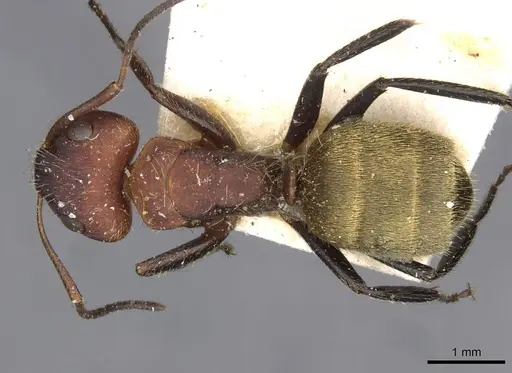
CASENT0910681
View on AntWeb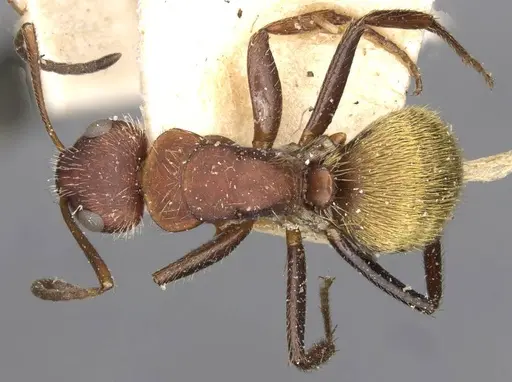
CASENT0910682
View on AntWeb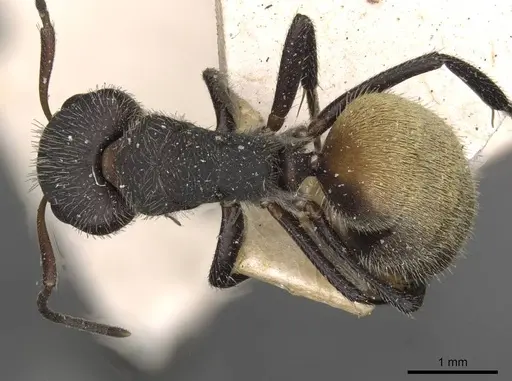
CASENT0910683
View on AntWeb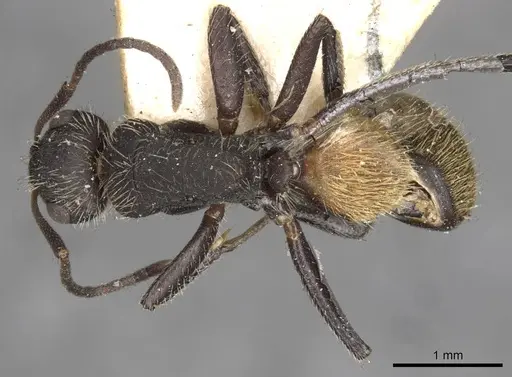
FOCOL0077-1
View on AntWeb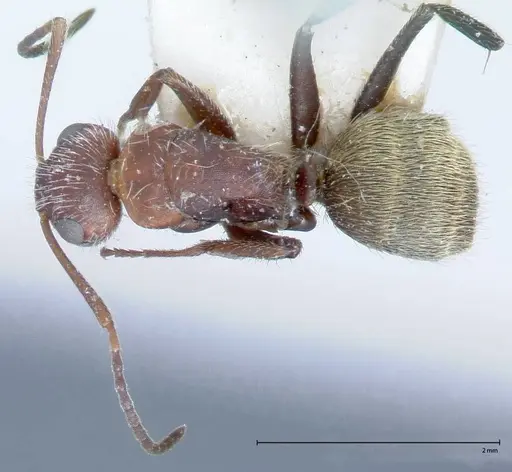
FOCOL0077-2
View on AntWeb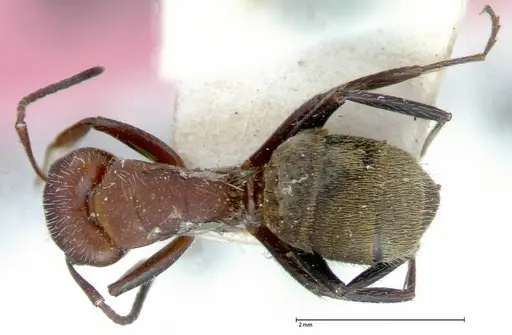
FOCOL0721
View on AntWeb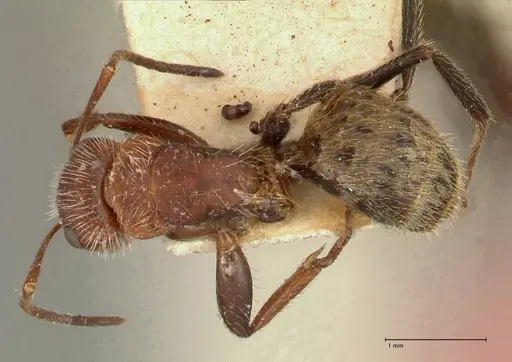
FOCOL2458
View on AntWeb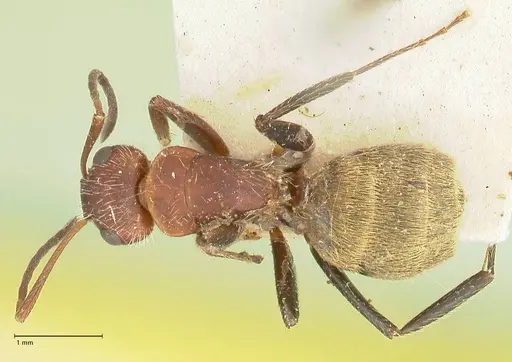
Literature
Loading...Loading products...