

Camponotus atlantis
- Scientific Name
- Camponotus atlantis
- Subgenus
- Tanaemyrmex
- Tribe
- Camponotini
- Subfamily
- Formicinae
- Author
- Forel, 1890
- Distribution
- Found in 6 countries
Camponotus atlantis Overview
Camponotus atlantis is an ant species of the genus Camponotus. It is primarily documented in 6 countries , including Algeria, Morocco, Oman. Detailed taxonomic data and occurrence records can be further explored via authoritative databases such as AntWeb or the Global Biodiversity Information Facility (GBIF).
Camponotus atlantis
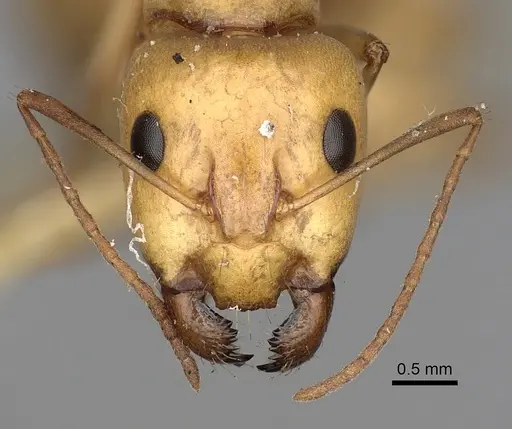
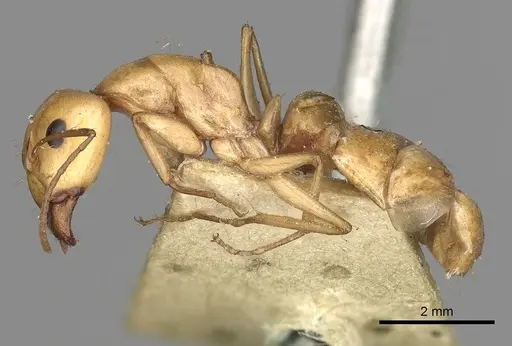
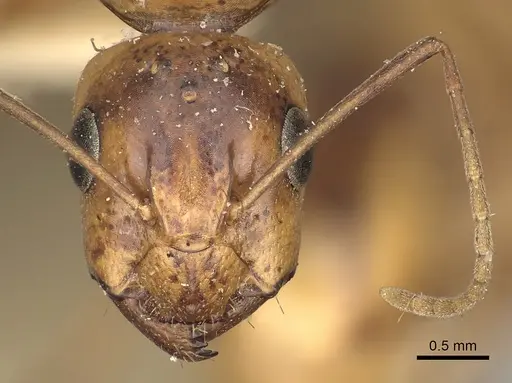
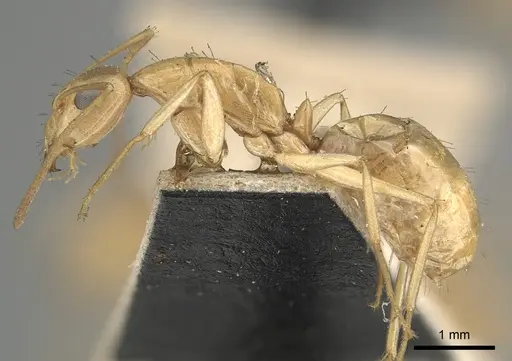
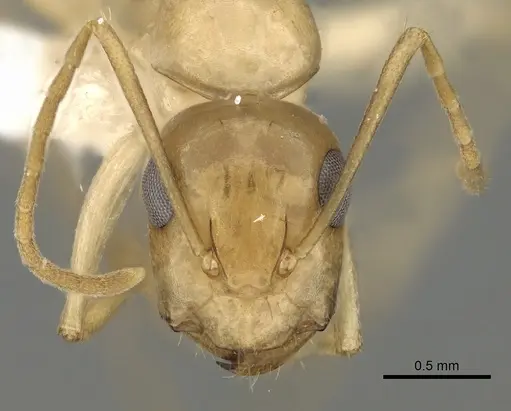
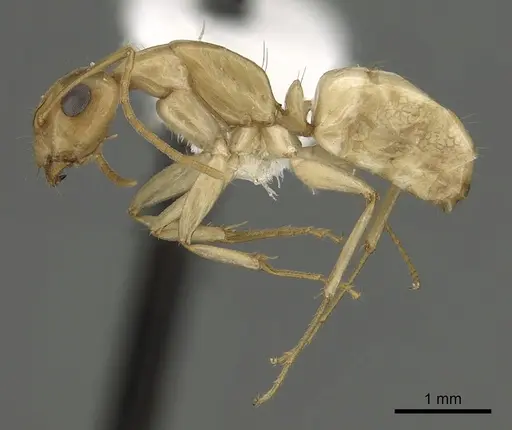
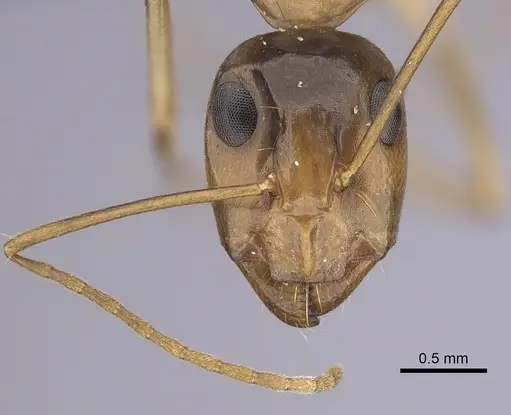
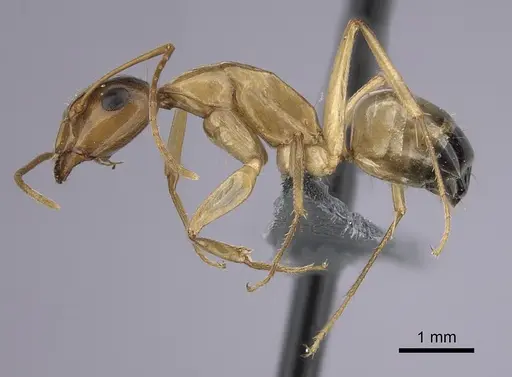
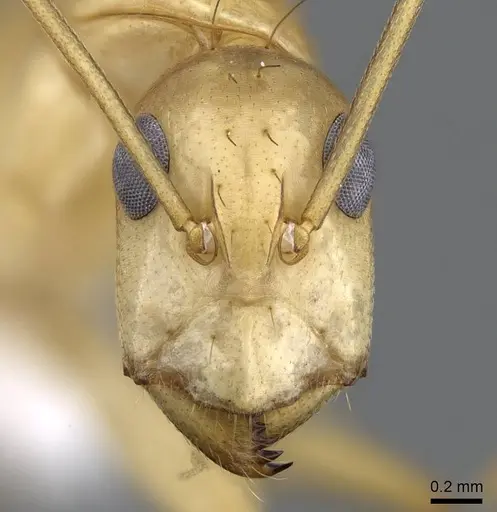
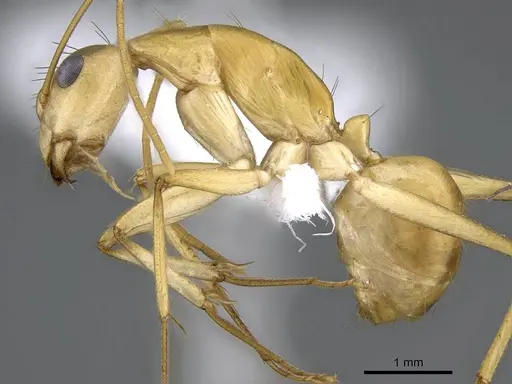
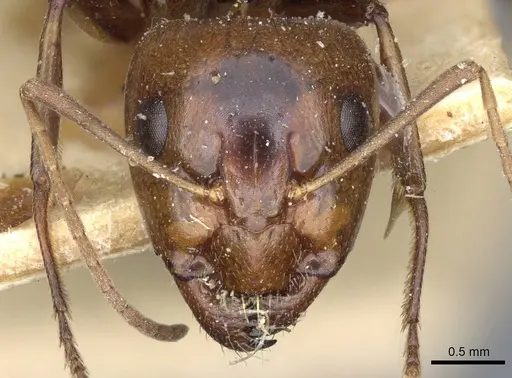
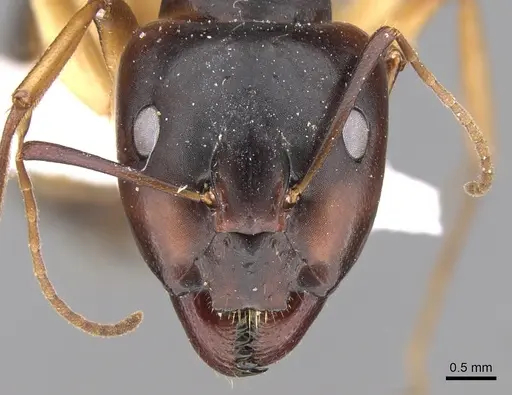
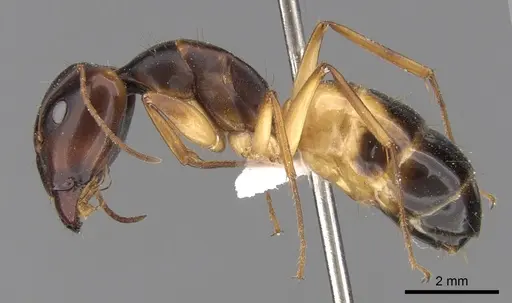
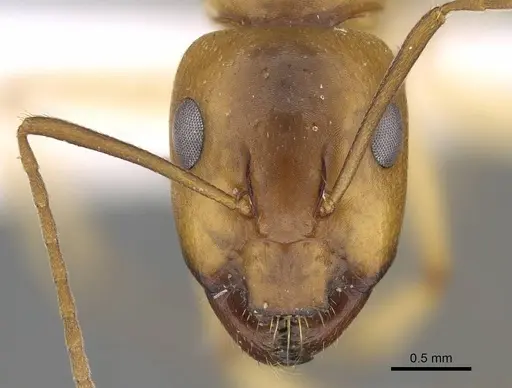
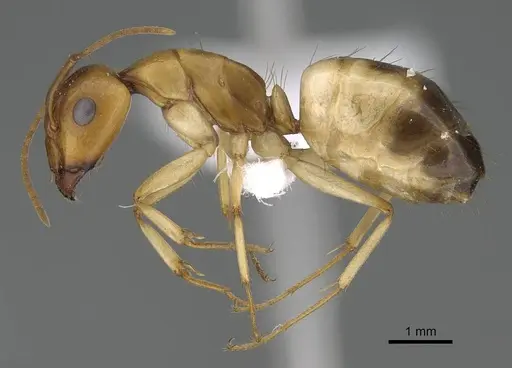
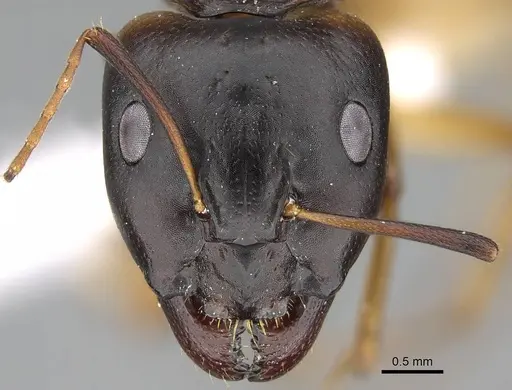
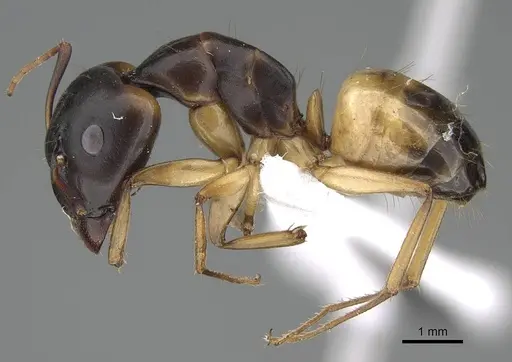
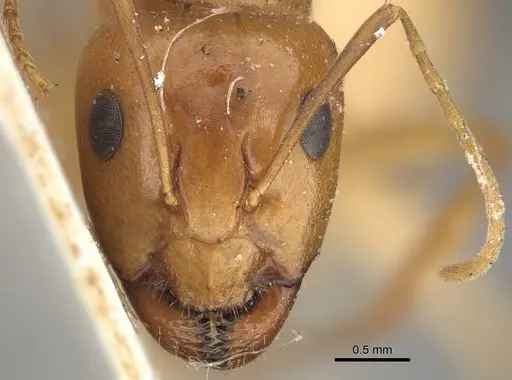
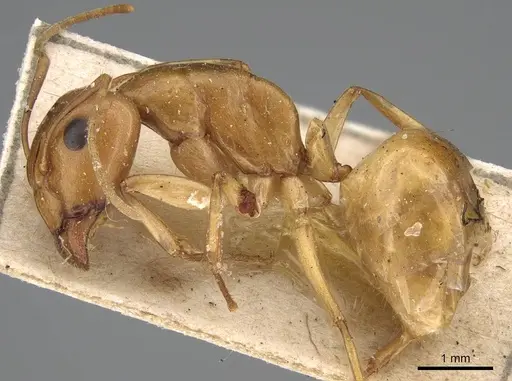
Camponotus atlantis is a medium-sized carpenter ant native to North Africa and the Arabian Peninsula. Workers come in two sizes: minors are completely yellow, while majors have a distinctive yellow blotch across the first two abdominal segments with a dark brown head, mesosoma, and tip of the gaster [1]. Queens are larger at 7.4-8.2mm with wings [2]. This species is commonly found nesting under rocks in dry, loose soil, particularly near Acacia trees and agricultural areas like pomegranate orchards and date palm plantations [1][3]. They are one of the most widespread ants in the region, recorded across Tunisia, Algeria, Morocco, Libya, Iran, Oman, Saudi Arabia, Yemen, and the UAE [4].
Quick Summary
- Difficulty: Easy
- Origin & Habitat: North Africa and Arabian Peninsula, found in Tunisia, Algeria, Morocco, Libya, Iran, Oman, Saudi Arabia, Yemen, UAE, and Socotra. They nest under rocks in dry, loose soil in mountainous regions and lowland agricultural areas [4][1].
- Colony Type: Single-queen colonies (monogyne). The species is not known to have ergatoid replacement queens.
- Colony: Monogyne
- Founding: Claustral
- Size & Growth:
- Queen: 7.4-8.2mm [2]
- Worker: Major workers 6-8mm, minor workers 4-6mm (estimated based on genus)
- Colony: Unknown for this specific species, likely several hundred workers based on typical Camponotus patterns
- Growth: Moderate, typical for Camponotus
- Development: 6-10 weeks at optimal temperature (inferred from typical Camponotus development) [5] (Development time is estimated based on genus-level data since specific studies are not available for this species)
- Antkeeping:
- Temperature: Keep at 22-26°C, they tolerate warmer conditions given their North African/Arabian origin. A gentle gradient allows workers to self-regulate.
- Humidity: Low to moderate. They prefer dry conditions and are found in arid to semi-arid habitats. Provide a dry nest chamber with a humid water reservoir connected via cotton.
- Diapause: Yes, a winter rest period of 8-12 weeks at 10-15°C is recommended to simulate their natural seasonal cycle.
- Nesting: Y-tong (AAC) nests work well, or plaster nests with dry chambers. They nest under rocks in nature, so provide a naturalistic setup option with flat stones if desired.
- Behavior: Generally calm and non-aggressive. Workers are active foragers, primarily nocturnal or crepuscular in hot climates. They are moderate escape artists, use standard barrier methods but no special fine mesh required for their size. Majors can defend the colony with their mandibles but rarely sting.
- Common Issues: colonies may slow significantly during winter dormancy, this is normal, not a problem, dry conditions are preferred, overwatering causes mold and colony stress, wild-caught colonies may have parasites that need treatment, slow founding phase means patience is required, queens can take months to raise first workers
Nest Preferences
In the wild, Camponotus atlantis nests under rocks in dry, loose soil. They've been found under rocks near Acacia trees in Yemen and in agricultural settings like pomegranate orchards and date palm plantations in Oman [1]. They prefer mountainous and elevated areas across North Africa, from sea level up to 2320m in the Hoggar mountains [2]. For captive care, Y-tong (AAC) nests work excellently since they provide appropriate humidity control. Plaster nests are also suitable. Add a water reservoir connected to the nest via cotton to provide moisture without wetting the chambers directly. They do best with a dry nest area and access to an outworld for foraging.
Feeding and Diet
Camponotus atlantis is a typical carpenter ant, they accept sugar sources (honey water, sugar water) and protein (dead insects, mealworms, crickets). In the wild, they forage for honeydew from aphids and scavenge on insects. Feed them a mix of protein 2-3 times per week and keep sugar water available constantly. Remove uneaten prey after 24-48 hours to prevent mold. They are not specialized predators, so standard ant feeding protocols apply. [5]
Temperature and Seasonal Care
These ants come from warm, dry regions of North Africa and Arabia, so they do well at room temperature (22-26°C). They can tolerate higher temperatures but avoid extreme heat above 35°C. During winter, provide an 8-12 week diapause period at 10-15°C to simulate their natural seasonal cycle, this helps maintain colony health and triggers proper reproductive behavior. Reduce feeding during diapause and keep the nest slightly cooler. [2][4]
Colony Founding
Camponotus atlantis is claustral, the queen seals herself in a chamber and raises her first workers entirely on stored body fat reserves without foraging. Give the founding queen a small test tube setup with a water reservoir and keep her in a dark, quiet location. Do not disturb her during the founding phase. First workers (nanitics) will be smaller than normal workers. The colony will remain small for several months as the queen slowly raises her first brood. Be patient, this species has a moderate growth rate. [5]
Behavior and Temperament
This is a calm, non-aggressive species. Workers are primarily active during cooler hours (evening, night, or early morning) in their hot native habitat. In captivity, they'll adjust to your light cycle. Majors can defend the colony with their mandibles but are not particularly aggressive. They are moderate foragers and will send workers out to collect food. Standard escape prevention works well, they are not known escape artists like some tiny species. [1][3]
Frequently Asked Questions
How long does it take for Camponotus atlantis to raise first workers?
Expect 6-10 weeks from egg to first worker at optimal temperature (22-26°C). This is typical for Camponotus species. The founding queen is claustral and raises her first brood alone, so growth is gradual.
What temperature do Camponotus atlantis need?
Keep them at 22-26°C. They come from warm North African and Arabian regions and can tolerate higher temperatures. A slight temperature gradient allows workers to choose their preferred spot.
Can I keep multiple Camponotus atlantis queens together?
No. This is a monogyne species with single-queen colonies. Combining unrelated queens is not recommended and would likely result in fighting.
Do Camponotus atlantis need hibernation?
Yes, provide an 8-12 week winter rest period at 10-15°C. This simulates their natural seasonal cycle in the mountainous regions of North Africa where they are commonly found.
What do Camponotus atlantis eat?
They accept sugar sources (honey water, sugar water) and protein (dead insects, mealworms, crickets). Feed protein 2-3 times per week with sugar water always available.
Are Camponotus atlantis good for beginners?
Yes, this is an easy species to keep. They are forgiving of minor care mistakes, don't require special equipment, and are calm to handle. Their claustral founding does require patience.
When should I move Camponotus atlantis to a formicarium?
Wait until the colony has 20-30 workers. For the founding phase, keep the queen in a simple test tube setup. Once workers are actively foraging in an outworld, you can connect them to a formicarium.
How big do Camponotus atlantis colonies get?
Exact colony size is unknown for this species, but based on typical Camponotus patterns, expect several hundred workers at maturity.
What humidity level do Camponotus atlantis need?
Keep conditions dry to moderate. They are found in arid to semi-arid habitats in the wild. A dry nest with a humid water reservoir connected via cotton provides the right balance.
References

This caresheet is licensed under CC BY-SA 4.0 .
CASENT0249810
View on AntWeb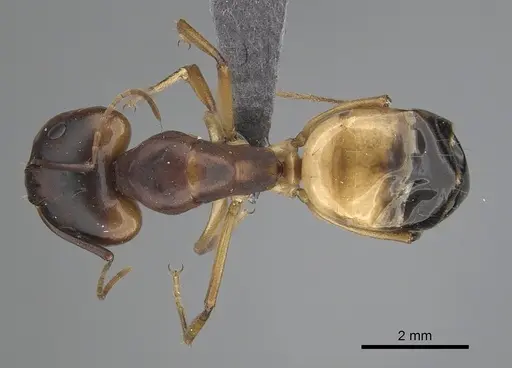
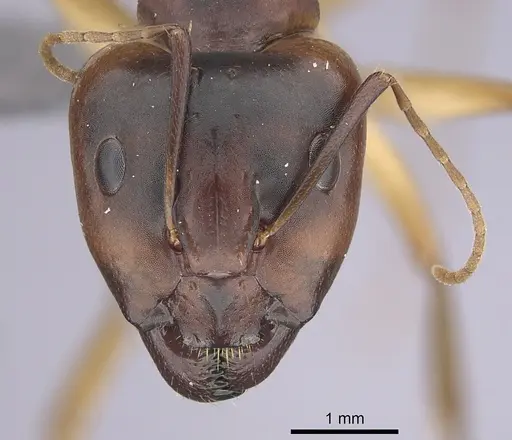
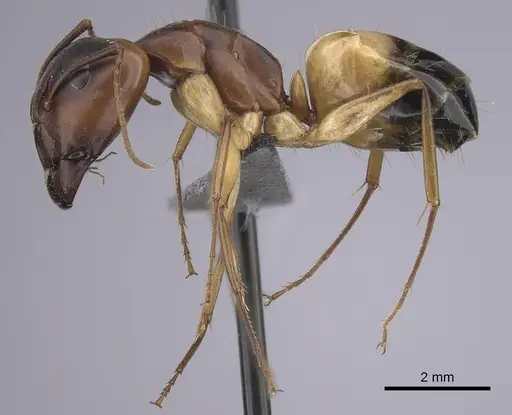
CASENT0249891
View on AntWeb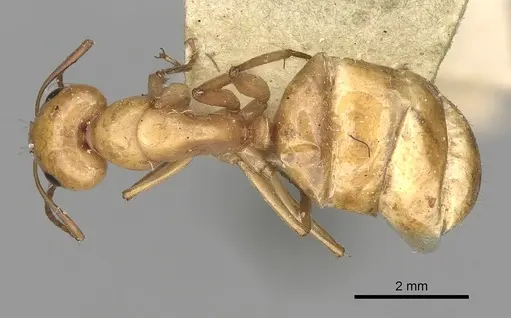
CASENT0249894
View on AntWeb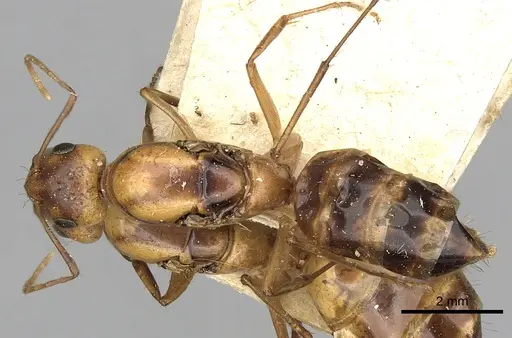
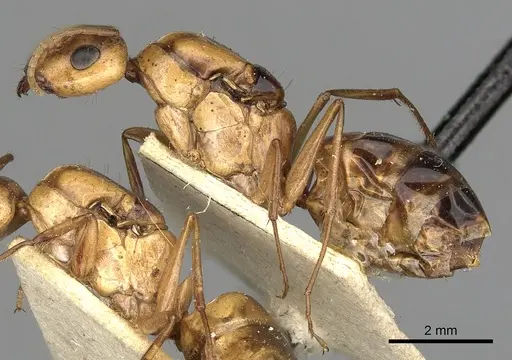
CASENT0249896
View on AntWeb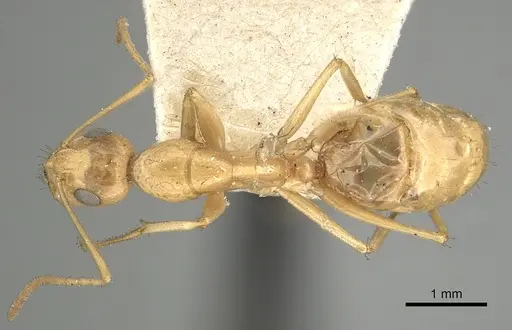
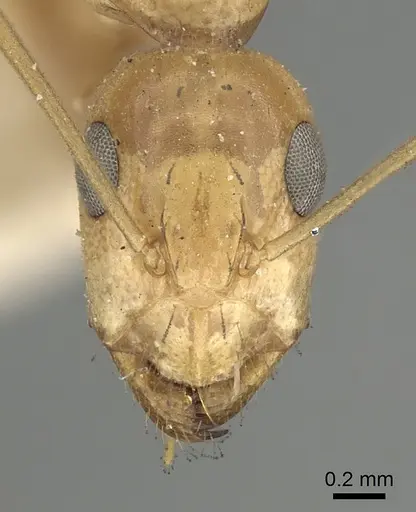
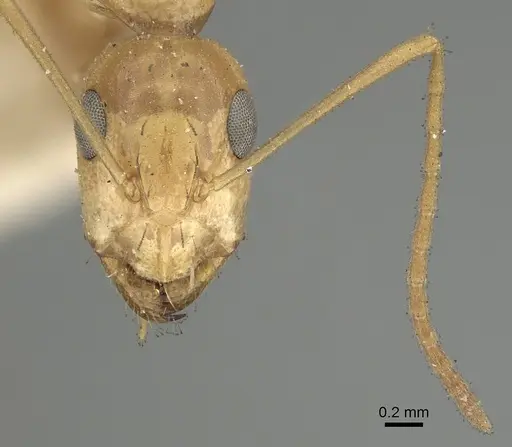
CASENT0249967
View on AntWeb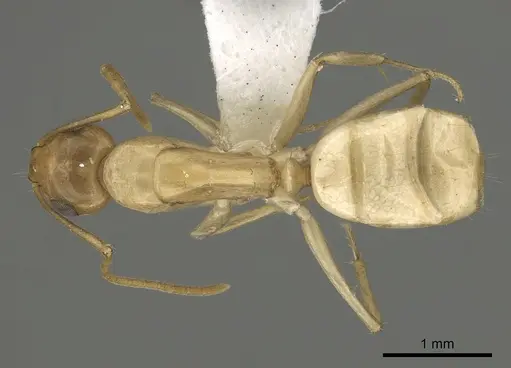
CASENT0264309
View on AntWeb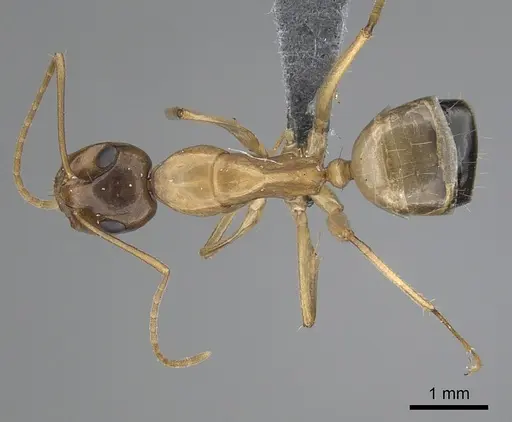
CASENT0746633
View on AntWeb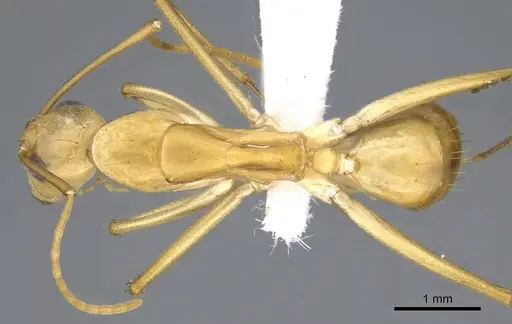
CASENT0905320
View on AntWeb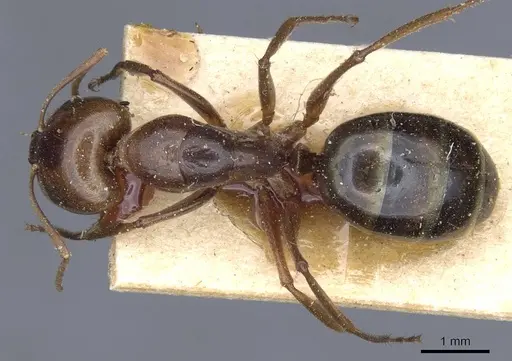
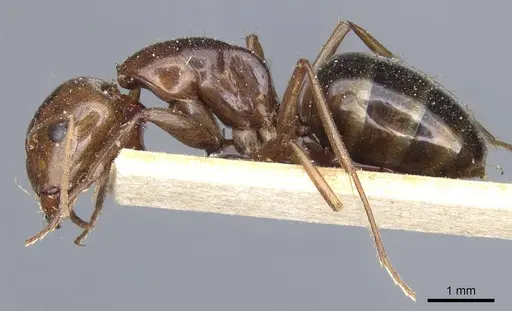
CASENT0905321
View on AntWeb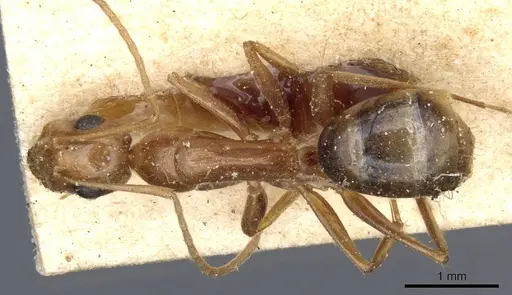
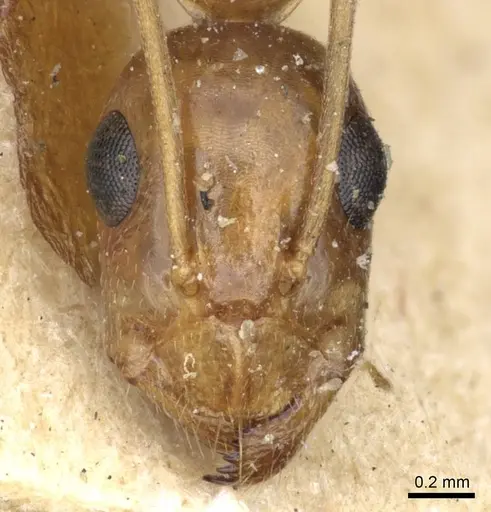
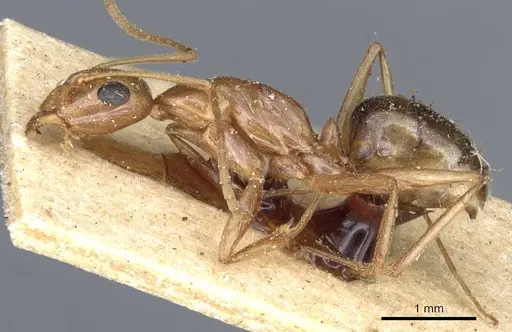
CASENT0906446
View on AntWeb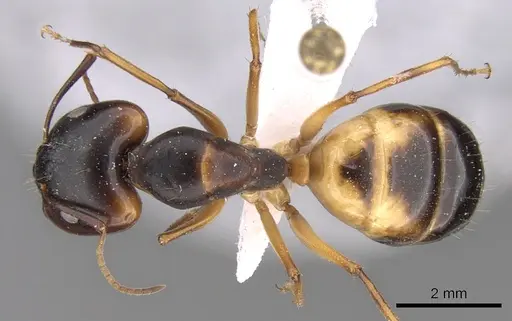
CASENT0906447
View on AntWeb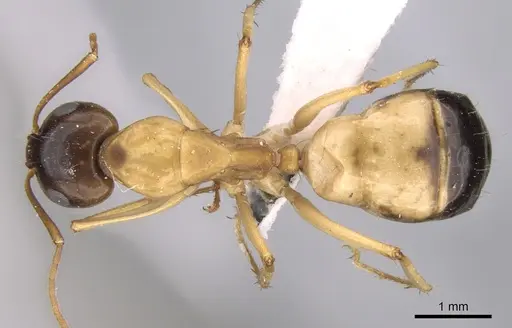
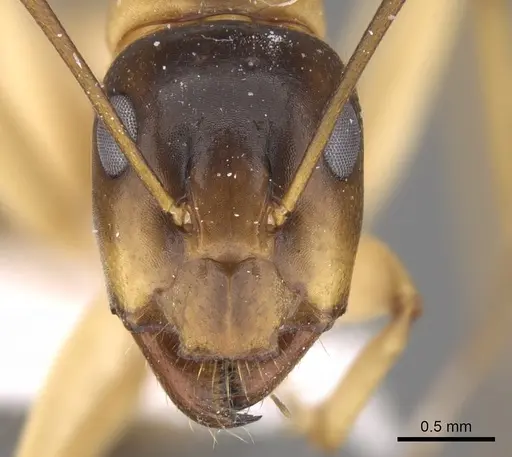
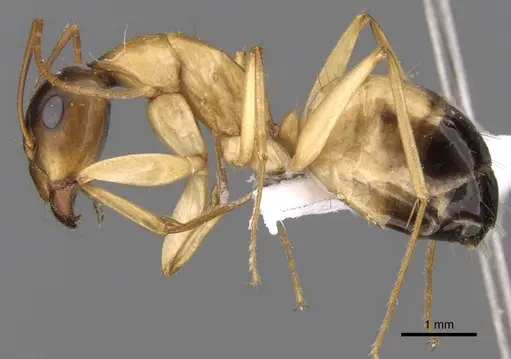
CASENT0911906
View on AntWeb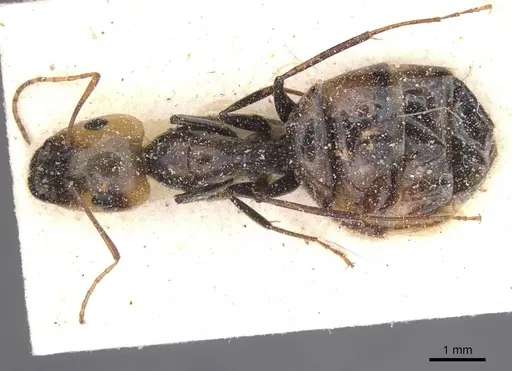
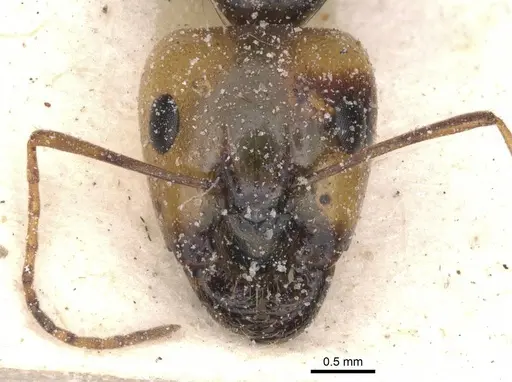
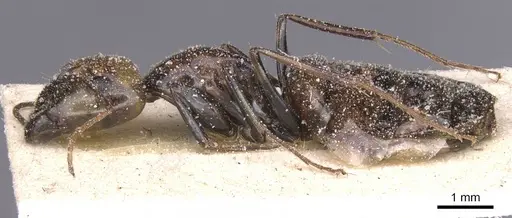
CASENT0919819
View on AntWeb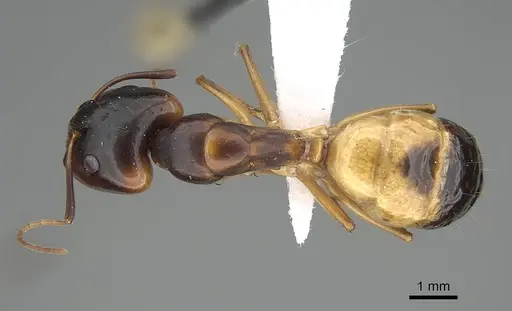
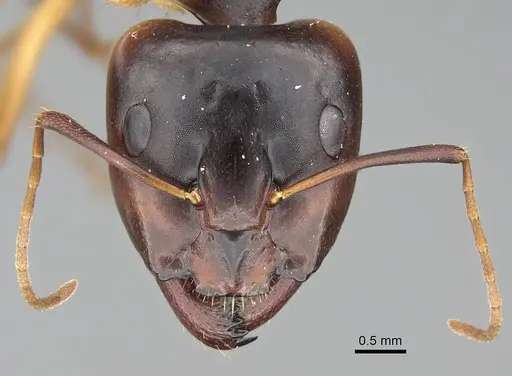
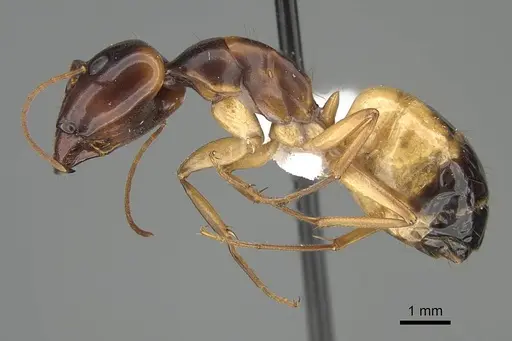
CASENT0922264
View on AntWeb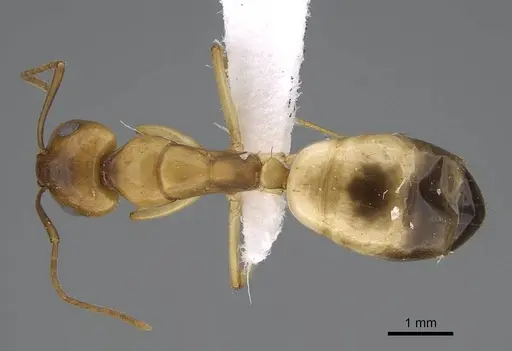
CASENT0922265
View on AntWeb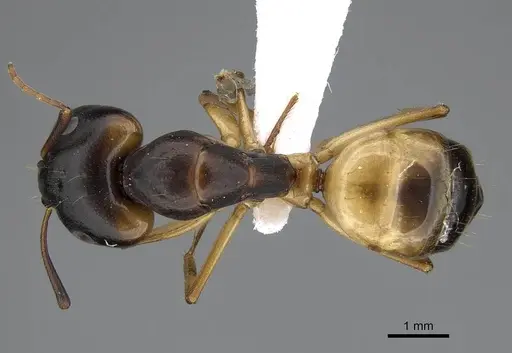
CASENT0922417
View on AntWeb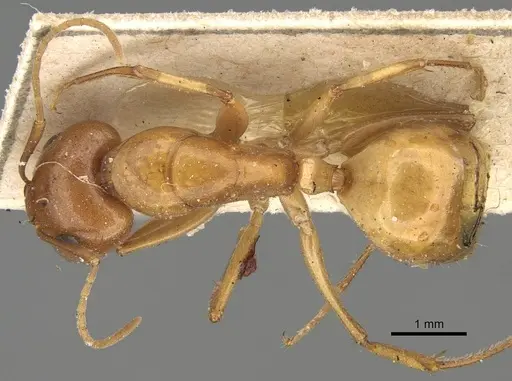
Literature
Loading...Loading products...