

Camponotus arrogans
- Scientific Name
- Camponotus arrogans
- Subgenus
- Tanaemyrmex
- Tribe
- Camponotini
- Subfamily
- Formicinae
- Author
- Smith, 1858
- Distribution
- Found in 2 countries
Camponotus arrogans Overview
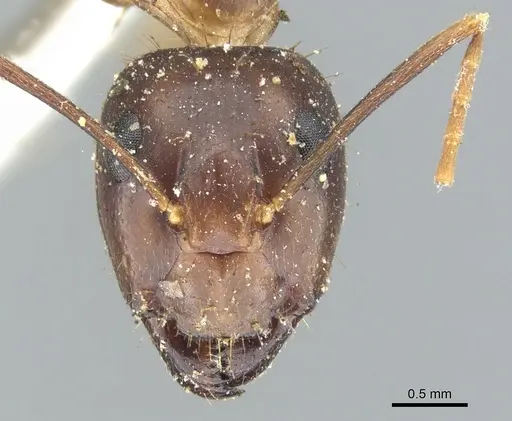
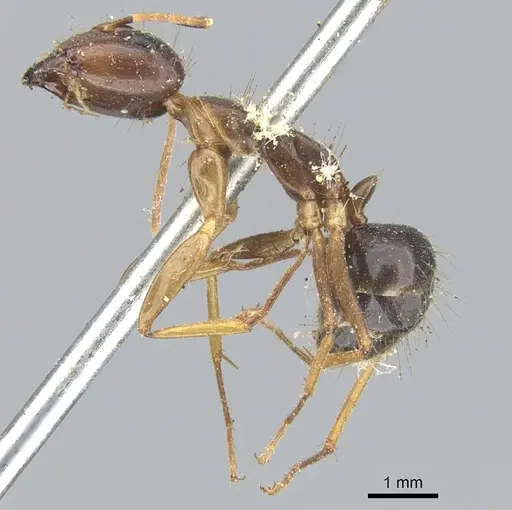
Camponotus arrogans is an ant species of the genus Camponotus. It is primarily documented in 2 countries , including Indonesia, Malaysia. Detailed taxonomic data and occurrence records can be further explored via authoritative databases such as AntWeb or the Global Biodiversity Information Facility (GBIF).
Camponotus arrogans
Camponotus arrogans is a carpenter ant native to the Indomalaya region, found across Singapore, Malaysia, Thailand, India, Indonesia, and surrounding countries [1][2][3]. Workers measure approximately 8.5mm and belong to the subgenus Tanaemyrmex [4][5]. These ants nest in tree trunks and rotting wood, excavating galleries but not feeding on the wood itself, they use these spaces as shelter while foraging for food elsewhere [6]. Unlike some aggressive Camponotus species, C. arrogans belongs to the 'Subordinate Campotini' functional group, meaning they play a quieter role in ant communities rather than dominating territories [7]. This species is considered rare in many parts of its range [8].
Quick Summary
- Difficulty: Medium
- Origin & Habitat: Native to Southeast Asia and the Indian subcontinent, found in Singapore, Malaysia (Peninsula and Borneo), Thailand, India (Arunachal Pradesh, Manipur, Sikkim, West Bengal), Indonesia (Borneo), Bangladesh, and Myanmar [1][2][3][9]. They inhabit tropical and subtropical forests where they nest in tree trunks and rotting wood, both on the ground and up tree trunks [10][6].
- Colony Type: Single-queen colonies (monogyne). Queens are claustral, they seal themselves in a chamber and raise their first workers using stored fat reserves, typical of the Camponotus genus.
- Colony: Monogyne
- Founding: Claustral
- Size & Growth:
- Queen: Estimated 12-15mm based on genus patterns (no direct species measurement)
- Worker: Approximately 8.5mm [4]
- Colony: Likely moderate, several hundred workers based on typical Camponotus colony growth
- Growth: Moderate, typical for tropical carpenter ants
- Development: Estimated 6-8 weeks at tropical temperatures (25-28°C) based on typical Camponotus development [2] (Development time is inferred from genus patterns since specific data for this species is unavailable. Tropical species typically develop faster than temperate ones.)
- Antkeeping:
- Temperature: Keep at 24-28°C. As a tropical Southeast Asian species, they need warm conditions year-round. A heating cable on one side of the nest creates a temperature gradient they can choose from [2].
- Humidity: Moderate humidity around 60-70%. These forest-dwelling ants prefer slightly damp conditions but not saturated substrate. Provide a water tube for drinking water.
- Diapause: No, being a tropical species, they do not require hibernation. Keep them warm year-round.
- Nesting: Y-tong (AAC) nests or plaster nests work well since they naturally nest in wood cavities. Provide narrow chambers and tunnels scaled to their medium size. Avoid overly wet substrates that could cause mold.
- Behavior: Generally calm temperament compared to some aggressive Camponotus species. They are foragers that collect honeydew from aphids, nectar, and dead insects [6]. Workers are moderately active and will readily take sugar water and protein foods. Escape risk is moderate, their medium size means standard barriers work well, but they can squeeze through small gaps if motivated. They may be more tolerant of other ant species given their 'subordinate' ecological role [7].
- Common Issues: colonies may fail if kept too cold, maintain tropical temperatures year-round, test tube setups can flood if water reservoirs are overfilled, use proper cotton-to-water ratios, wild-caught colonies may have parasites that cause colony collapse, slow initial growth during founding phase can lead to overfeeding or disturbance, their tropical nature means they cannot tolerate temperatures below 20°C for extended periods
Housing and Nest Setup
Camponotus arrogans does well in Y-tong (acrylic) nests or plaster formicariums that provide dark, enclosed chambers mimicking their natural tree-trunk nesting sites [6]. The chambers should be appropriately sized for a medium-sized carpenter ant, not too large, not too tight. A water tube connected to a cotton reservoir provides drinking water and helps maintain humidity. Since they come from tropical forests, they appreciate some moisture in the nest but avoid waterlogging. Place the nest in a quiet location away from direct sunlight and vibrations. The outworld can be simple, a foraging area where you place food. Standard escape prevention works well for this species since they're not particularly small or agile escape artists, but always use fluon on edges as a precaution.
Feeding and Diet
In the wild, Camponotus arrogans feeds on honeydew from aphids and other honeydew-producing insects, nectar from flowers, and dead insects for protein [6]. In captivity, offer sugar water or honey as a constant carbohydrate source. For protein, provide small insects like fruit flies, small crickets, or mealworms. They will also accept protein shakes or boiled eggs. Feed them small prey items 2-3 times per week, removing any uneaten food after 24 hours to prevent mold. Unlike some specialized predators, they are generalist feeders typical of the carpenter ant genus. Always ensure they have access to fresh water.
Temperature and Seasonal Care
Being a tropical Southeast Asian species, Camponotus arrogans needs warm temperatures year-round. Keep the nest area at 24-28°C for optimal brood development [2]. Room temperature may suffice if your home stays in this range, otherwise use a heating cable on one side of the nest to create a gentle gradient. Never let temperatures drop below 20°C for extended periods, this can weaken or kill the colony. Unlike temperate species, they do not require hibernation or a winter cooling period. Maintain consistent warmth throughout the year. Avoid placing the nest near air conditioning vents or cold windows.
Colony Founding
Queens are claustral, meaning they seal themselves in a chamber after mating and raise their first workers entirely on stored fat reserves without foraging [2]. The founding process takes several months, expect the first nanitic (initial) workers to emerge in 6-8 weeks under warm conditions, but full colony development takes longer. During founding, do not disturb the queen or open the test tube. Simply provide a dark, quiet space and wait. Once the first workers (nanitics) emerge, you can begin offering tiny food items near the nest entrance, but the colony will remain small for several months as they build their numbers. Patience is key with claustral founding species.
Behavior and Temperament
Camponotus arrogans is generally calm and less aggressive than many other carpenter ants. They belong to the 'Subordinate Campotini' functional group, meaning they coexist peacefully with other ant species rather than dominating territories [7]. Workers are moderately active foragers, primarily collecting honeydew, nectar, and small insects. They do not have a painful sting, though some Camponotus species can spray formic acid as a defense. Their moderate size means they're not particularly difficult to contain, but standard escape prevention practices should still be followed. Watch for colony growth patterns, once established, colonies can grow to several hundred workers over 1-2 years.
Frequently Asked Questions
How long does it take for Camponotus arrogans to raise first workers?
Expect first workers (nanitics) in 6-8 weeks at optimal tropical temperatures (25-28°C). This is based on typical Camponotus development patterns since specific timing for this species hasn't been documented.
Do Camponotus arrogans ants need hibernation?
No. As a tropical Southeast Asian species, they do not require hibernation. Keep them warm year-round at 24-28°C.
What do Camponotus arrogans eat?
They are generalist feeders. Offer sugar water or honey for carbohydrates, and small insects like fruit flies, crickets, or mealworms for protein. They also collect honeydew in the wild, so they may tend aphids if available.
Are Camponotus arrogans good for beginners?
They are rated Medium difficulty. They require tropical temperatures year-round and need patience during the founding phase. If you can maintain warm, stable conditions and provide proper housing, they are manageable for intermediate antkeepers.
How big do Camponotus arrogans colonies get?
Colony size is estimated at several hundred workers based on typical Camponotus patterns. They are not among the largest carpenter ants, but established colonies can be quite substantial.
Can I keep multiple Camponotus arrogans queens together?
This species is monogyne (single-queen). Combining unrelated queens is not recommended as they would likely fight. Only keep one queen per colony.
Why is my Camponotus arrogans colony not growing?
Check three things: temperature (should be 24-28°C), feeding (protein at least twice weekly plus constant sugar), and disturbance (founders need complete peace). Cold temperatures or frequent disturbance are the most common causes of poor growth.
Where is Camponotus arrogans found in the wild?
They range across Southeast Asia and the Indian subcontinent: Singapore, Malaysia, Thailand, India, Indonesia (Borneo), Bangladesh, and Myanmar. They live in tropical forests, nesting in tree trunks and rotting wood.
References

This caresheet is licensed under CC BY-SA 4.0 .
CASENT0903598
View on AntWeb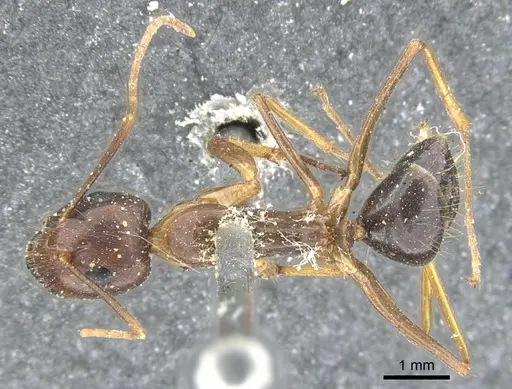
Literature
Loading...Loading products...