
Camponotus arboreus
- Scientific Name
- Camponotus arboreus
- Subgenus
- Myrmobrachys
- Tribe
- Camponotini
- Subfamily
- Formicinae
- Author
- Smith, 1858
- Distribution
- Found in 4 countries
Camponotus arboreus Overview
Camponotus arboreus is an ant species of the genus Camponotus. It is primarily documented in 4 countries , including Brazil, French Guiana, Cambodia. Detailed taxonomic data and occurrence records can be further explored via authoritative databases such as AntWeb or the Global Biodiversity Information Facility (GBIF).
Camponotus arboreus
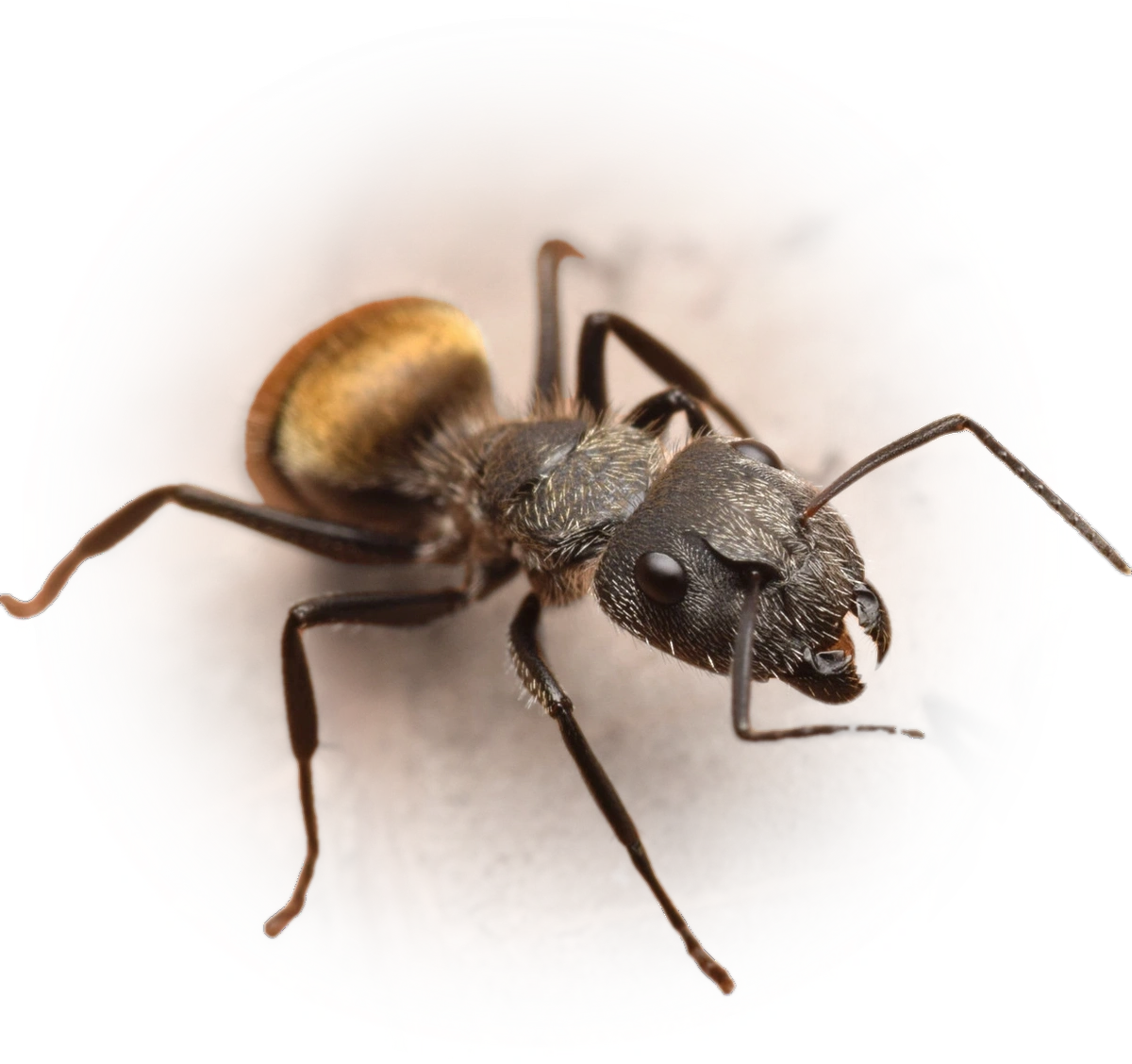
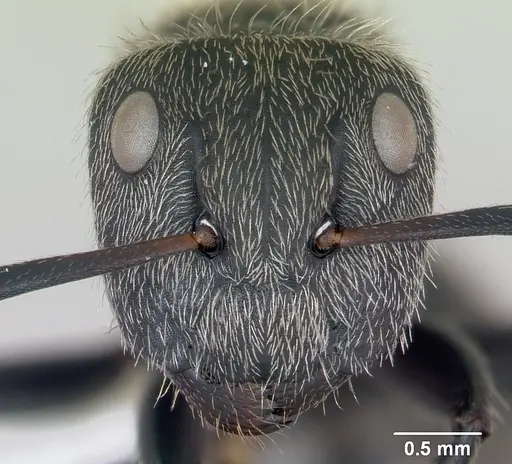
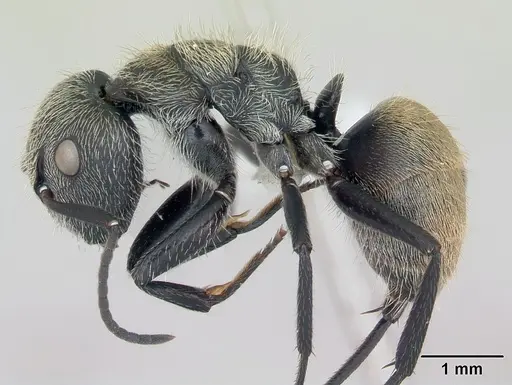
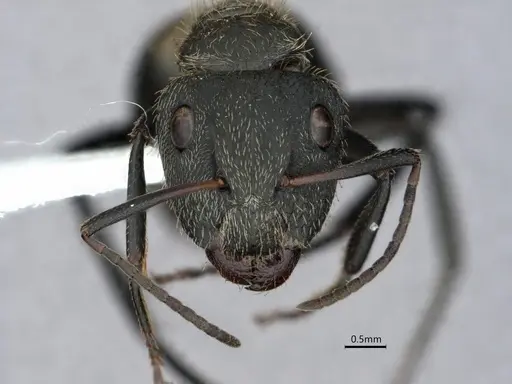
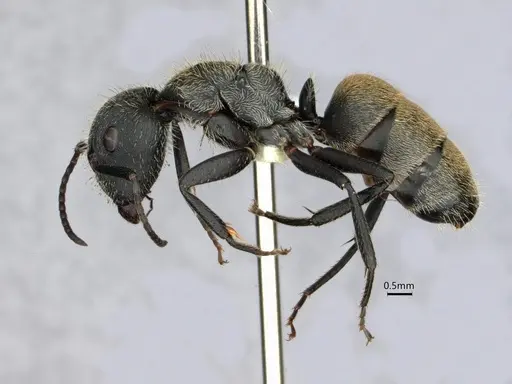
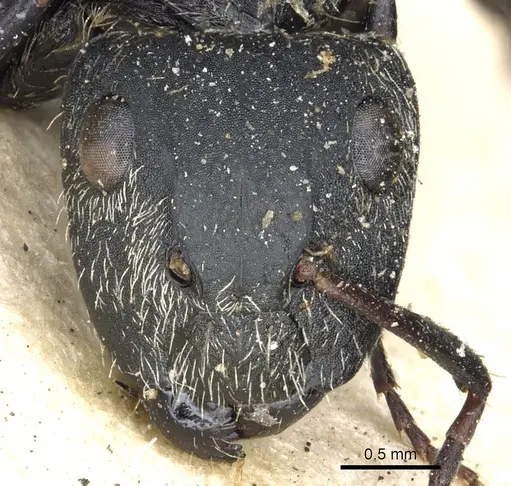
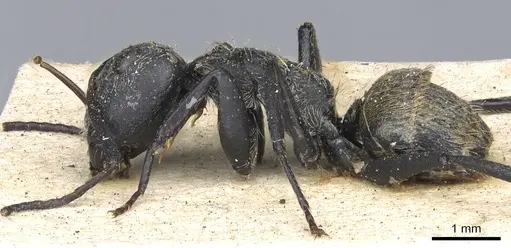
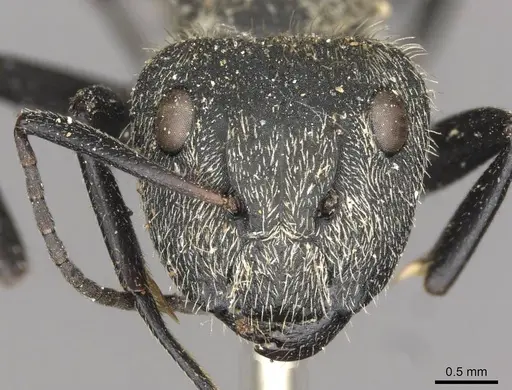
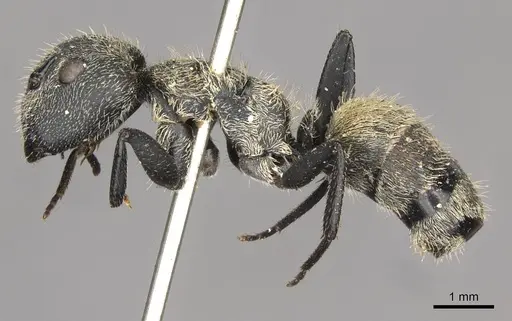
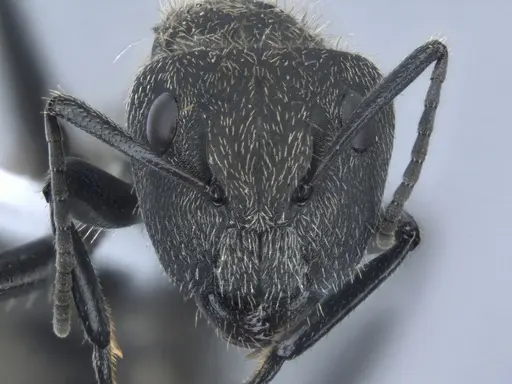
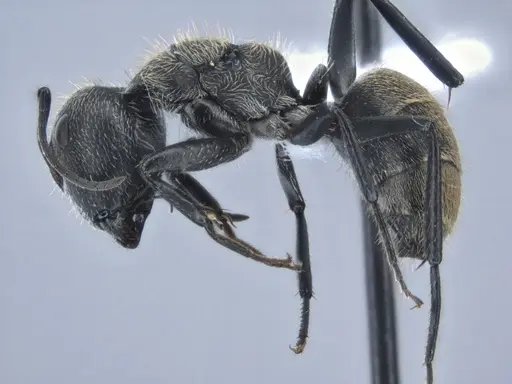
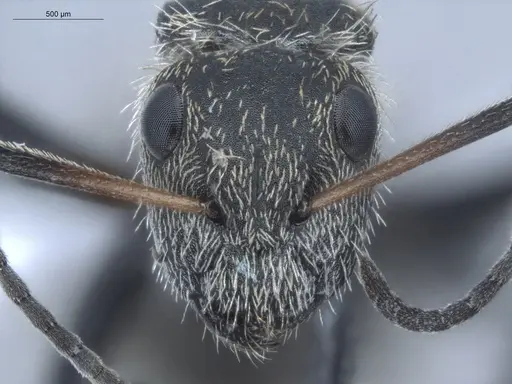
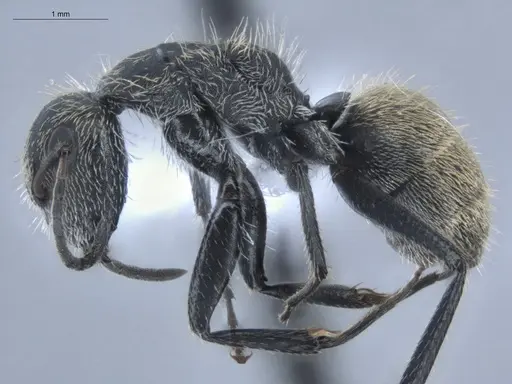
Camponotus arboreus is a Neotropical carpenter ant belonging to the subgenus Myrmobrachys. Workers measure 5-7mm and are covered with distinctive golden pubescence that is especially noticeable on the gaster (abdomen). They are typically black or dark brown with brown legs, though some specimens show a bicolored pattern with a red head and mesosoma and dark gaster. This species is recognized by having erect hairs on the sides of the head. C. arboreus is one of the most widespread Camponotus species in the Neotropics, found across Brazil, Colombia, Panama, Paraguay, Argentina, and Ecuador [1][2].
This species is notable for its arboreal nesting habits, in the wild, colonies nest in the hollow stems and fruit structures of bromeliads and inside cactus trunks, making it a truly tree-dwelling ant [3]. This arboreal lifestyle means captive colonies will do best with nesting options that mimic these elevated, enclosed spaces rather than typical ground-level setups.
Quick Summary
- Difficulty: Medium
- Origin & Habitat: Neotropical region, Brazil, Colombia, Panama, Paraguay, Argentina, and Ecuador. Found in diverse habitats including mangroves, Caatinga (seasonally dry tropical forest), Cerrado, Atlantic Forest, and Amazon-Cerrado transition zones [1][4][5].
- Colony Type: Single-queen (monogyne) colonies. This follows the typical Camponotus pattern.
- Colony: Monogyne
- Founding: Claustral
- Size & Growth:
- Queen: Estimated 9-12mm based on genus patterns (not directly measured in available literature)
- Worker: 5-7mm [6][2]
- Colony: Likely several hundred workers based on typical Camponotus colony sizes
- Growth: Moderate, typical for Camponotus species
- Development: 6-10 weeks based on typical Camponotus development at warm temperatures (Development time follows standard Camponotus patterns, faster at warmer temperatures within the tropical range)
- Antkeeping:
- Temperature: Keep at 24-28°C. As a Neotropical species from warm, humid forests, they need consistently warm conditions. A heating cable on one side of the nest creates a suitable gradient.
- Humidity: High humidity, aim for 70-80%. These arboreal ants come from humid forest habitats and need moisture to prevent desiccation. Keep the nest substrate consistently moist but not waterlogged.
- Diapause: No, as a Neotropical species from tropical and subtropical regions, they do not require hibernation. Keep them warm year-round.
- Nesting: Arboreal nesting preferences. In captivity, they do well in Y-tong (AAC) nests, plaster nests, or naturalistic setups with vertical structures. Avoid horizontal dirt nests, they prefer enclosed chambers. The nest should have smooth interior surfaces similar to the hollow stems they use in nature.
- Behavior: Generally calm and not overly aggressive for a Camponotus species. Workers are moderately active foragers that search for food both in the canopy and on ground level. They are generalist feeders that accept both carbohydrates (honey, sugar water) and protein sources (insects). As medium-sized ants, they can grip surfaces well but escape prevention is still important, use fluon on test tube rims and ensure any formicarium has tight-fitting connections. They are not known for being particularly defensive.
- Common Issues: high humidity requirements can lead to mold if ventilation is poor, balance is key, arboreal nesting means they may not accept typical horizontal dirt formicariums, tropical warmth needs year-round heating in cooler climates, room temperature may be too cold, wild-caught colonies may harbor parasites that can cause colony decline in captivity
Housing and Nest Preferences
Camponotus arboreus is an arboreal species that naturally nests in elevated, enclosed spaces like hollow plant stems and cactus trunks. In captivity, they do best in nests that mimic these conditions. Y-tong (AAC) nests work very well because they provide smooth, enclosed chambers. Plaster nests or acrylic nests with vertical orientation also suit them well. Avoid horizontal dirt formicariums or setups that leave them exposed to light, these ants prefer dark, enclosed spaces like their natural tree-hole homes.
The outworld (foraging area) should be simple and easy to clean. A test tube setup works well for founding colonies, but once the colony reaches 20-30 workers, consider moving them to a proper formicarium. Make sure any connections between nest and outworld are secure, while not extreme escape artists, they can find loose gaps. [3]
Feeding and Diet
Like most Camponotus species, C. arboreus is a generalist feeder. In the wild, they forage for both carbohydrates and protein. Workers have been collected with carbohydrate and protein bait in studies [7], confirming they accept diverse food sources.
For captive colonies, offer a constant source of sugar water or honey. For protein, provide small insects like fruit flies, small mealworms, or cricket pieces. Feed protein once or twice per week depending on colony size. Remove any uneaten prey after 24-48 hours to prevent mold. These ants are moderate feeders, they won't clear a plate of food like some more aggressive foragers, but active colonies will consume regular offerings.
Temperature and Humidity
As a Neotropical species from Brazil and surrounding countries, C. arboreus needs warm, humid conditions. Keep the nest at 24-28°C year-round. In cooler climates, you'll need a heating cable or heat mat on one side of the nest to maintain these temperatures. A temperature gradient allows workers to choose their preferred warmth.
Humidity should be high, around 70-80%. The nest substrate should feel consistently moist but never waterlogged. These arboreal ants are used to humid forest conditions and can suffer if kept too dry. However, balance is important: too much moisture without ventilation leads to mold, which can kill colonies. Good ventilation while maintaining humidity is key.
Colony Development
Camponotus arboreus follows typical claustral founding. The queen seals herself in a small chamber and raises the first brood alone, living off her stored fat reserves. Once the first workers (nanitics) emerge, they take over foraging and brood care while the queen focuses on egg-laying.
Development from egg to worker takes approximately 6-10 weeks at optimal temperatures, typical for Camponotus species. Growth is moderate, not the fastest ants, but steady once established. Colonies likely reach several hundred workers over time, though exact maximum sizes are not well-documented in scientific literature.
Behavior and Temperament
This is a relatively calm Camponotus species. They are not particularly aggressive or defensive, making them manageable in captivity. Workers are moderately active and will forage both in the nest area and the outworld.
One interesting behavioral note: this species is an indicator species for fire suppression in Cerrado ecosystems [8], meaning it thrives in environments with less frequent burning. This suggests they prefer stable, undisturbed habitats, so avoid moving their nest frequently once established.
Escape risk is moderate. While not the smallest ants, they can still squeeze through small gaps. Use proper escape prevention like fluon on test tube rims and ensure formicarium connections are tight.
Frequently Asked Questions
Can I keep Camponotus arboreus in a test tube?
Yes, test tubes work well for founding colonies. Make sure to use fluon on the rim for escape prevention. Once the colony reaches 20-30 workers, consider moving to a proper formicarium with more space.
What is the best nest type for Camponotus arboreus?
Y-tong (AAC) nests or plaster nests with vertical orientation work best. This is an arboreal species that naturally nests in enclosed hollow stems, so they prefer dark, enclosed chambers rather than open or horizontal setups.
How long until first workers with Camponotus arboreus?
Expect first workers (nanitics) in about 6-10 weeks after the queen lays eggs, assuming optimal temperatures around 24-28°C. This follows typical Camponotus development timelines.
Are Camponotus arboreus good for beginners?
They are rated as medium difficulty. The main challenges are their need for high humidity and warm temperatures year-round. If you can maintain these conditions consistently, they are a rewarding species to keep.
Do Camponotus arboreus need hibernation?
No. As a Neotropical species from tropical and subtropical regions, they do not require hibernation. Keep them warm (24-28°C) year-round.
What do Camponotus arboreus eat?
They are generalist feeders. Offer sugar water or honey constantly for carbohydrates, and small insects (fruit flies, small mealworms, cricket pieces) for protein twice weekly.
How big do Camponotus arboreus colonies get?
Based on typical Camponotus patterns, colonies likely reach several hundred workers. Exact maximum sizes are not well-documented, but expect moderate colony growth over 1-3 years.
Can I keep multiple queens together?
No. This is a monogyne (single-queen) species. Multiple unrelated queens will fight. Only keep one queen per colony.
Why is my Camponotus arboreus colony dying?
Common causes include: too low temperature (below 24°C), too dry conditions, mold from poor ventilation, or parasites from wild-caught colonies. Check that your heating is adequate, humidity is high but balanced with ventilation, and that you're not overfeeding.
References

This caresheet is licensed under CC BY-SA 4.0 .
CASENT0173393
View on AntWeb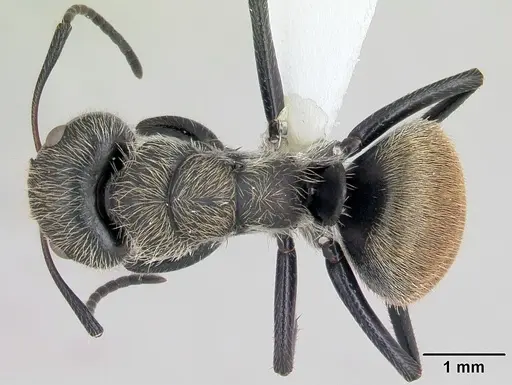
CASENT0882062
View on AntWeb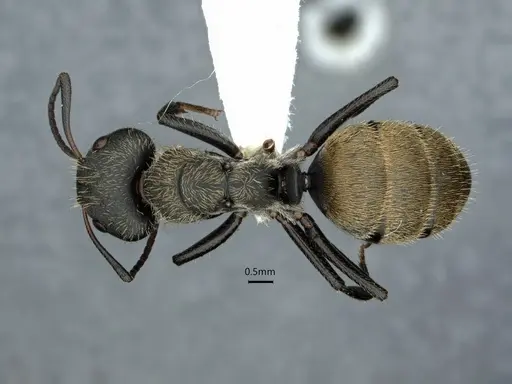
CASENT0903620
View on AntWeb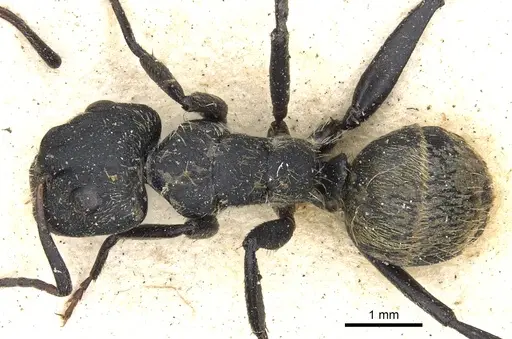
CASENT0910678
View on AntWeb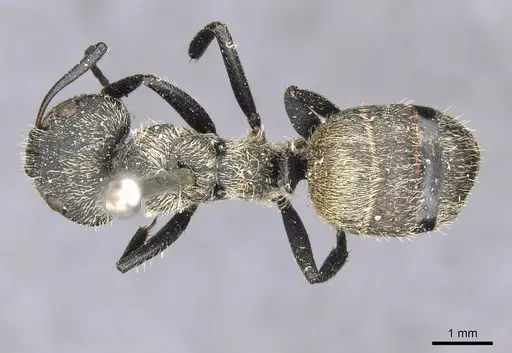
ECOFOG-BUG-1817-02
View on AntWeb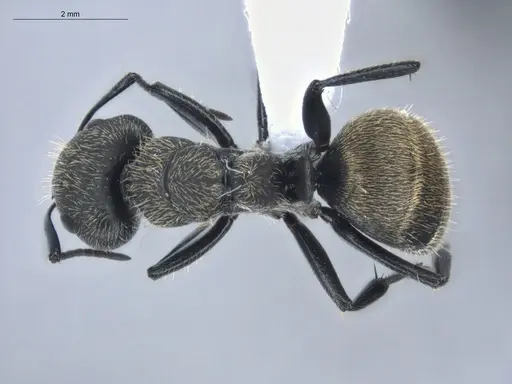
ECOFOG-BUG-1827-03
View on AntWeb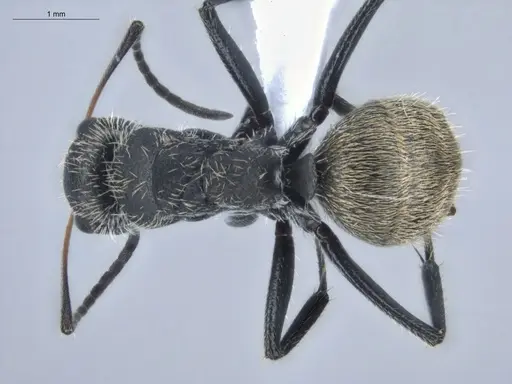
Literature
Loading...Loading products...