

Camponotus antsaraingy
- Scientific Name
- Camponotus antsaraingy
- Subgenus
- Mayria
- Tribe
- Camponotini
- Subfamily
- Formicinae
- Author
- Rasoamanana & Fisher, 2022
- Distribution
- Found in 1 countries
Camponotus antsaraingy Overview
Camponotus antsaraingy is an ant species of the genus Camponotus. It is primarily documented in 1 countries , including Madagascar. Detailed taxonomic data and occurrence records can be further explored via authoritative databases such as AntWeb or the Global Biodiversity Information Facility (GBIF).
Camponotus antsaraingy
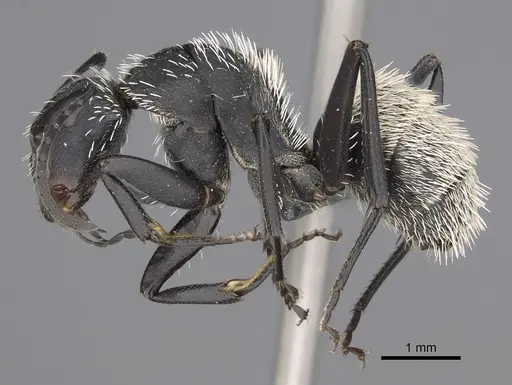
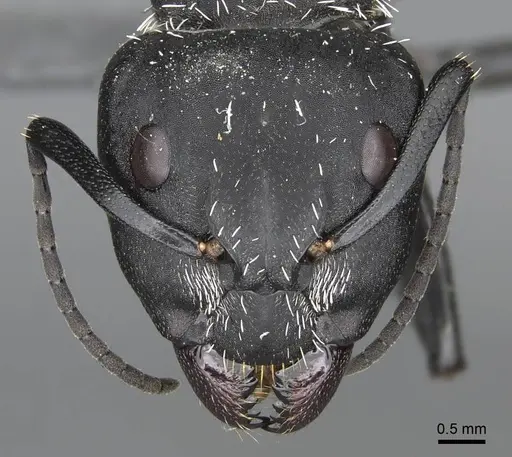
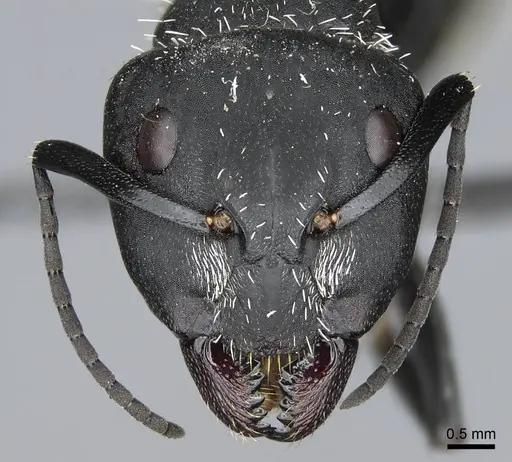
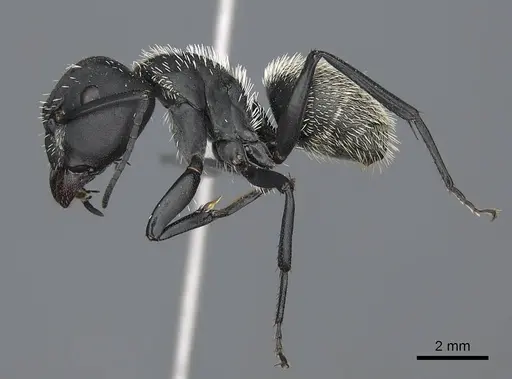
Camponotus antsaraingy is a large, striking ant species endemic to the littoral forests of northern Madagascar. Workers are entirely black with a coarsely sculptured body, and the abdomen (gaster) is densely covered with enlarged white hairs that give them a distinctive fuzzy appearance [1]. This is a polymorphic species, minor workers measure 2.0-2.3mm while major workers (soldiers) reach 2.9-3.6mm, with the large majors having a distinctive cordate (heart-shaped) head [1]. The species was only recently described in 2022 and is known from a single location called Antsaraingy, where it nests underground and inside termite mounds at elevations of 66-90 meters [1]. The antsaraingy species group is characterized by their flattened antennal scapes and the dense white hair covering their gaster, which helps distinguish them from similar Malagasy Camponotus species [1].
Quick Summary
- Difficulty: Unknown, insufficient captive data
- Origin & Habitat: Northern Madagascar, Antsaraingy littoral forest,66-90m elevation. Nests found underground and inside termite mounds [1].
- Colony Type: Unconfirmed. Based on Camponotus genus patterns, likely single-queen colonies but this has not been documented for this specific species.
- Founding: Claustral
- Size & Growth:
- Queen: Not yet documented in scientific literature, related Mayria species suggest queens may reach 12-15mm
- Worker: Minor: 2.0-2.3mm, Major: 2.9-3.6mm [1]
- Colony: Unknown, only four colonies have ever been collected [1]
- Growth: Unknown, estimated moderate based on Camponotus genus patterns
- Development: Unconfirmed. Based on typical Camponotus development, estimate 6-10 weeks at optimal temperature. (Development time is unconfirmed for this species. Related Malagasy Camponotus species typically develop in 6-8 weeks at tropical temperatures.)
- Antkeeping:
- Temperature: Likely 22-28°C based on Madagascar littoral forest habitat. Provide a temperature gradient and monitor colony activity.
- Humidity: Likely 60-80% based on tropical forest origin. Keep nest substrate moderately moist but not waterlogged.
- Diapause: Unlikely, Madagascar has minimal seasonal temperature variation. No documented diapause requirement.
- Nesting: In nature, they nest underground and inside termite mounds. In captivity, a Y-tong (AAC) nest or plaster nest with moist substrate works well. Provide chambers scaled to their large size.
- Behavior: Not well documented in captivity. Based on genus patterns, they are likely moderately aggressive when defending the nest but not particularly territorial. Major workers serve as defenders. Escape risk is moderate, their large size makes them easy to contain with standard barriers, but they are strong climbers.
- Common Issues: This species has never been kept in captivity by hobbyists, all care recommendations are estimates based on genus patterns, Limited availability, only four wild colonies have ever been collected, making this one of the rarest Camponotus species in the hobby, Temperature and humidity requirements are unconfirmed, start with tropical conditions and observe colony behavior, Growth rate is unknown, new keepers may struggle with patience during the slow founding phase, Wild-caught colonies may carry parasites or diseases not yet understood by hobbyists
Discovery and Rarity
Camponotus antsaraingy was only described as a species in 2022 by Rasoamanana and Fisher, making it one of the newest additions to the antkeeping hobby. The species is known only from Antsaraingy, a small littoral forest area in the Antsiranana province of northern Madagascar. Researchers collected only four colonies to describe the species, this is an extremely limited sample size, which explains why so much about their biology remains unknown [1]. The species belongs to the Camponotus subgenus Mayria, which is endemic to Madagascar. All Mayria species are found only on this island, making them particularly special for antkeepers who want something truly unique. The antsaraingy species group is defined by their distinctive flattened antennal scapes and the dense covering of white hairs on their abdomen [1].
Appearance and Identification
This is a visually striking ant that stands out among Malagasy Camponotus species. The entire body is black, covered with coarse sculptural details that give it a textured appearance. The most distinctive feature is the dense covering of enlarged white hairs on the gaster (abdomen), which appears fuzzy or frosted [1]. Workers are polymorphic: minor workers are large at 2.0-2.3mm, while major workers are significantly larger at 2.9-3.6mm and have the characteristic heart-shaped head of soldier ants in this genus [1]. The antennal scapes are entirely flattened longitudinally, which is a key identifying feature of this species group. Unlike some related species, only three first gastral tergites are visible from above [1]. When keeping this species, the white-haired gaster and jet-black body make them unmistakable, no similar species share this exact combination of traits.
Natural Nesting Behavior
In the wild, Camponotus antsaraingy colonies have been found in two different nesting situations: underground in soil and inside termite mounds [1]. The termite mound nesting is particularly interesting, this suggests they can coexist with other social insects or perhaps even have a mutualistic relationship. Littoral forests (coastal forests) like those at Antsaraingy are hot, humid environments with relatively stable temperatures year-round. The elevation of 66-90 meters means they are at sea-level adjacent terrain, not highland areas. For captive care, this suggests they prefer warm, moderately humid conditions rather than dry environments. The underground nesting preference indicates they do best with nest materials that retain some moisture, avoid completely dry setups.
Temperature and Humidity Guidelines
Since this species comes from coastal Madagascar, aim for warm tropical conditions. Start with temperatures in the 24-28°C range and observe your colony's behavior, if workers cluster consistently near a heat source, increase slightly, if they avoid heated areas, reduce temperature. The key is providing a temperature gradient so ants can choose their preferred zone. For humidity, littoral forests are humid environments, target 65-80% relative humidity in the nest area. Keep the nest substrate consistently moist but not waterlogged. A small water reservoir connected to the nest works well for maintaining humidity. Since this is an underground nester, the nest chamber walls should retain some moisture without dripping condensation constantly. Monitor for mold, if mold appears, increase ventilation and reduce moisture slightly.
Feeding Recommendations
No specific dietary studies exist for this species, but as a Camponotus, they likely have a typical omnivorous diet. Based on genus patterns, offer protein sources like mealworms, crickets, or other insects 2-3 times per week. Sugar sources are important for energy, provide honey water or sugar water regularly, especially when the colony has many workers. Major workers have large, robust mandibles capable of handling bigger prey items than smaller ant species can manage. For a new colony in the founding stage, the queen will not eat, she relies on stored fat reserves. Once workers arrive, they will forager for food. Remove uneaten prey after 24-48 hours to prevent mold. The white-haired gaster may make it easy to see when ants are carrying food or have full crops.
Housing and Nest Setup
For this large Camponotus species, use appropriately sized housing. During founding, a standard test tube setup works for the claustral queen. Once the colony reaches 20-30 workers, consider moving to a Y-tong (AAC) nest or a plaster/acrylic formicarium. The chambers should be spacious enough for major workers to move freely, tight passages that work for tiny ants will frustrate these large workers. Provide an outworld (foraging area) that is deep enough to hold food and debris without being so large that the colony gets scattered. Use standard escape prevention, while not the smallest ants, they are strong climbers and will escape through any gap. Fluon barrier applied to the rim of the outworld works well.
Frequently Asked Questions
How rare is Camponotus antsaraingy in the antkeeping hobby?
Extremely rare. This species was only described in 2022 and was known from just four wild colonies at the time of description. Very few colonies have ever been collected, and they are virtually unavailable in the commercial ant trade. If you find one for sale, verify the source carefully, wild-caught colonies from Madagascar are protected species that should not be released in non-native areas.
What do Camponotus antsaraingy eat?
No specific dietary studies exist for this species. Based on typical Camponotus behavior, they likely accept protein sources (insects like mealworms, crickets) and sugar sources (honey water, sugar water). Feed protein 2-3 times per week and keep sugar water available constantly once workers are present. Remove uneaten prey after 24 hours.
What temperature do Camponotus antsaraingy need?
Likely 24-28°C based on their Madagascar littoral forest origin. Provide a temperature gradient so the colony can self-regulate. Start in this range and adjust based on observed behavior, active, foragers indicate comfortable temperatures, while lethargy may indicate too cool.
How long does it take for the first workers to emerge?
Unconfirmed for this specific species. Based on typical Camponotus development at tropical temperatures, estimate 6-10 weeks from egg to first worker (nanitic). The queen will remain sealed in her chamber during this time, living off her fat reserves.
Can I keep multiple queens together?
Unknown for this species. Camponotus colonies are typically single-queen (monogyne), but some species can have multiple queens. Do not attempt combining unrelated foundress queens without research specific to this species, they may fight and kill each other.
Do they need hibernation or diapause?
Unlikely. Madagascar has minimal seasonal temperature variation, and this species comes from a coastal littoral forest with year-round warm conditions. No diapause requirement has been documented, and it would be unusual for this species. Keep them at stable tropical temperatures year-round.
What makes Camponotus antsaraingy different from other Camponotus?
Their most distinctive feature is the dense covering of white hairs on the gaster (abdomen), giving them a fuzzy appearance unique among Malagasy Camponotus. They are also one of the rarest species in the hobby, known from only a single location in the wild. The flattened antennal scapes and large size of major workers also help identify them.
When will this species be available in ant farms?
It is difficult to predict. This species was only described in 2022 and remains extremely rare in the wild. Commercial availability depends on whether breeders successfully establish colonies from the limited wild-caught stock. Expect years of waiting before this becomes a common species in the hobby.
How big do colonies get?
Unknown, only four wild colonies have ever been collected, providing no data on maximum colony size. Based on typical Camponotus patterns, colonies likely reach several hundred to a few thousand workers over several years. Their large worker size means each individual represents significant colony biomass.
References

This caresheet is licensed under CC BY-SA 4.0 .
CASENT0371026
View on AntWeb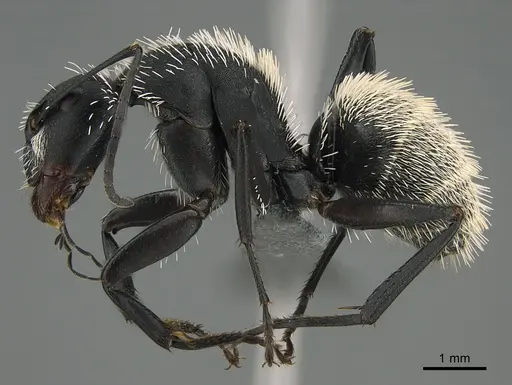
CASENT0371032
View on AntWeb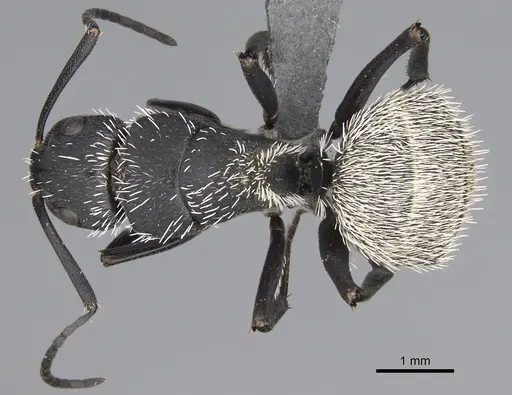
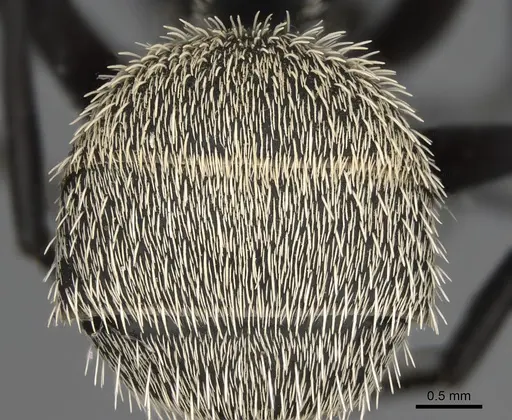
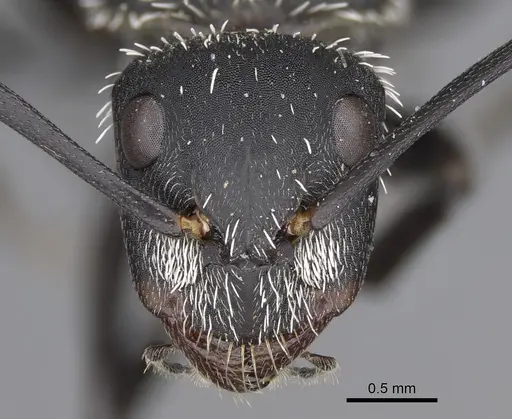
CASENT0371038
View on AntWeb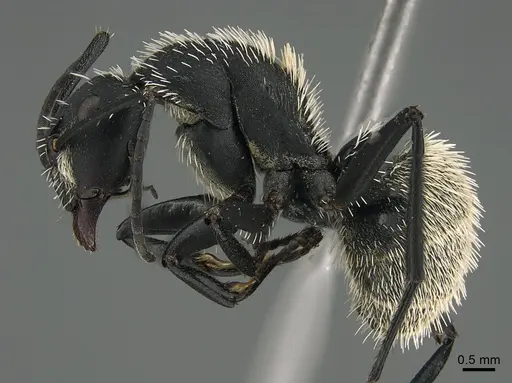
CASENT0371041
View on AntWeb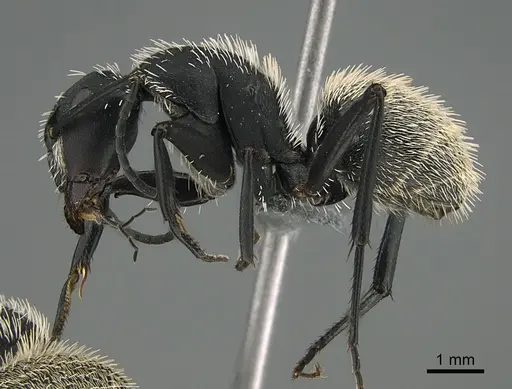
CASENT0371050
View on AntWeb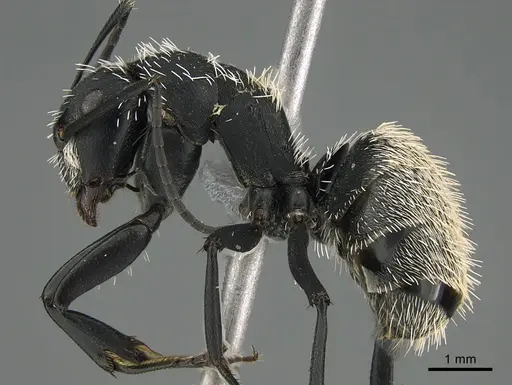
CASENT0840640
View on AntWeb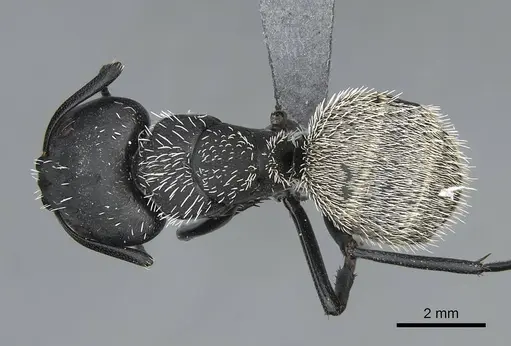
Literature
Loading...Loading products...