

Camponotus anthrax
- Scientific Name
- Camponotus anthrax
- Subgenus
- Myrmentoma
- Tribe
- Camponotini
- Subfamily
- Formicinae
- Author
- Wheeler, 1911
- Distribution
- Found in 2 countries
Camponotus anthrax Overview
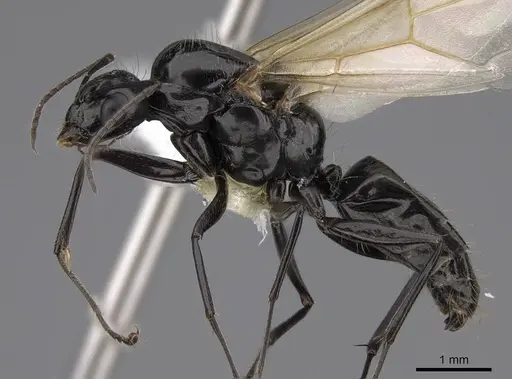
Camponotus anthrax is an ant species of the genus Camponotus. It is primarily documented in 2 countries , including Mexico, United States of America. Detailed taxonomic data and occurrence records can be further explored via authoritative databases such as AntWeb or the Global Biodiversity Information Facility (GBIF).
Camponotus anthrax
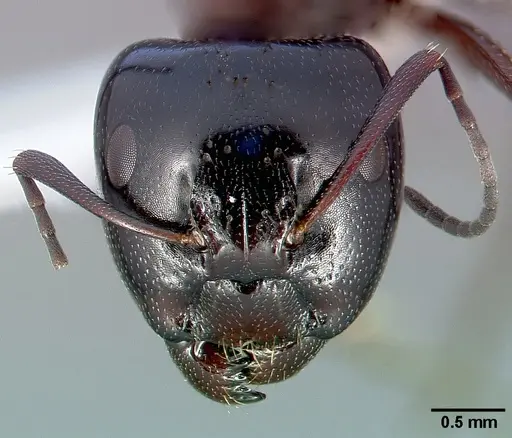
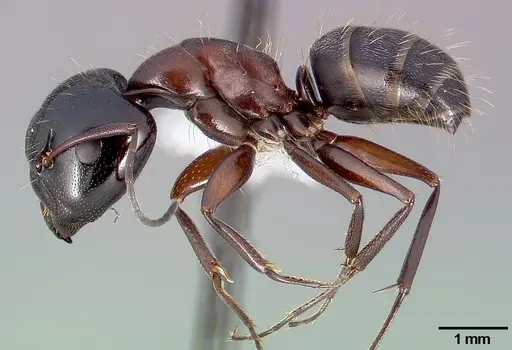
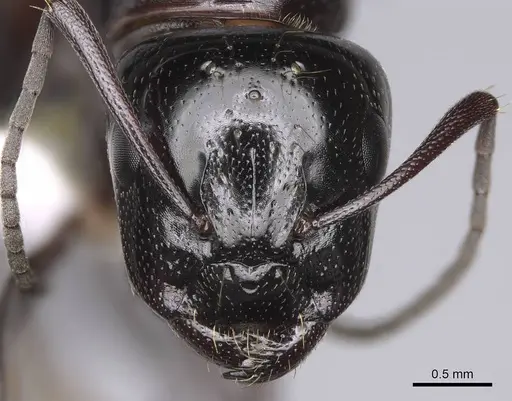
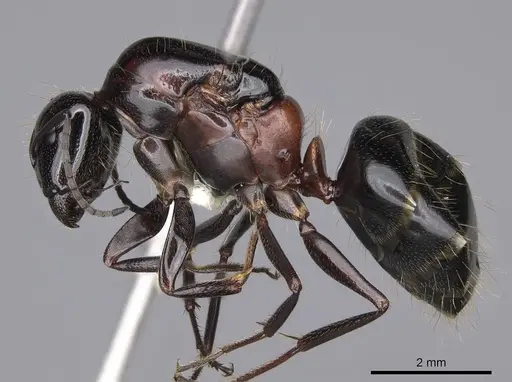
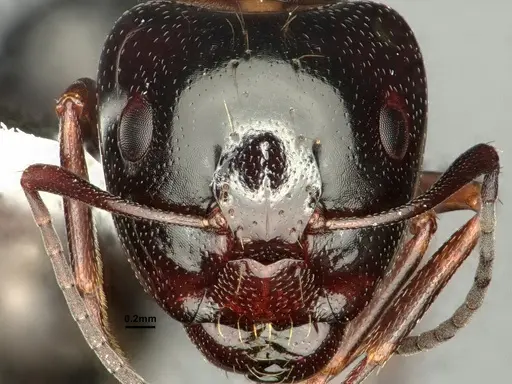
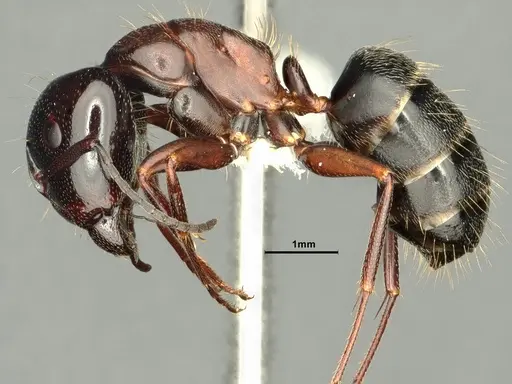
Camponotus anthrax is a carpenter ant species native to the southwestern United States and northern Mexico. Workers are polymorphic, meaning they come in different sizes, major workers are larger with well-developed heads, while minor workers are smaller. This species belongs to the subgenus Myrmentoma, a group of typically smaller carpenter ants. They are found throughout the California Floristic Province, including Santa Cruz Island and parts of Baja California [1][2]. The species was first described by Wheeler in 1911 from specimens collected in the Santa Ynez Mountains near Santa Barbara, California at around 1000 feet elevation.
Quick Summary
- Difficulty: Easy
- Origin & Habitat: Native to the southwestern United States and northern Mexico, primarily in the California Floristic Province. Found in coastal and mountain habitats including Santa Cruz Island and the San Gabriel Mountains [1][3]. In their natural range, they nest in rotting wood, under stones, and in soil cavities.
- Colony Type: Monogyne, single queen colonies. This follows typical Camponotus patterns where one established queen heads each colony.
- Colony: Monogyne
- Founding: Claustral
- Size & Growth:
- Queen: Estimated 12-15mm based on Camponotus genus patterns [4]
- Worker: Minor workers 5-8mm, major workers 8-12mm, typical for Camponotus subgenus Myrmentoma [4]
- Colony: Likely several hundred to a few thousand workers at maturity based on genus patterns [4]
- Growth: Moderate, Camponotus species typically grow steadily but not rapidly
- Development: Estimated 6-8 weeks at optimal temperature based on Camponotus genus development [4] (Development time varies with temperature, warmer conditions speed development)
- Antkeeping:
- Temperature: Keep at room temperature, roughly 20-24°C. They tolerate a range from 18°C to 28°C. A heating cable on one side of the nest can create a gentle gradient [4]
- Humidity: Moderate humidity around 50-60%. They do well with a water test tube as a moisture source. Avoid overly damp conditions.
- Diapause: Yes, a winter rest period of 2-3 months at 10-15°C is recommended. This mimics their natural seasonal cycle in temperate California [4]
- Nesting: Y-tong (AAC) nests, plaster nests, or naturalistic setups with rotting wood work well. They prefer dark, secure nesting sites. Test tube setups work for founding colonies [4]
- Behavior: Generally calm and non-aggressive for a carpenter ant. Workers are active foragers but not particularly defensive. They are moderate escape artists, use standard barriers like Fluon on the rim of the outworld. Majors can deliver a mild sting if handled roughly, but they are not dangerous to humans [4].
- Common Issues: queen death during founding is common, ensure she is undisturbed in a dark location, colonies grow slowly in the first few months which can frustrate beginners, test tube flooding can drown founding queens, use appropriate water reservoir size, escape prevention needed for minor workers who can squeeze through small gaps, mold can develop if the nest is too wet, maintain proper ventilation
Housing and Nest Setup
For founding colonies, a simple test tube setup works well. Fill a test tube with water, plug with cotton, and place the queen in a dark location. She will seal herself in and lay eggs without needing any intervention. Once you have 15-20 workers, you can move them to a proper formicarium. Y-tong (AAC) nests are excellent for Camponotus because they provide the dark, secure environment these ants prefer. Plaster nests and naturalistic setups with rotting wood pieces also work well. The key is providing a nest chamber that is snug for the colony size, too large spaces can stress them. An outworld for foraging and waste disposal completes the setup. [4]
Feeding and Diet
Camponotus anthrax is omnivorous like most carpenter ants. Offer sugar water or honey as a constant energy source, they will readily take it. For protein, provide small insects like fruit flies, small crickets, or mealworms. In the wild, they forage for honeydew from aphids and scale insects, plus dead insects. Feed minor workers more frequently since they do the foraging, while majors stay closer to the nest. Remove uneaten prey after 24-48 hours to prevent mold. A varied diet leads to healthier colonies with better growth rates. [4]
Temperature and Seasonal Care
These ants do well at standard room temperature, roughly 20-24°C. They can tolerate temperatures from 18°C to 28°C, but extremes should be avoided. A heating cable placed on one end of the nest can create a temperature gradient, allowing workers to choose their preferred zone. During winter, a diapause period of 2-3 months at 10-15°C is recommended. This mimics their natural seasonal cycle in California's temperate climate. Reduce feeding during diapause and avoid disturbing the colony. In spring, gradually warm them back up to active temperatures to trigger breeding behavior. [4]
Colony Development and Growth
A newly mated queen will seal herself in a claustral chamber and lay eggs without leaving the nest. She lives entirely on her stored fat reserves during this time. First workers, called nanitics, are typically smaller than normal workers and emerge 6-8 weeks after egg-laying at optimal temperature. The colony grows slowly at first, it may take several months to reach 20 workers. Growth accelerates once the first nanitics begin foraging. A mature colony can reach several thousand workers over several years. Patience is key with Camponotus species, they are long-lived and build lasting colonies. [4]
Behavior and Temperament
Camponotus anthrax workers are active foragers but generally calm in temperament. They are not particularly aggressive and will retreat rather than attack when threatened. Major workers can deliver a mild sting if cornered or handled roughly, but they are not considered dangerous to humans. Workers communicate using chemical trails, you may see them following paths to food sources. They are moderately nocturnal, often becoming more active in the evening hours. This species is not prone to excessive biting or escape attempts compared to some other ants, making them manageable for most keepers. [4]
Frequently Asked Questions
How long does it take for Camponotus anthrax to produce first workers?
First workers (nanitics) typically emerge 6-8 weeks after the queen lays eggs, assuming temperatures around 22-24°C. Cooler temperatures will slow development significantly.
Can I keep multiple Camponotus anthrax queens together?
No, this species is monogyne, single queen colonies. Multiple unrelated queens will fight. Only keep one queen per colony.
What temperature do Camponotus anthrax need?
Keep them at room temperature, roughly 20-24°C. They tolerate 18-28°C. A light heating gradient can be provided but is not required.
Do Camponotus anthrax need hibernation?
Yes, a winter diapause of 2-3 months at 10-15°C is recommended. This mimics their natural seasonal cycle in California.
How big do Camponotus anthrax colonies get?
Mature colonies typically reach several hundred to a few thousand workers over several years.
What do Camponotus anthrax eat?
They are omnivorous. Offer sugar water or honey constantly, plus small insects like fruit flies or mealworms for protein.
Are Camponotus anthrax good for beginners?
Yes, they are considered easy to keep. They are calm, tolerate a range of conditions, and do not require specialized equipment beyond standard antkeeping supplies.
When should I move Camponotus anthrax to a formicarium?
Move them once you have 15-20 workers. Moving too early can stress the colony. A Y-tong or plaster nest works well for this species.
Why is my Camponotus anthrax colony growing slowly?
Slow growth is normal for Camponotus species in the first few months. Ensure proper temperature (20-24°C), adequate protein, and minimal disturbance. Growth accelerates after the first nanitics begin foraging.
References

This caresheet is licensed under CC BY-SA 4.0 .
CASENT0005339
View on AntWeb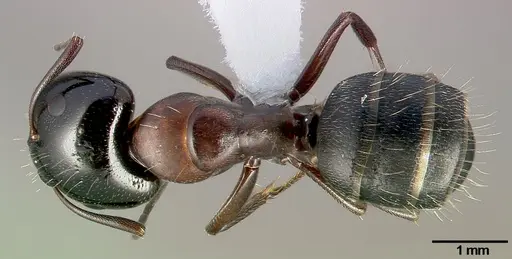
CASENT0249363
View on AntWeb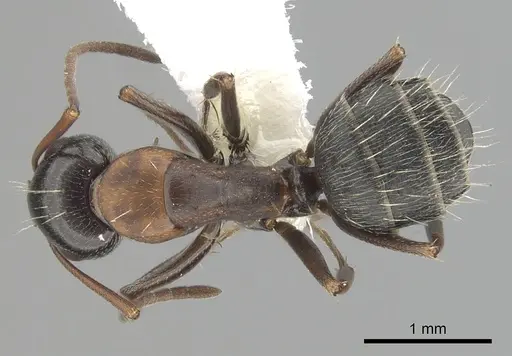
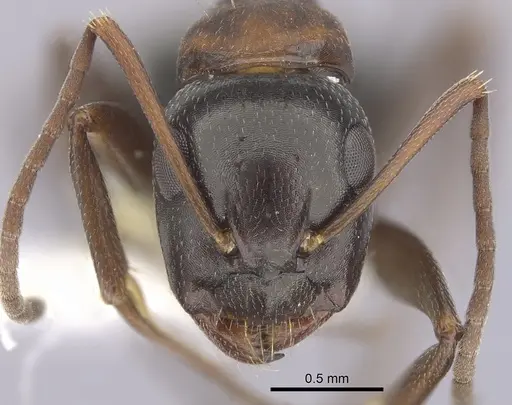
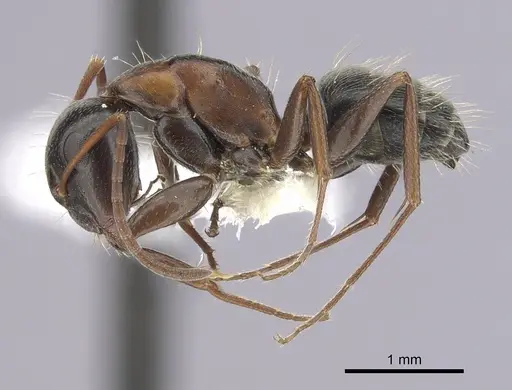
CASENT0249364
View on AntWeb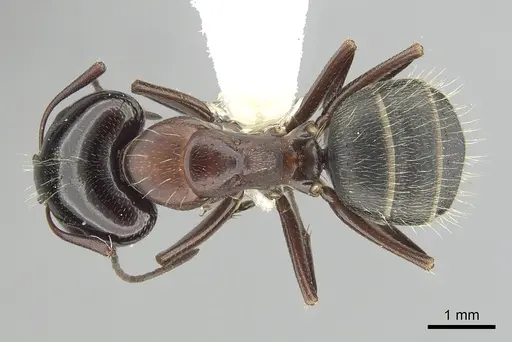
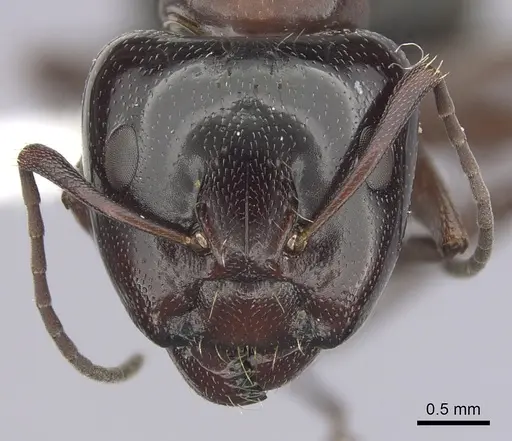
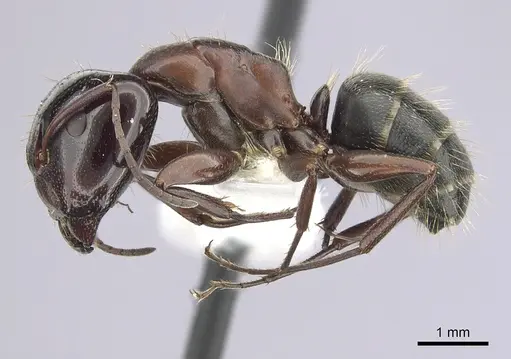
CASENT0732635
View on AntWeb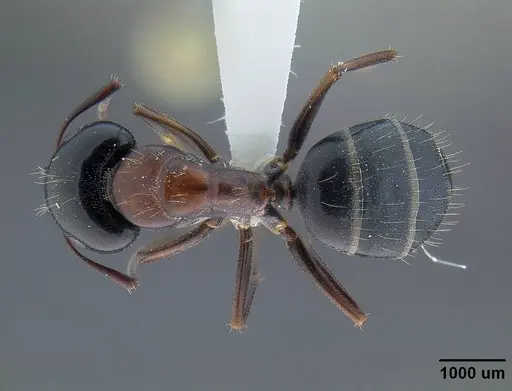
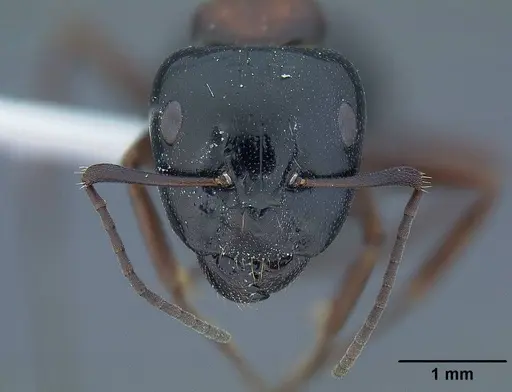
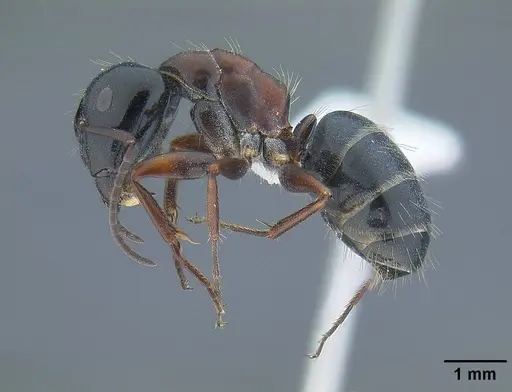
CASENT0843212
View on AntWeb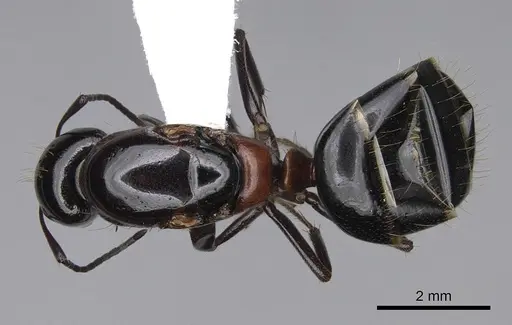
CASENT0882853
View on AntWeb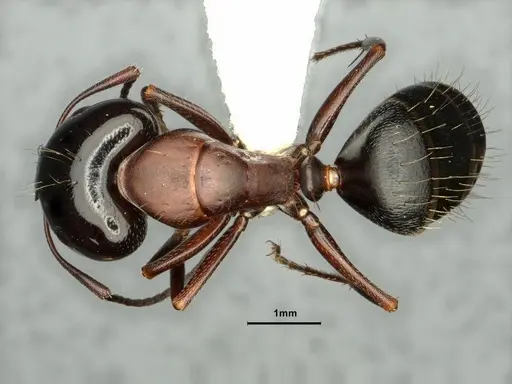
CASENT0923085
View on AntWeb
Literature
Loading...Loading products...