

Camponotus androy
- Scientific Name
- Camponotus androy
- Subgenus
- Mayria
- Tribe
- Camponotini
- Subfamily
- Formicinae
- Author
- Rakotonirina <i>et al.</i>, 2016
- Distribution
- Found in 1 countries
Camponotus androy Overview
Camponotus androy is an ant species of the genus Camponotus. It is primarily documented in 1 countries , including Madagascar. Detailed taxonomic data and occurrence records can be further explored via authoritative databases such as AntWeb or the Global Biodiversity Information Facility (GBIF).
Camponotus androy
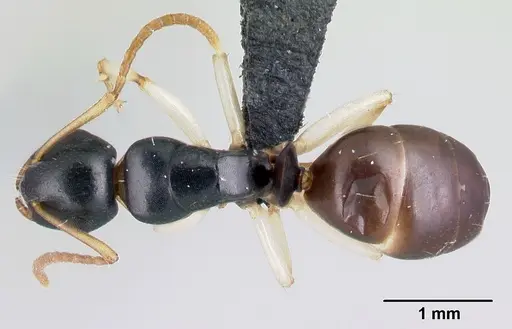
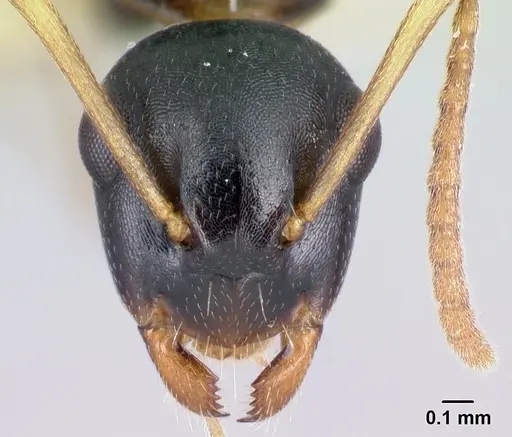
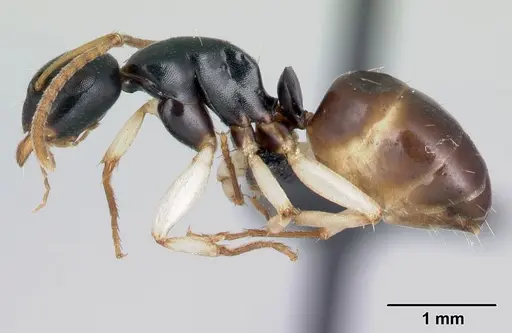
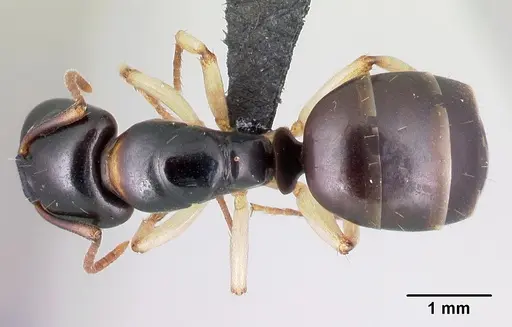
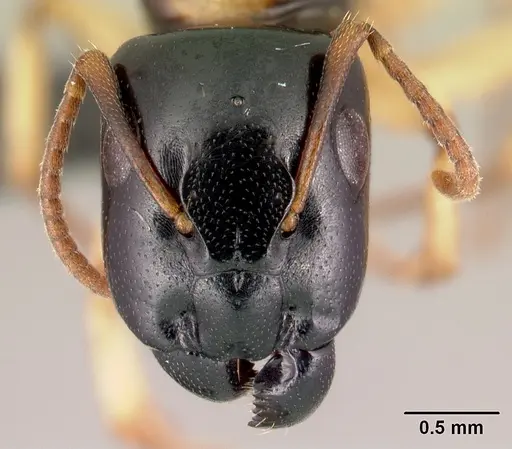
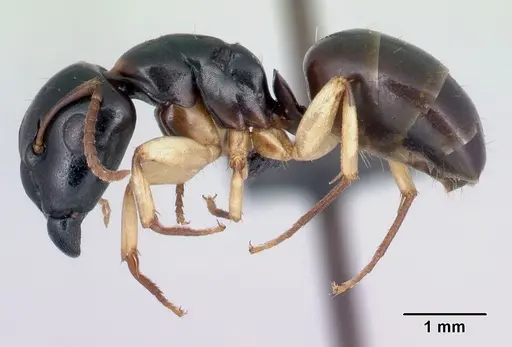
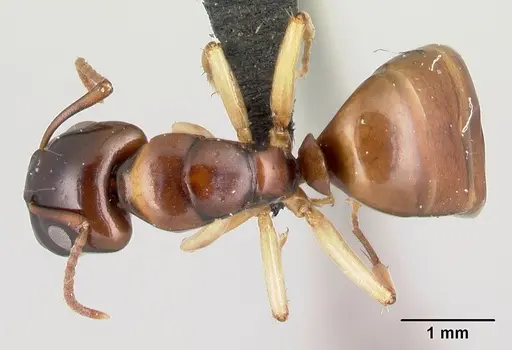
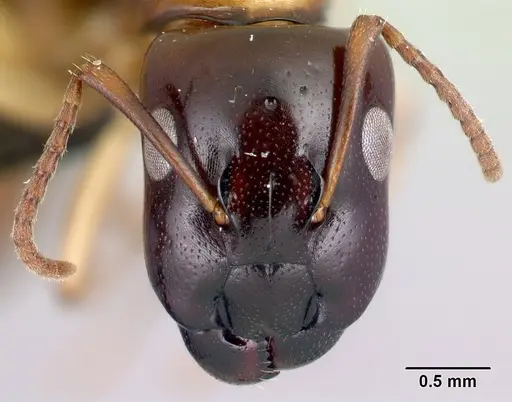
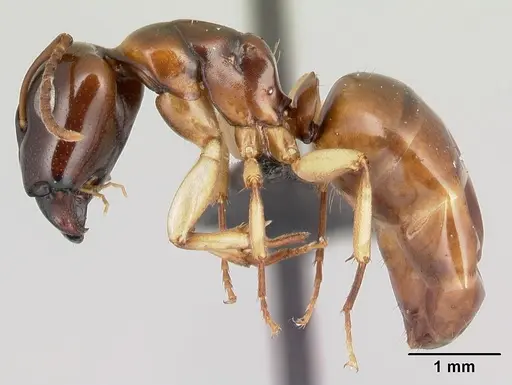
Camponotus androy is a medium-sized ant species endemic to southern Madagascar. Workers display a striking color pattern with a black to dark brown head and mesosoma, while the gaster and legs range from brown to yellow or even depigmented yellow. Minor workers measure around 6-8mm with notably large eyes that occupy more than one-third of the head's side, and they have relatively long antennae that extend beyond the rear margin of the head. This species belongs to the Camponotus alamaina species group and was only formally described in 2016,making it one of the more recently discovered Malagasy Camponotus species.
What makes C. androy particularly interesting is its specialized nesting behavior, colonies establish their nests in dead twigs positioned above the ground, rather than in soil or rotting logs. This twig-nesting habit is relatively unusual among Camponotus species and influences how they should be housed in captivity. The species is restricted to the spiny bush and thicket habitats of the Marovato region and the Réserve Spéciale Sainte Marie in the extreme south of Madagascar, at altitudes between 20 and 200 meters.
Quick Summary
- Difficulty: Medium
- Origin & Habitat: Endemic to southern Madagascar, specifically the spiny bush and thicket of Marovato region and Réserve Spéciale Sainte Marie. Colonies nest in dead twigs above ground at altitudes between 20-200m, rarely in rotten logs or dead tree stumps [1].
- Colony Type: Colony structure is unconfirmed. Based on typical Camponotus patterns, likely single-queen (monogyne) colonies with major and minor worker castes.
- Size & Growth:
- Queen: Estimated 10-12mm based on genus patterns
- Worker: Minor workers: 6-8mm, Major workers: larger with robust mandibles [1]
- Colony: Unconfirmed, likely reaches several hundred workers based on typical Camponotus colony development
- Growth: Moderate, based on typical Camponotus development patterns
- Development: Estimated 6-10 weeks at optimal temperature based on genus patterns (Development time inferred from typical Camponotus genus behavior. Temperature around 24-28°C likely optimal for brood development.)
- Antkeeping:
- Temperature: Keep at 24-28°C. Southern Madagascar experiences warm temperatures year-round, so a heating gradient is beneficial. Room temperature may suffice if kept above 22°C.
- Humidity: Moderate humidity around 50-70%. Twig nests can dry out quickly, so monitor substrate moisture. Mist occasionally but avoid waterlogging.
- Diapause: Likely minimal or no true diapause given Madagascar's tropical climate. However, a slight reduction in temperature during winter months (down to 18-20°C) may be beneficial.
- Nesting: Twig-nesting species, will readily accept acrylic nests with narrow chambers or wooden setups designed for twig-nesting ants. Test tubes can work but may need to be positioned vertically to mimic their natural twig habitat.
- Behavior: Workers are moderately active and forage individually rather than in large raiding parties. The large eyes suggest good visual navigation. They are not particularly aggressive but will defend their nest if threatened. Escape risk is moderate, standard barrier methods work well. Major workers have robust mandibles and can deliver a mild sting if handled roughly.
- Common Issues: Twig nests can dry out quickly, monitor moisture levels regularly, Limited availability since this is a newly described species (2016), Colony growth may be slower than more common Camponotus species, Wild-caught colonies may be difficult to find as they're restricted to southern Madagascar, Temperature drops below 20°C may slow or halt brood development
Housing and Nest Setup
Camponotus androy requires housing that mimics its natural twig-nesting habitat. The best options include acrylic nests with narrow, vertically-oriented chambers or wooden formicariums designed for twig-dwelling species. Test tubes can work in a pinch, but position them vertically rather than horizontally to better simulate their natural dead-twig environment. The nest should have a small water reservoir to maintain humidity without flooding. Because they nest above ground in twigs, avoid deep soil setups, they prefer tight, enclosed spaces. A small outworld area connected to the nest allows workers to forage. Escape prevention is straightforward since they're not particularly small or agile climbers, but standard barrier methods like fluon on container edges are still recommended. [1]
Feeding and Diet
Like most Camponotus species, C. androy is omnivorous with a preference for protein-rich foods. Offer a varied diet including small insects (fruit flies, pinhead crickets, mealworms), and sugar sources such as honey water or sugar water. Protein is essential for brood development, feed small prey items 2-3 times per week. Sugar water should be available constantly in a test tube or small container. Workers will forage individually, so place food in the outworld where they can easily access it. Remove uneaten prey after 24-48 hours to prevent mold. Given their large eyes and active foraging behavior, they likely hunt small arthropods in nature.
Temperature and Seasonal Care
As a species from southern Madagascar, C. androy prefers warm conditions. Maintain temperatures between 24-28°C for optimal brood development. A heating cable or mat on one side of the nest creates a temperature gradient that allows ants to regulate their own exposure. During winter or cooler months, room temperature above 20°C is acceptable, though growth may slow. Unlike temperate species, they do not require true hibernation, but a slight temperature reduction (to around 18-20°C) during winter months may simulate their natural seasonal cycle. Avoid temperatures below 15°C as this can be harmful. [1]
Colony Development and Growth
Colony growth follows typical Camponotus patterns but may be slower initially. The claustral queen seals herself in a chamber and raises the first brood using stored fat reserves. First workers (nanitics) are typically smaller than mature workers. Once the first workers emerge, the colony enters a growth phase where the queen continues laying eggs and workers take on foraging and nest maintenance. Major workers develop later as the colony matures, serving roles in defense and processing larger prey. Expect the first workers to emerge 6-10 weeks after founding, though this is estimated based on genus patterns since specific development data is not available for this species.
Behavior and Temperament
Camponotus androy workers are moderately active and show good navigation abilities, likely relying on their well-developed eyes. They forage individually rather than in groups, searching for small arthropods and sugar sources. When threatened, major workers with their robust mandibles can deliver a mild sting, though they are not particularly aggressive toward keepers. The species is not known for escape artistry, but standard precautions should still be taken. Workers are relatively calm compared to some more active ant species, making them observable and interesting to watch. The presence of distinct minor and major castes adds visual interest to the colony. [1]
Frequently Asked Questions
How long does it take for Camponotus androy to raise first workers?
Based on typical Camponotus development, expect first workers (nanitics) to emerge in 6-10 weeks after the queen lays eggs, assuming optimal temperatures around 24-28°C. This is an estimate since specific development data for this newly described species is not available.
What is the best nest type for Camponotus androy?
Twig-nesting species do best in acrylic nests with narrow chambers or wooden formicariums designed for vertical, enclosed spaces. Test tubes can work if positioned vertically. Avoid deep soil setups as they naturally nest in dead twigs above ground.
What do Camponotus androy eat?
They are omnivorous. Offer small insects (fruit flies, pinhead crickets, mealworms) as protein sources 2-3 times per week, and keep sugar water (honey water or sugar water) available constantly. Remove uneaten prey after 24-48 hours to prevent mold.
Are Camponotus androy good for beginners?
This species is rated as Medium difficulty. While not the easiest species, their care requirements are manageable for intermediate antkeepers. The main challenges are maintaining proper temperature and humidity in a twig-style nest setup. They are not recommended as a first ant but are achievable for those with some experience.
Do Camponotus androy need hibernation?
No, true hibernation is not required. As a Madagascar species, they experience a tropical climate without cold winters. A slight temperature reduction to 18-20°C during winter months may be beneficial to simulate natural seasonal cycles, but this is not a true diapause requirement.
How big do Camponotus androy colonies get?
Colony size is unconfirmed for this species, but based on typical Camponotus patterns, colonies likely reach several hundred workers over time. The presence of distinct major and minor castes indicates a well-developed caste system.
Can I keep multiple Camponotus androy queens together?
This is not recommended. While colony structure is unconfirmed for this species, Camponotus are typically monogyne (single queen). Combining unrelated queens has not been documented and would likely result in fighting. If you acquire multiple foundress queens, house them separately.
Where is Camponotus androy native to?
This species is endemic to southern Madagascar, specifically the spiny bush and thicket habitats of the Marovato region and Réserve Spéciale Sainte Marie. They are found at altitudes between 20-200 meters.
Why are my Camponotus androy workers dying?
Common causes include: temperatures below 20°C slowing or halting development, nests drying out too quickly (twig nests lose moisture fast), overfeeding leading to mold, or stress from excessive disturbance. Check temperature, humidity, and ensure the queen is still laying eggs. Slow growth is normal, these ants develop more slowly than many common species.
When should I move Camponotus androy to a formicarium?
Move them when the colony reaches around 30-50 workers and the test tube or initial nest becomes crowded. Make sure the new setup maintains similar humidity conditions. For twig-nesting species, transition to an appropriate acrylic or wooden nest with narrow chambers.
Is Camponotus androy rare in the antkeeping hobby?
Yes, this is a newly described species (2016) with a restricted natural distribution in southern Madagascar. It is rarely available in the antkeeping hobby compared to more common Camponotus species. Finding a colony may require connecting with specialized breeders or suppliers who work with Malagasy species.
References

This caresheet is licensed under CC BY-SA 4.0 .
Literature
Loading...Loading products...