

Camponotus andrei
- Scientific Name
- Camponotus andrei
- Subgenus
- Myrmaphaenus
- Tribe
- Camponotini
- Subfamily
- Formicinae
- Author
- Forel, 1885
- Distribution
- Found in 1 countries
Camponotus andrei Overview
Camponotus andrei is an ant species of the genus Camponotus. It is primarily documented in 1 countries , including Mexico. Detailed taxonomic data and occurrence records can be further explored via authoritative databases such as AntWeb or the Global Biodiversity Information Facility (GBIF).
Camponotus andrei
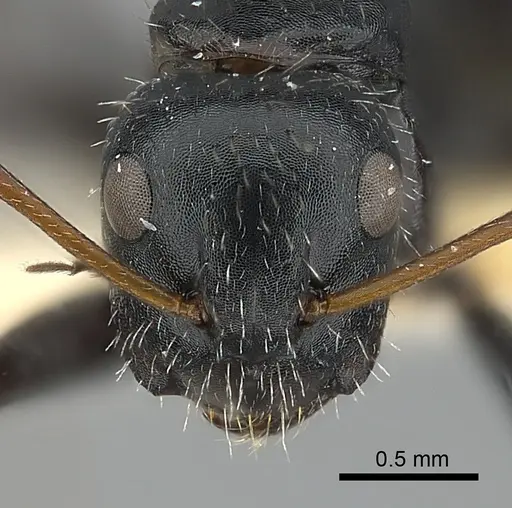
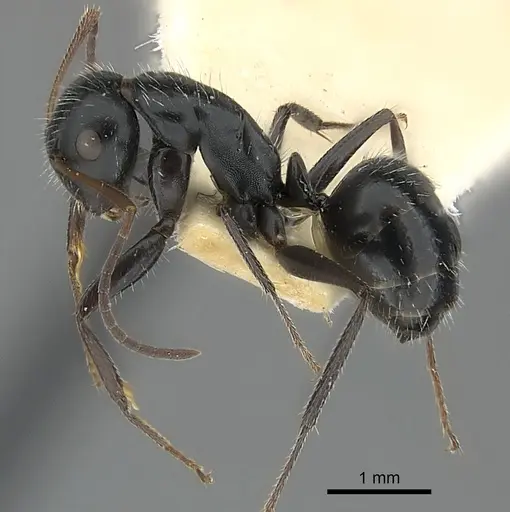
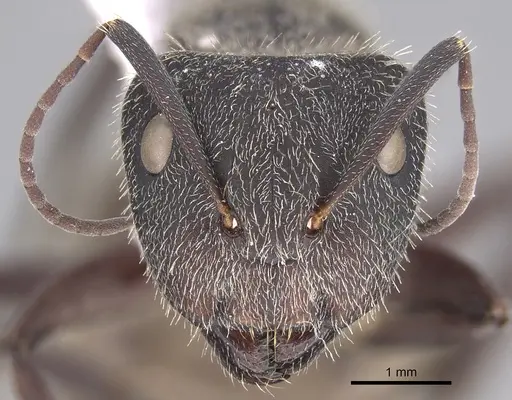
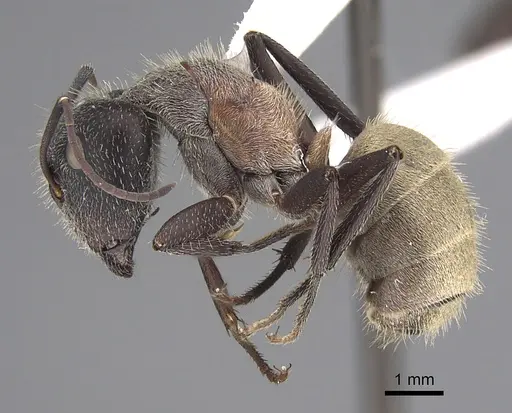
Camponotus andrei is a Neotropical carpenter ant found across central Mexico and into Colombia. Workers measure 4-7mm, with majors being larger. They are almost entirely black with reddish tarsi and the base of their antennae. The head is large and elongated with almost parallel sides, and the body has a distinctive matte to semi-shiny texture. This species belongs to the Myrmaphaenus subgenus and is one of the smaller Camponotus species, making them more manageable in captivity than their giant relatives. They are a poorly studied species in the wild, but their distribution across multiple Mexican states suggests they are adaptable to various habitats in the region.
Quick Summary
- Difficulty: Medium
- Origin & Habitat: Native to central Mexico and Colombia, found in the Neotropical region. Recorded in Mexican states including Durango, Guanajuato, Hidalgo, Guerrero, México, Colima, Baja California, Sonora, Oaxaca, Morelos, and Zacatecas [1][2]. They likely nest in rotting wood or under stones in tropical and subtropical habitats.
- Colony Type: Likely monogyne (single queen colonies), based on typical Camponotus patterns. No specific research on colony structure for this species.
- Colony: Monogyne
- Founding: Claustral
- Size & Growth:
- Queen: Estimated 12-15mm based on typical Camponotus queen size
- Worker: 4-7mm (majors 7mm, minors around 4-5mm) [3]
- Colony: Likely several hundred workers based on typical Camponotus colony sizes
- Growth: Moderate, typical for Camponotus
- Development: Estimated 6-8 weeks at optimal temperature based on genus patterns (Development time inferred from typical Camponotus development. Queens are claustral and seal themselves in during founding.)
- Antkeeping:
- Temperature: Keep around 24-28°C. Based on their Mexican distribution, they prefer warm conditions. A heating cable on one side of the nest creates a suitable gradient.
- Humidity: Moderate humidity around 50-70%. They likely prefer slightly drier conditions than many tropical ants, given their distribution in central Mexican highlands.
- Diapause: Likely a mild winter rest period (diapause) given the temperate-to-subtropical nature of their range. Reduce temperatures to 15-18°C for 2-3 months during winter.
- Nesting: They will readily accept Y-tong (AAC), plaster, or wooden formicariums. As a smaller Camponotus, they prefer tighter chambers scaled to their size. Provide some damp substrate for brood areas while keeping some areas drier.
- Behavior: Typical Camponotus temperament, generally calm and not aggressive unless their nest is threatened. Workers are moderately active foragers. They have the typical carpenter ant ability to chew through soft materials. Escape risk is moderate due to their small-to-medium size, use standard barriers but no special fine mesh needed.
- Common Issues: colonies grow slowly during the first few months, which can lead to beginner impatience and overfeeding, queens may take longer to lay eggs after sealing in, don't disturb the founding chamber for at least 4-6 weeks, wild-caught colonies may have parasites that cause colony collapse in captivity, improper humidity can cause brood death, too wet leads to mold, too dry causes desiccation, heating too close to the nest can kill the colony, use gentle gradients, not direct heat
Housing and Nest Setup
Camponotus andrei is a smaller carpenter ant that adapts well to various nest types. Y-tong (AAC) nests work excellently, the acrylic chambers allow you to monitor colony progress while providing appropriate darkness. Plaster nests are also suitable and help maintain stable humidity. Wooden formicariums mimic their natural nesting preferences in rotting wood. For founding colonies, use a standard test tube setup with a water reservoir. The tube should be dark-wrapped to simulate a sealed nest chamber. Once the colony reaches 15-20 workers, you can transition to a proper formicarium. Chamber sizes should be scaled to their worker size, these are not large ants, so avoid overly spacious formicariums that can make them feel exposed.
Feeding and Diet
Like most Camponotus species, C. andrei is omnivorous and will accept a varied diet. Protein sources are essential for brood development, offer small insects like fruit flies, small mealworms, or cricket pieces. They also readily accept sugar sources: honey water, sugar water, or commercial ant nectar. In the wild, they likely forage for honeydew from aphids and tend small scale insects. Feed protein 2-3 times per week, and keep a sugar source available constantly. Remove uneaten prey after 24-48 hours to prevent mold. During founding, the queen does not eat, she survives entirely on stored fat reserves until her first workers (nanitics) emerge.
Temperature and Heating
Maintain nest temperatures around 24-28°C for optimal brood development. Their range in central Mexico includes both tropical lowlands and higher elevation areas, so they can tolerate a range. Use a heating cable placed on top of the nest (never underneath, as direct heat can kill the colony through overheating). Create a temperature gradient so workers can choose their preferred warmth. During winter, reduce temperatures to 15-18°C for 2-3 months to simulate their natural seasonal cycle. This winter rest helps trigger reproductive behavior in the following spring. Room temperature (around 20-22°C) may be acceptable but will slow development significantly.
Colony Founding
Queens are claustral, meaning they seal themselves in a chamber and raise their first brood without leaving to forage. After mating during nuptial flights, the queen finds a suitable nesting site, in captivity, this is typically a test tube setup. She seals the entrance and lives off stored fat reserves while her eggs develop into larvae, then pupae, then emerge as nanitic (first) workers. This process typically takes 6-8 weeks at optimal temperature. Do not disturb the founding setup during this time, the queen needs peace to succeed. Once nanitics emerge, they will begin foraging, and the colony enters the growth phase. The first workers are smaller than mature workers but will gradually be replaced by larger majors as the colony grows.
Growth and Development
Colony growth is initially slow but accelerates as the worker population increases. A newly founded colony may take 2-3 months to produce its first nanitic workers. After that, growth becomes more steady, expect 20-50 workers by the end of the first year under good conditions. Mature colonies can reach several hundred workers over several years. The presence of major workers (larger soldiers) typically appears once the colony reaches 50+ workers. Major workers develop from larvae that receive extra nutrition, this is called dependent growth, where whether a larva becomes a minor or major worker depends on colony needs and food availability. Brood development is temperature-dependent: warmer temperatures speed development but can stress the colony if too high.
Frequently Asked Questions
How long does it take for Camponotus andrei to have first workers?
Expect first workers (nanitics) to emerge 6-8 weeks after the queen lays eggs, at optimal temperature (24-28°C). This timeline is typical for Camponotus species and depends heavily on temperature, cooler conditions will slow development significantly.
What do Camponotus andrei eat?
They are omnivorous. Feed protein (small insects like fruit flies, mealworms, or cricket pieces) 2-3 times per week, and keep a sugar source (honey water or sugar water) available at all times. Remove uneaten prey after 24 hours.
What temperature do Camponotus andrei need?
Keep nest temperatures around 24-28°C. A heating cable on top of the nest creates a suitable gradient. They can tolerate 20-30°C but development slows outside their optimal range.
Can I keep multiple Camponotus andrei queens together?
Not recommended. Camponotus andrei is likely monogyne (single queen), and combining unrelated queens typically results in fighting. Only attempt pleometrosis (multiple queens founding together) if you have experience and are prepared to separate them.
How big do Camponotus andrei colonies get?
Likely several hundred workers over several years. They are a smaller Camponotus species, so colonies stay more manageable than giant carpenter ants that can reach thousands.
Do Camponotus andrei need hibernation?
Yes, a mild winter rest is recommended. Reduce temperatures to 15-18°C for 2-3 months during winter. This mimics their natural seasonal cycle in central Mexico and helps trigger reproductive behavior in spring.
When should I move Camponotus andrei to a formicarium?
Wait until the colony has 15-20 workers before moving to a formicarium. Moving too early can stress the colony. Use a test tube setup for the founding phase and first few months of growth.
Are Camponotus andrei good for beginners?
They are medium difficulty, more forgiving than tropical species requiring high heat and humidity, but not as easy as some hardy Lasius species. Their slower initial growth requires patience, but once established, they are relatively straightforward to care for.
Why is my Camponotus andrei colony declining?
Common causes include: incorrect humidity (too wet causes mold, too dry kills brood), temperature stress (too hot or too cold), parasites from wild-caught colonies, or insufficient protein in their diet. Check all parameters and ensure you're feeding appropriately.
References

This caresheet is licensed under CC BY-SA 4.0 .
CASENT0217605
View on AntWeb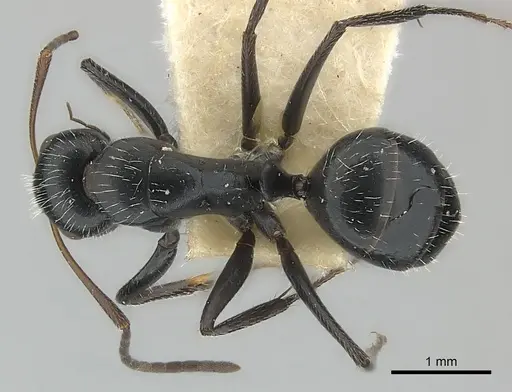
CASENT0217606
View on AntWeb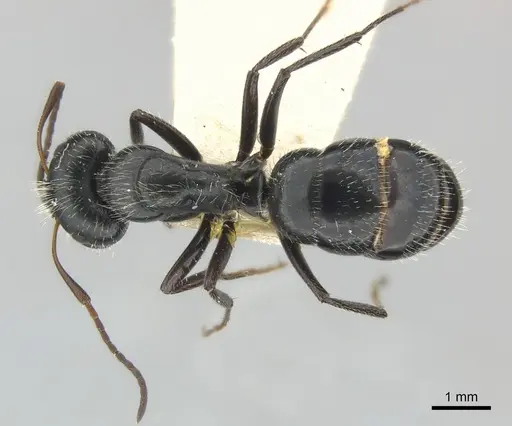
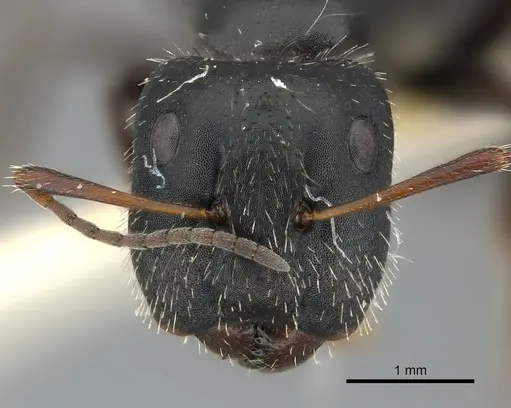
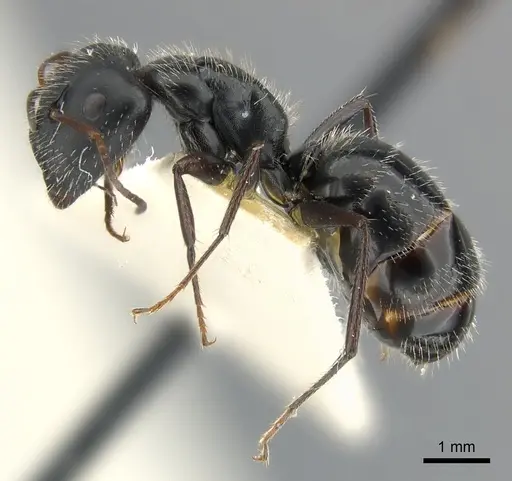
CASENT0910633
View on AntWeb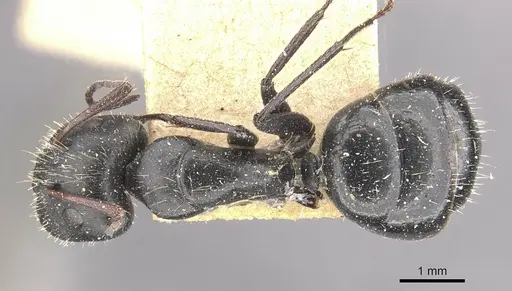
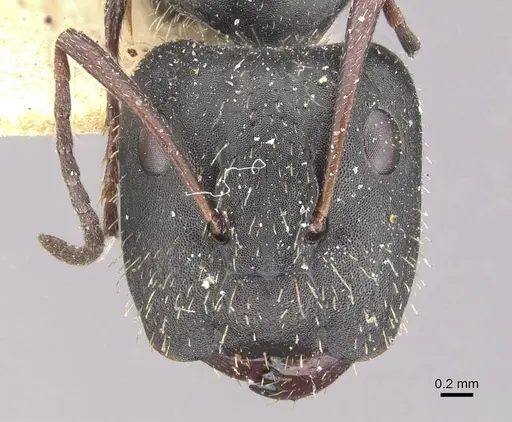
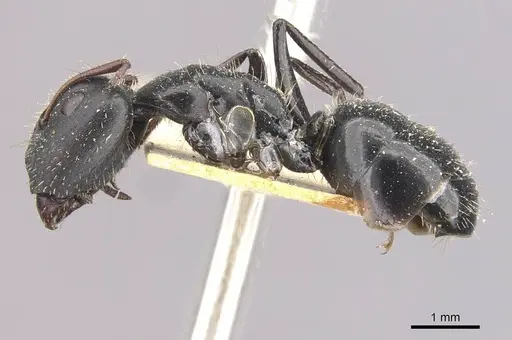
CASENT0910634
View on AntWeb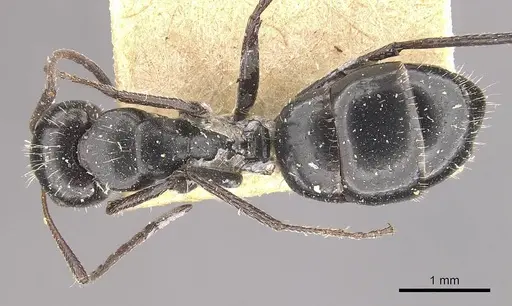
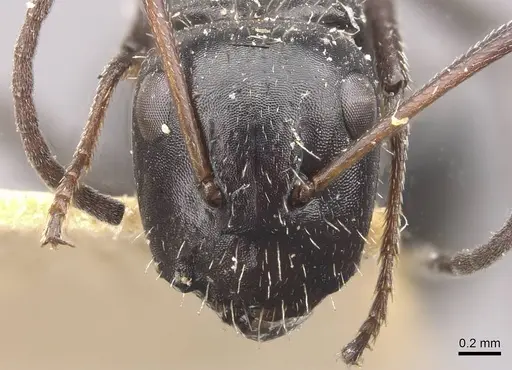
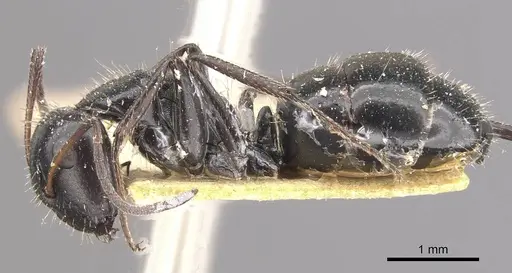
CASENT0923514
View on AntWeb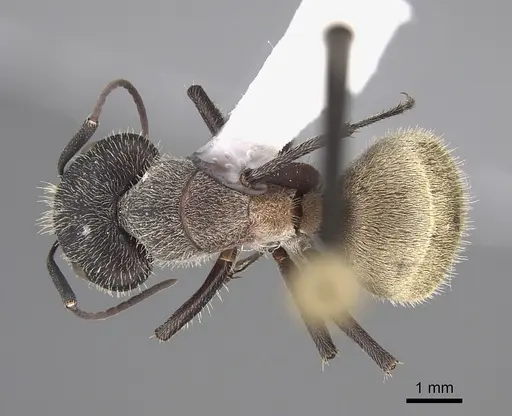
Literature
Loading...Loading products...