

Camponotus anatolicus
- Scientific Name
- Camponotus anatolicus
- Subgenus
- Myrmentoma
- Tribe
- Camponotini
- Subfamily
- Formicinae
- Author
- Karaman & Aktaç, 2013
- Distribution
- Found in 1 countries
Camponotus anatolicus Overview
Camponotus anatolicus is an ant species of the genus Camponotus. It is primarily documented in 1 countries , including Türkiye. Detailed taxonomic data and occurrence records can be further explored via authoritative databases such as AntWeb or the Global Biodiversity Information Facility (GBIF).
Camponotus anatolicus
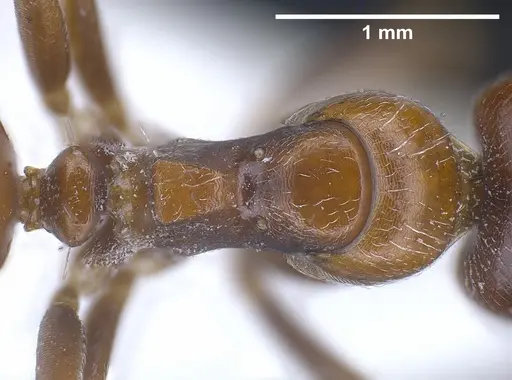
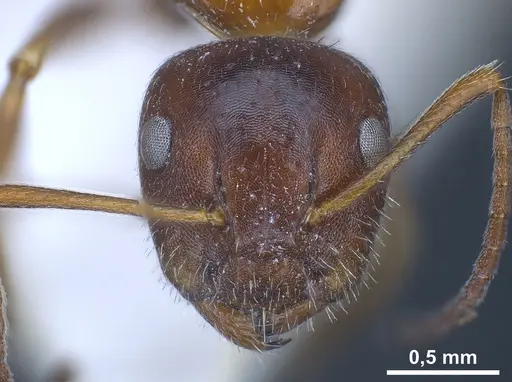
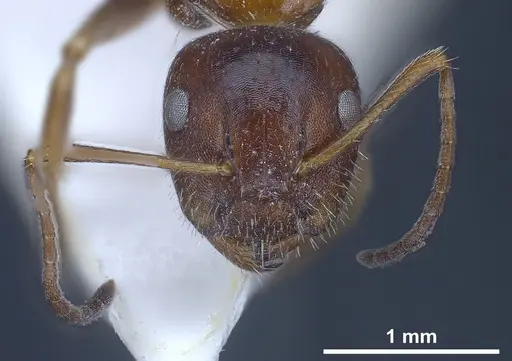
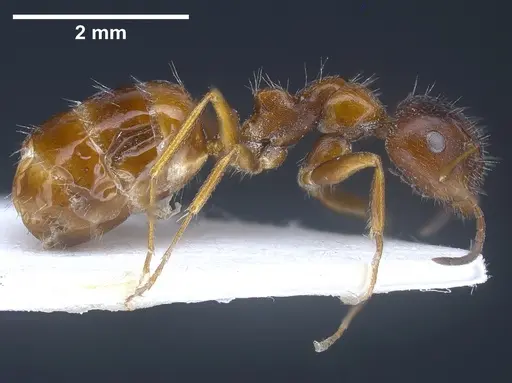
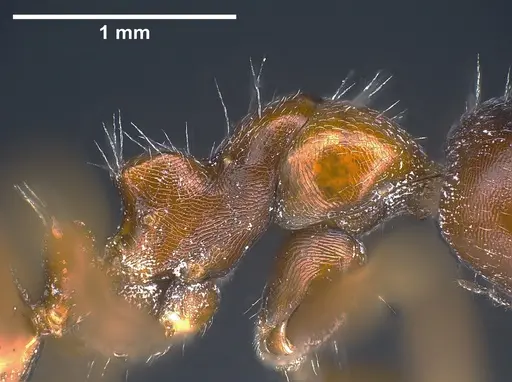
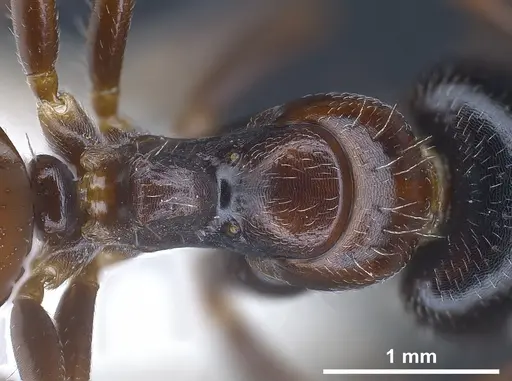
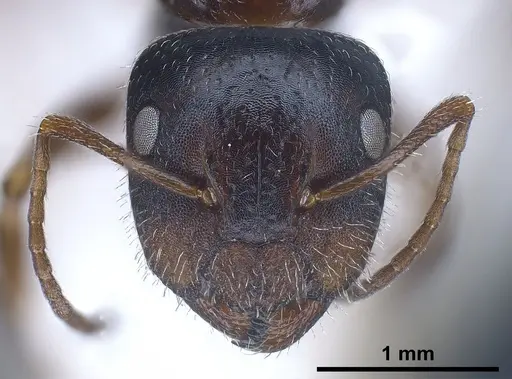
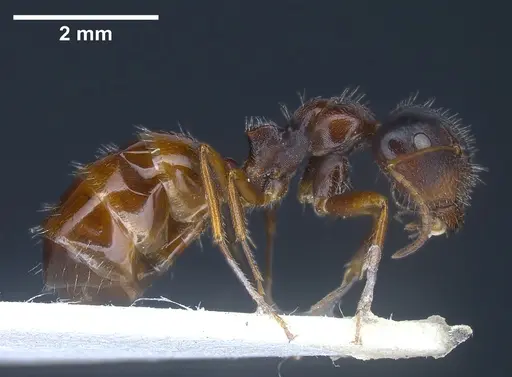
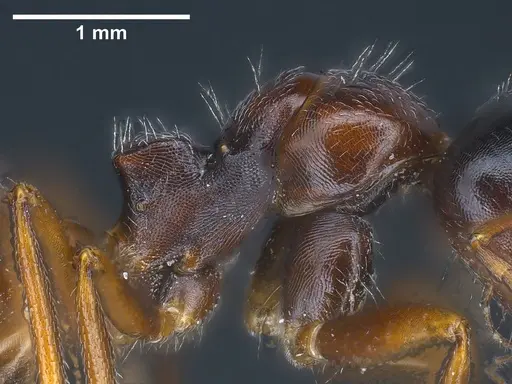
Camponotus anatolicus is a moderately large, polymorphic carpenter ant belonging to the Camponotus lateralis species group. Workers come in distinct minor and major castes: minors measure 0.85-1.20mm head length while majors reach 1.28-1.63mm. They have a striking color pattern with reddish-brown heads, mesosoma, and first gaster segment, while the rest of the gaster is dark brown to black. The species is distinguished by a very deep metanotal groove (the indentation between the mesosoma and abdomen) and relatively hairy body compared to related species [1][2]. This ant is endemic to southwestern Anatolia, Turkey, known only from a small area around Antalya and Mugla between 282-886m elevation [2].
What makes C. anatolicus special is its restricted distribution and habitat specialization. These ants live in Mediterranean pine and oak forests along brooks, making them one of the more habitat-specific Camponotus species in Turkey. They are part of the Myrmentoma subgenus, known for their relatively fast development compared to larger carpenter ants [3].
Quick Summary
- Difficulty: Medium
- Origin & Habitat: Endemic to southwestern Anatolia, Turkey, specifically the Antalya and Mugla regions. They live in Pinus brutia (Brutian pine) and Quercus coccifera (Kermes oak) forests, typically found along the sides of brooks and streams at elevations between 282-886 meters [2][1]. This is a Mediterranean climate with hot, dry summers and mild, wet winters.
- Colony Type: Single-queen colonies (monogyne). Like most Camponotus, colonies start with one claustral queen who seals herself in to raise the first workers alone.
- Colony: Monogyne
- Founding: Claustral
- Size & Growth:
- Queen: Likely 12-16mm based on genus patterns for Myrmentoma species, direct measurements not documented in available literature
- Worker: Minor workers: 0.85-1.20mm head length (approximately 4-6mm total), Major workers: 1.28-1.63mm head length (approximately 8-12mm total) [4]
- Colony: Likely several hundred workers based on typical Camponotus lateralis group size, direct colony size data not available
- Growth: Moderate to fast for a Camponotus species, Myrmentoma species typically develop faster than larger carpenter ants
- Development: Estimated 6-8 weeks at optimal temperature based on genus patterns for Camponotus lateralis group species (Development is faster than larger Camponotus species due to smaller adult size. First workers (nanitics) will be smaller than mature workers.)
- Antkeeping:
- Temperature: Keep at 22-26°C. This species comes from a Mediterranean climate with warm summers, so they prefer warmth. A heating cable on one side of the nest creates a temperature gradient that lets ants choose their preferred spot [2].
- Humidity: Moderate humidity around 50-60%. These ants live near streams in nature, so they appreciate some moisture but not wet conditions. Keep the nest substrate slightly moist but allow drying between waterings. Provide a water tube for drinking.
- Diapause: Yes, this species originates from a temperate Mediterranean climate with distinct seasons. You should provide a winter rest period of 8-12 weeks at 10-15°C during winter months (roughly November-February in the Northern Hemisphere). Reduce feeding and keep them in a cool, dark place during this time.
- Nesting: Y-tong (AAC) nests work well for this species. Their small to medium size and preference for slightly humid conditions make acrylic or plaster nests good choices. They will also accept naturalistic setups with soil and stones that mimic their natural brook-side habitat. Provide narrow chambers scaled to their size.
- Behavior: These ants are generally calm and not aggressive toward keepers. As with most Camponotus, they are primarily nocturnal foragers but can be active during the day. Workers are moderately sized, majors can deliver a mild bite if threatened, but they are not particularly aggressive. They are moderate escape artists, while not as small as some species, they can still squeeze through small gaps, so use standard barrier methods like fluon on test tube rims. They forage for honeydew and small insects in nature.
- Common Issues: colonies often stall during founding if temperatures fluctuate too much, keep conditions stable, winter diapause is essential for this Mediterranean species, skipping it can weaken colonies over time, escape prevention matters even though they're not tiny, check all connections and use barriers, wild-caught colonies may carry parasites that can devastate captive colonies, slow founding compared to smaller ants means patience is required, queens may take months to produce first workers
Nest Preferences and Housing
Camponotus anatolicus does well in Y-tong (acrylic) nests or plaster formicariums. Their small to medium size and preference for slightly humid conditions make these setups ideal. The species naturally nests in soil and under stones in its native habitat along Turkish brooks, so a naturalistic setup with a soil layer and flat stones on top also works well. Provide chambers that are appropriately scaled, not too large or too small for the worker castes. A small water tube attached to the nest ensures constant drinking water access. Because they come from relatively warm Mediterranean forests, avoid placing the nest in cold areas of your home. [2][1]
Feeding and Diet
Like other Camponotus species, C. anatolicus is omnivorous. In captivity, they accept sugar sources readily, honey water, sugar water, or commercial ant nectar makes an excellent constant food source. For protein, offer small insects like fruit flies, small crickets, or mealworms. In the wild, they would forage for honeydew from aphids and scale insects, plus hunt small invertebrates near their stream-side habitat. Feed protein 2-3 times per week and keep sugar water available at all times. Remove uneaten prey after 24-48 hours to prevent mold.
Temperature and Seasonal Care
These ants need warm conditions, aim for 22-26°C in the nest area. A heating cable placed on one side of the nest creates a gradient that ants will use to regulate their temperature. They are active during warmer months in their native Turkey and will slow significantly during winter. Provide a proper diapause (winter rest) of 8-12 weeks at 10-15°C during winter. This mimics their natural seasonal cycle and is important for colony health long-term. During diapause, reduce feeding to once monthly and keep them in a dark, cool location like an unheated garage or basement. [2]
Behavior and Colony Dynamics
C. anatolicus forms typical single-queen colonies. The queen seals herself inside a chamber during founding and raises the first brood alone using stored energy reserves. Once workers emerge (typically after 6-8 weeks), they take over foraging and brood care. Colonies grow gradually, expect several months before you have more than a dozen workers. The species is polymorphic, meaning you will see both minor and major workers as the colony expands. Majors develop larger heads and can help with seed processing or colony defense. Workers are primarily nocturnal but will forage during daylight if food is available. They are not aggressive toward keepers and rarely bite, making them manageable even for intermediate antkeepers. [1][2][4]
Growth and Development
Development from egg to worker takes approximately 6-8 weeks at optimal temperature (around 24°C). This is faster than larger Camponotus species because the adults are smaller. The first workers (nanitics) will be smaller than workers produced later in the colony's development. As the colony grows, larger major workers appear. A mature colony likely reaches several hundred workers over 2-3 years. Growth rate is moderate, faster than giant Camponotus like C. herculeanus but slower than small Myrmica species. Patience is key during the founding stage.
Frequently Asked Questions
How long does it take for Camponotus anatolicus to produce first workers?
Expect 6-8 weeks from egg to first worker at optimal temperature (around 24°C). This is faster than larger carpenter ants due to their smaller adult size. The queen will remain sealed in her chamber until workers emerge.
What temperature do Camponotus anatolicus ants need?
Keep them at 22-26°C. A heating cable on one side of the nest creates a gradient. They come from warm Mediterranean Turkey so they prefer stable warmth rather than cool conditions.
Do Camponotus anatolicus ants need hibernation?
Yes, they need a winter rest period. Provide 8-12 weeks at 10-15°C during winter (roughly November-February). This mimics their natural seasonal cycle in southwestern Anatolia and is important for long-term colony health.
Are Camponotus anatolicus good for beginners?
They are intermediate difficulty. Not as challenging as tropical species requiring high heat, but more demanding than common Lasius species. They need proper winter diapause and stable conditions. Good for antkeepers who have kept at least one colony to maturity.
What do Camponotus anatolicus eat?
They are omnivorous. Offer sugar water or honey constantly, plus protein sources like small insects (fruit flies, small crickets, mealworms) 2-3 times per week. They forage for honeydew and insects in the wild.
How big do Camponotus anatolicus colonies get?
Likely several hundred workers at maturity based on typical lateralis group patterns. This is a moderately sized Camponotus species, not as large as some but with distinct minor and major worker castes.
Can I keep multiple Camponotus anatolicus queens together?
No, this is a single-queen (monogyne) species. Unlike some ants that can form multi-queen colonies, C. anatolicus colonies should be started with one queen. Introducing additional queens will result in fighting.
When should I move Camponotus anatolicus to a formicarium?
Wait until the colony has 20-30 workers and is actively foraging. This typically takes 6-12 months after founding. Moving too early can stress the colony. A test tube setup works fine for the first year.
Where is Camponotus anatolicus found in the wild?
This species is endemic to southwestern Anatolia, Turkey, found only in the Antalya and Mugla regions. They live in pine and oak forests along brooks at 282-886 meters elevation. It is one of the more geographically restricted Camponotus species.
References

This caresheet is licensed under CC BY-SA 4.0 .
ANTWEB1041241
View on AntWeb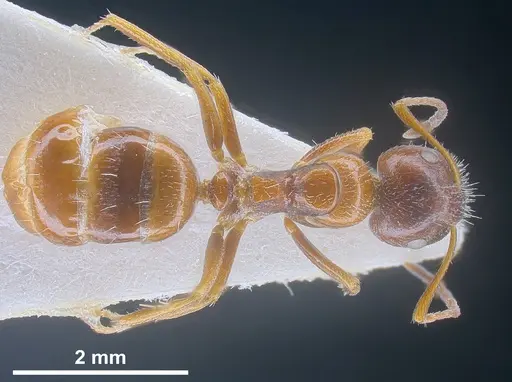
ANTWEB1041348
View on AntWeb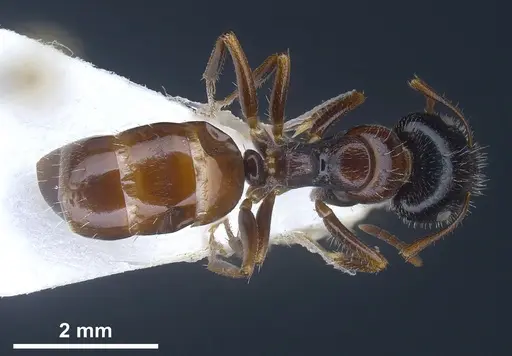
Literature
Loading...Loading products...