

Camponotus amoris
- Scientific Name
- Camponotus amoris
- Subgenus
- Tanaemyrmex
- Tribe
- Camponotini
- Subfamily
- Formicinae
- Author
- Forel, 1904
- Distribution
- Found in 2 countries
Camponotus amoris Overview
Camponotus amoris is an ant species of the genus Camponotus. It is primarily documented in 2 countries , including Brazil, Colombia. Detailed taxonomic data and occurrence records can be further explored via authoritative databases such as AntWeb or the Global Biodiversity Information Facility (GBIF).
Camponotus amoris
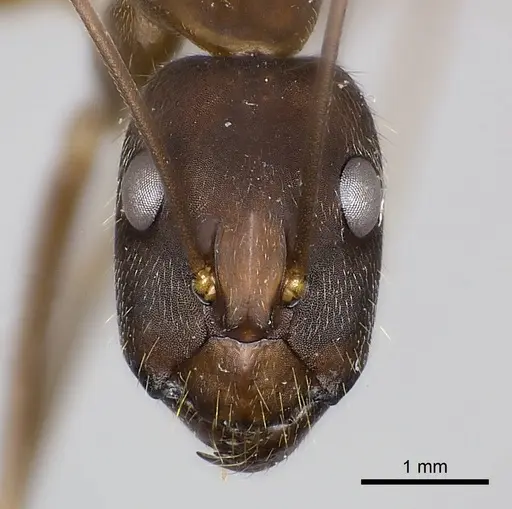
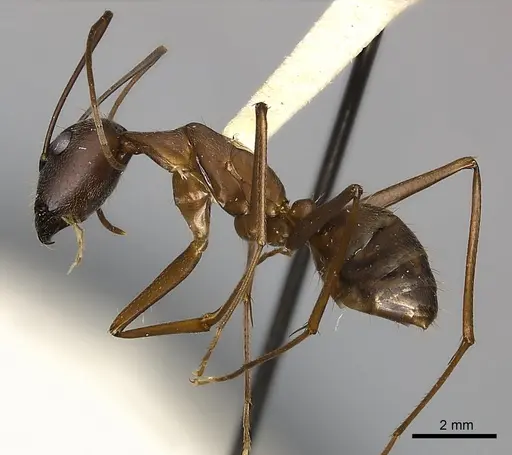
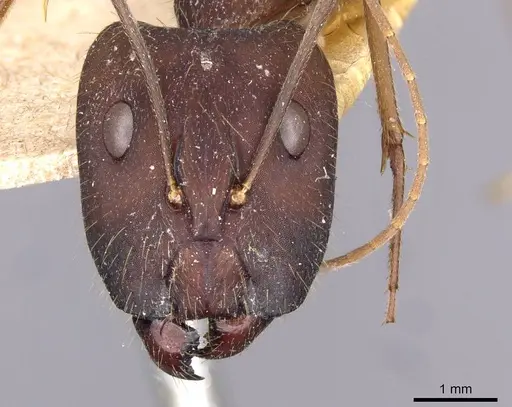
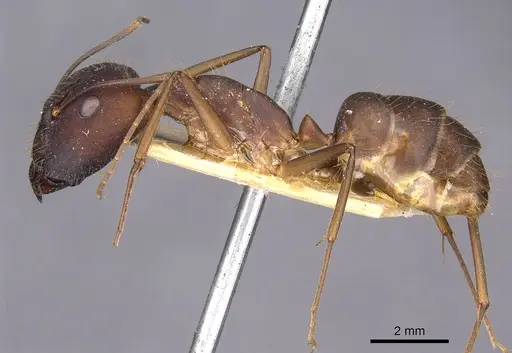
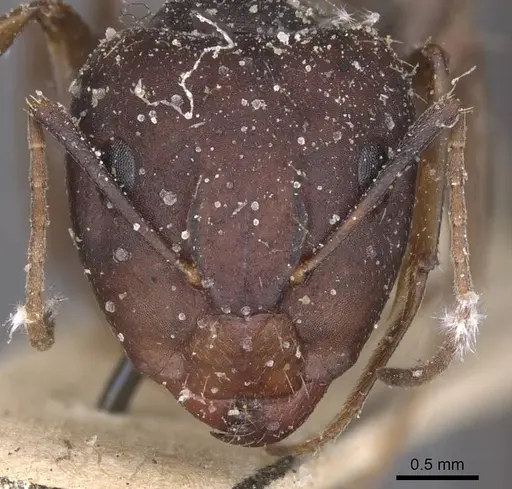
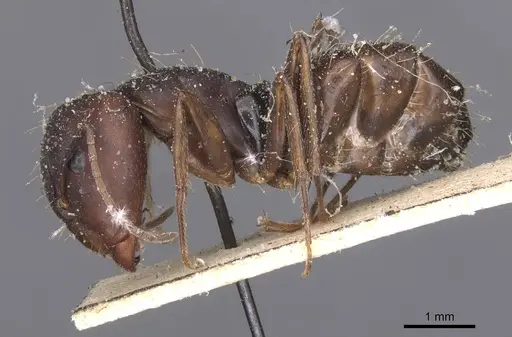
Camponotus amoris is a large Neotropical ant species found across northern South America, from Honduras and Costa Rica down through Colombia, Peru, and into the Brazilian Amazon [1]. Workers are impressively sized at around 13mm total length, with a distinctive dark red coloration and a rectangular head that has a matte, opaque surface [1]. The head also sports several erect hairs, which helps distinguish them from similar species like C. cacicus [1]. These ants belong to the subgenus Tanaemyrmex and have been collected primarily in mountain forest habitats at elevations up to 980 meters [2][1]. This species is part of an obligate ant-plant mutualism network, having been recorded at food bait stations in seed dispersal studies [3].
Quick Summary
- Difficulty: Medium
- Origin & Habitat: Neotropical region, Brazil, Colombia, Peru, Honduras, and Costa Rica. Found in mountain forests at elevations from sea level up to 980m [2][1].
- Colony Type: Likely single-queen colonies based on typical Camponotus patterns. Colony structure has not been directly studied for this species.
- Colony: Monogyne
- Founding: Claustral
- Size & Growth:
- Queen: Likely 15-18mm based on genus patterns for large Camponotus species
- Worker: Around 13mm for major workers [1]
- Colony: Unknown for this species, but likely several hundred workers based on typical Camponotus colony development
- Growth: Moderate, typical for large tropical Camponotus
- Development: 8-12 weeks estimated based on typical Camponotus development at warm temperatures (Development time is estimated from genus-level data, direct measurements for this species are not available. Warm temperatures (24-28°C) will speed development.)
- Antkeeping:
- Temperature: Keep warm at 24-28°C. Being a Neotropical species from mountain forests, they can tolerate a range but prefer stable warmth. A heating cable on one side of the nest creates a gradient allowing workers to self-regulate.
- Humidity: Moderate humidity around 50-70%. Mountain forest origin suggests they prefer conditions that aren't too wet or too dry. Provide a water tube for drinking access.
- Diapause: No true hibernation required. As a tropical species, they may show reduced activity in cooler conditions but do not need a diapause period. Keep temperatures stable year-round.
- Nesting: Y-tong (AAC) or plaster nests work well for this larger species. Provide chambers scaled to their 13mm size. They may prefer a dark nest site since they nest in forests. A naturalistic setup with rotting wood pieces can also work.
- Behavior: Typical Camponotus temperament, generally calm and not aggressive unless their nest is threatened. Workers are active foragers, likely collecting nectar, honeydew, and small insects. Their large size makes them easy to observe. Escape risk is moderate, they are large enough that standard barrier methods work well, but they can climb smooth surfaces. They are not known to be particularly aggressive toward keepers.
- Common Issues: slow colony development can frustrate beginners, large Camponotus species often take months to establish, tropical species are sensitive to temperature drops, keep away from cold windows or AC vents, colonies may stall if humidity is too low, watch for workers clustering near water sources, wild-caught colonies may have parasites, quarantine and observe new colonies carefully, large workers can be injured if dropped or handled roughly, minimize disturbance during early colony stages
Housing and Nest Setup
Camponotus amoris is a moderately large ant that does well in standard formicarium setups. Y-tong (AAC) nests are ideal because they provide darkness, humidity control, and easy observation. Plaster nests also work well, especially if you want to maintain consistent moisture levels. Since these ants come from mountain forests in Colombia and Brazil, they prefer nesting in darker areas, avoid brightly lit nests. Chamber sizes should accommodate their 13mm workers comfortably. A test tube setup works for founding colonies, but be prepared to move them to a larger formicarium once the colony reaches 20-30 workers. Provide an outworld area for foraging that is simple to clean. Because they are larger ants, they produce more waste than tiny species, so regular maintenance is important. [1][2]
Feeding and Diet
As typical Camponotus, C. amoris is omnivorous and accepts a wide variety of foods. Protein sources like mealworms, crickets, and other small insects should be offered regularly, twice weekly is a good starting point. Sugar sources are essential: honey water, sugar water, or commercial ant nectar will keep workers energized. In their native habitat, they likely tend to homopterans (aphids, scale insects) for honeydew, so sugar is definitely part of their natural diet. Fresh fruit occasionally is also accepted. Since they are large ants, they can tackle prey items that would be too big for tiny species. Remove uneaten prey after 24-48 hours to prevent mold. A constant sugar source (like a cotton ball with honey water) should always be available.
Temperature and Seasonal Care
Being a Neotropical species from Honduras to Brazil, Camponotus amoris prefers warm conditions. Keep the nest area at 24-28°C for optimal brood development. They can tolerate temperatures down to around 20°C but growth will slow significantly. A heating cable placed on one side of the nest creates a temperature gradient that lets ants choose their comfort zone. Avoid placing the colony near air conditioning vents, cold windows, or anywhere with temperature swings. Unlike temperate species, they do not require hibernation or a diapause period. Simply maintain stable warmth year-round. If your room temperature is already in the 24-26°C range, no additional heating may be needed. Monitor colony behavior, if workers seem sluggish, bump the temperature up slightly. [1]
Colony Development and Growth
Large Camponotus species like C. amoris grow more slowly than many common ants. Expect founding colonies to take 4-6 weeks just to go from queen laying eggs to the first nanitic (first) workers emerging. After that, growth accelerates but still takes time. A healthy established colony might reach 50 workers in the first year, then grow more rapidly afterward. The queen can live for many years, so this is a long-term commitment. Be patient with founding colonies, disturbing them too often can cause the queen to eat her brood or abandon the nest. Once the colony reaches 50+ workers, you can observe interesting division of labor with major and minor workers. The key to fast growth is consistent warmth, good humidity, and regular protein feeding.
Behavior and Observation
Camponotus amoris has a typical Camponotus temperament, they are generally peaceful and not prone to biting or stinging unless directly threatened. Workers are active foragers that will readily explore the outworld in search of food. Their large size makes them easy to track and observe, which is one reason they make good species for learning. When you first add food, you'll see workers investigate, then signal others using chemical trails. They are not aggressive toward humans and their bite is mild. One interesting behavior to watch for is how they handle large prey items, they may recruit many workers to dismember and transport food back to the nest. Their association with ant-plant mutualisms in the wild suggests they are important ecosystem players in their native range. [3]
Common Keeping Problems
The biggest challenge with C. amoris is patience, these are not fast-growing ants, and beginners sometimes lose interest or overfeed, leading to mold problems. Temperature instability is another common issue, if your colony is near a cold window or AC vent, growth may stall entirely. Humidity problems can also arise, too dry and brood desiccates, too wet and mold becomes a problem. Strike a balance and provide a water tube so ants can drink. Wild-caught colonies may arrive with parasites (mites, nematodes) that can decimate the colony, quarantine new acquisitions and watch carefully for the first few weeks. Finally, because they are large, they can escape through gaps that smaller ants couldn't fit through. Check all connections and barrier edges regularly.
Frequently Asked Questions
How long does it take for Camponotus amoris to get first workers?
Expect 6-10 weeks from egg to first worker at optimal temperatures (24-28°C). This is typical for large Camponotus species. The queen seals herself in and raises the first brood alone, so be patient and avoid disturbing the founding chamber.
What do Camponotus amoris ants eat?
They are omnivorous. Offer protein (insects like mealworms, crickets) twice weekly, and keep a constant sugar source available (honey water, sugar water, or commercial ant nectar). They will also accept occasional fruit.
Do Camponotus amoris ants need hibernation?
No. As a Neotropical species from Brazil, Colombia, and Peru, they do not require hibernation. Keep them warm year-round at 24-28°C for best growth.
What size colony do Camponotus amoris reach?
Colony size is not well documented for this species, but large Camponotus typically reach several hundred workers over several years. They are long-lived, the queen can live 15+ years.
Are Camponotus amoris good for beginners?
They are intermediate difficulty. The main challenge is patience, large Camponotus grow slowly and need stable warmth. If you're willing to wait and maintain proper conditions, they are rewarding to keep.
What temperature should I keep Camponotus amoris at?
Keep nest temperatures at 24-28°C. A heating cable on one side of the nest creates a gradient. They can tolerate brief cool periods but grow poorly below 20°C.
When should I move Camponotus amoris from a test tube to a formicarium?
Move them once the colony reaches 20-30 workers or when the test tube becomes crowded. Make sure the new nest has appropriate chamber sizes and humidity control.
Can I keep multiple Camponotus amoris queens together?
This has not been studied for this species. Most Camponotus are single-queen (monogyne) species, so combining unrelated queens is not recommended.
Where is Camponotus amoris found in the wild?
They range from Honduras and Costa Rica through Colombia, Peru, and into the Brazilian Amazon. They are found in mountain forests at elevations up to 980 meters.
How big are Camponotus amoris workers?
Major workers reach about 13mm in total length, making them a relatively large Camponotus species. Queens would be larger, likely 15-18mm.
Is Camponotus amoris invasive anywhere?
No. Their native range is the Neotropical region of Central and South America. There are no records of them establishing in other regions.
References

This caresheet is licensed under CC BY-SA 4.0 .
CASENT0217604
View on AntWeb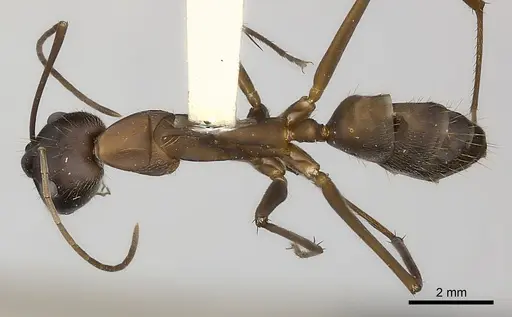
CASENT0910029
View on AntWeb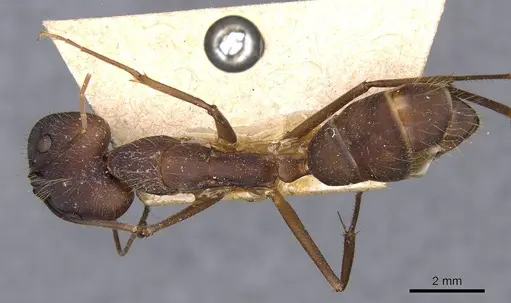
CASENT0913694
View on AntWeb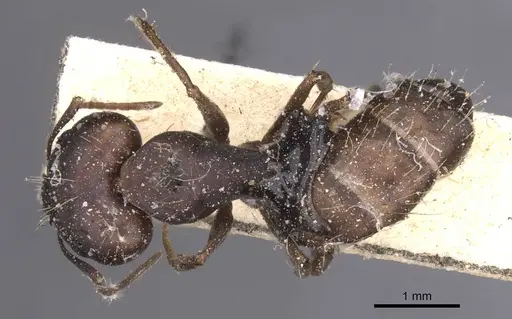
CASENT0923513
View on AntWeb
Literature
Loading...Loading products...