

Camponotus albicoxis
- Scientific Name
- Camponotus albicoxis
- Subgenus
- Tanaemyrmex
- Tribe
- Camponotini
- Subfamily
- Formicinae
- Author
- Forel, 1899
- Distribution
- Found in 5 countries
Camponotus albicoxis Overview
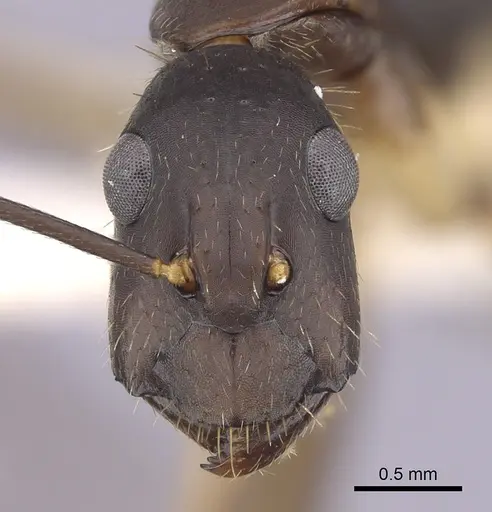
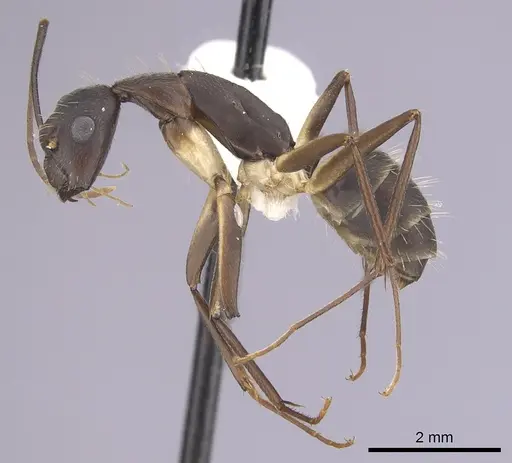
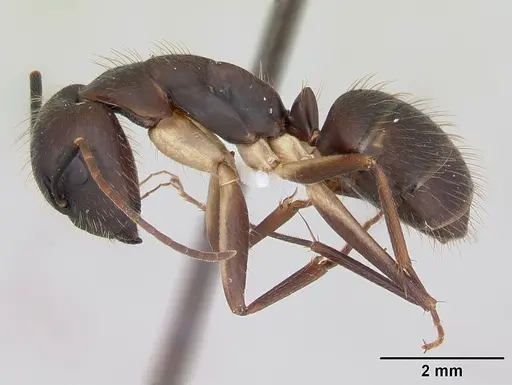
Camponotus albicoxis is an ant species of the genus Camponotus. It is primarily documented in 5 countries , including Costa Rica, Guatemala, Honduras. Detailed taxonomic data and occurrence records can be further explored via authoritative databases such as AntWeb or the Global Biodiversity Information Facility (GBIF).
Camponotus albicoxis
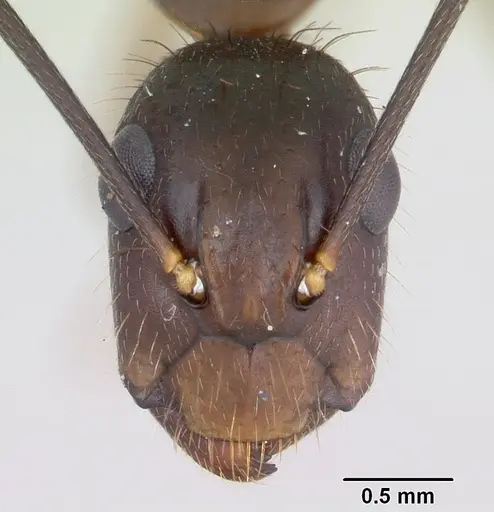
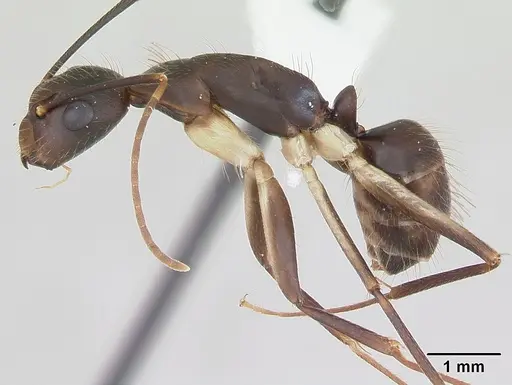
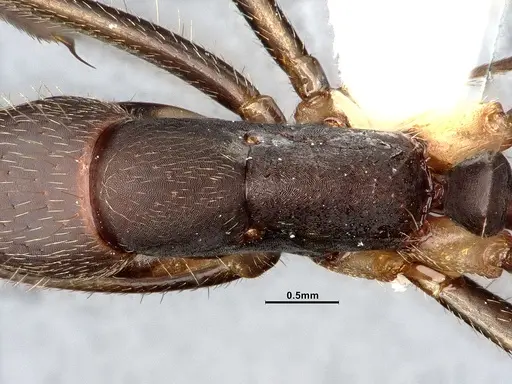
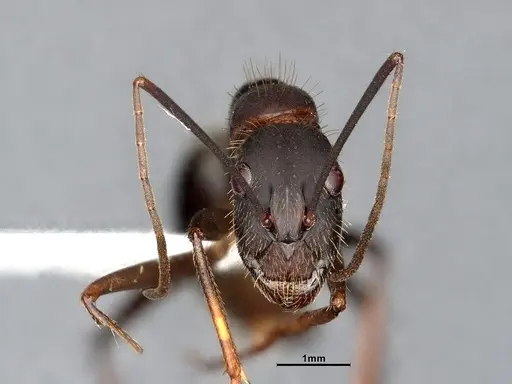
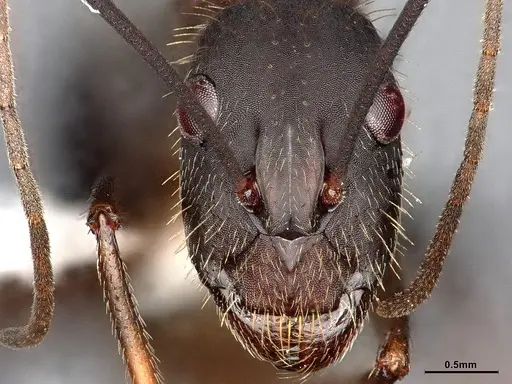
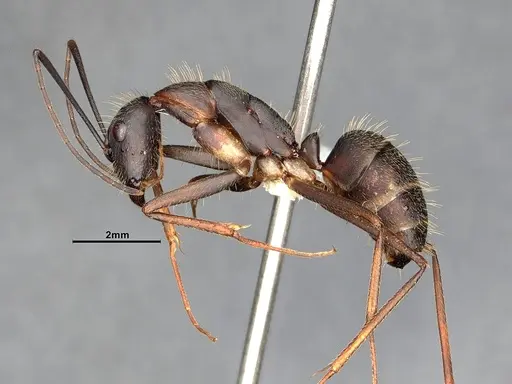
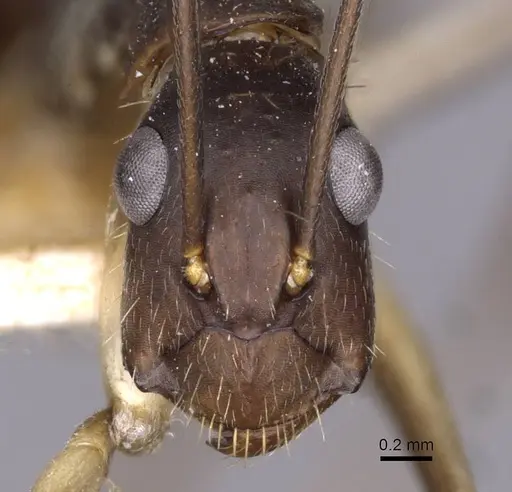
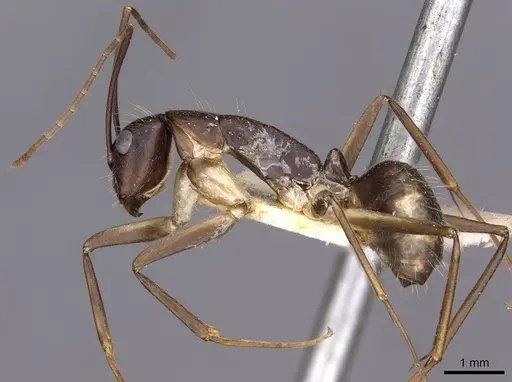
Camponotus albicoxis is a small to medium-sized carpenter ant found throughout Central America, from Mexico down to Costa Rica. Workers are typically dark with distinctive whitish or pale markings on the gaster (abdomen), giving the species its name 'albicoxis' meaning 'white hip'. This is an arboreal species, meaning it naturally nests in elevated locations like dead wood, tree hollows, and palm fronds rather than in soil [1]. As a member of the Formicinae subfamily, they lack a stinger but can spray formic acid as a defense mechanism. The species was originally described in 1899 and has been documented in Guatemala, Costa Rica, Honduras, Nicaragua, and Mexico [2]. These ants are relatively rare in ant collections and scientific surveys, with only a handful of individuals collected across multiple studies [3].
Quick Summary
- Difficulty: Medium
- Origin & Habitat: Neotropical Central America, found in Costa Rica, Guatemala, Honduras, Nicaragua, and Mexico. This is an arboreal species that lives in tropical forest canopies and edge habitats [1][2].
- Colony Type: Single-queen (monogyne) colonies based on typical Camponotus patterns. Colony size appears small to moderate based on limited collection data.
- Colony: Monogyne
- Founding: Claustral
- Size & Growth:
- Queen: Estimated 10-14mm based on typical Camponotus queen size range
- Worker: 4-8mm (minor workers described) [4]
- Colony: Estimated several hundred workers based on genus patterns
- Growth: Moderate, typical for tropical Camponotus
- Development: 6-8 weeks at optimal temperature (estimated from genus patterns) (Development time inferred from typical Camponotus development at tropical temperatures)
- Antkeeping:
- Temperature: Keep at 24-28°C, these are tropical ants that prefer warm conditions. A slight temperature gradient allows workers to self-regulate.
- Humidity: Moderate to high humidity (60-80%). As an arboreal species, they prefer humid conditions but not saturated substrate. Provide a water source.
- Diapause: No true hibernation required, being tropical, they do not enter diapause. However, they may show reduced activity during cooler periods.
- Nesting: Arboreal nesting preferences mean they do well in Y-tong (AAC) nests, plaster nests, or naturalistic setups with wood/branches. They prefer chambers with some vertical space. Test tubes can work for founding colonies.
- Behavior: Typical Camponotus temperament, generally calm and not aggressive toward keepers. Workers are active foragers that will search for sugar sources and protein. As arboreal ants, they are good climbers. Escape prevention should be moderate, while not extremely small, they can climb smooth surfaces. They communicate through chemical trails and may form foraging columns. They possess formic acid spray as defense rather than a stinger.
- Common Issues: tropical species may struggle in air-conditioned rooms with temperatures below 24°C, arboreal nature means they need vertical space and climbing surfaces in their outworld, limited availability in the antkeeping hobby means founders are rarely available, wild-caught colonies may have parasites or diseases that are difficult to treat, overheating is a risk, direct sunlight or heating pads too close can quickly kill colonies
Housing and Nest Setup
Camponotus albicoxis does well in several nest types. A Y-tong (AAC) nest works excellently, the horizontal chambers mimic their natural arboreal cavities. Plaster or acrylic nests also work well. For founding colonies, a standard test tube setup with a water reservoir is sufficient. The key is providing appropriately sized chambers, not too large for small colonies, as ants feel safer in snugger spaces. Since this is an arboreal species, include some vertical elements in the outworld like twigs or mesh for climbing. A foraging area of at least 10x10cm works for starting colonies. Ensure the nest has some humidity control, these tropical ants prefer damp but not waterlogged conditions. [1][4]
Feeding and Diet
Like most Camponotus, this species is omnivorous. They readily accept sugar sources, honey water, sugar water, or commercial ant nectars are all good options. For protein, offer insects like fruit flies, small crickets, mealworms, or wax worms. In the wild, arboreal ants often tend aphids for honeydew, so they may accept aphid sugar secretions. Feed sugar constantly (refresh every 2-3 days) and protein 1-2 times per week. Remove uneaten protein after 24 hours to prevent mold. Young colonies can be fed small amounts, a single fruit fly or tiny cricket portion is enough for a colony with just a queen and nanitics. [4]
Temperature and Seasonal Care
Being a Central American tropical species, Camponotus albicoxis requires warm conditions. Keep the nest area at 24-28°C. Room temperature (22-24°C) is acceptable but may slow development slightly. A small heating cable or mat on one side of the nest can create a beneficial gradient, place it on top of the nest, not underneath, to avoid drying or overheating. Do not let temperatures exceed 32°C or drop below 20°C for extended periods. Unlike temperate species, they do not require hibernation or winter cooling. However, they may naturally reduce activity during the dry season in their native range. No special winter preparations are needed. [2]
Behavior and Temperament
Camponotus albicoxis has a typical carpenter ant temperament, generally peaceful and easy to handle. Workers are active foragers that will establish trails to food sources. They are arboreal by nature, so they are excellent climbers and may explore vertical surfaces in the outworld. They do not have a stinger but can spray formic acid if threatened, this is harmless to humans but can be irritating to other insects. Colonies are not aggressive and rarely bite unless directly handled. Workers typically live several years, and the queen can live 15-20 years in captivity with proper care. The species is not known for being particularly escape-prone, but standard barrier methods (Fluon on rim edges) are always recommended. [4]
Colony Growth and Development
A newly mated queen will seal herself in a claustral chamber and lay eggs without foraging. She survives entirely on her stored fat reserves and wing muscles, which she breaks down for energy. First workers (nanitics) are typically smaller than mature workers and emerge after 6-8 weeks at optimal temperature. After the nanitics harden, the queen resumes egg-laying and colony growth accelerates. Growth rate is moderate, expect the colony to reach 50-100 workers within the first year with good feeding. Maximum colony size is not well documented but likely reaches several hundred workers based on related species. A healthy colony will grow steadily for several years before stabilizing. [4]
Frequently Asked Questions
How long does it take for Camponotus albicoxis to produce first workers?
At optimal temperature (24-28°C), expect first workers (nanitics) in 6-8 weeks. This is typical for Camponotus species. Cooler temperatures will slow development significantly.
What do Camponotus albicoxis ants eat?
They are omnivorous. Offer sugar sources constantly (honey water, sugar water) and protein 1-2 times weekly (fruit flies, small crickets, mealworms). They will also likely accept honeydew from aphids if available.
What temperature do Camponotus albicoxis need?
Keep them warm at 24-28°C. This is a tropical species that does not tolerate cool conditions well. Avoid temperatures below 20°C or above 32°C.
Are Camponotus albicoxis good for beginners?
They are rated as medium difficulty. They are harder to find than common species and require warm tropical conditions, but their care requirements are straightforward once those are met.
Do Camponotus albicoxis need hibernation?
No, being a tropical Central American species, they do not require hibernation or winter cooling. They remain active year-round with proper warmth.
What size nest do Camponotus albicoxis need?
For founding colonies, a test tube is fine. As the colony grows (50+ workers), upgrade to a Y-tong or plaster nest with multiple chambers. They prefer snug chambers to open spaces.
How big do Camponotus albicoxis colonies get?
Based on limited field data and genus patterns, colonies likely reach several hundred workers. They are not among the largest Camponotus species.
Can I keep multiple Camponotus albicoxis queens together?
This species is monogyne (single queen). Unlike some flexible Camponotus, they do not naturally form multi-queen colonies. Combining unrelated queens is not recommended.
Where is Camponotus albicoxis found in the wild?
They are native to Central America, documented in Mexico, Guatemala, Honduras, Nicaragua, and Costa Rica. They are an arboreal species living in tropical forest canopies.
References

This caresheet is licensed under CC BY-SA 4.0 .
CASENT0173550
View on AntWeb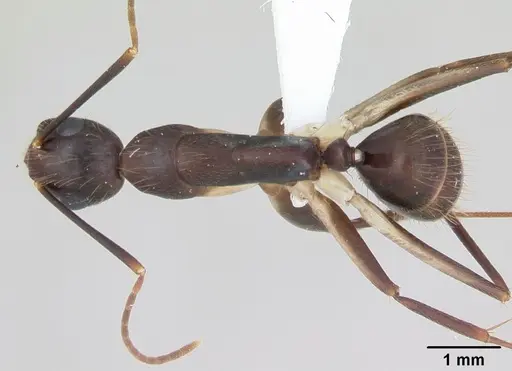
CASENT0249341
View on AntWeb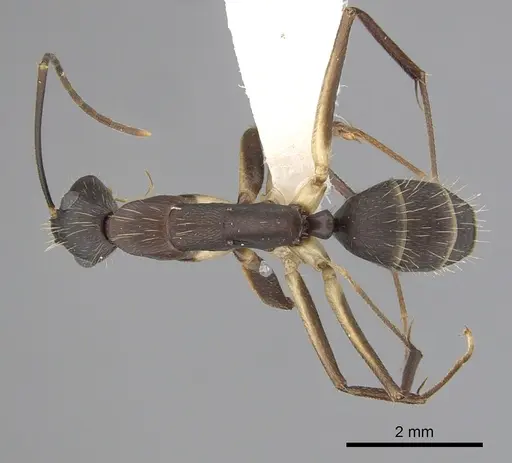
CASENT0627701
View on AntWeb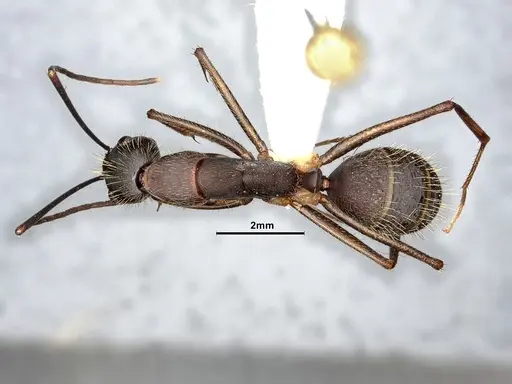
CASENT0910028
View on AntWeb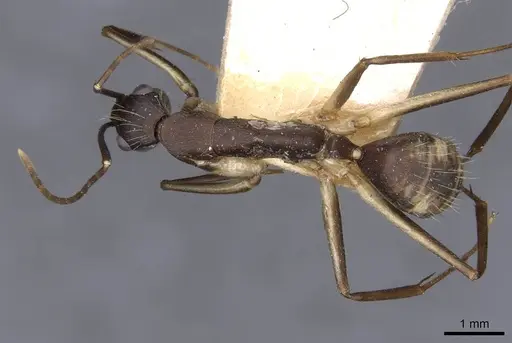
INBIOCRI001280924
View on AntWeb
Literature
Loading...Loading products...