

Camponotus ager
- Scientific Name
- Camponotus ager
- Subgenus
- Tanaemyrmex
- Tribe
- Camponotini
- Subfamily
- Formicinae
- Author
- Smith, 1858
- Distribution
- Found in 11 countries
Camponotus ager Overview
Camponotus ager is an ant species of the genus Camponotus. It is primarily documented in 11 countries , including Brazil, Colombia, Costa Rica. Detailed taxonomic data and occurrence records can be further explored via authoritative databases such as AntWeb or the Global Biodiversity Information Facility (GBIF).
Camponotus ager
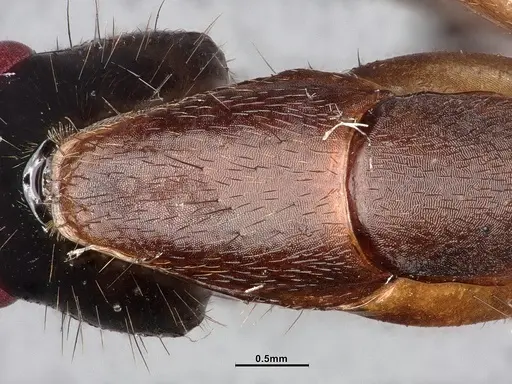
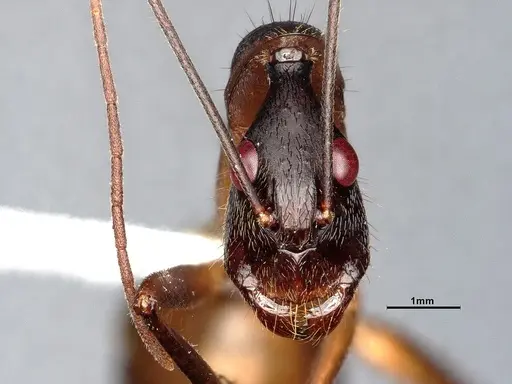
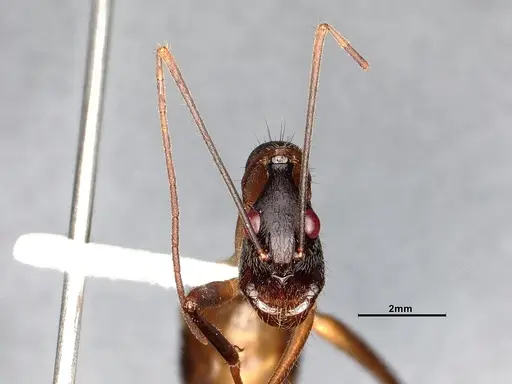
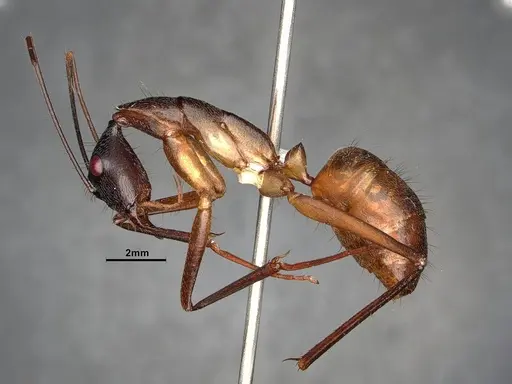
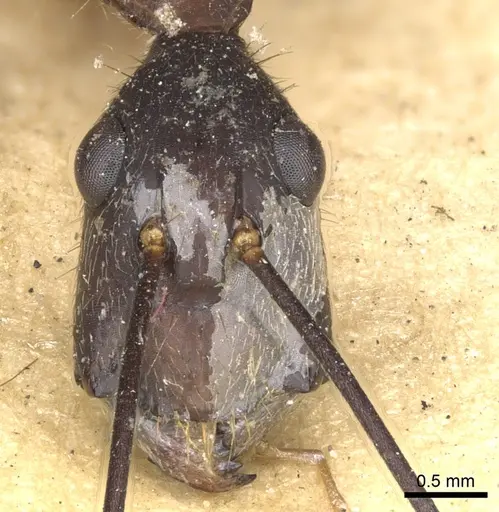
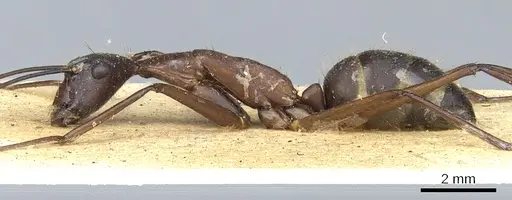
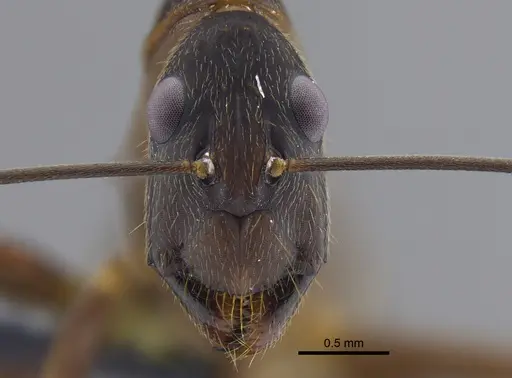
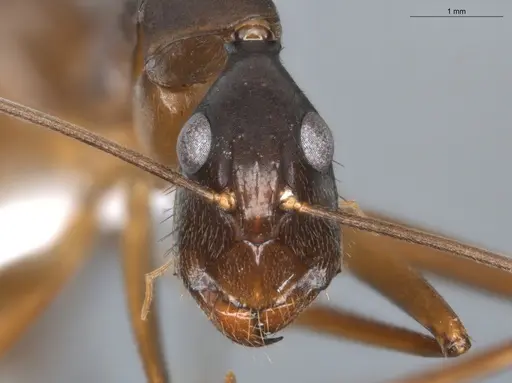
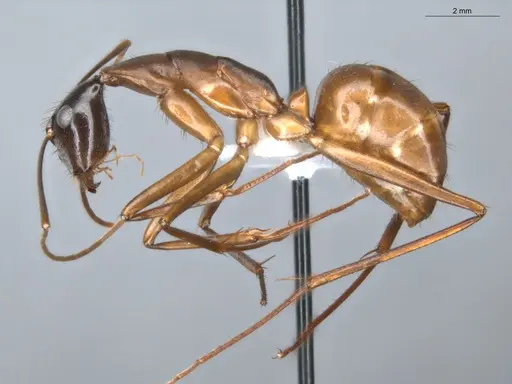
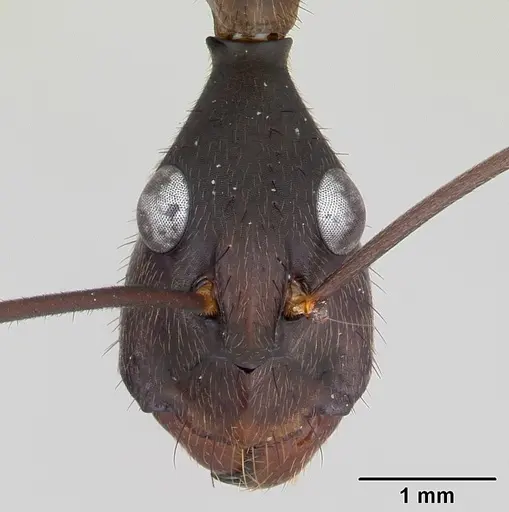
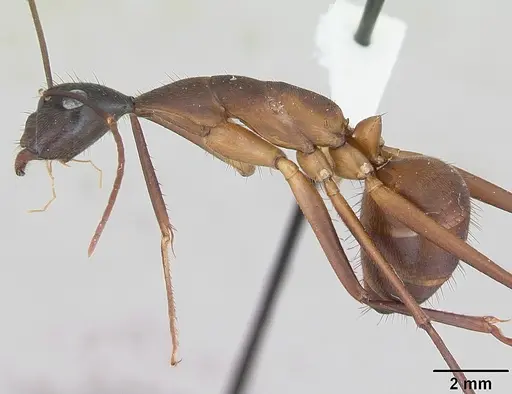
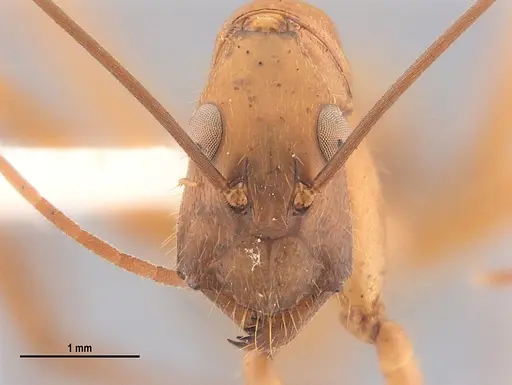
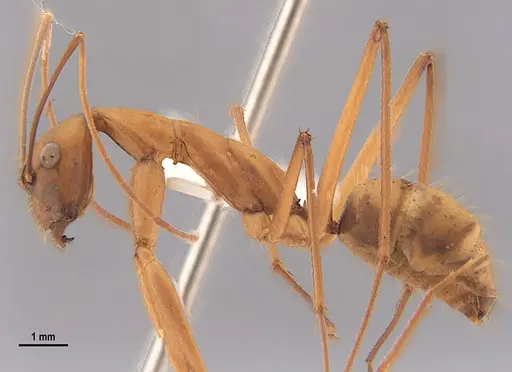
Camponotus ager is a large Neotropical carpenter ant species found across Central and South America, from Honduras down through Brazil and into Peru. Workers come in two sizes: majors reach around 14mm while minors are around 10mm, both with a distinctive reddish-brown coloration and very elongated bodies covered in erect hairs. This species nests in partially rotten wood in forest canopies and forms large, aggressive colonies that forage primarily at night, often along persistent trails covering areas of about 10 square meters. They are known visitors of extrafloral nectaries, particularly on Tocoyena formosa plants in Brazilian cerrado savanna.
Quick Summary
- Difficulty: Medium
- Origin & Habitat: Neotropical species ranging from Honduras through Brazil to Peru, found in humid forests, abandoned plantations, and virgin forest areas. Nests in partially rotten wood, typically in canopy locations [1].
- Colony Type: Colony structure is unconfirmed. Based on genus patterns, likely single-queen (monogyne) colonies with large worker populations.
- Colony: Monogyne
- Founding: Claustral
- Size & Growth:
- Queen: Unknown, no direct measurements found. Estimated 15-18mm based on genus patterns.
- Worker: Minor workers ~10mm, major workers ~14mm [1].
- Colony: Large colonies, forms large nests in canopy with extensive foraging trails [2].
- Growth: Moderate, typical for larger Camponotus species.
- Development: Estimated 8-12 weeks at optimal tropical temperatures (25-28°C) based on genus patterns. (Development time inferred from typical Camponotus growth rates. Warmer temperatures accelerate development.)
- Antkeeping:
- Temperature: Keep at 24-28°C. As a tropical species, they need consistent warmth. A heating cable on one side of the nest creates a suitable gradient.
- Humidity: Keep nest substrate moderately moist. This species prefers humid forest conditions, aim for 60-80% humidity with some drier areas for workers to retreat to if needed.
- Diapause: No, as a tropical species, they do not require hibernation. Maintain warm temperatures year-round.
- Nesting: Nests in partially rotten wood in nature. In captivity, a Y-tong (AAC) nest or naturalistic setup with wood pieces works well. Avoid completely dry conditions.
- Behavior: Workers are described as very aggressive and will defend the nest vigorously [1]. They are primarily nocturnal foragers, forming persistent trails that can cover relatively large areas. They are known to tend extrafloral nectaries and likely forage for honeydew and small prey. Escape prevention is important though their larger size (10-14mm workers) makes them less prone to escaping than tiny ants.
- Common Issues: tropical species needs constant warmth, cold drafts can weaken or kill colonies, large aggressive workers can deliver painful bites if handled carelessly, nocturnal activity means you'll see most activity in evening hours, wild-caught colonies may carry parasites including Ophiocordyceps fungal infections [3], large colony size requires spacious outworld setup
Housing and Nest Setup
Camponotus ager naturally nests in partially rotten wood, often high in forest canopies. For captivity, a Y-tong (acrylic) nest works well, or you can create a naturalistic setup with pieces of soft wood. The nest chambers should be appropriately sized, these are large ants with majors reaching 14mm, so avoid cramped spaces. Since they form large colonies, plan for expansion room. Provide a water tube for humidity and consider adding a small heat cable on one side of the nest to create a temperature gradient. The outworld should be spacious enough to accommodate their foraging trails and allow them to form their characteristic persistent trails. [1][2]
Feeding and Diet
In the wild, these ants are generalist foragers that visit extrafloral nectaries and likely collect honeydew from aphids and scale insects. They also hunt small invertebrates. In captivity, offer a varied diet: sugar water or honey as an energy source, and protein sources like mealworms, small crickets, or other insects. They are nocturnal, so place food in the outworld in the evening and remove uneaten portions after 24-48 hours. Since they form large colonies, expect food consumption to increase significantly once the colony reaches 50+ workers. [1]
Temperature and Seasonal Care
As a tropical species from Central and South America, Camponotus ager needs warm conditions year-round. Keep the nest area between 24-28°C. A heating cable placed on top of the nest (never under, as it can dry out the nest too quickly) helps maintain these temperatures. Unlike temperate species, they do not require a winter dormancy period. Temperature drops below 20°C for extended periods can weaken the colony and slow brood development. Room temperature within this range is acceptable, but you may need supplemental heating in cooler climates. [1]
Behavior and Colony Dynamics
This species forms large colonies with very aggressive workers that will readily defend the nest [1]. They are primarily nocturnal, with most foraging activity occurring at night when they form persistent trails covering areas up to about 10 square meters in the wild [2]. Major workers are significantly larger than minors and typically handle defense and seed processing, while smaller workers handle most foraging and brood care. When keeping this species, observe their activity patterns in the evening hours. Their large size and aggressive temperament means you should use caution when opening the formicarium, these ants can deliver a painful bite.
Health and Common Concerns
One documented concern in the wild is infection by Ophiocordyceps fungi (the 'zombie ant' fungus), which has been found to parasitize this species in Amazonian forests [3][4]. While this is more of a concern for wild colonies, maintaining good husbandry practices helps keep captive colonies healthy. Ensure proper ventilation to prevent mold, remove uneaten food promptly, and avoid keeping the nest too wet. Their large colony size also means they produce significant waste, regular cleaning of the outworld helps prevent mite infestations. Wild-caught colonies may carry additional parasites, so quarantine and observe new colonies before introducing them to existing setups.
Frequently Asked Questions
How long does it take for Camponotus ager to produce first workers?
Based on typical Camponotus development, expect 8-12 weeks from egg to first worker at optimal temperatures (25-28°C). The queen will seal herself in a claustral chamber and survive on stored fat reserves until her first brood emerges as nanitic workers.
What temperature do Camponotus ager ants need?
Keep them at 24-28°C. As a tropical species, they need consistent warmth year-round. A heating cable on one side of the nest creates a suitable gradient. Avoid temperatures below 20°C for extended periods.
Do Camponotus ager ants hibernate?
No, they do not hibernate. As a Neotropical species from Central and South America, they need warm conditions throughout the year. Maintain temperatures in the 24-28°C range consistently.
How big do Camponotus ager colonies get?
This species forms large colonies, they are described as having large nests in the canopy with extensive foraging trails [2]. Expect colonies to reach several hundred to over 1000 workers in captivity with proper care.
Are Camponotus ager ants aggressive?
Yes, they are described as having very aggressive workers that will defend the nest vigorously [1]. They can deliver painful bites, so use caution when handling or working with the colony.
What do Camponotus ager ants eat?
They are generalist foragers. Offer sugar water or honey for energy, and protein sources like mealworms, small crickets, or other insects. They also visit extrafloral nectaries in the wild, so they may accept sweet liquids.
When are Camponotus ager ants most active?
They are primarily nocturnal, with most foraging activity occurring at night [2]. You will see the most activity in the evening and early morning hours.
What size are Camponotus ager workers?
Minor workers are around 10mm, while major workers reach approximately 14mm in total length [1]. This makes them relatively large ants compared to many common pet species.
Can I keep Camponotus ager in a test tube setup?
A test tube setup can work for founding colonies, but due to their large size and preference for wood nesting, you should plan to move them to a more spacious Y-tong or naturalistic setup once the colony reaches 30-50 workers.
References

This caresheet is licensed under CC BY-SA 4.0 .
CASENT0633566
View on AntWeb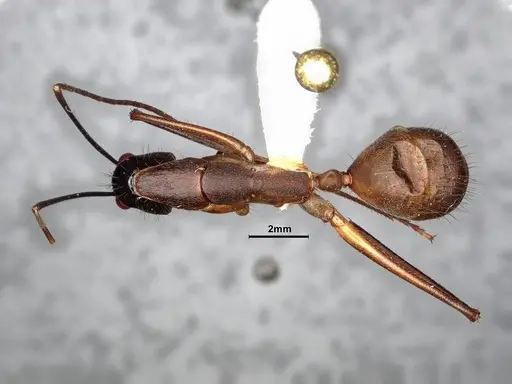
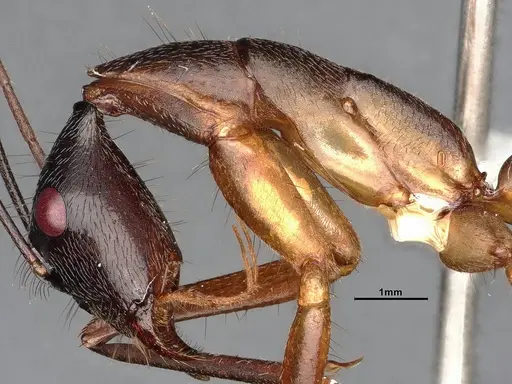
CASENT0903648
View on AntWeb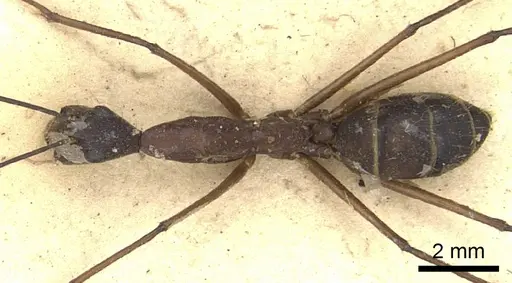
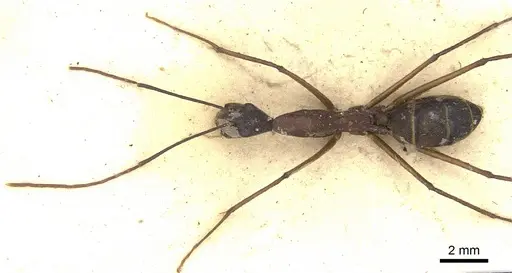
CBUMAGENT41799
View on AntWeb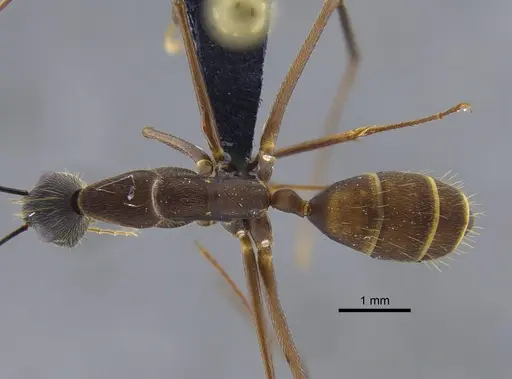
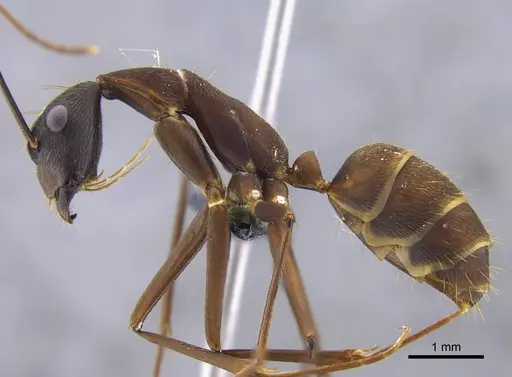
ECOFOG-BAF19-0036-02
View on AntWeb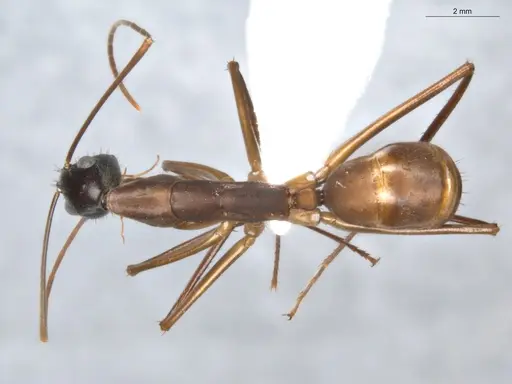
INBIOCRI001218763
View on AntWeb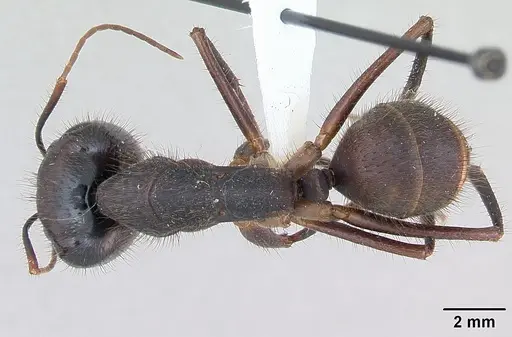
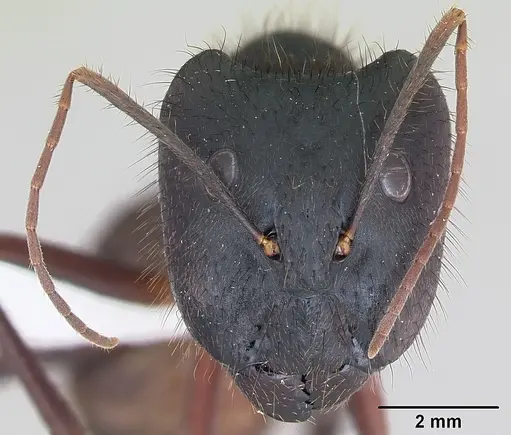
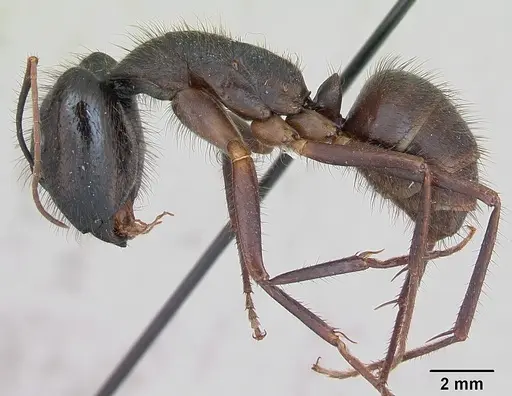
INBIOCRI001282861
View on AntWeb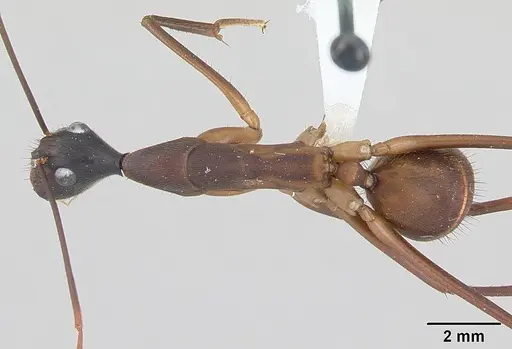
LABSEI
View on AntWeb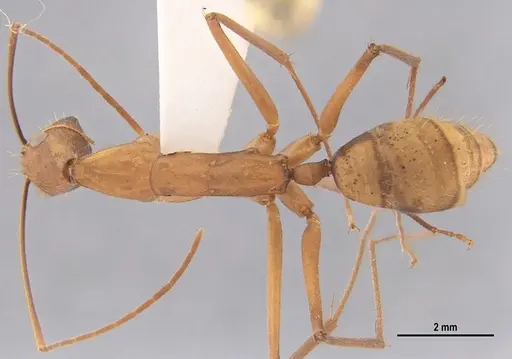
Literature
Loading...Loading products...