

Camponotus abscisus
- Scientific Name
- Camponotus abscisus
- Subgenus
- Myrmobrachys
- Tribe
- Camponotini
- Subfamily
- Formicinae
- Author
- Roger, 1863
- Distribution
- Found in 5 countries
Camponotus abscisus Overview
Camponotus abscisus is an ant species of the genus Camponotus. It is primarily documented in 5 countries , including Costa Rica, Guatemala, Honduras. Detailed taxonomic data and occurrence records can be further explored via authoritative databases such as AntWeb or the Global Biodiversity Information Facility (GBIF).
Camponotus abscisus
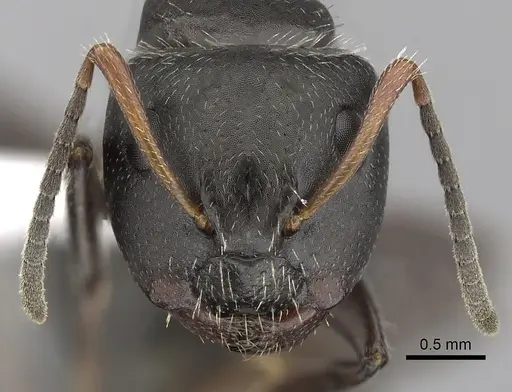
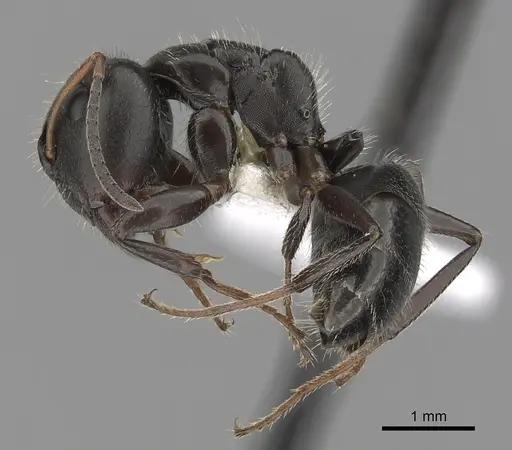
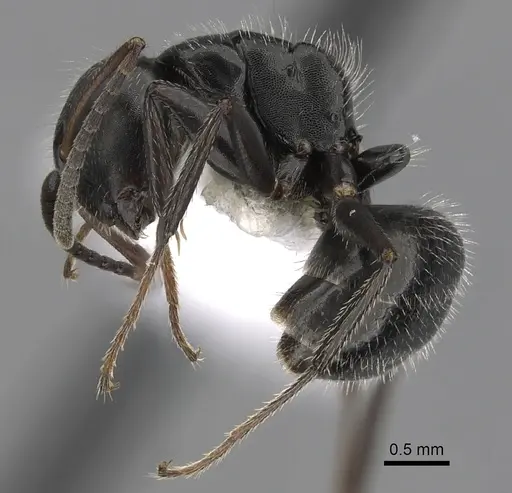
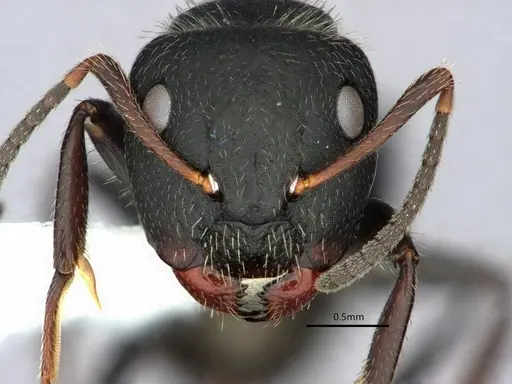
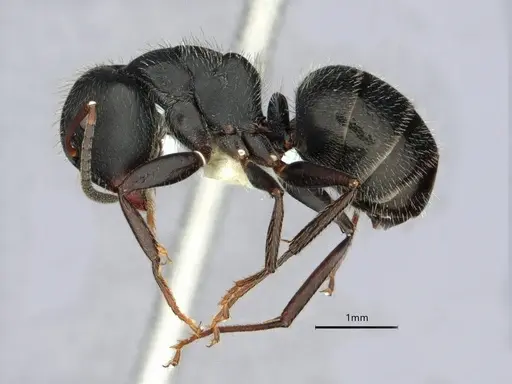
Camponotus abscisus is a medium-sized arboreal ant found throughout the Neotropical region, from Mexico down to Brazil. Workers measure 3.7-6mm with major workers being noticeably larger and more robust than minors. The colony features distinctive morphological traits including abundant erect hairs on the cheeks and posterior head margin, a deep constriction between the mesonotum and propodeum, and a finely punctate shiny gaster. Queens reach approximately 7.5mm. This species nests primarily in hollow oak galls in pine forests and other arboreal cavities, making them a tree-dwelling species rather than a ground-nester [1][2][3].
What makes C. abscisus particularly interesting is its association with unusual nesting sites, they have been documented nesting inside large Cynips oak galls (growths on oak trees caused by insect larvae) and even sharing nests with the commensal ant Xenomyrmex stollii. This arboreal lifestyle means they require different housing considerations than typical ground-nesting Camponotus species [4].
Quick Summary
- Difficulty: Medium
- Origin & Habitat: Neotropical region, Mexico, Guatemala, Honduras, El Salvador, Nicaragua, Costa Rica, Panama, Colombia, Ecuador, Brazil. Found in oak forests and agricultural areas, nesting in tree galls and arboreal cavities [1][2][5].
- Colony Type: Likely monogyne (single queen) based on typical Camponotus patterns, though polygyny has not been directly studied. Colonies appear to be small to moderate in size.
- Colony: Monogyne
- Founding: Claustral
- Size & Growth:
- Queen: 7.5mm [1]
- Worker: 3.7-6mm [1]
- Colony: Likely several hundred workers based on typical Camponotus colony sizes, exact maximum unconfirmed
- Growth: Moderate, typical for Camponotus
- Development: 6-10 weeks (estimated based on typical Camponotus development at 24-26°C) (Development time follows standard Camponotus patterns, claustral founding means queens seal themselves in and raise first workers alone. Nanitics typically appear smaller than normal workers.)
- Antkeeping:
- Temperature: Keep at 24-28°C, these are tropical ants that prefer warm conditions. A gentle gradient allowing workers to self-regulate is ideal.
- Humidity: Moderate to high, as an arboreal species, they prefer humid conditions. Provide a water source but avoid waterlogging the nest. Think damp but not soggy.
- Diapause: No, being a Neotropical species, they do not require hibernation. Maintain warm temperatures year-round.
- Nesting: Arboreal nesting specialist, they naturally nest in hollow tree galls and cavities. In captivity, they do well in Y-tong (AAC) nests, plaster nests with arboreal-style chambers, or naturalistic setups with cork or wood pieces. Avoid deep soil setups, they prefer elevated nest chambers.
- Behavior: Generally calm and non-aggressive for a Camponotus species. Workers are moderately active and primarily arboreal, they will forage up vertical surfaces and can escape through small gaps. Major workers are robust and can defend the colony but sting risk is minimal. Escape prevention is important due to their small worker size (down to 3.7mm).
- Common Issues: escape prevention is critical, their small size (3.7mm minors) means they can squeeze through standard mesh barriers, arboreal nature means they may not accept ground-level water sources, provide elevated hydration, wild-caught colonies may have parasites or be stressed from removal from tree galls, overheating is a risk, keep away from direct heat sources that could dry out their nest, colonies may be slow to establish after founding, patience is needed during claustral period
Nest Preferences and Housing
Camponotus abscisus is an arboreal species that naturally nests in hollow tree galls and similar elevated cavities. In captivity, they do best in setups that mimic this arboreal environment. Y-tong (AAC) nests work well, as do plaster nests with chambers positioned higher up rather than deep. You can also use naturalistic setups with cork bark or wooden pieces that provide hollow spaces. Avoid deep soil formicariums, these ants prefer to be elevated and may not use ground-level chambers effectively. The nest should have some vertical orientation and allow workers to climb. Provide a water test tube with cotton wick positioned at a height the ants can access easily. [1][2][3]
Feeding and Diet
Like most Camponotus species, C. abscisus is omnivorous with a preference for sugary liquids. Offer sugar water, honey, or diluted maple syrup as a constant energy source. For protein, provide small insects like fruit flies, small crickets, mealworms, or other appropriately-sized prey. They will also accept protein-based commercial ant foods. Feed protein sources 2-3 times per week, and keep sugary liquids available at all times. As an arboreal forager, they may prefer food presented at elevation rather than on the ground. Remove uneaten prey after 24-48 hours to prevent mold issues.
Temperature and Seasonal Care
Being a Neotropical species from Mexico and Central America, C. abscisus prefers warm temperatures in the range of 24-28°C. Room temperature (around 22-24°C) is generally acceptable, but you may want to provide a slight warmth boost using a heating cable on one side of the nest to create a gentle gradient. Avoid temperatures below 20°C for extended periods. Unlike temperate species, they do not require diapause or hibernation, maintain consistent warm conditions year-round. Monitor for signs of stress if temperatures fluctuate dramatically. The outworld can be kept at room temperature with the nest area slightly warmer.
Behavior and Colony Dynamics
This is a relatively calm Camponotus species with moderate activity levels. Colonies establish relatively quickly once the queen produces her first nanitic workers (typically 6-10 weeks after founding). Major workers develop later and serve as defenders and help process larger prey items. The species shows typical Camponoton foraging behavior, they will send workers out to collect sugary substances and hunt small prey. Workers are moderately sized but can be small (3.7mm for minors), so escape prevention needs attention. They are not known to be particularly aggressive or to have a painful sting. Colonies grow gradually over the first year, then accelerate as the worker population expands. [1]
Acquiring and Establishing Colonies
C. abscisus colonies can be obtained through reputable ant vendors who specialize in Neotropical species. If collecting from the wild, look in oak galls in pine forests, this is their preferred natural nesting site. When establishing a claustral founding queen, provide a small test tube setup with a water reservoir and keep it warm (around 26°C) and undisturbed. The queen will seal herself in and lay eggs without foraging. After the first workers emerge (nanitics), gradually introduce small prey items and sugar water. Do not disturb the colony during the founding phase, stress can cause queens to abandon or eat their brood. Transition to a proper nest once the colony reaches 20-30 workers. [1][2][4]
Frequently Asked Questions
How long does it take for Camponotus abscisus to produce first workers?
Expect first workers (nanitics) to emerge 6-10 weeks after the queen lays eggs, assuming temperatures around 24-26°C. This follows typical Camponotus development patterns. The queen will remain claustrated during this entire period, raising her brood alone.
What is the best nest type for Camponotus abscisus?
Y-tong (AAC) nests or plaster nests work best. This is an arboreal species that naturally nests in elevated tree cavities, so they prefer nests that are elevated rather than deep in substrate. Avoid soil-based formicariums.
What do Camponotus abscisus eat?
They are omnivorous. Offer sugar water, honey, or maple syrup constantly for energy. For protein, feed small insects like fruit flies, small crickets, or mealworms 2-3 times per week.
Do Camponotus abscisus need hibernation?
No. Being a Neotropical species from tropical and subtropical regions, they do not require diapause or hibernation. Keep them warm year-round at 24-28°C.
How big do Camponotus abscisus colonies get?
Based on typical Camponotus patterns, colonies likely reach several hundred workers. Exact maximum is unconfirmed for this species, but they are not considered supercolonial.
Are Camponotus abscisus good for beginners?
They are rated as medium difficulty. The main challenges are providing appropriate arboreal-style housing and maintaining warm temperatures. They are calmer than many Camponotus species, which makes them manageable for intermediate keepers.
Why are my Camponotus abscisus escaping?
Their small worker size (3.7mm for minors) means they can squeeze through standard barriers. Use fine mesh (0.5mm or smaller), apply fluon or barrier gel to edges, and ensure all connections are sealed. Check for gaps around tubing connections.
Can I keep multiple Camponotus abscisus queens together?
Not recommended. While not extensively studied, Camponotus species typically form single-queen colonies. Combining unrelated foundresses has not been documented and likely results in fighting.
Where does Camponotus abscisus naturally nest?
They nest in arboreal cavities, primarily hollow Cynips oak galls in pine forests. They are tree-dwelling ants, not ground-nesters. This is why they need elevated nest setups in captivity.
References

This caresheet is licensed under CC BY-SA 4.0 .
CASENT0217599
View on AntWeb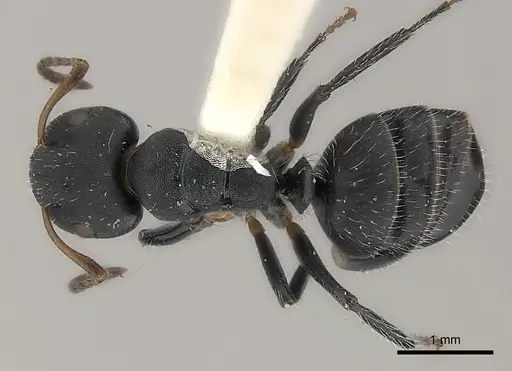
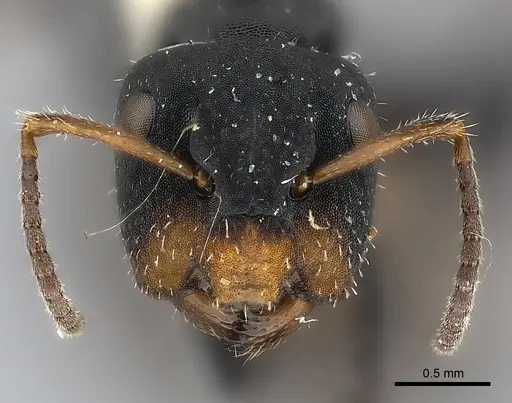
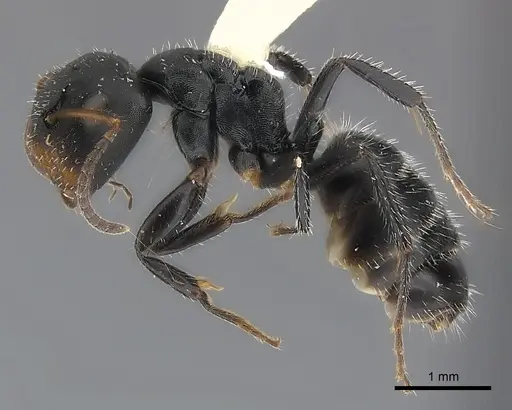
CASENT0280100
View on AntWeb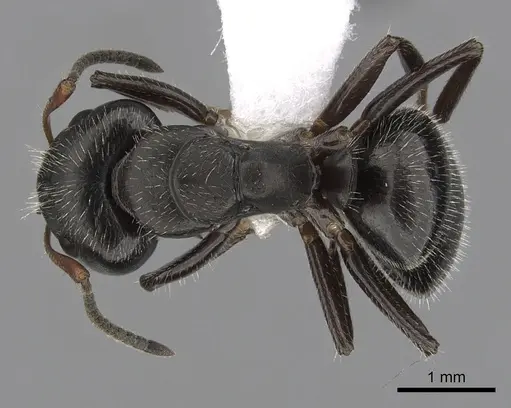
CASENT0280101
View on AntWeb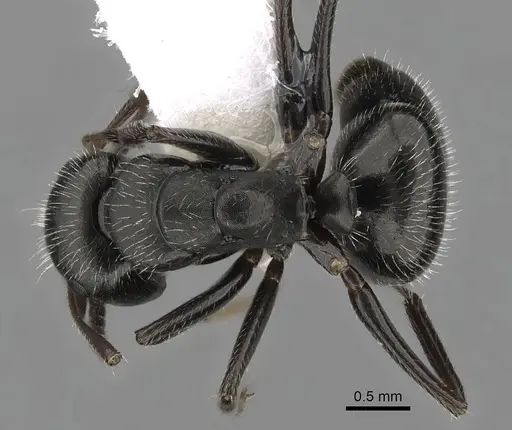
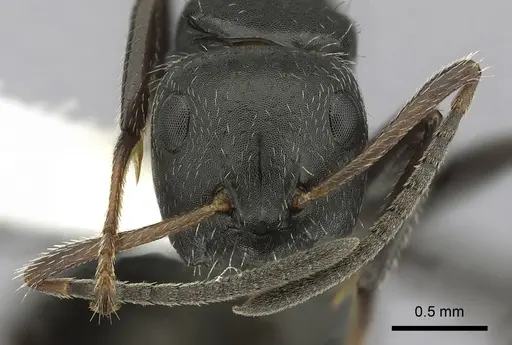
CASENT0882061
View on AntWeb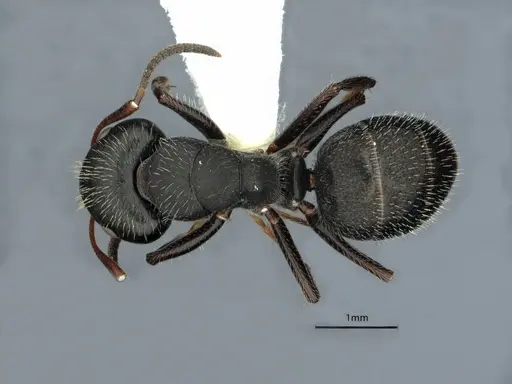
Literature
Loading...Loading products...