

Camponotus aberrans
- Scientific Name
- Camponotus aberrans
- Subgenus
- Phasmomyrmex
- Tribe
- Camponotini
- Subfamily
- Formicinae
- Author
- Mayr, 1895
- Distribution
- Found in 1 countries
Camponotus aberrans Overview
Camponotus aberrans is an ant species of the genus Camponotus. It is primarily documented in 1 countries , including Uganda. Detailed taxonomic data and occurrence records can be further explored via authoritative databases such as AntWeb or the Global Biodiversity Information Facility (GBIF).
Camponotus aberrans
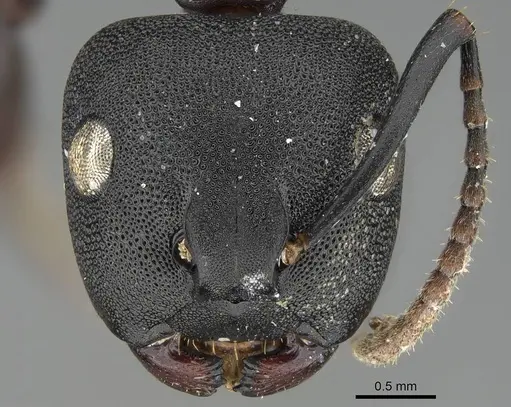
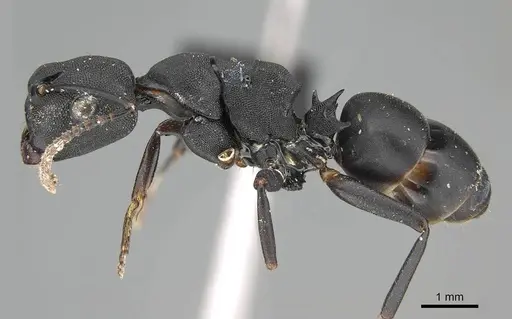
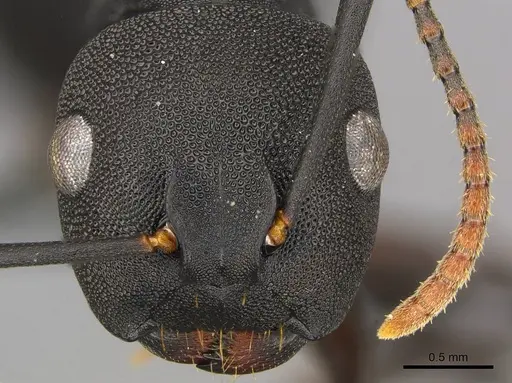
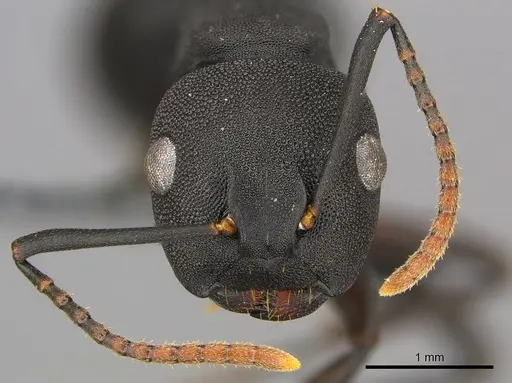
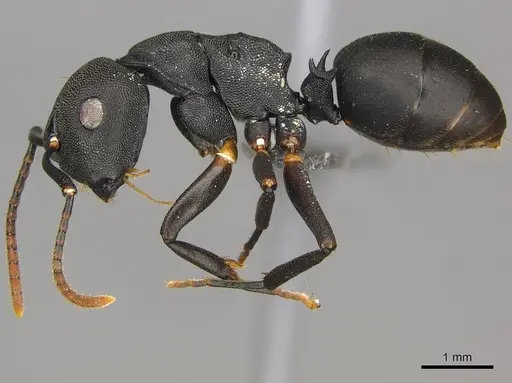
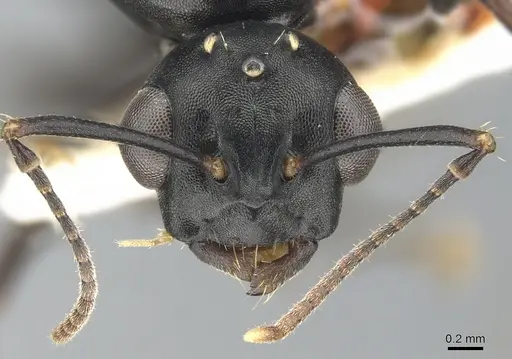
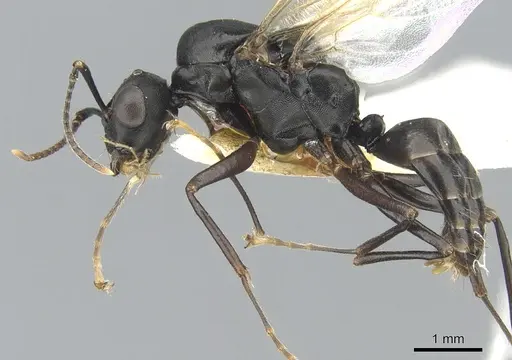
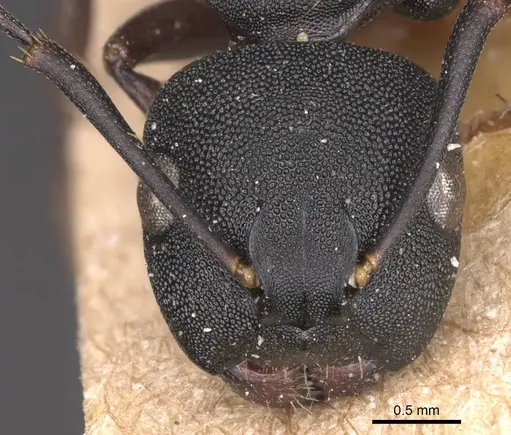
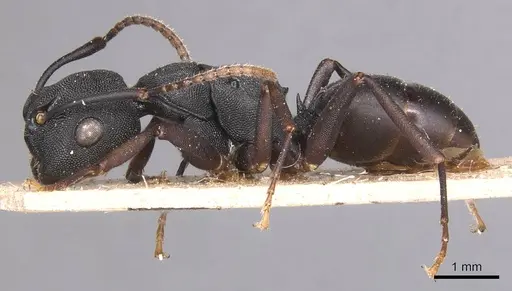
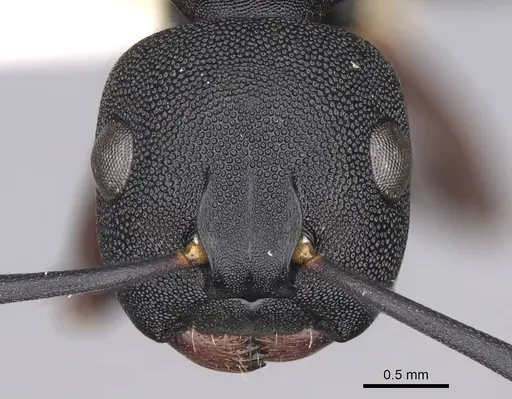
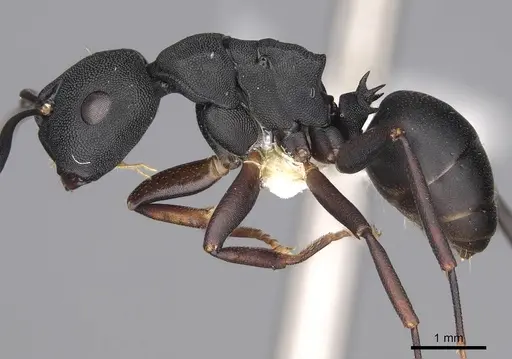
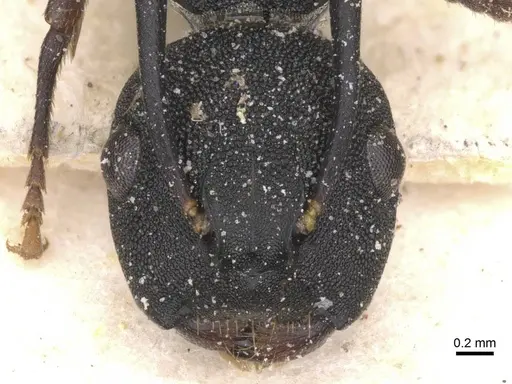
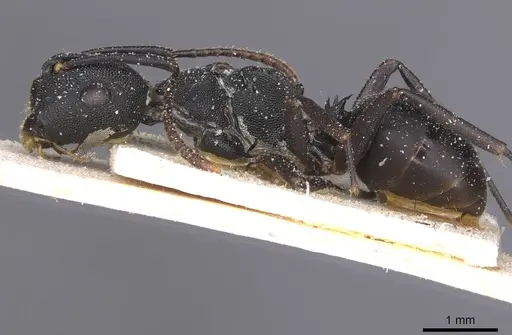
Camponotus aberrans is an African carpenter ant species belonging to the subgenus Phasmomyrmex. Workers are relatively small for a Camponotus species, typically measuring 4-7mm, with a dark brown to black coloration and the characteristic arched thorax typical of carpenter ants. The queen was originally described from Ghana in 1895,with workers later described by Santschi in 1915. This species is ground-dwelling but forages in trees and vegetation, making it an interesting species that bridges ground and canopy layers in African forests and agricultural areas [1].
What makes C. aberrans particularly interesting is its association with the parasitic fungus Ophiocordyceps unilateralis, which infects ants and manipulates their behavior, though this is primarily a concern for wild colonies rather than captive ones. The species has been documented in cocoa farms and agricultural areas across Central Africa, where it maintains ground nests while sending workers up into vegetation to forage [2]. This arboreal foraging behavior is notable and should be reflected in captive setups.
Quick Summary
- Difficulty: Medium
- Origin & Habitat: Native to the Afrotropical region, found in Central African Republic, Democratic Republic of Congo, Ghana, Nigeria, and Uganda. This is a tropical species that lives in forest edges, agricultural areas like cocoa farms, and likely primary forests. They are ground-dwelling ants that build nests in soil or rotting wood while sending foragers up into vegetation and trees [1][2].
- Colony Type: Colony structure is unconfirmed for this species. Based on typical Camponotus patterns, they likely form single-queen colonies (monogyne), though this has not been directly documented. The genus typically shows claustral founding where the queen seals herself in and raises the first brood alone on stored fat reserves.
- Size & Growth:
- Queen: Estimated 10-12mm based on Camponotus genus patterns, direct measurements not available
- Worker: 4-7mm [1]
- Colony: Unknown for this specific species, but likely reaches several thousand workers like other Camponotus species
- Growth: Moderate, typical Camponotus growth pattern
- Development: Estimated 6-8 weeks at optimal temperature based on typical Camponotus development (Development time is estimated from related Camponotus species, actual timing may vary. Camponotus colonies typically grow more slowly in the founding phase but accelerate once nanitic workers arrive.)
- Antkeeping:
- Temperature: Keep at 24-28°C, these are tropical ants requiring warm conditions. A heating cable on one side of the nest creates a gradient allowing workers to thermoregulate. Avoid temperatures below 22°C as this species comes from consistently warm African habitats.
- Humidity: Moderate to high humidity (60-80%). Keep the nest substrate moist but not waterlogged. Since they have arboreal foraging habits, provide some dry areas as well. Mist occasionally but ensure ventilation to prevent mold.
- Diapause: No, as a tropical species from Central Africa, they do not require hibernation or winter dormancy. Keep temperatures stable year-round.
- Nesting: Y-tong (AAC) nests or plaster nests work well. Provide a setup with both a moist nest chamber and access to an outworld where they can forage. Since they naturally nest in soil or rotting wood and forage in vegetation, a naturalistic setup with some vertical space or climbing material is beneficial.
- Behavior: Generally calm and non-aggressive for a Camponotus species. Workers are moderately active and show the characteristic carpenter ant behavior of maintaining clear trails. They are not particularly defensive and rarely sting. Escape risk is moderate, they are larger ants but can still squeeze through small gaps, so standard escape prevention (fluon barriers, tight-fitting lids) is recommended. The most notable behavior is their arboreal foraging, workers will readily climb to reach food sources, which should be accommodated in the outworld setup.
- Common Issues: tropical species requires consistent warmth, cold temperatures can weaken or kill colonies, no hibernation tolerance, never expose to temperatures below 20°C, ground-nesting but arboreal foraging means they need an outworld with climbing opportunities, limited research means exact care requirements are estimated from genus patterns, wild-caught colonies may carry parasites including the Ophiocordyceps fungus
Housing and Nest Setup
Camponotus aberrans does well in Y-tong (acrylic) nests or plaster nests that maintain consistent humidity. Since they are ground-dwelling but have arboreal foraging habits, provide a setup with a moist nest chamber connected to a spacious outworld. The nest should have chambers sized appropriately for their worker size (4-7mm), not too large, as carpenter ants prefer snug fit. Include some formicarium connecting tubes so you can expand the colony space as it grows. In the outworld, add twigs, branches, or other climbing structures to accommodate their natural arboreal foraging behavior. This is important, they will actively climb to reach food sources, so vertical space matters. [1]
Feeding and Diet
Like other Camponotus species, C. aberrans is omnivorous. Feed a mix of protein and carbohydrates. Protein sources include small insects (fruit flies, small crickets, mealworms), while carbohydrates come from sugar water, honey, or honeydew. Carpenter ants have a well-documented preference for sweets, so sugar water or honey should be available constantly. Feed protein 2-3 times per week, adjusting based on colony size and consumption. Remove uneaten prey after 24-48 hours to prevent mold. Since they forage in vegetation naturally, they may accept a wider variety of arthropods than strictly ground-foraging species.
Temperature and Heating
As a tropical African species, C. aberrans requires warm conditions year-round. Keep the nest area at 24-28°C. Use a heating cable or heating mat on one side of the nest to create a temperature gradient, this allows workers to move between warmer and cooler areas as needed. Never let temperatures drop below 20°C, and avoid sudden temperature changes. Room temperature may be sufficient in warm climates, but most keepers need supplemental heating. Place the heating element on top of the nest rather than underneath to avoid drying out the substrate. Monitor with a thermometer placed near the nest chambers.
Humidity and Water
Maintain moderate to high humidity (60-80%) in the nest. The substrate or water reservoir should feel consistently moist but never waterlogged. Since they come from tropical environments, they are accustomed to humidity but also need some dry areas for foraging. Provide a water tube or gel water source in the outworld at all times. Check humidity more frequently in dry climates or during winter when indoor humidity drops. Good ventilation helps prevent mold while maintaining appropriate moisture levels.
Colony Development
A founding queen will lay eggs after sealing herself in a claustral chamber. She feeds the first brood from her stored fat reserves and wing muscle breakdown, this is typical claustral founding. The first workers (nanitics) are often smaller than normal workers and emerge after 6-8 weeks at optimal temperature. After the nanitics arrive, the queen stops foraging and is entirely cared for by workers. Colony growth is initially slow but accelerates once the first workers are established. Expect the colony to reach several hundred workers within a year under good conditions, with potential to grow to several thousand over several years.
Behavior and Observation
C. aberrans is a relatively calm species that makes for good observation. Workers show the characteristic carpenter ant behavior of maintaining pheromone trails and systematically exploring their territory. The most notable behavior is their arboreal foraging, unlike strictly ground-nesting species, these ants readily climb to reach food sources. This makes them entertaining to watch as workers form chains to retrieve prey or sweets from elevated positions. They are not particularly aggressive and rarely sting, making them suitable for keepers who want to observe without frequent defensive behavior. [2]
Frequently Asked Questions
How long does it take for Camponotus aberrans to get first workers?
Expect first workers (nanitics) to emerge in 6-8 weeks at optimal temperature (24-28°C). This is typical for Camponotus species. The exact timing depends on temperature and how well the queen is established.
Do Camponotus aberrans ants need hibernation?
No. As a tropical African species, they do not require hibernation. Keep temperatures stable year-round between 24-28°C. Do not expose them to temperatures below 20°C.
What do Camponotus aberrans eat?
They are omnivorous like other carpenter ants. Feed small insects (fruit flies, small crickets, mealworms) for protein 2-3 times per week, and provide sugar water or honey constantly for carbohydrates.
Are Camponotus aberrans good for beginners?
They are rated Medium difficulty. While not as challenging as some exotic species, they do require consistent warmth (tropical conditions) and have specific humidity needs. Beginners familiar with basic ant care should do well with this species.
How big do Camponotus aberrans colonies get?
Colony size is not well documented for this specific species, but based on typical Camponotus patterns, colonies likely reach several thousand workers over several years.
Can I keep multiple Camponotus aberrans queens together?
This has not been documented for this species. Based on typical Camponotus behavior, single-queen colonies are most common. Combining unrelated queens is not recommended unless you have specific evidence they will accept each other.
Why is my Camponotus aberrans colony not growing?
Check temperature first, they need 24-28°C. Also verify humidity is adequate (60-80%) and that the queen is healthy and laying eggs. Poor growth can also result from inadequate protein feeding or stress from disturbance.
Do Camponotus aberrans need special escape prevention?
They are moderately sized ants (4-7mm workers), so standard escape prevention works well. Use fluon on tube connections and ensure all lids fit tightly. They are not extreme escape artists like tiny species.
References

This caresheet is licensed under CC BY-SA 4.0 .
CASENT0089756
View on AntWeb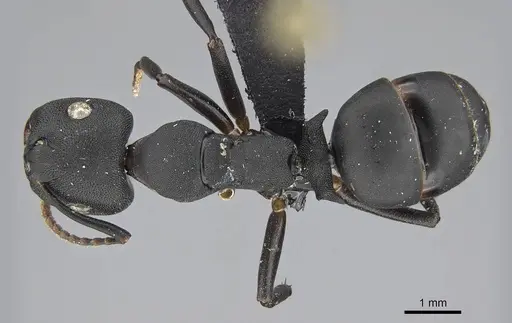
CASENT0250082
View on AntWeb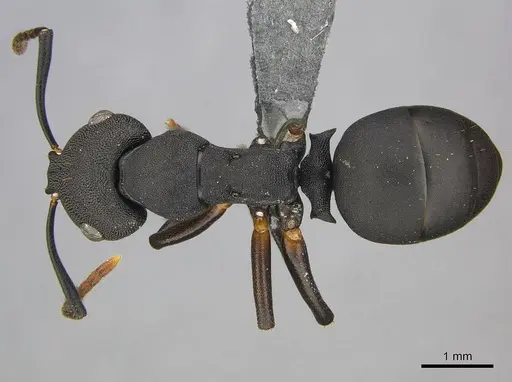
CASENT0903475
View on AntWeb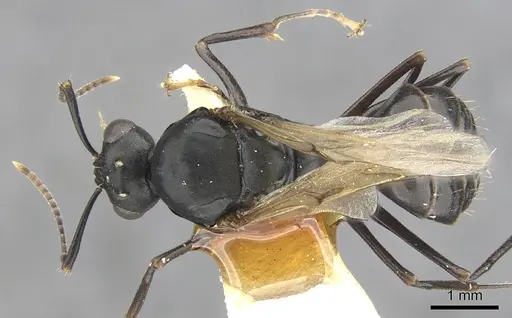
CASENT0905182
View on AntWeb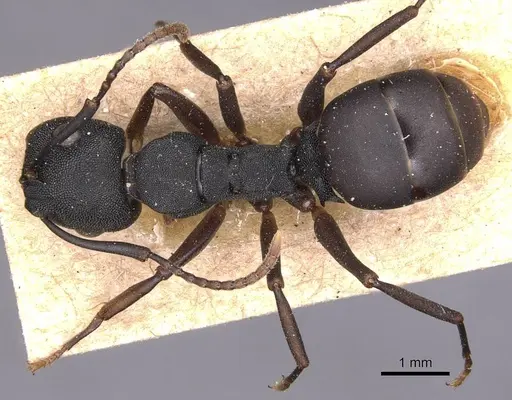
CASENT0906849
View on AntWeb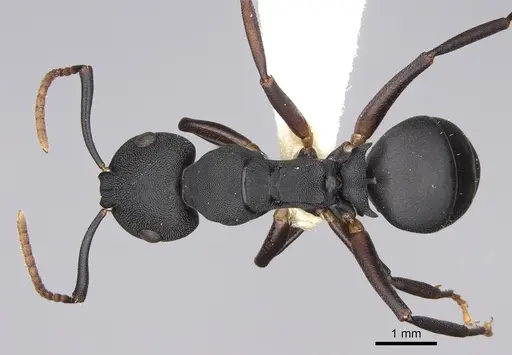
CASENT0912088
View on AntWeb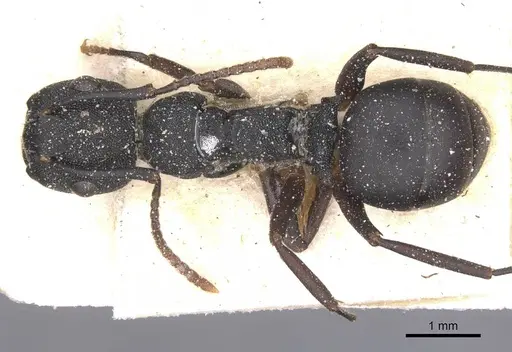
Literature
Loading...Loading products...