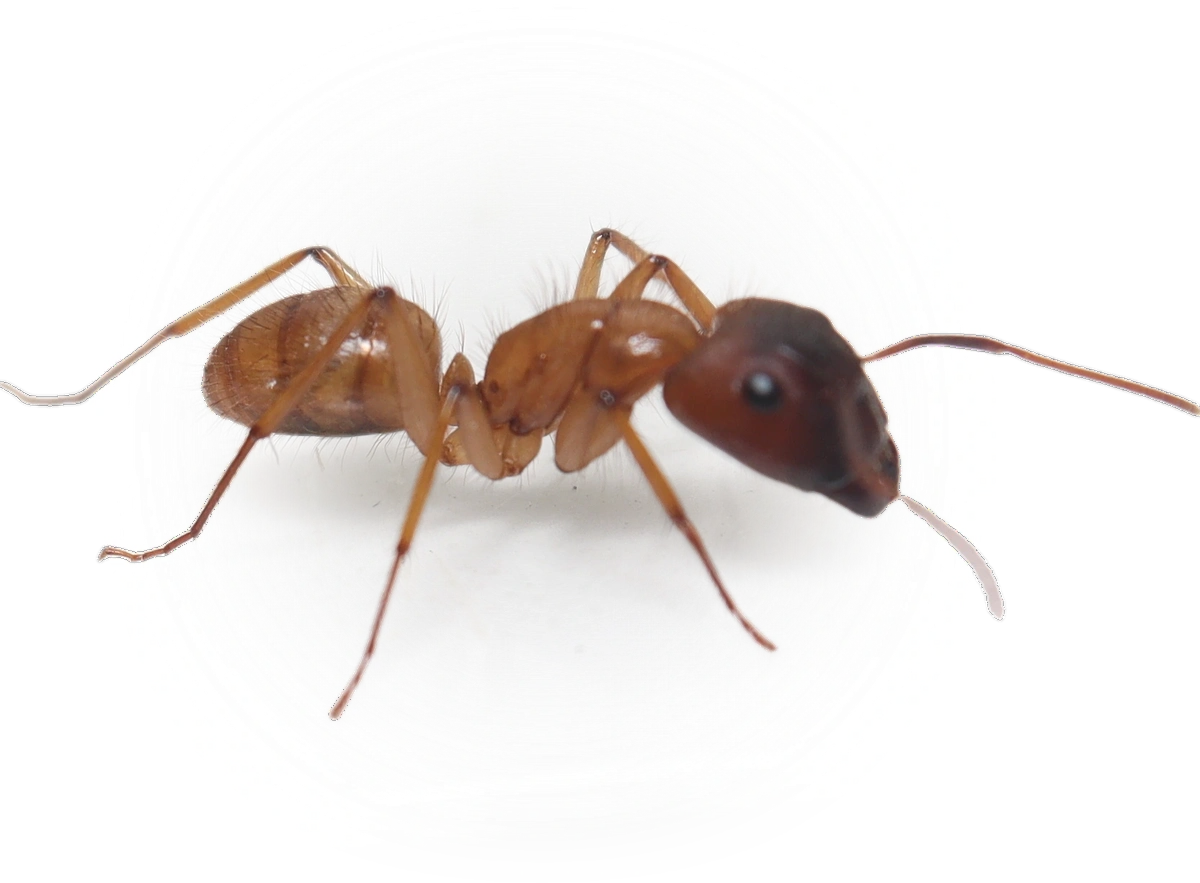
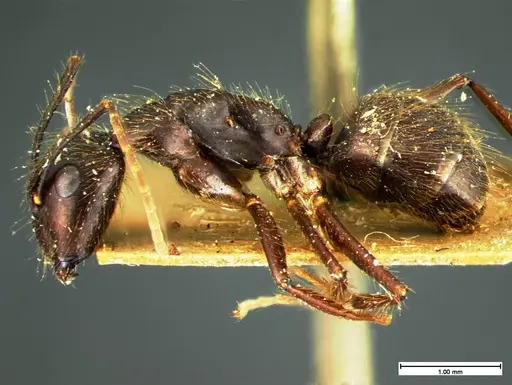
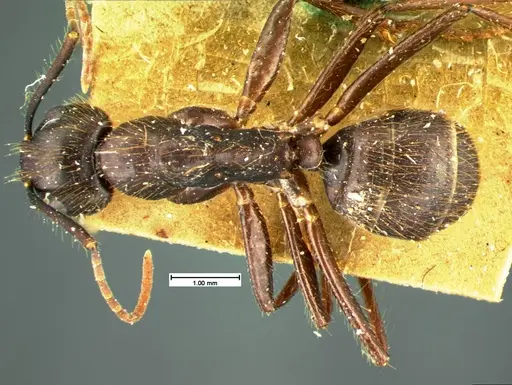
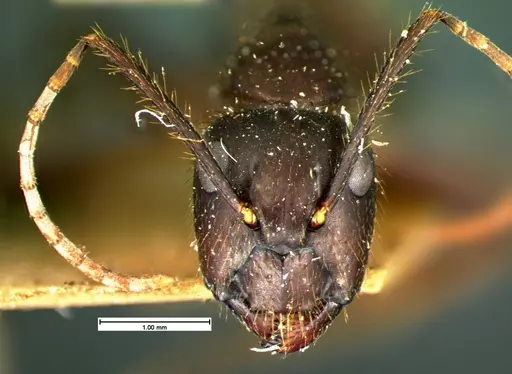
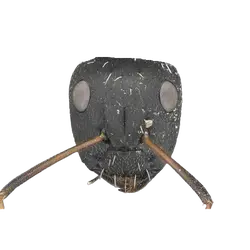
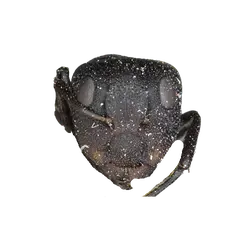
Camponotus atriceps - "Florida Carpenter Ant"
Camponotus atriceps is a striking species of carpenter ant with a wide distribution across the Nearctic, Neotropical, and Palaearctic regions. They are part of the subgenus Myrmothrix, known for having erect hairs on their antennal scapes. These ants are recognized for their polymorphic worker castes, ranging in size with notable differences between minors and majors. While there's variation in their coloration, they often have a distinctive appearance, with some workers displaying dark and yellowish stripe patterns on their gaster. As carpenter ants, they are known for excavating wood to create their nests, though they do not consume the wood.
- Difficulty: Medium
- Origin & Habitat: Americas (primarily South and parts of North America as far north as Texas), also found in Italy. in Diverse habitats including forests, grasslands, urban areas, rainforest, pine or oak forests, and wet montane forest. They often nest in soil, rotten wood, or under stones, and can be found in dead or dying trees..
- Colony Type: Monogyne (single queen), claustral (queen seals herself in without foraging during founding) founding.
- Size & Growth:
- Queen: 14-18mm
- Worker: 5-13mm
- Colony: Medium (several thousand individuals). Slow initially, but speeds up after the first few dozen workers. growth.
- Antkeeping:
- Temperature: Maintain temperatures between 22-28°C (72-82°F) for optimal well-being and brood development. Provide a cooler area, ideally below 27°C (80°F), for the ants to retreat if they get too warm..
- Humidity: Moderate humidity levels, typically between 40% to 70%..
- Diapause: Not required. Not specified at Not specified.
- Nesting: Versatile in nesting, they will adapt to various formicarium types including plexiglass, test tubes, and reconstituted stone. In nature, they nest in soil, rotten wood, under stones, or tree cavities..
- Behavior: Medium (towards handler when disturbed) aggressiveness.
- Common Issues: Colony stalling (especially in early stages due to slow growth), Humidity fluctuations, Queen stress (can lead to early colony failure), Escapes (due to their size and ability to bore/chew).
One interesting aspect of keeping Camponotus atriceps is their initial slow colony growth. While the queen is claustral and can found a colony without external feeding, new colonies may only reach 25-40 workers in the first year. This means patience is key for new antkeepers, as the colony will truly begin to flourish and grow more rapidly only after reaching a few dozen workers.
Camponotus atriceps exhibits a fascinating polymorphic caste system, with workers varying significantly in size from small minors to large majors. This diversity in worker size within the colony adds a dynamic element to observation and can be particularly rewarding as your colony matures and produces these larger, more robust ants. It's a visual treat to see the different roles these specialized workers undertake.
While generally timid when foraging alone, Camponotus atriceps workers can become quite aggressive when their nest is disturbed. They are known to bite and can spray formic acid for defense. This means that while they aren't inherently aggressive towards their handlers, care should be taken during nest maintenance or inspections to avoid stressing the colony and provoking a defensive response.
These ants are quite opportunistic in their natural nesting habits, found in everything from dead wood and under epiphytes to even old shoes and wall spaces in human dwellings. This adaptability translates well to captivity, making them less picky about nest types. However, providing a secure setup is crucial given their ability to excavate and their potential as escape artists.
Interestingly, Camponotus atriceps has been observed engaging in parabiosis with other ant species like Azteca in the wild. While this symbiotic relationship might not be replicated in a standard antkeeping setup, it highlights their complex natural behaviors and interactions. Observing how your colony develops its own unique dynamics within the formicarium can be a truly captivating experience.
Frequently Asked Questions
What kind of formicarium is best for Camponotus atriceps?
Camponotus atriceps are quite adaptable! They'll do well in most standard formicarium types, including acrylic, glass, or even naturalistic setups with cork or wood. The key is ensuring good humidity control and secure foraging areas. Many keepers find success with setups that offer both drier and slightly more humid zones to suit their preferences.
How often should I feed my Camponotus atriceps colony?
These ants are omnivorous! You should offer a sugary liquid like honey water or sugar water daily. For protein, provide small insects like mealworms, crickets, or flies 2-3 times per week. Always remove uneaten food to prevent mold and mites.
Do Camponotus atriceps need to hibernate?
No, Camponotus atriceps are a tropical species and do not require a true hibernation period. While they might show reduced activity during cooler months, it's not a full diapause. Maintaining consistent temperatures is more important for their year-round activity and growth.
How aggressive are Camponotus atriceps?
When foraging individually, Camponotus atriceps workers are generally timid. However, if their nest is disturbed or threatened, they can become quite aggressive, biting and spraying formic acid for defense. This means they aren't typically aggressive towards keepers unless provoked, so handle with care during maintenance.
What is the typical colony size for Camponotus atriceps?
A mature Camponotus atriceps colony can reach several thousand workers. They start small, with slow initial growth, but with proper care and patience, they will expand into a sizable and impressive colony.
How fast do Camponotus atriceps colonies grow?
The initial growth of a Camponotus atriceps colony is relatively slow. In the first year, a queen might only produce 25-40 workers. However, once the colony reaches a few dozen workers, their growth rate tends to pick up significantly, leading to a much faster expansion in the second year and beyond.
What temperatures are best for Camponotus atriceps brood development?
For optimal brood development and overall colony health, aim for temperatures between 22-28°C (72-82°F). Many keepers find success maintaining a slight temperature gradient within the nest, allowing the ants to choose their preferred spot for brood rearing.
Can Camponotus atriceps chew through my formicarium?
As carpenter ants, they are known for excavating wood in the wild to create nests, so they have strong mandibles. While they don't eat wood, they can chew through soft materials. It's crucial to use durable, escape-proof materials for their nest and outworld to prevent escapes. Acrylic or glass setups are generally recommended over softer materials.
How long do Camponotus atriceps queens live?
Camponotus queens, including C. atriceps, are known for their longevity. A healthy queen can live for up to 10-15 years, providing you with a long-term antkeeping experience.
Are Camponotus atriceps good for beginner antkeepers?
Camponotus atriceps are generally considered a 'Medium' difficulty species. While they are rewarding to keep due to their size and interesting behaviors, their slow initial growth and specific humidity/temperature needs make them a bit more challenging than truly beginner-friendly species. They're best suited for keepers with some prior antkeeping experience.