

Calyptomyrmex shasu
- Scientific Name
- Calyptomyrmex shasu
- Tribe
- Crematogastrini
- Subfamily
- Myrmicinae
- Author
- Bolton, 1981
- Distribution
- Found in 1 countries
Calyptomyrmex shasu Overview
Calyptomyrmex shasu is an ant species of the genus Calyptomyrmex. It is primarily documented in 1 countries , including Congo, Democratic Republic of the. Detailed taxonomic data and occurrence records can be further explored via authoritative databases such as AntWeb or the Global Biodiversity Information Facility (GBIF).
Calyptomyrmex shasu
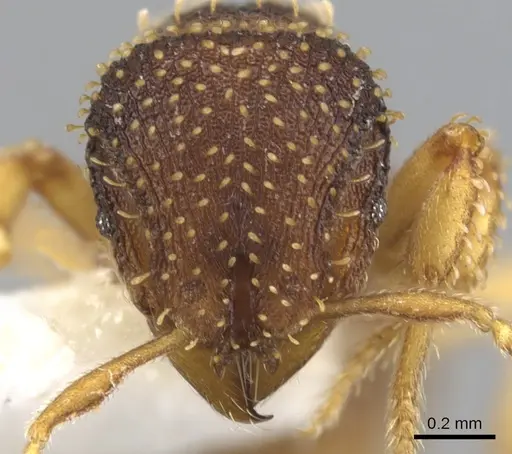
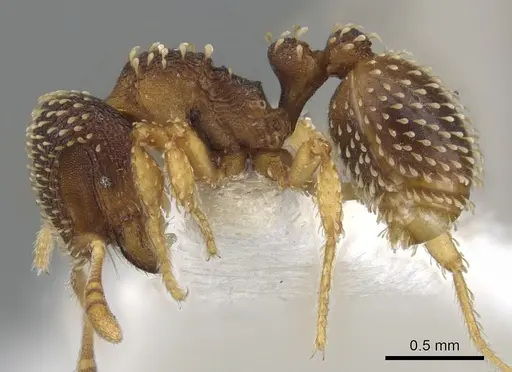
Calyptomyrmex shasu is a small, cryptic ant species from the Democratic Republic of Congo. Members of the Calyptomyrmex genus are characterized by their compact body shape, often with distinctive sculpturing on the head and mesosoma. These ants are typically dull-colored and blend well with their forest floor environment. Workers are small, generally measuring 3-5mm, with a stocky build. The genus is known for its secretive nature, these ants are not commonly encountered and tend to nest in hidden microhabitats under stones, in rotting wood, or within soil crevices. Calyptomyrmex shasu was originally described by Bolton in 1981,with specimens collected from the Congo region [1].
Quick Summary
- Difficulty: Medium-Hard
- Origin & Habitat: Democratic Republic of Congo (NK Province). Based on typical Calyptomyrmex habitat preferences, these ants likely inhabit forested areas with moist, shaded microhabitats such as leaf litter layers, under stones, or in decaying wood.
- Colony Type: Unconfirmed colony structure. Based on genus patterns, likely monogyne (single queen) colonies, though this has not been directly documented for this species.
- Size & Growth:
- Queen: Estimated 5-7mm based on genus Calyptomyrmex morphology [1]
- Worker: Estimated 3-5mm based on genus patterns
- Colony: Likely small to moderate colonies, Calyptomyrmex species typically form colonies of several dozen to a few hundred workers
- Growth: Likely slow, cryptic ant species generally develop slowly
- Development: Estimated 8-12 weeks based on typical Myrmicinae development patterns at optimal temperature (Development timeline is estimated, this species has not been directly studied. Expect slower growth compared to faster-developing genera.)
- Antkeeping:
- Temperature: Aim for 22-26°C with a gentle gradient. These are tropical forest ants that prefer stable, warm conditions without temperature extremes.
- Humidity: Keep substrate moderately moist but not waterlogged. Forest floor conditions mean they appreciate some damp areas but also need drier zones for escape. Aim for 60-80% humidity in the nest area.
- Diapause: Unlikely required, as a tropical species from DRC, they probably do not need a true hibernation. However, a slight cool-down period during winter months may be beneficial.
- Nesting: Provide a naturalistic setup with options for nesting in moist substrate, under flat stones, or within small chambers. Y-tong nests or plaster nests with multiple chambers work well. They prefer tight, enclosed spaces scaled to their small size.
- Behavior: Calyptomyrmex ants are secretive and not particularly aggressive. Workers are slow-moving and tend to stay hidden within the nest structure. They are likely omnivorous, feeding on small insects, honeydew, and organic matter. Escape risk is moderate due to their small size, use standard barrier methods. They are not known for stinging and pose no danger to keepers.
- Common Issues: limited availability and research means care information is largely estimated from genus patterns, slow growth can lead to keeper impatience and overfeeding attempts, wild-caught colonies may carry parasites that are difficult to detect, small colony size makes them vulnerable to disturbance, handle minimally, humidity control is critical, too dry and they fail, too wet and mold becomes a problem
Nest Preferences
Calyptomyrmex shasu is a cryptic species that prefers hidden, enclosed nesting sites. In the wild, they likely nest under stones, in rotting wood, or within soil cracks in forested areas. For captive care, provide a nest with multiple small chambers that the ants can use for different activities. Y-tong (acrylic) nests work well, as do plaster nests with channels scaled to their small size. Avoid tall, open spaces, these ants feel safest in tight quarters. The nest material should retain moisture well, as forest floor ants need consistent humidity. Place the nest in a low-traffic area of your setup to minimize disturbance. [1]
Feeding and Diet
Based on typical Calyptomyrmex feeding behavior, these ants are likely omnivorous with a preference for protein. Offer small live prey such as fruit flies, springtails, or tiny crickets. They will also accept sugar sources like honey water or sugar water, though protein should form the majority of their diet. Feed small amounts every few days, removing any uneaten prey after 24 hours. Because they are small and secretive, they may not readily venture far from the nest to forage, place food near their nest entrance or in foraging areas they already use.
Temperature and Care
Keep your Calyptomyrmex shasu colony at stable temperatures between 22-26°C. A heating cable on one side of the nest creates a gentle gradient that allows the ants to regulate their own temperature. Avoid temperature fluctuations and keep them away from drafts or air conditioning vents. As a tropical species from central Africa, they do not require hibernation, but a slight temperature reduction (by 2-4°C) during winter months may be appropriate. Monitor colony activity, if workers become sluggish, slightly increase temperature. If they avoid the heated area, reduce heat.
Behavior and Temperament
These are calm, non-aggressive ants that prefer to avoid confrontation. Workers are not particularly territorial and will not venture far from the nest. They are not known to sting and pose no threat to keepers. However, their secretive nature means you may not see much activity outside the nest, this is normal behavior, not a sign of problems. Colony defense is limited to the immediate nest area. Escape prevention should be moderate, while not strong climbers, their small size means they can slip through small gaps. Standard barrier methods like fluon on test tube rims or barrier tape on formicarium edges work well.
Frequently Asked Questions
How long does it take for Calyptomyrmex shasu to produce first workers?
The egg-to-worker timeline is estimated at 8-12 weeks based on typical Myrmicinae development patterns. This species has not been directly studied, so actual timing may vary. Be patient, Calyptomyrmex species are known for slow colony development.
Can I keep Calyptomyrmex shasu in a test tube?
Yes, test tubes work well for founding colonies and small groups. Ensure the cotton is properly packed to prevent escapes, and provide a water reservoir. As the colony grows, you will eventually need to move them to a proper nest setup with more space.
What do Calyptomyrmex shasu ants eat?
Based on genus behavior, they likely accept small live prey (fruit flies, springtails), and sugar sources (honey water, sugar water). Protein should form the main diet. Offer small amounts and remove uneaten food promptly.
Do Calyptomyrmex shasu ants sting?
No, these ants are not known to sting and pose no danger to keepers. They are calm, secretive ants that prefer to hide rather than engage.
Are Calyptomyrmex shasu good for beginners?
This species is not ideal for beginners due to limited available care information and slow growth. The difficulty is rated Medium-Hard. If you are experienced with cryptic ant species and patient with slow-developing colonies, this could be an interesting species to keep.
Do Calyptomyrmex shasu need hibernation?
As a tropical species from the Democratic Republic of Congo, they likely do not require true hibernation. A slight cool-down during winter months may be appropriate, but avoid dramatic temperature drops.
How big do Calyptomyrmex shasu colonies get?
Based on genus patterns, colonies likely reach several hundred workers at maturity. They are not large colony formers like some Myrmicinae species.
When should I move Calyptomyrmex shasu to a formicarium?
Move them when the colony reaches several dozen workers and the test tube setup becomes crowded. They prefer tight, enclosed spaces, so ensure the formicarium has appropriately sized chambers.
Why is my Calyptomyrmex shasu colony not growing?
Common causes include: temperatures too low (keep at 22-26°C), humidity issues (too dry or too wet), overfeeding leading to mold, or insufficient protein in the diet. Also ensure the colony is not being disturbed frequently.
Can I keep multiple Calyptomyrmex shasu queens together?
This has not been documented for this species. Based on typical Calyptomyrmex behavior, single-queen colonies are most likely. Combining unrelated queens is not recommended without evidence they can coexist.
References

This caresheet is licensed under CC BY-SA 4.0 .
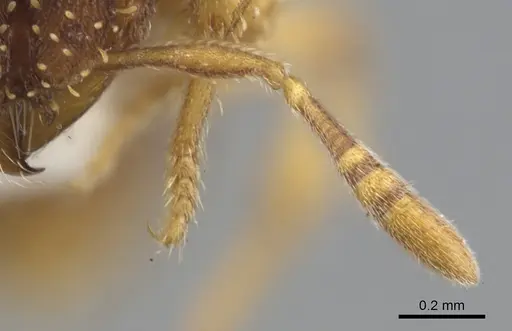
CASENT0900990
View on AntWeb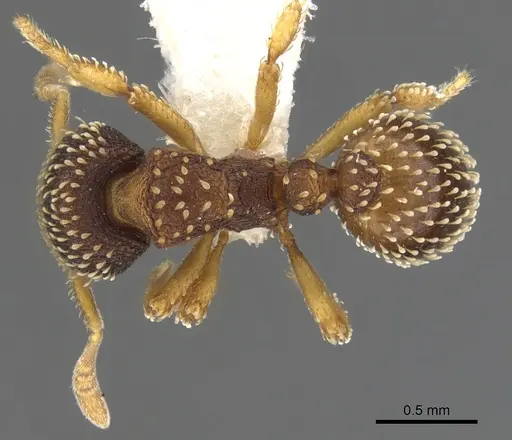
Literature
Loading...Loading products...