

Calyptomyrmex sabahensis
- Scientific Name
- Calyptomyrmex sabahensis
- Tribe
- Crematogastrini
- Subfamily
- Myrmicinae
- Author
- Shattuck, 2011
- Distribution
- Found in 1 countries
Calyptomyrmex sabahensis Overview
Calyptomyrmex sabahensis is an ant species of the genus Calyptomyrmex. It is primarily documented in 1 countries , including Malaysia. Detailed taxonomic data and occurrence records can be further explored via authoritative databases such as AntWeb or the Global Biodiversity Information Facility (GBIF).
Calyptomyrmex sabahensis
Calyptomyrmex sabahensis is a tiny rainforest ant from the Myrmicinae subfamily, discovered in 2011 from Sabah, Borneo. Workers measure just 0.74-0.81mm in head width, making them one of the smaller ant species you'll encounter [1]. They have a distinctive red-brown coloration with lighter antennae and legs, and are covered in thin, often blunt-tipped hairs that help them retain camouflaging soil particles, a behavior that makes them remarkably well-hidden in their natural habitat [2]. This species is known only from rainforest leaf litter in extreme north-eastern Borneo, where it forages singly or in small numbers among the forest floor [2].
Beyond their cryptic appearance, almost nothing is known about this species' biology in the wild. They represent a poorly studied genus where even basic information like colony size, founding behavior, and diet preferences remain undocumented. This makes them a true mystery species for antkeepers interested in observing behaviors that may not be well-documented in captivity.
Quick Summary
- Difficulty: Expert
- Origin & Habitat: Extreme north-eastern Borneo, specifically Sabah, Malaysia. Found in rainforest leaf litter, often in rotten wood or directly in soil [2][1].
- Colony Type: Unconfirmed, colony structure (single queen vs multiple queens) has not been documented in this species
- Size & Growth:
- Queen: Unknown, queen has not been described
- Worker: 0.74-0.81mm head width [1]
- Colony: Unknown, likely small based on genus patterns
- Growth: Unknown
- Development: Unknown, no development data exists for this species (Development timeline unconfirmed. Based on similar tiny Myrmicinae litter ants, expect 6-10 weeks at optimal temperature, but this is purely estimated.)
- Antkeeping:
- Temperature: Unknown for this species. Based on their rainforest leaf litter habitat in Borneo, aim for warm, stable conditions around 24-28°C. Avoid temperature drops below 22°C. Use a heating cable on one side of the nest to create a gentle gradient if room temperature is below this range.
- Humidity: High humidity is essential. These ants live in rainforest leaf litter where conditions are constantly damp. Keep the nest substrate consistently moist but not waterlogged. The substrate should feel damp to the touch with visible condensation. Mist occasionally and use a water reservoir to maintain moisture. Ensure adequate ventilation to prevent mold while maintaining humidity.
- Diapause: Unknown, no data on overwintering requirements. Borneo is tropical with minimal seasonal temperature variation, so diapause may not be necessary. Monitor colony activity and adjust care based on behavior rather than imposing a hibernation schedule.
- Nesting: In the wild, they nest in rotten wood or directly in soil within rainforest leaf litter [2]. For captivity, a naturalistic setup with moist soil or a Y-tong/plaster nest with small chambers works well. The key is maintaining high humidity while providing dark, secure spaces. Avoid tall, open spaces, these are tiny litter ants that prefer tight, enclosed areas.
- Behavior: Workers forage singly or in small numbers in rainforests [2]. They are cryptic, slow-moving ants that often cover themselves with soil particles for camouflage, a behavior facilitated by their enlarged, spatulate hairs [2]. They likely have small colonies and are not aggressive. Escape prevention is critical due to their very small size, they can squeeze through the tiniest gaps. Use fine mesh and tight-fitting lids. They are not known to sting and present no danger to keepers.
- Common Issues: escape prevention is critical, their tiny size means they can squeeze through gaps that larger ants cannot, high humidity requirements can lead to mold problems if ventilation is inadequate, lack of documented care information means you're essentially pioneering captive husbandry, slow or nonexistent colony growth may occur if dietary needs aren't met, their specific diet is unknown, wild-caught colonies may have parasites or fail to adapt to captive conditions
Understanding Calyptomyrmex sabahensis
Calyptomyrmex sabahensis is a recently described species, only formally named in 2011 by Steven Shattuck during his revision of the genus in Southeast Asia and Oceania [1]. The species is known only from a handful of collections in Sabah, Borneo, specifically from Quoin Hill near Tawau and Umas Umas along Labuk Road [1]. All specimens have been collected from rainforest leaf litter, either directly from leaf mold or from associated microhabitats like rotten wood and soil [2].
What makes this ant particularly interesting is its cryptic morphology. Workers have thin, often blunt-tipped hairs across their head and body, and these hairs, along with enlarged, spatulate setae, help them retain a layer of camouflaging soil particles [2]. This camouflage is so effective that workers are often completely hidden under a soil coating, making them nearly invisible in their natural habitat. Their small size (under 1mm head width), red-brown coloration, and small eyes with only 2-3 ommatidia further reflect their lifestyle as cryptic forest floor dwellers [1].
The genus Calyptomyrmex belongs to the tribe Crematogastrini within Myrmicinae and contains relatively few species, most of which are poorly studied. This species represents one of the least known ants you could keep, which brings both challenge and opportunity for curious antkeepers.
Housing and Nest Setup
Given their natural habitat in rainforest leaf litter, these ants need a setup that mimics dark, humid forest floor conditions. A naturalistic terrarium-style setup works well, use a container filled with moist, forest-floor-style substrate (a mix of soil, leaf litter, and small rotting wood pieces). Keep the setup dark by covering the sides or providing a shelter, as these are light-averse ants that forage under cover.
Alternatively, a Y-tong (acrylic) nest with small, tight chambers can work if you maintain high humidity through a water reservoir or regular misting. The key is ensuring the chambers are appropriately scaled, these are tiny ants that would be overwhelmed by large, open spaces. A test tube setup is not recommended due to their need for soil-based microhabitats and the difficulty maintaining proper humidity.
Whatever setup you choose, escape prevention must be excellent. These ants are extremely small and can escape through gaps that seem impossibly tight. Use fine mesh (at least 0.5mm or smaller), ensure all lids fit tightly, and consider using fluon or other barriers on rim edges. [2]
Feeding and Diet - The Unknown Factor
This is where the biggest challenge lies, we simply do not know what Calyptomyrmex sabahensis eats in the wild or in captivity. The genus Calyptomyrmex is generally considered predatory or omnivorous, feeding on small invertebrates and likely honeydew from sap-sucking insects, but specific dietary preferences for this species are undocumented [1].
For now, offer a variety of small, soft-bodied prey items: micro-arthropods like springtails, tiny booklice, and fruit fly larvae are appropriate-sized options. You might also experiment with very small pieces of mealworms or other soft insects. Sugar sources are unlikely to be accepted, these are not typical honeydew-feeding ants in the way some Crematogastrini are. Offer protein foods first and observe carefully.
Because we don't know their exact requirements, the best approach is to offer small amounts of varied foods and note what gets consumed. Be patient, cryptic species like this may take time to accept new food sources. Remove uneaten prey after 24-48 hours to prevent mold.
Temperature and Humidity Management
As a Borneo rainforest species, Calyptomyrmex sabahensis requires warm, humid conditions year-round. Borneo maintains temperatures of 24-30°C in its lowland rainforests, with high humidity from constant rainfall and dense canopy cover. Your goal is to replicate this stable, tropical environment.
Aim for temperatures in the 24-28°C range. A heating cable placed on one side of the nest can create a gentle gradient, allowing the ants to self-regulate. Avoid temperatures below 22°C or above 32°C. For humidity, keep the substrate consistently moist, think damp forest floor, not wet swamp. Visible condensation on container walls is a good sign. However, balance this with adequate ventilation to prevent stagnant air and mold growth, which can quickly kill small colonies.
Since this species has never been documented in captivity, you may need to adjust these starting points based on colony behavior. If workers seem sluggish or cluster together excessively, try slightly increasing temperature. If they avoid moist areas, slightly reduce humidity. [2]
Observing Cryptic Behavior
One of the most fascinating aspects of keeping Calyptomyrmex sabahensis is observing their natural cryptic behaviors. In the wild, these ants are masters of concealment, their ability to retain soil particles on their bodies makes them nearly invisible against the forest floor [2]. In captivity, you may observe this camouflage behavior if provided with appropriate substrate materials.
Their foraging style is solitary or in small groups, rather than the large raiding columns seen in some ant species [2]. Workers move slowly and methodically, searching for small prey items. This patient, deliberate hunting style means you may not see dramatic feeding frenzies, instead, watch for patient, sustained foraging over hours or days.
Because so little is known about this species, your observations could contribute genuinely new knowledge to antkeeping. Document what you see, feeding behaviors, activity patterns, colony size development, and any unique behaviors. This species represents an opportunity to discover things that have never been documented before.
Frequently Asked Questions
How long does it take for Calyptomyrmex sabahensis to develop from egg to worker?
The egg-to-worker development timeline is completely unknown for this species, no research has documented their development. Based on similar tiny Myrmicinae litter ants, a rough estimate would be 6-10 weeks at optimal warm temperatures, but this is purely speculative. You should expect a very slow, uncertain development and not rely on any specific timeline.
What do Calyptomyrmex sabahensis ants eat?
Their specific diet is undocumented. Based on genus patterns, they likely eat small soft-bodied invertebrates like micro-arthropods. Offer small prey items like springtails, fruit fly larvae, or tiny pieces of soft insects. Sugar sources are unlikely to be accepted. Experiment carefully and remove uneaten food promptly.
Can I keep Calyptomyrmex sabahensis in a test tube?
A test tube setup is not recommended. These ants naturally live in soil and leaf litter in rainforests and require a humid, soil-based environment. A naturalistic terrarium-style setup with moist substrate or a small Y-tong/plaster nest with high humidity works better. Test tubes cannot maintain the consistent moisture these rainforest ants need.
Do Calyptomyrmex sabahensis ants sting?
This species is not known to sting and presents no danger to keepers. Their small size and cryptic nature mean they are completely harmless. However, their tiny size does make them excellent escape artists, so focus your prevention efforts on containment rather than defense.
How big do Calyptomyrmex sabahensis colonies get?
Colony size is unknown, no research has documented maximum colony sizes. Based on genus patterns for small litter-dwelling ants, colonies are likely small, probably under 100 workers. This is a species with naturally small colony sizes rather than the massive colonies seen in some Myrmicinae.
Are Calyptomyrmex sabahensis good for beginners?
No, this species is not suitable for beginners. Almost nothing is known about their care in captivity, they require very specific high-humidity rainforest conditions, their tiny size makes escape likely without excellent prevention, and their dietary needs are completely unknown. This is an expert-level species for experienced antkeepers who enjoy pioneering care for poorly documented species.
Do Calyptomyrmex sabahensis need hibernation?
Diapause requirements are unknown. Borneo is tropical with minimal seasonal temperature variation, so hibernation is likely not necessary. Do not impose a hibernation schedule without evidence, simply maintain stable warm, humid conditions year-round. Monitor colony activity as your guide.
When will Calyptomyrmex sabahensis produce alates?
Nuptial flight timing is completely unknown for this species. No research has documented reproductive castes (queens or males) or when mating flights occur. If you keep this species long enough to produce alates, your observations would represent genuinely new scientific knowledge.
Why are my Calyptomyrmex sabahensis dying?
Without documented care information, colony failure can occur for many reasons: incorrect humidity (too dry or too wet with mold), inappropriate temperature, stress from too much light or disturbance, or failure to accept any food. Start by reviewing humidity levels, ensuring the colony has dark, secure spaces, and experimenting with different small prey items. Consider that this species may simply be very difficult to maintain in captivity.
Can I keep multiple queens together?
Colony structure is unconfirmed, we don't know whether this species is single-queen or multi-queen. Combining unrelated queens is not recommended since this has never been documented and could result in aggression. If you acquire multiple founding queens, house them separately until you understand their social structure.
References

This caresheet is licensed under CC BY-SA 4.0 .
CASENT0900999
View on AntWeb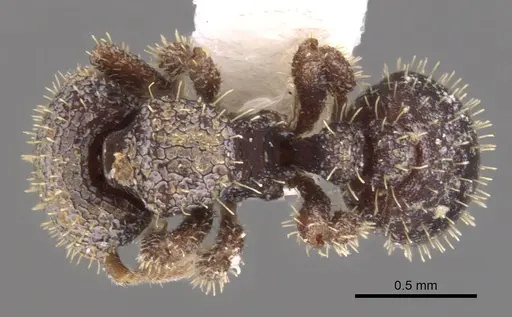
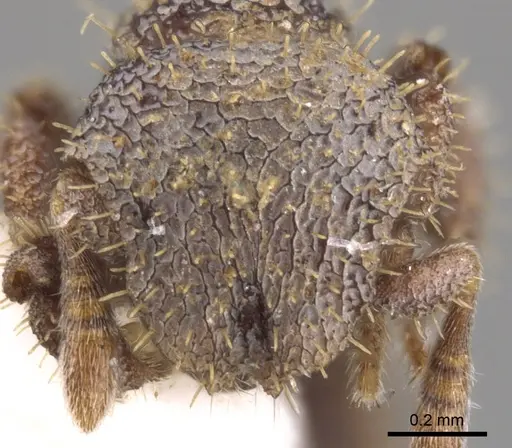
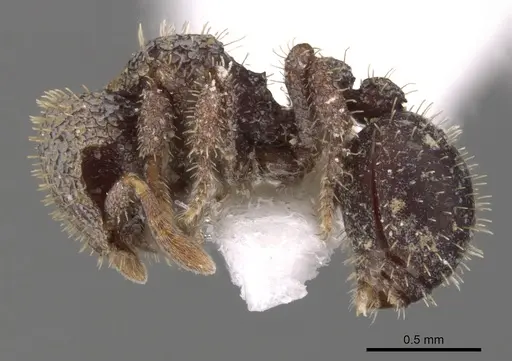
Literature
Loading...Loading products...