

Calyptomyrmex ryderae
- Scientific Name
- Calyptomyrmex ryderae
- Tribe
- Crematogastrini
- Subfamily
- Myrmicinae
- Author
- Shattuck, 2011
- Distribution
- Found in 2 countries
Calyptomyrmex ryderae Overview
Calyptomyrmex ryderae is an ant species of the genus Calyptomyrmex. It is primarily documented in 2 countries , including Brunei Darussalam, Malaysia. Detailed taxonomic data and occurrence records can be further explored via authoritative databases such as AntWeb or the Global Biodiversity Information Facility (GBIF).
Calyptomyrmex ryderae
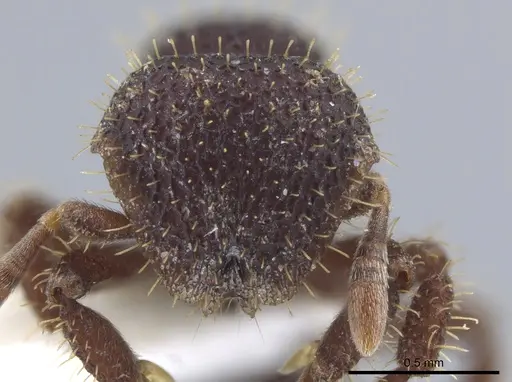
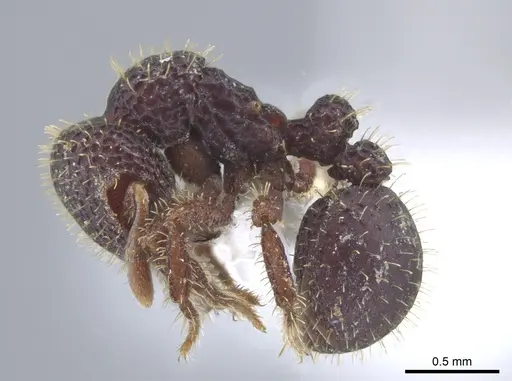
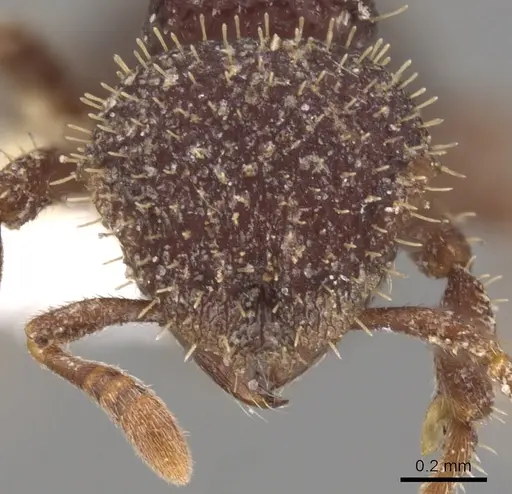
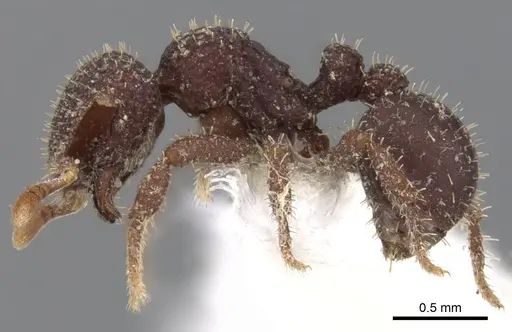
Calyptomyrmex ryderae is an exceptionally tiny rainforest ant species from the lowland forests of Sarawak, Borneo. Workers measure just 0.89-1.01mm in head width, making them one of the smaller ant species you'll encounter in the hobby [1]. They have a distinctive red-brown coloration with lighter antennae and legs, and their body is covered in thin hairs that help them retain a layer of camouflaging soil, a clever natural defense that makes them nearly invisible in their leaf litter habitat [2]. The propodeum lacks spines entirely, giving them a smooth, rounded appearance, and their petiolar node is noticeably wider than long [1].
This species was only described in 2011 and remains one of the rarest ants in cultivation, known only from a handful of collections in Gunong Mulu National Park [1]. They live in the warm, humid understory of Borneo's rainforests, nesting in rotten wood or directly in soil, and forage singly or in small numbers through the leaf litter [2]. Their cryptic lifestyle and tiny size make them a challenging but fascinating species for experienced antkeepers who can provide stable tropical conditions.
Quick Summary
- Difficulty: Expert
- Origin & Habitat: Lowland rainforest of Sarawak, Borneo, Malaysia. Found in Gunong Mulu National Park in leaf litter and soil samples from alluvial forest areas [1][3][4].
- Colony Type: Colony structure is unconfirmed. Based on related Calyptomyrmex species and typical Myrmicinae patterns, likely single-queen colonies. No ergatoid replacement reproductives have been documented.
- Size & Growth:
- Queen: Unknown, not yet described in scientific literature. Estimated 3-4mm based on genus patterns for tiny leaf litter ants.
- Worker: 0.89-1.01mm head width [1]. Total body length approximately 2-3mm.
- Colony: Unknown, only a handful of workers have ever been collected. Likely small colonies of under 100 workers based on similar leaf litter ants.
- Growth: Unknown, likely slow given tiny colony sizes and cryptic rainforest lifestyle.
- Development: Unconfirmed. Estimated 6-10 weeks based on typical Myrmicinae development in tropical conditions. (No direct development data exists for this species. Estimates based on genus-level patterns for small tropical Myrmicinae.)
- Antkeeping:
- Temperature: Keep at 24-28°C. These are lowland rainforest ants requiring warm, stable temperatures year-round. A heating cable on one side of the nest creates a suitable gradient [1].
- Humidity: Keep high, aim for 70-85% humidity. Their natural habitat is the humid understory of Borneo's rainforests. Use moist substrate and ensure good hydration without waterlogging [2].
- Diapause: No diapause required. As a tropical species from equatorial Borneo, they need consistent warmth year-round [1].
- Nesting: Provide a naturalistic setup with moist substrate. They nest in rotten wood or soil in the wild, so a test tube setup with damp cotton or a small acrylic nest with moist chambers works well. The nest should have tight chambers scaled to their tiny size, avoid large, open spaces [2].
- Behavior: These ants are extremely cryptic and shy. They forage singly or in very small numbers through leaf litter, making them difficult to observe [2]. They are not aggressive and have no meaningful sting, they rely on camouflage and staying hidden rather than confrontation. Escape prevention is critical due to their tiny size, even the smallest gaps in your setup will allow them to escape. Use fine mesh barriers and ensure all connections are sealed. They are slow-moving and spend most of their time in the nest or immediately surrounding area.
- Common Issues: escape prevention is critical, they are tiny enough to squeeze through standard mesh, high humidity requirements can lead to mold if ventilation is poor, slow growth and cryptic behavior make it difficult to assess colony health, wild-caught colonies may be stressed from collection and transport, limited availability means established colonies are extremely rare in the hobby
Housing and Nest Setup
Calyptomyrmex ryderae requires a setup that recreates the humid leaf litter environment of Borneo's rainforests. A test tube setup works well for founding colonies, use a small test tube with a water reservoir separated by a cotton plug, keeping the cotton consistently moist but not flooded. For established colonies, a small acrylic nest or naturalistic setup with multiple connected chambers works better. The key is keeping the nest material consistently damp while avoiding standing water. Because they are so tiny, use tight-fitting lids and fine mesh (at least 0.5mm or smaller) on all ventilation holes. A layer of moist substrate in the outworld helps maintain humidity during feeding times. Avoid using large, open spaces in the nest, these ants feel secure in tight, snug chambers that match their minute size. [2][1]
Feeding and Diet
In the wild, Calyptomyrmex species are generalists that forage for small arthropods and likely tend aphids or collect honeydew in the leaf litter layer [2]. In captivity, offer tiny prey items like fruit flies, pinhead crickets, and small mealworms. Due to their minute size, prey should be appropriately scaled, even small fruit flies may need to be cut into pieces. Sugar water or honey water can be offered occasionally, but acceptance is uncertain for this specific species. Feed small amounts every 2-3 days and remove any uneaten prey within 24 hours to prevent mold. Given their cryptic foraging behavior, they may be shy about taking food in open spaces, consider offering prey directly near the nest entrance or in a shallow dish.
Temperature and Humidity Control
As lowland rainforest ants from equatorial Borneo, Calyptomyrmex ryderae needs warm, humid conditions year-round. Maintain temperatures between 24-28°C with minimal fluctuation, sudden drops below 20°C can be harmful. A small heating cable placed on one side of the nest creates a gentle temperature gradient that allows the ants to regulate their position. Humidity should stay high at 70-85%. This is best achieved by keeping the nest substrate consistently moist (damp to the touch, not dripping) and using a water reservoir in the outworld. Good ventilation is essential to prevent mold, but avoid placing the nest in direct airflow that could dry it out. A layer of moist leaf litter in the outworld helps maintain appropriate humidity and provides enrichment. [1][2][3]
Behavior and Observation
This is not an ant species for keepers who want active, visible colonies. Calyptomyrmex ryderae is extremely cryptic, workers forage singly or in very small groups through leaf litter, and they spend most of their time hidden in the nest [2]. They are not aggressive and have no meaningful defense against keepers. Their most interesting behavior is the soil-camouflaging trait: workers have enlarged, often spatulate hairs that help them retain a layer of dirt, making them nearly invisible when foraging [2]. This means your colony may seem to disappear into the substrate, don't be alarmed, they're just wellcamouflaged. Observation is best done with a magnifying glass or macro lens, as their tiny size makes them difficult to see with the naked eye. Be patient with this species, they are slow-moving and may take time to establish.
Acquiring and Establishing Colonies
Calyptomyrmex ryderae is extremely rare in the antkeeping hobby. This species was only described in 2011 and has rarely been collected in the wild [1]. Most scientific specimens come from leaf litter samples taken in Gunong Mulu National Park, Sarawak. If you obtain a colony, it will likely be a small wild-caught colony. Acclimate new colonies slowly to captive conditions, keep them in a dark, quiet location for the first week and minimize disturbances. Their small size and cryptic nature mean you may not see much activity initially. Do not attempt to combine unrelated queens, this has not been studied and is not recommended. Focus on providing stable, humid, warm conditions and be patient during the establishment phase.
Frequently Asked Questions
How long does it take for Calyptomyrmex ryderae to produce first workers?
The egg-to-worker timeline is unconfirmed for this species. Based on typical Myrmicinae development in tropical conditions, expect 6-10 weeks from egg to first worker at optimal temperature (24-28°C). However, this is an estimate, no specific development data exists for C. ryderae.
Can I keep multiple queens together?
Not recommended. The colony structure of this species is unconfirmed, and combining unrelated queens has not been documented. Based on typical Myrmicinae patterns, they likely form single-queen colonies. Keep only one queen per setup.
Do Calyptomyrmex ryderae ants sting?
They likely have a stinger like all Myrmicinae, but it is far too small to penetrate human skin. These ants rely on camouflage rather than chemical defense. They are completely harmless to keepers.
What size enclosure do I need for Calyptomyrmex ryderae?
Because they are tiny and form small colonies, a small setup is appropriate. A test tube for founding colonies or a small acrylic nest (roughly 5-10cm) for established colonies works well. They do not need large spaces, tight, snug chambers help them feel secure.
Are Calyptomyrmex ryderae good for beginners?
No. This is an expert-level species due to their tiny size, specific humidity requirements, and the difficulty of establishing wild-caught colonies. They are also extremely rare in the hobby. Beginners should start with more established species like Lasius, Messor, or Camponotus.
Do they need hibernation?
No. As tropical ants from equatorial Borneo, they do not require a diapause period. Keep them warm year-round with consistent temperatures between 24-28°C.
Why can't I see my ants?
This is normal behavior. Calyptomyrmex ryderae is extremely cryptic, they forage singly or in very small numbers and spend most of their time hidden in the nest [2]. Additionally, workers have a camouflage layer of soil on their bodies that makes them nearly invisible in substrate. Use a magnifying glass for observation and be patient.
What do they eat in captivity?
Offer small arthropod prey like fruit flies, pinhead crickets, and tiny mealworms. Cut prey to appropriate size for their minute mouthparts. Sugar water or honey water may be accepted occasionally. Remove uneaten prey within 24 hours to prevent mold.
How big do colonies get?
Unknown, but likely small. Only a handful of workers have ever been collected in the wild. Based on similar leaf litter ants, colonies probably reach under 100 workers. They are not a species that produces large, impressive colonies.
Where does Calyptomyrmex ryderae come from?
They are native to the lowland rainforests of Sarawak, Borneo, Malaysia. Specifically found in Gunong Mulu National Park. This is one of the most rarely collected ant species in the world, known from only a handful of specimens.
References

This caresheet is licensed under CC BY-SA 4.0 .
CASENT0634902
View on AntWeb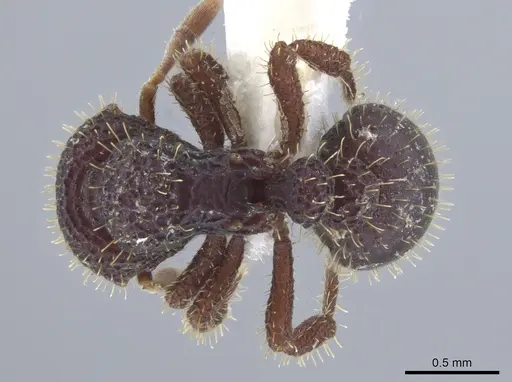
CASENT0900998
View on AntWeb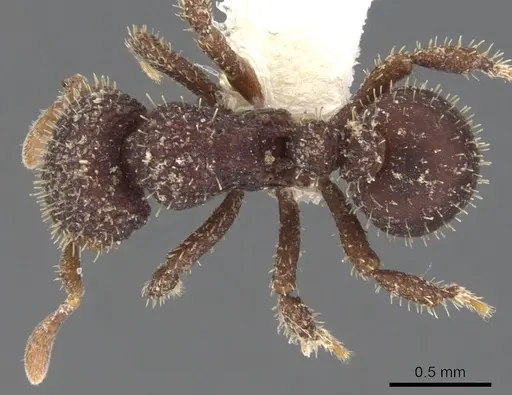
Literature
Loading...Loading products...