

Calyptomyrmex rennefer
- Scientific Name
- Calyptomyrmex rennefer
- Tribe
- Crematogastrini
- Subfamily
- Myrmicinae
- Author
- Bolton, 1981
- Distribution
- Found in 1 countries
Calyptomyrmex rennefer Overview
Calyptomyrmex rennefer is an ant species of the genus Calyptomyrmex. It is primarily documented in 1 countries , including Congo, Democratic Republic of the. Detailed taxonomic data and occurrence records can be further explored via authoritative databases such as AntWeb or the Global Biodiversity Information Facility (GBIF).
Calyptomyrmex rennefer
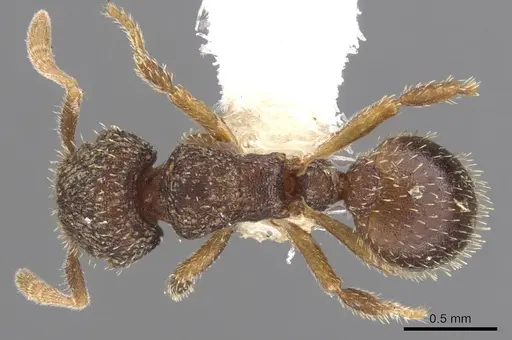
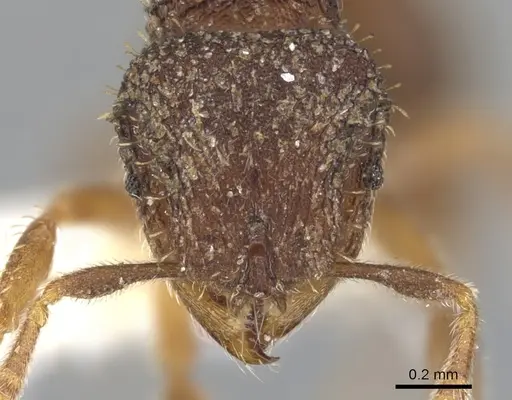
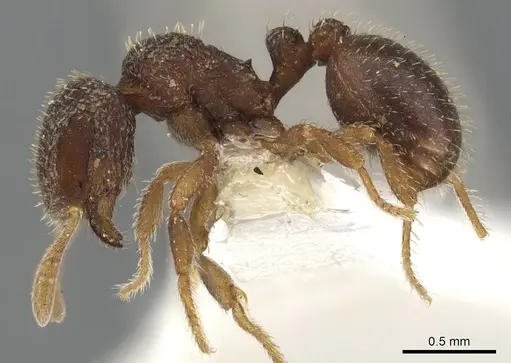
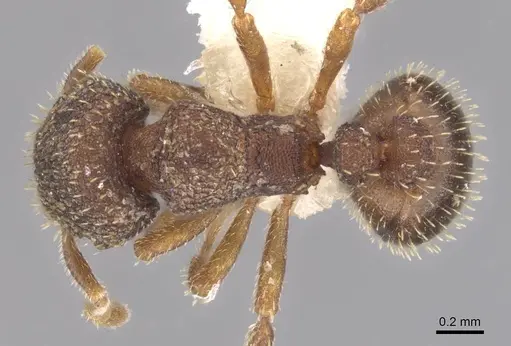
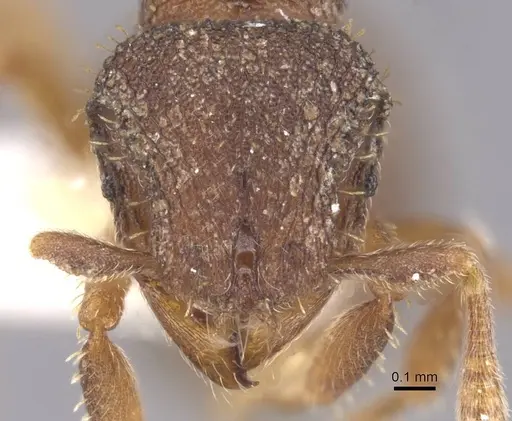
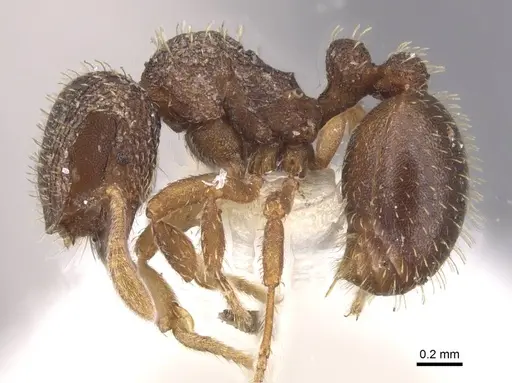
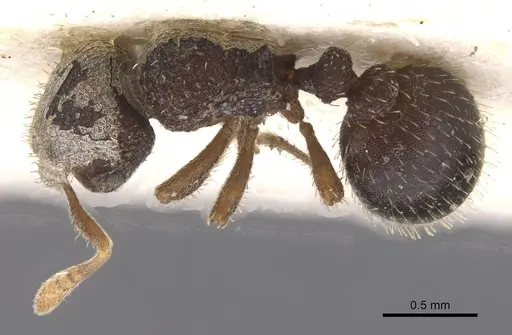
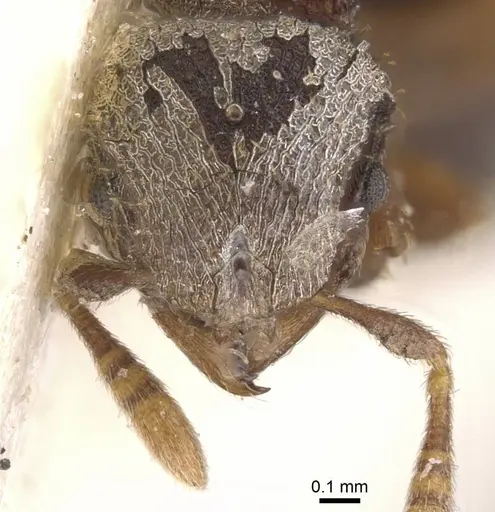
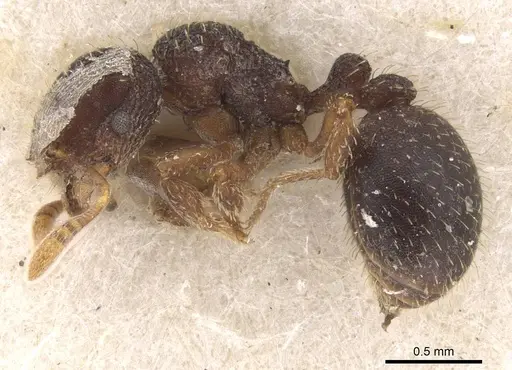
Calyptomyrmex rennefer is a tiny, cryptic myrmicine ant native to the mountain forests of Central Africa. Workers are small and inconspicuous, typically under 4mm, with a compact body adapted for life in leaf litter and soil microhabitats. The species was described by Barry Bolton in 1981 from specimens collected in the Kivu region of the Democratic Republic of Congo at elevations between 1780-2350m. A notable trait of this species is the presence of ergatoid (wingless) queens, which serve as replacement reproductives if the primary queen dies, this is a clever adaptation for small colony survival in stable environments. Calyptomyrmex ants are rarely kept in captivity and remain poorly studied in the hobby, making them a true challenge for advanced antkeepers interested in rare species [1][2][3].
Quick Summary
- Difficulty: Expert
- Origin & Habitat: Democratic Republic of Congo and Rwanda in Central Africa. This species lives in high-elevation mountain forests at 1800-2350m, where conditions are cool and consistently damp. They nest in leaf litter and soil, typically found through berlese extraction of forest floor debris [1][2][3].
- Colony Type: Likely monogyne (single queen) with ergatoid replacement reproductives documented. The original description notes an ergatoid queen, suggesting the colony maintains wingless replacement reproductives rather than relying solely on winged queens for colony reproduction [3].
- Colony: Monogyne
- Size & Growth:
- Queen: Estimated 4-5mm based on genus patterns, specific measurements not available
- Worker: Estimated 2-3mm based on genus patterns for small Calyptomyrmex species
- Colony: Likely small, probably under 100 workers based on typical litter-nesting Myrmicinae patterns
- Growth: Unknown, likely slow given limited data and small colony size
- Development: Estimated 8-12 weeks based on typical Myrmicinae development at 22-24°C (No specific data exists for this species, estimates based on genus-level patterns for small tropical litter ants. Expect slower development than faster-growing Myrmicinae like Pheidole.)
- Antkeeping:
- Temperature: Keep around 20-24°C. The high-elevation mountain forest origin suggests they prefer cooler conditions than typical tropical ants. A gentle gradient allowing workers to self-regulate is ideal. Room temperature (20-22°C) is likely suitable without additional heating.
- Humidity: High humidity required, think damp forest floor. Keep the nest substrate consistently moist but not waterlogged. Provide a water reservoir and ensure some condensation is visible. The mountain forest habitat stays consistently damp year-round.
- Diapause: Likely no true diapause, the equatorial mountain habitat has minimal seasonal temperature variation. However, slight slowdowns during cooler periods may occur.
- Nesting: Small, compact chambers work best. Given their tiny size and leaf-litter habits, a Y-tong (AAC) nest with tight chambers or a small plaster/naturalistic setup with fine substrate works well. They do best with significant cover and darkness, exposed nests may cause stress.
- Behavior: Extremely cryptic and reclusive. These ants spend most of their time hidden in the nest or moving through leaf litter. They are not aggressive and unlikely to sting, their defense is hiding rather than fighting. Escape risk is significant given their tiny size, fine mesh barriers are essential. Foraging is likely slow and deliberate, searching for minute prey and honeydew in the substrate.
- Common Issues: tiny size makes escape prevention critical, they can squeeze through standard mesh, no captive breeding data exists, wild colonies may have high mortality, slow growth tests keeper patience and may lead to overfeeding attempts, difficulty obtaining this species, rarely available in the ant trade, high humidity needs can lead to mold if ventilation is inadequate
Housing and Nest Setup
Calyptomyrmex rennefer requires careful attention to scale and humidity. Because they are tiny litter-dwelling ants, standard formicarium chambers are far too large. Use a Y-tong (AAC) nest with the smallest available chambers, or create a custom setup with tight passages no wider than 3-4mm. Plaster nests work well for maintaining humidity, but must be kept consistently moist. Test tube setups are possible but require careful water management, use small water reservoirs to prevent flooding and monitor for mold. The nest should be kept in complete darkness or with minimal light exposure, as these cryptic ants stress easily under bright conditions. Provide an outworld scaled to their tiny size, a small container with leaf litter, small stones, and a sugar water station works well. [3]
Feeding and Diet
The natural diet of Calyptomyrmex species consists of small arthropods, honeydew, and likely minute insects found in leaf litter. In captivity, offer small live prey such as springtails, fruit flies, and other tiny arthropods. Sugar water or honey should be offered occasionally, though acceptance may be limited, these are not typically strong foragers on sugary liquids. Protein is essential for brood development. Feed small prey items 2-3 times per week, adjusting based on colony size and consumption. Remove uneaten prey promptly to prevent mold. Given the lack of captive data, be prepared to experiment with different small prey types.
Temperature and Seasonal Care
Based on the high-elevation mountain forest habitat, keep temperatures in the 20-24°C range, cooler than most tropical ant species. Room temperature is often ideal. Avoid temperatures above 26°C, as this species is not adapted to hot conditions. No true diapause is expected given the equatorial location, but slight reductions in activity during cooler periods may occur. Monitor colony behavior, if workers become sluggish and cluster together, the temperature may be too low. Heating should only be applied very gently if needed, and always with a gradient so ants can move to cooler areas. [1]
Behavior and Temperament
This is an extremely cryptic species that avoids attention. Workers are slow-moving and spend most of their time within the nest or moving carefully through substrate. They are not defensive and will not readily sting, their survival strategy is concealment rather than confrontation. The presence of ergatoid (wingless) queens means colony reproduction may occur without dramatic nuptial flights. Colonies are likely small and slow-growing, with workers living several months. Expect minimal visible activity compared to more common ant species. Patience is essential, these ants will not display the dramatic foraging swarms seen in species like Formica or Camponotus. [3]
Acquisition and Ethical Considerations
Calyptomyrmex rennefer is extremely rare in the antkeeping hobby and has never been documented in captive breeding. Wild-caught colonies represent essentially all specimens that might become available, and collection from the remote mountain forests of Central Africa raises significant ethical concerns. If available at all, they would likely command very high prices and require exceptional care. Before attempting to keep this species, consider whether your setup can provide the specific conditions they need for what may be a short lifespan in captivity. Supporting conservation efforts and focusing on more established species in the hobby is generally advisable unless you have specific research interests and appropriate facilities.
Frequently Asked Questions
Is Calyptomyrmex rennefer suitable for beginners?
No. This species is absolutely not suitable for beginners. There is virtually no captive care data available, they require specific high-humidity and cool-temperature conditions, their tiny size makes them prone to escape, and they are likely extremely difficult to maintain long-term. Only expert antkeepers with experience in sensitive micro-ant species should consider this species.
How long does it take for Calyptomyrmex rennefer to produce first workers?
The exact timeline is unknown. Based on typical development for small Myrmicinae litter ants, expect 8-12 weeks from egg to worker at optimal temperature (around 22°C). Development is likely slower than faster-growing genera like Pheidole. Do not expect rapid results, patience is essential.
What do Calyptomyrmex rennefer ants eat?
They likely eat small live prey (springtails, tiny insects) and probably honeydew in nature. In captivity, offer small live prey items and occasional sugar water. Protein is essential for brood development. Acceptances of foods is completely unconfirmed, be prepared to experiment.
Do Calyptomyrmex rennefer ants sting?
Given their tiny size and cryptic nature, any sting would be negligible to nonexistent. These ants rely on hiding rather than defending. They are not considered dangerous to humans.
What temperature do Calyptomyrmex rennefer ants need?
Keep them cool compared to most ants, around 20-24°C. The high-elevation mountain forest origin means they prefer conditions much cooler than typical tropical species. Room temperature is often ideal. Avoid overheating.
How big do Calyptomyrmex rennefer colonies get?
Based on genus patterns for small litter-dwelling ants, colonies likely remain small, probably under 100 workers even at maturity. This is not a species that produces massive colonies.
Can I keep multiple Calyptomyrmex rennefer queens together?
This has not been studied. Based on the ergatoid queen description, colonies likely have a single reproductive queen with wingless replacement reproductives available. Combining unrelated foundresses is not recommended given the lack of data.
Why is Calyptomyrmex rennefer so difficult to keep?
Multiple factors make this an expert-only species: virtually no captive care data exists, they require specific high-humidity mountain forest conditions, their tiny size creates escape risks, they are extremely rare in the trade, and wild colonies may not survive transfer to captivity. This is a species for serious researchers, not casual hobbyists.
Do Calyptomyrmex rennefer ants need hibernation?
No. The equatorial mountain habitat has minimal seasonal temperature variation, so no true diapause is expected. Slight slowdowns during cooler periods may occur naturally, but deliberate hibernation is not necessary or recommended.
What is an ergatoid queen?
An ergatoid queen is a wingless, permanently grounded queen that develops from a regular larva but does not grow wings. She can mate within the nest and serve as a replacement reproductive if the primary queen dies. The description of Calyptomyrmex rennefer notes an ergatoid queen, which is a notable trait for this species.
References

This caresheet is licensed under CC BY-SA 4.0 .
Literature
Loading...Loading products...