

Calyptomyrmex rectopilosus
- Scientific Name
- Calyptomyrmex rectopilosus
- Tribe
- Crematogastrini
- Subfamily
- Myrmicinae
- Author
- Dlussky & Radchenko, 1990
- Distribution
- Found in 3 countries
Calyptomyrmex rectopilosus Overview
Calyptomyrmex rectopilosus is an ant species of the genus Calyptomyrmex. It is primarily documented in 3 countries , including China, Hong Kong, Viet Nam. Detailed taxonomic data and occurrence records can be further explored via authoritative databases such as AntWeb or the Global Biodiversity Information Facility (GBIF).
Calyptomyrmex rectopilosus
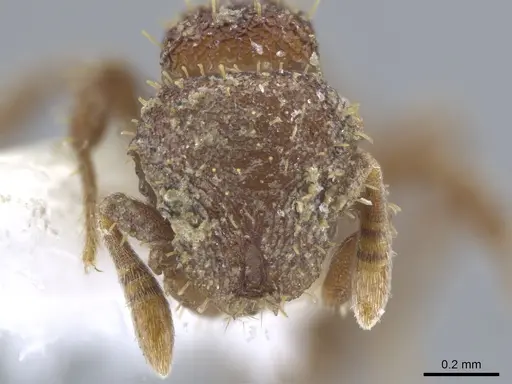
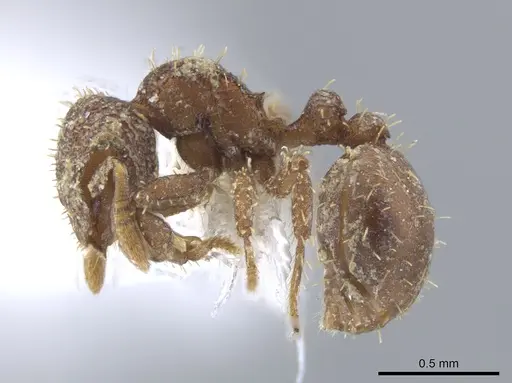
Calyptomyrmex rectopilosus is a tiny myrmicine ant native to Southeast Asia, one of only two Calyptomyrmex species known from the mainland region. Workers measure just 0.63-0.76mm in head length, making them among the smallest ants you can keep. They have a distinctive yellow-red coloration with a slightly darker gaster, fine blunt body hairs, and small eyes with only 2-3 ommatidia. Their most remarkable trait is their specialized diet, they are obligate predators on arthropod eggs, particularly ant cricket eggs, and will reject other typical ant foods like mealworms and spiders [1][2][3].
This species nests in rotting twigs and wood fragments on the floor of well-developed forests. Colonies remain small, typically containing just a few dozen workers. They forages singly or in small numbers in rainforest leaf litter [2][4]. The combination of their specialized diet, tiny size, and small colony size makes them a challenging but fascinating species for experienced antkeepers.
Quick Summary
- Difficulty: Expert
- Origin & Habitat: Southeast Asia, found in Vietnam (type locality: Baitylong Archipelago), Cambodia, Thailand, Hong Kong, and Hainan Province, China. Inhabits lowland forests at elevations 78-570m, including primary forests, disturbed forests, and rubber plantations [1][2][5][6].
- Colony Type: Single-queen colonies (monogyne). Colonies are small, typically containing just a few dozen workers [4].
- Colony: Monogyne
- Size & Growth:
- Queen: Unconfirmed, queen size has not been documented in available literature
- Worker: 0.63-0.76mm head length (HL),0.56-0.66mm head width (HW) [1]
- Colony: Dozens of workers, maximum observed around 36 workers in one colony [4][3]
- Growth: Slow, small colony size and specialized diet suggest slow development
- Development: Unconfirmed, no direct development data available (Development timeline has not been studied. Given their specialized diet and small colony size, expect development to be slow. Related Calyptomyrmex species may provide rough estimates but no reliable data exists.)
- Antkeeping:
- Temperature: Keep at room temperature, roughly 22-26°C. This species comes from tropical/subtropical lowland forests in Southeast Asia, so they prefer warm, stable conditions. A gentle heat gradient allows them to choose their preferred temperature [5].
- Humidity: High humidity is essential. In nature they live in rotting wood on the forest floor in well-developed forests, think damp, humid leaf litter. Keep nest substrate consistently moist but not waterlogged. Provide a water tube as a moisture source [2][4].
- Diapause: Unknown, no data on overwintering requirements. Given their tropical/subtropical distribution (Vietnam, Thailand, Cambodia), they likely do not require a true diapause. Room temperature maintenance year-round is probably appropriate.
- Nesting: In nature they nest in rotting twigs and small wood fragments on the forest floor. In captivity, they do well in small naturalistic setups with rotting wood pieces or a Y-tong/plaster nest with very small chambers scaled to their tiny size. The key is providing small, humid spaces that mimic their natural nesting in rotten wood fragments [2][4].
- Behavior: These ants are very docile and non-aggressive. Workers forages singly or in small numbers through leaf litter. They are not known to sting and pose no danger to keepers. Their tiny size (under 1mm) means escape prevention is critical, they can squeeze through the tiniest gaps. The most notable behavior is their specialized egg predation, workers hunt specifically for arthropod eggs and will ignore other prey items [3]. Workers covered with a layer of soil, with enlarged hairs that help them blend into their surroundings [7].
- Common Issues: specialized diet makes them difficult to feed, they may refuse standard ant foods, tiny size means escapes are likely without fine mesh barriers, small colony size makes them vulnerable to stress and disturbance, wild-caught colonies may have parasites that kill them in captivity, slow growth tests keeper patience, colonies remain small
Housing and Nest Setup
Calyptomyrmex rectopilosus requires very small-scale housing due to their tiny size. In the wild, they nest in rotting twigs and small wood fragments on the forest floor, so mimic this with a naturalistic setup using small pieces of rotting wood or a Y-tong/plaster nest with chambers scaled to their minute size. The chambers should be tiny, just a few millimeters across. Use a hydration system that keeps the nest consistently humid without flooding. A test tube setup with a small cotton barrier and water reservoir can work for founding colonies, but they may need to be moved to more naturalistic housing as the colony grows. Regardless of setup, ensure excellent escape prevention, these ants are tiny enough to slip through standard barrier setups [2][4].
Feeding and Diet - Critical
This is the most important aspect of keeping Calyptomyrmex rectopilosus. Research shows they are SPECIALIZED PREDATORS ON ARTHROPOD EGGS. In a controlled study, workers accepted ONLY eggs of ant cricket Myrmecophilus quadrispinus and rejected adult spiders, small mealworms, and termite nymphs [3]. This means standard ant foods like mealworms, fruit flies, and sugar water may be completely refused. Your primary food source should be arthropod eggs, ideally ant cricket eggs if you can obtain them, but you may need to experiment with other small eggs. The specialized diet is likely why this species is rarely kept, they simply won't eat typical ant prey. This is not a beginner-friendly species precisely because of this dietary requirement [3].
Temperature and Care
Keep these ants warm, around 22-26°C. They come from lowland tropical and subtropical forests in Vietnam, Thailand, and Cambodia where temperatures are consistently warm year-round. A gentle temperature gradient allows the colony to self-regulate. Room temperature is often sufficient if your home stays in this range. Avoid temperature drops below 20°C. They do not appear to require a diapause period given their tropical distribution, so maintain consistent temperatures year-round. The key is stability, sudden temperature changes can stress these small colonies [5].
Humidity Requirements
High humidity is essential for this species. In nature they live in rotting wood on the forest floor in well-developed rainforest habitats, environments that stay consistently damp. Keep the nest substrate or setup moist but never waterlogged. The substrate should feel damp to the touch. You can provide a water tube connected to the nest to maintain humidity through evaporation. Monitor for mold growth, which can be fatal to small colonies. Adequate ventilation helps prevent both excessive drying and mold problems, but avoid strong airflow that dries them out [2][4].
Behavior and Temperament
Calyptomyrmex rectopilosus is a docile, non-aggressive species. Workers forage singly or in small numbers through leaf litter, searching for eggs. They are not known to sting and pose no danger to keepers. One fascinating behavioral adaptation is that workers often cover themselves with a layer of soil, using their enlarged hairs to camoflauge themselves in their environment [7]. This makes them excellent at hiding and may explain why they're collected so rarely. They are not escape artists in the traditional sense, but their tiny size means they can slip through gaps that larger ants cannot, excellent barrier maintenance is essential.
Frequently Asked Questions
What do Calyptomyrmex rectopilosus eat?
They are specialized egg predators. Research shows they only accept arthropod eggs (specifically ant cricket eggs) and will reject typical ant foods like mealworms, spiders, and termites. You will need to source arthropod eggs to keep this species successfully [3].
How big do Calyptomyrmex rectopilosus colonies get?
Colonies remain small, typically just a few dozen workers even at maturity. The largest observed colony had around 36 workers [4][3].
Are Calyptomyrmex rectopilosus good for beginners?
No. This is an expert-level species due to their specialized diet (they require arthropod eggs, not standard ant food), tiny size (escape prevention is critical), and small colony size (vulnerable to stress). They are also rarely available in the antkeeping hobby [3].
Do Calyptomyrmex rectopilosus ants sting?
No. They are completely harmless to humans. Their tiny size and docile nature mean they pose no threat [2].
What size are Calyptomyrmex rectopilosus workers?
They are tiny, workers measure just 0.63-0.76mm in head length, making them among the smallest ants kept in captivity [1].
Where is Calyptomyrmex rectopilosus found in the wild?
Southeast Asia, Vietnam (type locality), Cambodia, Thailand, Hong Kong, and Hainan Province, China. They live in lowland forests at elevations 78-570m, nesting in rotting wood fragments on the forest floor [1][5][6].
Can I keep multiple queens together?
Not recommended. This species is monogyne (single-queen colonies). There is no data on combining unrelated queens, and given their small natural colony size, multiple queens would likely fight [4].
Do Calyptomyrmex rectopilosus need hibernation?
Probably not. They come from tropical/subtropical regions (Vietnam, Thailand, Cambodia) where temperatures remain warm year-round. Maintain room temperature (22-26°C) consistently rather than providing a diapause [5].
How long does it take for eggs to develop into workers?
Unknown, no development data exists for this species. Given their specialized diet and small colony size, development is likely slow. This is an area where keeper observation is needed [1].
What nest type works best for Calyptomyrmex rectopilosus?
Small naturalistic setups with rotting wood pieces or a Y-tong/plaster nest with very small chambers. The key is providing tiny, humid spaces that mimic their natural nesting in rotten wood fragments on the forest floor [2][4].
Why are my Calyptomyrmex rectopilosus dying?
Most likely causes: wrong food (they need eggs, not standard ant food), escape through tiny gaps, low humidity, or stress from disturbance. Their specialized requirements make them difficult to keep alive [3].
References

This caresheet is licensed under CC BY-SA 4.0 .
CASENT0651226
View on AntWeb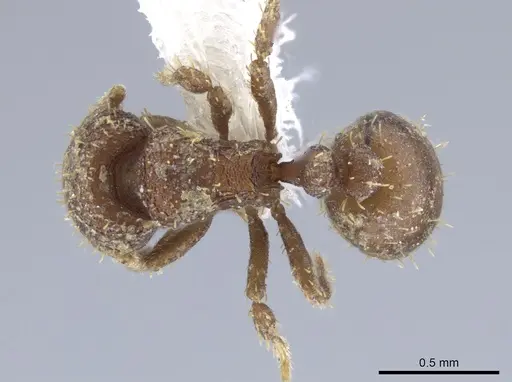
Literature
Loading...Loading products...