

Calyptomyrmex piripilis
- Scientific Name
- Calyptomyrmex piripilis
- Tribe
- Crematogastrini
- Subfamily
- Myrmicinae
- Author
- Santschi, 1923
- Distribution
- Found in 4 countries
Calyptomyrmex piripilis Overview
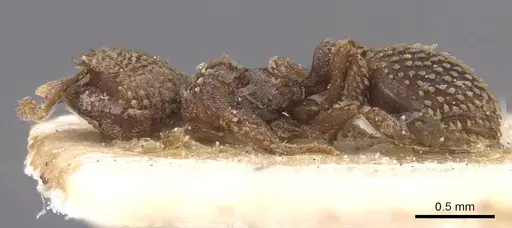
Calyptomyrmex piripilis is an ant species of the genus Calyptomyrmex. It is primarily documented in 4 countries , including Tanzania, United Republic of, Uganda. Detailed taxonomic data and occurrence records can be further explored via authoritative databases such as AntWeb or the Global Biodiversity Information Facility (GBIF).
Calyptomyrmex piripilis
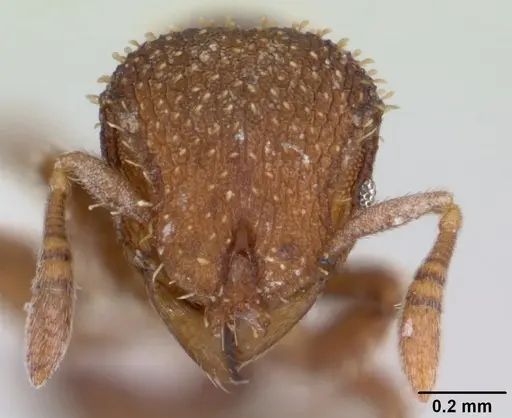
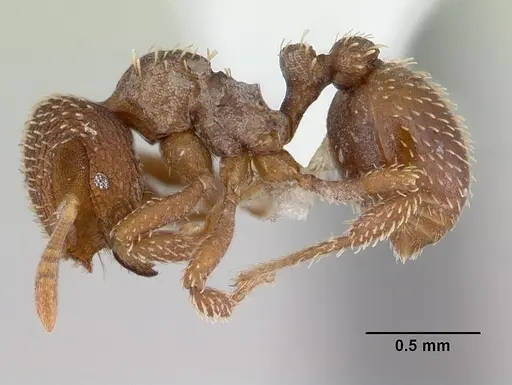
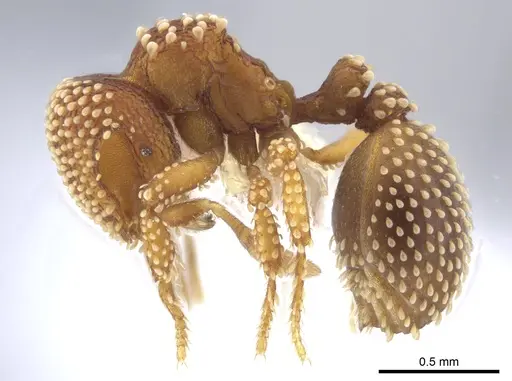
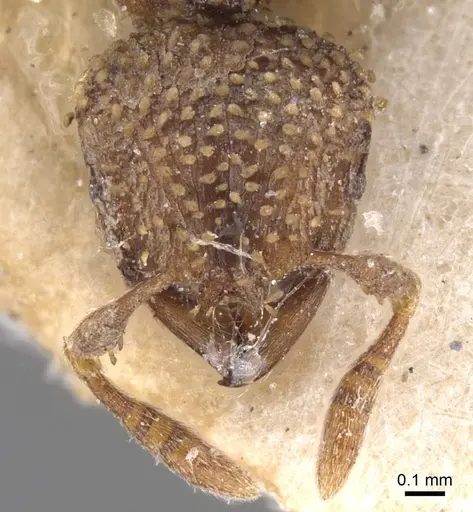
Calyptomyrmex piripilis is a small, cryptic ant species native to the Democratic Republic of Congo. Members of the Calyptomyrmex genus are characterized by their compact body shape, distinctive head morphology, and tendency to nest in dark, humid microhabitats such as leaf litter, under stones, and in rotting wood. These ants are typically slow-moving and secretive, making them challenging to observe in captivity. The genus is known for predatory tendencies, with workers hunting small invertebrates in the forest floor layer. Calyptomyrmex piripilis remains a poorly studied species, with limited scientific documentation on its specific biology and behavior.
Quick Summary
- Difficulty: Medium (estimated based on genus)
- Origin & Habitat: Democratic Republic of Congo, found in multiple provinces (IT, NK, SU, TA) [1]. Based on genus patterns, likely inhabits humid forest floor environments with dark, shaded microhabitats.
- Colony Type: Unconfirmed, colony structure has not been documented for this species. Calyptomyrmex species typically form small to moderate colonies.
- Size & Growth:
- Queen: Unknown, no specific measurements available for this species. Calyptomyrmex queens are generally 4-6mm based on genus patterns.
- Worker: Unknown, no specific measurements available. Workers of related species are typically 2-4mm.
- Colony: Unknown, no colony size data exists for this species.
- Growth: Unknown, no development data available for this species.
- Development: Unknown, no direct measurements exist. Based on similar small Myrmicinae, estimated 6-10 weeks at optimal temperature. (Development timeline is estimated from genus-level patterns, not from direct species observation.)
- Antkeeping:
- Temperature: Likely 22-26°C based on typical Central African forest floor conditions. Provide a gentle thermal gradient and monitor colony activity.
- Humidity: High humidity required, aim for 70-85% relative humidity. Keep nest substrate consistently moist but not waterlogged. These ants prefer dark, damp conditions.
- Diapause: Unknown, no specific research on overwintering requirements. As a Central African species, may not require formal diapause but may show reduced activity during cooler periods.
- Nesting: Based on genus preferences, provide a naturalistic setup with moist substrate, small chambers, and minimal light exposure. Y-tong nests or plaster nests with tight chambers work well. Avoid bright lighting.
- Behavior: Behavior is poorly documented for this species. Based on genus patterns, workers are likely slow-moving, cryptic, and spend most of their time within the nest or in shaded areas. Escape risk is moderate, their small size requires fine mesh barriers but they are not strong climbers. Aggression levels are unknown but likely low to moderate, Calyptomyrmex species are not known for aggressive foraging or colony defense.
- Common Issues: lack of documented care information makes successful husbandry challenging, humidity control is critical, too dry causes colony decline, small size increases escape risk through tiny gaps, slow growth may lead to colony abandonment by impatient keepers, wild-caught colonies may have parasites or disease with no known treatment
Species Overview and Natural History
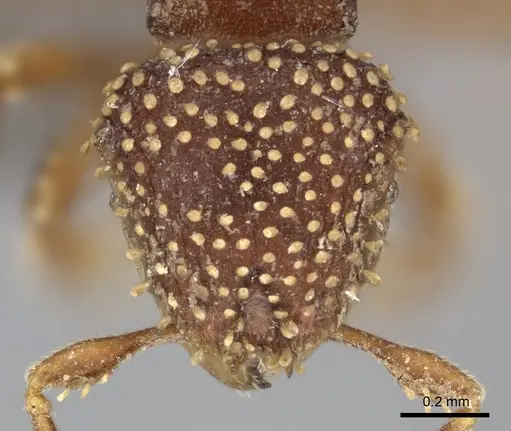
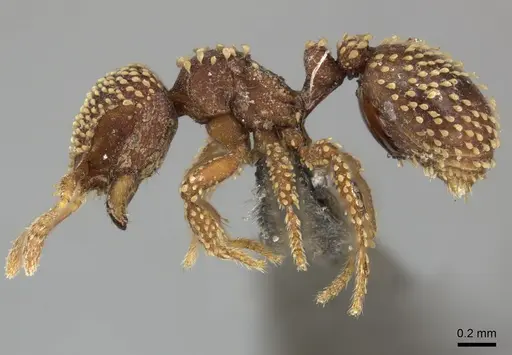
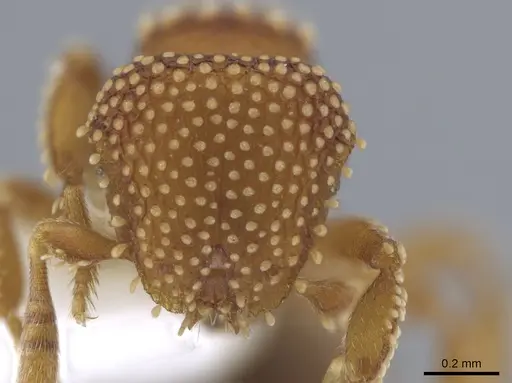
Calyptomyrmex piripilis is a poorly documented ant species from the Democratic Republic of Congo. The species was originally described by Santschi in 1923 and has been recorded in multiple provinces across the country [1]. As with most Calyptomyrmex species, these ants are cryptic inhabitants of forest floor environments, preferring dark, humid microhabitats where they can hunt small prey and tend to their brood away from light. The genus Calyptomyrmex is characterized by workers with distinctive morphological features including a broad, flattened body and specialized head structure. These ants are not commonly kept in captivity and there is limited scientific literature on their specific biology, behavior, and colony structure.
Housing and Nesting Requirements
Based on genus-level knowledge, Calyptomyrmex piripilis would likely thrive in a naturalistic setup that mimics their natural forest floor habitat. Provide a nest with small, tight chambers scaled to their body size. Plaster nests or Y-tong (acrylic) nests work well for small Myrmicinae. The nest should have a water reservoir to maintain humidity without flooding. Keep the nest in a dimly lit area or provide hides to reduce stress from bright light. The outworld should be small and simple, with minimal vertical space since these ants are not strong climbers. Use a fine mesh barrier (at least 0.5mm) to prevent escapes, as their small size allows them to squeeze through standard gaps.
Feeding and Nutrition
The diet of Calyptomyrmex piripilis has not been specifically documented, but the genus is known to be predatory on small invertebrates. Based on related species, offer small live prey such as springtails, fruit flies, and other micro-arthropods. Protein should be the primary food source. Sugar sources may be accepted occasionally but should not be relied upon. Feed small prey items every 2-3 days, removing any uneaten prey to prevent mold. Always provide a shallow water source for drinking.
Temperature and Environmental Control
As a Central African species from the DRC, Calyptomyrmex piripilis likely prefers warm, stable temperatures in the range of 22-26°C. Avoid temperature extremes and sudden fluctuations. A heating cable on one side of the nest can create a gentle thermal gradient, but ensure the heating element is placed on top of the nest to avoid evaporating moisture. Room temperature within this range is acceptable. Monitor colony behavior, if workers become sluggish or cluster in one area, adjust temperature accordingly. High humidity should be maintained alongside these temperatures.
Challenges and Considerations
This species presents significant challenges for antkeepers due to the lack of documented care information. There are no established husbandry protocols, and much of what keepers must rely on is inference from genus-level patterns. This makes Calyptomyrmex piripilis unsuitable for beginners who need clear, proven care guidelines. Colonies may be difficult to acquire since they are not commonly traded. Wild-caught colonies may carry parasites or pathogens with no known treatment in captive settings. Potential keepers should be prepared for a potentially lengthy trial-and-error process and should document their observations carefully to contribute to the hobby's knowledge of this species.
Frequently Asked Questions
How long does it take for Calyptomyrmex piripilis to develop from egg to worker?
The egg-to-worker timeline is unknown for this species as no developmental studies exist. Based on similar small Myrmicinae, a reasonable estimate is 6-10 weeks at optimal temperature and humidity. However, this is purely an estimate and actual development time may differ.
What do Calyptomyrmex piripilis ants eat?
Based on genus patterns, they are predatory on small invertebrates. Offer live springtails, fruit flies, and other micro-arthropods as primary food. Protein should be the main diet component. Sugar sources may be accepted but are not essential.
Are Calyptomyrmex piripilis good for beginners?
No, this species is not recommended for beginners. There is virtually no documented care information available, making successful husbandry very challenging. Beginners should start with well-documented species like Lasius, Tetramorium, or Messor.
Do Calyptomyrmex piripilis ants sting?
Stinging behavior has not been documented for this species. Most small Myrmicinae have stingers but are too small to penetrate human skin effectively. Handle with care regardless, as individual reactions vary.
What temperature should I keep Calyptomyrmex piripilis at?
Based on their Central African origin, aim for 22-26°C. Provide a gentle thermal gradient and adjust based on colony activity. Avoid temperatures below 20°C or above 30°C.
How big do Calyptomyrmex piripilis colonies get?
Colony size is unknown for this species. Based on genus patterns, colonies are likely small to moderate, potentially reaching a few hundred workers at maximum.
Do Calyptomyrmex piripilis need hibernation?
Diapause requirements are unconfirmed. As a Central African species, they likely do not require formal hibernation but may show reduced activity during cooler periods. Do not force hibernation without evidence.
Can I keep multiple queens together?
Colony structure (monogyne vs polygyne) has not been documented for this species. Do not attempt combining unrelated queens without documented evidence that this is safe.
What humidity level do Calyptomyrmex piripilis need?
High humidity is essential, aim for 70-85% relative humidity. Keep the nest substrate consistently moist but not waterlogged. These ants naturally inhabit damp forest floor environments.
Where can I get Calyptomyrmex piripilis?
This species is not commonly available in the antkeeping hobby. It may occasionally be available from specialized dealers or through connections with researchers working in Central Africa. Wild collection is difficult and may have legal implications.
References

This caresheet is licensed under CC BY-SA 4.0 .
CASENT0178288
View on AntWeb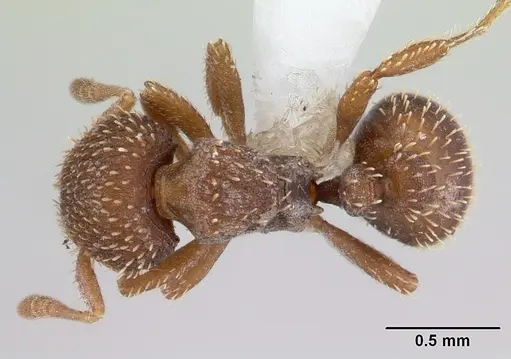
CASENT0235374
View on AntWeb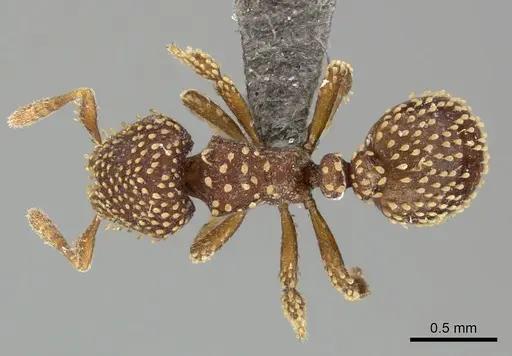
CASENT0629659
View on AntWeb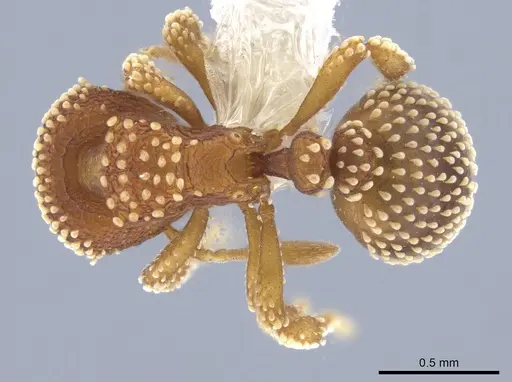
CASENT0923579
View on AntWeb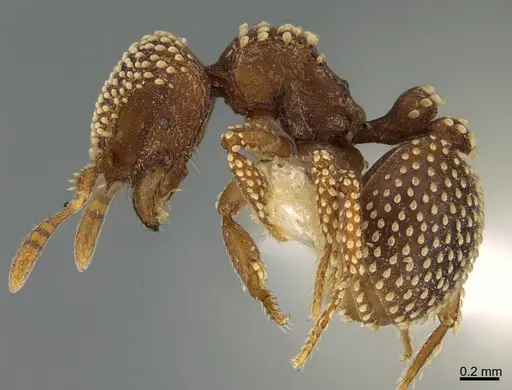
RMCAENT000017778
View on AntWeb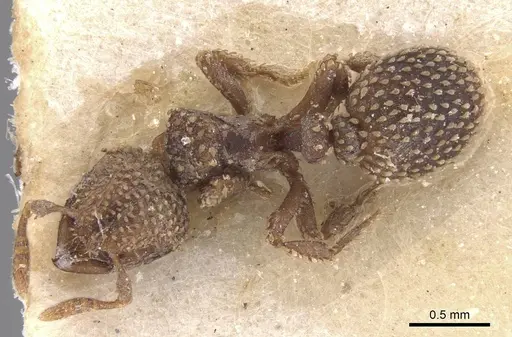
Literature
Loading...Loading products...