

Calyptomyrmex nummuliticus
- Scientific Name
- Calyptomyrmex nummuliticus
- Tribe
- Crematogastrini
- Subfamily
- Myrmicinae
- Author
- Santschi, 1914
- Distribution
- Found in 4 countries
Calyptomyrmex nummuliticus Overview
Calyptomyrmex nummuliticus is an ant species of the genus Calyptomyrmex. It is primarily documented in 4 countries , including Côte d'Ivoire, Cameroon, Ghana. Detailed taxonomic data and occurrence records can be further explored via authoritative databases such as AntWeb or the Global Biodiversity Information Facility (GBIF).
Calyptomyrmex nummuliticus
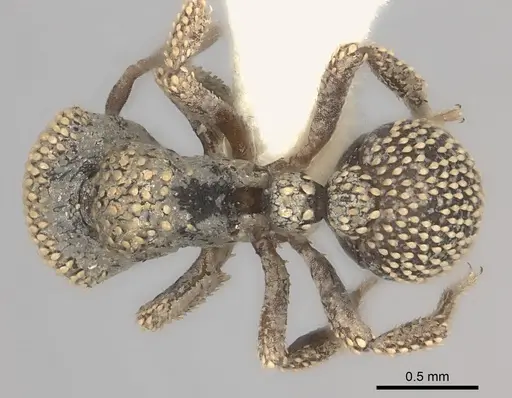
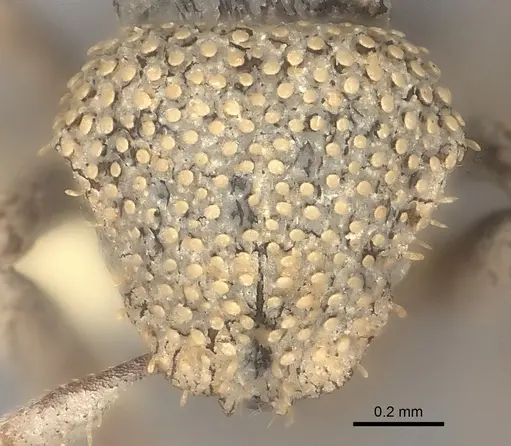
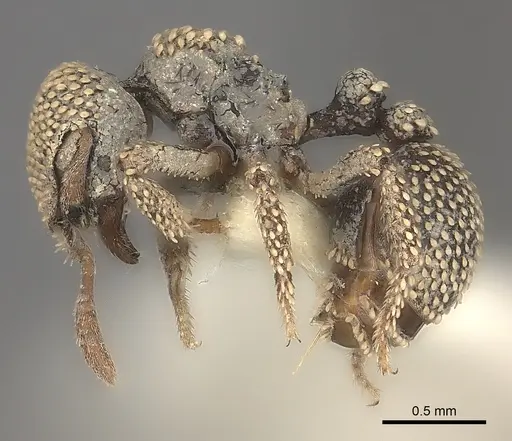
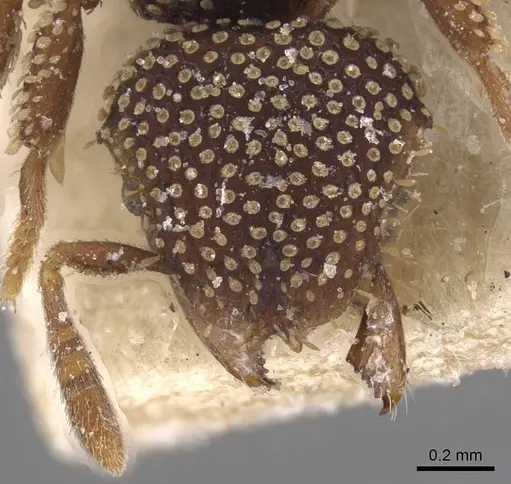
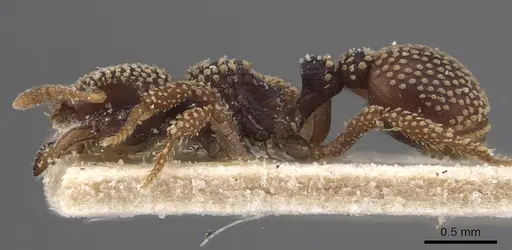
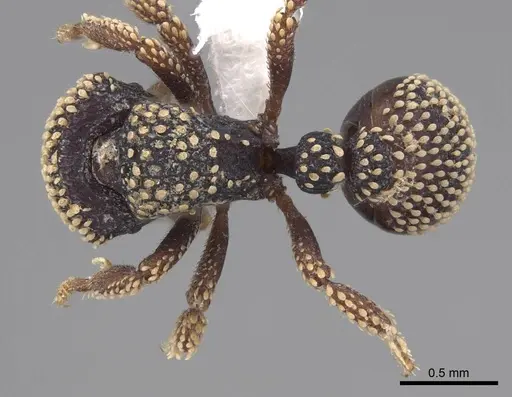
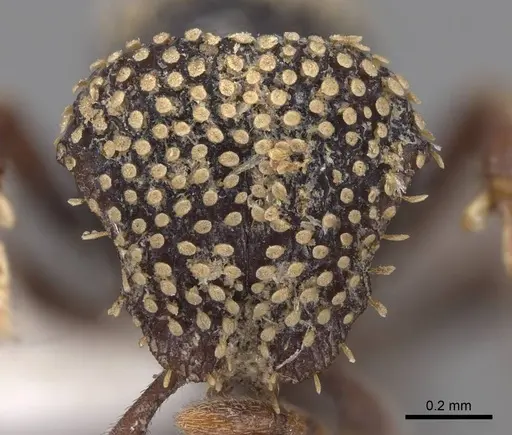
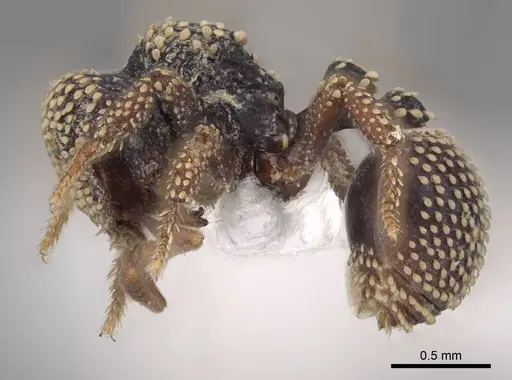
Calyptomyrmex nummuliticus is a small myrmicine ant species native to the tropical forests of West and Central Africa. Workers are modest in size and cryptically colored, blending into leaf litter environments where they foraged. The species was originally described from Cameroon in 1914 and was later recognized as the senior synonym of Calyptomyrmex nummuliticus described from the Democratic Republic of Congo [1].
This is a rarely encountered leaf litter ant that inhabits the forest floor in lowland to mid-elevation tropical areas. They appear to prefer mid-elevation habitats around 800-1000m based on limited survey data from Cameroon [2]. Like many cryptic forest-floor ants, they are not aggressive and likely play a role in the leaf litter ecosystem as omnivorous foragers.
Quick Summary
- Difficulty: Unknown, likely Expert
- Origin & Habitat: Tropical West and Central Africa. Found in Cameroon, Democratic Republic of Congo, Ghana, Ivory Coast, and Nigeria. Inhabits leaf litter in tropical forests, with occurrences documented at elevations between 800-1000m [2][1].
- Colony Type: Colony structure is unconfirmed. Like most Myrmicinae, likely single-queen colonies, but this has not been studied.
- Size & Growth:
- Queen: Undocumented in primary literature, estimated 5-7mm based on genus patterns
- Worker: Undocumented in primary literature, estimated 2-4mm based on genus patterns
- Colony: Unknown, likely small colonies under 500 workers based on typical leaf-litter ant patterns
- Growth: Unknown
- Development: Unconfirmed, estimated 6-10 weeks based on typical Myrmicinae development at tropical temperatures (No direct development data exists for this species. Estimates based on genus-level patterns for tropical Myrmicinae.)
- Antkeeping:
- Temperature: Likely needs warm conditions around 24-28°C based on tropical forest distribution. Provide a gentle thermal gradient allowing workers to self-regulate.
- Humidity: High humidity preferred, these are leaf litter ants from damp tropical forests. Keep nest substrate consistently moist but not waterlogged. Provide humidity around 70-80%.
- Diapause: Unlikely, tropical species from consistent climate. No diapause requirement expected, but colony may slow slightly during cooler periods.
- Nesting: In nature they nest in leaf litter and rotting wood on the forest floor. In captivity, a test tube setup with moist substrate or a small acrylic/plaster nest with tight chambers works well. They prefer tight, humid spaces scaled to their small size.
- Behavior: These are cryptic, non-aggressive ants that forage in leaf litter. Workers are small and likely slow-moving. Escape risk is moderate due to their small size, use standard barriers but no special escape prevention needed beyond normal precautions. They are not known to sting and pose no danger to keepers.
- Common Issues: very limited availability in the antkeeping hobby, this species is rarely collected or traded, lack of published care information means keepers are largely pioneering husbandry methods, small size makes them vulnerable to drying out, maintain humidity carefully, wild-caught colonies may struggle to adapt to captive conditions if collected from stable forest floor microhabitats
Natural History and Distribution
Calyptomyrmex nummuliticus is found across tropical West and Central Africa, with confirmed records from Cameroon, Democratic Republic of Congo, Ghana, Ivory Coast, and Nigeria [1]. The species was originally described by Santschi in 1914 from specimens collected in Cameroon, and the synonym C. reticulatus was later recognized as the same species.
Available survey data from Cameroon shows these ants occur at mid-elevations between 800-1000m, with the highest abundance around 900m elevation [2]. They are leaf litter specialists, living in the damp, decomposing organic material on the tropical forest floor. This microhabitat provides stable humidity, protection from predators, and abundant small prey items like springtails and mites.
Housing and Nesting Preferences
In captivity, these ants should be provided with conditions that mimic their natural leaf litter habitat. A test tube setup with moist cotton or a small acrylic nest with tight chambers works well. The key requirement is maintaining high humidity, these ants are adapted to the consistently damp conditions of the forest floor.
Because they are small and cryptic, they do not need large spaces. Tight chambers scaled to their size help them feel secure. A naturalistic setup with damp leaf litter and small hiding structures can also work, though it makes observation more difficult. Avoid letting the nest dry out, as this would be fatal for these humidity-dependent ants.
Temperature and Humidity Requirements
As a tropical species from consistent-climate regions, Calyptomyrmex nummuliticus likely requires warm temperatures around 24-28°C. Provide a gentle thermal gradient so workers can move between warmer and cooler areas as needed. Room temperature in most homes (20-24°C) may be slightly cool, consider using a heating cable on one side of the nest if your colony seems sluggish.
Humidity is critical. These ants come from the damp forest floor where humidity stays consistently high. Aim for 70-80% humidity in the nest area. The substrate should feel moist to the touch but never waterlogged. Mist occasionally if needed, but avoid creating standing water.
Feeding and Diet
The specific diet of C. nummuliticus has not been documented in scientific literature. Based on typical Myrmicinae behavior and their leaf litter microhabitat, they are likely omnivorous, feeding on small insects, honeydew, and decaying organic matter.
In captivity, offer a varied diet including sugar water or honey as an energy source, and small protein sources like fruit flies, pinhead crickets, or other appropriately-sized live prey. Given their small size, prey items should be tiny, springtails are an excellent choice. Observe your colony to determine preferences and adjust feeding accordingly.
Colony Structure and Development
The colony structure of this species has not been studied. Most Calyptomyrmex species and Myrmicinae in general form single-queen colonies, so this is a reasonable starting assumption. Queens likely seal themselves in a small chamber during founding (claustral founding) and survive on stored fat reserves until their first workers emerge.
Colony size is unknown but likely remains small, under 500 workers, based on typical patterns for leaf-litter ant species. Growth rate is also undocumented. Be patient with founding colonies, as small tropical species can take several months to establish their first workers.
Frequently Asked Questions
How do I care for Calyptomyrmex nummuliticus ants?
This is a rarely kept species with limited published care information. Based on their natural history, provide warm temperatures (24-28°C), high humidity (70-80%), and small prey items. They nest in leaf litter, so a test tube or small acrylic nest with moist substrate works well. Start with established colonies if available.
What do Calyptomyrmex nummuliticus eat?
Their exact diet is undocumented, but they likely accept small insects, honeydew, and sugar sources. Feed tiny prey items like fruit flies, springtails, or small mealworms. Offer sugar water or honey as an energy source. Adjust based on what your colony accepts.
How big do Calyptomyrmex nummuliticus colonies get?
Colony size is not documented in scientific literature. Based on typical leaf-litter ant patterns, colonies likely remain small, probably under 500 workers. They are not large colony formers.
Do Calyptomyrmex nummuliticus ants sting?
These are small, non-aggressive ants that pose no danger to keepers. They are not known to sting and have no defensive chemicals. They are cryptic foragers that avoid confrontation.
What temperature do Calyptomyrmex nummuliticus need?
Likely 24-28°C based on their tropical African distribution. Provide a gentle gradient so workers can self-regulate. Room temperature may be slightly cool, consider supplemental heating if needed.
How long does it take for Calyptomyrmex nummuliticus to develop from egg to worker?
This is unconfirmed for this specific species. Based on typical Myrmicinae development at tropical temperatures, estimate 6-10 weeks from egg to first worker. Patience is required with founding colonies.
Where is Calyptomyrmex nummuliticus found?
West and Central Africa, specifically Cameroon, Democratic Republic of Congo, Ghana, Ivory Coast, and Nigeria. They inhabit leaf litter in tropical forests at elevations around 800-1000m.
Is Calyptomyrmex nummuliticus a good species for beginners?
No. This species is rarely available in the antkeeping hobby and has no established care protocols. The lack of published information means keepers must essentially pioneer husbandry methods. This is an expert-level species recommended only for experienced antkeepers interested in working with poorly documented species.
Do Calyptomyrmex nummuliticus need hibernation?
No. As a tropical species from consistent-climate regions, they do not require a diapause or hibernation period. Colony activity may slow slightly during cooler periods, but no special winter care is needed.
Can I keep multiple Calyptomyrmex nummuliticus queens together?
This has not been documented. The colony structure of this species is unconfirmed. Based on typical Myrmicinae patterns, single-queen colonies are most likely. Do not attempt combining unrelated queens without specific evidence that this species tolerates polygyny.
References

This caresheet is licensed under CC BY-SA 4.0 .
Literature
Loading...Loading products...