

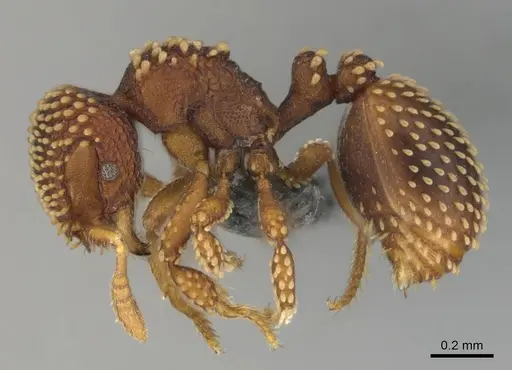
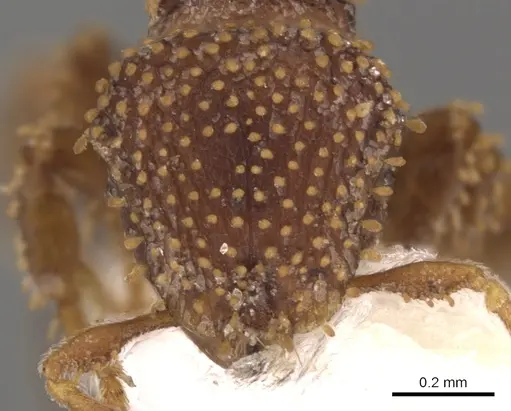
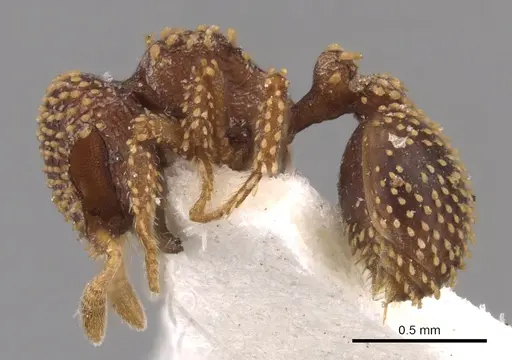
Calyptomyrmex kaurus
- Scientific Name
- Calyptomyrmex kaurus
- Tribe
- Crematogastrini
- Subfamily
- Myrmicinae
- Author
- Bolton, 1981
- Distribution
- Found in 8 countries
Calyptomyrmex kaurus Overview
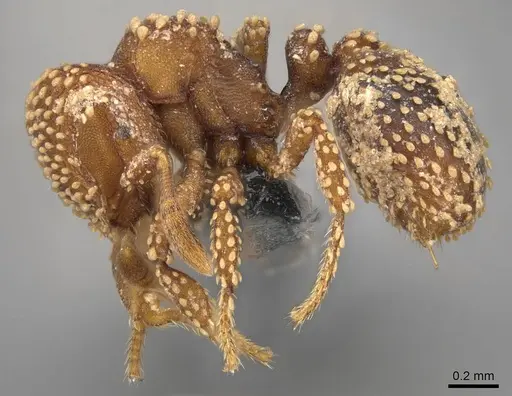
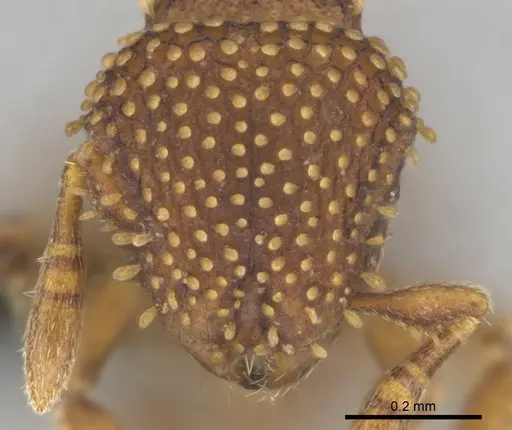
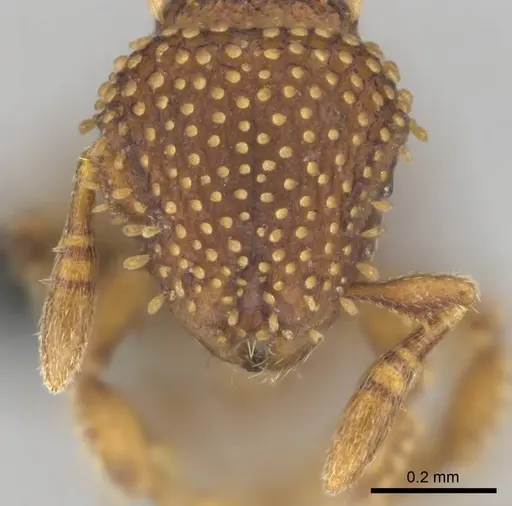
Calyptomyrmex kaurus is an ant species of the genus Calyptomyrmex. It is primarily documented in 8 countries , including Congo, Côte d'Ivoire, Gabon. Detailed taxonomic data and occurrence records can be further explored via authoritative databases such as AntWeb or the Global Biodiversity Information Facility (GBIF).
Calyptomyrmex kaurus
Calyptomyrmex kaurus is a small leaf-litter ant species native to the Afrotropical region, found across West Africa including Ghana, Ivory Coast, Angola, and Central African Republic. Workers are tiny ants that live in the forest floor layer, typically nesting in rotting wood, leaf mould, and under stones in humid rainforest and degraded forest habitats. This species is the most widely distributed Calyptomyrmex at Monts Doudou in Gabon, found across multiple elevations from 110m to 640m [1]. The genus Calyptomyrmex belongs to the subfamily Myrmicinae and is known for their cryptic, ground-dwelling lifestyle in tropical forests.
Quick Summary
- Difficulty: Medium
- Origin & Habitat: West African rainforests and forest margins, Ghana, Ivory Coast, Angola, Central African Republic, Mozambique. They live in leaf litter, rotting wood, and forest floor habitats in both primary rainforest and degraded forest areas [2][1].
- Colony Type: Colony structure is unconfirmed. Based on typical Calyptomyrmex patterns, likely single-queen colonies with modest worker populations.
- Founding: Claustral
- Size & Growth:
- Queen: Estimated 5-7mm based on genus patterns
- Worker: Estimated 2.5-4mm based on typical Calyptomyrmex measurements
- Colony: Likely small to moderate, under 500 workers based on similar leaf-litter ants
- Growth: Moderate, estimated based on genus patterns
- Development: Estimated 6-10 weeks at optimal temperature based on related Myrmicinae patterns (Development time is estimated from genus-level data since species-specific research is unavailable)
- Antkeeping:
- Temperature: Keep at 24-28°C. These are tropical forest ants that need warm, stable conditions. A heating cable on one side of the nest creates a gentle gradient [1].
- Humidity: High humidity is essential, they come from rainforest leaf litter. Keep nest substrate consistently moist but not waterlogged. Mist occasionally and provide a water tube. The forest floor is constantly humid in their natural habitat.
- Diapause: Unlikely, being a tropical species, they probably do not require a diapause period. Keep temperatures stable year-round.
- Nesting: Leaf-litter ants need tight, humid chambers. A Y-tong (AAC) nest or plaster formicarium works well. They prefer narrow passages scaled to their tiny size. Avoid dry, open setups.
- Behavior: These are cryptic, slow-moving ants that spend most of their time in the nest or foraging quietly through leaf litter. They are not aggressive and will flee rather than fight. Escape prevention is important due to their tiny size, they can squeeze through small gaps. They are likely nocturnal or crepuscular foragers, hunting small prey in the substrate.
- Common Issues: high humidity management is critical, too dry and colonies desiccate, too wet and mold becomes a problem, tiny size makes escape prevention challenging, use fine mesh and tight-fitting lids, slow growth can frustrate beginners, colonies develop moderately and need patience, wild-caught colonies may have parasites that are difficult to detect and treat, limited availability means this species is rarely traded in the antkeeping hobby
Natural History and Distribution
Calyptomyrmex kaurus is found across West and Central Africa, with confirmed records from Ghana, Ivory Coast, Angola, and Central African Republic [2]. They inhabit the leaf litter layer of tropical rainforests, where they nest in rotting wood, leaf mould, and under stones. This species is the most widely distributed Calyptomyrmex at Monts Doudou in Gabon, appearing across multiple elevations from 110m to 640m [1]. They have been collected from both primary rainforest and degraded forest environments, showing some adaptability to human-disturbed landscapes. The type specimens were collected from locations including Tafo and Kibi in Ghana, various sites in Ivory Coast, and Duque de Bragança Falls in Angola.
Nest Preferences and Housing
In the wild, Calyptomyrmex kaurus nests in the humid forest floor layer, typically in rotting logs, leaf litter, and under stones. For captive care, a Y-tong (AAC) nest or plaster formicarium provides the tight, humid chambers these ants prefer. The chambers should be scaled to their tiny size, narrow passages work better than wide, open spaces. Avoid naturalistic setups with large open areas as these small ants can become stressed in exposed spaces. Keep the nest area consistently moist but not sitting in water. A test tube setup can work for founding colonies, but transfer to a proper formicarium once the colony reaches 20-30 workers.
Feeding and Diet
Like most Calyptomyrmex species, these are likely omnivorous predators that forage for small invertebrates in the leaf litter. In captivity, offer small live prey like springtails, fruit flies, and tiny crickets. They will likely accept protein gels and small pieces of insects. Sugar sources may be accepted, offer occasional honey water or sugar water, but do not rely on these as a primary food source. Feed small amounts every 2-3 days and remove uneaten prey to prevent mold. A varied diet of small live prey is ideal for maintaining healthy colonies.
Temperature and Humidity Requirements
Being tropical forest ants from West Africa, Calyptomyrmex kaurus requires warm and humid conditions. Keep temperatures in the range of 24-28°C, stable warmth is more important than exact precision. A heating cable placed on one side of the nest creates a gentle temperature gradient allowing ants to self-regulate. Humidity is critical: maintain consistently moist substrate without waterlogging. The forest floor in their natural habitat is constantly humid, so mist the nest occasionally and ensure the water tube is always filled. Poor humidity quickly leads to colony decline.
Colony Development and Growth
Colony development is likely moderate in speed. The queen seals herself in during founding (claustral behavior typical of Myrmicinae) and raises the first workers alone on stored fat reserves. First workers (nanitics) will be smaller than mature workers. Based on related species, expect 6-10 weeks from egg to first worker at optimal temperature. Colonies likely remain small to moderate, probably under 500 workers in captivity. Growth rate depends on feeding consistency and maintaining proper temperature and humidity. Avoid disturbing the nest during founding, queens are sensitive to vibration and light.
Frequently Asked Questions
How long does it take for Calyptomyrmex kaurus to produce first workers?
Based on genus-level patterns, expect first workers (nanitics) to emerge in approximately 6-10 weeks after the queen lays eggs, assuming optimal temperature around 24-28°C.
What do Calyptomyrmex kaurus ants eat?
They likely eat small live prey like springtails and fruit flies, plus occasional sugar sources. Offer a varied diet of tiny invertebrates and supplement with small amounts of honey water or protein gels.
Do Calyptomyrmex kaurus ants sting?
Being in the subfamily Myrmicinae, they likely have a stinger, but due to their tiny size, it is unlikely to penetrate human skin. They are not aggressive and will flee from threats rather than fight.
What temperature should I keep Calyptomyrmex kaurus at?
Keep them at 24-28°C. Tropical forest ants need warm, stable conditions. A heating cable on one side of the nest can help maintain appropriate temperatures.
Do Calyptomyrmex kaurus need hibernation?
No, being a tropical species from West African rainforests, they do not require hibernation or diapause. Keep temperatures stable year-round.
How big do Calyptomyrmex kaurus colonies get?
Based on similar leaf-litter ants, colonies likely remain small to moderate, probably under 500 workers in captivity.
Is Calyptomyrmex kaurus a good species for beginners?
This is a medium-difficulty species. The main challenges are maintaining high humidity and preventing escapes due to their tiny size. They are not aggressive but require more attention to environmental conditions than hardy species.
What kind of nest should I use for Calyptomyrmex kaurus?
A Y-tong (AAC) nest or plaster formicarium works well. They prefer tight, humid chambers scaled to their tiny size. Avoid large, open naturalistic setups.
Why are my Calyptomyrmex kaurus dying?
The most common causes are low humidity (they need consistently moist conditions), temperatures that are too cool (below 24°C), or escape due to inadequate barriers. Check your setup and ensure the nest substrate stays damp.
Can I keep multiple Calyptomyrmex kaurus queens together?
Combining unrelated queens has not been documented for this species. Based on typical ant behavior, it is not recommended as queens will likely fight. Start with a single queen colony.
References

This caresheet is licensed under CC BY-SA 4.0 .
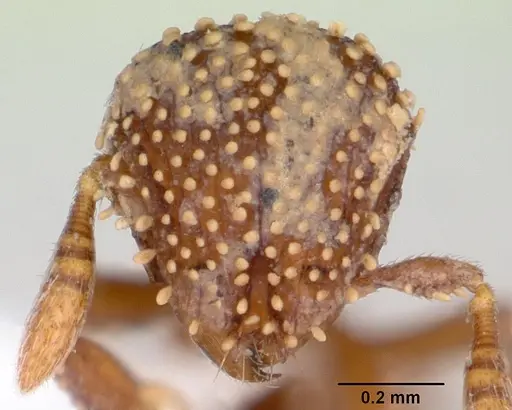
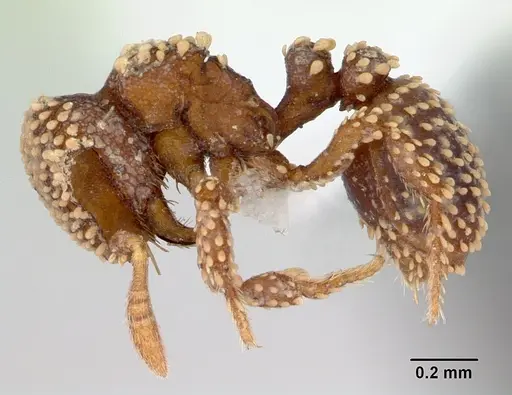
CASENT0417155
View on AntWeb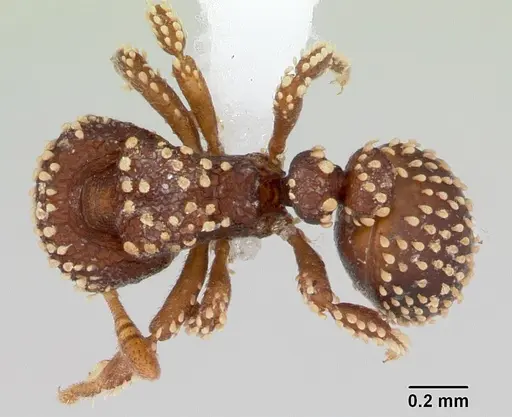
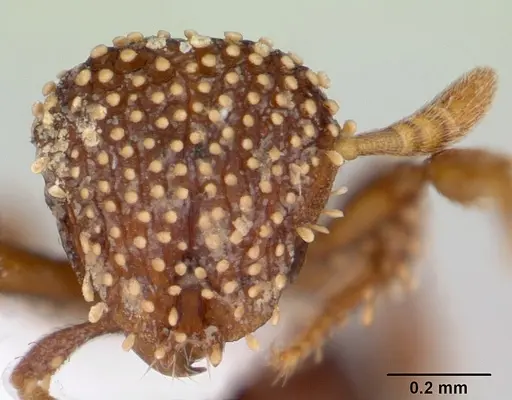
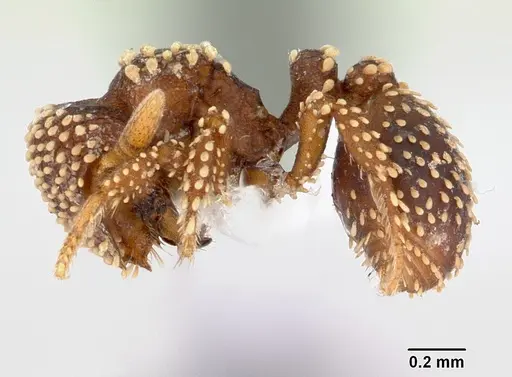
CASENT0417157
View on AntWeb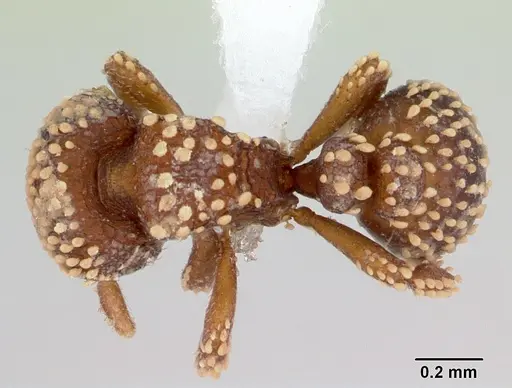
CASENT0775309
View on AntWeb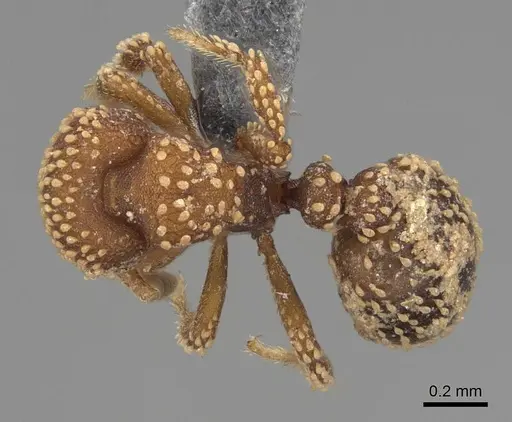
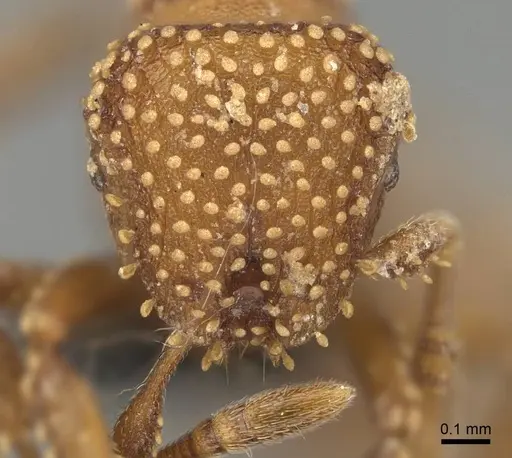
CASENT0815853
View on AntWeb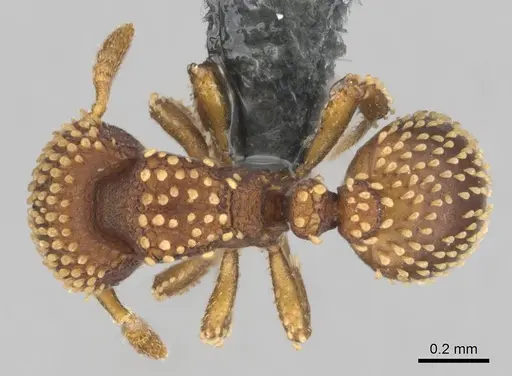
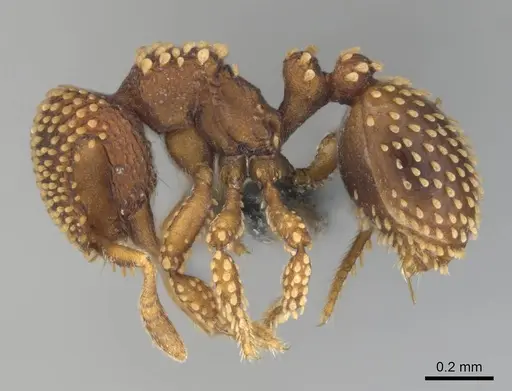
CASENT0815855
View on AntWeb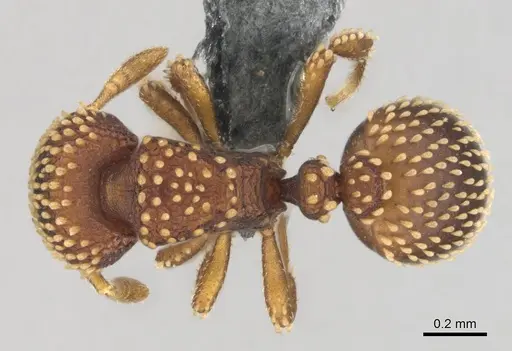
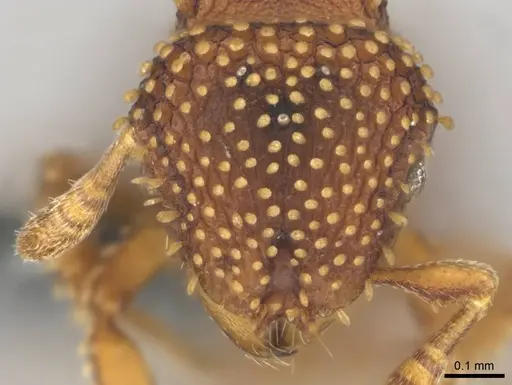
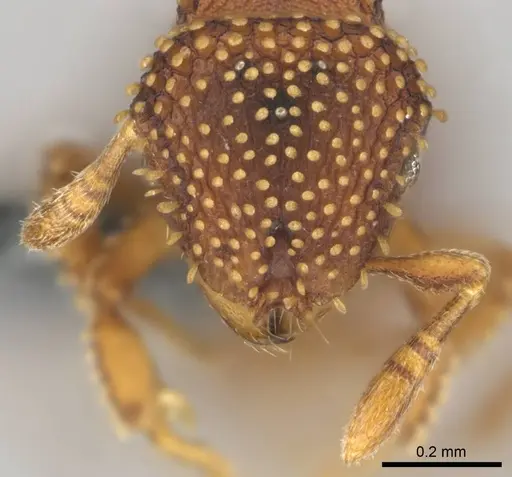
CASENT0900985
View on AntWeb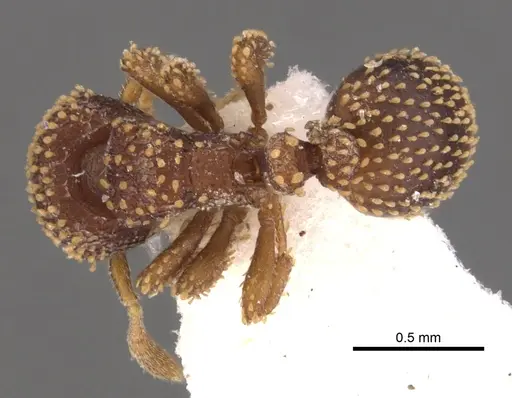
Literature
Loading...Loading products...