

Calyptomyrmex clavatus
- Scientific Name
- Calyptomyrmex clavatus
- Tribe
- Crematogastrini
- Subfamily
- Myrmicinae
- Author
- Weber, 1952
- Distribution
- Found in 1 countries
Calyptomyrmex clavatus Overview
Calyptomyrmex clavatus is an ant species of the genus Calyptomyrmex. It is primarily documented in 1 countries , including Kenya. Detailed taxonomic data and occurrence records can be further explored via authoritative databases such as AntWeb or the Global Biodiversity Information Facility (GBIF).
Calyptomyrmex clavatus
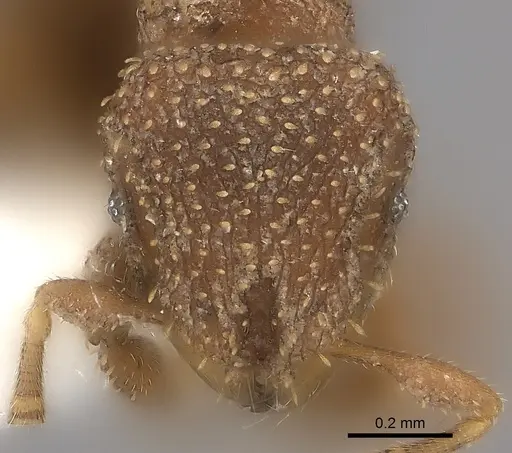
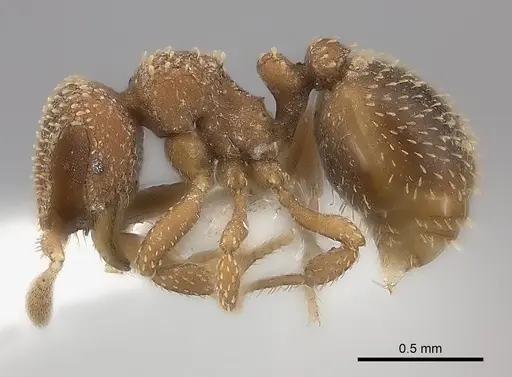
Calyptomyrmex clavatus is a small to medium-sized Myrmicinae ant species native to eastern and central Africa. Workers are characterized by their distinctive club-shaped (clavate) antennae and relatively compact body form. The species was originally described from Kenya and has since been recorded across the Democratic Republic of Congo, Ethiopia, Rwanda, and South Africa [1]. This is a poorly studied species in the antkeeping hobby, with limited information available on its specific biology and captive care requirements.
Quick Summary
- Difficulty: Unknown, likely Expert due to limited data
- Origin & Habitat: Eastern and central Africa, including Kenya, Democratic Republic of Congo, Ethiopia, Rwanda, and South Africa. Found in tropical to subtropical regions, typically in savanna and grassland habitats [1][2][3].
- Colony Type: Colony structure is unconfirmed. Based on typical Myrmicinae patterns, likely single-queen (monogyne) colonies, though this has not been directly documented.
- Size & Growth:
- Queen: Estimated 5-7mm based on genus Calyptomyrmex morphology patterns
- Worker: Estimated 3-4mm based on genus patterns
- Colony: Likely small to moderate, possibly 100-500 workers at maturity based on similar small Myrmicinae
- Growth: Unknown, estimated moderate based on genus patterns
- Development: Estimated 6-10 weeks at optimal temperature based on typical Myrmicinae development (Development timeline is not directly studied for this species. Estimate based on related genera in the Crematogastrini tribe.)
- Antkeeping:
- Temperature: Keep at 24-28°C based on their tropical African range. A heating cable on one side of the nest creates a suitable gradient. Room temperature may be adequate in warm homes.
- Humidity: Moderate humidity around 50-70%. Keep the nest substrate lightly moist but allow some drying between waterings. Their natural habitat includes relatively dry savanna regions.
- Diapause: Unconfirmed, tropical species may not require formal hibernation, but a slight reduction in temperature during winter months may be beneficial.
- Nesting: In nature they likely nest in soil or under stones. For captivity, a Y-tong (AAC) nest with narrow chambers or a small naturalistic setup with compact chambers works well. Avoid large, open spaces.
- Behavior: Calyptomyrmex are generally docile ants with limited defensive capabilities. Workers are small and likely slow-moving. Escape prevention should be moderate, their small size means some escape risk, but they are not strong climbers. They likely forage on the ground surface for small prey and honeydew.
- Common Issues: limited availability in the antkeeping hobby, this species is rarely traded, lack of species-specific care information means keepers must rely on genus-level estimates, small colony sizes may make them vulnerable to stress from disturbance, tropical origin means they may not tolerate cool temperatures
Species Overview and Natural History
Calyptomyrmex clavatus is a small Myrmicinae ant belonging to the tribe Crematogastrini. The species was originally described by N.A. Weber in 1952 from Kenya, with the type locality recorded as approximately 1°25'S,35°10'E in the Kenyan highlands. The species has since been documented across eastern Africa, including the Democratic Republic of Congo, Ethiopia, Rwanda (where it was first recorded in Akagera National Park in 2018), and South Africa [1][2][3].
The genus Calyptomyrmex is characterized by workers with distinctive club-shaped antennae and a generally compact body form. These ants are typically ground-dwelling and are found in tropical to subtropical habitats. The specific biology of C. clavatus remains poorly studied, with limited information available on colony structure, founding behavior, or detailed ecological preferences.
Housing and Nest Setup
For Calyptomyrmex clavatus, use a nest with small, tight chambers scaled to their tiny size. A Y-tong (AAC) formicarium with narrow passages works well, as does a small plaster or acrylic nest with appropriately sized chambers. The nesting area should be kept dark or partially covered, as these ants prefer dim conditions.
Because this is a ground-dwelling species, provide a shallow outworld area where workers can forage. Ensure escape prevention is adequate, while not strong climbers, their small size means they can slip through loose connections or gaps. Use standard barrier methods like Fluon on the rim of the nest setup.
The nest material should retain some moisture but not become waterlogged. A small water reservoir or test tube setup connected to the nest works well for maintaining appropriate humidity levels.
Feeding and Nutrition
Based on typical Myrmicinae feeding patterns, Calyptomyrmex clavatus likely accepts small protein sources such as fruit flies, small crickets, and other tiny arthropods. Offer protein prey 2-3 times per week, adjusting based on colony size and consumption rates.
They likely also consume honeydew and sugar sources in nature, so offering a small amount of sugar water or honey water occasionally may be accepted. However, protein should form the primary diet component. Remove any uneaten prey after 24-48 hours to prevent mold issues in the nest area.
For small colonies, offer appropriately sized prey items, tiny fruit flies or small mealworm pieces work well for minor workers.
Temperature and Seasonal Care
As a tropical African species, Calyptomyrmex clavatus requires warm conditions. Maintain nest temperatures between 24-28°C for optimal colony health and brood development. A heating cable placed on one side of the nest can create a temperature gradient, allowing the ants to regulate their position.
Room temperature may be sufficient in warm homes (24°C+), but monitor colony activity. If workers consistently cluster near the warmest area, consider adding gentle heating. Avoid temperatures below 20°C for extended periods.
Regarding winter dormency, this tropical species likely does not require a true hibernation period. However, a slight reduction in temperature during winter months (reducing to around 20-22°C) may simulate natural seasonal patterns and could benefit colony health.
Colony Development and Growth
Calyptomyrmex clavatus colonies likely start small, with a single queen founding the colony in claustral conditions (sealing herself in a chamber and living off stored fat reserves until the first workers emerge). The founding process likely takes 4-8 weeks, with the first workers (nanitics) being smaller than mature workers.
Based on typical Myrmicinae development patterns, expect 6-10 weeks from egg to first worker at optimal temperature. Colony growth is likely moderate, small colonies of 20-50 workers in the first year, potentially reaching 100-500 workers at maturity over several years.
Because this species is rarely kept in captivity, actual growth rates and colony sizes are not well documented. Monitor your colony for signs of stress or stagnation and adjust care accordingly.
Frequently Asked Questions
How do I care for Calyptomyrmex clavatus ants?
Calyptomyrmex clavatus requires warm temperatures (24-28°C), moderate humidity (50-70%), and small nest chambers. Feed small protein prey like fruit flies and small crickets 2-3 times weekly, with occasional sugar water. Use a Y-tong or small acrylic nest with tight-fitting escape prevention.
What do Calyptomyrmex clavatus eat?
Based on typical Myrmicinae diet, they likely eat small insects and arthropods. Offer tiny prey like fruit flies, small crickets, or mealworm pieces. They may also accept sugar water or honey water as an energy source.
How long does it take for Calyptomyrmex clavatus to produce first workers?
Estimated 6-10 weeks from egg to first worker at optimal temperature (24-28°C). This is based on typical Myrmicinae development patterns, as specific development data for this species is not available.
What temperature do Calyptomyrmex clavatus need?
Keep nest temperatures between 24-28°C. They are a tropical African species and require warm conditions. A heating cable on one side of the nest can provide a gradient. Avoid temperatures below 20°C.
How big do Calyptomyrmex clavatus colonies get?
Likely small to moderate colonies of 100-500 workers at maturity, based on similar small Myrmicinae ants. Actual colony sizes for this species are not well documented in scientific literature.
Do Calyptomyrmex clavatus ants sting?
As Myrmicinae ants, they have a stinger but it is likely too small to penetrate human skin effectively. They are generally docile and not considered dangerous to keepers.
Is Calyptomyrmex clavatus good for beginners?
This species is not recommended for beginners due to limited available care information and likely rarity in the antkeeping hobby. It requires species-specific knowledge that has not been well established. Consider starting with better-documented species like Lasius or Tetramorium.
Do Calyptomyrmex clavatus need hibernation?
Unlikely, as a tropical African species, they probably do not require true hibernation. A slight temperature reduction in winter (to around 20-22°C) may be beneficial but is not required.
What size nest do I need for Calyptomyrmex clavatus?
Use a small nest with tight chambers scaled to their tiny worker size (estimated 3-4mm). A Y-tong formicarium with narrow passages or a small acrylic/plaster nest works well. The nesting area should be compact.
Where is Calyptomyrmex clavatus found in the wild?
Eastern and central Africa, specifically Kenya (type locality), Democratic Republic of Congo, Ethiopia, Rwanda, and South Africa. They inhabit tropical to subtropical savanna and grassland regions.
References

This caresheet is licensed under CC BY-SA 4.0 .
CASENT0217138
View on AntWeb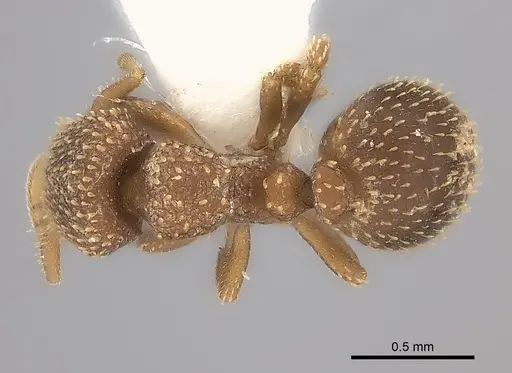
Literature
Loading...Loading products...