

Calomyrmex splendidus
- Scientific Name
- Calomyrmex splendidus
- Tribe
- Camponotini
- Subfamily
- Formicinae
- Author
- Mayr, 1876
- Distribution
- Found in 1 countries
Calomyrmex splendidus Overview
Calomyrmex splendidus is an ant species of the genus Calomyrmex. It is primarily documented in 1 countries , including Australia. Detailed taxonomic data and occurrence records can be further explored via authoritative databases such as AntWeb or the Global Biodiversity Information Facility (GBIF).
Calomyrmex splendidus
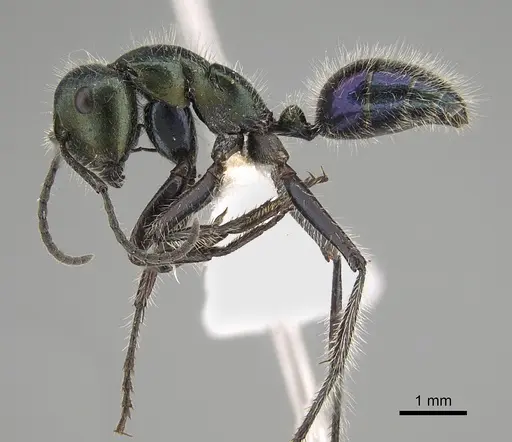
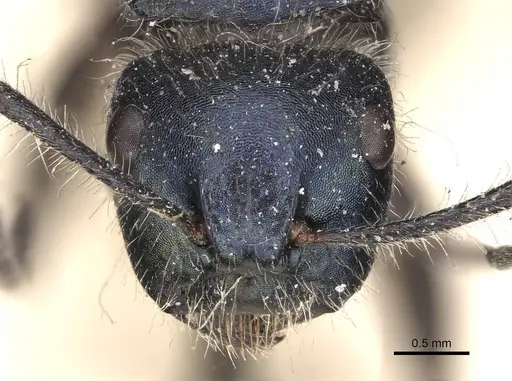
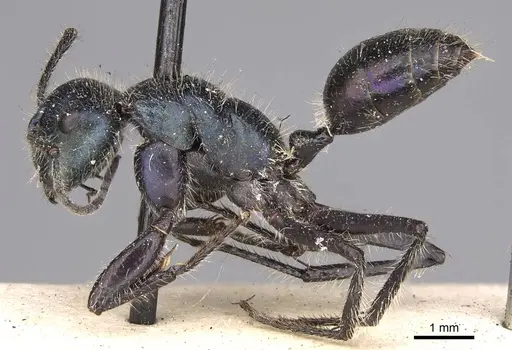
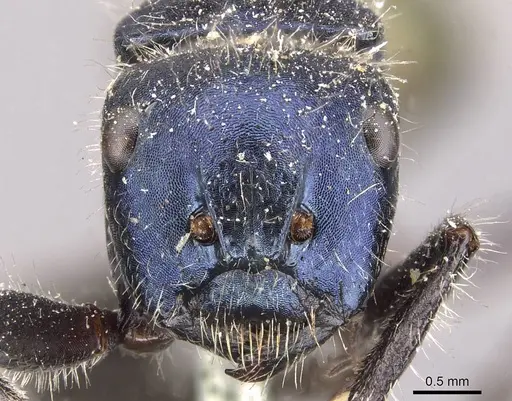
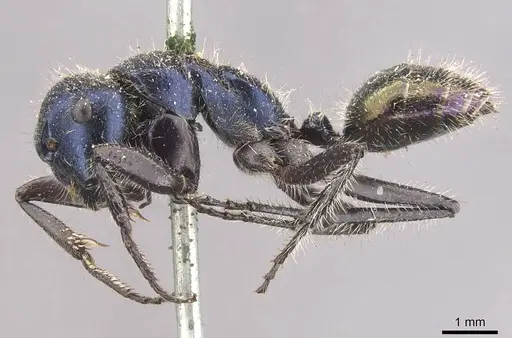
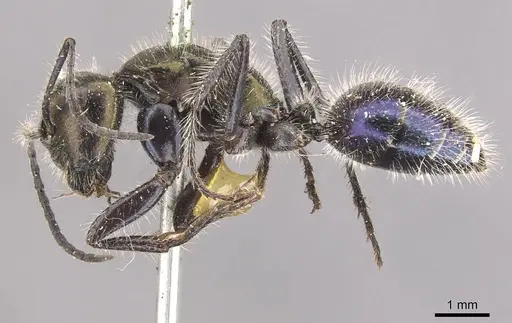
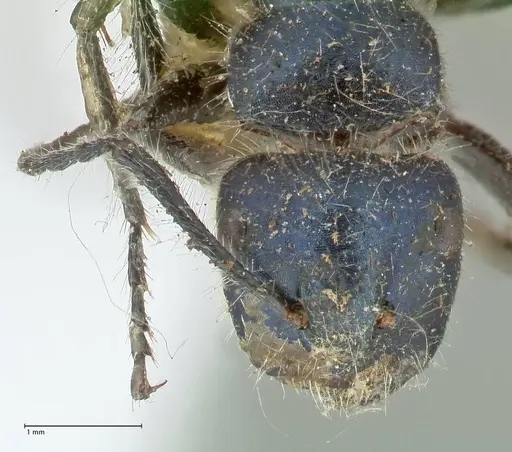
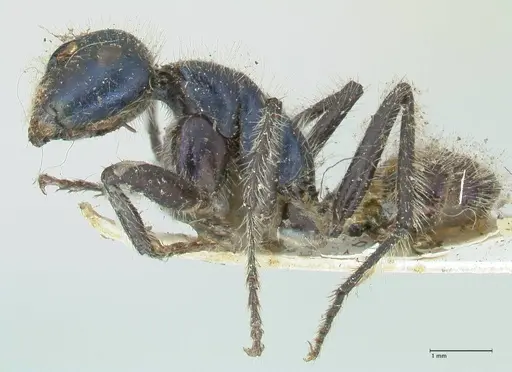
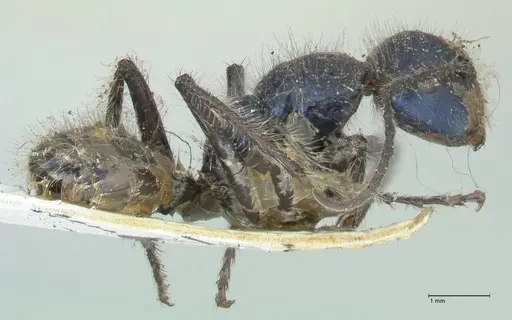
Calomyrmex splendidus is an Australian ant species belonging to the Formicinae subfamily, part of the Camponotini tribe. Workers are modest in size with a distinctive feature, their gaster (the rear body segment) has an iridescent, bauble-like quality that catches the light [1]. The species was originally described as Calomyrmex splendidus in 1876 and later moved to the genus Calomyrmex by Emery in 1896 [2]. These ants are found across Australia, with the type locality recorded from Queensland's Peak Downs [2]. Two known subspecies exist: C. s. mutans and C. s. viridiventris [2]. This species represents a relatively obscure corner of Australian ant biodiversity, with limited documented research on its specific biology and behavior.
Quick Summary
- Difficulty: Unknown, limited keeper data available
- Origin & Habitat: Australia, specifically Queensland region. Natural habitat preferences are not well documented in available research.
- Colony Type: Unconfirmed, colony structure (single-queen vs multi-queen) has not been studied. Based on Camponotini patterns, likely single-queen colonies, but this is an inference.
- Size & Growth:
- Queen: Unknown, no specific measurements found in available research. Estimated based on Camponotini genus patterns at 7-10mm.
- Worker: Unknown, no specific measurements found in available research. Estimated based on related Formicinae at 4-7mm.
- Colony: Unknown, no colony size data available. Likely moderate colonies based on genus patterns.
- Growth: Unknown, no development data available. Estimated as moderate based on typical Camponotini growth.
- Development: Unknown, no direct measurements. Estimated 6-10 weeks based on related Camponotini species at optimal temperature. (Development timeline is unconfirmed. Estimates based on genus-level patterns for Camponotini.)
- Antkeeping:
- Temperature: Unconfirmed, no specific temperature data. Based on Australian distribution, likely tolerates 20-28°C. Start around 24°C and observe colony activity.
- Humidity: Unconfirmed, no specific humidity data. Australian ants typically prefer drier conditions. Aim for moderate humidity (40-60%) with a dry area in the outworld.
- Diapause: Unknown, no documented overwintering requirements. Australian temperate ants may require a mild winter rest period, but this is unconfirmed.
- Nesting: Unconfirmed, natural nesting preferences not documented. Likely nests in soil or rotting wood based on Camponotini patterns. Captive recommendations: Y-tong or plaster nests work well for medium-sized Formicinae.
- Behavior: Behavior is not well documented. Based on Camponotini patterns, workers are likely moderately active foragers with typical ant behaviors. Escape risk is moderate, use standard barrier methods. No documented sting severity available, though Formicinae ants can have functional stings in some genera.
- Common Issues: limited species-specific care information makes proper husbandry challenging, colony founding success rates are unknown for this species, temperature and humidity requirements are estimated rather than confirmed, growth rate uncertainty may lead to feeding misjudgments, wild-caught colonies may have unknown parasites or health issues
Appearance and Identification
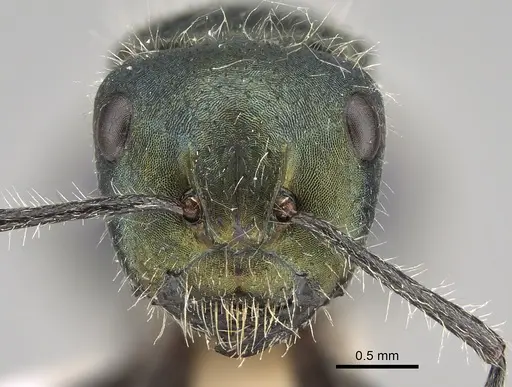
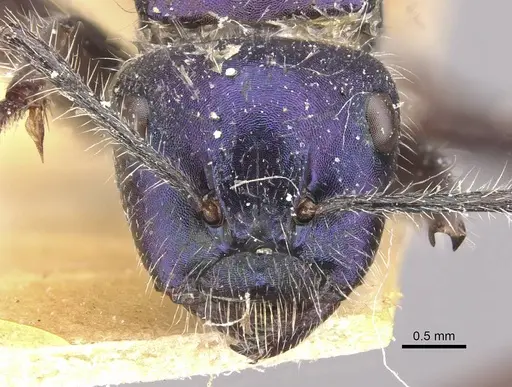
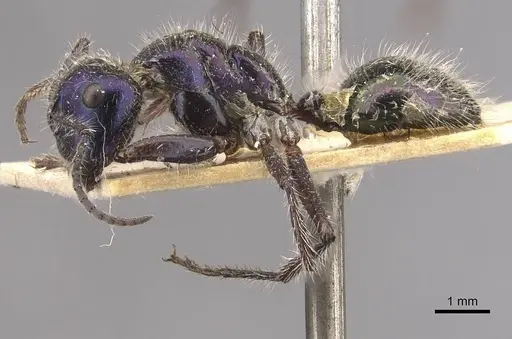
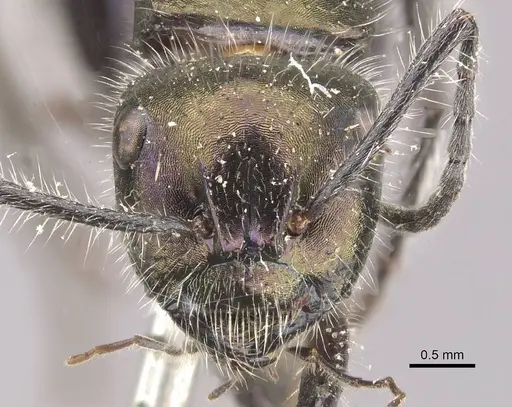
Calomyrmex splendidus workers are characterized by their distinctive iridescent gaster, which has a shiny, bauble-like quality that reflects light in appealing ways [1]. The species was originally described by Mayr in 1876 as Calomyrmex splendidus before being moved to Calomyrmex by Emery in 1896 [2]. Workers are estimated at 4-7mm based on related Formicinae, though exact measurements are not documented in available research. The genus Calomyrmex is part of the Camponotini tribe, sharing ancestry with well-known genera like Camponotus and Polyrhachis. Two subspecies are recognized: C. s. mutans (described in 1910) and C. s. viridiventris (described in 1915) [2].
Distribution and Origin
Calomyrmex splendidus is endemic to Australia, with the type locality recorded from Queensland's Peak Downs region [2]. The species distribution covers the Australasian region, primarily Australia [3]. This places them in a subtropical to temperate climate zone depending on the specific collection location within Australia. The subspecies viridiventris suggests some regional variation in coloration across their range. Unlike many widely distributed ants, this species appears restricted to Australia and has not been documented as invasive elsewhere.
Housing and Nesting
Natural nesting preferences are not well documented for this species. Based on Camponotini patterns, they likely nest in soil cavities, under stones, or in rotting wood in their natural habitat. For captive care, standard formicarium setups used for medium-sized Formicinae work well. Y-tong (acrylic) nests or plaster nests provide appropriate chamber sizes. Ensure the nest area maintains moderate humidity while the outworld can be kept drier. Given the lack of specific data, observe your colony's behavior, if workers cluster in damp areas, increase humidity, if they avoid condensation, reduce it. A small water tube for drinking access is essential.
Feeding and Diet
Specific dietary preferences for Calomyrmex splendidus are not documented in available research. As members of the Camponotini tribe, they likely have omnivorous diets similar to related Camponotus species. Offer a varied diet including sugar sources (honey water, sugar water) for energy and protein sources (insects, mealworms) for colony growth. Start with standard ant feeding protocols and observe acceptance. Remove uneaten food after 24-48 hours to prevent mold. Fresh water should always be available.
Temperature and Seasonal Care
No specific temperature requirements are documented for this species. Based on their Australian distribution spanning Queensland, they likely tolerate a range of temperatures from roughly 20-28°C. Start around 24°C (mid-room temperature) and monitor colony behavior, active workers and brood development indicate suitable conditions. If workers cluster near a heat source, increase slightly, if they avoid heated areas, reduce temperature. Overwintering requirements are unknown, Australian ants from temperate regions may benefit from a mild winter reduction (15-18°C) for 2-3 months, but this is not confirmed for this species.
Colony Development
Colony development specifics are not documented for Calomyrmex splendidus. Based on Camponotini genus patterns, founding is likely claustral, the queen seals herself in a chamber and survives on stored fat reserves until her first workers (nanitics) emerge. Expect 6-10 weeks from egg to first worker at optimal temperature, though this is an estimate rather than a confirmed timeline. Colony growth rate is unknown but likely moderate, similar to related Formicinae. Maximum colony size is unconfirmed. Be patient with founding colonies, they require minimal disturbance and only occasional small food offerings until nanitics arrive.
Frequently Asked Questions
How long does it take for Calomyrmex splendidus to produce first workers?
The egg-to-worker timeline is unconfirmed for this species. Based on typical Camponotini development, expect approximately 6-10 weeks at optimal temperature (around 24°C). This is an estimate, actual development time may vary.
What do Calomyrmex splendidus ants eat?
Specific dietary preferences are not documented. Based on Camponotini patterns, they likely accept sugar sources (honey water, sugar water) and protein (insects, mealworms). Offer a varied diet and remove uneaten food promptly.
Are Calomyrmex splendidus good for beginners?
This species is not recommended for beginners due to limited species-specific care information. The lack of documented temperature, humidity, and feeding requirements makes proper husbandry challenging. Consider starting with better-documented Australian species like Iridomyrmex or Rhytidoponera.
What temperature should I keep Calomyrmex splendidus at?
Temperature requirements are unconfirmed. Based on Australian distribution, start around 24°C and adjust based on colony activity. A range of 20-28°C is likely acceptable. Monitor your colony's behavior to find the optimal range.
Do Calomyrmex splendidus ants need hibernation?
Diapause requirements are unknown. If your colony shows reduced activity in winter, a mild cooling period (15-18°C) for 2-3 months may be beneficial, but this is not confirmed as necessary.
How big do Calomyrmex splendidus colonies get?
Maximum colony size is unknown. Based on Camponotini patterns, colonies likely reach several hundred to a few thousand workers over time. Growth rate is estimated as moderate.
Can I keep multiple Calomyrmex splendidus queens together?
Colony structure is unconfirmed. Based on Camponotini patterns, they likely form single-queen colonies. Combining unrelated queens is not recommended without documented evidence of pleometrosis (founding together) in this species.
What type of nest should I use for Calomyrmex splendidus?
Natural nesting is unconfirmed, but Camponotini typically prefer soil or wood cavities. Y-tong (acrylic) nests or plaster nests work well for medium-sized Formicinae. Provide moderate humidity in the nest area.
Where is Calomyrmex splendidus found in the wild?
This species is endemic to Australia, with the type locality from Queensland's Peak Downs region. They are found across Australia in the Australasian region.
References

This caresheet is licensed under CC BY-SA 4.0 .
CASENT0887760
View on AntWeb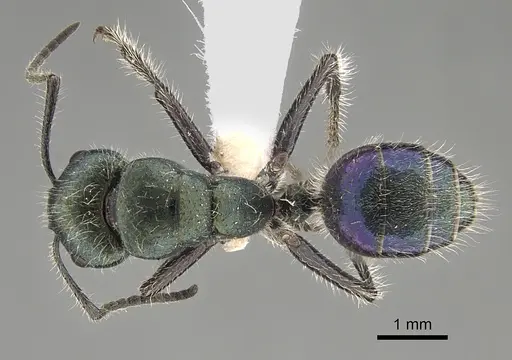
CASENT0906855
View on AntWeb
CASENT0910760
View on AntWeb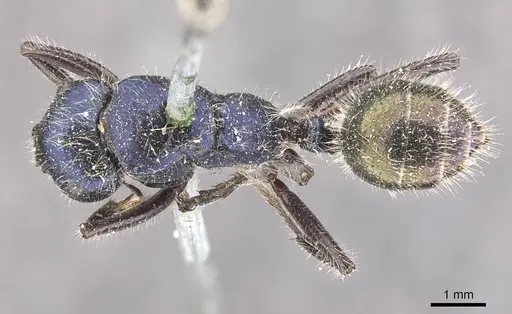
CASENT0910761
View on AntWeb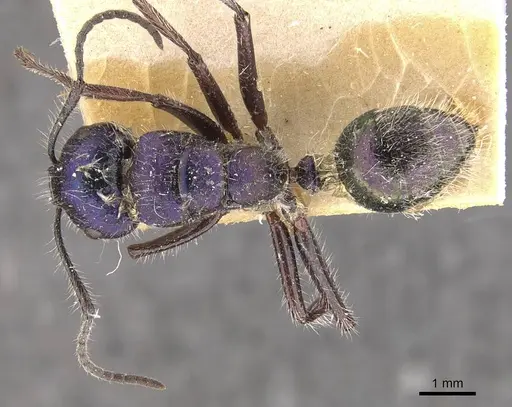
CASENT0910762
View on AntWeb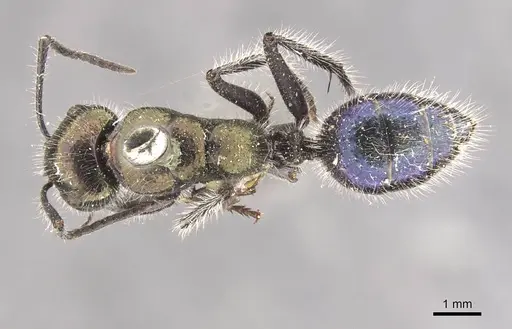
FOCOL2244
View on AntWeb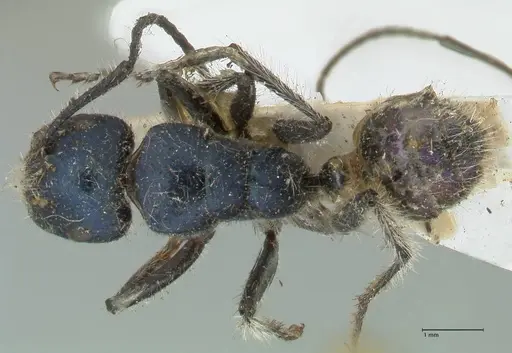
Literature
Loading...Loading products...